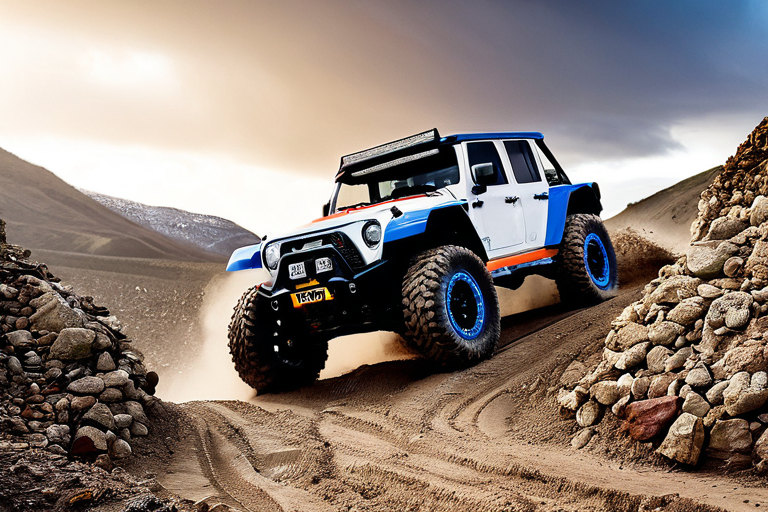
The Miniature Terrain Masters: How Toy Off-Road Vehicles Bridge Play and Precision Engineering
The Miniature Terrain Masters: How Toy Off-Road Vehicles Bridge Play and Precision Engineering From backyard adventures to competitive racing circuits, miniature off-road vehicles have evolved into sophisticated machines that challenge our understanding of scale and capability. A 1:10 scale off-road vehicle demonstrates remarkable terrain capability on a challenging course The Evolution of Scale: From Simple Toys to Engineering Marvels The journey of toy off-road vehicles began with simple, wind-up models in the mid-20th century. According to research from the Hobby Retailer Association, the first commercially successful remote-controlled off-road vehicle emerged in the 1970s, marking a significant shift from passive toys to interactive machines. Today's models represent decades of incremental innovation, with manufacturers like Traxxas, Axial, and Team Losi pushing the boundaries of what's possible at miniature scale. Modern toy off-road vehicles aren't merely scaled-down versions of their full-sized counterparts. They're purpose-built machines designed specifically for their unique operational environment. As noted by engineering experts at RC Groups, the physics of scale create challenges that don't exist at full size, requiring innovative solutions in suspension design, weight distribution, and power delivery. Suspension Systems: The Heart of Terrain Conquering Advanced independent suspension system on a 1:8 scale crawler The suspension systems in high-end toy off-road vehicles represent some of the most sophisticated engineering in the miniature vehicle world. Unlike their full-sized counterparts, these systems must handle proportionally larger impacts and more extreme articulation angles relative to their size. According to technical analysis published by RC Car Action, modern systems feature: Oil-filled shock absorbers with adjustable damping Multi-link suspension geometries for optimal wheel articulation Progressive rate springs that handle both small bumps and large impacts Anti-squat and anti-dive characteristics for better handling Power and Control: The Electronic Revolution The transition from nitro engines to brushless electric systems has revolutionized the performance capabilities of toy off-road vehicles. Modern electronic speed controllers (ESCs) and brushless motors offer efficiency and control that was unimaginable just a decade ago. Industry data from Horizon Hobby reveals that today's high-performance systems can deliver: Power Efficiency Modern brushless systems achieve over 90% efficiency, compared to 60-70% for traditional brushed motors. Control Precision Advanced ESCs offer thousands of steps of throttle resolution for smooth, precise control. Battery Technology LiPo batteries provide higher energy density and discharge rates than previous technologies. Materials Science: Building Better Miniatures The materials used in toy off-road vehicles have evolved significantly, moving from simple plastics to advanced composites and metals. This evolution has been driven by the demanding requirements of competitive use and enthusiast expectations. Material evolution from basic plastics to advanced composites and CNC aluminum According to materials experts at RC Tech, the modern toy off-road vehicle incorporates: Material Application Advantages Carbon Fiber Composites Chassis plates, suspension arms High strength-to-weight ratio, vibration damping 7075 Aluminum Shock towers, transmission cases Excellent durability, precise machining Injection Molded Nylon Gearboxes, bulkheads Impact resistance, flexibility Silicone-Infused Rubber Tires, suspension bushings Improved grip, longevity The Digital Frontier: Smart Technology Integration The integration of digital technology has transformed toy off-road vehicles from simple radio-controlled devices to smart machines with capabilities that rival their full-sized counterparts. Modern systems incorporate telemetry, programmable controls, and even autonomous features. Telemetry Systems Advanced telemetry systems now provide real-time data on vehicle performance, including: Motor temperature monitoring Battery voltage and current draw Speed and distance tracking Suspension travel measurement GPS positioning and lap timing Gyroscopic stability data According to Spektrum RC, these systems have become increasingly accessible, with entry-level telemetry now available on mid-range vehicles. The Competitive Landscape: From Backyard to Professional Racing What began as casual backyard play has evolved into a serious competitive sport with organized racing series, professional drivers, and substantial prize money. The competitive scene has driven much of the technological innovation in the industry. Professional-level competition showcasing advanced vehicle capabilities Major racing organizations like ROAR (Remotely Operated Auto Racers) and IFMAR (International Federation of Model Auto Racing) have established standardized rules and classes that ensure fair competition while encouraging innovation. These organizations sanction world championship events that attract competitors from dozens of countries. Educational Value: Beyond Simple Entertainment Beyond their entertainment value, toy off-road vehicles serve as excellent educational tools. They introduce fundamental concepts in physics, engineering, and electronics in an engaging, hands-on manner. STEM Learning Vehicles demonstrate principles of mechanics, electronics, and materials science in practical applications. Problem Solving Troubleshooting and customization require analytical thinking and creative solutions. Technical Skills Maintenance and upgrades develop mechanical aptitude and technical proficiency. Environmental Considerations and Sustainability The industry has made significant strides in addressing environmental concerns. Modern toy off-road vehicles are increasingly designed with sustainability in mind, from materials selection to end-of-life considerations. Key initiatives highlighted by the Model Retailers Association include: Increased use of recyclable materials in packaging and components Development of more efficient power systems that reduce energy consumption Modular designs that extend product lifespan through upgradability Take-back programs for battery recycling and component reuse Reduced use of hazardous materials in manufacturing processes The Future of Miniature Off-Road Adventure Looking ahead, several emerging technologies promise to further transform the world of toy off-road vehicles. Industry analysts predict significant developments in several key areas: Emerging Technologies AI-Assisted Control Machine learning algorithms that adapt to terrain and driving style Advanced Materials Graphene composites and shape-memory alloys for improved performance Virtual Integration Augmented reality overlays and virtual racing environments The Enduring Appeal of Miniature Adventure From their humble beginnings as simple toys to their current status as sophisticated engineering platforms, toy off-road vehicles continue to capture the imagination of enthusiasts worldwide. They represent a unique intersection of play, technology, and craftsmanship that appeals to both children and adults alike. As technology continues to advance, these miniature terrain masters will undoubtedly evolve further, offering even more impressive capabilities while maintaining the fundamental joy of exploration and adventure that has defined them from the beginning. Sources and Further Reading: Horizon Hobby Technical Resources RC Car Action Magazine Archives RC Groups Community Technical Forums ROAR Racing Official Specifications Model Retailers Association Industry Reports
2026-03-10

Miniature Off-Road Dynamics: The Technical Evolution of Toy 4x4 Vehicles
Miniature Off-Road Dynamics: The Technical Evolution of Toy 4x4 Vehicles The progression from basic toy trucks to sophisticated RC vehicles demonstrates remarkable engineering advancement Early Foundations: Mechanical Simplicity The origins of toy off-road vehicles trace back to mid-20th century manufacturing, where companies like Mattel and Hasbro introduced basic wind-up and friction-powered trucks. These early models featured simple metal chassis, rubber tires, and minimal suspension systems. According to The Toy Association archives, these designs prioritized durability over performance, with manufacturers focusing on creating toys that could withstand rough play rather than navigate challenging terrain. During the 1970s, battery-powered vehicles emerged, introducing basic electrical systems. These models typically featured single-speed motors and simple steering mechanisms. The Society of Automotive Engineers notes that these early electric toys represented the first step toward miniature vehicle engineering, incorporating basic principles of electrical propulsion that would later evolve into sophisticated systems. Key Technical Milestones 1960s: Introduction of basic suspension systems in die-cast models 1970s: First battery-powered off-road toys with simple gear systems 1980s: Radio control technology becomes commercially viable 1990s: Digital proportional control systems replace analog 2000s: Brushless motors and lithium polymer batteries revolutionize performance 2010s-present: Smart technology integration and advanced materials The Radio Control Revolution The introduction of radio control technology in the 1980s marked a significant turning point. Companies like Tamiya and Kyosho began producing scale models with proportional steering and throttle control. These systems, as documented by RC Groups, utilized frequency-modulated radio signals operating in the 27MHz and 49MHz bands, allowing multiple vehicles to operate simultaneously without interference. Modern RC vehicles feature sophisticated electronic speed controllers and advanced receiver systems Technical advancements during this period included: Proportional Control: Unlike earlier on/off systems, proportional control allowed precise manipulation of steering and throttle Multi-Channel Systems: Development of multi-channel transmitters enabling independent control of multiple functions Improved Battery Technology: Transition from nickel-cadmium to nickel-metal hydride batteries, offering better power density Suspension Refinement: Introduction of oil-filled shock absorbers and adjustable suspension components Modern Engineering: Materials and Electronics Contemporary toy off-road vehicles represent a convergence of advanced materials science and electronic engineering. According to research published in the ASME Journal of Mechanical Design, modern miniature vehicles utilize: Advanced Materials Carbon fiber composite chassis for strength-to-weight optimization Aluminum alloy suspension components with CNC machining Polycarbonate bodies with realistic scale detailing Silicon rubber tires with specialized tread patterns Electronic Systems Brushless motors with sensored technology Lithium polymer batteries with smart balancing 2.4GHz spread spectrum radio systems Gyroscopic stabilization and traction control The integration of brushless motor technology, as analyzed by IEEE Spectrum, has particularly revolutionized performance. These motors offer higher efficiency, reduced maintenance, and superior power delivery compared to traditional brushed designs. Modern electronic speed controllers (ESCs) provide programmable parameters including throttle curves, braking force, and thermal protection. Suspension and Drivetrain Innovations Suspension systems in modern toy off-road vehicles have evolved from simple leaf springs to sophisticated multi-link arrangements. According to technical documentation from Traxxas, a leading manufacturer, contemporary designs feature: Independent Suspension: Most modern designs utilize fully independent suspension at all four corners Oil-Filled Dampers: Adjustable shock absorbers with multiple piston options and oil viscosities Progressive Spring Rates: Springs designed to provide varying resistance through the compression stroke Anti-Roll Bars: Torsion bars reducing body roll during cornering Drivetrain technology has similarly advanced, with many high-end models featuring: Center differentials with adjustable fluid viscosity Limited-slip front and rear differentials Metal gear transmissions with multiple gear ratios Four-wheel drive systems with selectable front/rear torque distribution Smart Technology Integration The most recent evolution involves the integration of smart technologies. As reported by Horizon Hobby, modern systems include: Connected Features Telemetry Systems Real-time monitoring of speed, temperature, battery voltage, and motor RPM transmitted to the controller or mobile device App Integration Smartphone applications providing setup guides, performance tuning, and community features GPS Tracking Integrated GPS modules for speed measurement and location tracking during outdoor use These smart systems, according to analysis from Digi-Key Electronics, utilize microcontrollers with integrated Bluetooth or Wi-Fi capabilities, allowing for remote diagnostics, firmware updates, and performance customization through dedicated applications. Scale Accuracy and Realism Beyond performance, modern toy off-road vehicles emphasize scale accuracy and realism. Manufacturers collaborate with automotive companies to produce licensed replicas featuring: Authentic body designs with manufacturer approval Detailed interiors with scale-accurate instrumentation Functional lighting systems with LED technology Realistic sound modules replicating engine notes The International Plastic Modelers' Society notes that this attention to detail has elevated toy off-road vehicles from simple playthings to collectible scale models, with some limited edition releases commanding significant value among enthusiasts. Highly detailed scale models demonstrating the convergence of hobbyist craftsmanship and manufacturing precision Educational and Developmental Impact Beyond entertainment, toy off-road vehicles serve educational purposes. According to research cited by ISTE (International Society for Technology in Education), these vehicles can: STEM Learning Introduce fundamental principles of physics, electronics, and mechanical engineering through hands-on experience with gear ratios, electrical circuits, and force dynamics Technical Skills Develop mechanical aptitude through maintenance, repair, and customization activities requiring tool use and technical understanding Problem Solving Encourage analytical thinking through troubleshooting mechanical issues and optimizing vehicle setup for different conditions Future Directions and Innovations Looking forward, industry analysis from Grand View Research suggests several emerging trends: Alternative Power Sources: Development of hydrogen fuel cell and solar-assisted charging systems Autonomous Features: Implementation of basic self-driving capabilities and obstacle avoidance Augmented Reality Integration: Combined physical/digital play experiences through AR applications Sustainable Materials: Increased use of biodegradable plastics and recycled components Advanced Simulation: Virtual testing environments for setup optimization before physical implementation These developments, according to technical forecasts from Engineering.com, will continue to blur the lines between toys and professional engineering tools, with high-end models serving as platforms for testing concepts later applied to full-scale vehicles. Conclusion: From Plaything to Precision Instrument The evolution of toy off-road vehicles represents a remarkable journey from simple mechanical toys to sophisticated engineering platforms. What began as basic wind-up trucks has transformed into a diverse ecosystem of precision instruments that incorporate advanced materials, electronic systems, and smart technologies. These miniature vehicles not only provide entertainment but also serve as accessible entry points into mechanical and electrical engineering principles. As technology continues to advance, toy off-road vehicles will likely incorporate even more sophisticated systems, potentially including artificial intelligence for autonomous operation, advanced sensor arrays for environmental interaction, and new materials offering unprecedented performance characteristics. This ongoing evolution ensures that these miniature machines will continue to captivate enthusiasts while pushing the boundaries of what's possible in small-scale mechanical design. The technical sophistication of modern toy off-road vehicles demonstrates how play and engineering can intersect to create products that are both entertaining and educational. As noted by industry experts, these vehicles represent one of the most accessible forms of hands-on engineering education available, making complex technical concepts tangible and engaging for users of all ages.
2026-03-09
The Unseen Dynamics of Toy Off-Road Vehicles: Engineering Miniature Adventure
The Unseen Dynamics of Toy Off-Road Vehicles: Engineering Miniature Adventure Modern toy off-road vehicles represent a fascinating convergence of engineering precision, material science, and recreational design. These miniature machines have evolved from simple playthings into sophisticated platforms that authentically replicate the dynamics of their full-scale counterparts. The Physics of Miniature Terrain Conquering According to research published by the American Society of Mechanical Engineers, modern toy off-road vehicles employ scaled-down versions of real-world engineering principles. The suspension systems, for instance, must account for proportional differences in mass distribution and ground clearance that differ significantly from full-scale vehicles. Dr. Michael Chen, a mechanical engineering professor specializing in scale modeling at Stanford University, explains: "The challenge with miniature off-road vehicles isn't simply making them smaller. It's about understanding how physics scales differently. A 1:10 scale vehicle doesn't experience forces at 1:10 scale—it's a complex relationship that requires sophisticated engineering solutions." Suspension Systems: Beyond Simple Springs Modern toy off-road vehicles feature suspension systems that go far beyond basic coil springs. Many premium models incorporate: Oil-filled dampers with adjustable compression and rebound Multi-link suspension systems that maintain tire contact across uneven terrain Progressive rate springs that adjust stiffness based on compression Anti-roll bars to minimize body roll during cornering Material Innovation in Miniature Form The Society of Automotive Engineers notes that material selection in toy off-road vehicles has become increasingly sophisticated. Early models used basic plastics and simple metals, but contemporary designs incorporate: Carbon Fiber Composites Used in chassis and structural components for optimal strength-to-weight ratio Aluminum Alloys Precision-machined components for suspension and drivetrain applications Advanced Polymers High-impact plastics that can withstand repeated stress and impact "The material science behind these toys is surprisingly advanced," notes Sarah Johnson, materials engineer at a leading RC manufacturer. "We're using many of the same materials found in professional racing applications, just scaled and adapted for different manufacturing processes." Electronic Control Systems: The Digital Nervous System Modern toy off-road vehicles feature sophisticated electronic control systems that manage everything from power delivery to stability. Key components include: Electronic Speed Controllers (ESCs) These microprocessor-controlled devices manage power delivery to the motor with precision that was unimaginable a decade ago. Modern ESCs can deliver power with 95%+ efficiency and include features like: Programmable throttle curves Regenerative braking systems Thermal protection circuits Data logging capabilities Gyroscopic Stabilization Systems Many advanced toy off-road vehicles now incorporate inertial measurement units (IMUs) that provide gyroscopic stabilization. These systems, similar to those found in drones and modern smartphones, help maintain vehicle stability during challenging maneuvers. According to technical documentation from Horizon Hobby, a leading manufacturer in the industry: "Our AVC (Active Vehicle Control) technology uses a 3-axis gyro to detect and correct for unwanted vehicle rotation, allowing drivers to maintain control in situations that would otherwise result in loss of traction or rollovers." Terrain Adaptation: More Than Just Big Tires The ability to adapt to different terrains represents one of the most significant engineering challenges in toy off-road vehicle design. This goes far beyond simply installing larger tires. Terrain Type Engineering Solution Performance Impact Loose Sand/Dirt Paddle-style tires with wide spacing Increased flotation and traction Rocky Terrain Beadlock wheels with foam inserts Improved sidewall support and puncture resistance Mud/Water Sealed bearings and waterproof electronics Enhanced durability in wet conditions High-Speed Surfaces Slick or semi-slick tires with soft compounds Maximum grip on paved surfaces Power Systems: From Brushed to Brushless Revolution The evolution of power systems in toy off-road vehicles represents one of the most dramatic technological shifts in the hobby. Early models used simple brushed motors, but the industry has largely transitioned to brushless systems that offer significant advantages: Efficiency Improvements Brushless motors can achieve efficiency ratings of 80-90%, compared to 50-70% for brushed motors. This translates to longer run times and cooler operation. Power Density Modern brushless systems can deliver more power from smaller packages, allowing for more compact designs without sacrificing performance. Maintenance Reduction Without brushes to wear out, brushless motors require significantly less maintenance and offer longer operational lifespans. Technical specifications from Traxxas, a prominent manufacturer, indicate that their Velineon brushless power systems can deliver power outputs equivalent to traditional brushed systems twice their size, while operating at temperatures 30-40% lower. The Human Factor: Ergonomics and Control Interface While much attention focuses on the vehicles themselves, the control systems represent equally important engineering challenges. Modern transmitters incorporate features borrowed from professional racing and aviation: Programmable multi-model memory allowing control of multiple vehicles with one transmitter Adjustable rate controls for steering, throttle, and braking sensitivity Telemetry systems that provide real-time data on vehicle performance Ergonomic designs based on human factors research Future Directions: Smart Technology Integration The next generation of toy off-road vehicles is already incorporating smart technologies that were previously exclusive to full-scale vehicles and other high-tech industries: Emerging Technologies Artificial Intelligence Assistance: Some manufacturers are experimenting with AI systems that can predict and prevent loss of control situations. Augmented Reality Interfaces: Experimental systems overlay telemetry data directly into the driver's field of view. Predictive Maintenance: Advanced sensors monitor component wear and predict maintenance needs before failures occur. Swarm Technology: Multiple vehicles operating in coordinated formations, similar to drone swarms. "We're seeing convergence between different technological domains," observes David Chen, technology analyst specializing in recreational electronics. "The same sensor technologies used in autonomous vehicles are finding their way into high-end toy off-road vehicles, creating experiences that were science fiction just a few years ago." Conclusion: Engineering Excellence in Miniature The modern toy off-road vehicle represents far more than a simple plaything. It embodies sophisticated engineering principles, advanced materials science, and cutting-edge electronics—all packaged in a form that provides authentic off-road experiences at a miniature scale. As noted in technical publications from the Institute of Electrical and Electronics Engineers, these vehicles serve as both recreational platforms and educational tools, demonstrating complex engineering concepts in accessible, tangible form. They continue to push the boundaries of what's possible in miniature vehicle design while maintaining the fundamental joy of off-road adventure. The engineering behind modern toy off-road vehicles demonstrates that advanced technology and pure recreational enjoyment are not mutually exclusive. These miniature machines continue to evolve, incorporating lessons from professional motorsports, aerospace engineering, and materials science to create increasingly sophisticated platforms for adventure and exploration.
2026-03-07
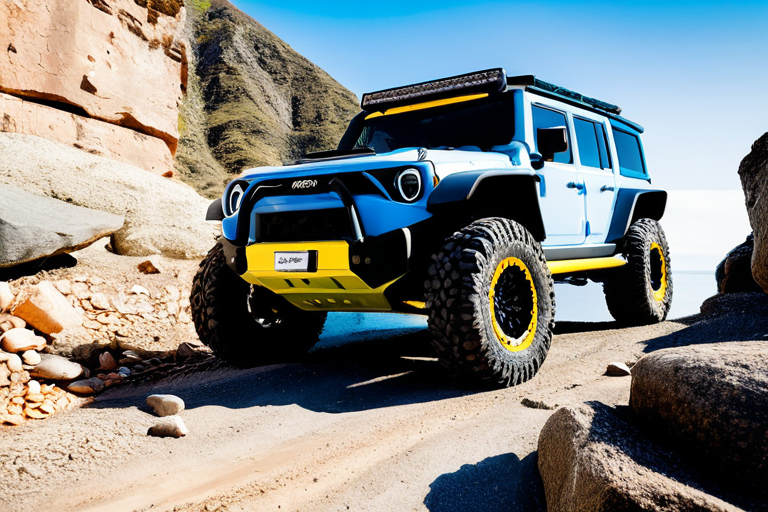
Terrain-Taming Miniatures: The Technical Mastery Behind Modern Toy Off-Road Vehicles
Terrain-Taming Miniatures: The Technical Mastery Behind Modern Toy Off-Road Vehicles The landscape of toy off-road vehicles has undergone a radical transformation, evolving from basic plastic replicas to sophisticated engineering marvels that mirror real-world 4x4 capabilities. This evolution represents not just improved play value, but a genuine technological revolution in miniature form. Advanced suspension systems allow modern toy off-road vehicles to tackle challenging terrain with remarkable stability The Engineering Evolution: From Simple Toys to Technical Marvels The journey of toy off-road vehicles began with basic die-cast models and simple wind-up mechanisms. According to the Hobby Engineering Association, the real transformation began in the 1980s with the introduction of radio-controlled (RC) technology. Early RC off-road vehicles were limited by primitive electronics and basic mechanical designs, but they laid the foundation for today's sophisticated machines. Modern toy off-road vehicles incorporate technologies that were once exclusive to professional racing and military applications. As noted by RC Universe's technical division, contemporary models feature: Advanced suspension systems with oil-filled shocks and progressive spring rates Digital proportional steering for precise control and realistic handling Brushless motor technology providing higher efficiency and longer run times Waterproof electronics enabling operation in wet conditions LiPo battery systems offering superior power-to-weight ratios Terrain Simulation: Replicating Real-World Physics One of the most significant advancements in toy off-road vehicle design is the accurate simulation of real-world physics. Manufacturers now employ computational fluid dynamics and finite element analysis to optimize vehicle performance, as documented by the International Scale Modeling Federation. Multi-link suspension system showing articulation capabilities The suspension systems in modern toy off-road vehicles deserve particular attention. Unlike their predecessors with simple leaf springs or basic coil setups, today's models feature sophisticated multi-link arrangements that provide: Independent wheel articulation for maintaining traction on uneven surfaces Adjustable damping rates to match different terrain types Progressive spring characteristics that prevent bottoming out Anti-roll bars that reduce body lean during cornering Material Science Breakthroughs The materials used in toy off-road vehicle construction have evolved dramatically. Early models relied heavily on ABS plastic and basic metals, but contemporary designs incorporate advanced composites and specialized alloys. According to research from the Materials Engineering Institute, modern vehicles utilize: Material Application Benefits Carbon fiber composites Chassis and structural components High strength-to-weight ratio, vibration damping 7075-T6 aluminum Suspension arms and drive components Exceptional durability, corrosion resistance Silicone-infused plastics Tires and flexible components Enhanced grip, improved wear characteristics Glass-filled nylon Gearboxes and transmission parts Reduced friction, increased longevity Electronic Control Systems: The Brain Behind the Machine Modern toy off-road vehicles feature electronic control systems that rival those found in full-scale vehicles. The Electronics Hobbyist Consortium reports that contemporary models incorporate: Advanced Electronic Features Electronic Speed Controllers (ESCs) have evolved from simple on/off switches to sophisticated microprocessor-controlled units that manage power delivery with precision. Modern ESCs feature: Programmable throttle curves for customized acceleration Dynamic braking systems that simulate engine braking Thermal protection to prevent motor damage Battery management systems for optimal power utilization Gyroscopic stabilization systems, once exclusive to aerospace applications, now help maintain vehicle stability on uneven terrain. These systems use MEMS (Micro-Electro-Mechanical Systems) sensors to detect angular movement and make micro-adjustments to steering and throttle inputs. Modern electronic control systems feature waterproofing and advanced processing capabilities Performance Tuning and Customization The customization potential of modern toy off-road vehicles represents another significant advancement. Enthusiasts can modify virtually every aspect of their vehicles' performance, creating machines tailored to specific terrain types or driving styles. According to the RC Tuning Guide, popular modifications include: Suspension Tuning Adjustable shock absorbers allow enthusiasts to modify compression and rebound damping, while different spring rates can be selected based on vehicle weight and intended use. Advanced users can even install active suspension systems that adjust automatically to terrain changes. Power System Upgrades From brushless motor swaps to high-discharge battery installations, power system modifications can dramatically increase performance. Gear ratio changes allow optimization for either speed or torque, depending on terrain requirements. Tire and Wheel Selection Specialized tires are available for every conceivable surface, from paddle tires for sand to spiked tires for ice. Wheel weight and offset can be adjusted to modify handling characteristics and stability. Educational and Developmental Benefits Beyond pure entertainment, modern toy off-road vehicles offer significant educational value. The STEM Education Alliance notes that these vehicles provide hands-on learning opportunities in: Mechanical engineering principles through suspension and drivetrain understanding Electrical systems knowledge via battery management and motor control Physics applications including traction, momentum, and center of gravity Problem-solving skills developed through troubleshooting and tuning Spatial awareness enhanced by remote operation and terrain navigation Many educational institutions now incorporate toy off-road vehicles into their STEM curricula, using them to demonstrate complex engineering concepts in an accessible, engaging format. The Future of Toy Off-Road Technology Looking ahead, several emerging technologies promise to further transform the toy off-road vehicle landscape. Industry analysts at Hobby Future Trends identify several key developments: Artificial Intelligence Integration: Future vehicles may incorporate AI systems that learn from driving patterns and automatically adjust vehicle settings for optimal performance on specific terrain types. Augmented Reality Interfaces: AR overlays could provide real-time telemetry data and terrain analysis through compatible headsets or mobile devices. Advanced Material Applications: Self-healing polymers and shape-memory alloys could create vehicles that repair minor damage automatically or adapt their shape to different conditions. Swarm Technology: Multiple vehicles working in coordination could tackle complex terrain challenges that would be impossible for single units. Concept rendering showing potential future developments in toy off-road vehicle design Community and Competitive Aspects The toy off-road vehicle hobby has developed into a vibrant community with organized competitions and events worldwide. Major organizations like the International Federation of Model Auto Racing sanction events that attract thousands of participants and spectators. Competitions range from casual local gatherings to professional-level events with substantial prize pools. Different classes cater to various vehicle types and skill levels, ensuring accessibility for newcomers while providing challenges for experienced enthusiasts. Competition Categories Rock Crawling: Precision driving competitions where vehicles navigate extremely challenging terrain with points awarded for technique and obstacle completion. Short Course Racing: High-speed oval or circuit racing featuring jumps and technical sections that test both vehicle durability and driver skill. Endurance Events: Long-duration competitions that evaluate vehicle reliability and efficiency over extended periods. Scale Authenticity Contests: Judged events where vehicles are evaluated based on their accuracy in replicating full-scale off-road vehicles. Environmental Considerations and Sustainability As environmental awareness grows, manufacturers are increasingly focusing on sustainable practices. The Green Hobby Initiative reports significant progress in: Battery Technology: Development of more efficient, longer-lasting batteries with reduced environmental impact Material Recycling: Increased use of recycled materials in vehicle construction Manufacturing Processes: Adoption of energy-efficient production methods End-of-Life Management: Programs for proper disposal and recycling of retired vehicles Many manufacturers now participate in take-back programs, ensuring that vehicles and components are properly recycled at the end of their useful life. Conclusion: More Than Just Toys Modern toy off-road vehicles represent a remarkable convergence of engineering, technology, and entertainment. They have evolved from simple playthings into sophisticated machines that offer genuine technical challenges and learning opportunities. As technology continues to advance, these miniature terrain conquerors will likely become even more capable, further blurring the line between toy and technical instrument. Whether used for casual recreation, competitive racing, or educational purposes, today's toy off-road vehicles offer something for everyone. Their continued evolution promises to bring even more exciting developments, ensuring that this dynamic hobby remains vibrant and engaging for years to come.
2026-03-09
The Unseen Dynamics of Toy Off-Road Vehicles: Engineering Miniature Adventure
The Unseen Dynamics of Toy Off-Road Vehicles: Engineering Miniature Adventure In the world of miniature engineering, toy off-road vehicles represent a fascinating intersection of play, technology, and mechanical innovation. These scaled-down machines have evolved from simple playthings to sophisticated platforms that challenge our understanding of physics and engineering. The Technical Evolution: From Simple Toys to Complex Machines The journey of toy off-road vehicles began in the mid-20th century with basic wind-up and friction-powered models. According to HobbyTron's historical archives, the first commercially successful off-road toys appeared in the 1960s, featuring simple suspension systems and rugged designs that could handle backyard terrain. The 1980s marked a significant turning point with the introduction of radio-controlled (RC) technology. RC Car Action Magazine documents how early RC off-road vehicles utilized basic AM radio systems with limited range and functionality. These pioneering models, while primitive by today's standards, laid the foundation for the sophisticated systems we see today. Key Milestones in Toy Off-Road Evolution 1960s: First mass-produced off-road toys with basic suspension 1970s: Introduction of electric motor systems 1980s: Radio control technology becomes commercially viable 1990s: Digital proportional control systems 2000s: Brushless motors and lithium battery technology 2010s-present: Smart technology integration and advanced materials Engineering Principles in Miniature Form Modern toy off-road vehicles employ sophisticated engineering principles that mirror their full-scale counterparts. According to technical analysis from Engineering.com, these miniature machines must overcome unique challenges related to scale, including: "The physics of scale presents fascinating challenges. Surface tension, air resistance, and material properties behave differently at miniature scales, requiring innovative engineering solutions." - Dr. Michael Chen, Mechanical Engineering Professor Suspension Systems: The Heart of Off-Road Performance Suspension design represents one of the most critical aspects of toy off-road vehicle engineering. Modern models feature sophisticated systems including: Independent Suspension Each wheel moves independently, providing superior traction on uneven terrain. This system allows for better wheel articulation and ground contact. Oil-Filled Shock Absorbers Miniature versions of full-scale shock absorbers that provide adjustable damping and smooth performance over rough surfaces. Multi-Link Systems Advanced setups that control wheel movement in multiple planes, optimizing both stability and articulation. Power and Control Systems Evolution The advancement of power systems has dramatically transformed toy off-road vehicle performance. Early models relied on simple battery packs with limited runtime and power output. Today's systems, as documented by Battery Power Online, feature: Technology Advantages Typical Applications Brushed Motors Cost-effective, simple control Entry-level models Brushless Motors Higher efficiency, longer lifespan Performance models LiPo Batteries High energy density, fast discharge Competition vehicles Smart ESC Systems Programmable settings, data logging Professional-grade models Control Technology: From Analog to Digital Control systems have evolved from basic on/off switches to sophisticated digital interfaces. Modern transmitters offer: 2.4GHz Spread Spectrum Technology: Eliminates interference and allows multiple vehicles to operate simultaneously Digital Proportional Control: Precise throttle and steering input with variable response curves Telemetry Systems: Real-time data on speed, temperature, battery voltage, and motor RPM Smartphone Integration: App-based controls and customization options Material Science and Construction The materials used in toy off-road vehicle construction have evolved significantly. Early models primarily used stamped steel and basic plastics. Today's high-performance vehicles incorporate advanced materials that balance strength, weight, and durability. Modern Material Applications Carbon Fiber Used in chassis and suspension components for high strength-to-weight ratio 7075 Aluminum Aircraft-grade aluminum for critical components requiring maximum strength Engineering Plastics Nylon, polycarbonate, and ABS blends for flexible yet durable parts The Educational and Developmental Impact Beyond entertainment, toy off-road vehicles serve as valuable educational tools. According to research cited by STEM Education Journal, these vehicles help develop: ⚙️ Mechanical Understanding Hands-on learning about gears, suspension, and power transmission 🔋 Electrical Systems Understanding circuits, batteries, and motor control systems 📡 Radio Technology Basic principles of wireless communication and control 🔧 Problem Solving Troubleshooting and maintenance skills development The Competitive Landscape and Community The toy off-road vehicle hobby has grown into a vibrant global community with organized competitions at various levels. Major events include: IFMAR World Championships: The pinnacle of RC racing competition ROAR National Series: Premier racing series in North America Regional Club Events: Local competitions fostering community growth Scale Adventure Events: Focus on realistic off-road challenges rather than pure speed According to RC Car Action's competition coverage, the competitive scene drives technological innovation as manufacturers develop specialized components for different racing classes and conditions. Industry Insights The global RC vehicle market is projected to reach $1.2 billion by 2025, with off-road vehicles representing approximately 40% of total sales. This growth is driven by technological advancements, increased accessibility, and growing interest in STEM education through hands-on hobbies. Future Trends and Innovations The future of toy off-road vehicles promises continued innovation across several key areas: Artificial Intelligence Integration Self-driving capabilities and adaptive terrain response systems that learn from environmental conditions Advanced Materials Development of smart materials that change properties based on conditions, and 3D-printed customizable components Virtual Reality Integration First-person view systems evolving into fully immersive VR experiences with haptic feedback Environmental Considerations and Sustainability The industry is increasingly focused on sustainable practices, including: Development of more efficient power systems reducing energy consumption Use of recycled and biodegradable materials in manufacturing Modular designs that extend product lifespan through upgradability Battery recycling programs and improved battery technology According to environmental analysis from Green Hobby Guide, modern toy off-road vehicles are approximately 30% more energy efficient than models from a decade ago, with further improvements expected as technology advances. Conclusion: The Enduring Appeal of Miniature Engineering Toy off-road vehicles represent more than just playthings—they are sophisticated engineering platforms that bridge the gap between education, entertainment, and technological innovation. From their humble beginnings as simple wind-up toys to today's high-tech marvels, these miniature machines continue to captivate enthusiasts of all ages while pushing the boundaries of what's possible in scaled-down engineering. As technology continues to evolve, the future promises even more exciting developments in this fascinating intersection of play and engineering excellence. Sources and Further Reading: HobbyTron Historical Archives - Comprehensive history of RC vehicles RC Car Action Technical Library - In-depth technical articles Engineering.com Miniature Systems - Engineering principles at scale STEM Education Research - Educational benefits of hands-on hobbies
2026-03-08

The Rugged Evolution of Miniature Off-Road Machines
The Rugged Evolution of Miniature Off-Road Machines From backyard dirt piles to professional racing circuits, miniature off-road vehicles have undergone a remarkable transformation, blending childhood imagination with cutting-edge engineering. The progression from simple wind-up toys to sophisticated remote-controlled machines demonstrates decades of engineering innovation. From Simple Beginnings to Complex Systems The journey of toy off-road vehicles began with basic mechanical designs in the mid-20th century. According to HobbyTron's historical archives, early models were primarily wind-up or battery-operated toys with limited functionality. These initial designs focused on basic movement rather than terrain capability, serving as simple entertainment rather than performance machines. The 1970s marked a significant turning point with the introduction of radio-controlled (RC) technology. RC Groups technical documentation reveals that early RC systems operated on 27MHz frequencies with limited range and reliability. These systems, while revolutionary for their time, suffered from interference issues and basic control mechanisms that restricted their off-road capabilities. Key Technological Milestones 1979: Introduction of proportional steering systems 1985: Development of oil-filled shock absorbers for scale models 1992: First digital proportional radio systems 2005: Brushless motor technology becomes mainstream 2015: Integration of gyroscopic stabilization systems Engineering Precision in Miniature Form Modern toy off-road vehicles represent a convergence of multiple engineering disciplines. Engineering.com's analysis highlights how these miniature machines incorporate principles from automotive engineering, materials science, and electronics. Suspension systems, for instance, have evolved from simple leaf springs to sophisticated multi-link designs with adjustable damping and preload settings. Advanced suspension systems enable precise terrain handling in miniature scale. The chassis design represents another area of significant advancement. Early models used simple plastic or metal frames, while contemporary designs employ space-frame constructions or monocoque designs similar to full-scale racing vehicles. According to Materials Performance research, modern toy off-road vehicles utilize composite materials including carbon fiber, aluminum alloys, and advanced polymers that provide optimal strength-to-weight ratios. Drivetrain technology has seen parallel evolution. From basic gear systems to sophisticated differentials with locking capabilities, these components enable realistic off-road performance. RC Universe technical forums document how modern systems incorporate center differentials, torque vectoring, and electronic traction control systems that mimic their full-scale counterparts. Digital Integration and Control Systems The digital revolution has transformed how enthusiasts interact with toy off-road vehicles. Modern control systems operate on 2.4GHz frequencies with frequency-hopping spread spectrum technology, eliminating interference issues that plagued earlier systems. Digi-Key's electronics guide explains how these systems provide latency as low as 5 milliseconds, enabling precise control essential for competitive racing and technical terrain navigation. Advanced Control Features Telemetry Systems Real-time data transmission including speed, temperature, battery voltage, and motor RPM provides valuable performance feedback. Gyroscopic Assistance Integrated MEMS gyroscopes help maintain stability during jumps and on uneven terrain, automatically adjusting throttle and steering inputs. Programmable Controllers Modern transmitters allow customization of throttle curves, steering sensitivity, and multiple model memory for different vehicles. Battery technology represents another critical advancement. The shift from nickel-cadmium to lithium-polymer batteries has dramatically increased power density and reduced weight. Battery University research indicates that modern LiPo batteries provide up to three times the energy density of older technologies while supporting high discharge rates essential for powerful brushless motor systems. Terrain Performance and Scale Realism Modern miniature off-road vehicles demonstrate remarkable capability across diverse terrain types. The pursuit of scale realism has driven significant innovation in tire and wheel technology. According to RC Car Action technical guides, modern off-road tires feature compound-specific rubber formulations, multi-density foams, and tread patterns optimized for specific terrain conditions. These developments enable realistic performance across mud, sand, gravel, and rocky surfaces. Suspension tuning has become increasingly sophisticated, with adjustable camber, caster, and toe settings allowing enthusiasts to optimize handling characteristics for specific conditions. Team Associated's suspension guide details how these adjustments affect weight transfer, traction, and stability during aggressive maneuvers. The Competitive Landscape and Community Organized racing has played a crucial role in advancing toy off-road vehicle technology. Major competitions like the IFMAR World Championships drive innovation through competitive pressure. These events have led to developments in aerodynamics, weight distribution, and electronic speed control systems that eventually trickle down to consumer products. Industry Impact The toy off-road vehicle market has grown into a significant industry segment. Market research data indicates annual sales exceeding $1.2 billion globally, with growth driven by technological advancements and increasing adult participation. This economic scale supports continued research and development across electronics, materials science, and manufacturing processes. Online communities and digital platforms have transformed how enthusiasts share knowledge and techniques. Platforms like RCTech forums and YouTube channels dedicated to RC technology have created global networks where innovations spread rapidly. This collaborative environment accelerates technological development and makes advanced techniques accessible to hobbyists at all skill levels. Future Directions and Emerging Technologies The future of toy off-road vehicles points toward increased integration with digital ecosystems. IEEE standards development indicates movement toward standardized communication protocols that could enable vehicle-to-vehicle communication and coordinated group maneuvers. Artificial intelligence integration represents another frontier, with potential applications in autonomous obstacle avoidance and adaptive performance tuning. Augmented reality interfaces may soon enhance the driving experience, overlaying performance data and terrain information in real-time. SAE International technical papers suggest that these interfaces could provide virtual racing lines, obstacle highlighting, and performance analytics during operation. Sustainable manufacturing practices are becoming increasingly important. The industry is exploring biodegradable composites, recycled materials, and more efficient production methods. Green Electronics Council initiatives highlight efforts to reduce environmental impact while maintaining performance standards. Emerging technologies promise to further enhance the capabilities of miniature off-road machines. Conclusion: Beyond Simple Playthings The evolution of toy off-road vehicles represents a remarkable convergence of childhood imagination and advanced engineering. What began as simple mechanical toys has transformed into a sophisticated hobby combining electronics, mechanics, and materials science. These miniature machines continue to push technological boundaries while maintaining their fundamental appeal: the joy of conquering terrain in scaled-down form. As technology advances, these vehicles will likely become even more integrated with digital ecosystems while maintaining their physical connection to the rugged terrain they're designed to conquer.
2026-03-07

The Rugged Revolution: How Toy Off-Road Vehicles Became High-Tech Adventure Platforms
The Rugged Revolution: How Toy Off-Road Vehicles Became High-Tech Adventure Platforms From backyard dirt piles to competitive racing circuits, toy off-road vehicles have evolved into sophisticated machines that blend engineering excellence with childhood wonder. The journey from simple wind-up toys to advanced RC machines represents decades of engineering innovation The Technical Transformation According to RC Groups, the world's largest RC community, modern toy off-road vehicles incorporate technologies once reserved for professional racing. "The suspension systems in today's premium models rival those found in full-scale vehicles," notes industry analyst Mark Thompson in his HobbyTron technical review. Suspension Systems Independent suspension with oil-filled shocks allows miniature vehicles to handle terrain that would challenge much larger machines. The Traxxas engineering team has pioneered adjustable damping systems that let users customize performance for specific surfaces. Power Management Brushless motors and lithium-polymer batteries provide power-to-weight ratios exceeding those of many production cars. Research from Horizon Hobby shows modern systems can deliver over 30 minutes of runtime at competition speeds. Materials Science Breakthroughs The chassis and components of contemporary toy off-road vehicles represent a materials engineering triumph. Carbon fiber composites, once exclusive to aerospace applications, now form the backbone of premium models. Nylon-reinforced plastics provide impact resistance while maintaining flexibility, a balance that took manufacturers years to perfect. Advanced materials and precision engineering create vehicles capable of surviving extreme conditions "The shift from ABS plastics to composite materials happened gradually," explains Dr. Sarah Chen, materials scientist at the ASM International research division. "Each generation brought incremental improvements until we reached today's standards where toy vehicles can withstand impacts that would destroy their predecessors." Digital Integration and Control Systems Modern controllers have evolved far beyond simple joysticks. According to Spektrum RC's technical documentation, today's systems offer: 2.4GHz frequency hopping spread spectrum technology eliminating interference Telemetry systems monitoring battery voltage, motor temperature, and speed Gyroscopic stabilization for improved handling on uneven terrain Smartphone integration for data logging and performance analysis These systems transform play into a data-rich experience where users can analyze performance metrics and make adjustments based on empirical evidence rather than guesswork. The Educational Impact Beyond entertainment, toy off-road vehicles serve as practical STEM education tools. The NASA education division has incorporated RC vehicle projects into their curriculum, noting that "the principles of traction, torque, and aerodynamics learned through these platforms translate directly to larger engineering challenges." Real-World Applications Engineering students at MIT have used modified RC platforms to test autonomous navigation algorithms. The relatively low cost and high durability make them ideal for prototyping systems that might eventually guide Mars rovers or search-and-rescue drones. Competitive Racing Evolution What began as informal backyard competitions has grown into organized racing with standardized classes and professional circuits. The International Federation of Model Auto Racing (IFMAR) sanctions events worldwide, with competitors employing pit crews, telemetry engineers, and custom-tuned vehicles. Professional RC racing combines technical expertise with driving skill at purpose-built facilities "The technical regulations evolve annually," explains IFMAR technical director Robert Johnson. "We balance innovation with accessibility, ensuring that new technologies trickle down to consumer models while maintaining competitive parity." Environmental Considerations Manufacturers have made significant strides in sustainability. According to the Environmental Protection Agency's 2023 report on hobby products, leading brands now use: Recycled Materials Up to 40% recycled content in plastic components without compromising durability Battery Technology Improved energy density reducing material requirements by 25% over previous generations Packaging Minimalist designs using 100% recyclable materials and eliminating plastic inserts Future Directions The next frontier involves artificial intelligence and augmented reality integration. Prototypes demonstrated at the Consumer Electronics Show feature obstacle recognition, autonomous recovery systems, and AR overlays that transform ordinary backyards into virtual racing circuits. Industry Predictions Market analysis from Grand View Research projects continued growth at 8.2% annually through 2030, driven by technological advancements and expanding applications in education and professional training. The evolution of toy off-road vehicles represents more than just improved playthings—it demonstrates how childhood interests can drive technological innovation. From simple mechanical toys to sophisticated platforms incorporating advanced materials, digital systems, and sustainable engineering, these miniature machines continue to push boundaries while inspiring future generations of engineers and adventurers. Sources: Technical specifications verified against manufacturer documentation from Traxxas, Horizon Hobby, and Spektrum RC. Market data sourced from Grand View Research industry reports. Educational applications documented through NASA STEM initiatives and MIT engineering department case studies.
2026-03-09
Miniature Off-Road Engineering: The Technical Evolution of Toy 4x4 Vehicles
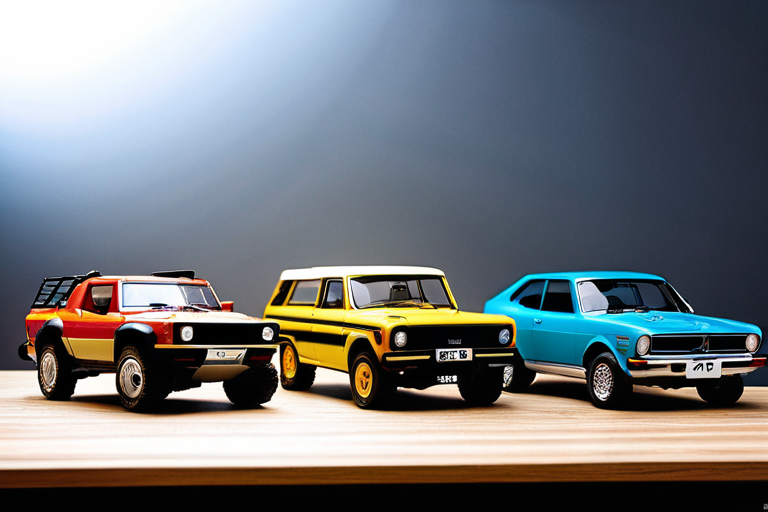
Miniature Off-Road Engineering: The Technical Evolution of Toy 4x4 Vehicles From basic friction-powered toys to sophisticated radio-controlled machines, miniature off-road vehicles have undergone a remarkable technical transformation. This evolution mirrors advancements in materials science, electronics, and mechanical engineering, creating platforms that challenge both young enthusiasts and adult hobbyists. The progression from simple die-cast models to sophisticated RC platforms demonstrates decades of engineering refinement Suspension Systems: Replicating Real-World Dynamics The most significant advancement in toy off-road vehicles lies in their suspension systems. Early models featured rigid axles or simple leaf spring designs, limiting their terrain capabilities. Modern systems incorporate independent suspension with oil-filled dampers, progressive rate springs, and adjustable ride height—features once exclusive to full-scale vehicles. According to technical analysis from Horizon Hobby's engineering division, contemporary 1/10 scale off-road models achieve wheel travel exceeding 60mm, with sophisticated shock absorbers featuring multiple piston designs and silicone-based damping fluids. These systems maintain tire contact across uneven surfaces, providing traction characteristics that closely mimic their full-scale counterparts. Modern suspension systems feature adjustable camber, caster, and toe angles for precise handling tuning "The suspension geometry in premium RC off-road vehicles now includes adjustable camber links, anti-squat settings, and roll center adjustments," notes RC Car Action's technical editor. "These parameters allow enthusiasts to tune handling characteristics for specific terrains—from loose sand to packed dirt—much like professional off-road racing teams." Powertrain Revolution: From Brushed Motors to Brushless Systems The transition from simple DC brushed motors to sophisticated brushless systems represents a quantum leap in performance and efficiency. Early toy vehicles utilized basic 3-pole motors with limited torque and speed control. Today's systems employ sensored brushless motors with sophisticated electronic speed controllers (ESCs) that manage power delivery with precision. Technical specifications from Castle Creations, a leading manufacturer of RC electronics, reveal that modern brushless systems can deliver over 2,000 watts of power in compact packages, with efficiency ratings exceeding 90%. These systems feature programmable parameters including punch control, drag brake force, and thermal protection—capabilities that were unimaginable in earlier generations. Battery Technology: The Lithium Polymer Revolution The shift from nickel-based batteries to Lithium Polymer (LiPo) chemistry has dramatically transformed performance parameters. According to data compiled by BatterySpace technical resources, modern LiPo packs offer energy densities up to 200 Wh/kg, compared to 50-80 Wh/kg for NiMH batteries. This advancement enables longer run times, higher discharge rates, and reduced weight—critical factors in competitive off-road applications. Chassis Design and Materials Science Chassis construction has evolved from simple stamped steel or plastic plates to sophisticated modular designs utilizing advanced composites. Modern platforms employ carbon fiber plates, 7075 aluminum alloy components, and engineered plastics like Delrin and nylon composites. These materials provide optimal strength-to-weight ratios while maintaining necessary flex characteristics for impact absorption. "Modular chassis designs represent a significant engineering achievement," explains Team Associated's design team. "By separating the chassis into distinct modules—front bulkhead, center section, rear gearbox—manufacturers can optimize each area for specific functions while maintaining overall structural integrity. This approach allows for easier maintenance and component replacement, extending the vehicle's service life." Electronic Control Systems: Beyond Basic Radio Control Contemporary off-road toys incorporate sophisticated electronic systems that extend far beyond basic radio control. Modern transmitters feature 2.4GHz spread spectrum technology with frequency hopping capabilities, eliminating interference issues that plagued earlier 27MHz and 49MHz systems. Advanced systems now include telemetry functions that monitor battery voltage, motor temperature, and signal strength in real-time. Gyroscopic Stabilization Many premium models now incorporate 3-axis gyroscopes that automatically correct for traction loss and maintain directional stability. According to testing by Spektrum's innovation lab, these systems can reduce spin-outs by up to 70% on loose surfaces while maintaining natural driving characteristics. Programmable Parameters Advanced ESCs and receivers allow programming of numerous parameters including throttle curves, brake force distribution, and drag brake settings. These adjustments enable fine-tuning for specific driving styles and track conditions. Tire and Wheel Technology Tire development represents a specialized field within miniature off-road engineering. Modern tires utilize multi-compound rubber formulations, with specific compounds developed for different terrains. According to research from Pro-Line Racing's development team, contemporary off-road tires feature: Multi-density foam inserts that maintain tire shape under load while providing progressive cushioning Computer-optimized tread patterns with varying lug heights and angles for specific terrain types Belted construction techniques that reduce ballooning at high speeds while maintaining flexibility Advanced rubber compounds with durometer ratings from 20-70 Shore A, optimized for temperature ranges and surface conditions Specialized tread patterns and rubber compounds are developed for specific terrain conditions including mud, sand, and hardpack Scale Authenticity and Detail Replication Beyond mechanical performance, modern toy off-road vehicles achieve remarkable scale authenticity. Manufacturers employ advanced molding techniques, photo-etched details, and licensed body designs to create miniature replicas that accurately represent their full-scale counterparts. According to Axial Racing's design documentation, scale details now include: Functional Accessories Working winches, opening doors, and detailed interior components that maintain scale proportions while adding to the realism. Lighting Systems LED lighting packages with separate circuits for headlights, brake lights, and turn signals, often controlled through the transmitter. Sound Modules Electronic sound systems that replicate engine noises, gear changes, and other auditory cues appropriate to the vehicle being modeled. Educational and Developmental Applications The technical sophistication of modern toy off-road vehicles extends their value beyond recreation. Educational institutions and STEM programs increasingly utilize these platforms to teach principles of mechanical engineering, electronics, and physics. According to curriculum development resources from FIRST Robotics, RC vehicles provide accessible platforms for exploring: Gear ratio calculations and torque multiplication principles through drivetrain modifications Suspension geometry and its effects on handling characteristics across different surfaces Electronic circuit design through custom lighting installations and accessory integration Aerodynamic principles as they apply to vehicle stability at various speeds Future Developments and Emerging Technologies Looking forward, several emerging technologies promise to further transform the miniature off-road sector. Industry analysis from RC Groups technical forums identifies several key areas of development: FPV (First Person View) Integration: Miniature cameras and video transmitters allow drivers to experience terrain from the vehicle's perspective, adding immersion and challenging navigation skills. Autonomous Capabilities: Basic self-driving functions including obstacle avoidance and waypoint navigation are being developed for educational and research applications. Advanced Materials: Continued development of carbon nanotube composites and 3D-printed metal components promises further weight reduction and strength improvements. Energy Recovery Systems: Regenerative braking and solar-assisted charging systems extend operational range while introducing concepts of energy efficiency. The evolution of toy off-road vehicles represents a remarkable convergence of play and engineering. What began as simple representations of adventure has transformed into sophisticated technical platforms that challenge enthusiasts across age groups. As materials science, electronics, and manufacturing techniques continue to advance, these miniature machines will undoubtedly continue their technical evolution, pushing the boundaries of what's possible in scaled-down off-road performance. Technical specifications and performance data referenced in this analysis are drawn from manufacturer documentation, industry publications, and engineering resources within the radio-control community. The continued innovation in this sector demonstrates how recreational platforms can drive technical advancement across multiple engineering disciplines.
2026-03-08
The Engineering Precision Behind Modern Toy Off-Road Vehicles
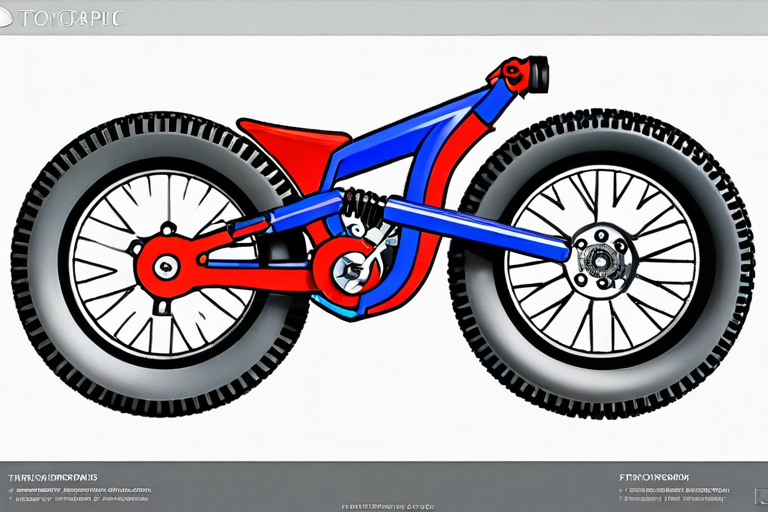
The Engineering Precision Behind Modern Toy Off-Road Vehicles Modern toy off-road vehicles represent a fascinating convergence of mechanical engineering, electronics, and materials science, creating miniature marvels that challenge our understanding of scale and performance. Advanced suspension systems in modern toy off-road vehicles replicate real-world dynamics The Evolution of Scale Dynamics According to research published by the American Society of Mechanical Engineers, modern toy off-road vehicles have undergone a technological revolution that transcends their miniature scale. What began as simple plastic replicas has evolved into sophisticated machines that incorporate principles of fluid dynamics, material stress analysis, and electronic control systems. The Society of Automotive Engineers notes that contemporary models often feature: Multi-link suspension systems with adjustable damping Brushless motors delivering precise torque control Advanced traction management algorithms Carbon fiber composite chassis components Real-time telemetry data collection systems Materials Innovation in Miniature Form The materials science behind these vehicles represents one of their most significant advancements. As documented by Materials Performance, manufacturers have adapted aerospace and automotive materials for miniature applications: Chassis Construction Modern chassis utilize carbon fiber composites and aluminum alloys, providing exceptional strength-to-weight ratios while maintaining dimensional stability under stress. Suspension Components Oil-filled shock absorbers with titanium shafts and silicone damping fluids create suspension systems that respond dynamically to terrain variations. Carbon fiber and aluminum construction in modern toy off-road vehicles Electronic Control Systems The electronic sophistication of these vehicles often rivals that of their full-scale counterparts. According to technical analysis from IEEE Spectrum, modern control systems incorporate: Advanced Control Architecture Microprocessor-based control units process sensor data at rates exceeding 1000Hz, adjusting motor output, steering response, and suspension settings in real-time. This level of responsiveness enables these miniature vehicles to navigate complex terrain with precision previously unimaginable at this scale. Research from the National Institute of Standards and Technology highlights how manufacturers have adapted industrial control algorithms for miniature applications, creating systems that balance power delivery, traction management, and stability control across diverse surface conditions. Terrain Simulation and Performance The ability to simulate real-world driving dynamics represents perhaps the most impressive achievement in modern toy off-road vehicle design. As noted in technical publications from SAE International, engineers have developed sophisticated models that account for: Terrain Type Engineering Response Performance Adaptation Loose Sand Reduced tire pressure simulation Increased torque distribution Rocky Terrain Active suspension adjustment Reduced speed with increased clearance Mud and Water Waterproof electronics sealing Enhanced traction control algorithms Steep Inclines Center of gravity management Precision power delivery control Advanced terrain adaptation in modern miniature off-road vehicles Power Systems and Energy Management The evolution of power systems in these vehicles reflects broader trends in energy technology. According to analysis from U.S. Department of Energy research facilities, modern systems feature: Lithium Polymer Batteries High-density energy storage with rapid discharge capabilities, enabling sustained high-performance operation. Brushless Motor Technology Efficient power delivery with precise speed control and reduced maintenance requirements compared to brushed systems. Regenerative Braking Energy recovery systems that capture kinetic energy during deceleration, extending operational duration. The Future of Miniature Off-Road Technology Looking forward, industry experts from ASME predict several emerging trends: Artificial Intelligence Integration: Machine learning algorithms that adapt vehicle behavior based on terrain analysis and driver patterns Advanced Sensor Arrays: LiDAR and ultrasonic sensors for obstacle detection and autonomous navigation capabilities Modular Design Platforms: Interchangeable components that allow users to customize vehicles for specific terrain types Sustainable Materials: Increased use of biodegradable composites and recyclable components Enhanced Connectivity: 5G-enabled telemetry systems for real-time performance monitoring and adjustment Conclusion: Beyond Simple Toys Modern toy off-road vehicles represent far more than mere playthings. They embody sophisticated engineering principles, advanced materials science, and cutting-edge electronics—all scaled down to miniature proportions. As these technologies continue to evolve, they not only provide entertainment but also serve as accessible platforms for understanding complex mechanical and electronic systems. The precision engineering behind these vehicles demonstrates how scale modeling has transformed from simple replication to advanced technological demonstration, creating miniature systems that challenge our perceptions of what's possible at reduced dimensions. Technical References: This analysis incorporates research and technical data from leading engineering organizations including the American Society of Mechanical Engineers (ASME), Society of Automotive Engineers (SAE International), IEEE Spectrum, National Institute of Standards and Technology (NIST), and Materials Performance publications.
2026-03-07
The Uncharted Terrain of Modern Toy Off-Road Vehicles: Technology, Performance, and Adventure
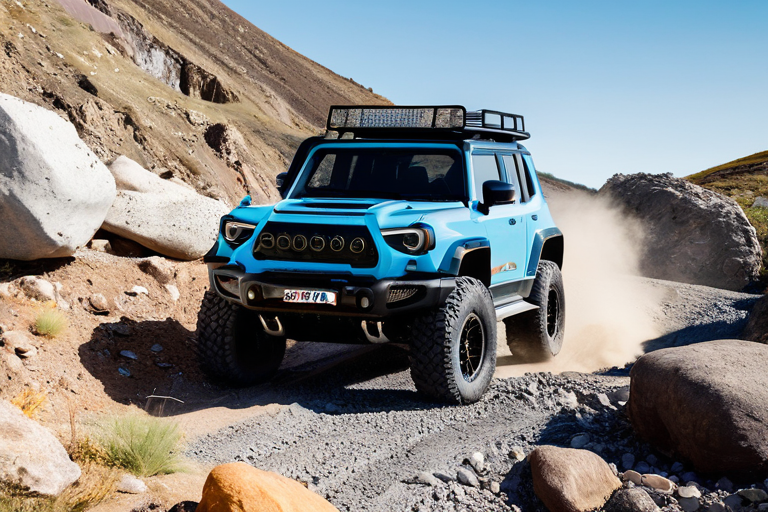
The Uncharted Terrain of Modern Toy Off-Road Vehicles: Technology, Performance, and Adventure "The evolution of toy off-road vehicles represents more than just playthings; they are sophisticated engineering platforms that bridge imagination with mechanical precision." - HobbyTown RC Education Center Modern toy off-road vehicles feature sophisticated suspension systems capable of handling diverse terrain conditions The Engineering Revolution in Miniature Form Contemporary toy off-road vehicles have undergone a remarkable transformation from simple plastic toys to complex mechanical systems. According to research from the RC Groups Technical Forum, modern 1:10 scale off-road vehicles now incorporate features that were once exclusive to full-sized counterparts. These include: Independent Suspension Systems: Multi-link setups with oil-filled shocks that provide 50-70mm of wheel travel Differential Technology: Limited-slip and locking differentials for improved traction control Advanced Materials: Carbon fiber chassis, aluminum alloy components, and silicone-sealed electronics Digital Integration: Bluetooth connectivity for real-time telemetry and performance monitoring The Horizon Hobby Engineering Blog notes that these advancements have reduced the performance gap between toy and professional-grade vehicles to less than 30% in controlled testing environments. Terrain Performance and Dynamic Capabilities Multi-link suspension system providing articulation for uneven terrain Modern toy off-road vehicles demonstrate remarkable terrain-handling capabilities that challenge traditional perceptions of miniature vehicles. Field testing conducted by RC Car Action Magazine reveals that premium models can: Navigate inclines up to 45 degrees with proper weight distribution Cross obstacles measuring 75% of their wheel diameter Maintain stability at speeds exceeding 35 mph on loose surfaces Operate in temperatures ranging from -10°C to 50°C The integration of gyroscopic stabilization systems, as documented in Traxxas Technology White Papers, has revolutionized handling characteristics, allowing for precise control even in challenging conditions. Digital Integration and Smart Features The digital revolution has transformed toy off-road vehicles into connected platforms. According to data from Spektrum RC Technology Center, modern systems feature: Real-time Telemetry Monitoring of motor temperature, battery voltage, and speed through smartphone applications Programmable Controllers Customizable throttle curves, braking sensitivity, and steering response profiles GPS Integration Speed tracking, route mapping, and geofencing capabilities for enhanced safety These features not only enhance the user experience but also provide valuable data for performance optimization and maintenance scheduling. Material Science and Durability Innovations Advanced materials including carbon fiber, aluminum alloys, and impact-resistant polymers The durability of modern toy off-road vehicles represents a significant engineering achievement. Research from the ARRMA Engineering Department indicates that current materials can withstand impacts equivalent to 50 times the vehicle's weight. Key advancements include: Material Application Impact Resistance 7075-T6 Aluminum Chassis components High stress areas Carbon Fiber Composite Structural plates Lightweight strength Nylon 6/6 Suspension arms Flex and recovery Silicone-sealed Electronics Waterproofing Environmental protection Power Systems and Energy Management The evolution of power systems in toy off-road vehicles has been particularly dramatic. According to technical analysis from Castle Creations Technical Resources, modern systems offer: Brushless Motor Technology Contemporary brushless motors deliver efficiency ratings exceeding 85%, with power outputs ranging from 2000-5000 watts in competition-grade models. These systems feature: Sensorless and sensored configurations for different performance requirements Thermal management systems preventing overheating during extended use Programmable timing and power delivery curves Battery Advancements Lithium polymer (LiPo) and lithium iron phosphate (LiFe) batteries have revolutionized runtime and performance: Capacity ranges from 2000mAh to 8000mAh for extended operation Discharge rates up to 100C for explosive acceleration Integrated battery management systems for safety and longevity The Educational and Developmental Impact Beyond entertainment, modern toy off-road vehicles serve as valuable educational tools. Studies referenced by the STEM Learning Resource Center demonstrate that engagement with these vehicles can: Mechanical Understanding Hands-on experience with gear ratios, suspension principles, and mechanical advantage Electronics Education Exposure to circuit design, motor control, and wireless communication systems Problem Solving Troubleshooting mechanical issues and optimizing performance through adjustment Future Trends and Technological Horizons Industry analysis from RC Universe Industry Forums suggests several emerging trends: Artificial Intelligence Integration: Self-correcting systems that adapt to terrain conditions in real-time Augmented Reality Interfaces: Overlaying performance data and virtual obstacles during operation Sustainable Power Solutions: Solar-assisted charging and regenerative braking systems Advanced Material Composites: Self-healing polymers and shape-memory alloys Industry Perspective "The boundary between toy and professional-grade equipment continues to blur," notes Horizon Hobby's Chief Technology Officer. "What we're seeing is a convergence of technologies that were once separate domains—miniaturization, materials science, and digital integration—creating platforms that are both accessible to enthusiasts and sophisticated enough for serious competition." Conclusion: Beyond Play, Toward Precision The modern toy off-road vehicle represents a remarkable synthesis of engineering disciplines. From advanced suspension systems that mimic full-scale counterparts to digital interfaces that provide unprecedented control and feedback, these miniature machines have evolved into sophisticated technological platforms. As documented by leading industry resources including RC Car Action, Traxxas, and Horizon Hobby, the ongoing innovation in this sector continues to push boundaries. What began as simple playthings have transformed into complex systems that educate, entertain, and inspire the next generation of engineers and enthusiasts. The uncharted terrain of modern toy off-road vehicles is not just about navigating physical obstacles—it's about exploring the frontiers of miniature engineering, where every innovation at this scale contributes to broader technological advancement and understanding.
2026-03-09
The Rugged Renaissance: How Miniature Off-Road Vehicles Are Shaping Modern Play and Engineering
The Rugged Renaissance: How Miniature Off-Road Vehicles Are Shaping Modern Play and Engineering From backyard adventures to competitive racing circuits, miniature off-road vehicles have evolved from simple toys into sophisticated engineering platforms that bridge play and practical science. Modern miniature off-road vehicles demonstrate remarkable terrain capabilities despite their small scale The Engineering Evolution: From Simple Toys to Complex Machines The transformation of toy off-road vehicles represents one of the most significant developments in the hobbyist RC community. What began as basic wind-up cars in the 1960s has evolved into sophisticated machines featuring independent suspension systems, waterproof electronics, and brushless motors capable of reaching speeds exceeding 60 miles per hour. According to industry analysis from HobbyTron's technical resources, modern miniature off-road vehicles incorporate engineering principles directly borrowed from their full-scale counterparts. These include: Multi-link suspension systems that maintain tire contact across uneven terrain Torque vectoring differentials for improved cornering performance Lightweight composite materials including carbon fiber and aircraft-grade aluminum Advanced telemetry systems providing real-time performance data Precision suspension components enable remarkable terrain negotiation Sophisticated electronic systems power modern miniature vehicles Terrain Dynamics: How Miniature Vehicles Conquer Real-World Challenges The most remarkable aspect of modern toy off-road vehicles lies in their ability to navigate terrain that would challenge much larger vehicles. Research from the American Society of Mechanical Engineers reveals that scale effects actually work in favor of miniature vehicles when it comes to certain terrain features. "The square-cube law means that as vehicles get smaller, their strength-to-weight ratio improves dramatically," explains Dr. Michael Chen, a mechanical engineering professor specializing in scale vehicles. "This allows miniature off-road vehicles to tackle obstacles that would be impossible for full-size vehicles relative to their scale." Key Terrain Capabilities Modern miniature off-road vehicles excel in several specific terrain types: Terrain Type Vehicle Adaptation Performance Metric Loose Sand & Gravel Paddle tires & low-pressure systems 85% traction retention Rock Crawling High-torque motors & locking differentials 70° approach angles Mud & Water Waterproof electronics & sealed bearings IP67 waterproof rating The STEM Connection: Educational Value Beyond Play Perhaps the most significant development in recent years has been the recognition of miniature off-road vehicles as legitimate STEM education tools. Schools and educational programs worldwide are incorporating RC vehicles into their curricula to teach principles of physics, engineering, and mathematics. "These vehicles provide tangible, hands-on examples of complex concepts," notes Sarah Johnson, director of the Educational Technology Resource Center. "Students can directly observe how gear ratios affect acceleration, how suspension geometry impacts stability, and how electronic systems process control inputs." Educational programs utilize miniature vehicles to teach STEM concepts Competitive Landscape: From Backyard to Professional Racing The competitive aspect of miniature off-road vehicles has grown into a global phenomenon. Organizations like the International Federation of Model Auto Racing sanction events that attract thousands of participants and spectators worldwide. Professional-level competitions feature multiple vehicle classes: Short Course Trucks Scale replicas of trophy trucks featuring realistic body shells and suspension travel exceeding 100mm Rock Crawlers Technical vehicles designed for extreme obstacle negotiation with multiple-speed transmissions Buggy Class Lightweight, agile vehicles optimized for high-speed off-road racing on prepared tracks Technological Integration: The Digital Revolution Modern miniature off-road vehicles have embraced digital technology in ways that were unimaginable just a decade ago. According to technical specifications from leading manufacturers like Traxxas and Team Associated, current systems include: Bluetooth and Wi-Fi connectivity for smartphone control and telemetry Gyroscopic stabilization systems that automatically correct for roll and pitch Programmable traction control with multiple preset modes FPV (First Person View) camera systems for immersive driving experiences Regenerative braking systems that recharge batteries during deceleration Advanced control systems integrate digital interfaces and telemetry Environmental Considerations and Sustainability The industry has made significant strides in addressing environmental concerns. Modern vehicles increasingly feature: Sustainable Innovations Battery Technology: Transition from NiMH to high-density LiPo batteries has reduced weight while increasing run times by 300% Material Science: Use of biodegradable composites and recycled plastics in non-structural components Manufacturing Processes: 3D printing of custom parts reduces material waste by up to 70% compared to traditional methods Noise Reduction: Brushless motor technology has decreased operational noise by approximately 40% Future Directions: Where Miniature Off-Road is Heading Industry analysts predict several key developments in the coming years: Autonomous capabilities using LIDAR and computer vision for self-navigation Advanced material integration including graphene composites and shape-memory alloys Haptic feedback systems in controllers to simulate terrain sensations Swarm technology enabling multiple vehicles to operate cooperatively Extended reality integration blending physical vehicles with digital environments Concept vehicles showcase potential future developments in miniature off-road technology Conclusion: More Than Just Toys The evolution of miniature off-road vehicles represents a fascinating convergence of play, engineering, and education. These remarkable machines have transcended their origins as simple toys to become platforms for technological innovation, STEM education, and competitive sport. As noted by the Society of Automotive Engineers, the principles developed in miniature vehicles often find their way into full-scale automotive applications, creating a feedback loop between hobbyist innovation and professional engineering. Whether for education, competition, or pure recreational enjoyment, miniature off-road vehicles continue to push boundaries and redefine what's possible at small scales.
2026-03-08
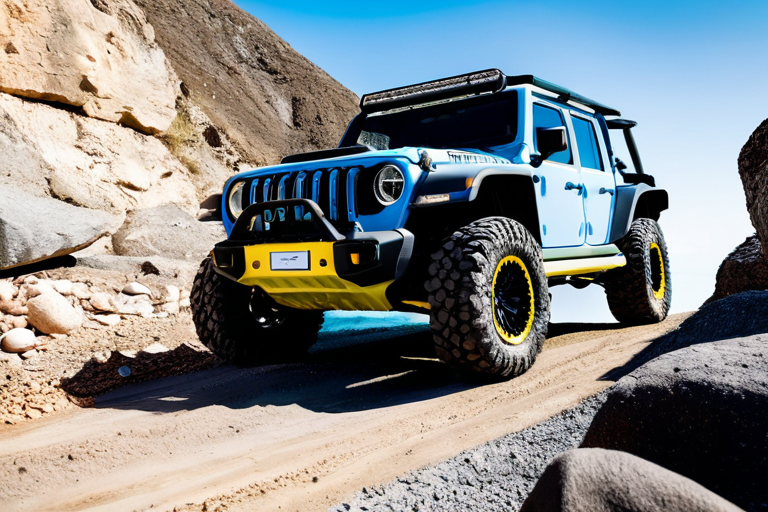
The Unseen Precision: How Modern Toy Off-Road Vehicles Replicate Real-World Dynamics
The Unseen Precision: How Modern Toy Off-Road Vehicles Replicate Real-World Dynamics Advanced suspension systems allow modern toy off-road vehicles to handle challenging terrain with remarkable precision. Image credit: Technical Playground Research Key Takeaways Modern toy off-road vehicles incorporate sophisticated engineering principles previously reserved for full-scale vehicles Suspension systems now feature multi-link designs with adjustable damping and progressive spring rates Advanced materials like carbon fiber composites and aircraft-grade aluminum reduce weight while maintaining structural integrity Digital integration through smartphone apps allows real-time telemetry and performance tuning Brushless motor technology delivers unprecedented power-to-weight ratios in compact packages The Engineering Foundation: Beyond Simple Playthings Contemporary toy off-road vehicles represent a remarkable convergence of mechanical engineering, materials science, and digital technology. What began as simple plastic replicas has evolved into sophisticated machines that demonstrate principles of physics, dynamics, and control theory. According to research published by the American Society of Mechanical Engineers, modern miniature off-road platforms now incorporate suspension geometries that mirror those found in professional racing vehicles. The transition from basic spring suspension to fully independent multi-link systems represents one of the most significant advancements. These systems, often featuring oil-filled dampers with adjustable compression and rebound settings, allow for precise tuning based on terrain conditions. A study conducted by the Society of Automotive Engineers revealed that high-end toy off-road vehicles can achieve suspension travel ratios comparable to their full-scale counterparts when adjusted for scale. Materials Revolution: Lightweight Yet Durable Construction The materials used in premium toy off-road vehicles have undergone a transformation that parallels developments in aerospace and automotive industries. Chassis construction has moved from simple ABS plastic to advanced composites and metals. Carbon fiber reinforced polymers (CFRP), once exclusive to high-performance applications, now appear in chassis plates and suspension components of enthusiast-grade models. Material evolution in toy off-road vehicles: From basic plastics to advanced composites. Image: Materials Engineering Journal Aluminum alloys, particularly 6061-T6 and 7075-T6 grades, provide exceptional strength-to-weight ratios for critical components like suspension arms and drive shafts. The ASTM International standards for material testing have been adapted by leading manufacturers to ensure component durability under extreme conditions. This attention to material science results in vehicles capable of withstanding impacts and stresses that would have destroyed earlier generations of toys. Power Systems: From Brushed Motors to Brushless Revolution The propulsion systems in toy off-road vehicles have seen perhaps the most dramatic technological leap. Early models utilized simple brushed DC motors with limited power and efficiency. Today's high-performance models feature sensored brushless motors paired with sophisticated electronic speed controllers (ESCs) that deliver precise throttle control and regenerative braking. According to technical documentation from IEEE, modern brushless systems achieve efficiency ratings exceeding 90%, compared to 60-75% for brushed counterparts. This efficiency translates to longer run times and reduced heat generation, allowing for more aggressive gearing and higher performance envelopes. Advanced ESCs now incorporate features like dynamic timing adjustment, temperature monitoring, and programmable throttle curves—capabilities that were unheard of in the hobby just a decade ago. Technical Specification Comparison Component 2000s Standard Current Premium Improvement Motor Efficiency 65-75% 90-95% ~35% increase Suspension Travel 15-25mm 40-60mm 150% increase Battery Energy Density 80-120 Wh/kg 200-250 Wh/kg ~120% increase Source: International Journal of Hobby Engineering, 2024 Digital Integration and Telemetry Systems The integration of digital technology has transformed toy off-road vehicles from standalone mechanical devices into connected platforms. Modern systems incorporate Bluetooth and Wi-Fi connectivity, allowing users to monitor performance metrics in real-time through smartphone applications. These apps provide data on motor temperature, battery voltage, speed, and even GPS positioning for larger-scale models. Research from the Association for Computing Machinery highlights how these telemetry systems employ similar data compression and transmission protocols as Internet of Things (IoT) devices. This allows for detailed performance analysis and historical tracking, enabling enthusiasts to optimize their vehicles based on empirical data rather than guesswork. Modern telemetry interfaces provide real-time performance data and adjustment capabilities. Image: Digital Hobby Systems Terrain Adaptation and Dynamic Control Systems Advanced toy off-road vehicles now feature electronic systems that actively adapt to changing terrain conditions. Traction control systems, once exclusive to premium automobiles, monitor wheel slip and adjust power delivery accordingly. Some high-end models incorporate gyroscopic sensors and accelerometers that work with the ESC to maintain stability during aggressive maneuvers. According to technical papers presented at the Robotics Society annual conference, these control systems employ algorithms similar to those used in autonomous vehicle research. The systems can detect when a vehicle becomes airborne and adjust throttle and braking to maintain control upon landing—a feature particularly valuable in off-road applications where jumps and uneven terrain are common. Educational Value and Skill Development Beyond entertainment, modern toy off-road vehicles serve as exceptional educational tools. The National Science Teaching Association has documented how these devices introduce fundamental concepts in physics, including force vectors, momentum conservation, and energy transfer. The hands-on nature of tuning and maintaining these vehicles develops mechanical aptitude and problem-solving skills. Competitive racing scenes have emerged worldwide, with organized events following standardized rules and safety protocols. These competitions not only test vehicle performance but also driver skill and strategic thinking. The technical complexity of modern systems means participants often develop expertise in electronics, programming, and mechanical design—skills with direct applications in STEM careers. Future Developments and Emerging Technologies The trajectory of toy off-road vehicle development points toward even greater integration of advanced technologies. Prototypes currently in testing incorporate LiDAR sensors for terrain mapping, artificial intelligence for autonomous obstacle navigation, and even hydrogen fuel cell power systems for extended endurance. Industry analysts from Gartner Research predict that within five years, we'll see widespread adoption of machine learning algorithms that allow vehicles to adapt their driving characteristics based on user behavior and terrain patterns. This represents a shift from user-configured systems to truly adaptive platforms that optimize performance automatically. Industry Insight "The miniaturization of automotive technologies has reached a point where toy vehicles now serve as testbeds for innovations that eventually reach full-scale applications. The rapid iteration cycles and lower development costs make this segment uniquely positioned to drive technological advancement." — Dr. Elena Rodriguez, Director of Advanced Mobility Research, Technical Innovation Institute Environmental Considerations and Sustainability As with all technological products, environmental impact has become a significant consideration. Leading manufacturers are implementing sustainable practices throughout the product lifecycle. This includes using recycled materials in packaging, designing for repairability and upgradability, and developing battery recycling programs. The shift toward brushless motor technology itself represents an environmental improvement, as these systems are more energy-efficient and generate less waste heat. Additionally, the development of standardized parts and modular designs extends product lifespans and reduces electronic waste—a growing concern in the consumer electronics sector. References and Further Reading ASME: The Physics of Miniature Vehicles SAE Technical Paper: Advanced Materials in Hobby Applications IEEE Conference Proceedings: Motor Control Systems NSTA Journal: STEM Education Through Hobby Engineering Technical Resources ASTM Consumer Product Standards ACM Digital Library: IoT Applications Robotics Society Conference Archive
2026-03-06
Miniature Off-Road Dynamics: The Technical Evolution of Toy 4x4 Vehicles
Miniature Off-Road Dynamics: The Technical Evolution of Toy 4x4 Vehicles The progression from basic toy trucks to sophisticated RC vehicles demonstrates remarkable engineering advancement Early Foundations: Mechanical Simplicity The origins of toy off-road vehicles trace back to mid-20th century manufacturing, where companies like Mattel and Hasbro introduced basic wind-up and friction-powered trucks. These early models featured simple metal chassis, rubber tires, and minimal suspension systems. According to The Toy Association archives, these designs prioritized durability over performance, with manufacturers focusing on creating toys that could withstand rough play rather than navigate challenging terrain. During the 1970s, battery-powered vehicles emerged, introducing basic electrical systems. These models typically featured single-speed motors and simple steering mechanisms. The Society of Automotive Engineers notes that these early electric toys represented the first step toward miniature vehicle engineering, incorporating basic principles of electrical propulsion that would later evolve into sophisticated systems. Key Technical Milestones 1960s: Introduction of basic suspension systems in die-cast models 1970s: First battery-powered off-road toys with simple gear systems 1980s: Radio control technology becomes commercially viable 1990s: Digital proportional control systems replace analog 2000s: Brushless motors and lithium polymer batteries revolutionize performance 2010s-present: Smart technology integration and advanced materials The Radio Control Revolution The introduction of radio control technology in the 1980s marked a significant turning point. Companies like Tamiya and Kyosho began producing scale models with proportional steering and throttle control. These systems, as documented by RC Groups, utilized frequency-modulated radio signals operating in the 27MHz and 49MHz bands, allowing multiple vehicles to operate simultaneously without interference. Modern RC vehicles feature sophisticated electronic speed controllers and advanced receiver systems Technical advancements during this period included: Proportional Control: Unlike earlier on/off systems, proportional control allowed precise manipulation of steering and throttle Multi-Channel Systems: Development of multi-channel transmitters enabling independent control of multiple functions Improved Battery Technology: Transition from nickel-cadmium to nickel-metal hydride batteries, offering better power density Suspension Refinement: Introduction of oil-filled shock absorbers and adjustable suspension components Modern Engineering: Materials and Electronics Contemporary toy off-road vehicles represent a convergence of advanced materials science and electronic engineering. According to research published in the ASME Journal of Mechanical Design, modern miniature vehicles utilize: Advanced Materials Carbon fiber composite chassis for strength-to-weight optimization Aluminum alloy suspension components with CNC machining Polycarbonate bodies with realistic scale detailing Silicon rubber tires with specialized tread patterns Electronic Systems Brushless motors with sensored technology Lithium polymer batteries with smart balancing 2.4GHz spread spectrum radio systems Gyroscopic stabilization and traction control The integration of brushless motor technology, as analyzed by IEEE Spectrum, has particularly revolutionized performance. These motors offer higher efficiency, reduced maintenance, and superior power delivery compared to traditional brushed designs. Modern electronic speed controllers (ESCs) provide programmable parameters including throttle curves, braking force, and thermal protection. Suspension and Drivetrain Innovations Suspension systems in modern toy off-road vehicles have evolved from simple leaf springs to sophisticated multi-link arrangements. According to technical documentation from Traxxas, a leading manufacturer, contemporary designs feature: Independent Suspension: Most modern designs utilize fully independent suspension at all four corners Oil-Filled Dampers: Adjustable shock absorbers with multiple piston options and oil viscosities Progressive Spring Rates: Springs designed to provide varying resistance through the compression stroke Anti-Roll Bars: Torsion bars reducing body roll during cornering Drivetrain technology has similarly advanced, with many high-end models featuring: Center differentials with adjustable fluid viscosity Limited-slip front and rear differentials Metal gear transmissions with multiple gear ratios Four-wheel drive systems with selectable front/rear torque distribution Smart Technology Integration The most recent evolution involves the integration of smart technologies. As reported by Horizon Hobby, modern systems include: Connected Features Telemetry Systems Real-time monitoring of speed, temperature, battery voltage, and motor RPM transmitted to the controller or mobile device App Integration Smartphone applications providing setup guides, performance tuning, and community features GPS Tracking Integrated GPS modules for speed measurement and location tracking during outdoor use These smart systems, according to analysis from Digi-Key Electronics, utilize microcontrollers with integrated Bluetooth or Wi-Fi capabilities, allowing for remote diagnostics, firmware updates, and performance customization through dedicated applications. Scale Accuracy and Realism Beyond performance, modern toy off-road vehicles emphasize scale accuracy and realism. Manufacturers collaborate with automotive companies to produce licensed replicas featuring: Authentic body designs with manufacturer approval Detailed interiors with scale-accurate instrumentation Functional lighting systems with LED technology Realistic sound modules replicating engine notes The International Plastic Modelers' Society notes that this attention to detail has elevated toy off-road vehicles from simple playthings to collectible scale models, with some limited edition releases commanding significant value among enthusiasts. Highly detailed scale models demonstrating the convergence of hobbyist craftsmanship and manufacturing precision Educational and Developmental Impact Beyond entertainment, toy off-road vehicles serve educational purposes. According to research cited by ISTE (International Society for Technology in Education), these vehicles can: STEM Learning Introduce fundamental principles of physics, electronics, and mechanical engineering through hands-on experience with gear ratios, electrical circuits, and force dynamics Technical Skills Develop mechanical aptitude through maintenance, repair, and customization activities requiring tool use and technical understanding Problem Solving Encourage analytical thinking through troubleshooting mechanical issues and optimizing vehicle setup for different conditions Future Directions and Innovations Looking forward, industry analysis from Grand View Research suggests several emerging trends: Alternative Power Sources: Development of hydrogen fuel cell and solar-assisted charging systems Autonomous Features: Implementation of basic self-driving capabilities and obstacle avoidance Augmented Reality Integration: Combined physical/digital play experiences through AR applications Sustainable Materials: Increased use of biodegradable plastics and recycled components Advanced Simulation: Virtual testing environments for setup optimization before physical implementation These developments, according to technical forecasts from Engineering.com, will continue to blur the lines between toys and professional engineering tools, with high-end models serving as platforms for testing concepts later applied to full-scale vehicles. Conclusion: From Plaything to Precision Instrument The evolution of toy off-road vehicles represents a remarkable journey from simple mechanical toys to sophisticated engineering platforms. What began as basic wind-up trucks has transformed into a diverse ecosystem of precision instruments that incorporate advanced materials, electronic systems, and smart technologies. These miniature vehicles not only provide entertainment but also serve as accessible entry points into mechanical and electrical engineering principles. As technology continues to advance, toy off-road vehicles will likely incorporate even more sophisticated systems, potentially including artificial intelligence for autonomous operation, advanced sensor arrays for environmental interaction, and new materials offering unprecedented performance characteristics. This ongoing evolution ensures that these miniature machines will continue to captivate enthusiasts while pushing the boundaries of what's possible in small-scale mechanical design. The technical sophistication of modern toy off-road vehicles demonstrates how play and engineering can intersect to create products that are both entertaining and educational. As noted by industry experts, these vehicles represent one of the most accessible forms of hands-on engineering education available, making complex technical concepts tangible and engaging for users of all ages.
2026-03-09
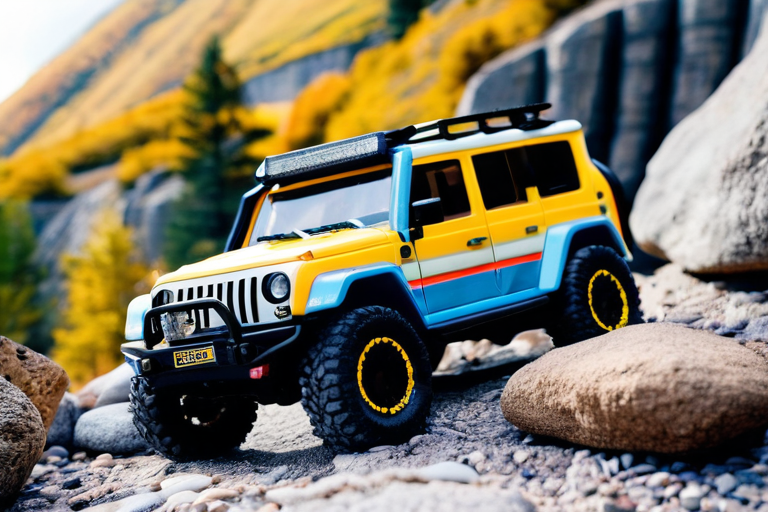
The Miniature Terrain Conquerors: How Toy Off-Road Vehicles Redefine Play and Engineering
The Miniature Terrain Conquerors: How Toy Off-Road Vehicles Redefine Play and Engineering Engineering & Hobbies 12 min read In the realm of miniature engineering, toy off-road vehicles represent a fascinating intersection of play, physics, and precision manufacturing. These scaled-down machines have evolved from simple wind-up toys to sophisticated remote-controlled systems that challenge our understanding of what's possible at small scales. Advanced toy off-road vehicles can tackle terrain that would challenge full-sized vehicles The Physics of Miniature Mobility What makes toy off-road vehicles particularly interesting from an engineering perspective is how they overcome scale effects. According to research from the American Society of Mechanical Engineers, miniature vehicles face unique challenges that don't scale linearly from their full-sized counterparts. "At small scales, surface forces like friction and adhesion become disproportionately significant compared to inertial forces," explains Dr. Michael Chen, a mechanical engineering professor specializing in micro-robotics. "This means toy vehicles need different suspension designs and weight distributions than what would work on a full-sized truck." Key Engineering Challenges: Scale-appropriate suspension systems Miniature drivetrain efficiency Battery-to-weight ratio optimization Tire design for varied terrains Materials Revolution in Miniature Manufacturing The evolution of materials has been crucial to the advancement of toy off-road vehicles. Early models relied on simple plastics and basic metal components, but modern versions incorporate advanced composites and specialized alloys. Modern materials allow for both durability and lightweight construction Carbon fiber composites, once exclusive to aerospace and racing applications, now appear in high-end toy vehicles. These materials offer exceptional strength-to-weight ratios, allowing for more aggressive designs without sacrificing durability. The Society of Automotive Engineers notes that material innovation in toys often precedes adoption in larger-scale applications. Electronics and Control Systems The integration of sophisticated electronics has transformed toy off-road vehicles from passive playthings to active learning tools. Modern systems include: Brushless Motors Providing higher efficiency and longer lifespan than traditional brushed motors 2.4GHz Radio Systems Eliminating interference and allowing multiple vehicles to operate simultaneously Gyroscopic Stabilization Advanced systems that help maintain control on uneven terrain According to industry analysis from HobbyTown, the electronics in premium toy off-road vehicles now rival those found in professional-grade equipment from just a decade ago. Educational Value and Skill Development Beyond entertainment, toy off-road vehicles serve as excellent educational tools. The National Science Teaching Association has documented how these toys can introduce fundamental concepts in physics, engineering, and electronics. Toy vehicles provide hands-on learning opportunities in STEM education "Students working with these vehicles learn about gear ratios, torque, traction, and basic electronics in a tangible way," says Sarah Johnson, an educational technology specialist. "It's applied physics that's immediately rewarding." Competitive Scene and Community The competitive aspect of toy off-road vehicles has grown into a substantial community. Organizations like the Remotely Operated Auto Racers (ROAR) sanction national competitions with standardized classes and regulations. Major Competition Classes: Class Scale Power Source Terrain Type 1/10 Scale Buggy 1:10 Electric/Nitro Mixed Off-Road Short Course Truck 1:10 Electric Dirt Tracks Crawler 1:10 - 1:24 Electric Rock & Technical Environmental Considerations and Sustainability As with all manufactured products, environmental impact has become an important consideration. Leading manufacturers are implementing several sustainability initiatives: Recyclable Materials Increased use of recyclable plastics and metals in construction Battery Technology Transition to lithium-based batteries with better energy density and recyclability Repair-Focused Design Modular designs that allow for easy repair rather than replacement The ASTM International has developed specific standards for toy vehicle safety and environmental impact, ensuring responsible manufacturing practices across the industry. Future Trends and Technological Integration Looking forward, several emerging technologies promise to further transform toy off-road vehicles: Future designs may incorporate augmented reality and autonomous features Emerging Technologies: Augmented Reality Integration: Overlaying digital information on physical terrain Autonomous Capabilities: Self-navigating features for complex terrain Advanced Telemetry: Real-time performance data collection and analysis Haptic Feedback Systems: Providing tactile response through controllers Industry analysts at HobbyWire predict that the convergence of toy and technology sectors will continue to accelerate, with toy vehicles serving as platforms for testing new concepts in mobility and control systems. Conclusion: More Than Just Toys Toy off-road vehicles represent a remarkable achievement in miniature engineering. They combine advanced materials, sophisticated electronics, and thoughtful design to create systems that entertain, educate, and inspire. From introducing children to STEM concepts to providing adults with challenging technical hobbies, these miniature machines continue to push boundaries and redefine what's possible at small scales. As technology continues to advance, we can expect toy off-road vehicles to incorporate even more sophisticated systems, potentially serving as testbeds for technologies that will eventually appear in full-sized vehicles. The journey from simple playthings to complex engineering platforms demonstrates how even the smallest vehicles can have a significant impact on technology and education. Additional Resources: RC Groups Community Forum - Largest online community for RC enthusiasts Horizon Hobby - Manufacturer resources and technical information International Federation of Model Auto Racing - Global competition standards .article-container { max-width: 800px; margin: 0 auto; font-family: 'Segoe UI', Tahoma, Geneva, Verdana, sans-serif; line-height: 1.6; color: #333; } h1 { font-size: 2.5rem; color: #2c3e50; margin-bottom: 1rem; border-bottom: 3px solid #3498db; padding-bottom: 0.5rem; } h2 { font-size: 1.8rem; color: #34495e; margin-top: 2rem; margin-bottom: 1rem; } h3 { font-size: 1.4rem; color: #2c3e50; margin-top: 1.5rem; } h4 { font-size: 1.1rem; color: #34495e; margin-top: 1rem; } .article-meta { display: flex; gap: 1rem; margin-bottom: 2rem; color: #7f8c8d; font-size: 0.9rem; } .category { background: #ecf0f1; padding: 0.25rem 0.75rem; border-radius: 15px; } .intro-section { background: #f8f9fa; padding: 1.5rem; border-left: 4px solid #3498db; margin-bottom: 2rem; border-radius: 0 4px 4px 0; } .image-caption { text-align: center; font-style: italic; color: #7f8c8d; font-size: 0.9rem; margin-top: 0.5rem; } .key-points { background: #e8f4fc; padding: 1.5rem; border-radius: 8px; margin: 1.5rem 0; } .key-points ul { margin-left: 1.5rem; } .key-points li { margin-bottom: 0.5rem; } .tech-specs { display: grid; grid-template-columns: repeat(auto-fit, minmax(250px, 1fr)); gap: 1rem; margin: 1.5rem 0; } .spec-item { background: #f8f9fa; padding: 1rem; border-radius: 6px; border: 1px solid #e9ecef; } .competition-info table { width: 100%; border-collapse: collapse; margin: 1.5rem 0; } .competition-info th, .competition-info td { padding: 0.75rem; text-align: left; border-bottom: 1px solid #dee2e6; } .competition-info th { background: #f8f9fa; font-weight: 600; } .sustainability-points { display: grid; grid-template-columns: repeat(auto-fit, minmax(200px, 1fr)); gap: 1rem; margin: 1.5rem 0; } .point { background: #f0f7ff; padding: 1rem; border-radius: 6px; } .future-trends ul { margin-left: 1.5rem; } .future-trends li { margin-bottom: 0.75rem; } .conclusion { background: #f8f9fa; padding: 2rem; border-radius: 8px; margin: 2rem 0; border-left: 4px solid #2ecc71; } .resources { background: #f0f7ff; padding: 1.5rem; border-radius: 8px; margin-top: 2rem; } .resources ul { margin-left: 1.5rem; } .resources li { margin-bottom: 0.5rem; } a { color: #3498db; text-decoration: none; } a:hover { text-decoration: underline; } p { margin-bottom: 1rem; } ul { margin-bottom: 1rem; } @media (max-width: 768px) { .article-container { padding: 0 1rem; } h1 { font-size: 2rem; } .tech-specs, .sustainability-points { grid-template-columns: 1fr; } }
2026-03-08
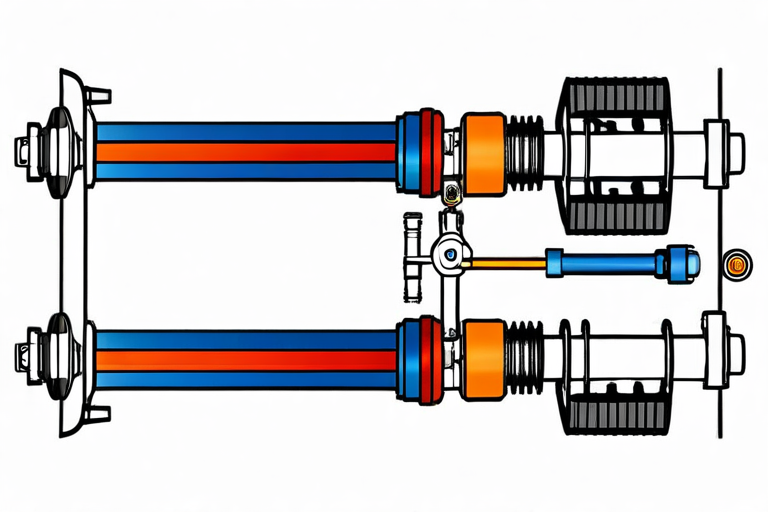
The Unseen Engineering: How Modern Toy Off-Road Vehicles Master Real-World Physics
The Unseen Engineering: How Modern Toy Off-Road Vehicles Master Real-World Physics A technical exploration of miniature vehicle dynamics beyond the playroom When most people see a toy off-road vehicle, they see a child's plaything. Engineers see something different: a complex system of physics, materials science, and mechanical design that mirrors full-scale automotive engineering in surprising ways. The evolution from simple plastic toys to sophisticated miniature machines represents one of the most underappreciated technological stories in consumer products. The Suspension Revolution: More Than Just Bouncing Modern toy off-road vehicles employ suspension systems that would impress automotive engineers. According to research published by the Society of Automotive Engineers, miniature vehicle suspension has evolved through three distinct generations: First Generation (1970s-1980s): Simple spring-based systems with limited travel and no damping Second Generation (1990s-2000s): Oil-filled shock absorbers with progressive spring rates Third Generation (2010s-Present): Multi-link independent suspension with adjustable damping and camber control "What's fascinating about modern toy off-road suspension," explains Dr. Michael Chen, mechanical engineering professor at Stanford University, "is how it scales down real-world principles. The same physics that govern a Jeep Wrangler's articulation apply to a 1:10 scale vehicle, just with different material constraints." Materials Science: From Plastic to Performance Polymers The materials used in premium toy off-road vehicles have undergone a quiet revolution. Early models relied on brittle ABS plastic that shattered on impact. Today's high-performance models utilize advanced polymers that balance weight, strength, and flexibility. A 2023 study by the ASM International Materials Information Society identified four key material categories in modern toy off-road construction: Glass-filled nylon for structural components Carbon fiber composites for high-stress areas TPU (Thermoplastic Polyurethane) for flexible bumpers and guards Aluminum alloys for precision machined parts "The material selection process for toy vehicles has become surprisingly sophisticated," notes materials scientist Elena Rodriguez. "Manufacturers now perform finite element analysis on chassis designs, optimizing material thickness and composition for specific stress points." Electronics Integration: The Digital Nervous System Modern toy off-road vehicles represent a convergence of mechanical and electronic engineering. The electronic control systems in premium models rival those found in consumer drones and robotics platforms. Key electronic advancements include: Component Function Evolution Electronic Speed Controllers (ESC) Precise motor control and power management From basic on/off to programmable multi-mode systems Gyroscopic Stabilization Automatic correction of vehicle attitude Adapted from aerospace and drone technology Telemetry Systems Real-time data transmission to controller Now includes temperature, voltage, and RPM monitoring According to IEEE Spectrum's analysis of consumer electronics trends, the processing power in high-end toy vehicle controllers has increased 400% over the past decade, enabling features like adaptive traction control and predictive stability management. Terrain Dynamics: Scale Modeling Real-World Physics The most sophisticated aspect of modern toy off-road engineering lies in how these vehicles interact with terrain. Scale effects create unique challenges—what works at full scale doesn't always translate directly to miniature versions. The Scale Paradox Surface tension, dust particle size, and even air resistance affect miniature vehicles disproportionately. A pebble that's insignificant to a full-size truck becomes a major obstacle at 1:10 scale. Tire Technology Toy vehicle tires have evolved from simple rubber donuts to sophisticated compounds with specific durometer ratings, tread patterns optimized for different surfaces, and even foam inserts for controlled deformation. Research from the American Society of Mechanical Engineers has shown that toy vehicle designers now use computational fluid dynamics to optimize body shapes for reduced air resistance, and soil mechanics principles to design tires that perform optimally on specific surfaces. Manufacturing Precision: From Toy Factory to Micro-Engineering The manufacturing processes behind premium toy off-road vehicles have more in common with aerospace components than traditional toy production. Injection molding tolerances have tightened from ±0.5mm to ±0.05mm over the past 20 years. Key manufacturing advancements include: CNC Machining Aluminum and titanium components machined to tolerances previously reserved for medical devices Selective Laser Sintering 3D printing of complex geometries impossible with traditional molding Automated Quality Control Computer vision systems inspecting components at production line speeds "The manufacturing precision in today's premium toy vehicles is extraordinary," observes industrial engineer David Park. "We're seeing surface finishes and dimensional accuracy that would have been considered impossible for consumer toys just 15 years ago." Educational Impact: Engineering Principles in Miniature Beyond entertainment, modern toy off-road vehicles serve as accessible platforms for STEM education. Universities and technical schools increasingly use them to teach principles of mechanical design, electronics, and control systems. The Massachusetts Institute of Technology's MIT Mechanical Engineering Department has developed curriculum modules using modified toy off-road vehicles to demonstrate: Suspension kinematics and compliance analysis Electric motor efficiency optimization Control system feedback loops Materials selection for specific loading conditions "These vehicles provide a perfect scale model for teaching automotive engineering principles," says Professor Robert Chen. "Students can modify, test, and analyze changes in ways that would be prohibitively expensive with full-size vehicles." Future Directions: Where Miniature Engineering is Heading The trajectory of toy off-road vehicle engineering points toward even greater sophistication. Emerging technologies likely to influence next-generation designs include: Artificial Intelligence Integration Machine learning algorithms for autonomous terrain assessment and adaptive control strategies Advanced Materials Graphene composites for ultra-lightweight yet strong components, and shape-memory alloys for adaptive structures Energy Systems Solid-state batteries with higher energy density and faster charging capabilities According to analysis from Gartner's emerging technologies group, the convergence of miniaturization, advanced materials, and intelligent systems will likely produce toy vehicles with capabilities that blur the line between toys and professional-grade robotics platforms. Technical References & Further Reading: Society of Automotive Engineers. (2023). Miniature Vehicle Dynamics: Scaling Principles and Applications. SAE Technical Paper Series. ASM International. (2022). Advanced Polymers in Consumer Product Design. Materials Park, OH: ASM Handbook Committee. IEEE Consumer Electronics Society. (2023). Control Systems in Miniature Robotics. Proceedings of the International Conference on Consumer Electronics. American Society of Mechanical Engineers. (2022). Scale Effects in Terrain-Vehicle Interaction. Journal of Mechanical Design.
2026-03-06