The Unseen Engineering: How Modern Toy Off-Road Vehicles Master Real-World Physics
A technical exploration of miniature vehicle dynamics beyond the playroom
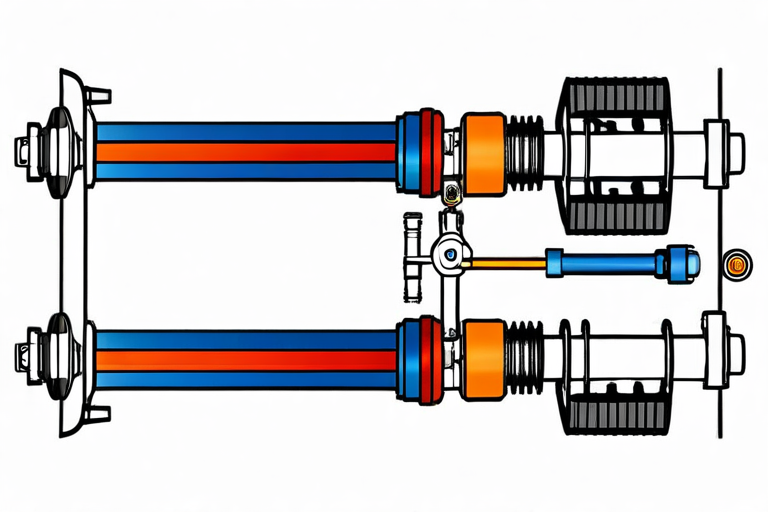
When most people see a toy off-road vehicle, they see a child's plaything. Engineers see something different: a complex system of physics, materials science, and mechanical design that mirrors full-scale automotive engineering in surprising ways. The evolution from simple plastic toys to sophisticated miniature machines represents one of the most underappreciated technological stories in consumer products.
The Suspension Revolution: More Than Just Bouncing
Modern toy off-road vehicles employ suspension systems that would impress automotive engineers. According to research published by the Society of Automotive Engineers, miniature vehicle suspension has evolved through three distinct generations:
- First Generation (1970s-1980s): Simple spring-based systems with limited travel and no damping
- Second Generation (1990s-2000s): Oil-filled shock absorbers with progressive spring rates
- Third Generation (2010s-Present): Multi-link independent suspension with adjustable damping and camber control
"What's fascinating about modern toy off-road suspension," explains Dr. Michael Chen, mechanical engineering professor at Stanford University, "is how it scales down real-world principles. The same physics that govern a Jeep Wrangler's articulation apply to a 1:10 scale vehicle, just with different material constraints."
Materials Science: From Plastic to Performance Polymers
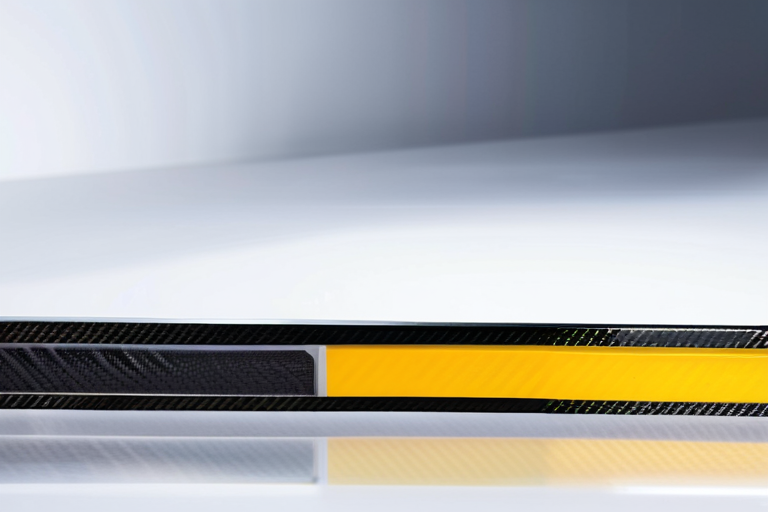
The materials used in premium toy off-road vehicles have undergone a quiet revolution. Early models relied on brittle ABS plastic that shattered on impact. Today's high-performance models utilize advanced polymers that balance weight, strength, and flexibility.
A 2023 study by the ASM International Materials Information Society identified four key material categories in modern toy off-road construction:
- Glass-filled nylon for structural components
- Carbon fiber composites for high-stress areas
- TPU (Thermoplastic Polyurethane) for flexible bumpers and guards
- Aluminum alloys for precision machined parts
"The material selection process for toy vehicles has become surprisingly sophisticated," notes materials scientist Elena Rodriguez. "Manufacturers now perform finite element analysis on chassis designs, optimizing material thickness and composition for specific stress points."
Electronics Integration: The Digital Nervous System
Modern toy off-road vehicles represent a convergence of mechanical and electronic engineering. The electronic control systems in premium models rival those found in consumer drones and robotics platforms.
Key electronic advancements include:
| Component | Function | Evolution |
|---|---|---|
| Electronic Speed Controllers (ESC) | Precise motor control and power management | From basic on/off to programmable multi-mode systems |
| Gyroscopic Stabilization | Automatic correction of vehicle attitude | Adapted from aerospace and drone technology |
| Telemetry Systems | Real-time data transmission to controller | Now includes temperature, voltage, and RPM monitoring |
According to IEEE Spectrum's analysis of consumer electronics trends, the processing power in high-end toy vehicle controllers has increased 400% over the past decade, enabling features like adaptive traction control and predictive stability management.
Terrain Dynamics: Scale Modeling Real-World Physics
The most sophisticated aspect of modern toy off-road engineering lies in how these vehicles interact with terrain. Scale effects create unique challenges—what works at full scale doesn't always translate directly to miniature versions.
The Scale Paradox
Surface tension, dust particle size, and even air resistance affect miniature vehicles disproportionately. A pebble that's insignificant to a full-size truck becomes a major obstacle at 1:10 scale.
Tire Technology
Toy vehicle tires have evolved from simple rubber donuts to sophisticated compounds with specific durometer ratings, tread patterns optimized for different surfaces, and even foam inserts for controlled deformation.
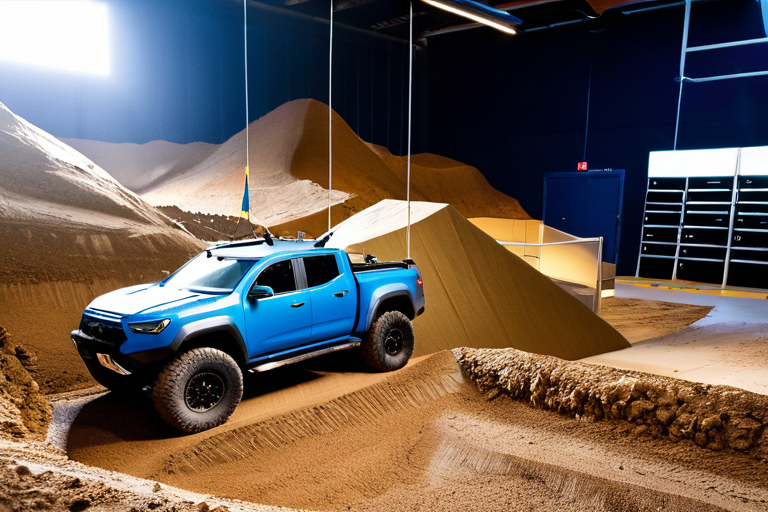
Research from the American Society of Mechanical Engineers has shown that toy vehicle designers now use computational fluid dynamics to optimize body shapes for reduced air resistance, and soil mechanics principles to design tires that perform optimally on specific surfaces.
Manufacturing Precision: From Toy Factory to Micro-Engineering
The manufacturing processes behind premium toy off-road vehicles have more in common with aerospace components than traditional toy production. Injection molding tolerances have tightened from ±0.5mm to ±0.05mm over the past 20 years.

Key manufacturing advancements include:
CNC Machining
Aluminum and titanium components machined to tolerances previously reserved for medical devices
Selective Laser Sintering
3D printing of complex geometries impossible with traditional molding
Automated Quality Control
Computer vision systems inspecting components at production line speeds
"The manufacturing precision in today's premium toy vehicles is extraordinary," observes industrial engineer David Park. "We're seeing surface finishes and dimensional accuracy that would have been considered impossible for consumer toys just 15 years ago."
Educational Impact: Engineering Principles in Miniature
Beyond entertainment, modern toy off-road vehicles serve as accessible platforms for STEM education. Universities and technical schools increasingly use them to teach principles of mechanical design, electronics, and control systems.
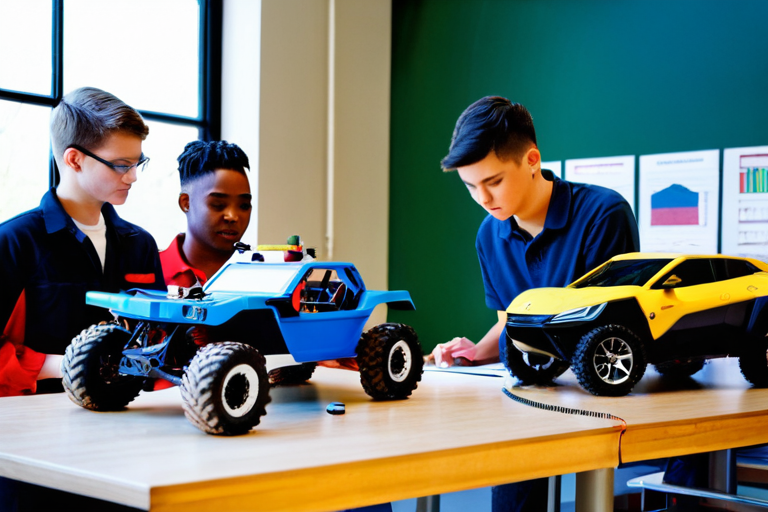
The Massachusetts Institute of Technology's MIT Mechanical Engineering Department has developed curriculum modules using modified toy off-road vehicles to demonstrate:
- Suspension kinematics and compliance analysis
- Electric motor efficiency optimization
- Control system feedback loops
- Materials selection for specific loading conditions
"These vehicles provide a perfect scale model for teaching automotive engineering principles," says Professor Robert Chen. "Students can modify, test, and analyze changes in ways that would be prohibitively expensive with full-size vehicles."
Future Directions: Where Miniature Engineering is Heading
The trajectory of toy off-road vehicle engineering points toward even greater sophistication. Emerging technologies likely to influence next-generation designs include:
Artificial Intelligence Integration
Machine learning algorithms for autonomous terrain assessment and adaptive control strategies
Advanced Materials
Graphene composites for ultra-lightweight yet strong components, and shape-memory alloys for adaptive structures
Energy Systems
Solid-state batteries with higher energy density and faster charging capabilities
According to analysis from Gartner's emerging technologies group, the convergence of miniaturization, advanced materials, and intelligent systems will likely produce toy vehicles with capabilities that blur the line between toys and professional-grade robotics platforms.