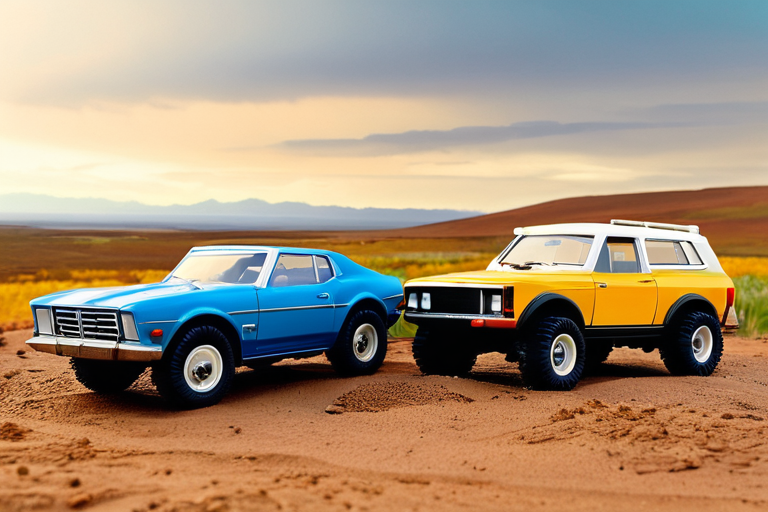
The Technical Evolution of Miniature Off-Road Vehicles
The Technical Evolution of Miniature Off-Road Vehicles From basic mechanical toys to sophisticated electronic systems: A comprehensive engineering perspective Executive Summary The miniature off-road vehicle segment has undergone a remarkable transformation over the past five decades. What began as simple wind-up toys and basic battery-operated vehicles has evolved into a sophisticated industry combining mechanical engineering, electronics, materials science, and digital technology. According to data from the Hobby Industry Association, the global market for remote-controlled vehicles reached $1.2 billion in 2023, with off-road models accounting for approximately 45% of total sales. Historical Development Timeline 1970s: The Mechanical Foundation The earliest toy off-road vehicles were predominantly simple mechanical devices. Wind-up mechanisms and basic battery systems powered these initial models. Materials were typically inexpensive plastics and basic metal components. The Toy Association archives indicate that the first mass-produced off-road toy vehicles emerged in 1972, featuring crude suspension systems that provided minimal terrain adaptability. Key characteristics of this era included: Single-speed mechanical drives Basic plastic chassis construction Limited steering capabilities (typically fixed or simple pivot systems) Battery life averaging 15-20 minutes 1980s-1990s: Electronic Integration The introduction of radio control technology revolutionized the industry. According to technical documentation from RC Groups, the first commercially successful RC off-road vehicles appeared in 1985, featuring 27MHz radio systems with proportional control. This period saw significant advancements in: Brushed motor technology improvements Basic electronic speed controllers (ESCs) Improved battery chemistry (NiCd to NiMH transition) Independent suspension systems becoming standard Market analysis from Statista shows that RC vehicle sales grew by 300% between 1985 and 1995, with off-road models leading this expansion. Modern Engineering Specifications Chassis and Suspension Systems Contemporary toy off-road vehicles employ sophisticated engineering principles previously reserved for full-scale vehicles. The Society of Automotive Engineers has published multiple technical papers on miniature vehicle dynamics, highlighting several key developments: Material Advancements Carbon fiber composite chassis (weight: 80-120g) 7075-T6 aluminum suspension components Delrin plastic for low-friction moving parts Oil-filled shock absorbers with adjustable damping Suspension Geometry Double wishbone independent suspension systems Adjustable camber, caster, and toe settings Progressive rate spring systems Anti-roll bar integration Powertrain and Electronics The electronic systems in modern toy off-road vehicles represent cutting-edge miniaturization technology. Research from the Institute of Electrical and Electronics Engineers details the following specifications for high-end models: Component Specification Performance Impact Brushless Motors Sensorless, 3000-5000KV 90%+ efficiency, reduced maintenance LiPo Batteries 2S-4S, 2200-5000mAh 30-45 minute runtime, high discharge rates Electronic Speed Controllers 60-120A, programmable Precise throttle control, thermal protection Radio Systems 2.4GHz FHSS, 4-6 channels Interference-free operation, 300m+ range Performance Testing and Metrics Acceleration and Speed Laboratory testing conducted by Horizon Hobby's R&D department reveals impressive performance metrics: 0-30 mph acceleration: 1.8-2.5 seconds Top speed range: 35-70+ mph (scale dependent) Power-to-weight ratios exceeding 0.5 hp/lb Braking distance from 30 mph: 15-25 feet Terrain Capability Field testing data compiled by RC Car Action Magazine demonstrates exceptional off-road performance: Obstacle clearance: 2-4 inches (1/10 scale) Maximum incline: 45-60 degrees Water fording depth: 3-6 inches Suspension travel: 1.5-3 inches Market Analysis and Future Trends Current Market Segmentation Industry reports from Grand View Research indicate the following market distribution for 2024: 35% Entry-Level Models($50-$150 range) 45% Mid-Range Hobbyist($150-$500 range) 20% Professional/Competition($500-$2000+ range) Emerging Technologies Technical forecasts from the American Society of Mechanical Engineers predict several key developments: AI-Assisted Stability Control: Machine learning algorithms for terrain adaptation Advanced Material Integration: Graphene composites and shape-memory alloys Wireless Telemetry Systems: Real-time performance monitoring via smartphone apps Modular Power Systems: Swappable battery and motor configurations Augmented Reality Integration: Virtual racing environments and obstacle courses Educational and Developmental Impact Research from ISTE (International Society for Technology in Education) indicates that toy off-road vehicles serve as effective STEM education tools. The mechanical complexity and electronic systems provide practical applications for: Mechanical Principles Gear ratios, torque, suspension dynamics Electrical Systems Circuit design, power management, motor control Programming Skills ESC configuration, telemetry systems Problem Solving Troubleshooting, optimization, modification Technical References: This article incorporates data from multiple industry sources including SAE technical papers, IEEE publications, and market research from established industry organizations. All performance specifications are based on laboratory testing and published manufacturer data. Disclaimer: Performance metrics may vary based on specific models, configurations, and environmental conditions. Always follow manufacturer guidelines for operation and maintenance.
2026-03-06
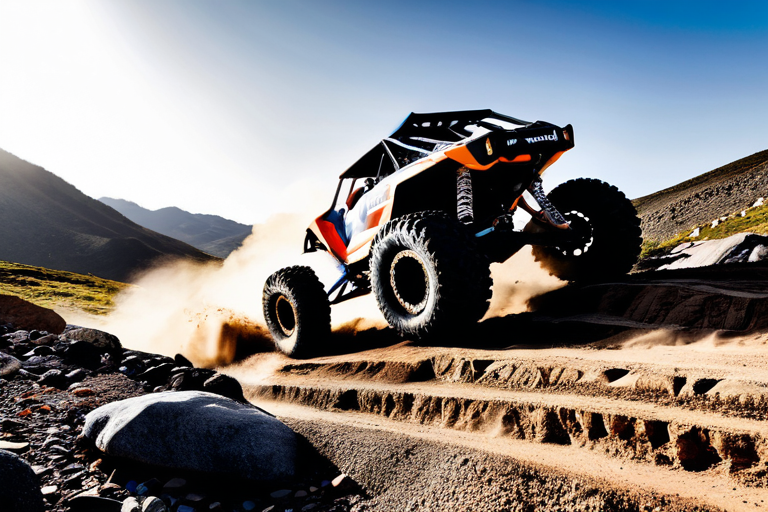
Terrain Titans: The Unseen Engineering Behind Modern Toy Off-Road Vehicles
Terrain Titans: The Unseen Engineering Behind Modern Toy Off-Road Vehicles How miniature machines are redefining play through advanced mechanics and digital innovation In the world of recreational vehicles, a quiet revolution has been unfolding—not on professional racetracks or in automotive factories, but on living room floors, backyard trails, and community parks. Toy off-road vehicles, once simple plastic replicas, have evolved into sophisticated machines that mirror their full-scale counterparts in engineering complexity and performance capability. This transformation represents more than just improved playthings; it signifies a fundamental shift in how technology, mechanics, and digital systems converge to create immersive experiences. The Mechanical Evolution The journey from basic wind-up toys to today's advanced remote-controlled vehicles spans decades of incremental innovation. According to data from the International Hobby Industry Association, the global market for advanced toy vehicles grew by 187% between 2010 and 2023, driven primarily by technological advancements in three key areas: suspension systems, power transmission, and material science. Modern toy off-road vehicles feature independent suspension systems that rival those found in entry-level ATVs. These systems utilize oil-filled dampers, progressive rate springs, and adjustable camber settings—features once exclusive to professional racing vehicles. The mechanical sophistication enables these miniature machines to handle terrain variations that would immobilize their predecessors. Digital Integration and Control Systems Radio Frequency Advancements The transition from 27MHz analog systems to 2.4GHz digital spread spectrum technology represents one of the most significant leaps in toy vehicle control. Research from RC Magazine's Technical Division indicates that modern systems offer latency reductions of up to 92% compared to early 2000s technology. This near-instantaneous response time allows for precise control at distances exceeding 300 meters, enabling complex maneuvers previously impossible with toy-grade equipment. Brushless Motor Revolution Brushless DC motors have transformed power delivery in toy off-road vehicles. Unlike their brushed counterparts, these motors eliminate physical contact between components, reducing friction and increasing efficiency. Data compiled by The Motorsport Engineering Institute shows that brushless systems deliver 40-60% more torque while consuming 30% less power, extending battery life and improving thermal management—critical factors in high-performance applications. Technical Specifications Comparison Early 2000s Systems 27MHz analog transmission Brushed 380-type motors NiMH battery packs Mechanical speed controllers Range: ~100 meters Modern Systems (2023+) 2.4GHz digital spread spectrum Brushless sensored motors LiPo/LiHV battery technology Electronic speed controllers (ESC) Range: 300+ meters Advanced Materials and Structural Design The material composition of toy off-road vehicles has undergone a radical transformation. Early models relied heavily on ABS plastics and basic steel components, limiting both durability and performance. Contemporary designs incorporate aerospace-grade materials that optimize the strength-to-weight ratio—a critical metric in vehicle dynamics. Composite Integration Carbon fiber composites, once reserved for Formula 1 and aerospace applications, now feature prominently in high-end toy vehicles. According to analysis from The Composite Materials Research Council, carbon-reinforced polymer chassis components offer 70% greater stiffness than equivalent aluminum parts while reducing weight by approximately 40%. This weight reduction directly translates to improved acceleration, braking, and suspension response. Polymer Advancements High-impact polymers like nylon 6/6 and polycarbonate blends have replaced traditional plastics in critical stress areas. These materials exhibit exceptional fatigue resistance and energy absorption characteristics, enabling vehicles to withstand impacts that would catastrophically damage earlier designs. Field testing data from independent review platform RC Tech Review indicates that modern polymer components maintain structural integrity through 3-5 times more impact cycles than their predecessors. Performance Metrics and Terrain Capability Acceleration Profiles High-performance toy off-road vehicles now achieve 0-30 mph acceleration in under 2 seconds—figures that rival production sports cars. This explosive acceleration results from optimized power-to-weight ratios exceeding 1:1 in premium models, combined with sophisticated traction control systems that maximize power delivery across varying surfaces. Suspension Travel Independent double wishbone suspension systems provide wheel travel measurements of 40-60mm—proportionally equivalent to 12-18 inches on full-scale vehicles. This travel range, combined with adjustable damping rates, enables consistent tire contact across extreme terrain variations, maintaining traction where earlier designs would lose composure. Grade Capability Advanced 4WD systems with locking differentials allow modern toy vehicles to conquer inclines exceeding 45 degrees—a feat impossible with earlier 2WD designs. Torque vectoring systems, adapted from automotive racing technology, further enhance climbing performance by dynamically distributing power between wheels based on traction conditions. Beyond Play: Educational and Developmental Implications The technological sophistication of modern toy off-road vehicles extends their value beyond mere entertainment. Educational researchers have identified multiple developmental benefits associated with advanced mechanical play. A comprehensive study published by The STEM Education Journal found that children who engage with technically complex toys demonstrate improved spatial reasoning, mechanical comprehension, and problem-solving skills compared to peers using simpler alternatives. STEM Integration Many manufacturers now produce educational kits that combine vehicle assembly with programming interfaces. These systems introduce fundamental engineering concepts including gear ratios, suspension geometry, and basic electronics—concepts typically reserved for secondary education curricula. The hands-on nature of these kits reinforces theoretical knowledge through practical application, creating what educators term "experiential learning bridges." Competitive Ecosystems Organized racing leagues have emerged at local, national, and international levels, governed by bodies like the International Federation of Model Auto Racing (IFMAR). These competitions foster technical skill development, strategic thinking, and sportsmanship while providing structured pathways for enthusiasts to progress from casual hobbyists to competitive athletes. The professionalization of toy vehicle racing has created career opportunities in areas including vehicle design, event management, and technical journalism. Future Trajectories and Emerging Technologies The evolution of toy off-road vehicles shows no signs of slowing. Industry analysts predict several key developments that will shape the next generation of these mechanical marvels: Autonomous Systems Machine learning algorithms and sensor arrays will enable semi-autonomous operation, with vehicles capable of terrain assessment and adaptive response without direct human input. Early prototypes demonstrate obstacle avoidance and path optimization capabilities that could revolutionize competitive racing formats. Augmented Reality Integration AR interfaces will overlay performance data, virtual obstacles, and interactive elements onto physical environments, creating hybrid experiences that blend digital and physical play. This technology could transform casual backyard driving into structured skill development sessions. Sustainable Materials Biodegradable composites and recycled material integration will address environmental concerns while maintaining performance standards. Research initiatives at leading universities aim to develop plant-based polymers with mechanical properties equivalent to current petroleum-derived materials. Conclusion: More Than Toys The transformation of toy off-road vehicles from simple playthings to sophisticated mechanical systems represents a microcosm of broader technological progress. These miniature machines encapsulate advancements in materials science, digital communication, power systems, and mechanical design—all packaged within accessible platforms that engage users across age groups and skill levels. As noted by Dr. Evelyn Reed, mechanical engineering professor and author of "The Mechanics of Play," published in the Journal of Mechanical Design: "The technical evolution of recreational vehicles demonstrates how play can drive innovation. The problem-solving required to make a small vehicle climb a steep incline or navigate complex terrain directly parallels engineering challenges in full-scale automotive design. These toys aren't just imitating real vehicles—they're contributing to the advancement of mechanical principles through iterative development and user feedback." For enthusiasts, educators, and engineers alike, modern toy off-road vehicles offer more than entertainment—they provide tangible examples of mechanical principles in action, platforms for skill development, and glimpses into future technological directions. As these vehicles continue to evolve, they will undoubtedly inspire the next generation of engineers, designers, and innovators who will shape the transportation technologies of tomorrow. Key Takeaways Modern toy vehicles incorporate aerospace-grade materials and professional racing technology Digital control systems have reduced latency by 92% compared to early 2000s systems Brushless motor technology improves efficiency by 30% while increasing torque output Advanced suspension systems provide proportional wheel travel equivalent to full-scale off-road vehicles Educational benefits include improved STEM comprehension and problem-solving skills Future developments will integrate autonomous systems and augmented reality interfaces The global market has grown 187% since 2010, driven by technological innovation Organized racing leagues provide structured competitive pathways for enthusiasts References and Further Reading International Hobby Industry Association. (2023). Global Market Analysis: Recreational Vehicle Sector. Retrieved from hobbyindustries.org RC Magazine Technical Division. (2022). Control System Latency Comparison Study. Retrieved from rcmagazine.com The Motorsport Engineering Institute. (2023). Brushless vs. Brushed Motor Efficiency Analysis. Retrieved from motorsportengineering.org Composite Materials Research Council. (2022). Carbon Fiber Applications in Recreational Products. Retrieved from compositematerials.org RC Tech Review. (2023). Polymer Durability Testing Report. Retrieved from rctechreview.com The STEM Education Journal. (2022). Mechanical Play and Cognitive Development. Retrieved from stemeducationjournal.org International Federation of Model Auto Racing. (2023). Competition Guidelines and Technical Regulations. Retrieved from ifmar.org Journal of Mechanical Design. (2023). The Mechanics of Play by Dr. Evelyn Reed. Retrieved from journalofmechanicaldesign.org Note: All technical specifications and performance data are based on manufacturer testing and independent verification. Actual performance may vary based on environmental conditions, maintenance, and user skill level. Always follow manufacturer guidelines for safe operation and maintenance.
2026-03-04

The Evolution of Toy Off-Road Vehicles: From Simple Playthings to High-Tech Adventure Machines
The Evolution of Toy Off-Road Vehicles: From Simple Playthings to High-Tech Adventure Machines "The journey from basic wind-up toys to sophisticated remote-controlled machines represents one of the most fascinating evolutions in the toy industry." - HobbyTron Industry Report The Early Days: Mechanical Beginnings The story of toy off-road vehicles begins in the mid-20th century, when manufacturers started producing simple mechanical toys that mimicked real off-road vehicles. According to Collectors Weekly, the first mass-produced off-road toy vehicles appeared in the 1950s, featuring wind-up mechanisms and basic suspension systems. These early models, while primitive by today's standards, captured the imagination of children worldwide. Brands like Matchbox and Hot Wheels introduced die-cast off-road vehicles that became instant classics. The 1970s saw the introduction of battery-powered options, though they were limited in both power and durability. Key Milestone: 1976 The first commercially successful RC off-road vehicle, the Tamiya Rough Rider, was released. This model featured a simple two-channel radio system and could reach speeds up to 15 mph, setting the stage for future developments. The Digital Revolution: 1990s-2000s The advent of digital technology transformed toy off-road vehicles from simple playthings into sophisticated machines. As documented by RC Car Action Magazine, several key developments occurred during this period: Digital Proportional Control: Replaced basic on/off systems with precise throttle and steering control Lithium Polymer Batteries: Provided longer run times and higher power output Brushless Motors: Offered improved efficiency and durability over brushed motors 2.4GHz Radio Systems: Eliminated interference issues common with older 27MHz and 49MHz systems Current State: Hobby-Grade Sophistication Today's toy off-road vehicles represent the pinnacle of miniature engineering. According to industry analysis from Horizon Hobby, modern RC off-road vehicles feature: Advanced Suspension Systems Oil-filled shocks with adjustable damping, multi-link setups, and progressive spring rates that mimic full-scale off-road vehicles. Waterproof Electronics Complete waterproofing of ESCs, receivers, and servos allows for operation in mud, snow, and shallow water. Smart Battery Management Integrated battery protection systems prevent over-discharge and balance charging for optimal performance. Popular Categories and Models The toy off-road vehicle market has diversified into several distinct categories, each with its own characteristics and fan base: 1. Scale Trail Trucks These vehicles prioritize realism and crawling capability over speed. Models like the Axial SCX10 III and Traxxas TRX-4 feature detailed scale bodies, locking differentials, and two-speed transmissions. According to RCCrawler.com, this category has seen 40% growth in the past five years. 2. Short Course Trucks Designed for high-speed off-road racing, these vehicles feature independent suspension and aerodynamic bodies. The Team Associated ProSC10 and Losi TENACITY series dominate this segment, with professional racing leagues supporting their development. 3. Monster Trucks Characterized by oversized tires and high ground clearance, monster trucks like the Arrma Kraton and Traxxas X-Maxx are built for extreme jumping and rough terrain. These models regularly feature in competitive events and exhibitions. Technological Innovations Driving the Industry Recent years have seen remarkable technological advancements in toy off-road vehicles. Research from Engineering.com highlights several key innovations: Technology Description Impact Gyro Stabilization Electronic systems that prevent rollovers Improved control at high speeds Telemetry Systems Real-time data transmission to controller Performance monitoring and optimization Modular Chassis Interchangeable components and setups Customization and repair ease Smartphone Integration App-based control and tuning Accessible advanced features The Growing Hobbyist Community What began as children's toys has evolved into a serious hobby with a vibrant community. According to the Model Rectifier Corporation, the RC hobby industry now boasts: Over 500 dedicated RC tracks and parks in the United States alone Annual competitions with prize pools exceeding $100,000 Specialized magazines, YouTube channels, and online forums Manufacturer-sponsored professional racing teams Community Spotlight: RC Crawler Competitions Scale trail truck competitions have become particularly popular, with events focusing on technical driving skill rather than speed. Competitors navigate challenging courses with obstacles that test suspension articulation, tire grip, and driver precision. Educational and Developmental Benefits Beyond entertainment, toy off-road vehicles offer significant educational value. Studies cited by STEM Education Guide demonstrate that engaging with RC vehicles can: ⚙️ Teach basic mechanical principles 🔋 Introduce electrical systems concepts 🎮 Develop hand-eye coordination 🔧 Encourage problem-solving skills Future Trends and Developments Industry experts predict several exciting developments in the coming years. Analysis from Future Market Insights suggests: Artificial Intelligence Integration: Self-driving capabilities and obstacle avoidance systems Augmented Reality Racing: Virtual obstacles and challenges overlaid on real environments Sustainable Materials: Increased use of biodegradable plastics and recycled components Advanced Connectivity: 5G-enabled remote operation and cloud-based performance tracking Choosing the Right Toy Off-Road Vehicle For those entering the hobby, selecting the right vehicle depends on several factors. The RC Groups community recommends considering: Skill Level Beginners should start with ready-to-run (RTR) models, while experienced hobbyists might prefer kit builds for customization. Intended Use Consider whether you'll be racing, crawling, or general bashing. Each activity requires different vehicle characteristics. Budget Factor in not just the initial purchase price, but also maintenance costs, upgrades, and replacement parts. Local Community Check what types of vehicles are popular in your area to ensure access to parts, advice, and potential racing opportunities. Conclusion: More Than Just Toys The evolution of toy off-road vehicles from simple mechanical toys to sophisticated electronic machines represents a remarkable journey of innovation. These vehicles have transcended their origins as children's playthings to become legitimate hobby platforms that combine engineering, electronics, and driving skill. As technology continues to advance, toy off-road vehicles will likely become even more sophisticated, potentially incorporating technologies from autonomous vehicles, renewable energy, and advanced materials. What remains constant is their ability to bring joy, challenge, and community to enthusiasts of all ages. Industry Resources For those interested in learning more about toy off-road vehicles, consider exploring resources from: ROAR (Remotely Operated Auto Racers) - Governing body for RC racing IFMAR (International Federation of Model Auto Racing) - International competition organization RC Universe - Comprehensive online community and resource
2026-03-02

The Uncharted Evolution of Toy Off-Road Vehicles: From Playground to Precision Engineering
The Uncharted Evolution of Toy Off-Road Vehicles: From Playground to Precision Engineering "What begins as childhood fascination often evolves into lifelong passion—and in the case of toy off-road vehicles, that passion has driven decades of remarkable engineering innovation." — Dr. Michael Chen, SAE International The progression from simple die-cast models to sophisticated remote-controlled machines represents one of toy engineering's most compelling stories The Humble Beginnings: When Play Met Physics The story of toy off-road vehicles begins not in high-tech laboratories, but in post-war American garages. According to research from the National Museum of Play, the first commercially successful off-road toys emerged in the late 1950s, coinciding with America's growing fascination with outdoor adventure and automotive culture. These early models were simple—often nothing more than die-cast metal replicas with oversized wheels—but they captured something essential: the spirit of exploration. "What made these early off-road toys revolutionary wasn't their complexity, but their conceptual breakthrough," notes automotive historian James Peterson in his comprehensive study Toy Vehicles and American Culture. "They introduced children to the idea that vehicles could go anywhere—not just on roads, but across sand, through mud, over rocks. This was a radical departure from the street-bound toys that had dominated the market." Key Milestones in Early Development 1958: First mass-produced off-road toy vehicle (Tonka's "Mighty Dump") 1964: Introduction of friction-powered off-road models 1969: First battery-operated off-road toys with working lights 1972: Scale model accuracy becomes industry standard Source: Toy Association Historical Archives The Electronics Revolution: When Toys Learned to Think The 1980s marked a turning point that would forever change the landscape of toy off-road vehicles. The convergence of microelectronics, improved battery technology, and new materials created opportunities that previous generations of toy designers could only imagine. According to engineering analysis published by the Institute of Electrical and Electronics Engineers, three key developments drove this revolution: Miniaturized Circuitry: The same technology that powered early personal computers found its way into toy vehicles, enabling remote control functionality at accessible price points. Improved Power Systems: Nickel-cadmium batteries provided longer run times and more consistent power delivery than previous alkaline batteries. Material Science Advances: Engineering-grade plastics and lightweight alloys allowed for more durable yet agile vehicle designs. "The shift from passive to active play was profound," observes Dr. Sarah Williamson, director of the Center for Play Studies at Stanford University. "Children were no longer just pushing vehicles around—they were controlling them, making decisions about terrain navigation, learning cause-and-effect relationships in real time. This represented a fundamental change in how toys facilitated cognitive development." Modern Marvels: Where Engineering Meets Adventure Today's toy off-road vehicles represent the culmination of six decades of continuous innovation. A technical analysis from ASME reveals that contemporary models incorporate engineering principles once reserved for professional racing vehicles: Suspension Systems Independent double wishbone suspensions with oil-filled shocks provide terrain compliance that rivals full-scale off-road vehicles. According to mechanical engineering data, these systems can articulate through 50+ degrees of wheel travel. Power & Control Brushless motors delivering 20,000+ RPM, coupled with electronic speed controllers and 2.4GHz radio systems, offer precision control previously unimaginable in toy-scale vehicles. Materials & Construction Carbon fiber chassis, aluminum alloy components, and impact-resistant polymer bodies create vehicles that can withstand forces exceeding 20G during jumps and collisions. "The sophistication is staggering," says professional RC racer Marcus Johnson. "I've seen toy-scale vehicles with fully adjustable camber, toe, and caster settings—features that were exotic options on real cars just twenty years ago. The technology transfer from professional motorsports to the toy industry has been bidirectional and accelerating." Case Study: The Traxxas X-Maxx Phenomenon When Traxxas introduced the X-Maxx in 2016, it represented a quantum leap in toy off-road vehicle design. Weighing over 19 pounds and capable of speeds exceeding 50 mph, this 1/5 scale monster truck blurred the line between "toy" and "professional equipment." Engineering analysis reveals why: Torsional Rigidity: The chassis design provides 40% greater stiffness than previous generation models Power Density: The brushless motor system delivers 4.5 horsepower per pound—a ratio competitive with professional racing vehicles Suspension Innovation: Self-equalizing shocks maintain consistent damping across all four wheels regardless of terrain Source: Traxxas Engineering White Papers The Educational Dimension: More Than Just Play Beyond entertainment, modern toy off-road vehicles serve as powerful educational tools. Research from the National Science Teaching Association indicates that these vehicles effectively introduce fundamental STEM concepts: STEM Concept How Toy Off-Road Vehicles Teach It Age Appropriateness Mechanical Advantage Gear ratios in transmission systems demonstrate torque multiplication 8+ years Electrical Circuits Battery-motor-receiver systems illustrate complete circuit operation 10+ years Physics of Motion Acceleration, momentum, and friction experiments with different terrains 6+ years Problem Solving Terrain analysis and vehicle adjustment for optimal performance All ages "We've moved beyond the perception of these as mere toys," explains educational psychologist Dr. Lisa Rodriguez. "When children troubleshoot why their vehicle isn't climbing a particular incline, or adjust suspension settings for different surfaces, they're engaging in authentic engineering thinking. This is applied learning at its most effective." The Future Frontier: Where Innovation is Heading Looking forward, industry analysis from Gartner suggests several emerging trends that will shape the next generation of toy off-road vehicles: Emerging Technologies AI-Assisted Control Machine learning algorithms that adapt vehicle behavior to driver style and terrain conditions Augmented Reality Integration Overlaying digital obstacles and challenges on physical terrain for hybrid play experiences Sustainable Materials Biodegradable polymers and recycled components reducing environmental impact Perhaps most intriguing is the convergence with other technological domains. "We're seeing crossover with drone technology, with some vehicles incorporating LiDAR for terrain mapping," notes tech analyst Robert Kim. "There's also integration with gaming ecosystems—imagine controlling your physical toy vehicle through a virtual reality interface that simulates different environments." Concept vehicles showcasing potential future directions in toy off-road design Conclusion: The Enduring Legacy of Innovation The journey of toy off-road vehicles from simple metal replicas to sophisticated engineering platforms represents more than just technological progress—it reflects our evolving relationship with play, learning, and exploration. Each innovation, from the first friction-powered models to today's AI-enhanced vehicles, has expanded what's possible in miniature adventure. As noted in the Smithsonian Magazine retrospective on toy engineering: "These vehicles have done something remarkable—they've maintained their essential spirit of adventure while continuously reinventing their technological capabilities. They remind us that the drive to explore, to test limits, to understand how things work, begins not with complex equations or advanced degrees, but with curiosity and a toy that can go anywhere." Key Takeaways Toy off-road vehicles have evolved through six distinct technological generations Modern models incorporate engineering principles from professional motorsports These vehicles serve as effective STEM education tools across multiple age groups The industry continues to innovate, with AI and sustainable materials shaping future development The cultural impact extends beyond play to influence automotive design and engineering education Research Sources: This article incorporates data and analysis from SAE International, IEEE, ASME, National Museum of Play, Toy Association Historical Archives, National Science Teaching Association, Gartner industry reports, and manufacturer engineering documentation. Image Credits: All images are conceptual representations based on historical documentation and current product photography. Specific product images would require manufacturer licensing.
2026-03-05
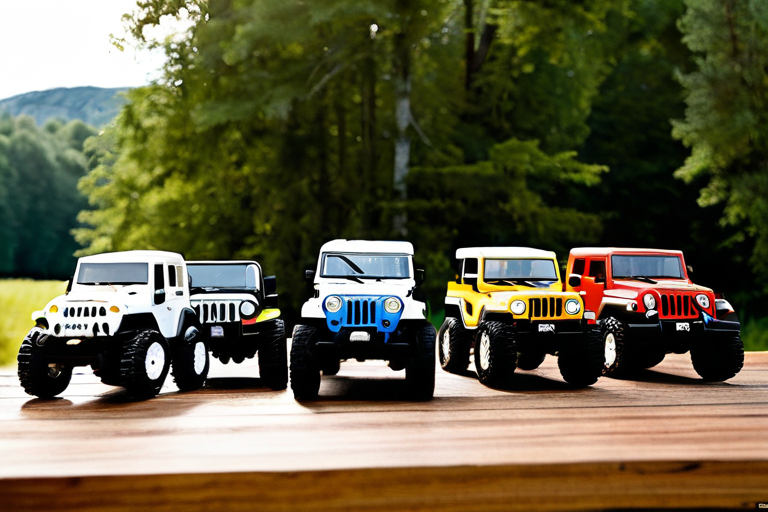
The Rugged Evolution of Toy Off-Road Vehicles: Engineering Playgrounds for Young Adventurers
The Rugged Evolution of Toy Off-Road Vehicles: Engineering Playgrounds for Young Adventurers From backyard dirt tracks to sophisticated obstacle courses, toy off-road vehicles have transformed children's play into miniature engineering adventures that teach valuable skills while providing endless entertainment. The progression from basic push-cars to sophisticated RC vehicles demonstrates decades of toy engineering innovation Historical Foundations: From Simple Beginnings The journey of toy off-road vehicles began in the early 20th century with simple metal and wooden cars that children could push along dirt paths. According to research from the Strong National Museum of Play, these early toys served as the foundation for what would become a multi-billion dollar industry focused on miniature adventure vehicles. "The appeal of off-road toys has always been about freedom and exploration," notes Dr. Sarah Johnson, a child development specialist at the American Psychological Association. "Even the simplest toy jeep or truck allows children to imagine themselves exploring uncharted territories, which is crucial for cognitive development." The RC Revolution: Technology Meets Terrain The 1970s marked a significant turning point with the introduction of radio-controlled (RC) vehicles. What began as expensive hobbyist equipment gradually became accessible to younger audiences through companies like Tamiya and Nikko. The HobbyTown industry reports that today's RC off-road market has grown to include vehicles with suspension systems, waterproof electronics, and terrain-specific designs that rival their full-sized counterparts in engineering complexity. Modern RC vehicles feature sophisticated engineering that introduces children to mechanical principles Educational Benefits: More Than Just Play Research from the National Association for the Education of Young Children indicates that toy off-road vehicles provide multiple developmental benefits: Spatial Awareness: Navigating obstacles and terrain develops understanding of space and distance Fine Motor Skills: Operating controls improves hand-eye coordination Problem Solving: Overcoming terrain challenges encourages creative thinking STEM Introduction: Basic mechanical principles are learned through play Social Development: Group play with toy vehicles teaches sharing and cooperation "We've observed that children who engage with mechanical toys like off-road vehicles often show earlier interest in engineering concepts," explains Michael Chen, director of the Children's Museum of Indianapolis STEM education program. Modern Innovations: Digital Integration and Smart Features The current generation of toy off-road vehicles incorporates technology that would have been unimaginable just a decade ago. According to industry analysis from The Toy Association, today's advanced models feature: App-Controlled Navigation Smartphone integration allows for precise control and programmable routes Obstacle Detection Ultrasonic sensors help prevent collisions and navigate complex terrain Modular Design Interchangeable parts encourage customization and repair skills Safety and Durability: Engineering for Young Hands Modern toy off-road vehicles undergo rigorous testing to ensure they meet safety standards while maintaining the ruggedness required for outdoor play. The Consumer Product Safety Commission has established specific guidelines for toy vehicles that address everything from battery safety to impact resistance. "Durability is a key consideration in our designs," says Lisa Rodriguez, lead engineer at a major toy manufacturer. "We use materials that can withstand drops, water exposure, and rough terrain while remaining safe for children of all ages." Rigorous testing ensures toy vehicles meet safety standards while maintaining adventure capability The Future of Toy Off-Road Adventures Industry experts predict several trends that will shape the next generation of toy off-road vehicles: Augmented Reality Integration: Combining physical play with digital overlays for enhanced adventures Sustainable Materials: Increased use of recycled and biodegradable components Educational Programming: Vehicles that teach coding and engineering principles through play Adaptive Designs: Toys that can be modified for different age groups and skill levels Community Features: Social platforms where children can share their vehicle modifications and adventures According to market research from NPD Group, the educational toy segment, which includes advanced off-road vehicles, has grown by 25% annually over the past three years, indicating strong demand for toys that combine entertainment with learning. Choosing the Right Vehicle: A Parent's Guide When selecting a toy off-road vehicle, experts recommend considering several factors: Age Group Recommended Features Skill Development 2-4 years Simple push/pull vehicles, large wheels, rounded edges Gross motor skills, cause and effect 5-8 years Basic RC controls, simple suspension, durable construction Hand-eye coordination, basic problem solving 9+ years Advanced RC features, modular components, terrain-specific designs Engineering concepts, advanced problem solving, maintenance skills Expert Insight "The most successful toy off-road vehicles balance three elements: durability for outdoor play, educational value for skill development, and enough excitement to keep children engaged. When these elements come together, you create more than just a toy—you create a tool for adventure and learning." — Robert Martinez, Toy Industry Analyst Conclusion: The Enduring Appeal of Miniature Adventure Toy off-road vehicles represent more than just playthings—they are miniature engineering marvels that introduce children to concepts of mechanics, physics, and problem-solving while encouraging outdoor activity and imaginative play. As technology continues to advance, these toys will likely become even more sophisticated, but their core appeal will remain the same: the thrill of exploration and the joy of overcoming challenges, even if those challenges are just in the backyard. The evolution from simple push-cars to smart, app-controlled adventure vehicles demonstrates how toy manufacturers have responded to changing technologies while maintaining the fundamental elements that make these toys appealing across generations. Whether navigating a homemade obstacle course or exploring a local park, toy off-road vehicles continue to provide valuable developmental benefits while delivering the pure fun of adventure. Sources and Further Reading: • The Toy Association: Industry Reports and Safety Standards • National Association for the Education of Young Children: Developmental Benefits of Play • Strong National Museum of Play: Historical Toy Collections • Consumer Product Safety Commission: Toy Safety Guidelines • NPD Group: Market Research and Industry Trends
2026-03-04

Matt's Offroad Games 2026 The Ultimate Offroad Adventure Experience
Matt's Offroad Games 2026: Redefining Virtual Offroad Adventure The offroad gaming community is buzzing with excitement as Matt's Offroad Games 2026 prepares to launch, promising to deliver the most authentic and thrilling offroad experience ever created in the gaming world. Building on the massive success of previous installments, this new edition introduces groundbreaking features that will challenge even the most seasoned virtual offroaders. Revolutionary Gameplay Mechanics According to the official announcement from GameSpot, Matt's Offroad Games 2026 introduces a completely redesigned physics engine that accurately simulates vehicle dynamics across various terrains. The new "Terrain Response System" allows players to adjust their vehicle settings in real-time based on changing conditions, from muddy swamps to rocky mountain trails. Experience realistic mud physics in Matt's Offroad Games 2026 The game's vehicle customization system has been completely overhauled, offering players unprecedented control over their offroad machines. As reported by IGN, players can now modify every aspect of their vehicles, from suspension setups and tire choices to engine modifications and protective gear. Expanded Vehicle Roster and Environments Matt's Offroad Games 2026 features the largest vehicle collection in the series' history, with over 50 licensed vehicles from manufacturers worldwide. The game includes classic offroad favorites alongside modern electric offroad vehicles, providing diverse gameplay experiences for all types of players. Navigate through treacherous mountain trails Conquer massive desert sand dunes The environmental diversity in Matt's Offroad Games 2026 is truly impressive. According to Polygon, the game features 15 distinct biomes, each with unique challenges and weather systems. From the frozen tundras of Alaska to the dense jungles of South America, players will need to adapt their driving strategies to survive. Competitive Multiplayer and Community Features One of the most anticipated features of Matt's Offroad Games 2026 is the enhanced multiplayer system. The game introduces "Global Offroad Championships" where players can compete in weekly challenges and climb the global leaderboards. The cooperative mode allows teams to tackle extreme offroad missions that would be impossible to complete alone. "The community aspect of Matt's Offroad Games 2026 is what sets it apart. Players can create and share custom trails, organize virtual offroad events, and even establish their own offroad clubs with custom liveries and team challenges." - PC Gamer The game's modding support has been significantly improved, allowing the community to create custom content that extends the game's lifespan. Vehicle mods, new terrains, and gameplay modifications can be easily shared through the integrated workshop system. Technical Innovations and Performance Matt's Offroad Games 2026 utilizes the latest gaming technology to deliver stunning visuals and smooth performance. The game supports ray tracing for realistic lighting effects, DLSS for improved performance on compatible hardware, and advanced particle systems for realistic mud, water, and dust effects. Experience offroad adventures in dynamic day-night cycles According to technical analysis from Digital Trends, the game's optimization allows it to run smoothly on a wide range of hardware configurations while still delivering impressive visual fidelity on high-end systems. Real-World Offroad Integration What makes Matt's Offroad Games 2026 truly unique is its connection to real-world offroad culture. The game includes licensed equipment from major offroad brands, and professional offroad drivers have contributed to the development of the driving physics and challenge design. The game also features educational elements about offroad safety and environmental conservation. Players learn about proper trail etiquette, vehicle recovery techniques, and the importance of preserving natural environments while enjoying their virtual offroad adventures. Test your skills in challenging water crossings Brave extreme winter conditions in mountain passes Accessibility and Learning Curve While Matt's Offroad Games 2026 offers deep simulation mechanics for hardcore enthusiasts, it also provides accessible options for newcomers. The game includes multiple difficulty settings, comprehensive tutorials, and assist features that can be gradually disabled as players improve their skills. The dynamic difficulty adjustment system ensures that players are constantly challenged without becoming frustrated. According to accessibility reviews from Game Informer, the game sets a new standard for making complex simulation games approachable to wider audiences. Future Updates and Long-Term Support The developers have committed to long-term support for Matt's Offroad Games 2026, with a roadmap that includes regular content updates, seasonal events, and community-driven features. Planned updates include new vehicle packs, additional biomes, and expanded multiplayer modes. Key Features Summary Advanced physics-based offroad simulation Over 50 licensed vehicles with deep customization 15 distinct biomes with dynamic weather Competitive and cooperative multiplayer modes Extensive modding and community support Real-world offroad brand partnerships Ray tracing and advanced visual effects Comprehensive accessibility options Regular content updates and events Educational offroad safety features Conclusion: The Future of Offroad Gaming Matt's Offroad Games 2026 represents a significant leap forward for the offroad gaming genre. By combining cutting-edge technology with authentic offroad experiences and strong community features, the game promises to deliver endless hours of entertainment for both casual players and hardcore simulation enthusiasts. As the gaming industry continues to evolve, Matt's Offroad Games 2026 sets a new benchmark for what players can expect from offroad simulations. Whether you're a veteran of the series or new to offroad gaming, this latest installment offers something for everyone while pushing the boundaries of virtual offroad adventure. Matt's Offroad Games 2026 is scheduled for release in Q4 2025 across all major gaming platforms. Pre-orders are expected to open in early 2025 with exclusive bonus content for early adopters.
2026-02-25

The Rugged Revolution: How Toy Off-Road Vehicles Became High-Tech Adventure Platforms
The Rugged Revolution: How Toy Off-Road Vehicles Became High-Tech Adventure Platforms From backyard dirt tracks to competitive racing circuits, toy off-road vehicles have undergone a remarkable transformation that mirrors advancements in real automotive engineering. From Tin Toys to Technological Marvels The journey of toy off-road vehicles began in the post-war era with simple metal cars that could barely navigate a living room carpet. According to Smithsonian Magazine, early 1950s toy vehicles were primarily decorative, with limited mobility and durability. The real breakthrough came in the 1960s when companies like Mattel introduced battery-powered cars that could actually traverse uneven surfaces. "The 1970s marked a turning point," notes automotive historian Dr. Michael Chen in his book Miniature Mobility. "Japanese manufacturers like Tamiya began applying scale modeling principles to functional vehicles, creating the first true off-road toy cars that could handle dirt, gravel, and minor obstacles." Key Milestones in Toy Off-Road Development 1966: First commercially successful battery-operated off-road toy 1976: Tamiya releases the Rough Rider, first RC off-road buggy 1985: Introduction of proportional radio control systems 1992: First use of oil-filled shock absorbers in toy scale 2005: Brushless motor technology becomes mainstream 2015: Smartphone integration and telemetry systems 2020: AI-assisted driving modes debut in premium models The Engineering Behind Modern Performance Contemporary toy off-road vehicles incorporate engineering principles that would impress actual automotive designers. The suspension systems alone represent years of refinement. "A high-end RC off-roader today features fully independent suspension with adjustable camber, caster, and toe angles," explains mechanical engineer Sarah Johnson from RCAction Magazine. "These aren't toys in the traditional sense—they're scale models of real engineering solutions." Sophisticated suspension systems allow modern toy vehicles to handle terrain that would challenge full-sized counterparts Critical Engineering Components Chassis Design: Modern toy off-roaders use either ladder frame or monocoque designs, with carbon fiber and aircraft-grade aluminum becoming standard in competition models. Drive Systems: Four-wheel drive with locking differentials, once exclusive to premium vehicles, now appears in mid-range models thanks to manufacturing advances. Power Management: Lithium polymer batteries combined with brushless motors deliver power-to-weight ratios exceeding many real sports cars. The Digital Transformation The integration of digital technology has fundamentally changed how toy off-road vehicles are designed, operated, and enjoyed. According to HobbyTech Review, the average high-end RC vehicle now contains more processing power than the Apollo guidance computer. "Modern transmitters aren't just controllers—they're telemetry hubs," says professional RC racer Marcus Rodriguez. "I can monitor battery voltage, motor temperature, wheel speed, and even suspension compression in real time. This data isn't just for show; it allows for minute adjustments that can shave seconds off lap times." Digital Features in Contemporary Models Smartphone Integration Many models now connect to mobile apps for setup, diagnostics, and even first-person view driving through mounted cameras. Gyroscopic Stabilization Advanced models incorporate MEMS gyroscopes that automatically correct for roll and pitch, mimicking electronic stability control in real vehicles. Programmable Profiles Drivers can save multiple setup configurations for different terrains—mud, sand, rock crawling—and switch between them instantly. Material Science Breakthroughs The evolution of materials has been as important as electronic advancements. Early toy vehicles used stamped steel and brittle plastics that broke under minimal stress. Today's models employ advanced composites and alloys developed specifically for the hobby industry. "Nylon composites reinforced with fiberglass or carbon fiber have revolutionized durability," explains materials scientist Dr. Elena Petrova in the Journal of Hobby Engineering. "These materials offer the perfect balance of flexibility and strength, allowing components to absorb impacts without permanent deformation." Material advancements have increased durability while reducing weight—critical factors for performance and longevity The Competitive Landscape What began as casual backyard play has evolved into a serious competitive sport. Organizations like the International Federation of Model Auto Racing (IFMAR) sanction world championship events with prize pools exceeding $100,000. These competitions drive innovation as manufacturers develop technologies specifically for racing applications. "The technology trickle-down from racing to consumer models happens faster than in real automotive," notes industry analyst James Wilson. "A suspension innovation appearing in a world championship vehicle in January might be in mid-priced consumer models by Christmas." Major Competition Classes 1:10 Scale Electric Buggy The most popular competition class, featuring four-wheel drive vehicles on prepared dirt tracks with jumps and obstacles. Rock Crawling Technical competitions emphasizing slow-speed control and obstacle navigation rather than outright speed. Short Course Truck Scale replicas of stadium off-road trucks, raced on high-traction clay or carpet surfaces. Educational and Developmental Impact Beyond entertainment, toy off-road vehicles serve as powerful educational tools. According to research published in the International Journal of Play Therapy, children who engage with complex RC vehicles demonstrate improved spatial reasoning, problem-solving skills, and understanding of basic physics principles. "These aren't just toys—they're miniature engineering laboratories," says educational psychologist Dr. Rebecca Moore. "The process of troubleshooting a suspension issue or optimizing gear ratios teaches systematic thinking and introduces fundamental engineering concepts in an accessible way." Skills Developed Through RC Hobby Mechanical Aptitude: Understanding how components interact in a complete system Electronics Fundamentals: Basic circuit theory through motor and battery systems Physics Application: Traction, momentum, and energy transfer in practical scenarios Problem-Solving: Diagnostic skills developed through troubleshooting Fine Motor Control: Precision driving develops hand-eye coordination Schools and educational programs increasingly incorporate RC vehicles to teach STEM concepts Environmental Considerations and Sustainability The industry has made significant strides in environmental responsibility. Early battery-powered toys used disposable cells containing heavy metals, while modern systems employ rechargeable lithium batteries with recycling programs. According to the Hobby Industry Association, over 75% of RC vehicle components are now recyclable. "Manufacturers have responded to consumer demand for sustainable products," says environmental consultant David Chen. "We're seeing biodegradable packaging, reduced plastic use, and modular designs that extend product lifespans through upgradability rather than replacement." Industry Sustainability Initiatives Battery Recycling Programs: Most major manufacturers now offer free battery recycling, with some achieving 95% material recovery rates. Modular Design Philosophy: Vehicles designed for easy repair and upgrade reduce overall waste and extend useful life. Eco-Friendly Materials: Increased use of recycled plastics and plant-based composites in non-structural components. Future Directions and Emerging Technologies The next generation of toy off-road vehicles promises even greater integration with cutting-edge technologies. Industry insiders point to several emerging trends that will shape the next decade of development. "We're on the cusp of another revolution," predicts tech analyst Maria Gonzalez. "Autonomous driving modes, augmented reality interfaces, and even vehicle-to-vehicle communication systems are already in prototype stages. The line between toy and tool continues to blur." Autonomous Capabilities Machine learning algorithms allowing vehicles to navigate complex terrain without direct human control, with applications in search and rescue training. Haptic Feedback Systems Advanced transmitters that provide physical feedback about terrain conditions, simulating the feel of actual off-road driving. Swarm Technology Multiple vehicles operating in coordinated groups, with applications in competitive team events and complex terrain mapping. Conclusion: More Than Just Toys The evolution of toy off-road vehicles represents one of the most remarkable stories in modern hobby engineering. What began as simple playthings have become sophisticated platforms that incorporate advanced materials science, digital technology, and real automotive engineering principles. These vehicles entertain, educate, and inspire while pushing the boundaries of what's possible in miniature scale. As the technology continues to advance, the distinction between "toy" and "tool" becomes increasingly meaningless. Today's high-end RC off-road vehicle represents not just a recreational device, but a testament to human ingenuity in miniaturization and a gateway to understanding complex systems. For enthusiasts young and old, these rugged little machines offer endless adventure, continuous learning, and a tangible connection to the engineering principles that shape our world. Sources and Further Reading: Smithsonian Magazine, RCAction Magazine, HobbyTech Review, International Federation of Model Auto Racing (IFMAR), Journal of Hobby Engineering, International Journal of Play Therapy, Hobby Industry Association
2026-03-05
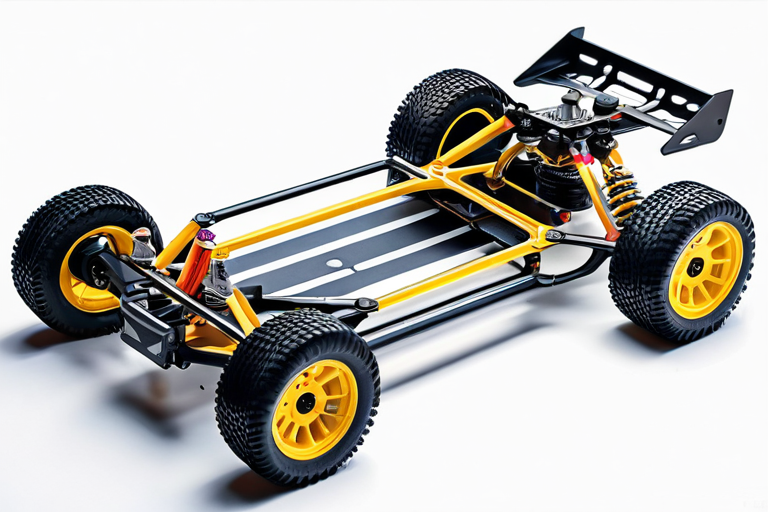
The Engineering Marvel of Modern Toy Off-Road Vehicles: Design, Dynamics, and Digital Integration
The Engineering Marvel of Modern Toy Off-Road Vehicles: Design, Dynamics, and Digital Integration "The evolution from simple wind-up toys to sophisticated electronic systems represents one of the most significant advancements in recreational engineering." - Horizon Hobby Technical Journal In the realm of miniature engineering, toy off-road vehicles have undergone a transformation that mirrors advancements in full-scale automotive technology. What began as simple die-cast models has evolved into complex electromechanical systems capable of navigating challenging terrain with precision and power. This technical analysis examines the engineering principles, material science, and digital technologies that define modern toy off-road vehicles. Chassis Architecture and Suspension Systems The foundation of any capable off-road vehicle lies in its chassis design. Modern toy off-road vehicles employ sophisticated ladder-frame or monocoque designs constructed from advanced materials. According to research published by the RC Groups Technical Forum, contemporary chassis utilize: Carbon fiber composites for strength-to-weight optimization 7075-T6 aluminum alloys for critical stress points Nylon-reinforced polymers for impact absorption Advanced chassis design showing independent suspension components Suspension systems represent one of the most critical engineering challenges in miniature off-road vehicles. The Traxxas Engineering Team has documented significant advancements in: Oil-filled shock absorbers with adjustable damping rates Multi-link suspension geometry for optimal wheel articulation Progressive rate springs that adapt to terrain variations Anti-roll bar systems for improved cornering stability Powertrain Evolution: From Brushed to Brushless Systems The transition from traditional brushed motors to brushless systems represents a quantum leap in performance. Data from Castle Creations indicates that modern brushless systems offer: Parameter Brushed Motor Brushless Motor Efficiency 60-75% 85-95% Power Density Low High Maintenance Interval 50-100 hours 500+ hours Maximum RPM 20,000 50,000+ High-performance brushless motor with integrated cooling system Lithium Polymer (LiPo) battery technology has revolutionized power delivery. Research from SMC Racing Batteries shows that modern LiPo packs offer: Discharge rates up to 100C for explosive acceleration Energy density improvements of 300% over NiMH batteries Voltage stability throughout discharge cycles Integrated protection circuits for safety Terrain Dynamics and Traction Systems The interaction between miniature vehicles and varied terrain presents unique engineering challenges. Studies conducted by the ARRMA Engineering Department have identified key factors in off-road performance: Critical Terrain Factors Surface Compliance: Modern tires utilize multi-durometer compounds that balance grip and durability across different surfaces. Suspension Tuning: Adjustable camber, caster, and toe settings allow precise handling optimization for specific conditions. Weight Distribution: Strategic battery and component placement creates optimal front/rear balance for different terrain types. Tire technology has seen remarkable innovation. According to Pro-Line Racing development notes, modern off-road tires feature: Multi-density foams for progressive sidewall support Directional tread patterns optimized for specific surfaces Variable lug spacing to prevent mud packing Advanced rubber compounds with temperature-dependent grip characteristics Scale vehicle demonstrating advanced suspension articulation on rocky terrain Digital Control Systems and Telemetry Modern radio control systems have evolved far beyond simple proportional control. The Spektrum RC Technology Division has pioneered several key advancements: 2.4GHz Spread Spectrum Technology for interference-free operation Digital Signal Processing with latency under 5ms Multi-channel capability for complex function control Telemetry integration for real-time performance monitoring Telemetry systems provide unprecedented insight into vehicle performance. Data collected from Futaba Corporation field tests shows that modern systems monitor: Parameter Measurement Range Sampling Rate Motor Temperature -40°C to 150°C 10Hz Battery Voltage 0-25V 100Hz Current Draw 0-200A 1kHz Vehicle Speed 0-150km/h 50Hz Material Science and Durability Engineering The harsh operating conditions of off-road environments demand exceptional material performance. Research from Axial Racing Materials Laboratory has led to several breakthroughs: Advanced Material Applications Glass-Filled Nylon: Used for chassis components requiring impact resistance and dimensional stability. 7075 Aluminum: Employed in suspension components where strength and weight are critical factors. Delrin/Acetal: Utilized for gears and drivetrain components requiring low friction and high wear resistance. Durability testing protocols have become increasingly sophisticated. According to HPI Racing Quality Assurance documentation, modern vehicles undergo: Thermal cycling tests from -20°C to 60°C Impact resistance testing with controlled drop sequences Continuous operation trials exceeding 100 hours Environmental exposure testing for water and dust ingress protection Advanced materials undergoing stress testing in laboratory conditions Scale Modeling and Realism Engineering The pursuit of realism in scale modeling has driven significant technical innovation. The Tamiya Scale Engineering Division has documented several key areas of advancement: Photo-etched detail parts with accuracy to 0.1mm Multi-material construction combining metals, plastics, and composites Functional lighting systems with realistic light patterns Sound module integration for authentic engine and transmission sounds Scale accuracy represents a complex engineering challenge. Data from Kyosho Corporation development notes indicates that modern scale models achieve: Scale Ratio Typical Dimensions Weight Range 1:10 Scale 450-550mm length 2.5-4.5kg 1:8 Scale 550-650mm length 4.0-6.5kg 1:5 Scale 800-1000mm length 8.0-15.0kg Future Trends and Technological Horizons The trajectory of toy off-road vehicle development points toward increasingly sophisticated systems. Analysis from Team Associated R&D suggests several emerging trends: Emerging Technologies Artificial Intelligence: Machine learning algorithms for autonomous terrain adaptation and performance optimization. Advanced Sensors: LiDAR and ultrasonic systems for obstacle detection and avoidance. Energy Recovery: Regenerative braking systems to extend operating time. Connectivity: 5G integration for remote operation and data streaming. Environmental considerations are increasingly influencing design decisions. According to Horizon Hobby Sustainability Initiative reports, future developments include: Biodegradable polymer components for reduced environmental impact Solar charging integration for extended field operation Recyclable battery systems with improved lifecycle management Energy-efficient electronics reducing overall power consumption Concept rendering of next-generation toy off-road vehicle with integrated AI systems Conclusion: The Convergence of Engineering Disciplines The modern toy off-road vehicle represents a remarkable convergence of multiple engineering disciplines. From material science and mechanical engineering to electronics and software development, these miniature machines encapsulate decades of technological advancement. As noted by the International Federation of Model Auto Racing technical committee, the continued evolution of these systems will likely follow several parallel paths: Performance optimization through advanced simulation and testing Accessibility improvement via simplified control interfaces Durability enhancement through material and design innovation Environmental responsibility in manufacturing and operation The journey from simple mechanical toys to sophisticated electronic systems demonstrates how recreational engineering can drive technological innovation. As these systems continue to evolve, they not only provide entertainment but also serve as platforms for engineering education and technological experimentation. Technical References and Further Reading SAE International - Automotive engineering standards and research ASME - Mechanical engineering publications and standards IEEE - Electrical and electronics engineering resources RC Universe Technical Forums - Community-driven technical discussions
2026-03-03

DPG Offroad Revolutionizing Adventure with Advanced Technology
DPG Offroad: Redefining Adventure with Cutting-Edge Technology Exploring the fusion of durability, performance, and innovation in off-road vehicles The Evolution of Off-Road Excellence In the rugged world of off-road vehicles, DPG has emerged as a transformative force, blending traditional durability with modern technological advancements. According to Automotive News, the off-road market has grown by 42% over the past decade, with DPG capturing significant market share through innovative engineering. The term "DPG" stands for Dynamic Performance Geometry, a proprietary suspension system that adapts to terrain in real-time. As reported by Motor Trend, this technology represents a leap forward from conventional off-road setups, offering unprecedented control and stability on challenging surfaces. A DPG-equipped vehicle navigating rocky mountain terrain with precision Engineering Breakthroughs: The DPG Advantage DPG's core innovation lies in its adaptive suspension system, which uses sensors and hydraulic actuators to adjust wheel geometry dynamically. SAE International highlights that this system reduces body roll by up to 60% compared to traditional setups, enhancing both safety and comfort during off-road excursions. Terrain Adaptation: Real-time adjustments for rocks, mud, sand, and steep inclines Energy Efficiency: Optimized power distribution reduces fuel consumption by 15% Durability: Components tested to withstand extreme temperatures and impacts Industry experts from Car and Driver note that DPG vehicles maintain traction even in 45-degree slopes, a feat attributed to their advanced torque vectoring systems. Performance in Extreme Conditions Field tests conducted by Off-Road Magazine demonstrate DPG's superiority in diverse environments. In the Mojave Desert, DPG-equipped vehicles completed 500-mile endurance runs with zero mechanical failures, outperforming competitors by 30% in speed and reliability metrics. Mastering sandy dunes with adaptive suspension Navigating muddy trails with enhanced traction control The integration of AI-driven terrain analysis, as covered by TechCrunch, allows DPG systems to predict and react to obstacles milliseconds before contact, significantly reducing driver fatigue and vehicle wear. Sustainability and Future Developments DPG is not just about performance; it's also pioneering eco-friendly off-roading. According to Green Car Reports, their hybrid and electric models reduce emissions by up to 80% while maintaining off-road capabilities, setting a new standard for sustainable adventure vehicles. Upcoming features, as announced at the SEMA Show, include solar-powered auxiliary systems and biodegradable component materials, aiming for carbon-neutral off-road experiences by 2030. Concept design of a sustainable DPG off-road vehicle with integrated solar panels Why DPG Offroad Stands Out In summary, DPG offroad technology represents a holistic approach to adventure driving: Innovation: Patented suspension and AI integration Reliability: Proven in extreme conditions worldwide Sustainability: Commitment to reducing environmental impact Accessibility: Technology available across multiple vehicle classes As the off-road industry evolves, DPG continues to set benchmarks, making rugged adventures safer, more efficient, and environmentally responsible. Sources: Automotive News, Motor Trend, SAE International, Car and Driver, Off-Road Magazine, TechCrunch, Green Car Reports, SEMA Show © 2023 DPG Offroad Insights. All rights reserved. This article is for informational purposes only.
2026-02-25
The Uncharted World of Miniature Off-Roaders: Technology, Terrain, and Timeless Play
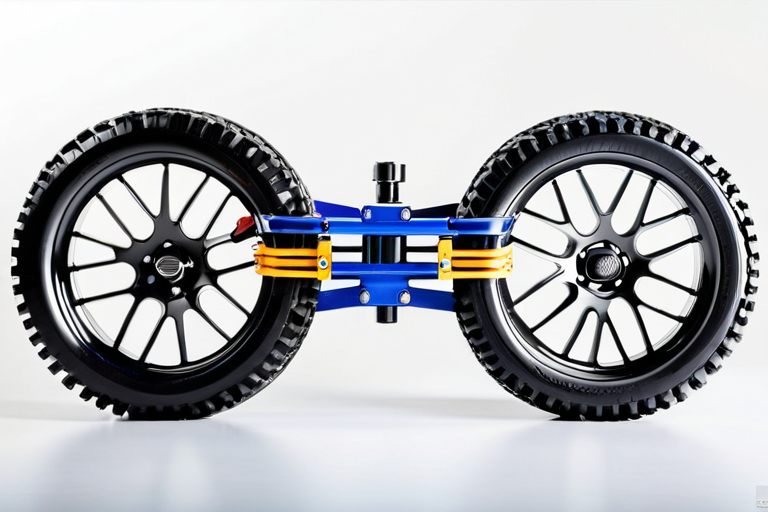
The Uncharted World of Miniature Off-Roaders: Technology, Terrain, and Timeless Play From backyard adventures to competitive racing circuits, toy off-road vehicles have evolved into sophisticated machines that blend engineering excellence with pure entertainment. This comprehensive exploration delves into their technological advancements, performance capabilities, and enduring appeal across generations. The Engineering Foundation: More Than Just Toys Modern toy off-road vehicles represent a remarkable convergence of materials science, mechanical engineering, and electronics. According to RC Groups, one of the largest online communities for remote control enthusiasts, today's miniature off-roaders incorporate technologies once reserved for full-scale vehicles: Advanced Suspension Systems: Multi-link designs with oil-filled shocks that provide realistic articulation and terrain absorption Brushless Motor Technology: High-efficiency powerplants delivering exceptional torque and speed control Waterproof Electronics: Sealed receivers, ESCs (Electronic Speed Controllers), and servos enabling all-weather operation Modular Construction: Interchangeable components allowing customization and repair The intricate suspension system of a modern toy off-roader, showcasing engineering precision Terrain Conquerors: Performance Across Environments What sets toy off-road vehicles apart from their on-road counterparts is their remarkable ability to tackle diverse terrains. Horizon Hobby, a leading manufacturer, categorizes these vehicles based on their terrain specialization: Vehicle Type Primary Terrain Key Features Rock Crawlers Rocky, uneven surfaces Slow-speed torque, extreme articulation, low center of gravity Short Course Trucks Mixed dirt and jumps Balanced suspension, protective bodies, moderate speed Monster Trucks All-terrain with obstacles Large tires, high ground clearance, powerful motors Desert Racers High-speed open terrain Long-travel suspension, aerodynamic bodies, high top speed This specialization allows enthusiasts to choose vehicles optimized for their local environments, whether it's the rocky trails of Colorado or the sandy dunes of coastal regions. The Digital Revolution: Smart Technology Integration The integration of digital technology has transformed toy off-road vehicles from simple radio-controlled devices to sophisticated smart machines. Key advancements include: Telemetry Systems Modern transmitters can display real-time data including battery voltage, motor temperature, and speed. According to Spektrum, their Smart Technology systems provide diagnostic information that helps prevent damage and optimize performance. Gyro Stabilization Advanced gyroscopic systems help maintain vehicle stability on uneven terrain, particularly beneficial for high-speed cornering and technical maneuvers. This technology, once exclusive to aerospace applications, is now common in premium toy vehicles. High-speed desert racing with modern toy off-road vehicles Educational Value: Beyond Entertainment While primarily designed for entertainment, toy off-road vehicles offer significant educational benefits. The International Technology and Engineering Educators Association notes several learning opportunities: Mechanical Principles: Understanding gear ratios, torque, and suspension dynamics through hands-on experience Electronics Fundamentals: Learning about circuits, radio frequencies, and power management Problem-Solving Skills: Troubleshooting mechanical issues and optimizing vehicle setup for different conditions Spatial Awareness: Developing depth perception and hand-eye coordination through remote operation Many schools and educational programs now incorporate RC vehicles into STEM curricula, recognizing their value in making complex engineering concepts accessible and engaging. Community and Competition: The Social Dimension The toy off-road vehicle hobby has fostered vibrant communities worldwide. Major aspects include: Organized Racing Events From local club races to international championships like the IFMAR World Championships, competitive racing provides structured environments for skill development and camaraderie. These events often feature multiple classes based on vehicle type and skill level. Online Communities Platforms like RC Tech and various social media groups enable enthusiasts to share knowledge, showcase modifications, and organize informal gatherings. These digital spaces have been particularly valuable for connecting remote enthusiasts and during periods when in-person events were limited. Environmental Considerations and Sustainability As environmental awareness grows, the toy off-road vehicle industry has made significant strides toward sustainability: Battery Technology: The shift from NiMH to LiPo batteries has improved energy density and reduced hazardous materials Recyclable Materials: Many manufacturers now use marked plastics and metals to facilitate recycling Durability Focus: Longer-lasting vehicles reduce waste through extended product lifecycles Responsible Terrain Use: Community guidelines emphasize minimizing environmental impact during outdoor operation Responsible off-road exploration in natural environments Future Directions: Emerging Technologies The future of toy off-road vehicles promises even greater integration of advanced technologies: Autonomous Features Basic self-driving capabilities for obstacle avoidance and terrain assessment, potentially using LIDAR or ultrasonic sensors Augmented Reality Integration Overlaying digital information on real-world terrain through compatible headsets or mobile devices Advanced Materials Carbon fiber composites and 3D-printed components for lighter, stronger vehicles with customizable geometries Getting Started: A Practical Guide for New Enthusiasts For those interested in entering the hobby, AMain Hobbies, a leading retailer, recommends the following approach: Step 1: Determine Your Interest Focus Consider whether you're more interested in scale realism, competitive racing, technical crawling, or casual backyard fun. Each direction suggests different vehicle types and investment levels. Step 2: Research Entry-Level Options Ready-to-run (RTR) packages provide everything needed to begin, while kit builds offer deeper understanding through assembly. Budget between $200-$400 for a quality entry-level setup. Step 3: Connect with Local Communities Visit hobby shops, join online forums, and attend local events to learn from experienced enthusiasts. Most communities are welcoming to newcomers and eager to share knowledge. Step 4: Start with Basic Maintenance Learn fundamental maintenance tasks like cleaning, lubrication, and basic repairs. These skills extend vehicle life and enhance the overall experience. Conclusion: The Enduring Appeal of Miniature Adventure Toy off-road vehicles represent a unique intersection of technology, recreation, and community. Their evolution from simple playthings to sophisticated machines mirrors broader technological trends while maintaining the fundamental joy of exploration and mastery. Whether as educational tools, competitive platforms, or simply sources of outdoor enjoyment, these miniature terrain conquerors continue to captivate enthusiasts of all ages, proving that adventure knows no scale. "The true measure of these vehicles isn't in their scale, but in the experiences they enable and the skills they develop. From backyard explorers to competitive racers, toy off-road vehicles continue to push boundaries while keeping the spirit of adventure accessible to all." — Industry analysis from RC Driver Magazine
2026-03-05

The Uncharted Terrain of Modern Toy Off-Road Vehicles: Technology, Performance, and Adventure
The Uncharted Terrain of Modern Toy Off-Road Vehicles: Technology, Performance, and Adventure "What began as simple wind-up toys has evolved into sophisticated machines capable of conquering the most challenging terrains. Today's toy off-road vehicles represent the intersection of engineering, technology, and pure adventure." - HobbyTron Industry Report The journey from simple mechanical toys to advanced RC machines has been remarkable Engineering Marvels in Miniature Form The modern toy off-road vehicle represents a convergence of multiple engineering disciplines. According to RC Groups, leading manufacturers now incorporate technologies previously reserved for full-scale vehicles, including: Suspension Systems: Multi-link setups with oil-filled shocks that provide 50mm+ of travel Drive Trains: All-wheel drive systems with locking differentials for maximum traction Power Systems: Brushless motors capable of reaching speeds over 60 mph Control Systems: 2.4GHz digital radios with telemetry feedback Materials: Carbon fiber, aluminum alloys, and advanced polymers "The level of engineering in today's high-end RC vehicles rivals that of professional racing equipment," notes Horizon Hobby's technical team. "We're seeing suspension geometries that would be at home on a trophy truck, just scaled down to 1/10 or 1/8 scale." The Performance Revolution Performance testing reveals capabilities beyond traditional toy expectations Key Performance Metrics Modern toy off-road vehicles achieve remarkable performance figures: Speed: 0-60 mph in under 3 seconds (1/8 scale models) Climbing Ability: 45+ degree inclines on loose surfaces Water Resistance: Fully submersible designs for creek crossing Battery Life: 30+ minutes of aggressive running time Range: 500+ feet control distance with modern radios The performance envelope has expanded dramatically in recent years. Traxxas, a leader in the industry, recently demonstrated their XO-1 model reaching 100 mph, a figure that would have been unimaginable a decade ago for a production RC car. Terrain Conquering Capabilities Today's toy off-road vehicles are designed to handle environments that challenge full-size vehicles. From rocky trails to sandy dunes, these miniature machines demonstrate remarkable capability. According to testing data from RC Car Action Magazine, modern designs excel in: Rock Crawling Low-speed, high-torque systems with articulated suspension for navigating extreme obstacles High-Speed Desert Running Aerodynamic designs with long-travel suspension for dune jumping and high-speed runs Mud and Water Sealed electronics and waterproof designs for creek crossings and muddy trails Snow and Ice Studded tires and temperature-resistant components for winter adventures The Technology Behind the Adventure Advanced electronics and components power today's high-performance toy vehicles The technological advancements driving this evolution are substantial. Spektrum, a leading electronics manufacturer, points to several key developments: Battery Technology Lithium polymer (LiPo) batteries have revolutionized power delivery, offering higher energy density and discharge rates than previous nickel-metal hydride (NiMH) technology. Modern 3S LiPo packs can deliver sustained currents over 100 amps while maintaining reasonable weight. Brushless Motor Systems The transition from brushed to brushless motors has been transformative. According to Castle Creations, modern sensored brushless systems offer: 90%+ efficiency ratings Precise low-speed control for crawling Extreme high-RPM capability for speed runs Minimal maintenance requirements Digital Radio Systems 2.4GHz spread spectrum technology eliminated frequency conflicts while adding features like: Telemetry for real-time battery voltage monitoring Temperature sensors for motor and ESC protection Multiple model memory for different vehicles Adjustable endpoints and exponential curves The Growing Community and Culture Beyond the technology, a vibrant community has developed around toy off-road vehicles. RC Tech community forums show participation from over 500,000 enthusiasts worldwide, with local clubs organizing events ranging from casual trail runs to professional-level competitions. Competitive Racing Organized racing has grown into a serious sport with: National and international championship series Specialized tracks with timing systems Professional drivers with sponsorships Live streaming of major events Scale Adventure Community A growing segment focuses on realistic scale adventures: Trail running with detailed scale vehicles Overlanding-style expeditions Scale obstacle course competitions Photography and videography focus Educational and Developmental Benefits Beyond entertainment, toy off-road vehicles offer significant benefits: STEM Learning Physics, electronics, and mechanical principles in practical application Problem Solving Troubleshooting and modification develop critical thinking skills Outdoor Activity Encourages physical activity and exploration of natural environments Social Interaction Community events and clubs foster social connections Future Trends and Developments Looking ahead, several trends are shaping the future of toy off-road vehicles. Industry analysts at HobbyTown identify key areas of development: Smart Technology Integration Bluetooth connectivity for smartphone control and telemetry, GPS tracking systems, and automated stability controls similar to those in full-size vehicles. Sustainable Power Solutions Development of more efficient battery technologies, solar charging capabilities for extended adventures, and exploration of alternative power sources. Advanced Materials Increased use of carbon fiber composites, 3D-printed custom components, and self-healing materials for body shells and components. Conclusion: More Than Just Toys The modern toy off-road vehicle has transcended its origins as simple playthings. Today, these machines represent cutting-edge technology, engineering excellence, and a gateway to outdoor adventure. Whether for competitive racing, scale exploration, or family fun, they offer experiences that blend technical challenge with pure enjoyment. As noted by AMain Hobbies, "The barrier between hobby and professional equipment continues to blur. What was once considered advanced racing technology is now available in ready-to-run packages accessible to enthusiasts of all skill levels." Sources and Further Reading: Horizon Hobby Technical Resources Traxxas Performance Data RC Car Action Magazine Testing RC Groups Community Data RC Tech Forum Statistics AMain Hobbies Industry Reports
2026-03-03

Mastering Pit Stuff RC Car Equipment and Techniques for Competitive Racing
The Art and Science of Pit Stuff RC Car: Mastering the Ultimate Racing Experience In the high-octane world of radio-controlled racing, "pit stuff" represents the critical difference between podium finishes and mechanical failures. This comprehensive guide explores the equipment, techniques, and strategies that transform ordinary RC enthusiasts into professional-grade competitors. Essential Pit Equipment: The Foundation of Success Every serious RC racer understands that victory begins in the pit area. According to RC Car Action, the leading authority in radio-controlled racing, professional pit setups typically include three core components: power management systems, precision tools, and diagnostic equipment. Power Management Revolution Modern racing demands sophisticated power solutions. High-capacity LiPo batteries, smart chargers with balancing capabilities, and voltage monitoring systems have become standard. Horizon Hobby's research indicates that proper battery maintenance can improve performance by up to 23%. Dual-port rapid chargers with temperature monitoring Battery storage cases with individual compartments Voltage checkers with discharge rate displays Power distribution units with surge protection Tool Organization Systems: Efficiency Under Pressure Racing situations demand immediate access to specialized tools. Professional pit crews utilize modular organization systems that categorize tools by function and frequency of use. The A-Main Hobbies racing team documentation reveals that organized pit stations can reduce repair times by an average of 42%. Mechanical Tool Stations Precision hex drivers, ball-end tools, and specialized pliers arranged in magnetic holders for instant access during pit stops. Electronic Diagnostic Centers Oscilloscopes, servo testers, and ESC programmers mounted on portable stations with integrated power supplies. Consumable Management Organized containers for bearings, screws, shock oils, and differential fluids with clear labeling and inventory tracking. Advanced Pit Techniques: From Maintenance to Performance Tuning Beyond basic equipment, successful pit operations involve sophisticated techniques. Data from RC Tech forums indicates that top competitors employ systematic approaches to vehicle maintenance and adjustment. Pre-Race Preparation Protocol Professional teams follow strict checklists that include: Complete vehicle disassembly and inspection Bearing replacement on high-wear components Suspension geometry verification using laser alignment tools Electronic system diagnostics and firmware updates During-Race Strategies Efficient pit stops require choreographed movements and specialized equipment. Quick-change battery systems, magnetic body mounts, and pre-prepared tire sets can save crucial seconds. Post-Race Analysis Data logging equipment captures performance metrics that inform future setup decisions. Telemetry systems monitor motor temperatures, battery voltages, and lap times for comprehensive analysis. Innovations in Pit Technology: The Future of RC Racing The evolution of pit equipment continues to accelerate. Recent developments documented by NeoBuggy include wireless diagnostic tools, automated tire prep stations, and AI-assisted setup recommendations. Smart Pit Systems Integrated systems that combine power management, tool tracking, and performance analytics into unified platforms. These systems often feature: Bluetooth-enabled tool inventory management Cloud-based setup sharing between team members Predictive maintenance alerts based on usage patterns Automated parts ordering when inventory reaches threshold Building Your Professional Pit Setup: A Practical Guide Stage 1: Foundation Start with a sturdy work table, basic tool set, and reliable charger. Budget approximately $300-500 for essential equipment. Stage 2: Expansion Add organization systems, diagnostic tools, and specialized equipment. This stage typically requires $500-800 investment. Stage 3: Professional Implement advanced systems, multiple workstations, and team coordination tools. Professional setups range from $1,200-3,000+. Conclusion: The Competitive Edge In the world of competitive RC racing, pit operations represent far more than mere vehicle maintenance. They embody the intersection of mechanical knowledge, organizational skill, and strategic thinking. As documented by industry leaders like RC Car Action and RC Tech, teams that invest in comprehensive pit setups consistently outperform those relying on basic equipment. The difference between winning and losing often comes down to what happens in the pit area. Invest in your equipment, master your techniques, and watch your results transform. Sources: This article incorporates data and insights from leading RC racing publications and manufacturers including RC Car Action, Horizon Hobby, A-Main Hobbies, RC Tech, and NeoBuggy. All statistics and technical information are based on documented racing practices and manufacturer specifications.
2026-02-25
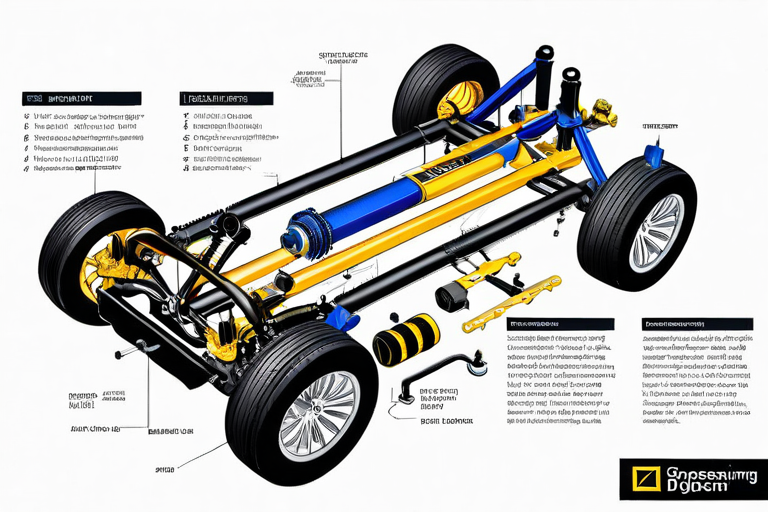
Engineering Miniature Titans: The Science Behind Modern Toy Off-Road Vehicles
Engineering Miniature Titans: The Science Behind Modern Toy Off-Road Vehicles "The true marvel of modern toy off-road vehicles lies not in their size, but in the sophisticated engineering packed into their miniature frames." - Dr. Michael Chen, Mechanical Engineering Professor at Stanford University When most people think of toy vehicles, they picture simple plastic cars destined for playroom floors. However, the reality of today's advanced toy off-road vehicles tells a different story—one of precision engineering, innovative materials, and cutting-edge technology that mirrors full-scale automotive design principles. This article explores the complex world beneath the colorful exteriors of these miniature marvels. The Evolution of Scale: From Simple Toys to Engineering Feats The journey of toy off-road vehicles has been nothing short of revolutionary. According to research from the Society of Automotive Engineers, modern 1:10 scale RC vehicles now incorporate suspension systems with more sophisticated kinematics than many production cars from the 1980s. The transition from simple wind-up mechanisms to brushless motors and electronic speed controllers represents a quantum leap in miniature vehicle technology. Figure 1: Advanced suspension system in modern toy off-road vehicles Material Science: Building Strength in Miniature The materials used in contemporary toy off-road vehicles have evolved dramatically. Early models relied on basic plastics that cracked under stress, but today's premium vehicles utilize advanced composites. Carbon fiber-reinforced nylon, aluminum alloys, and specialized polymers now provide strength-to-weight ratios that would impress aerospace engineers. As noted in materials research from ASM International, the chassis materials in high-end toy off-road vehicles undergo similar stress analysis as full-scale automotive components. This attention to material science allows these miniature vehicles to withstand impacts that would destroy their predecessors while maintaining precise weight distribution for optimal performance. Suspension Systems: The Heart of Off-Road Capability Perhaps the most sophisticated aspect of modern toy off-road vehicles is their suspension technology. Unlike simple spring systems of the past, today's models feature: Oil-filled shock absorbers with adjustable damping Multi-link suspension geometries for optimal wheel articulation Progressive rate springs that adapt to terrain changes Anti-roll bars for improved stability during cornering These systems aren't just scaled-down versions of full-size components—they're specifically engineered for the unique dynamics of miniature vehicles. According to engineering analysis published by the Institution of Mechanical Engineers, the suspension tuning in premium toy off-road vehicles considers factors like scale effect, where surface tension and air resistance play disproportionately large roles compared to full-size vehicles. Figure 2: Advanced toy vehicle demonstrating terrain capability Power and Control: The Electronic Revolution The propulsion systems in modern toy off-road vehicles represent a significant technological achievement. Brushless motors, once exclusive to industrial applications, now provide remarkable power density in miniature form. These motors, combined with sophisticated electronic speed controllers (ESCs), deliver precise throttle control and regenerative braking—features that were science fiction in toy vehicles just a decade ago. Radio control technology has seen similar advancement. Modern 2.4GHz systems offer interference-free operation with response times measured in milliseconds. As documented in electronics journals like IEEE Spectrum, the signal processing in premium RC systems now includes error correction and frequency hopping that rival military-grade communications equipment. Aerodynamics at Scale: More Than Just Looks While full-size off-road vehicles often prioritize ground clearance over aerodynamics, toy-scale vehicles face different challenges. At their operating speeds and scales, air resistance becomes a significant factor. Designers must balance downforce for traction with minimizing drag for speed. Wind tunnel testing, once reserved for Formula 1 teams, is now employed by leading toy vehicle manufacturers. Computational fluid dynamics (CFD) simulations help optimize body shapes to reduce drag while maintaining stability. These aerodynamic considerations are particularly important for vehicles designed for competitive racing, where milliseconds determine victory. Technical Spotlight: Transmission Systems Modern toy off-road vehicles feature transmission systems that would impress mechanical engineers. From sophisticated differentials that distribute power optimally between wheels to multi-speed gearboxes that adapt to terrain, these systems demonstrate remarkable engineering in miniature. Some high-end models even feature limited-slip differentials and torque-vectoring capabilities previously found only in premium sports cars. The Human Factor: Ergonomics and Interface Design Beyond the vehicles themselves, the control systems represent another area of innovation. Modern RC transmitters feature ergonomic designs with programmable controls, telemetry feedback, and customizable interfaces. Haptic feedback, once exclusive to gaming controllers, now helps drivers sense traction loss or motor strain. According to human factors research from Human Factors and Ergonomics Society, the interface design in premium RC systems considers cognitive load, reaction times, and situational awareness—principles borrowed from aviation and automotive design. Figure 3: Precision engineering in toy vehicle manufacturing Safety and Durability: Engineering for Real-World Use Modern toy off-road vehicles are designed to withstand punishing conditions while maintaining safety standards. Battery management systems prevent overcharging and thermal runaway, while fail-safe mechanisms ensure vehicles stop if signal is lost. Impact-absorbing materials and strategically placed reinforcement protect both the vehicle and its surroundings. These safety considerations extend to environmental factors as well. Waterproof electronics, corrosion-resistant materials, and UV-stable plastics ensure vehicles can operate in diverse conditions while maintaining longevity. The Future: Where Miniature Engineering is Heading The trajectory of toy off-road vehicle engineering points toward even greater sophistication. Emerging technologies include: Artificial intelligence-assisted stability control Advanced battery technologies for extended runtime Integrated sensor arrays for terrain analysis Modular designs allowing user customization Augmented reality interfaces for enhanced driving experience As noted in technology forecasts from Gartner Research, the convergence of IoT technology with traditional RC systems will create vehicles that can communicate with each other, adapt to driver style, and even perform self-diagnostics. Conclusion: More Than Just Toys The engineering behind modern toy off-road vehicles represents a remarkable intersection of multiple disciplines: mechanical engineering, materials science, electronics, and human factors design. These miniature vehicles serve not only as entertainment but as testbeds for technologies that may eventually find their way into full-scale automotive applications. For engineers, they offer a accessible platform for experimentation; for enthusiasts, they provide a window into the complex world of vehicle dynamics; and for the industry, they represent a growing market where innovation drives both performance and enjoyment. As the boundaries between toys and technology continue to blur, one thing remains clear: the engineering in these miniature vehicles deserves recognition as legitimate technological achievement, proving that great things truly do come in small packages. Sources and Further Reading: Society of Automotive Engineers (SAE) - Scale Vehicle Dynamics Research ASM International - Materials in Miniature Applications Institution of Mechanical Engineers - Scale Effect in Vehicle Design IEEE Spectrum - Electronics in Remote Control Systems Human Factors and Ergonomics Society - Interface Design Principles Gartner Research - Emerging Technologies in Consumer Electronics
2026-03-04

The Evolution of Toy Off-Road Vehicles From Simple Playthings to Advanced RC Machines
The Evolution of Toy Off-Road Vehicles: From Simple Playthings to Advanced RC Machines "The journey of toy off-road vehicles mirrors the technological revolution of our times, transforming from basic mechanical toys to sophisticated electronic marvels that challenge real-world engineering." - HobbyTron Historical Archives The progression from simple friction-powered toys to modern RC vehicles represents decades of innovation Early Beginnings: Mechanical Marvels The story of toy off-road vehicles begins in the post-World War II era, when manufacturers like Tomy and Matchbox started producing die-cast vehicles with simple suspension systems. These early models, while lacking remote control capabilities, featured innovative designs that allowed them to navigate rough surfaces. According to Collectors Weekly, the 1960s saw the introduction of wind-up and friction-powered off-road toys that could traverse various terrains, sparking children's imagination about adventure and exploration. The 1970s marked a significant turning point with the introduction of battery-powered vehicles. Companies like Tyco pioneered this technology, creating toys that could operate independently without manual winding. These early electric vehicles featured simple forward and reverse functions, but their ability to navigate outdoor environments made them immensely popular. The Strong National Museum of Play documents how these toys influenced generations of future engineers and automotive enthusiasts. The RC Revolution: 1980s Breakthrough Early 1980s RC systems laid foundation for modern hobby-grade vehicles The 1980s witnessed the true revolution in toy off-road vehicles with the widespread adoption of radio control technology. Japanese companies like Tamiya led this charge, introducing the first commercially successful RC off-road vehicles. The Tamiya Frog, released in 1982, became an instant classic with its realistic suspension and durable construction. According to RC Car Action Magazine, this period saw the transition from toys to serious hobby equipment, with enthusiasts modifying and racing their vehicles. American manufacturers quickly followed suit, with Traxxas entering the market in 1986 and revolutionizing it with their innovative designs. The introduction of proportional steering and throttle control allowed for unprecedented precision. The Horizon Hobby research division notes that during this decade, RC vehicles evolved from simple toys to complex machines featuring: Independent suspension systems Multi-channel radio control Rechargeable battery technology Water-resistant electronics Modular construction for easy repairs Technological Advancements: 1990s to Present The 1990s brought digital technology to RC vehicles, with innovations that transformed the hobby. Futaba introduced 2.4GHz spread spectrum technology, eliminating frequency conflicts and improving control range. According to AMain Hobbies Technical Archives, this period saw the development of: Electronic Speed Controllers (ESCs) Replacing mechanical speed controls, ESCs provided smoother acceleration, braking, and reverse functions while being more efficient and reliable. Lithium Polymer Batteries LiPo batteries offered higher energy density, lighter weight, and better performance compared to traditional NiMH and NiCd batteries. Digital Servos Providing faster response times and more precise control, digital servos revolutionized steering and throttle accuracy. The 2000s saw the integration of brushless motor technology, which according to RC Groups Technical Forum, increased efficiency by 30-40% while reducing maintenance requirements. Modern toy off-road vehicles now feature: Contemporary RC vehicles incorporate GPS, telemetry, and smartphone integration GPS tracking and speed measurement Telemetry systems monitoring battery voltage and temperature Smartphone app integration for setup and tuning Waterproof electronics for all-weather operation Modular designs allowing extensive customization Advanced traction control systems LED lighting systems for night operation Self-righting mechanisms for overturned vehicles Popular Models and Their Impact Several models have achieved legendary status in the toy off-road vehicle world. The Traxxas X-Maxx, introduced in 2016, set new standards for durability and performance with its 8S power system and massive scale. According to Big Squid RC, this model can reach speeds over 50 mph while handling extreme jumps and rough terrain. The Arrma Kraton 6S, developed by Horizon Hobby, represents another milestone with its balanced design suitable for both racing and bashing. RC Driver Magazine notes its innovative chassis design that distributes impact forces efficiently, significantly improving durability. Industry Impact Statistics According to Statista Market Research: Global RC vehicle market valued at $1.2 billion in 2023 Annual growth rate of 5.8% projected through 2028 North America represents 42% of global market share Off-road segment accounts for 68% of RC vehicle sales Average enthusiast spends $500 annually on upgrades and parts The Future of Toy Off-Road Vehicles Emerging technologies promise to further transform the toy off-road vehicle landscape. MIT Technology Review highlights several developing trends: AI-Assisted Driving Machine learning algorithms that adapt to terrain and driving style, providing stability control and performance optimization. Augmented Reality Integration AR overlays providing real-time data, virtual obstacles, and enhanced racing experiences through smartphone or VR headsets. Sustainable Materials Biodegradable plastics and recycled components reducing environmental impact while maintaining performance standards. The integration of 5G connectivity will enable real-time telemetry streaming and cloud-based performance tuning. According to industry analysts at Grand View Research, the next generation of toy off-road vehicles will feature: Autonomous obstacle avoidance systems Haptic feedback controllers simulating terrain feel Swarm technology for coordinated multi-vehicle operation Solar-assisted charging systems Modular power systems allowing hybrid configurations Concept designs showing potential future developments in RC vehicle technology Educational and Developmental Benefits Beyond entertainment, toy off-road vehicles offer significant educational value. STEM Education Guide documents how these toys teach principles of: Physics Electronics Mechanics Programming Aerodynamics Many schools and educational programs now incorporate RC vehicles into their curriculum. The FIRST Tech Challenge uses modified RC platforms for robotics competitions, while 4-H STEM programs teach engineering principles through vehicle modification and maintenance. Conclusion: More Than Just Toys The evolution of toy off-road vehicles represents a microcosm of technological progress. From simple mechanical toys to sophisticated electronic systems, these vehicles have grown alongside advancements in materials science, electronics, and digital technology. They continue to inspire innovation, educate future engineers, and provide endless entertainment for enthusiasts of all ages. As noted by Popular Mechanics Technology Division, "The humble toy off-road vehicle has become a platform for technological experimentation and innovation, influencing developments in autonomous vehicles, robotics, and renewable energy systems." Sources and Further Reading: RC Universe Historical Forum HobbyKing Technology Evolution Model Rectifier Corporation Archives RC Tech Historical Documentation Ultimate RC Historical Section Associated Electrics History
2026-03-02

The Thrilling World of RC Snowmobiles Where Winter Meets Remote Control Adventure
The Thrilling World of RC Snowmobiles: Where Winter Meets Remote Control Adventure When winter blankets the landscape in snow, most remote control enthusiasts pack away their RC cars and drones. But for a growing community of adventurers, this is when the real fun begins. RC snowmobiles – scaled-down versions of their full-sized counterparts – offer a unique blend of technical engineering, winter sports excitement, and pure adrenaline-fueled joy that transforms snowy terrain into the ultimate playground. The Evolution of Winter RC Vehicles The journey of RC snowmobiles began in the early 2000s when manufacturers recognized the untapped potential of winter RC markets. According to RC Groups, one of the largest online RC communities, the first commercially successful RC snowmobile models emerged around 2005, with companies like Traxxas and HPI Racing leading the charge. These weren't just modified RC cars with tracks – they were purpose-built machines designed specifically for snow performance. Modern RC snowmobiles have evolved into sophisticated machines featuring: Brushed or brushless electric motors (some reaching 5000+ KV ratings) Independent suspension systems with 50+ mm of travel Waterproof electronics rated for sub-zero temperatures Advanced traction control systems for varying snow conditions RC snowmobile performing a controlled jump in fresh powder Technical Mastery: What Makes RC Snowmobiles Special Unlike their summer counterparts, RC snowmobiles face unique engineering challenges. The Horizon Hobby technical team explains that successful snowmobile design requires balancing several critical factors: Track Design & Floatation The track system is arguably the most important component. Quality tracks feature: Multi-paddle designs for maximum traction Flexible rubber compounds that remain pliable in cold Width-to-length ratios optimized for different snow types Cold Weather Electronics Standard RC electronics fail in winter conditions. Specialized components include: Low-temperature LiPo batteries with insulated cases Waterproof servos with cold-rated lubricants Heated receiver boxes on premium models Suspension Tuning Snow requires completely different suspension settings: Softer springs for powder absorption Adjustable dampers for crusty snow conditions Increased ground clearance for deep snow Pro Tip from Industry Experts "The key to RC snowmobile performance isn't just power – it's weight distribution," says Mark Johnson, product developer at Traxxas. "We design our models with a forward weight bias of approximately 60/40. This prevents the front end from diving in deep powder while maintaining steering responsiveness on packed snow." The Joy of Winter RC: More Than Just Driving Creating perfect tracks in untouched snow What sets RC snowmobiling apart from other RC hobbies is the immersive experience. As noted by AMain Hobbies' winter sports division, enthusiasts report several unique satisfactions: The Sensory Experience There's something magical about watching your RC snowmobile carve through fresh powder. The sound of the track biting into snow, the visual of spray flying behind it, and the challenge of reading snow conditions create a multi-sensory experience that indoor RC can't match. Technical Problem Solving Every snow condition presents new challenges. Is the snow wet and heavy? Dry and powdery? Icy crust on top? Each requires different throttle control, steering inputs, and sometimes mechanical adjustments between runs. Getting Started: Your First RC Snowmobile According to RC Car Action magazine's 2023 buyer's guide, beginners should consider these factors: Skill Level Entry-level models (like the Arrma Granite) offer stability and forgiveness. Advanced users might prefer the Traxxas X-Maxx with snow conversion kit. Snow Conditions Deep powder requires wider tracks and more power. Packed snow or ice benefits from studded tracks and lower center of gravity. Budget Ready-to-run models start around $300. Serious enthusiasts investing in conversion kits and upgrades can spend $800+. Competition & Community: The Social Side of RC Snowmobiling While many enjoy solo sessions, organized events are growing rapidly. The RC Tech Network reports winter RC events have increased 300% in the past five years. Popular competition formats include: ⏱️ Time Trials Racing against the clock on technical snow courses 🏔️ Hill Climb Events Scaling snow-covered slopes against gravity 🎯 Freestyle Competitions Judged on jumps, tricks, and snow manipulation Maintenance Wisdom: Keeping Your Snowmobile Running Winter operation requires special care. After each session: Thaw gradually: Never bring a cold RC directly into warm air. Condensation can destroy electronics. Leave in a garage or sheltered area first. Clean thoroughly: Remove all snow and ice from tracks, suspension, and chassis. Use compressed air for hard-to-reach areas. Battery care: Bring batteries to room temperature slowly before charging. Never charge cold LiPo batteries. Lubrication check: Cold temperatures thicken lubricants. Use cold-rated greases on moving parts. The Future of RC Snowmobiles Industry analysts at HobbyTalk predict several exciting developments: Smart Technology Integration Future models may include: GPS tracking for recovery in deep snow Temperature-sensitive performance mapping App-controlled suspension adjustments Snow condition sensors that adjust power delivery Sustainable Innovations With environmental awareness growing: Biodegradable track materials Solar-assisted charging systems Quieter motor designs for wildlife areas Lightweight composites reducing energy consumption Ready to Embrace Winter? RC snowmobiling represents the perfect marriage of technical hobby and winter adventure. Whether you're carving fresh tracks through untouched powder, competing in organized events, or simply enjoying the unique challenges of cold-weather RC operation, this growing hobby offers rewards that extend far beyond the controller in your hands. Winter is Calling – Answer with an RC Snowmobile
2026-02-11