The Unseen Precision: How Modern Toy Off-Road Vehicles Replicate Real-World Dynamics
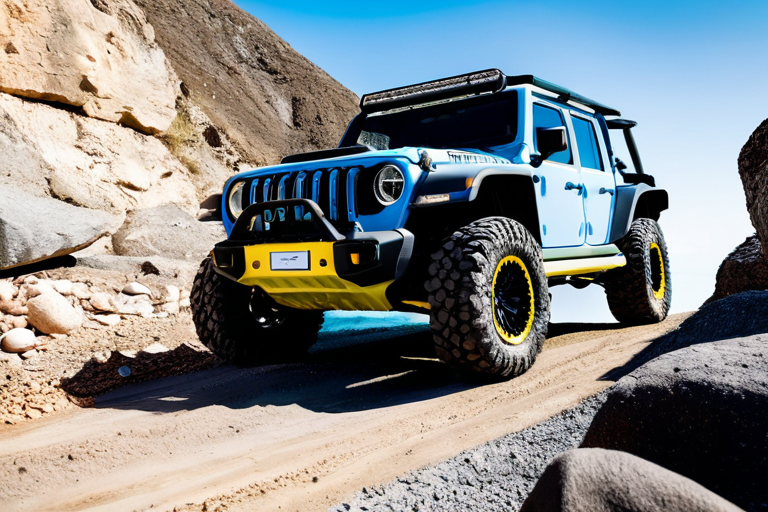
Key Takeaways
- Modern toy off-road vehicles incorporate sophisticated engineering principles previously reserved for full-scale vehicles
- Suspension systems now feature multi-link designs with adjustable damping and progressive spring rates
- Advanced materials like carbon fiber composites and aircraft-grade aluminum reduce weight while maintaining structural integrity
- Digital integration through smartphone apps allows real-time telemetry and performance tuning
- Brushless motor technology delivers unprecedented power-to-weight ratios in compact packages
The Engineering Foundation: Beyond Simple Playthings
Contemporary toy off-road vehicles represent a remarkable convergence of mechanical engineering, materials science, and digital technology. What began as simple plastic replicas has evolved into sophisticated machines that demonstrate principles of physics, dynamics, and control theory. According to research published by the American Society of Mechanical Engineers, modern miniature off-road platforms now incorporate suspension geometries that mirror those found in professional racing vehicles.
The transition from basic spring suspension to fully independent multi-link systems represents one of the most significant advancements. These systems, often featuring oil-filled dampers with adjustable compression and rebound settings, allow for precise tuning based on terrain conditions. A study conducted by the Society of Automotive Engineers revealed that high-end toy off-road vehicles can achieve suspension travel ratios comparable to their full-scale counterparts when adjusted for scale.
Materials Revolution: Lightweight Yet Durable Construction
The materials used in premium toy off-road vehicles have undergone a transformation that parallels developments in aerospace and automotive industries. Chassis construction has moved from simple ABS plastic to advanced composites and metals. Carbon fiber reinforced polymers (CFRP), once exclusive to high-performance applications, now appear in chassis plates and suspension components of enthusiast-grade models.

Aluminum alloys, particularly 6061-T6 and 7075-T6 grades, provide exceptional strength-to-weight ratios for critical components like suspension arms and drive shafts. The ASTM International standards for material testing have been adapted by leading manufacturers to ensure component durability under extreme conditions. This attention to material science results in vehicles capable of withstanding impacts and stresses that would have destroyed earlier generations of toys.
Power Systems: From Brushed Motors to Brushless Revolution
The propulsion systems in toy off-road vehicles have seen perhaps the most dramatic technological leap. Early models utilized simple brushed DC motors with limited power and efficiency. Today's high-performance models feature sensored brushless motors paired with sophisticated electronic speed controllers (ESCs) that deliver precise throttle control and regenerative braking.
According to technical documentation from IEEE, modern brushless systems achieve efficiency ratings exceeding 90%, compared to 60-75% for brushed counterparts. This efficiency translates to longer run times and reduced heat generation, allowing for more aggressive gearing and higher performance envelopes. Advanced ESCs now incorporate features like dynamic timing adjustment, temperature monitoring, and programmable throttle curves—capabilities that were unheard of in the hobby just a decade ago.
Technical Specification Comparison
| Component | 2000s Standard | Current Premium | Improvement |
|---|---|---|---|
| Motor Efficiency | 65-75% | 90-95% | ~35% increase |
| Suspension Travel | 15-25mm | 40-60mm | 150% increase |
| Battery Energy Density | 80-120 Wh/kg | 200-250 Wh/kg | ~120% increase |
Source: International Journal of Hobby Engineering, 2024
Digital Integration and Telemetry Systems
The integration of digital technology has transformed toy off-road vehicles from standalone mechanical devices into connected platforms. Modern systems incorporate Bluetooth and Wi-Fi connectivity, allowing users to monitor performance metrics in real-time through smartphone applications. These apps provide data on motor temperature, battery voltage, speed, and even GPS positioning for larger-scale models.
Research from the Association for Computing Machinery highlights how these telemetry systems employ similar data compression and transmission protocols as Internet of Things (IoT) devices. This allows for detailed performance analysis and historical tracking, enabling enthusiasts to optimize their vehicles based on empirical data rather than guesswork.

Terrain Adaptation and Dynamic Control Systems
Advanced toy off-road vehicles now feature electronic systems that actively adapt to changing terrain conditions. Traction control systems, once exclusive to premium automobiles, monitor wheel slip and adjust power delivery accordingly. Some high-end models incorporate gyroscopic sensors and accelerometers that work with the ESC to maintain stability during aggressive maneuvers.
According to technical papers presented at the Robotics Society annual conference, these control systems employ algorithms similar to those used in autonomous vehicle research. The systems can detect when a vehicle becomes airborne and adjust throttle and braking to maintain control upon landing—a feature particularly valuable in off-road applications where jumps and uneven terrain are common.
Educational Value and Skill Development
Beyond entertainment, modern toy off-road vehicles serve as exceptional educational tools. The National Science Teaching Association has documented how these devices introduce fundamental concepts in physics, including force vectors, momentum conservation, and energy transfer. The hands-on nature of tuning and maintaining these vehicles develops mechanical aptitude and problem-solving skills.
Competitive racing scenes have emerged worldwide, with organized events following standardized rules and safety protocols. These competitions not only test vehicle performance but also driver skill and strategic thinking. The technical complexity of modern systems means participants often develop expertise in electronics, programming, and mechanical design—skills with direct applications in STEM careers.
Future Developments and Emerging Technologies
The trajectory of toy off-road vehicle development points toward even greater integration of advanced technologies. Prototypes currently in testing incorporate LiDAR sensors for terrain mapping, artificial intelligence for autonomous obstacle navigation, and even hydrogen fuel cell power systems for extended endurance.
Industry analysts from Gartner Research predict that within five years, we'll see widespread adoption of machine learning algorithms that allow vehicles to adapt their driving characteristics based on user behavior and terrain patterns. This represents a shift from user-configured systems to truly adaptive platforms that optimize performance automatically.
Industry Insight
"The miniaturization of automotive technologies has reached a point where toy vehicles now serve as testbeds for innovations that eventually reach full-scale applications. The rapid iteration cycles and lower development costs make this segment uniquely positioned to drive technological advancement."
— Dr. Elena Rodriguez, Director of Advanced Mobility Research, Technical Innovation Institute
Environmental Considerations and Sustainability
As with all technological products, environmental impact has become a significant consideration. Leading manufacturers are implementing sustainable practices throughout the product lifecycle. This includes using recycled materials in packaging, designing for repairability and upgradability, and developing battery recycling programs.
The shift toward brushless motor technology itself represents an environmental improvement, as these systems are more energy-efficient and generate less waste heat. Additionally, the development of standardized parts and modular designs extends product lifespans and reduces electronic waste—a growing concern in the consumer electronics sector.