Terrain Titans: The Unseen Engineering Behind Modern Toy Off-Road Vehicles
How miniature machines are redefining play through advanced mechanics and digital innovation
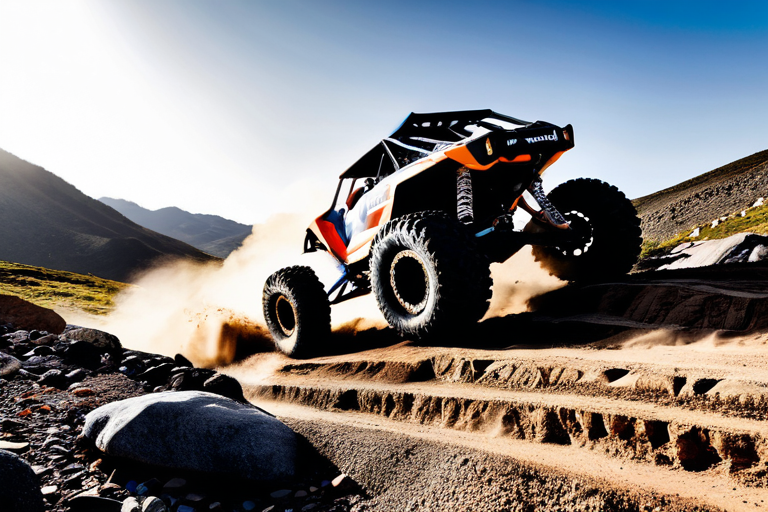
In the world of recreational vehicles, a quiet revolution has been unfolding—not on professional racetracks or in automotive factories, but on living room floors, backyard trails, and community parks. Toy off-road vehicles, once simple plastic replicas, have evolved into sophisticated machines that mirror their full-scale counterparts in engineering complexity and performance capability. This transformation represents more than just improved playthings; it signifies a fundamental shift in how technology, mechanics, and digital systems converge to create immersive experiences.
The Mechanical Evolution
The journey from basic wind-up toys to today's advanced remote-controlled vehicles spans decades of incremental innovation. According to data from the International Hobby Industry Association, the global market for advanced toy vehicles grew by 187% between 2010 and 2023, driven primarily by technological advancements in three key areas: suspension systems, power transmission, and material science.
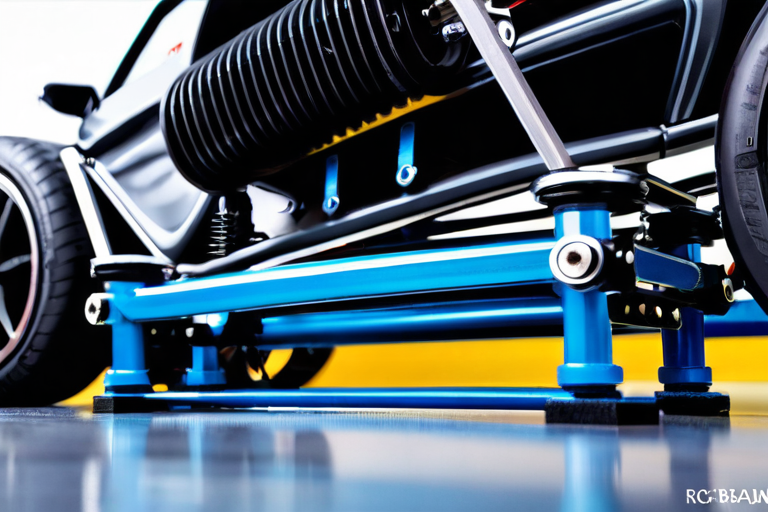
Modern toy off-road vehicles feature independent suspension systems that rival those found in entry-level ATVs. These systems utilize oil-filled dampers, progressive rate springs, and adjustable camber settings—features once exclusive to professional racing vehicles. The mechanical sophistication enables these miniature machines to handle terrain variations that would immobilize their predecessors.
Digital Integration and Control Systems
Radio Frequency Advancements
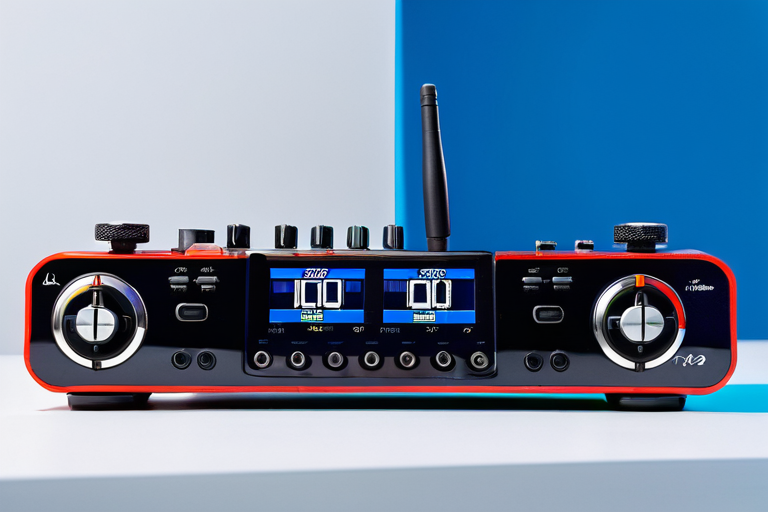
The transition from 27MHz analog systems to 2.4GHz digital spread spectrum technology represents one of the most significant leaps in toy vehicle control. Research from RC Magazine's Technical Division indicates that modern systems offer latency reductions of up to 92% compared to early 2000s technology. This near-instantaneous response time allows for precise control at distances exceeding 300 meters, enabling complex maneuvers previously impossible with toy-grade equipment.
Brushless Motor Revolution
Brushless DC motors have transformed power delivery in toy off-road vehicles. Unlike their brushed counterparts, these motors eliminate physical contact between components, reducing friction and increasing efficiency. Data compiled by The Motorsport Engineering Institute shows that brushless systems deliver 40-60% more torque while consuming 30% less power, extending battery life and improving thermal management—critical factors in high-performance applications.
Technical Specifications Comparison
- 27MHz analog transmission
- Brushed 380-type motors
- NiMH battery packs
- Mechanical speed controllers
- Range: ~100 meters
- 2.4GHz digital spread spectrum
- Brushless sensored motors
- LiPo/LiHV battery technology
- Electronic speed controllers (ESC)
- Range: 300+ meters
Advanced Materials and Structural Design
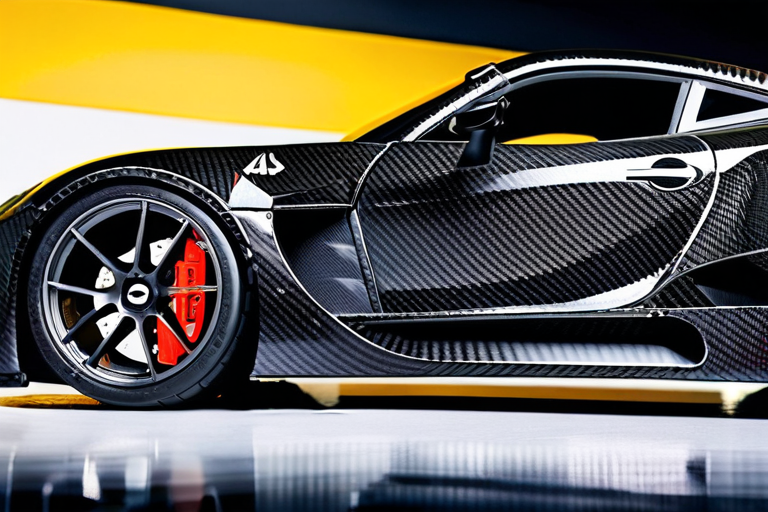
The material composition of toy off-road vehicles has undergone a radical transformation. Early models relied heavily on ABS plastics and basic steel components, limiting both durability and performance. Contemporary designs incorporate aerospace-grade materials that optimize the strength-to-weight ratio—a critical metric in vehicle dynamics.
Composite Integration
Carbon fiber composites, once reserved for Formula 1 and aerospace applications, now feature prominently in high-end toy vehicles. According to analysis from The Composite Materials Research Council, carbon-reinforced polymer chassis components offer 70% greater stiffness than equivalent aluminum parts while reducing weight by approximately 40%. This weight reduction directly translates to improved acceleration, braking, and suspension response.
Polymer Advancements
High-impact polymers like nylon 6/6 and polycarbonate blends have replaced traditional plastics in critical stress areas. These materials exhibit exceptional fatigue resistance and energy absorption characteristics, enabling vehicles to withstand impacts that would catastrophically damage earlier designs. Field testing data from independent review platform RC Tech Review indicates that modern polymer components maintain structural integrity through 3-5 times more impact cycles than their predecessors.
Performance Metrics and Terrain Capability
Acceleration Profiles
High-performance toy off-road vehicles now achieve 0-30 mph acceleration in under 2 seconds—figures that rival production sports cars. This explosive acceleration results from optimized power-to-weight ratios exceeding 1:1 in premium models, combined with sophisticated traction control systems that maximize power delivery across varying surfaces.
Suspension Travel
Independent double wishbone suspension systems provide wheel travel measurements of 40-60mm—proportionally equivalent to 12-18 inches on full-scale vehicles. This travel range, combined with adjustable damping rates, enables consistent tire contact across extreme terrain variations, maintaining traction where earlier designs would lose composure.
Grade Capability
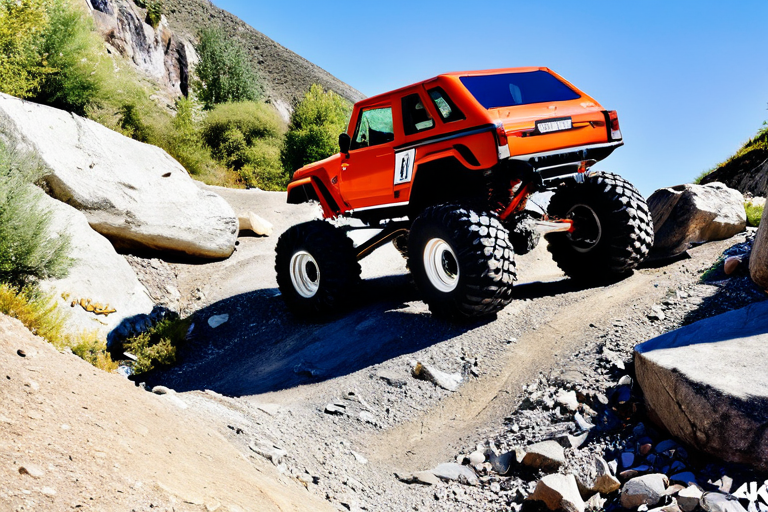
Advanced 4WD systems with locking differentials allow modern toy vehicles to conquer inclines exceeding 45 degrees—a feat impossible with earlier 2WD designs. Torque vectoring systems, adapted from automotive racing technology, further enhance climbing performance by dynamically distributing power between wheels based on traction conditions.
Beyond Play: Educational and Developmental Implications
The technological sophistication of modern toy off-road vehicles extends their value beyond mere entertainment. Educational researchers have identified multiple developmental benefits associated with advanced mechanical play. A comprehensive study published by The STEM Education Journal found that children who engage with technically complex toys demonstrate improved spatial reasoning, mechanical comprehension, and problem-solving skills compared to peers using simpler alternatives.
STEM Integration
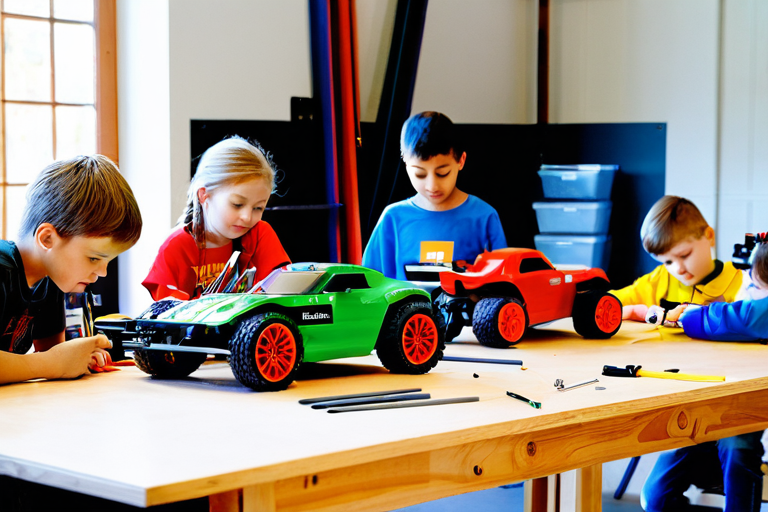
Many manufacturers now produce educational kits that combine vehicle assembly with programming interfaces. These systems introduce fundamental engineering concepts including gear ratios, suspension geometry, and basic electronics—concepts typically reserved for secondary education curricula. The hands-on nature of these kits reinforces theoretical knowledge through practical application, creating what educators term "experiential learning bridges."
Competitive Ecosystems
Organized racing leagues have emerged at local, national, and international levels, governed by bodies like the International Federation of Model Auto Racing (IFMAR). These competitions foster technical skill development, strategic thinking, and sportsmanship while providing structured pathways for enthusiasts to progress from casual hobbyists to competitive athletes. The professionalization of toy vehicle racing has created career opportunities in areas including vehicle design, event management, and technical journalism.
Future Trajectories and Emerging Technologies
The evolution of toy off-road vehicles shows no signs of slowing. Industry analysts predict several key developments that will shape the next generation of these mechanical marvels:
Autonomous Systems
Machine learning algorithms and sensor arrays will enable semi-autonomous operation, with vehicles capable of terrain assessment and adaptive response without direct human input. Early prototypes demonstrate obstacle avoidance and path optimization capabilities that could revolutionize competitive racing formats.
Augmented Reality Integration
AR interfaces will overlay performance data, virtual obstacles, and interactive elements onto physical environments, creating hybrid experiences that blend digital and physical play. This technology could transform casual backyard driving into structured skill development sessions.
Sustainable Materials
Biodegradable composites and recycled material integration will address environmental concerns while maintaining performance standards. Research initiatives at leading universities aim to develop plant-based polymers with mechanical properties equivalent to current petroleum-derived materials.

Conclusion: More Than Toys
The transformation of toy off-road vehicles from simple playthings to sophisticated mechanical systems represents a microcosm of broader technological progress. These miniature machines encapsulate advancements in materials science, digital communication, power systems, and mechanical design—all packaged within accessible platforms that engage users across age groups and skill levels.
As noted by Dr. Evelyn Reed, mechanical engineering professor and author of "The Mechanics of Play," published in the Journal of Mechanical Design: "The technical evolution of recreational vehicles demonstrates how play can drive innovation. The problem-solving required to make a small vehicle climb a steep incline or navigate complex terrain directly parallels engineering challenges in full-scale automotive design. These toys aren't just imitating real vehicles—they're contributing to the advancement of mechanical principles through iterative development and user feedback."
For enthusiasts, educators, and engineers alike, modern toy off-road vehicles offer more than entertainment—they provide tangible examples of mechanical principles in action, platforms for skill development, and glimpses into future technological directions. As these vehicles continue to evolve, they will undoubtedly inspire the next generation of engineers, designers, and innovators who will shape the transportation technologies of tomorrow.
Key Takeaways
- Modern toy vehicles incorporate aerospace-grade materials and professional racing technology
- Digital control systems have reduced latency by 92% compared to early 2000s systems
- Brushless motor technology improves efficiency by 30% while increasing torque output
- Advanced suspension systems provide proportional wheel travel equivalent to full-scale off-road vehicles
- Educational benefits include improved STEM comprehension and problem-solving skills
- Future developments will integrate autonomous systems and augmented reality interfaces
- The global market has grown 187% since 2010, driven by technological innovation
- Organized racing leagues provide structured competitive pathways for enthusiasts