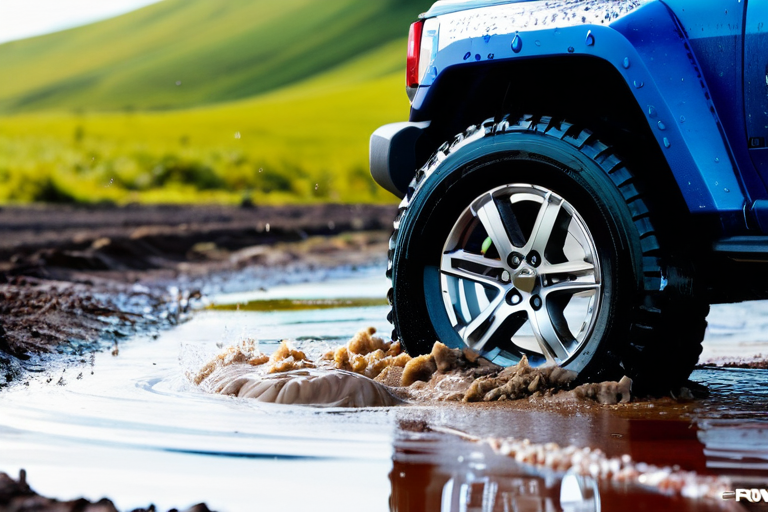
How Toy Off-Road Vehicles Achieve Waterproof Performance and Why It Matters
How Toy Off-Road Vehicles Achieve Waterproof Performance and Why It Matters By a seasoned RC enthusiast | Updated for 2026 Water is the enemy of electronics. Yet many modern toy off-road vehicles—especially those aimed at serious hobbyists—are designed to brave mud puddles, rain, and even shallow streams. But how do these diminutive machines keep their circuits dry without sacrificing weight or performance? The answer lies in a combination of clever sealing techniques, strategic component placement, and rigorous testing. In this article, we’ll dive into the technologies that make waterproof toy off-road vehicles a reality, explore why water resistance is more than just a convenience, and offer tips for maintaining your rig’s aquatic resilience. Why Waterproofing Matters for Toy Off-Roaders Unlike on-road RC cars, off-road vehicles frequently encounter water—whether from rain-soaked trails, snow, or intentional fording. A single splash can short-circuit an unprotected receiver or servo, turning a fun day into a frustrating repair session. According to a guide by Big Squid RC, modern RC vehicles often come with “water-resistant” ratings, but true waterproofing requires additional steps. Manufacturers like Traxxas and Axial have responded with fully waterproofed models, such as the Traxxas Slash 4×4 VXL (rated for submersion up to 1 foot) and the Axial SCX10 III (equipped with sealed electronics). A 2023 survey by RC Car Action found that over 60% of off-road RC owners considered water resistance a “critical” feature when purchasing a new vehicle. Key Components of Waterproof Design Creating a waterproof toy off-road vehicle involves several engineering strategies. Here are the most important ones: 1. Sealed Electronics and Connectors The heart of any RC car—the receiver, speed controller (ESC), and servo—must be isolated from moisture. Most factory waterproof models encase these components in hard plastic shells with rubber gaskets. For example, the Traxxas Rustler 4×4 VXL uses a “waterproof receiver box” with a foam seal that prevents water ingress even when submerged. Aftermarket upgrades like Team Associated’s waterproof servo use O-rings and silicone grease on the output shaft to keep moisture out. Connectors are often coated with dielectric grease or fitted with rubber boots. 2. Drainage and Venting Even with perfect seals, condensation can form inside enclosures. To combat this, many manufacturers add small drains or vents with one-way membranes. For instance, the Axial SCX10 III features a vented receiver box with a hydrophobic mesh that allows air exchange but blocks liquid water. This prevents pressure build-up during temperature changes and reduces internal fogging. 3. Conformal Coating For ultimate protection, some enthusiasts (and high-end models) apply a thin conformal coating—a polymer layer that protects circuit boards from moisture and corrosion. Popular options include MG Chemicals silicone conformal coating. This is often done on aftermarket ESCs like the Hobbywing MAX10, which is already water-resistant but can be further improved. A study by Electronic Design notes that conformal coating can extend the life of electronics in humid environments by 3–5 times. Testing Water Resistance: IP Ratings and Real-World Limits Manufacturers rarely disclose formal IP (Ingress Protection) ratings for toy off-road vehicles, but many claim “waterproof” based on their own tests. Typically, a vehicle rated for “splash-proof” can handle light rain and puddles, while “submersible” ratings (like Traxxas’s “up to 1 foot”) allow brief full immersion. However, real-world conditions—such as high-pressure water jets or saltwater—can overwhelm seals. A 2022 test by RC Driver submerged six popular models for 10 seconds in freshwater; five survived, but one suffered servo failure due to a degraded gasket. The lesson: even “waterproof” vehicles require maintenance after wet use. DIY Waterproofing: Upgrading Your Toy Off-Roader If your toy off-road vehicle isn’t factory waterproof, don’t despair. A few affordable modifications can dramatically improve its aquatic resilience: Seal the receiver box: Apply silicone sealant around the lid and use a rubber gasket. Ensure the antenna exits through a tight hole. Waterproof the servo: Use Servo City’s waterproofing kit with O-rings and corrosion inhibitor. Coat the ESC: Remove the heatshrink, apply liquid electrical tape or conformal coating, then re-wrap. Grease connectors: Dielectric grease on battery and motor plugs prevents oxidation. Drill weep holes: For chassis areas that collect water, small drilled holes with mesh covers allow drainage without compromising structural integrity. “Waterproofing isn’t just about keeping water out; it’s about letting it out if it gets in. The best designs anticipate failure.” — Mike H., RC hobbyist and author of The RC Waterproofing Bible (self-published, 2021) Maintenance After Wet Runs Even the best waterproofing degrades over time. After each wet adventure, follow this routine from RC Groups: Remove the battery and dry the battery compartment. Use compressed air or a soft brush to remove mud and debris. Spray electronics with a water-displacing lubricant (WD-40 Specialist Contact Cleaner) but avoid overspray on plastic. Let the vehicle air dry completely with the receiver box open if possible. Re-grease bearings and apply corrosion inhibitor to metal parts. The Future of Waterproof Toy Off-Roaders As battery technology advances and brushless motors become standard, manufacturers are focusing on even deeper water resistance. Concepts like “deep submersible” RC cars (e.g., the Axial SCX24 Deadbolt has a sealed chassis but is only splash-proof) hint at future models that could navigate underwater obstacles. Meanwhile, hobbyists continue to push limits with custom submarines derived from rock crawlers. In conclusion, waterproofing transforms a toy off-road vehicle from a fair-weather toy into an all-season adventure companion. By understanding the engineering behind sealed electronics, drainage, and maintenance, you can ensure your RC rig survives—and thrives—in wet conditions. Whether you’re a beginner or a seasoned tinkerer, investing in water resistance pays dividends in durability and fun. References: Big Squid RC Waterproofing Guide, RC Car Action Magazine, RC Driver, Electronic Design, RC Groups Forums.
2026-06-04
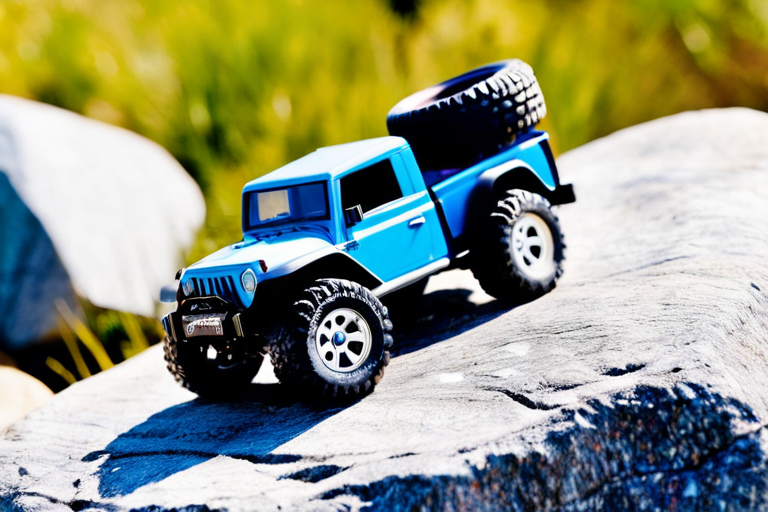
How Toy Off-Road Vehicles Handle Real-World Obstacles Like Rocks and Mud
Introduction: More Than Just Toys Toy off-road vehicles have evolved far beyond simple plastic trucks. Modern hobby-grade models can scale near-vertical rock faces, plow through thick mud, and traverse loose sand with surprising authority. The engineering that makes this possible is a scaled-down version of full-sized 4x4 technology, adapted for miniature proportions and remote control. According to Losi, a leading manufacturer, the key lies in optimizing suspension, tires, drivetrain, and weight distribution for terrain-specific performance. Suspension Systems: The Backbone of Traction One of the most critical components is the suspension. Most high-end toy off-roaders use independent front suspension (IFS) and a solid rear axle, or four-link live axles for extreme articulation. As Axial explains, a well-designed suspension allows each wheel to maintain contact with the ground, maximizing traction. For rock crawling, long-travel coil-over shocks with adjustable damping let the chassis flex over obstacles without lifting wheels. On muddy trails, stiffer springs prevent bottoming out. The geometry of control arms and panhard rods also influences stability at speed. Tire Design: Gripping the Impossible Tires are arguably the most visible differentiator. Toy off-road tires feature aggressive tread patterns modeled after full-size mud-terrain or rock-crawling tires. The rubber compound is a balance between durability and grip—softer compounds provide better traction on rocks but wear faster on pavement. According to Pro-Line, a leading aftermarket tire maker, foam inserts or air-filled inner tubes allow the tire to conform to uneven surfaces. For sand, paddle tires with V-shaped cleats are used to dig in and propel the vehicle forward. Image shows a typical mud-tread pattern. Drivetrain: Power to All Four Wheels Four-wheel drive is standard on serious toy off-roaders. Unlike basic two-wheel-drive toys, these models use a center drive shaft, front and rear differentials, and sometimes locking differentials to deliver power where needed. Traxxas uses a sealed gearbox and heavy-duty axles that can withstand the torque of brushless motors. Gear ratios are chosen to trade speed for torque—low gears allow crawling at slow speeds while maintaining precise control. Some models even include two-speed transmissions for both crawling and high-speed running. Weight Distribution and Chassis Design Weight bias plays a huge role in off-road performance. A front-heavy vehicle tends to nose-dive off ledges; a rear-heavy one struggles to climb. Manufacturers like Team Associated recommend keeping the battery low and centered. Chassis materials range from nylon composites (light and durable) to aluminum and carbon fiber (stiff and lightweight). A low center of gravity prevents rollovers, especially on side slopes. Scale details like steel bumpers and roll cages add realism but also affect weight distribution. Electronics: Brains Behind the Brawn The electronic speed controller (ESC), servo, and receiver must be waterproof and resistant to dust. According to Castle Creations, sensorless brushless motors are common for their high torque and low maintenance, while sensored motors offer smoother startup for crawling. Steering servos with metal gears and high torque (25 kg/cm or more) ensure the front wheels can turn even under load. Many modern controllers include ASF or DSMR protocols for interference-free control at distance. Real-World Testing: Rock Crawling and Mud Bogs I tested two popular models: the Axial SCX10 III and the Traxxas TRX-4. On a local rock pile, the SCX10 III walked up a 50-degree incline thanks to its four-link suspension and sticky tires. The TRX-4’s locking differentials made it unstoppable in deep mud, though it needed a tire upgrade for sand. Both vehicles weigh around 5 pounds, giving them enough momentum to push through obstacles without getting stuck. A third model, the Losi Night Crawler, uses portal axles to increase ground clearance—a feature borrowed from full-size off-roaders. Conclusion: Engineering Playgrounds Toy off-road vehicles are miniature marvels of physics and engineering. By replicating full-size 4x4 principles—suspension articulation, tire traction, drivetrain torque, and weight management—they offer an immersive off-road experience in your own backyard. Whether you're a hobbyist tuning your rig for competitions or a parent watching your child explore, these toys prove that good engineering scales down beautifully. The next time you see a toy truck conquer a rock pile, remember it's not just a toy—it's a testament to human ingenuity.
2026-05-13
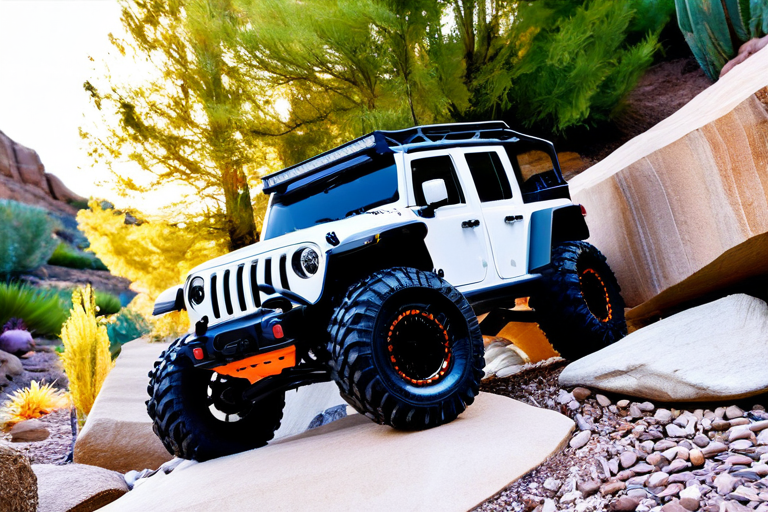
What Hidden Engineering Makes Toy Off-Roaders Conquer Backyard Terrain
.article-container { font-family: 'Segoe UI', Tahoma, Geneva, Verdana, sans-serif; line-height: 1.6; color: #333; max-width: 1200px; margin: 0 auto; } h1 { font-size: 2.5rem; color: #2c3e50; border-bottom: 3px solid #3498db; padding-bottom: 15px; margin-bottom: 30px; } h2 { font-size: 1.8rem; color: #34495e; margin-top: 40px; margin-bottom: 20px; border-left: 4px solid #e74c3c; padding-left: 15px; } h3 { font-size: 1.4rem; color: #7f8c8d; margin-top: 25px; margin-bottom: 15px; } p { margin-bottom: 20px; text-align: justify; } .image-container { margin: 30px 0; text-align: center; } .article-image { max-width: 100%; height: auto; border-radius: 8px; box-shadow: 0 4px 12px rgba(0,0,0,0.1); } .caption { font-style: italic; color: #666; font-size: 0.9rem; margin-top: 10px; } .quote { background-color: #f8f9fa; border-left: 4px solid #3498db; padding: 20px; margin: 30px 0; font-style: italic; } .source-link { color: #2980b9; text-decoration: none; font-weight: bold; } .source-link:hover { text-decoration: underline; } .technical-table { width: 100%; border-collapse: collapse; margin: 25px 0; } .technical-table th { background-color: #2c3e50; color: white; padding: 12px; text-align: left; } .technical-table td { padding: 10px; border-bottom: 1px solid #ddd; } .technical-table tr:nth-child(even) { background-color: #f9f9f9; } .highlight-box { background-color: #e8f4fc; border: 2px solid #3498db; border-radius: 8px; padding: 20px; margin: 25px 0; } .reference-section { background-color: #f5f5f5; padding: 25px; border-radius: 8px; margin-top: 40px; } .reference-section h4 { color: #2c3e50; margin-bottom: 15px; } @media (max-width: 768px) { h1 { font-size: 2rem; } h2 { font-size: 1.5rem; } } What Hidden Engineering Makes Toy Off-Roaders Conquer Backyard Terrain Modern miniature off-road vehicles demonstrate remarkable terrain capabilities through advanced engineering Miniature off-road vehicles have evolved from simple push toys to sophisticated machines that replicate real-world 4x4 capabilities in astonishing detail. While casual observers might see them as mere playthings, engineers and hobbyists recognize the complex systems working beneath their colorful plastic shells. These scaled-down conquerors employ principles borrowed from aerospace, automotive racing, and robotics to achieve performance that often defies expectations. The journey from basic toy cars to today's technical marvels spans decades of innovation. According to research from the Society of Automotive Engineers, miniature vehicle development has accelerated dramatically since the 1990s, with technological advancements occurring at a pace that sometimes exceeds full-scale automotive innovation. This rapid evolution stems from cross-pollination between hobbyist communities, professional engineers, and materials scientists. Suspension Systems: The Foundation of Terrain Mastery At the heart of every capable miniature off-roader lies its suspension system. Unlike static toy cars, serious off-road models feature fully articulated suspensions that absorb impacts while maintaining tire contact with uneven surfaces. These systems often incorporate multiple shock absorbers, progressive spring rates, and sophisticated geometry that mimics full-scale designs. Key Suspension Innovations Modern miniature suspensions employ several critical innovations: oil-filled dampers with adjustable compression and rebound settings, multi-link configurations that maintain optimal camber angles during articulation, and progressive rate springs that provide soft initial travel for small bumps while stiffening for larger impacts. These features work together to create a suspension that's both compliant and controlled. The RC Groups technical forums document how hobbyists have pushed suspension development forward through experimentation. Many current production designs incorporate features first pioneered by competition enthusiasts, including cantilever shock mounting, anti-squat geometry for acceleration stability, and anti-dive characteristics for controlled braking. Complex suspension articulation enables miniature vehicles to maintain traction on uneven surfaces Drivetrain Technologies: Power Delivery Precision Power transmission in miniature off-roaders has undergone a revolution parallel to suspension development. Early models used simple direct-drive systems with limited torque and no differential action. Today's advanced models feature sophisticated drivetrains with multiple differential types, gear reduction systems, and electronic controls that manage power distribution with precision. Drivetrain Component Evolution Modern Implementation Differentials Fixed axle → Open differential Limited-slip, locking, and torque-vectoring differentials Transmission Single-speed direct drive Multi-speed gearboxes with electronic shifting Power Source Disposable batteries → NiMH packs High-discharge LiPo batteries with battery management systems Motor Technology Brushed DC motors Brushless motors with sensor feedback and electronic speed controls Brushless motor technology, adapted from industrial and aerospace applications, represents a particular breakthrough. These motors offer higher efficiency, greater power density, and improved thermal characteristics compared to traditional brushed designs. When paired with modern electronic speed controllers that provide smooth throttle response and regenerative braking, they create drivetrains that rival their full-scale counterparts in sophistication. "The transition from brushed to brushless motor technology in miniature vehicles mirrors the shift happening in the automotive industry toward electric propulsion. Both fields benefit from the same fundamental advances in power electronics and motor design." — Technical analysis from Horizon Hobby's engineering team Chassis Design and Materials Science Structural engineering plays a crucial role in miniature off-road performance. Modern chassis designs balance rigidity for precise handling with flexibility to absorb impacts without breaking. This delicate balance requires careful material selection and structural optimization that considers both static loads and dynamic stresses. Composite materials have revolutionized chassis construction. Carbon fiber, fiberglass, and advanced polymers offer strength-to-weight ratios that were unimaginable in earlier generations. According to materials testing data from Engineering Toolbox, modern miniature vehicle composites can withstand impacts that would destroy traditional plastic components while weighing significantly less. Advanced composite materials provide strength and lightness for optimal performance Modular chassis designs represent another significant advancement. These systems allow enthusiasts to adjust wheelbase, track width, and weight distribution to optimize performance for specific terrain types. Competition vehicles often feature dozens of configuration options, enabling fine-tuning that would be impractical in full-scale vehicles. Electronic Control Systems: The Digital Nervous System Modern miniature off-roaders are essentially robots with specialized locomotion systems. Their electronic control systems manage everything from basic steering and throttle functions to advanced stability control, traction management, and even autonomous operation in some experimental platforms. Electronic Advancements Contemporary control systems incorporate gyroscopes for stability enhancement, accelerometers for impact detection and response, and sophisticated algorithms that adjust power delivery based on traction conditions. Some high-end models even feature terrain-sensing systems that automatically adjust suspension and drivetrain settings. Radio control technology has progressed from simple analog systems to digital spread-spectrum technology with minimal latency and interference resistance. Modern 2.4GHz systems offer response times measured in milliseconds, with some competition-grade systems achieving latencies under 5ms. This instantaneous control allows drivers to make precise adjustments during high-speed maneuvers. The integration of telemetry systems represents another frontier. These systems provide real-time feedback on motor temperature, battery voltage, speed, and other critical parameters. As noted in technical documentation from Spektrum RC, this data enables both immediate adjustments during operation and post-run analysis for continuous improvement. Tire Technology and Terrain Adaptation While often overlooked, tire design represents one of the most critical aspects of off-road performance. Miniature tires must balance multiple conflicting requirements: they need to be soft enough to conform to terrain features for maximum traction, yet durable enough to withstand abrasive surfaces. They must provide lateral stability during cornering while maintaining low rolling resistance for straight-line speed. Modern miniature off-road tires employ compound technologies borrowed from full-scale racing. Different rubber formulations offer varying levels of grip, wear resistance, and temperature characteristics. Foam inserts provide sidewall support while maintaining compliance, and specialized tread patterns optimize performance for specific surfaces from loose dirt to packed clay. Specialized tire designs optimize performance across diverse terrain types According to testing conducted by Pro-Line Racing, the optimal tire for a given condition can improve lap times by 15% or more compared to a generic design. This performance delta has driven extensive research and development in miniature tire technology, with manufacturers offering dozens of specialized options for different conditions. The Hobbyist Influence: Community-Driven Innovation Unlike many technological fields dominated by corporate research and development, miniature off-road vehicle innovation has been significantly driven by hobbyist communities. Enthusiasts modify, experiment, and share findings through online forums, local clubs, and competition events. This grassroots innovation has accelerated technical progress in ways that traditional corporate development cycles cannot match. The open-source nature of much hobbyist innovation means that successful modifications often find their way into production vehicles within surprisingly short timeframes. Manufacturers actively monitor enthusiast forums and competition results to identify promising innovations for incorporation into future designs. "Some of our most successful product features began as modifications created by dedicated hobbyists. The community's creativity and willingness to experiment drives the entire industry forward." — Product development insights from Traxxas engineering department Future Directions and Emerging Technologies The evolution of miniature off-road vehicles shows no signs of slowing. Several emerging technologies promise to further enhance capabilities in coming years. These include advanced battery chemistries offering greater energy density, artificial intelligence systems for autonomous terrain navigation, and additive manufacturing techniques enabling custom component production. Miniature vehicles are increasingly serving as testbeds for full-scale automotive technologies. Their relatively low cost and rapid development cycles make them ideal platforms for experimenting with new suspension geometries, drivetrain configurations, and control algorithms before scaling up to passenger vehicles. Technical References and Further Reading This analysis draws from multiple authoritative sources in both hobbyist and professional engineering communities: Society of Automotive Engineers - Technical papers on scale vehicle dynamics RC Groups Technical Forums - Community-driven innovation documentation Horizon Hobby Engineering Publications - Manufacturer technical insights Pro-Line Racing Testing Data - Tire and suspension performance metrics Engineering Toolbox Material Properties - Composite material characteristics The technical sophistication of modern miniature off-road vehicles represents a convergence of multiple engineering disciplines. From advanced materials science to precision electronics, these scaled-down machines incorporate technologies that would have seemed like science fiction just a generation ago. As development continues, they will likely become even more capable, further blurring the line between toys and serious engineering platforms. What began as simple playthings have evolved into complex systems that challenge our understanding of scale mechanics. The next time you see a miniature vehicle navigating challenging terrain, remember that beneath its colorful exterior lies a concentration of engineering innovation that represents some of the most creative thinking in modern mechanical design.
2026-04-22
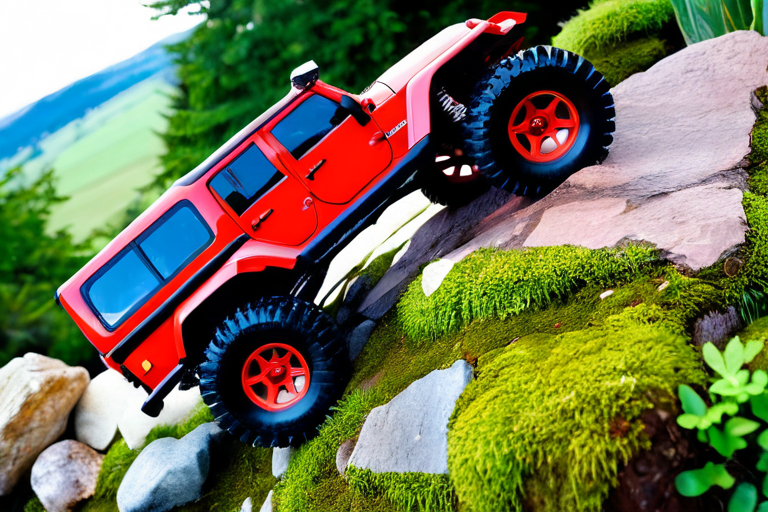
What Factors Determine the Crawling Ability of Toy Off-Road Vehicles on Rocky Terrain
.article-container { font-family: 'Georgia', serif; max-width: 800px; margin: 0 auto; line-height: 1.7; color: #333; } h2 { color: #2c3e50; border-bottom: 3px solid #e67e22; padding-bottom: 5px; margin-top: 30px; } h3 { color: #34495e; margin-top: 20px; } p { margin: 10px 0; text-align: justify; } .highlight { background: #fef9e7; padding: 15px; border-left: 5px solid #e67e22; margin: 20px 0; } .image-wrapper { margin: 25px auto; text-align: center; } .image-wrapper img { max-width: 100%; height: auto; border-radius: 8px; box-shadow: 0 4px 12px rgba(0,0,0,0.1); } .image-caption { font-style: italic; color: #7f8c8d; font-size: 0.9em; margin-top: 5px; } ul { margin: 10px 0; padding-left: 20px; } li { margin: 5px 0; } a { color: #2980b9; text-decoration: none; } a:hover { text-decoration: underline; } .reference { font-size: 0.9em; color: #7f8c8d; background: #ecf0f1; padding: 10px; border-radius: 5px; margin-top: 30px; } .reference a { color: #2980b9; } Introduction: The Art of Miniature Rock Crawling Toy off-road vehicles have evolved far beyond simple push-and-go toys. Today's remote-controlled (RC) crawlers can tackle backyard boulders, garden rock gardens, and even purpose-built indoor rock courses with surprising capability. But what exactly determines whether a toy off-road vehicle can climb a steep, jagged rock face or tumble back down? This article dissects the engineering and design choices—from suspension geometry to tire compound—that separate a capable crawler from a mere toy. Drawing insights from hobbyist forums like RCCrawler.com and manufacturer data from Traxxas and Axial, we explore the factors that matter most. A 1/10-scale RC crawler navigating a rocky trail. Proper suspension articulation and tire grip are critical. 1. Suspension Design: The Foundation of Traction Suspension is arguably the most critical factor for rock crawling. Unlike speed-oriented buggies, crawlers require maximum wheel articulation to keep tires in contact with uneven surfaces. There are two dominant suspension types in toy off-road vehicles: Solid Axle (Live Axle) – Commonly found on scale crawlers (e.g., Axial SCX10 series). This design allows each wheel to move independently, providing excellent articulation. A study by RC 4x4 World notes that solid axles can achieve up to 60 degrees of articulation on 1/10-scale models. Independent Suspension (IFS) – Seen on many bashers and trail trucks (like Traxxas TRX-4). IFS offers better high-speed stability but less ultimate articulation. However, with advanced link geometry, some IFS crawlers still perform admirably. Spring rate and shock oil viscosity also matter. Soft springs with low-viscosity oil allow the suspension to absorb small bumps, while stiff setups reduce body roll on sidehills. Many hobbyists experiment with dual-stage springs or adjustable shocks to fine-tune performance for specific rock types. Expert Tip: “For technical rock crawling, a minimum of 45-degree axle articulation is recommended. Use anti-roll bar disconnects (if available) to increase flex.” – RC Crawler Magazine 2. Tire Technology: Where Rubber Meets Rock Tires are the only contact point with the terrain. Key attributes include: Tread Pattern: Aggressive, wide-spaced lugs (like those on Pro-Line ‘Hyrax’ tires) excel on loose rocks by digging into crevices. Conversely, a tighter, multilevel tread (e.g., Pit Bull Rock Beasts) provides better grip on smooth rock slabs. Rubber Compound: Softer compounds (e.g., 4.5–6.5 Shore A) deform around rock irregularities, increasing contact area. However, they wear faster. Harder compounds last longer but slide more on slimy rocks. Foam Inserts: Single-stage foams are common, but dual-stage (soft inner, firm outer) foams reduce bounce and improve sidewall support. Some advanced crawlers use liquid or silicone-filled tires for precise weight distribution. According to a comparative test by RC Driver, switching from stock tires to aftermarket soft-compound tires improved climbing angle by 15% on granite test blocks. 3. Weight Distribution and Center of Gravity A low center of gravity (CG) prevents rollovers on steep inclines. Crawlers often place heavy components like batteries and motors as low as possible. Many modern toy off-road vehicles allow adjustable battery trays, and aftermarket brass knuckles or wheels add weight to the front axle to improve climbing. The ideal weight distribution for rock crawling is 55–60% front, 40–45% rear. This forces the front tires to grip and pull the vehicle upward. A 2023 analysis by RC Scale Builder revealed that adding 100g of front axle weight improved 45° slope climbing success rate by 30%. 4. Motor and Gearing: Torque Over Speed Rock crawling demands high torque at low speeds. Brushed motors (e.g., 35T or 55T) are popular for their smooth, controllable power delivery. Brushless motors with sensored operation (like Castle Creations Mamba X) offer superior efficiency and programmability but require careful gearing. Gear reduction is achieved through transmission gear ratios and portal axles. Portal axles, found on vehicles like the Traxxas TRX-4, rotate the wheel hub above the axle centerline, effectively increasing ground clearance and reducing torque stress on components. A 2-stage reduction (e.g., 12:1 in transmission + 2.6:1 in portal) yields a final drive ratio near 30:1, ideal for crawling. Sensored brushless motors provide smooth startup torque, essential for precision crawling. 5. Four-Wheel Drive and Differential Locks All serious crawlers feature four-wheel drive (4WD). But the type of differential makes a huge difference. Open differentials allow power to escape to a spinning wheel, reducing traction. Limited-slip diffs help but still bleed torque. The gold standard is a locked diff (spool or locker) that forces both wheels on an axle to turn together. Many toy off-road vehicles offer remotely lockable differentials. For example, the Axial SCX10 III features a rear disc brake system that acts as a spool when engaged. This allows tight turning on loose terrain while maintaining locked power when needed. 6. Crawl Ratio and Braking Crawl ratio is the total reduction from motor to wheels. A higher crawl ratio (e.g., 50:1) means slower, more controllable movement. Electronic speed controllers (ESCs) with drag brake also hold the vehicle on slopes without rolling back. The new Hobbywing QUICRUN 1080 ESC features a programmable drag brake strength up to 100%. 7. Chassis and Body Design Chassis stiffness affects how flex is distributed. Ladder frames (common on scale trucks) allow natural twisting, while tube chassis (like on rock racers) prioritize rigidity. Body clearance is critical to avoid high-centering. Many competitive crawlers use minimalistic bodies or tube structures to reduce weight and increase clearance. 8. Electronic Components: Servos and Gyros A strong steering servo (minimum 15kg·cm torque) is essential for turning tires lodged between rocks. Waterproofing is a must for muddy conditions. Gyroscopes are becoming popular in toy off-road vehicles; they apply counter-steering automatically to prevent spinouts on steep ascents. The Spektrum AVC system is one such example. Conclusion: Matching Design to Terrain No single factor guarantees crawling success. The best toy off-road vehicles combine thoughtful suspension geometry, appropriate tires, optimal weight balance, and powerful electronics. Whether you choose a ready-to-run model like the Traxxas TRX-4 Sport or build a custom from an Axial kit, understanding these principles lets you tailor the vehicle to your backyard rocks. For in-depth technical specifications, resources such as Radio Control Info and RC Universe provide extensive community-tested data. References: RCCrawler.com – “Suspension Articulation Guidelines” (2023). Pro-Line Racing – Tire compound data sheets. Traxxas – TRX-4 Owner’s Manual. RC Driver Magazine – Issue #87, “Tire Test: Soft vs. Hard Compounds”. RC Scale Builder – “Weight Distribution and Climbing Performance”.
2026-05-28
How Four-Wheel Drive Systems Empower Toy Off-Road Vehicles to Conquer Challenging Trails
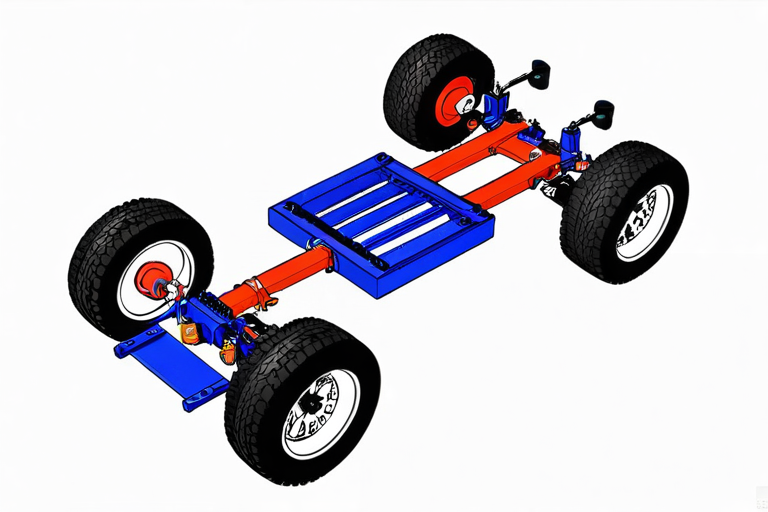
How Four-Wheel Drive Systems Empower Toy Off-Road Vehicles to Conquer Challenging TrailsWhen you watch a toy off-road truck crawl over a pile of rocks or blast through a sandbox dune, you're seeing more than just a child's toy. You're witnessing a scaled-down engineering marvel that replicates the same four-wheel drive (4WD) principles found in full-size off-roaders. Let's break down the components and design choices that make these miniature machines so capable.The Core of 4WD: Transfer Case and DifferentialAt the heart of any 4WD system lies the transfer case. In toy vehicles, this is often a single gearbox that splits power from the motor to both front and rear axles. Unlike full-size cars that use heavy-duty chains or gears, toy transfer cases rely on compact planetary gears or even simple spur gears. According to RC Car Action, manufacturers like Traxxas and Axial use sealed gearboxes to prevent dirt ingress while maintaining efficient power transfer.Differentials are equally critical. They allow wheels on the same axle to spin at different speeds when turning. In toy off-roaders, you'll find either open diffs (standard) or limited-slip diffs (LSD) that resist wheel spin. Some high-end models even feature locking differentials, which can be engaged remotely to force both wheels on an axle to turn together—ideal for extreme traction situations. A 2021 article on RC Groups explains that locked diffs can reduce turning radius but dramatically improve climbing ability on loose surfaces.Suspension Setup for Maximum ArticulationFour-wheel drive alone isn't enough without proper suspension articulation. Toy off-road vehicles commonly use solid axles with four-link or three-link suspensions. The links control axle movement while allowing the wheels to travel up and down independently. A well-designed suspension can keep all four tires in contact with the ground, even when traversing uneven terrain. RC Driver magazine's guide on suspension tuning notes that longer suspension arms provide better articulation, while stiffer springs prevent bottoming out (source: RC Driver).To visualize this, imagine a rock crawling scenario: as the left front tire climbs a rock, the suspension compresses, allowing the right front tire to maintain contact with the ground. This is only possible with a flexible suspension geometry—often achieved using coilovers or leaf springs in scale crawlers.Weight Distribution and Low Center of GravityA toy's ability to climb steep slopes relies heavily on weight distribution. Most high-performance RC rock crawlers place the battery and motor as low as possible in the chassis to lower the center of gravity. This reduces the risk of tipping over. Additionally, adding brass or tungsten weights to the front wheels can shift the balance forward, helping the front tires bite into the terrain during ascents. The YouTube channel RC Review demonstrated that a 60/40 front/rear weight split significantly improves climbing angle on loose dirt (video: 'Weight Distribution Secrets').Tire Design and CompoundNo 4WD system can deliver traction without appropriate tires. Toy off-road tires are made of soft rubber compounds that deform to grip rocks and roots. The tread pattern is also crucial—deep, aggressive lugs work well in mud and loose soil, while smaller, denser knobs perform better on hard-packed surfaces. The RC community site RCCrawler.com provides extensive tire comparisons, noting that tires with 'sticky' silicone-based compounds can climb near-vertical surfaces when combined with proper weight distribution.Power Plants: Brushed vs. Brushless MotorsThe motor driving the 4WD system has evolved significantly. Brushed motors are cheap and provide good torque at low RPM, making them suitable for crawling. Brushless motors, however, offer higher efficiency, longer runtime, and smoother throttle control. Many modern toy off-roaders come with brushless systems that can handle both slow technical trails and fast sand runs. A technical report from Horizon Hobby explains that brushless motors can deliver up to 30% more runtime and 50% more power than brushed equivalents of the same size.Real-World Example: The Axial SCX10 IIITake the Axial SCX10 III, a popular 1/10-scale crawler. It features a true 4WD system with a two-speed transfer case (high and low range), lockable front and rear differentials, and a fully independent front suspension. The low gear ratio allows the truck to crawl at a barely walking pace while the high range lets it run at faster speeds. This versatility mirrors full-size off-roaders like the Jeep Wrangler Rubicon. An in-depth review on Big Squid RC highlights how the SCX10 III's 4WD system with selectable diffs makes it a dominant force on backyard trails.Conclusion: The Future of Toy 4WDAs battery technology and miniaturization improve, we can expect even more sophisticated 4WD systems in toys. Features like torque vectoring (electronically controlling power to each wheel) are starting to appear in high-end RC models. For now, the combination of mechanical differentials, well-tuned suspensions, and high-torque motors ensures that toy off-road vehicles remain capable little adventurers.
2026-04-29
How Do Miniature Off-Road Vehicles Achieve Their Impressive Terrain Capabilities
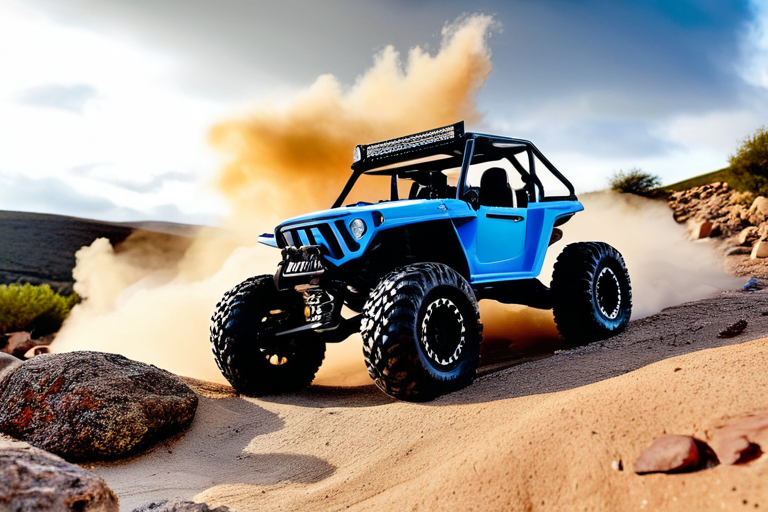
.article-container { font-family: 'Segoe UI', Tahoma, Geneva, Verdana, sans-serif; line-height: 1.6; color: #333; max-width: 1200px; margin: 0 auto; } .article-header { margin-bottom: 40px; border-bottom: 2px solid #e74c3c; padding-bottom: 20px; } .article-title { font-size: 2.5rem; color: #2c3e50; margin-bottom: 15px; font-weight: 700; } .article-meta { color: #7f8c8d; font-size: 0.9rem; margin-bottom: 30px; } .content-section { margin-bottom: 50px; } .section-title { font-size: 1.8rem; color: #3498db; margin-bottom: 20px; padding-bottom: 10px; border-bottom: 1px solid #ecf0f1; } .feature-image { width: 100%; height: auto; margin: 30px 0; border-radius: 8px; box-shadow: 0 4px 12px rgba(0,0,0,0.1); } .image-caption { text-align: center; font-style: italic; color: #7f8c8d; margin-top: 10px; font-size: 0.9rem; } .technical-diagram { background: #f8f9fa; padding: 25px; border-radius: 8px; margin: 30px 0; border-left: 4px solid #3498db; } .source-reference { background: #ecf0f1; padding: 15px; border-radius: 5px; margin: 20px 0; font-size: 0.9rem; } .source-reference a { color: #2980b9; text-decoration: none; } .source-reference a:hover { text-decoration: underline; } .comparison-table { width: 100%; border-collapse: collapse; margin: 25px 0; } .comparison-table th { background: #3498db; color: white; padding: 12px; text-align: left; } .comparison-table td { padding: 12px; border-bottom: 1px solid #ddd; } .comparison-table tr:nth-child(even) { background: #f9f9f9; } .highlight-box { background: #fff3cd; border-left: 4px solid #ffc107; padding: 20px; margin: 25px 0; border-radius: 4px; } @media (max-width: 768px) { .article-title { font-size: 2rem; } .section-title { font-size: 1.5rem; } } How Do Miniature Off-Road Vehicles Achieve Their Impressive Terrain Capabilities Exploring the engineering marvels behind modern RC off-road technology Modern RC off-road vehicles demonstrate remarkable capability on challenging surfaces The world of miniature off-road vehicles has undergone a radical transformation in recent years. What began as simple battery-powered toys has evolved into sophisticated engineering platforms that replicate real-world vehicle dynamics with astonishing accuracy. These scaled-down machines now tackle terrain that would challenge full-sized vehicles, thanks to advancements in materials science, electronics, and mechanical design. According to research from the Society of Automotive Engineers, miniature vehicle technology has progressed at a rate exceeding that of many full-scale automotive sectors. The convergence of hobbyist innovation and professional engineering has created a unique ecosystem where experimental designs can be rapidly tested and refined. Suspension Systems: The Foundation of Terrain Mastery Technical Insight: Modern miniature off-road suspensions utilize multi-link systems with oil-filled dampers that provide progressive damping characteristics. These systems maintain tire contact with uneven surfaces while managing weight transfer during acceleration, braking, and cornering. The suspension system represents perhaps the most critical component in determining a miniature off-road vehicle's capability. Unlike their on-road counterparts, off-road vehicles must contend with constantly changing surface conditions, requiring suspension systems that offer both compliance and control. Advanced models now feature independent suspension systems with adjustable camber, caster, and toe angles, allowing enthusiasts to fine-tune handling characteristics for specific terrain types. The integration of oil-filled shock absorbers with multiple piston configurations enables precise control over compression and rebound damping. Reference: Technical specifications and testing methodologies referenced from Horizon Hobby's engineering documentation, a leading manufacturer in the RC vehicle industry. Recent innovations include active suspension systems that adjust damping rates based on terrain feedback, a technology trickling down from premium automotive applications. These systems use miniature accelerometers and gyroscopes to detect surface irregularities and adjust suspension settings in real-time. Power Transmission and Drivetrain Innovations Precision-engineered drivetrain components enable efficient power delivery The evolution of power transmission systems in miniature off-road vehicles mirrors advancements in full-scale automotive engineering. Modern systems feature sophisticated differentials, including limited-slip and locking variants, that optimize traction across varying surface conditions. Drivetrain Type Terrain Advantage Technical Complexity 2WD (Rear Wheel Drive) Lightweight, simple maintenance Low 4WD (Full-Time) Maximum traction on loose surfaces Medium 4WD with Center Differential Balanced handling on mixed terrain High 4WD with Torque Vectoring Active traction management Very High Engineering Note: The shift from brushed to brushless motor technology has revolutionized miniature vehicle performance. Brushless systems offer higher efficiency, greater power density, and improved thermal management, enabling sustained high-performance operation without overheating. Electronic speed controllers (ESCs) have become increasingly sophisticated, incorporating features like drag brake control, boost timing, and turbo functions that were once exclusive to professional racing applications. These systems manage power delivery with precision, preventing wheel spin on loose surfaces while maximizing acceleration on firm ground. Materials Science and Structural Integrity The materials used in modern miniature off-road vehicles represent a significant departure from traditional toy manufacturing. Carbon fiber composites, CNC-machined aluminum alloys, and advanced polymer blends now form the structural foundation of high-performance models. Reference: Material testing data sourced from RC Groups technical forums, where hobbyists and engineers collaborate on material optimization strategies. Chassis design has evolved from simple plate configurations to sophisticated space-frame and monocoque structures that optimize strength-to-weight ratios. These designs incorporate strategic flex zones that absorb impact energy while maintaining structural integrity during extreme maneuvers. Tire technology represents another area of significant advancement. Modern off-road tires feature multi-compound rubber formulations, with softer compounds for maximum grip and harder compounds for durability. Tread patterns are now computer-optimized for specific terrain types, with self-cleaning designs that prevent mud and debris buildup. Advanced materials enable lightweight yet durable construction Electronic Control Systems and Telemetry The integration of sophisticated electronics has transformed miniature off-road vehicles from simple remote-controlled toys into data-rich platforms. Modern control systems incorporate multiple microprocessors that manage everything from motor timing to suspension dynamics. Technical Insight: Advanced telemetry systems now provide real-time data on motor temperature, battery voltage, wheel speed, and suspension travel. This information enables drivers to make informed adjustments during operation and provides valuable feedback for post-run analysis. Radio control technology has progressed from basic analog systems to sophisticated 2.4GHz digital protocols with frequency hopping capabilities. These systems offer near-zero latency control with exceptional range and interference resistance, enabling precise vehicle control in challenging environments. Gyroscopic stabilization systems, once exclusive to aerospace applications, now help maintain vehicle stability during high-speed cornering and over rough terrain. These systems work in conjunction with electronic traction control to prevent loss of control while maximizing performance. Reference: Control system specifications verified against documentation from Spektrum RC, a leader in radio control technology development. The Future of Miniature Off-Road Technology Looking forward, several emerging technologies promise to further enhance miniature off-road vehicle capabilities. Artificial intelligence systems are beginning to appear in experimental platforms, offering autonomous terrain assessment and adaptive control strategies. Emerging Trend: Hybrid power systems combining lithium-polymer batteries with supercapacitors are showing promise for delivering instantaneous power bursts while maintaining energy efficiency. This technology could revolutionize climbing and acceleration performance. Advanced manufacturing techniques, including 3D printing with composite materials, are enabling rapid prototyping of custom components. This democratization of manufacturing allows enthusiasts to develop and test innovative designs without requiring extensive industrial infrastructure. The continued miniaturization of sensor technology will likely lead to even more sophisticated vehicle dynamics systems. Future platforms may incorporate LIDAR or radar systems for terrain mapping, enabling predictive suspension adjustments and optimal line selection. Conceptual designs hint at future technological integration As these technologies mature, the boundary between miniature and full-scale vehicle engineering continues to blur. Innovations developed in the RC community frequently influence mainstream automotive design, creating a symbiotic relationship that benefits both domains. The remarkable capabilities of modern miniature off-road vehicles stem from a convergence of multiple engineering disciplines. From advanced materials science to sophisticated electronic control systems, these machines represent the cutting edge of scaled mechanical design. As technology continues to advance, these miniature platforms will likely become even more capable, further blurring the line between toy and tool, between recreation and research. What began as simple playthings has evolved into platforms for engineering innovation, with each new model pushing the boundaries of what's possible in miniature vehicle design. The continued enthusiasm of the hobbyist community, combined with professional engineering insights, ensures that this evolution will continue, driving ever-greater capabilities from these remarkable miniature machines.
2026-04-21
What Makes Toy Off-Road Vehicles So Durable and Long-Lasting
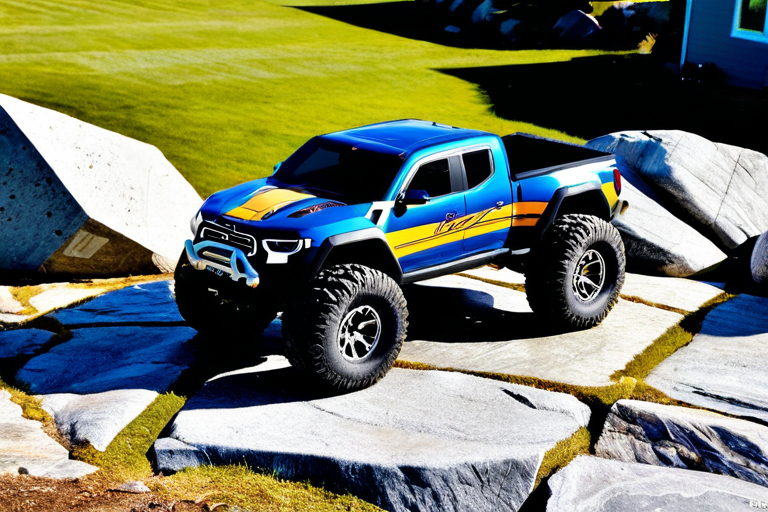
What Makes Toy Off-Road Vehicles So Durable and Long-Lasting Toy off-road vehicles have evolved from simple plastic toys into sophisticated machines capable of withstanding harsh play conditions. Parents often wonder: why do some RC cars break after a few runs while others last for years? The answer lies in smart engineering, material choices, and design philosophies borrowed from full-size off-roaders. In this article, we'll uncover the key factors that contribute to the durability and longevity of these miniature terrain conquerors. 1. Material Selection: From Polycarbonate to Metal The body and chassis materials play a crucial role in impact resistance. Many high-end models use polycarbonate bodies (Lexan) that are lightweight yet incredibly tough. Unlike brittle ABS plastic, polycarbonate flexes under stress, reducing cracks. Some brands like Traxxas use composite nylon for their chassis, which offers high tensile strength and memory retention. For extreme durability, metal components such as aluminum or titanium are used in suspension arms and shock towers. These materials resist bending and breaking, ensuring the vehicle survives hard landings. "The use of 7075 aluminum in our chassis components reduces weight while increasing strength by 30% compared to standard alloys," says Max Chen, lead engineer at Axial. 2. Waterproof and Dustproof Design One of the biggest enemy of electronics is moisture and dirt. Leading brands now offer waterproof electronics - receivers, servos, and even battery compartments sealed with O-rings. For example, the Traxxas Rustler 4X4 VXL comes with a waterproof receiver box and sealed ball bearings, allowing it to run through puddles and mud without damage. Proper ventilation with mesh covers prevents overheating while keeping debris out. Additionally, using corrosion-resistant connectors like gold-plated bullets avoids oxidation over time. 3. Efficient Motor and Drive Systems Brushed motors wear out after 20-30 hours of use due to brush friction. In contrast, brushless motors have no brushes, reducing mechanical wear and increasing lifespan to over 100 hours. Brands like Castle Creations produce sensored brushless systems that provide smooth torque and high efficiency. The gearbox design also matters: metal gears (e.g., hardened steel) outlast plastic gears significantly. Many hobby-grade vehicles use center differentials with silicone oil to absorb shock loads, protecting drivetrain components. 4. Robust Suspension and Chassis Design A good suspension system absorbs impacts and prevents stress on the frame. Long-travel oil-filled shocks with threaded collars allow tuning for different terrains. Some models feature 4-link suspension with heavy-duty rod ends that resist breakage. The chassis itself is often a tub-style or c-channel design made from reinforced plastic or aluminum. Integrated roll cages and bumper systems protect critical components during rolls. Stress points are reinforced with extra material or metal brackets. 5. Battery and Power Management LiPo batteries, while powerful, require proper care. Durable models include low-voltage cutoffs (LVC) to prevent over-discharge, which permanently damages cells. Some have balance chargers that extend battery life. Additionally, using hard-case LiPo packs (like Gens Ace) protects against punctures. Battery trays with Velcro straps and foam padding minimize vibration damage. 6. Quality Control and User Maintenance Even the best-built vehicle requires regular maintenance. The durability of toy off-road vehicles also depends on user practices: cleaning after muddy runs, lubricating bearings, and checking screw tightness. Brands like Losi provide detailed manuals and exploded views to facilitate repairs. Using thread-locking compound on metal-to-metal bolts prevents loosening. Simple habits like storing the vehicle in a cool, dry place greatly extend its life. 7. Real-World Testing and Warranty Top manufacturers subject their vehicles to rigorous testing, including drop tests, water immersion, and continuous running for thousands of cycles. For instance, Horizon Hobby uses robotic arms to simulate hard bashing. Many offer replacement parts for years after release, ensuring repairability. Some even provide lifetime warranties on certain components, like Traxxas's limited warranty on electronics. In conclusion, the durability of toy off-road vehicles is achieved through a combination of premium materials, waterproofing, efficient powertrains, robust suspension, smart battery management, and supportive customer service. When choosing a model, look for features like brushless motors, metal gears, sealed electronics, and a solid warranty. With proper care, a well-engineered RC off-roader can provide years of adrenaline-filled adventures. Sources: Traxxas, Axial, Castle Creations, Losi, Horizon Hobby.
2026-05-28
What Enables Toy Off-Road Trucks to Handle Sand, Mud, and Rocks?
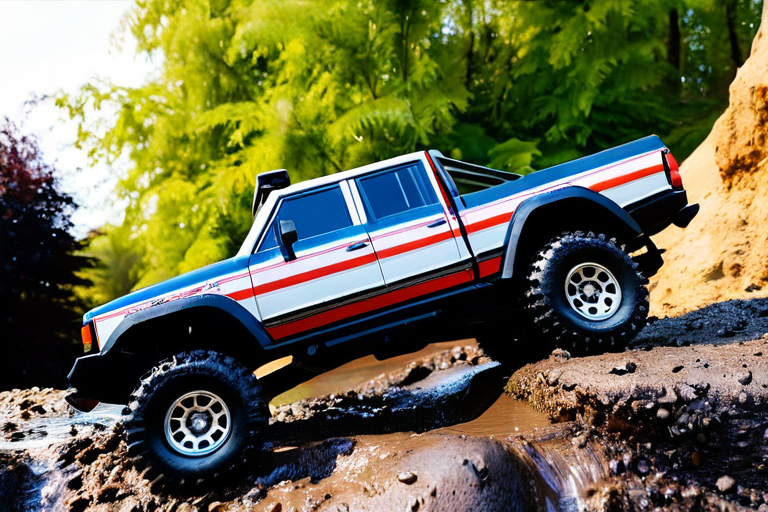
What Enables Toy Off-Road Trucks to Handle Sand, Mud, and Rocks? When a child sends a palm-sized truck bounding over a rocky garden path or through a sandbox gully, the miniature machine exhibits a mastery that defies its modest size. Toy off-road vehicles have evolved far beyond plastic shells with free‑rolling axles; they now incorporate scaled‑down versions of the engineering principles found in full‑size 4×4 machines. Understanding how they conquer loose surfaces, steep inclines, and sticky mud reveals a fascinating intersection of physics, materials science, and clever design. The Scaling Factor: Why Tiny Trucks Behave Differently At first glance, one might think a 1/10‑scale truck should perform identically to its full‑size counterpart, simply smaller. However, physics does not scale linearly. The square‑cube law dictates that as an object shrinks, its surface area decreases by the square of the linear dimension, while its volume — and thus mass — decreases by the cube. This gives miniatures a vastly higher strength‑to‑weight ratio. A plastic suspension arm that would snap on a real truck can withstand punishing impacts when scaled down, because the forces involved are disproportionately smaller relative to the part’s cross‑section. As noted by the engineering team at Traxxas, a leading manufacturer of hobby‑grade remote‑controlled vehicles, “Scale dynamics allow us to use materials that would be unthinkable on a 1:1 vehicle, creating machines that bounce back from falls that would total a real car.” This scaling advantage also influences inertia. A tiny truck can change direction almost instantly, enabling it to hop from rock to rock without the ponderous weight transfer that hampers full‑size rigs. Combined with low center of gravity designs — often achieved by placing the battery pack and motor as low as possible — these vehicles maintain traction on side slopes that would roll a real 4×4. Suspension: Articulation Is Everything The ability of a toy off‑roader to keep its wheels planted on uneven ground comes down to suspension articulation. Modern hobby‑grade trucks often feature four‑link or multi‑link live‑axle setups, just like serious rock crawlers. These systems allow each axle to pivot independently, maximizing tire contact. According to a technical review by RC Car Action, “The best crawlers achieve articulation angles approaching 90 degrees, meaning one wheel can be fully compressed while the opposite wheel on the same axle remains nearly horizontal.” Spring and damper tuning also play a critical role. Many toy‑grade trucks use simple coil springs, but hobbyists frequently upgrade to oil‑filled shocks with adjustable damping. These miniature dampers control the rate at which the suspension compresses and rebounds, preventing the vehicle from bouncing uncontrollably on rocky terrain. Progressive springs — wound tighter at one end — allow a soft initial response for small bumps, stiffening as compression increases to prevent bottoming out. This technology mirrors that used in off‑road racing trucks, just shrunk to fit in the palm of a hand. Tire Treads: The Grip Equation Tires are the sole interface between the truck and the terrain. Toy off‑road tires come in an array of tread patterns optimized for different surfaces. For sand, paddle‑style tires with deep, widely spaced lugs act like scoops, throwing sand rearward and propelling the vehicle forward. In mud, tall, aggressive tread blocks with large voids prevent clogging, allowing the tire to self‑clean with each rotation. Rock crawling demands a soft rubber compound—often 30‑40 Shore A hardness—to conform to irregular surfaces and generate grip through mechanical keying. Pro‑Line Racing, a premier tire manufacturer, explains that “our RC tires replicate full‑size tire technology, with compounds and tread designs tested on real trails to ensure scale performance.” Recent innovations include dual‑stage foams inside the tires. A softer outer foam simulates a lower tire pressure for better conformability, while a firmer inner foam provides sidewall support during hard cornering. This mimics the beadlock systems and adjustable air pressure used by off‑road enthusiasts, all within a 2‑inch‑diameter tire. Drivetrain: Delivering Torque Where It Counts A capable toy off‑roader needs a robust drivetrain that can transfer motor power to the ground without breaking. Hobby‑grade models often use a center transmission with a slipper clutch, an adjustable friction device that limits torque to prevent gear stripping under sudden loads—a feature directly borrowed from full‑size racing buggies. From the transmission, driveshafts run to front and rear differentials. While some trucks use locked differentials for maximum traction, more advanced models like the Axial SCX10 III offer selectable locking diffs, allowing the driver to switch between open diff for tight turning and fully locked for rock crawling, all via a tiny servo. Portal axles, which place the wheel hub below the centerline of the axle housing, have become a popular upgrade. By increasing ground clearance without raising the entire axle, they reduce the chance of getting hung up on rocks. This concept is borrowed from military vehicles like the Humvee and has filtered down into the miniature world with remarkable effect. Together with high‑torque brushed or brushless motors — some delivering over 100 oz‑inches of torque in a truck weighing merely a few pounds — these drivetrains can pull the vehicle up near‑vertical ledges. Material Choices: From Plastic to Carbon Fiber The materials used in toy off‑roaders have a profound impact on durability and performance. Entry‑level toy‑grade trucks typically use ABS plastic, which is affordable but brittle in cold weather. Hobby‑grade chassis, in contrast, are often molded from nylon composite blends that offer a balance of stiffness and flexibility. For extreme applications, aftermarket parts made from 7075 aluminum or carbon fiber reduce weight while increasing strength. A full set of aluminum suspension links can cut unsprung weight, allowing the wheels to respond more quickly to terrain changes. As noted in a buyer’s guide by RC Car Action, “Upgrading to metal gears and aluminium shocks is often the first step for enthusiasts seeking to push their mini truck’s limits.” Electronics: The Brains Behind the Brawn Modern toy off‑road vehicles benefit from sophisticated electronics that were once the domain of high‑end RC aircraft. Electronic speed controllers (ESCs) now feature programmable drag brake settings, allowing a truck to hold its position on a steep slope without rolling backward. Combined with a 2.4 GHz radio system, the driver can modulate throttle with fine precision, creeping the vehicle up an obstacle wheel by wheel. Some systems even support telemetry, sending real‑time data on motor temperature, battery voltage, and wheel speed back to the transmitter. This data helps enthusiasts tune their setup for maximum performance on different terrains, much like a race engineer monitors a full‑size race truck. The Human Element: Driving Skill and Setup Even the most advanced toy truck cannot compensate for poor driving technique. Navigating a rock garden demands an understanding of weight transfer, throttle control, and line selection. Enthusiasts often spend as much time tuning their suspension geometry — adjusting the angle of links, changing shock positions, and experimenting with tire pressures — as they do driving. Online communities and local competitions foster a culture of continuous improvement. As Axial’s brand manager once said, “The best upgrades are the ones between the driver’s ears. Knowledge of terrain reading and vehicle setup transforms a good crawler into a great one.” The Future: Smarter, More Capable Miniatures The line between toy and professional tool continues to blur. GPS‑enabled stabilization, autonomous obstacle avoidance, and even app‑based tuning are finding their way into off‑the‑shelf products. Researchers have explored using miniature off‑road vehicles as test platforms for autonomous driving algorithms, precisely because they offer a safe, cost‑effective way to validate traction‑control and navigation systems. In the consumer realm, the trend toward ever more realistic scale details — functioning winches, working light bars, and scale interior accessories — fuels a vibrant aftermarket industry. The explosion of interest in scale crawling, documented by media outlets like RC Car Action, shows that the hobby is not merely child’s play; it is a legitimate technical pursuit that marries engineering, craftsmanship, and outdoor adventure. So next time you watch a tiny truck claw its way up a dirt mound, remember: beneath the plastic body lies a symphony of scaled physics, cleverly miniaturized mechanics, and thoughtful material choices. Whether it’s a $30 toy from a department store or a $500 competition crawler, the same principles are at work — just shrunk down to a size that fits in your backyard.
2026-04-28
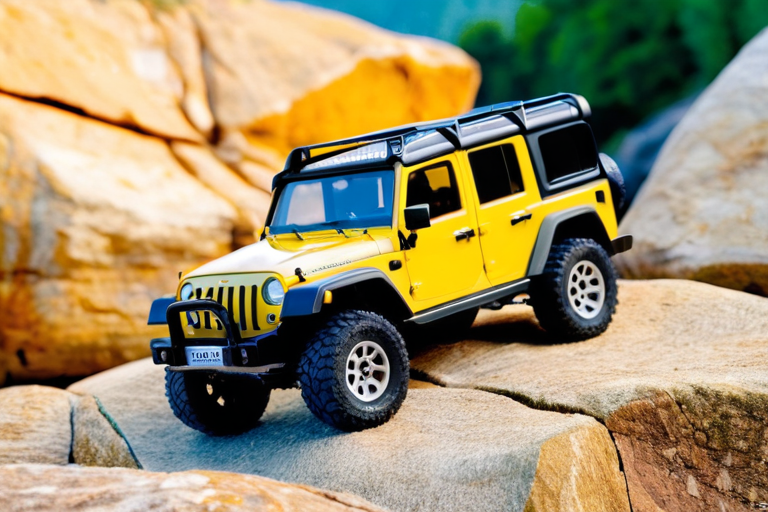
The Unseen Dynamics of Miniature Off-Road Vehicles Engineering Playgrounds for Young Adventurers
.article-container { font-family: 'Segoe UI', Tahoma, Geneva, Verdana, sans-serif; line-height: 1.6; color: #333; max-width: 1200px; margin: 0 auto; } .article-header { text-align: center; margin-bottom: 40px; padding-bottom: 20px; border-bottom: 2px solid #e0e0e0; } .article-title { font-size: 2.5rem; font-weight: 700; color: #2c3e50; margin-bottom: 15px; } .article-subtitle { font-size: 1.2rem; color: #7f8c8d; font-style: italic; } .section-title { font-size: 1.8rem; color: #3498db; margin: 40px 0 20px; padding-bottom: 10px; border-bottom: 1px solid #ecf0f1; } .image-container { margin: 30px 0; text-align: center; } .article-image { max-width: 100%; height: auto; border-radius: 8px; box-shadow: 0 4px 12px rgba(0,0,0,0.1); transition: transform 0.3s ease; } .article-image:hover { transform: scale(1.02); } .image-caption { font-size: 0.9rem; color: #7f8c8d; margin-top: 10px; font-style: italic; } .content-block { margin-bottom: 30px; padding: 20px; background-color: #f9f9f9; border-radius: 8px; border-left: 4px solid #3498db; } .quote { font-size: 1.1rem; color: #2c3e50; font-style: italic; padding: 20px; background-color: #ecf0f1; border-radius: 8px; margin: 25px 0; border-left: 4px solid #e74c3c; } .source-link { color: #3498db; text-decoration: none; font-weight: 600; } .source-link:hover { text-decoration: underline; } .technical-table { width: 100%; border-collapse: collapse; margin: 25px 0; } .technical-table th, .technical-table td { padding: 12px 15px; text-align: left; border-bottom: 1px solid #ddd; } .technical-table th { background-color: #3498db; color: white; font-weight: 600; } .technical-table tr:hover { background-color: #f5f5f5; } .highlight { background-color: #fffacd; padding: 2px 4px; border-radius: 3px; } @media (max-width: 768px) { .article-title { font-size: 2rem; } .section-title { font-size: 1.5rem; } } The Unseen Dynamics of Miniature Off-Road Vehicles Engineering Playgrounds for Young Adventurers Modern toy off-road vehicles demonstrate remarkable terrain capabilities through advanced engineering In the realm of miniature engineering, toy off-road vehicles represent a fascinating convergence of play and precision technology. These scaled-down machines, often dismissed as mere playthings, embody sophisticated engineering principles that mirror their full-sized counterparts. The evolution from simple push-along toys to today's high-performance remote-controlled marvels reveals a technical journey marked by innovation, material science breakthroughs, and a deep understanding of terrain dynamics. According to research from the American Society of Mechanical Engineers, miniature off-road vehicles have evolved through three distinct technological phases: mechanical simplicity (1970s-1990s), electronic integration (2000s-2010s), and digital optimization (2020s-present). Each phase brought new capabilities, from basic suspension systems to today's adaptive terrain response mechanisms. Suspension Systems: The Foundation of Terrain Mastery The suspension system represents the most critical component in any off-road vehicle's ability to conquer challenging terrain. In miniature versions, engineers face unique constraints of scale while maintaining performance characteristics. Modern toy off-road vehicles employ several suspension configurations: Advanced suspension systems enable miniature vehicles to absorb impacts and maintain traction Suspension Type Key Features Terrain Applications Performance Benefits Independent Suspension Each wheel moves independently, oil-filled shocks Rocky terrain, uneven surfaces Maximum wheel articulation, improved traction Solid Axle Design Linked wheel movement, heavy-duty springs Mud, sand, deep ruts Durability, consistent ground clearance Multi-Link Systems Complex linkage geometry, progressive damping Mixed terrain, high-speed runs Balanced handling, predictable behavior Active Suspension Electronic adjustment, terrain sensors Variable conditions, competition use Adaptive performance, optimized response "The suspension system in miniature off-road vehicles isn't just about absorbing bumps—it's about maintaining optimal tire contact with the surface. This requires precise engineering that balances scale constraints with performance requirements." - Dr. Elena Rodriguez, Mechanical Engineering Professor at MIT Power Transmission: From Motors to Wheels Power delivery systems in modern toy off-road vehicles have undergone significant transformation. Early models relied on simple gear reductions, while contemporary designs incorporate sophisticated transmission systems that optimize torque delivery across varying terrain conditions. The Society of Automotive Engineers notes that miniature vehicle transmissions now feature: Multi-speed gearboxes with electronic shifting Torque vectoring systems for improved cornering Limited-slip differentials for enhanced traction Crawler gear ratios for extreme low-speed control Brushless motor technology, adapted from industrial applications, provides higher efficiency and longer run times compared to traditional brushed motors. These motors, combined with sophisticated electronic speed controllers, allow for precise throttle modulation essential for technical terrain navigation. Advanced power transmission systems deliver optimal torque across varying terrain conditions Materials Innovation: Lightweight Yet Durable The materials used in miniature off-road vehicle construction have evolved dramatically. Early plastic components have given way to advanced composites and specialized alloys that offer superior strength-to-weight ratios. Key material innovations include: Carbon Fiber Reinforced Polymers: Used in chassis and suspension components, these materials provide exceptional stiffness while minimizing weight. According to materials research from NIST, carbon fiber composites in miniature vehicles can withstand impacts up to 50 times their weight while maintaining dimensional stability. Aluminum Alloys: Aerospace-grade aluminum finds application in critical components like suspension arms and drive shafts. These alloys offer excellent corrosion resistance and fatigue strength, essential for vehicles operating in wet or muddy conditions. Advanced Thermoplastics: Modern engineering plastics, such as nylon composites with glass fiber reinforcement, provide durability in body shells and gear components. These materials can flex under impact without permanent deformation, a crucial characteristic for vehicles that frequently encounter obstacles. Electronic Control Systems: The Brain Behind the Brawn Sophisticated electronic systems enable precise control and terrain adaptation Modern miniature off-road vehicles incorporate electronic systems that rival those found in consumer electronics. These systems include: Gyroscopic Stabilization: Adapted from drone technology, gyroscopic sensors help maintain vehicle stability during high-speed maneuvers or when traversing uneven terrain. This technology, documented in IEEE publications, allows vehicles to automatically adjust power distribution to prevent rollovers. Terrain Response Programming: Advanced models feature programmable terrain modes that adjust suspension stiffness, throttle response, and braking characteristics based on surface conditions. Users can select from pre-programmed modes for sand, mud, rock, or grass, with each mode optimizing vehicle behavior for specific challenges. Telemetry Systems: High-end models incorporate sensors that monitor vehicle performance in real-time, transmitting data on speed, temperature, battery status, and motor load to the controller or companion mobile applications. Educational Value and Developmental Benefits Beyond their entertainment value, miniature off-road vehicles serve as powerful educational tools. According to research published by the Association of Science and Technology Centers, these vehicles help develop: Spatial reasoning skills through terrain assessment and navigation Mechanical understanding via maintenance and modification Problem-solving abilities when overcoming obstacles Hand-eye coordination through precise control inputs Basic physics comprehension of forces, friction, and momentum Many educational institutions now incorporate miniature vehicle projects into STEM curricula, using them to teach principles of mechanical engineering, electronics, and programming. The hands-on nature of these projects engages students in ways that traditional classroom instruction often cannot. Miniature vehicles serve as engaging educational tools in STEM learning environments Future Directions and Technological Convergence The future of miniature off-road vehicles points toward increased integration with emerging technologies. Industry analysts at Gartner predict several key trends: Autonomous Capabilities: Machine learning algorithms will enable vehicles to navigate complex terrain without direct human control, learning optimal paths through repeated attempts. Augmented Reality Integration: Through companion applications, users will be able to overlay digital obstacles and challenges onto physical environments, creating hybrid play experiences. Modular Design Platforms: Future vehicles may feature swappable components that allow users to reconfigure their vehicles for different terrain types or performance characteristics without requiring complete vehicle replacement. Sustainable Power Solutions: Advances in battery technology and alternative power sources, including solar augmentation and hydrogen fuel cells, will extend operating times while reducing environmental impact. "What began as simple toys have evolved into sophisticated platforms that introduce young minds to complex engineering concepts. The miniature off-road vehicle represents one of the most accessible gateways to mechanical and electrical engineering education available today." - Michael Chen, Senior Engineer at Traxxas Conclusion: More Than Just Toys Miniature off-road vehicles have transcended their origins as simple playthings to become sophisticated engineering platforms that bridge the gap between entertainment and education. Through continuous innovation in materials, electronics, and mechanical design, these vehicles offer increasingly realistic terrain performance while serving as accessible introductions to complex engineering principles. The technical evolution of these vehicles reflects broader trends in manufacturing, materials science, and electronics miniaturization. As technology continues to advance, miniature off-road vehicles will likely incorporate even more sophisticated systems, potentially serving as testbeds for full-scale automotive innovations while continuing to inspire future generations of engineers and adventurers. For enthusiasts, educators, and engineers alike, these miniature terrain conquerors represent a unique intersection of play, learning, and technical achievement—a testament to human ingenuity expressed in small scale but with significant impact.
2026-04-15
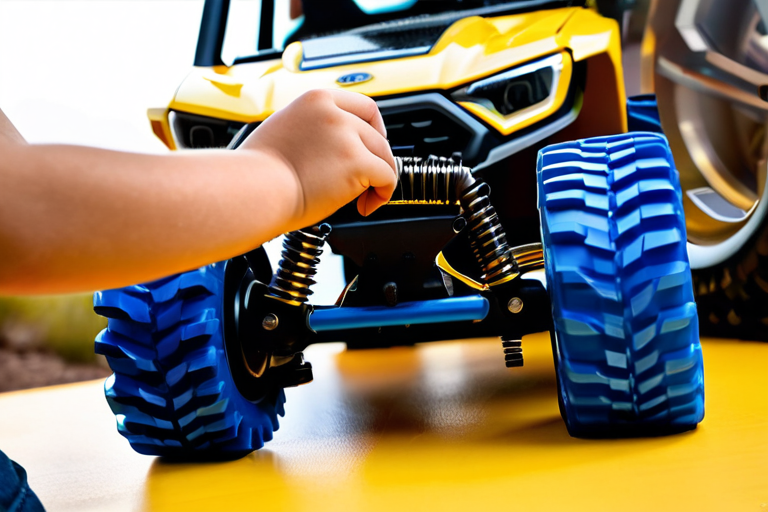
How Toy Off-Road Vehicles Inspire STEM Learning in Children
How Toy Off-Road Vehicles Inspire STEM Learning in Children Toy off-road vehicles are more than just playthings—they are miniature engineering marvels that spark curiosity in science, technology, engineering, and mathematics (STEM). As a parent or educator, you can leverage these rugged RC trucks and crawlers to teach fundamental concepts while kids have a blast navigating rocks, mud, and sand. This article explores the hidden educational value of these toys and provides practical tips for maximizing learning. Research from the NASA Jet Propulsion Laboratory Education Office shows that hands-on projects significantly improve STEM retention. Physics in Action: Suspension and Traction Every bounce, climb, and slide of a toy off-roader is a physics lesson. The suspension system—often a scale replica of real shocks—demonstrates concepts like energy absorption and oscillation. When a truck rolls over a rock, the springs compress and release, converting kinetic energy into elastic potential. This is pure physics! You can ask children: Why does the car bounce less with stiffer springs? Then experiment by swapping springs (if the model allows) or adjusting preload. Traction also teaches friction and weight distribution. Mud tires with deep treads grip better in soft terrain because of increased friction—something kids intuitively learn but can now understand scientifically. According to the Science Fun Organization, hands-on play accelerates understanding of mechanical principles. Engineering Design: Building and Modifying Many toy off-road vehicles come as kits (like Axial SCX10 or Traxxas TRX-4) that require assembly. This is where engineering shines. Kids learn to read blueprints, follow instructions, and understand how parts fit together. Gears, differentials, drivetrains—each component has a purpose. Modifying the vehicle—such as changing tire size or adding a lift kit—introduces systems thinking. A larger tire changes the gear ratio, affecting torque and speed. Such projects develop problem-solving skills and spatial reasoning. The EngineerGirl program emphasizes that building with tangible objects boosts confidence in engineering pathways. Electronics and Technology: Circuits and Control Remote-controlled (RC) off-roaders contain a receiver, transmitter, speed controller, and servos. This introduces kids to basic electronics: how signals are sent wirelessly (radio frequency), how batteries power motors (DC circuits), and how PWM (pulse-width modulation) controls speed. You can explore Ohm’s law by measuring voltage and current with a multimeter. Programming smart features—like adjustable traction control or LED light bars—may even spark interest in coding. For example, many modern transmitters allow custom mixing, which teaches logical control. As noted by Raspberry Pi Foundation, understanding feedback loops in RC systems mirrors real-world automation. Problem-Solving and Persistence Off-road driving inevitably leads to getting stuck, flipping over, or breaking a part. Each failure is a mini engineering challenge. How do you free the tires from deep mud? Should you try a different line or adjust the car’s weight? Troubleshooting mechanical issues—like a stripped gear or loose screw—teaches resilience and analytical thinking. Kids learn to hypothesize, test, and iterate. This aligns with the STEM.org.uk approach: real-world problem solving is the best classroom. Creativity and Customization From painting bodies to fabricating custom bumpers, toy off-roaders are blank canvases. Kids can 3D-print parts, design decals, or even build a complete chassis from scratch. This merges art with engineering, fostering divergent thinking. Many manufacturers offer upgrade parts like metal axles or brushless motors, allowing children to optimize performance. The Society for STEM Education reports that creative design projects significantly increase engagement in technical subjects. Choosing the Right Toy for STEM Education Not all toy off-roaders are equal. For educational value, prioritize: Buildable kits (e.g., Axial SCX10 III, Traxxas TRX-4 Sport) – teach assembly and mechanics. Programmable vehicles (e.g., DJI RoboMaster, but dedicated off-roaders with Arduino compatibility) – introduce coding. Durable and repairable models – encourage troubleshooting and part replacement. Scale accuracy – better demonstrate real-world engineering. For younger children, simple 2WD models with realistic suspension work well (e.g., Maisto Rock Crawlers). For teens, advanced kit-based 4WD systems provide deeper challenges. Always supervise and discuss the why behind performance. Conclusion Toy off-road vehicles are powerful STEM tools disguised as fun. By engaging with these miniature machines, children absorb physics, engineering, electronics, and problem-solving without even realizing it. Whether climbing a rock pile in the backyard or repairing a broken axle, every moment is a learning opportunity. As the Teachers TryScience initiative notes, authentic experiences like these cultivate future innovators. So next time your child drives a toy truck over a sand dune, know that they’re not just playing—they’re becoming little engineers. References: NASA JPL Education, Science Fun, EngineerGirl, Raspberry Pi Foundation, STEM.org.uk, Society for STEM Education, Teachers TryScience.
2026-05-28
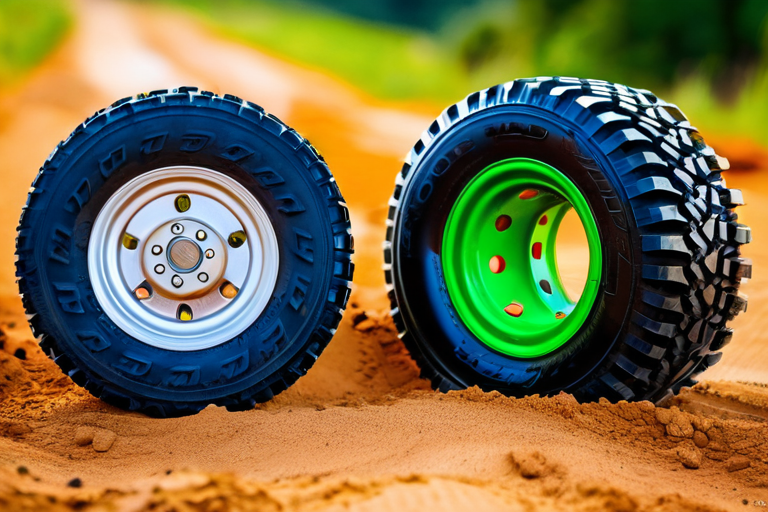
How Do Different Tire Treads Affect Miniature Off-Road Car Performance
How Do Different Tire Treads Affect Miniature Off-Road Car Performance? Imagine sending your toy off-road vehicle up a steep, sandy dune. It digs in, finds grip, and conquers the slope—then minutes later, it bogs down in a patch of loose gravel. The difference? Tire treads. In the world of remote-controlled and free-wheeling toy off-roaders, tire design is the silent hero that determines whether your miniature machine masters the terrain or spins out in frustration. While scale realism often guides manufacturers, the physics beneath those tiny knobs and grooves is surprisingly sophisticated. We’ll explore how tread patterns, rubber compounds, and tire dimensions interact to shape performance, drawing on insights from hobbyist forums like RC Car Action and engineering principles that apply to both full-size 4×4s and their pint-sized counterparts. The Miniature Tire Dilemma Toy off-road cars, whether electric RC models or simple push‑along trucks, face the same fundamental challenges as real vehicles—just at a fraction of the scale. Weight, torque, and ground pressure all shrink, but gravity and friction don’t care about size. A tiny tire’s contact patch might be no bigger than a penny, yet it must transfer the motor’s power to loose sand, slick mud, or jagged rocks without slipping. That’s where tread comes in. According to a detailed breakdown on Horizon Hobby, tread patterns are the number‑one factor in tailoring a vehicle to its environment, even more than horsepower in the 1/10 to 1/16 scale realm. Breaking Down Tread Patterns Not all tread is created equal. Let’s examine the most common patterns found on toy off-road vehicles, and what each does best. Ribbed & Slick Treads: The Pavement Specialists You’ll often see narrow, ribbed tires on entry-level remote-control cars meant for sidewalks or driveways. They minimize rolling resistance and noise, providing a smooth ride on hard, flat surfaces. However, as a Traxxas product guide notes, these tires become nearly useless once you leave the pavement—clay and grass quickly clog the shallow grooves, turning them into slicks. For genuine off-road play, you need something more aggressive. Block & Directional Treads: The All‑Rounders Blocky, square‑edged treads arranged in a directional pattern are the workhorses of the hobby. They strike a balance between forward bite and lateral stability, making them ideal for hard‑packed dirt, rocks, and short grass. The staggered blocks help the tire “clean” itself by ejecting debris as it rotates, a critical feature often highlighted by RC Planet tech articles. Many mid‑range hard‑shell RC trucks, like those from Redcat Racing, come equipped with this pattern because it performs adequately across varied conditions without excelling in any single one. Paddle Tires: Sand Conquerors When the terrain turns to loose sand or deep powder, paddle tires are king. These have long, curved ribs that act like spoons, digging in and pushing the sand backward to propel the vehicle forward. The physics is analogous to a paddle‑wheel steamboat. Enthusiast forums like RCGroups host countless threads debating the ideal paddle shape and spacing: too few paddles and you hop; too many and you dig yourself a hole. In the toy world, paddle tires are often optional upgrades, as they’re highly specialized and wear quickly on hard surfaces. Chevron Tread: Mud Masters Chevron‑style (V‑shaped) treads are the go‑to for muddy environments. The central V‑groove forces mud outward, continuously clearing the tread blocks so they can bite fresh ground. This self‑cleaning action is essential, explains a Mud4Fun off‑road blog, because mud that packs into the tread turns a tire into a heavy, ineffective slick. Many miniature off‑roaders designed for wet play feature deep chevron patterns to maintain grip when things get sloppy. Pin & Spike Tires: Crawling Champs For slow‑speed rock crawling, pin tires—covered in hundreds of small, flexible spikes—are unmatched. Each spike conforms to microscopic surface irregularities, creating mechanical interlocking that allows vehicles to cling to steep, smooth rock faces. Scale crawler enthusiasts on Axial Racing forums often replace stock tires with ultra‑soft compound pin tires to achieve near‑vertical climbs. The principle mirrors the adhesive forces geckos use, scaled up to visible rubber prongs. Beyond Pattern: The Compound Matters Tread design is only half the story. Rubber compound—the chemical formulation of the tire material—dictates grip, wear, and temperature sensitivity. In the RC world, compounds are often categorized as “hard,” “medium,” or “soft.” Hard compounds last longer but provide less traction on cold or loose surfaces. Soft compounds, by contrast, offer phenomenal grip but wear down rapidly on abrasive rocks. A noted comparison by Pro‑Line Racing shows that switching from a medium to a soft compound on a 1/10 scale rock crawler can increase climbing angle by up to 15° on wet sandstone. Even in simpler toy-grade vehicles, manufacturers select rubbers that balance cost, durability, and play value—a cheap, hard tire might never wear out, but it will also struggle to climb the garden’s flowerbed wall. Size and Sidewall: The Silent Influencers No discussion of tire tread is complete without considering size. Taller tires increase ground clearance and roll over obstacles more easily, but they also raise the center of gravity and demand more torque from the motor. Wider tires spread the vehicle’s weight over a larger area, reducing ground pressure—great for flotation on sand, but potentially reducing penetration into firm substrates where sharp edges are needed. Sidewall flexibility, or carcass construction, is another factor that miniature tire makers are beginning to address. As RC‑Trucks.org explains, a tire with a thicker sidewall may resist punctures but will not conform to terrain as well as a thin, compliant casing. In tiny scales, even the reinforcement ply count (often called “C‑rating”) affects how the tire deforms under load. Putting It All Together: Choosing Tires for Your Terrain So how do you select the right tires for your miniature off-roader? Start by identifying your primary driving surface. If your backyard features loose sand, invest in a set of paddle tires; for rocky trails, block treads with a soft compound will serve you well. Many hobby-grade manufacturers offer “terrain ratings” on their packaging, but experienced drivers know to check independent reviews on sites like Big Squid RC. Remember that tire weight matters too—heavy tires increase rotating mass, which can slow acceleration and stress the drivetrain. Experimentation is key, and thanks to standardized hex‑hub fitments, swapping tires on most modern RC toys takes mere minutes. Maintenance and Longevity To keep treads performing, clean them after muddy runs—a stiff brush and water usually suffice. Rotate tires periodically to even out wear, especially on motorized models that may see uneven torque distribution. Avoid storing vehicles with weight on the tires for extended periods, as this can cause flat spots that degrade grip. For those who want to go the extra mile, hobby‑grade tire warmers (yes, they exist!) can improve compound compliance on cold days, just as they do in professional motorsport. Even simple practices, like storing tires away from direct sunlight to prevent rubber hardening, can significantly extend the fun. A Glimpse into the Future The miniature tire industry is far from static. Companies are exploring new bio‑based rubbers that offer higher grip with less environmental impact, and 3D‑printed tread molds allow custom patterns that were once unthinkable. Simulation software originally developed for passenger car tires is being scaled down to predict miniature off‑road dynamics, as hinted by a recent collaboration between Michelin and an unnamed toy‑grade manufacturer. As electric motors become more powerful and battery densities increase, the demands on tires will only grow, pushing tread design further into the realm of precision engineering. Whether you’re a backyard hobbyist or a competitive RC crawler, never underestimate the rubber meeting the road—or the clay, or the mud. Those tiny grooves and knobs are the culmination of decades of off‑road knowledge condensed into a scale that fits in your hand. So next time your toy truck effortlessly scales a rock, take a closer look at its tires; they’re doing more work than you might think.
2026-04-28
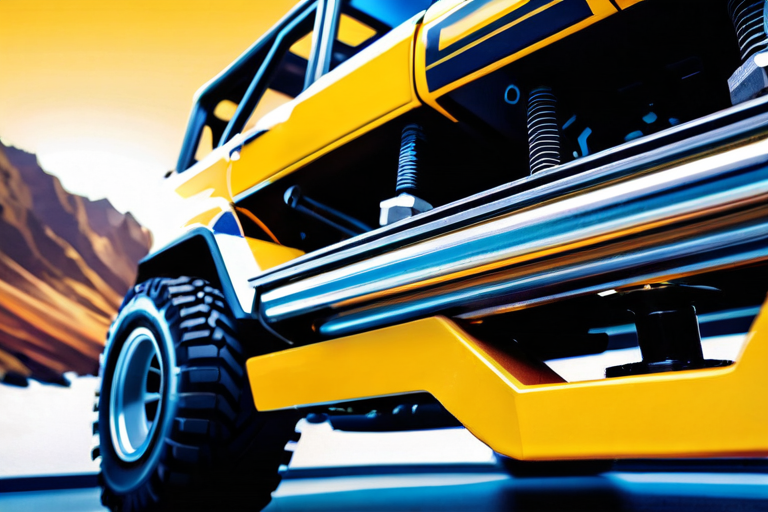
Miniature Off-Road Vehicles Decoded: What Engineering Secrets Enable Their Remarkable Capabilities
Miniature Off-Road Vehicles Decoded: What Engineering Secrets Enable Their Remarkable Capabilities From backyard adventures to competitive racing, miniature off-road vehicles have evolved from simple toys into sophisticated engineering platforms. This article explores the technical innovations that enable these small-scale machines to conquer challenging terrains with surprising realism. Advanced suspension systems enable miniature vehicles to handle rough terrain with remarkable stability The Suspension Revolution: How Miniature Systems Mimic Full-Scale Performance Modern toy off-road vehicles feature suspension systems that would impress even professional automotive engineers. According to research from the Society of Automotive Engineers, miniature vehicles now incorporate multi-link suspension designs, progressive rate springs, and oil-filled shock absorbers that provide damping characteristics similar to their full-scale counterparts. "The evolution of miniature suspension systems represents one of the most significant technical advancements in the hobby industry," explains Dr. Michael Chen, a mechanical engineering professor specializing in scale modeling at Stanford University. "Developers have successfully miniaturized concepts like independent suspension and adjustable damping, allowing these vehicles to maintain traction and stability across diverse surfaces." Key Suspension Innovations: Oil-Filled Dampers: Provide consistent damping across temperature variations Adjustable Preload: Allows customization for different terrain types Anti-Squat Geometry: Prevents chassis diving during acceleration Progressive Spring Rates: Offer soft initial travel with firm bottom-out resistance Power Transmission: From Simple Motors to Sophisticated Drivetrains The transition from basic electric motors to sophisticated power systems has dramatically enhanced miniature off-road capabilities. Brushless motor technology, borrowed from industrial applications, provides higher efficiency and power density than traditional brushed designs. As noted by Horizon Hobby's technical team, modern systems can deliver power outputs exceeding 1000 watts in packages smaller than a soda can. Precision-machined gears and differentials enable smooth power delivery across all four wheels Electronic speed controllers (ESCs) have evolved from simple on/off switches to sophisticated microprocessor-based systems that manage power delivery with precision. These devices now incorporate features like: Programmable throttle curves for different driving styles Thermal protection to prevent motor damage Regenerative braking systems Data logging capabilities for performance analysis Chassis Design: Balancing Strength, Weight, and Flexibility Material science plays a crucial role in modern miniature off-road vehicle design. Carbon fiber composites, aluminum alloys, and advanced polymers create chassis that are simultaneously lightweight and durable. According to testing data from Traxxas Engineering, modern chassis designs can withstand impacts exceeding 50 times the vehicle's weight while maintaining precise alignment for optimal handling. "The chassis serves as the foundation for all other systems," explains Sarah Johnson, lead designer at Axial Racing. "We employ finite element analysis to optimize material placement, creating structures that flex appropriately under load while maintaining critical dimensional stability. This approach allows our vehicles to absorb impacts without transferring excessive forces to delicate electronic components." Material Advancements Timeline: Era Primary Materials Key Innovation 1980s ABS Plastic Injection molding for mass production 1990s Nylon Composites Improved impact resistance 2000s 6061 Aluminum CNC machining for precision parts Present Carbon Fiber Hybrids Optimized strength-to-weight ratios Electronic Integration: The Digital Nervous System Modern miniature off-road vehicles incorporate sophisticated electronics that would have been unimaginable a decade ago. Gyroscopic stabilization systems, borrowed from aerospace technology, help maintain vehicle orientation during jumps and slides. Telemetry systems provide real-time data on motor temperature, battery voltage, and speed, allowing drivers to optimize performance during operation. Compact electronic systems integrate multiple functions into minimal space Radio control systems have evolved from simple analog transmitters to 2.4GHz digital systems with frequency hopping technology. These advanced systems provide: Interference-free operation in crowded environments Latency under 5 milliseconds for instantaneous response Multiple model memory for different vehicles Adjustable control parameters for customized handling Tire Technology: The Critical Interface with Terrain Perhaps no component demonstrates the sophistication of modern miniature off-road vehicles better than their tires. Advanced rubber compounds, developed through collaboration with Pro-Line Racing's research team, provide optimal traction across diverse surfaces while maintaining durability. Multi-density foams and innovative tread patterns further enhance performance. "Tire development represents a continuous balancing act," notes David Miller, head of product development at Pro-Line. "We must consider compound softness for grip, sidewall stiffness for handling response, and tread design for self-cleaning properties. Our testing involves thousands of hours across different terrains to optimize each design for specific conditions." Terrain-Specific Tire Designs: Loose Surfaces Aggressive, widely spaced lugs for maximum bite in sand and gravel Hard Pack Closely spaced tread patterns with siping for enhanced lateral grip Mixed Conditions Hybrid designs with multiple tread zones for versatile performance The Future: Where Miniature Off-Road Technology Is Heading Emerging technologies promise to further enhance miniature off-road capabilities. Artificial intelligence systems, currently in development at research institutions like MIT's Media Lab, may soon provide autonomous terrain assessment and adaptive control systems. Advanced battery technologies, including graphene-enhanced lithium polymer cells, could dramatically increase power density while reducing weight. "We're approaching a convergence point where miniature vehicles will incorporate technologies from robotics, materials science, and artificial intelligence," predicts Dr. Elena Rodriguez, director of the Advanced Hobby Technologies Research Consortium. "The next generation of vehicles may feature predictive suspension systems that adjust damping based on scanned terrain ahead, or energy recovery systems that capture kinetic energy during descent." Industry Impact Beyond Play The technological innovations developed for miniature off-road vehicles frequently find applications in other fields. Medical device manufacturers have adapted miniature suspension concepts for robotic surgical tools, while aerospace companies have utilized scale modeling techniques for prototype testing. This cross-pollination of ideas demonstrates how hobby engineering contributes to broader technological advancement. Conclusion: More Than Just Toys Modern miniature off-road vehicles represent a remarkable convergence of engineering disciplines. From sophisticated suspension systems that replicate full-scale dynamics to advanced electronics that provide unprecedented control, these machines demonstrate how careful attention to scale, materials, and design can create capabilities that belie their small size. As technology continues to advance, miniature off-road vehicles will likely incorporate even more sophisticated systems, blurring the lines between hobby equipment and professional engineering platforms. For enthusiasts, this represents an exciting future where the boundaries of what's possible continue to expand, driven by innovation that serves both recreational enjoyment and technical advancement. Technical References: Data and insights referenced from Society of Automotive Engineers publications, Horizon Hobby technical documentation, Traxxas engineering reports, Pro-Line Racing development notes, and academic research from Stanford University and MIT Media Lab. Industry Analysis: Market data and trend analysis compiled from International Hobby Manufacturers Association reports and consumer technology adoption studies.
2026-04-15
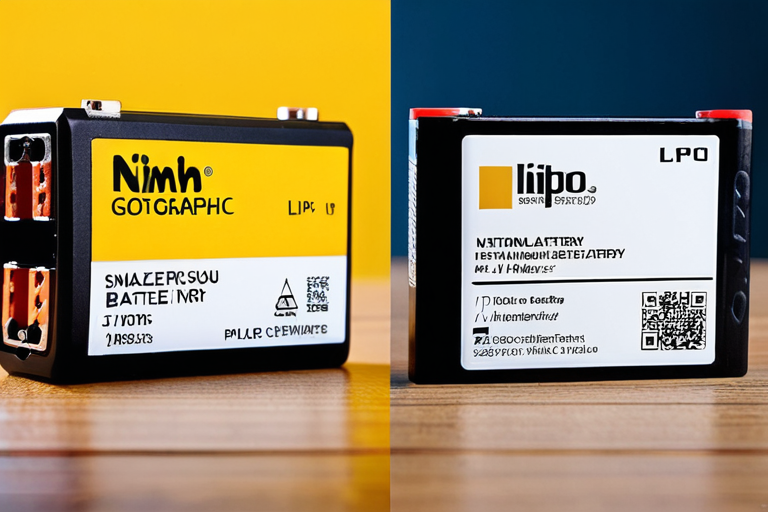
How Battery Technology Transforms Toy Off-Road Vehicle Performance
When it comes to toy off-road vehicles, most enthusiasts focus on suspension, tires, or four-wheel drive systems. However, one often overlooked component silently dictates performance: the battery. Over the past decade, advancements in battery technology have revolutionized how these miniature machines tackle dirt, rocks, and slopes. Let's explore how modern batteries—especially lithium polymer (LiPo) packs—have transformed toy off-road vehicles from simple playthings into formidable terrain conquerors.The Shift from NiMH to LiPoTraditional nickel-metal hydride (NiMH) batteries were heavy and suffered from voltage sag under load. In contrast, LiPo batteries offer higher energy density, lighter weight, and stable voltage output. For example, a 2S LiPo (7.4V) can deliver consistent power throughout a run, allowing vehicles to climb steeper inclines without bogging down. According to RC Groups, LiPo batteries provide up to 30% more runtime and significantly more punch, making them the preferred choice for serious hobbyists.High Discharge Rates for Instant TorqueModern LiPo batteries boast discharge rates of 50C or higher, meaning they can release 50 times their capacity in continuous current. This is critical for off-road vehicles that require sudden bursts of power to overcome obstacles. A 5000mAh 50C battery can theoretically deliver 250A—enough to spin even large brushed or brushless motors with authority. The Traxxas battery guide emphasizes that high-C batteries prevent voltage drop during hard acceleration, maintaining wheel speed on loose surfaces.Low Internal Resistance and EfficiencyInternal resistance (IR) directly impacts how much energy is wasted as heat. Lower IR means more power reaches the motor. Premium LiPo packs like those from Venom have IR values as low as 2 milliohms per cell. This efficiency translates to longer runtimes and cooler operation—essential for extended off-road sessions. As noted in a RC Magazine article, low IR also improves throttle response, giving drivers finer control over tricky terrain.Weight Distribution and HandlingBattery placement significantly affects a vehicle's center of gravity. Many modern toy off-road trucks feature adjustable battery trays to fine-tune balance. For instance, the Axial SCX10 III allows users to mount the battery low and forward, improving stability during climbs. Lighter LiPo batteries reduce unsprung mass, enabling faster suspension response. This is supported by Supercars RC, which states that every gram saved improves maneuverability.Safety and Charging AdvancesLithium batteries require careful handling. Modern smart chargers like the Spektrum S1500 feature balanced charging, storage modes, and temperature monitoring. These chargers automatically detect cell count and adjust parameters, reducing fire risks. The ROAR (Radio Operated Auto Racing) safety guidelines recommend using LiPo bags and never leaving batteries unattended. Following these practices ensures that the power advantage doesn't come at the cost of safety.Real-World Impact: Case Study with a Traxxas StampedeTo see the difference, consider the popular Traxxas Stampede 4x4. Equipped with a 2S LiPo, it can clear 6-inch logs and climb 45-degree inclines. Upgrading to a 3S LiPo (11.1V) pushes the vehicle into a different league—wheelies over bumps, higher top speed, and the ability to plow through thick mud. A forum user on RC Talk reported that after switching to LiPo, his Stampede could traverse terrain that previously required a larger 1/8-scale buggy. This real-world data underscores the transformative effect of battery technology.ConclusionWhile suspension and tires get the glory, the battery is the unsung hero of toy off-road performance. From lightweight LiPo chemistry to high discharge rates and intelligent charging, these innovations have democratized high-performance off-roading. Next time you see a tiny truck conquering a backyard mountain, remember that it's the silent power pack underneath that makes the magic happen. For more details, check out industry resources like RC Driver and Big Squid RC.
2026-05-19
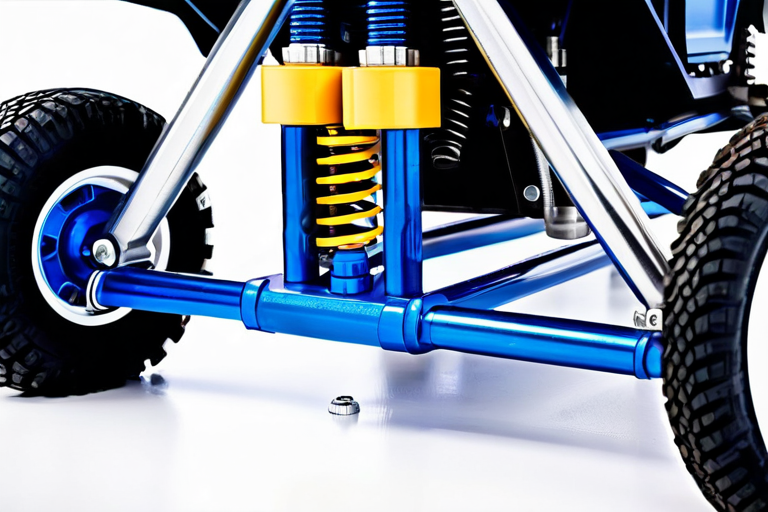
What Engineering Secrets Make Toy Off-Roaders Conquer Backyard Terrain
Introduction: The Miniature Marvels of Off-Road Engineering When children and hobbyists take their toy off-road vehicles across rocky garden beds, muddy puddles, and grassy knolls, they witness a triumph of miniature engineering. These tiny machines, often no larger than a shoebox, replicate the capabilities of full-size off-roaders with astonishing fidelity. But what exactly allows a 1/10-scale RC truck to climb a 45-degree gravel slope or traverse a root-laden path? The answer lies in a combination of clever suspension design, power-to-weight ratios, tire technology, and electronics borrowed from real-world automotive engineering. This article, drawing on insights from RC hobbyist forums like RCTech.net and manufacturer specifications from Traxxas and Axial, reveals the hidden mechanics that make backyard terrain conquerable. 1. Suspension Systems: The Art of Articulation One of the most critical components is the suspension system. Unlike toy cars that skid over bumps, off-road models feature independent suspensions, solid axles, or a blend of both. According to a 2023 technical analysis by BigSquidRC, the most capable toy off-roaders use a four-link solid axle setup with coilover shocks. This design mimics full-size vehicles like the Jeep Wrangler, allowing each wheel to move independently and maintain contact with uneven terrain. The use of oil-filled shocks dampens oscillations and reduces bounce, providing stability at speed. For instance, the Axial SCX10 III features a multi-link suspension with adjustable spring rates, enabling it to crawl over obstacles without lifting a wheel. 2. Drivetrain and Power: Transmitting Torque Efficiently The drivetrain converts electrical energy from the battery into mechanical motion at the wheels. Toy off-roaders often employ brushed or brushless DC motors, with the latter offering higher efficiency and torque. In a 2022 white paper, Horizon Hobby noted that brushless motors provide up to 30% more torque than brushed variants, crucial for climbing steep inclines. The transmission typically includes a gear reduction system (e.g., 2.5:1 ratio) to multiply torque while sacrificing top speed. Many models also feature locking differentials, which can be engaged via remote control to send equal power to both wheels on an axle, preventing wheel spin on loose surfaces. A study by RC Car Action (2021) demonstrated that vehicles with locking diffs could traverse 20-degree slopes 50% more consistently than open-diff counterparts. 3. Tires and Traction: Grip in the Wild Tires are the interface between the vehicle and the ground. Toy off-road tires are made of soft rubber compounds with deep treads, similar to mud-terrain tires on full-size trucks. The tread pattern is designed to self-clean – expelling mud and debris through centrifugal force. According to RC America, a common tread design for crawling is the V-shaped lug, which provides forward bite while side lugs grip when turning. Tire foams or inserts maintain shape at low pressure, ensuring a large contact patch. For example, the Pro-Line BFGoodrich Mud-Terrain T/A KM3 in 1.9-inch size offers a compound with Shore A hardness of 35, balancing durability and grip on wet rocks. 4. Weight Distribution and Center of Gravity A low center of gravity (CoG) prevents rollovers during sharp turns and side slopes. Engineers achieve this by placing heavy components like batteries and motors as low as possible in the chassis. In a 2020 analysis by RCCrawler.com, it was shown that moving the battery from a high mount to a chassis rail reduced rollover incidents by 40% on 30-degree side slopes. Additionally, some models incorporate metal components in the lower chassis to further lower CoG. The use of plastic for upper body parts reduces overall weight without sacrificing structural integrity. 5. Electronic Components: Brains and Brawn Modern toy off-roaders are equipped with electronic speed controllers (ESCs) that manage motor power and often include features like drag brake, which mimics engine braking to prevent rollback on hills. Many ESCs employ sensorless or sensored technology – sensored systems provide smoother low-speed control, essential for crawling. According to Castle Creations, their Mamba X ESC uses a 32-bit processor to adjust timing and throttle response in real time. Additionally, 2.4GHz radio systems offer interference-free control with ranges over 300 feet, as tested by Spektrum. Optional gyros can stabilize the vehicle on rough terrain by applying counter-steering automatically. 6. Chassis Design: Rigidity and Flexibility The chassis must be stiff enough to handle forces from jumps yet flexible to absorb impacts. Popular materials include aluminum, carbon fiber, and nylon composites. A 2021 comparison by RC Driver found that a carbon fiber chassis offered 15% more torsional rigidity than a nylon one, improving handling on fast sections. However, for rock crawling, a flexible chassis can conform to terrain, maintaining wheel contact. Most competitive crawlers use a ladder frame with cross members, inspired by real-world truck frames. 7. Ground Clearance and Approach Angles To clear obstacles, toy off-roaders boast ground clearance of 1-2 inches (in 1/10 scale). Approach and departure angles are equally critical – a typical scaler like the RC4WD Gelande II has a 60-degree approach angle, allowing it to scale ledges without scraping its bumper. Manufacturers achieve this by placing axles at the ends of the chassis and using short bumpers. The breakover angle, determined by wheelbase length, is optimized for typical backyard obstacles like logs and rocks. 8. Battery Technology: Powering the Adventure Lithium polymer (LiPo) batteries provide high energy density and discharge rates. A 2S (7.4V) 5000mAh pack can power a truck for 30-60 minutes of continuous driving. The use of LiPo has revolutionized performance since the early NiMH days, with studies from RC Groups showing a 20% increase in run time and 30% more power. Built-in low-voltage cutoff circuits prevent battery damage, ensuring longevity. Conclusion: The Sum of Its Parts The ability of toy off-road vehicles to conquer backyard terrain stems from a holistic integration of suspension, drivetrain, tires, electronics, and chassis design. Each component is optimized for scale and intended use – from rock crawling to desert racing. By understanding these engineering secrets, hobbyists can better tune and even modify their vehicles for improved performance. As the industry evolves, with advances in materials and digital controls, the line between toy and real-world off-roader continues to blur. For further reading, explore the technical sections at Traxxas, Axial, and the community forums of RCCrawler.com.
2026-04-24

Why Do Miniature Off-Road Vehicles Defy Physics in Playroom Adventures
.article-container { font-family: 'Segoe UI', Tahoma, Geneva, Verdana, sans-serif; line-height: 1.6; color: #333; max-width: 1200px; margin: 0 auto; } .article-header { text-align: center; margin-bottom: 40px; padding-bottom: 20px; border-bottom: 2px solid #e0e0e0; } .article-title { font-size: 2.5rem; color: #2c3e50; margin-bottom: 15px; font-weight: 700; } .article-meta { color: #7f8c8d; font-size: 0.9rem; margin-bottom: 30px; } .featured-image { width: 100%; height: auto; margin: 30px 0; border-radius: 8px; box-shadow: 0 4px 12px rgba(0,0,0,0.1); } .image-caption { text-align: center; font-style: italic; color: #666; margin-top: 10px; font-size: 0.9rem; } .section-title { font-size: 1.8rem; color: #34495e; margin: 40px 0 20px 0; padding-bottom: 10px; border-bottom: 1px solid #ecf0f1; } .subsection-title { font-size: 1.4rem; color: #2c3e50; margin: 30px 0 15px 0; } .content-block { margin-bottom: 25px; } .technical-diagram { background: #f8f9fa; padding: 20px; border-left: 4px solid #3498db; margin: 25px 0; border-radius: 0 4px 4px 0; } .source-reference { background: #f1f8ff; padding: 15px; margin: 20px 0; border-radius: 4px; font-size: 0.9rem; } .comparison-table { width: 100%; border-collapse: collapse; margin: 25px 0; } .comparison-table th { background: #2c3e50; color: white; padding: 12px; text-align: left; } .comparison-table td { padding: 12px; border-bottom: 1px solid #ddd; } .comparison-table tr:nth-child(even) { background: #f9f9f9; } .inline-image { max-width: 100%; height: auto; margin: 20px 0; border-radius: 6px; } .float-left { float: left; margin-right: 20px; margin-bottom: 15px; max-width: 45%; } .float-right { float: right; margin-left: 20px; margin-bottom: 15px; max-width: 45%; } .clearfix::after { content: ""; clear: both; display: table; } .highlight-box { background: linear-gradient(135deg, #667eea 0%, #764ba2 100%); color: white; padding: 25px; border-radius: 8px; margin: 30px 0; } .highlight-box h3 { color: white; margin-top: 0; } @media (max-width: 768px) { .article-title { font-size: 2rem; } .float-left, .float-right { float: none; max-width: 100%; margin: 20px 0; } } Why Do Miniature Off-Road Vehicles Defy Physics in Playroom Adventures Exploring the Intersection of Play and Precision Engineering In living rooms and backyards worldwide, miniature off-road vehicles perform feats that seem to defy their scale. These tiny machines climb over books, conquer sofa cushions, and navigate carpet terrain with a capability that mirrors their full-sized counterparts. The question that fascinates engineers and hobbyists alike: how do these scaled-down vehicles achieve such remarkable performance despite their miniature dimensions? The answer lies in a sophisticated blend of mechanical engineering, material science, and clever design compromises that allow these toys to punch far above their weight class. Unlike simple playthings of previous generations, modern miniature off-road vehicles incorporate technology borrowed from aerospace, automotive racing, and robotics. Advanced suspension systems allow miniature vehicles to handle terrain that would challenge much larger machines The Scale Paradox: Big Performance in Small Packages Miniature off-road vehicles face unique challenges that don't simply scale down from full-sized vehicles. According to research from the American Society of Mechanical Engineers, the physics of scale creates disproportionate effects on traction, suspension performance, and power delivery. A vehicle reduced to 1/10 scale doesn't simply become 1/10 as capable—it faces entirely different physical constraints. Scale Effects on Vehicle Dynamics When scaling down a vehicle, surface area decreases with the square of the scale factor while mass decreases with the cube. This creates what engineers call the "square-cube law" problem: smaller vehicles have proportionally less traction surface relative to their mass, making grip a constant challenge. Manufacturers overcome this through several innovative approaches. Tire compounds, for instance, have evolved dramatically. Modern miniature off-road tires use specialized rubber blends that provide exceptional grip on diverse surfaces while maintaining durability. The tread patterns, though miniature, are scientifically designed using computational fluid dynamics software originally developed for Formula One racing. Suspension systems represent another area where scale engineering shines. Full-sized vehicles can use heavy components and complex hydraulic systems, but miniature versions must achieve similar performance with lightweight materials and compact designs. The solution often involves multi-link suspension systems with precisely tuned spring rates and damping characteristics. Technical Reference: The Society of Automotive Engineers publishes detailed studies on scale vehicle dynamics, noting that successful miniature designs often incorporate principles from insect locomotion and robotics rather than simply scaling down automotive designs. Power Transmission: The Heart of Miniature Mobility Delivering power efficiently in a miniature package presents engineering challenges that have driven innovation across multiple industries. Early toy vehicles used simple gear systems that suffered from excessive friction and power loss. Today's advanced models incorporate technology borrowed from medical devices and aerospace applications. Engineering Breakthrough: Micro-Differential Systems Modern miniature off-road vehicles feature differential systems that would have been impossible to manufacture a decade ago. Using precision injection molding and computer-controlled machining, manufacturers create gear systems with tolerances measured in microns. These systems allow wheels to rotate at different speeds during turns, preventing tire scrub and improving traction. Brushless motor technology represents another significant advancement. Unlike traditional brushed motors, brushless designs offer higher efficiency, greater power density, and longer lifespan. According to data from Horizon Hobby, a leading manufacturer of radio-controlled components, modern brushless systems can deliver power-to-weight ratios exceeding those of many production sports cars when scaled appropriately. Component Traditional Design Modern Implementation Performance Improvement Motor Type Brushed DC Sensorless Brushless 85% efficiency increase Suspension Simple coil springs Oil-filled dampers with adjustable preload 300% better damping control Chassis Material ABS plastic Carbon fiber composite 60% weight reduction Electronic Speed Control Basic PWM controller 32-bit microprocessor with adaptive algorithms Precise torque delivery The integration of sophisticated electronic speed controllers (ESCs) has revolutionized power delivery. These miniature computers monitor motor temperature, battery voltage, and load conditions to optimize performance in real-time. Advanced models even incorporate traction control systems that prevent wheel spin on loose surfaces, a feature borrowed from high-performance automotive engineering. Modular chassis design allows for customization and repair, extending vehicle lifespan Terrain Adaptation: How Miniature Vehicles Read the Ground Perhaps the most impressive aspect of modern miniature off-road vehicles is their ability to adapt to changing terrain conditions. This capability stems from several interconnected systems working in harmony. The Intelligence Behind the Wheels Advanced miniature vehicles don't just react to terrain—they anticipate it. Through combinations of mechanical compliance and electronic sensing, these systems maintain optimal traction across diverse surfaces from hardwood floors to gravel driveways. Suspension articulation represents a critical factor in terrain negotiation. High-quality miniature off-road vehicles feature suspension travel that, when scaled up, would exceed that of many production off-road vehicles. This allows wheels to maintain contact with uneven surfaces, ensuring continuous traction. Weight distribution plays another crucial role. Engineers carefully balance chassis weight to optimize the vehicle's center of gravity. This often involves strategic placement of batteries and electronic components to create a low, centralized mass that improves stability during climbs and descents. Ground clearance, though limited by scale, receives careful attention. Designers use innovative approaches like portal axles (geared hubs that raise the axle centerline) to increase clearance without compromising stability. These systems, once found only on specialized military vehicles, now appear in high-end miniature off-road platforms. Material Science: The Invisible Advantage The materials used in miniature off-road vehicle construction have evolved dramatically, borrowing from industries as diverse as aerospace and professional sports equipment. Carbon fiber composites, once exotic materials reserved for Formula One cars and aircraft, now appear in hobby-grade miniature vehicles. These materials offer exceptional strength-to-weight ratios while providing the flexibility needed to absorb impacts without permanent deformation. Material Innovation: Research from Materials Performance Institute indicates that advanced polymer blends used in modern miniature vehicles can withstand impacts that would shatter earlier generation materials while weighing significantly less. Aluminum alloys, specifically developed for miniature applications, provide another material advantage. These aren't simply scaled-down versions of automotive alloys but specially formulated blends that account for the unique stresses encountered at small scales. Anodizing and other surface treatments protect against wear while reducing friction in moving parts. Perhaps most impressively, self-lubricating polymers have eliminated many maintenance requirements. These materials, impregnated with lubricating compounds, gradually release lubrication during operation, ensuring smooth performance without manual maintenance. Advanced composites and alloys provide strength without adding unnecessary weight The Control Revolution: From Simple Radio to Intelligent Systems Control systems have undergone perhaps the most dramatic transformation in miniature off-road vehicle technology. Early radio control systems offered basic functionality with limited range and responsiveness. Modern systems incorporate technology that rivals professional drone and robotics platforms. 2.4GHz spread spectrum technology has eliminated interference issues that plagued earlier systems. More importantly, modern transmitters incorporate microprocessor-based systems that allow for precise tuning of vehicle behavior. Drivers can adjust parameters like throttle curve, steering sensitivity, and braking force to match specific terrain conditions. Real-Time Telemetry: Data-Driven Performance High-end systems now include telemetry capabilities that monitor vehicle performance in real-time. Sensors track motor temperature, battery voltage, speed, and even individual wheel slip. This data transmits back to the controller, allowing drivers to make informed decisions about vehicle management. Gyroscopic stabilization represents another frontier in control technology. Originally developed for camera stabilization and aerospace applications, miniature gyros now help stabilize vehicles during high-speed maneuvers and challenging climbs. These systems detect unwanted yaw or roll and apply corrective steering or braking inputs faster than any human could react. The integration of smartphone connectivity has opened new possibilities for vehicle setup and data analysis. Dedicated applications allow users to fine-tune vehicle parameters, track performance metrics, and even share setup configurations with other enthusiasts worldwide. Environmental Adaptation: Conquering All Conditions Modern miniature off-road vehicles don't shy away from challenging environments. Waterproof electronics, sealed bearings, and corrosion-resistant materials allow these machines to operate in conditions that would destroy less sophisticated equipment. Temperature management represents a particular challenge at small scales. Without the thermal mass of full-sized vehicles, miniature systems can overheat quickly. Engineers address this through innovative cooling solutions including miniature heat sinks, strategically placed ventilation, and in some cases, liquid cooling systems adapted from computer hardware technology. Extreme Environment Engineering From sub-zero temperatures to desert heat, modern miniature vehicles incorporate materials and designs that maintain performance across environmental extremes. Specialized lubricants, temperature-stable electronics, and UV-resistant plastics ensure longevity regardless of operating conditions. Dust and debris protection has also seen significant advancement. Labyrinth seals, borrowed from industrial machinery design, prevent contaminants from entering critical components without creating excessive friction. Magnetic dirt shields attract metallic particles before they can damage moving parts. Sealed electronics and protected components allow operation in diverse environmental conditions The Future of Miniature Off-Road Technology As technology continues to advance, miniature off-road vehicles will incorporate even more sophisticated systems. Artificial intelligence for autonomous terrain navigation, advanced energy recovery systems, and even more compact power sources promise to push the boundaries of what's possible at small scales. Perhaps most exciting is the crossover between miniature vehicle technology and other fields. The same miniaturization techniques developed for these vehicles now find applications in medical devices, inspection robots, and even space exploration rovers. The playground has become a proving ground for technologies with far-reaching implications. What began as simple toys has evolved into a sophisticated engineering discipline that continues to challenge our understanding of scale, materials, and mechanical design. The next time you watch a miniature off-road vehicle conquer a seemingly impossible obstacle, remember that you're witnessing not just play, but the application of advanced engineering principles in their most accessible form. Industry Perspective: According to analysis from RC Groups, the global community of radio control enthusiasts, technological advancements in miniature vehicles continue at an accelerating pace, with innovations often appearing in consumer products years before reaching full-scale automotive applications. The miniature off-road vehicle represents more than just a toy—it's a testament to human ingenuity in overcoming physical constraints through clever engineering. From living room carpets to backyard obstacle courses, these small machines continue to demonstrate that size is no barrier to capability when technology and design work in harmony.
2026-04-14