The Engineering Precision Behind Modern Toy Off-Road Vehicles
Modern toy off-road vehicles represent a fascinating convergence of mechanical engineering, electronics, and materials science, creating miniature marvels that challenge our understanding of scale and performance.
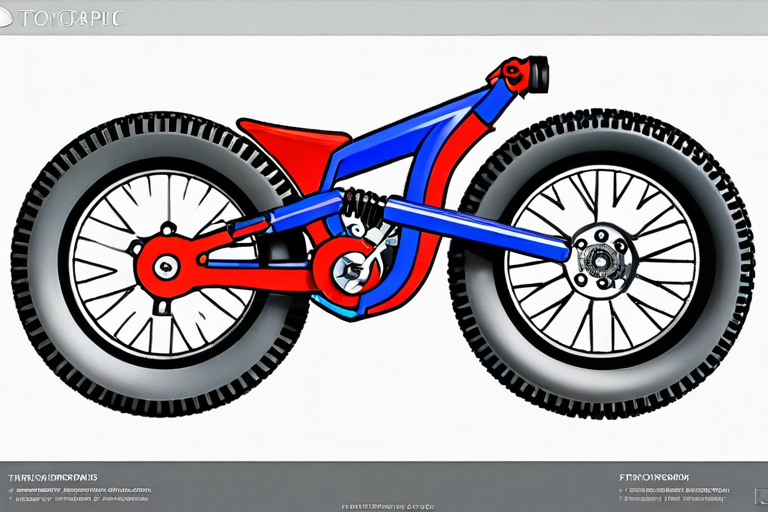
Advanced suspension systems in modern toy off-road vehicles replicate real-world dynamics
The Evolution of Scale Dynamics
According to research published by the American Society of Mechanical Engineers, modern toy off-road vehicles have undergone a technological revolution that transcends their miniature scale. What began as simple plastic replicas has evolved into sophisticated machines that incorporate principles of fluid dynamics, material stress analysis, and electronic control systems.
The Society of Automotive Engineers notes that contemporary models often feature:
- Multi-link suspension systems with adjustable damping
- Brushless motors delivering precise torque control
- Advanced traction management algorithms
- Carbon fiber composite chassis components
- Real-time telemetry data collection systems
Materials Innovation in Miniature Form
The materials science behind these vehicles represents one of their most significant advancements. As documented by Materials Performance, manufacturers have adapted aerospace and automotive materials for miniature applications:
Chassis Construction
Modern chassis utilize carbon fiber composites and aluminum alloys, providing exceptional strength-to-weight ratios while maintaining dimensional stability under stress.
Suspension Components
Oil-filled shock absorbers with titanium shafts and silicone damping fluids create suspension systems that respond dynamically to terrain variations.

Carbon fiber and aluminum construction in modern toy off-road vehicles
Electronic Control Systems
The electronic sophistication of these vehicles often rivals that of their full-scale counterparts. According to technical analysis from IEEE Spectrum, modern control systems incorporate:
Advanced Control Architecture
Microprocessor-based control units process sensor data at rates exceeding 1000Hz, adjusting motor output, steering response, and suspension settings in real-time. This level of responsiveness enables these miniature vehicles to navigate complex terrain with precision previously unimaginable at this scale.
Research from the National Institute of Standards and Technology highlights how manufacturers have adapted industrial control algorithms for miniature applications, creating systems that balance power delivery, traction management, and stability control across diverse surface conditions.
Terrain Simulation and Performance
The ability to simulate real-world driving dynamics represents perhaps the most impressive achievement in modern toy off-road vehicle design. As noted in technical publications from SAE International, engineers have developed sophisticated models that account for:

Advanced terrain adaptation in modern miniature off-road vehicles
Power Systems and Energy Management
The evolution of power systems in these vehicles reflects broader trends in energy technology. According to analysis from U.S. Department of Energy research facilities, modern systems feature:
Lithium Polymer Batteries
High-density energy storage with rapid discharge capabilities, enabling sustained high-performance operation.
Brushless Motor Technology
Efficient power delivery with precise speed control and reduced maintenance requirements compared to brushed systems.
Regenerative Braking
Energy recovery systems that capture kinetic energy during deceleration, extending operational duration.
The Future of Miniature Off-Road Technology
Looking forward, industry experts from ASME predict several emerging trends:
- Artificial Intelligence Integration: Machine learning algorithms that adapt vehicle behavior based on terrain analysis and driver patterns
- Advanced Sensor Arrays: LiDAR and ultrasonic sensors for obstacle detection and autonomous navigation capabilities
- Modular Design Platforms: Interchangeable components that allow users to customize vehicles for specific terrain types
- Sustainable Materials: Increased use of biodegradable composites and recyclable components
- Enhanced Connectivity: 5G-enabled telemetry systems for real-time performance monitoring and adjustment
Conclusion: Beyond Simple Toys
Modern toy off-road vehicles represent far more than mere playthings. They embody sophisticated engineering principles, advanced materials science, and cutting-edge electronics—all scaled down to miniature proportions. As these technologies continue to evolve, they not only provide entertainment but also serve as accessible platforms for understanding complex mechanical and electronic systems.
The precision engineering behind these vehicles demonstrates how scale modeling has transformed from simple replication to advanced technological demonstration, creating miniature systems that challenge our perceptions of what's possible at reduced dimensions.
Technical References: This analysis incorporates research and technical data from leading engineering organizations including the American Society of Mechanical Engineers (ASME), Society of Automotive Engineers (SAE International), IEEE Spectrum, National Institute of Standards and Technology (NIST), and Materials Performance publications.