The Uncharted World of Miniature Off-Roaders: Technology, Terrain, and Timeless Play
From backyard adventures to competitive racing circuits, toy off-road vehicles have evolved into sophisticated machines that blend engineering excellence with pure entertainment. This comprehensive exploration delves into their technological advancements, performance capabilities, and enduring appeal across generations.
The Engineering Foundation: More Than Just Toys
Modern toy off-road vehicles represent a remarkable convergence of materials science, mechanical engineering, and electronics. According to RC Groups, one of the largest online communities for remote control enthusiasts, today's miniature off-roaders incorporate technologies once reserved for full-scale vehicles:
- Advanced Suspension Systems: Multi-link designs with oil-filled shocks that provide realistic articulation and terrain absorption
- Brushless Motor Technology: High-efficiency powerplants delivering exceptional torque and speed control
- Waterproof Electronics: Sealed receivers, ESCs (Electronic Speed Controllers), and servos enabling all-weather operation
- Modular Construction: Interchangeable components allowing customization and repair
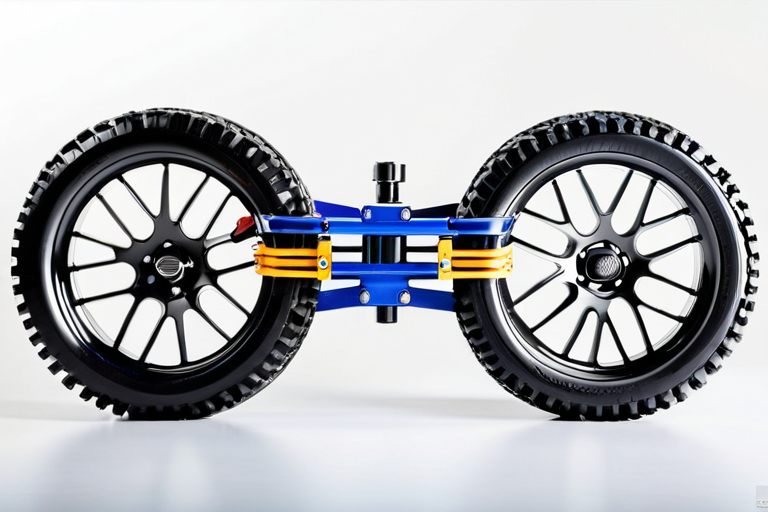
The intricate suspension system of a modern toy off-roader, showcasing engineering precision
Terrain Conquerors: Performance Across Environments
What sets toy off-road vehicles apart from their on-road counterparts is their remarkable ability to tackle diverse terrains. Horizon Hobby, a leading manufacturer, categorizes these vehicles based on their terrain specialization:
| Vehicle Type | Primary Terrain | Key Features |
|---|---|---|
| Rock Crawlers | Rocky, uneven surfaces | Slow-speed torque, extreme articulation, low center of gravity |
| Short Course Trucks | Mixed dirt and jumps | Balanced suspension, protective bodies, moderate speed |
| Monster Trucks | All-terrain with obstacles | Large tires, high ground clearance, powerful motors |
| Desert Racers | High-speed open terrain | Long-travel suspension, aerodynamic bodies, high top speed |
This specialization allows enthusiasts to choose vehicles optimized for their local environments, whether it's the rocky trails of Colorado or the sandy dunes of coastal regions.
The Digital Revolution: Smart Technology Integration
The integration of digital technology has transformed toy off-road vehicles from simple radio-controlled devices to sophisticated smart machines. Key advancements include:
Telemetry Systems
Modern transmitters can display real-time data including battery voltage, motor temperature, and speed. According to Spektrum, their Smart Technology systems provide diagnostic information that helps prevent damage and optimize performance.
Gyro Stabilization
Advanced gyroscopic systems help maintain vehicle stability on uneven terrain, particularly beneficial for high-speed cornering and technical maneuvers. This technology, once exclusive to aerospace applications, is now common in premium toy vehicles.
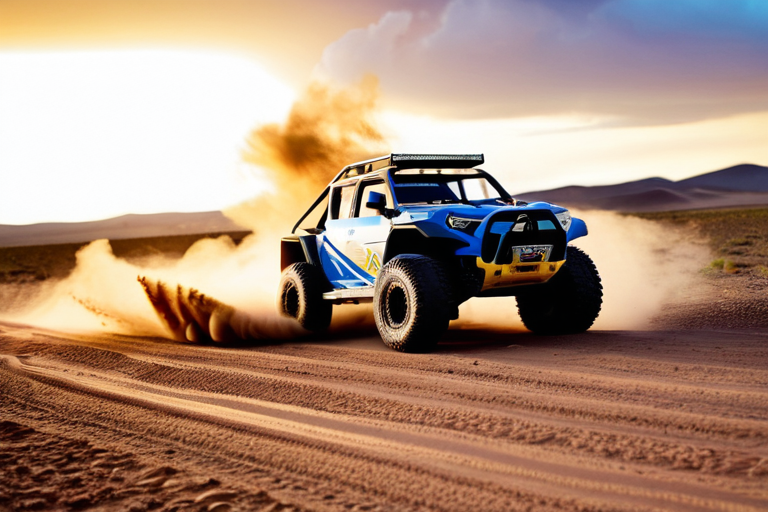
High-speed desert racing with modern toy off-road vehicles
Educational Value: Beyond Entertainment
While primarily designed for entertainment, toy off-road vehicles offer significant educational benefits. The International Technology and Engineering Educators Association notes several learning opportunities:
- Mechanical Principles: Understanding gear ratios, torque, and suspension dynamics through hands-on experience
- Electronics Fundamentals: Learning about circuits, radio frequencies, and power management
- Problem-Solving Skills: Troubleshooting mechanical issues and optimizing vehicle setup for different conditions
- Spatial Awareness: Developing depth perception and hand-eye coordination through remote operation
Many schools and educational programs now incorporate RC vehicles into STEM curricula, recognizing their value in making complex engineering concepts accessible and engaging.
Community and Competition: The Social Dimension
The toy off-road vehicle hobby has fostered vibrant communities worldwide. Major aspects include:
Organized Racing Events
From local club races to international championships like the IFMAR World Championships, competitive racing provides structured environments for skill development and camaraderie. These events often feature multiple classes based on vehicle type and skill level.
Online Communities
Platforms like RC Tech and various social media groups enable enthusiasts to share knowledge, showcase modifications, and organize informal gatherings. These digital spaces have been particularly valuable for connecting remote enthusiasts and during periods when in-person events were limited.
Environmental Considerations and Sustainability
As environmental awareness grows, the toy off-road vehicle industry has made significant strides toward sustainability:
- Battery Technology: The shift from NiMH to LiPo batteries has improved energy density and reduced hazardous materials
- Recyclable Materials: Many manufacturers now use marked plastics and metals to facilitate recycling
- Durability Focus: Longer-lasting vehicles reduce waste through extended product lifecycles
- Responsible Terrain Use: Community guidelines emphasize minimizing environmental impact during outdoor operation

Responsible off-road exploration in natural environments
Future Directions: Emerging Technologies
The future of toy off-road vehicles promises even greater integration of advanced technologies:
Autonomous Features
Basic self-driving capabilities for obstacle avoidance and terrain assessment, potentially using LIDAR or ultrasonic sensors
Augmented Reality Integration
Overlaying digital information on real-world terrain through compatible headsets or mobile devices
Advanced Materials
Carbon fiber composites and 3D-printed components for lighter, stronger vehicles with customizable geometries
Getting Started: A Practical Guide for New Enthusiasts
For those interested in entering the hobby, AMain Hobbies, a leading retailer, recommends the following approach:
Step 1: Determine Your Interest Focus
Consider whether you're more interested in scale realism, competitive racing, technical crawling, or casual backyard fun. Each direction suggests different vehicle types and investment levels.
Step 2: Research Entry-Level Options
Ready-to-run (RTR) packages provide everything needed to begin, while kit builds offer deeper understanding through assembly. Budget between $200-$400 for a quality entry-level setup.
Step 3: Connect with Local Communities
Visit hobby shops, join online forums, and attend local events to learn from experienced enthusiasts. Most communities are welcoming to newcomers and eager to share knowledge.
Step 4: Start with Basic Maintenance
Learn fundamental maintenance tasks like cleaning, lubrication, and basic repairs. These skills extend vehicle life and enhance the overall experience.
Conclusion: The Enduring Appeal of Miniature Adventure
Toy off-road vehicles represent a unique intersection of technology, recreation, and community. Their evolution from simple playthings to sophisticated machines mirrors broader technological trends while maintaining the fundamental joy of exploration and mastery. Whether as educational tools, competitive platforms, or simply sources of outdoor enjoyment, these miniature terrain conquerors continue to captivate enthusiasts of all ages, proving that adventure knows no scale.
"The true measure of these vehicles isn't in their scale, but in the experiences they enable and the skills they develop. From backyard explorers to competitive racers, toy off-road vehicles continue to push boundaries while keeping the spirit of adventure accessible to all." — Industry analysis from RC Driver Magazine