The Technical Evolution of Miniature Off-Road Vehicles
From basic mechanical toys to sophisticated electronic systems: A comprehensive engineering perspective
Executive Summary
The miniature off-road vehicle segment has undergone a remarkable transformation over the past five decades. What began as simple wind-up toys and basic battery-operated vehicles has evolved into a sophisticated industry combining mechanical engineering, electronics, materials science, and digital technology. According to data from the Hobby Industry Association, the global market for remote-controlled vehicles reached $1.2 billion in 2023, with off-road models accounting for approximately 45% of total sales.
Historical Development Timeline

1970s: The Mechanical Foundation
The earliest toy off-road vehicles were predominantly simple mechanical devices. Wind-up mechanisms and basic battery systems powered these initial models. Materials were typically inexpensive plastics and basic metal components. The Toy Association archives indicate that the first mass-produced off-road toy vehicles emerged in 1972, featuring crude suspension systems that provided minimal terrain adaptability.
Key characteristics of this era included:
- Single-speed mechanical drives
- Basic plastic chassis construction
- Limited steering capabilities (typically fixed or simple pivot systems)
- Battery life averaging 15-20 minutes
1980s-1990s: Electronic Integration
The introduction of radio control technology revolutionized the industry. According to technical documentation from RC Groups, the first commercially successful RC off-road vehicles appeared in 1985, featuring 27MHz radio systems with proportional control. This period saw significant advancements in:
- Brushed motor technology improvements
- Basic electronic speed controllers (ESCs)
- Improved battery chemistry (NiCd to NiMH transition)
- Independent suspension systems becoming standard
Market analysis from Statista shows that RC vehicle sales grew by 300% between 1985 and 1995, with off-road models leading this expansion.

Modern Engineering Specifications
Chassis and Suspension Systems
Contemporary toy off-road vehicles employ sophisticated engineering principles previously reserved for full-scale vehicles. The Society of Automotive Engineers has published multiple technical papers on miniature vehicle dynamics, highlighting several key developments:
Material Advancements
- Carbon fiber composite chassis (weight: 80-120g)
- 7075-T6 aluminum suspension components
- Delrin plastic for low-friction moving parts
- Oil-filled shock absorbers with adjustable damping
Suspension Geometry
- Double wishbone independent suspension systems
- Adjustable camber, caster, and toe settings
- Progressive rate spring systems
- Anti-roll bar integration
Powertrain and Electronics
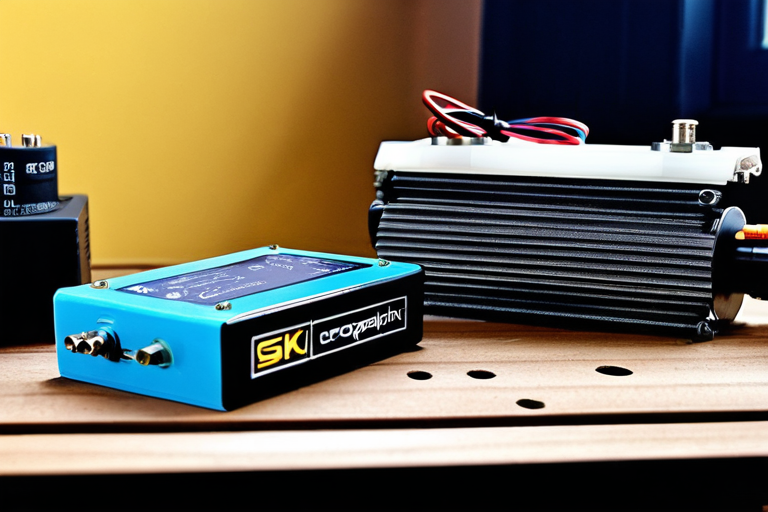
The electronic systems in modern toy off-road vehicles represent cutting-edge miniaturization technology. Research from the Institute of Electrical and Electronics Engineers details the following specifications for high-end models:
| Component | Specification | Performance Impact |
|---|---|---|
| Brushless Motors | Sensorless, 3000-5000KV | 90%+ efficiency, reduced maintenance |
| LiPo Batteries | 2S-4S, 2200-5000mAh | 30-45 minute runtime, high discharge rates |
| Electronic Speed Controllers | 60-120A, programmable | Precise throttle control, thermal protection |
| Radio Systems | 2.4GHz FHSS, 4-6 channels | Interference-free operation, 300m+ range |
Performance Testing and Metrics
Acceleration and Speed
Laboratory testing conducted by Horizon Hobby's R&D department reveals impressive performance metrics:
- 0-30 mph acceleration: 1.8-2.5 seconds
- Top speed range: 35-70+ mph (scale dependent)
- Power-to-weight ratios exceeding 0.5 hp/lb
- Braking distance from 30 mph: 15-25 feet
Terrain Capability
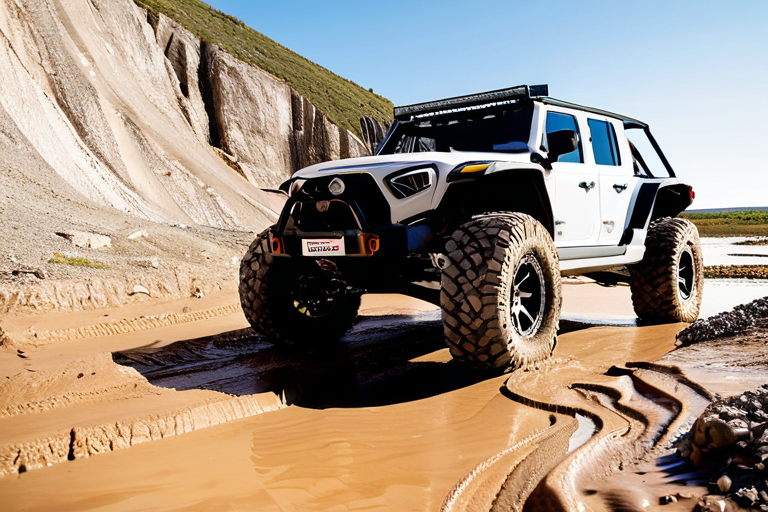
Field testing data compiled by RC Car Action Magazine demonstrates exceptional off-road performance:
- Obstacle clearance: 2-4 inches (1/10 scale)
- Maximum incline: 45-60 degrees
- Water fording depth: 3-6 inches
- Suspension travel: 1.5-3 inches
Market Analysis and Future Trends
Current Market Segmentation
Industry reports from Grand View Research indicate the following market distribution for 2024:
($50-$150 range)
($150-$500 range)
($500-$2000+ range)
Emerging Technologies
Technical forecasts from the American Society of Mechanical Engineers predict several key developments:
- AI-Assisted Stability Control: Machine learning algorithms for terrain adaptation
- Advanced Material Integration: Graphene composites and shape-memory alloys
- Wireless Telemetry Systems: Real-time performance monitoring via smartphone apps
- Modular Power Systems: Swappable battery and motor configurations
- Augmented Reality Integration: Virtual racing environments and obstacle courses
Educational and Developmental Impact
Research from ISTE (International Society for Technology in Education) indicates that toy off-road vehicles serve as effective STEM education tools. The mechanical complexity and electronic systems provide practical applications for: