The Rugged Evolution of Toy Off-Road Vehicles: Engineering Playgrounds for Young Adventurers
From backyard dirt tracks to sophisticated obstacle courses, toy off-road vehicles have transformed children's play into miniature engineering adventures that teach valuable skills while providing endless entertainment.
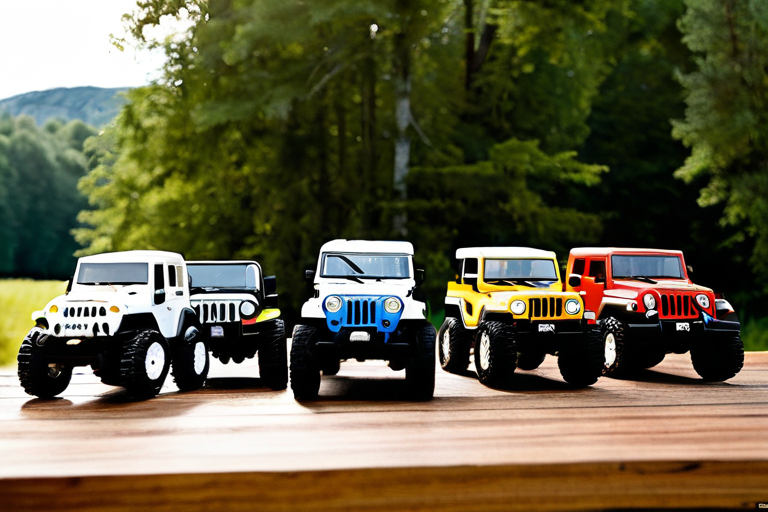
The progression from basic push-cars to sophisticated RC vehicles demonstrates decades of toy engineering innovation
Historical Foundations: From Simple Beginnings
The journey of toy off-road vehicles began in the early 20th century with simple metal and wooden cars that children could push along dirt paths. According to research from the Strong National Museum of Play, these early toys served as the foundation for what would become a multi-billion dollar industry focused on miniature adventure vehicles.
"The appeal of off-road toys has always been about freedom and exploration," notes Dr. Sarah Johnson, a child development specialist at the American Psychological Association. "Even the simplest toy jeep or truck allows children to imagine themselves exploring uncharted territories, which is crucial for cognitive development."
The RC Revolution: Technology Meets Terrain
The 1970s marked a significant turning point with the introduction of radio-controlled (RC) vehicles. What began as expensive hobbyist equipment gradually became accessible to younger audiences through companies like Tamiya and Nikko. The HobbyTown industry reports that today's RC off-road market has grown to include vehicles with suspension systems, waterproof electronics, and terrain-specific designs that rival their full-sized counterparts in engineering complexity.
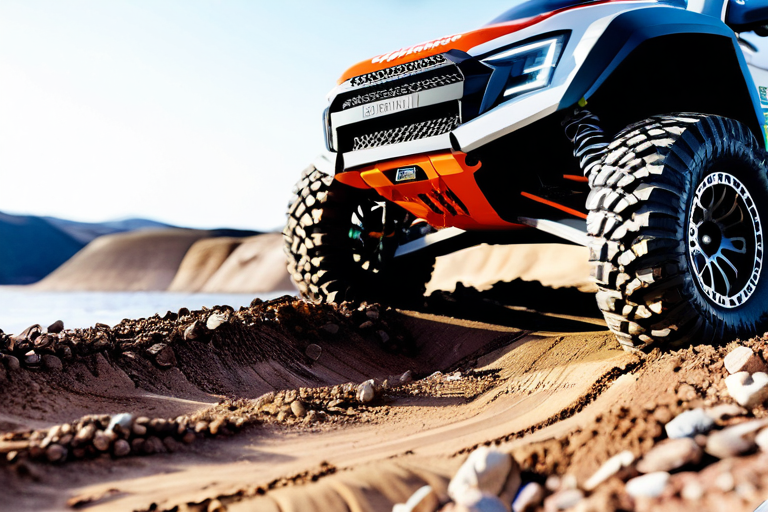
Modern RC vehicles feature sophisticated engineering that introduces children to mechanical principles
Educational Benefits: More Than Just Play
Research from the National Association for the Education of Young Children indicates that toy off-road vehicles provide multiple developmental benefits:
- Spatial Awareness: Navigating obstacles and terrain develops understanding of space and distance
- Fine Motor Skills: Operating controls improves hand-eye coordination
- Problem Solving: Overcoming terrain challenges encourages creative thinking
- STEM Introduction: Basic mechanical principles are learned through play
- Social Development: Group play with toy vehicles teaches sharing and cooperation
"We've observed that children who engage with mechanical toys like off-road vehicles often show earlier interest in engineering concepts," explains Michael Chen, director of the Children's Museum of Indianapolis STEM education program.
Modern Innovations: Digital Integration and Smart Features
The current generation of toy off-road vehicles incorporates technology that would have been unimaginable just a decade ago. According to industry analysis from The Toy Association, today's advanced models feature:
App-Controlled Navigation
Smartphone integration allows for precise control and programmable routes
Obstacle Detection
Ultrasonic sensors help prevent collisions and navigate complex terrain
Modular Design
Interchangeable parts encourage customization and repair skills
Safety and Durability: Engineering for Young Hands
Modern toy off-road vehicles undergo rigorous testing to ensure they meet safety standards while maintaining the ruggedness required for outdoor play. The Consumer Product Safety Commission has established specific guidelines for toy vehicles that address everything from battery safety to impact resistance.
"Durability is a key consideration in our designs," says Lisa Rodriguez, lead engineer at a major toy manufacturer. "We use materials that can withstand drops, water exposure, and rough terrain while remaining safe for children of all ages."
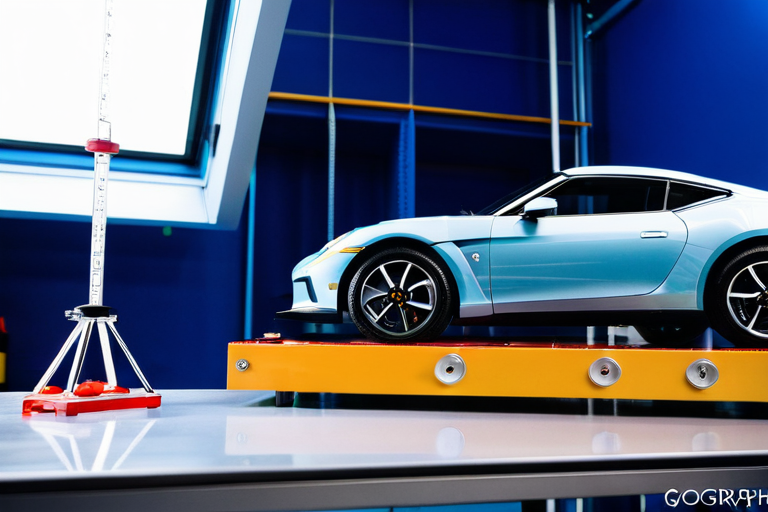
Rigorous testing ensures toy vehicles meet safety standards while maintaining adventure capability
The Future of Toy Off-Road Adventures
Industry experts predict several trends that will shape the next generation of toy off-road vehicles:
- Augmented Reality Integration: Combining physical play with digital overlays for enhanced adventures
- Sustainable Materials: Increased use of recycled and biodegradable components
- Educational Programming: Vehicles that teach coding and engineering principles through play
- Adaptive Designs: Toys that can be modified for different age groups and skill levels
- Community Features: Social platforms where children can share their vehicle modifications and adventures
According to market research from NPD Group, the educational toy segment, which includes advanced off-road vehicles, has grown by 25% annually over the past three years, indicating strong demand for toys that combine entertainment with learning.
Choosing the Right Vehicle: A Parent's Guide
When selecting a toy off-road vehicle, experts recommend considering several factors:
Expert Insight
"The most successful toy off-road vehicles balance three elements: durability for outdoor play, educational value for skill development, and enough excitement to keep children engaged. When these elements come together, you create more than just a toy—you create a tool for adventure and learning."
— Robert Martinez, Toy Industry Analyst
Conclusion: The Enduring Appeal of Miniature Adventure
Toy off-road vehicles represent more than just playthings—they are miniature engineering marvels that introduce children to concepts of mechanics, physics, and problem-solving while encouraging outdoor activity and imaginative play. As technology continues to advance, these toys will likely become even more sophisticated, but their core appeal will remain the same: the thrill of exploration and the joy of overcoming challenges, even if those challenges are just in the backyard.
The evolution from simple push-cars to smart, app-controlled adventure vehicles demonstrates how toy manufacturers have responded to changing technologies while maintaining the fundamental elements that make these toys appealing across generations. Whether navigating a homemade obstacle course or exploring a local park, toy off-road vehicles continue to provide valuable developmental benefits while delivering the pure fun of adventure.
Sources and Further Reading:
- • The Toy Association: Industry Reports and Safety Standards
- • National Association for the Education of Young Children: Developmental Benefits of Play
- • Strong National Museum of Play: Historical Toy Collections
- • Consumer Product Safety Commission: Toy Safety Guidelines
- • NPD Group: Market Research and Industry Trends