The Evolution of Toy Off-Road Vehicles: From Simple Playthings to Advanced RC Machines
"The journey of toy off-road vehicles mirrors the technological revolution of our times, transforming from basic mechanical toys to sophisticated electronic marvels that challenge real-world engineering." - HobbyTron Historical Archives

The progression from simple friction-powered toys to modern RC vehicles represents decades of innovation
Early Beginnings: Mechanical Marvels
The story of toy off-road vehicles begins in the post-World War II era, when manufacturers like Tomy and Matchbox started producing die-cast vehicles with simple suspension systems. These early models, while lacking remote control capabilities, featured innovative designs that allowed them to navigate rough surfaces. According to Collectors Weekly, the 1960s saw the introduction of wind-up and friction-powered off-road toys that could traverse various terrains, sparking children's imagination about adventure and exploration.
The 1970s marked a significant turning point with the introduction of battery-powered vehicles. Companies like Tyco pioneered this technology, creating toys that could operate independently without manual winding. These early electric vehicles featured simple forward and reverse functions, but their ability to navigate outdoor environments made them immensely popular. The Strong National Museum of Play documents how these toys influenced generations of future engineers and automotive enthusiasts.
The RC Revolution: 1980s Breakthrough
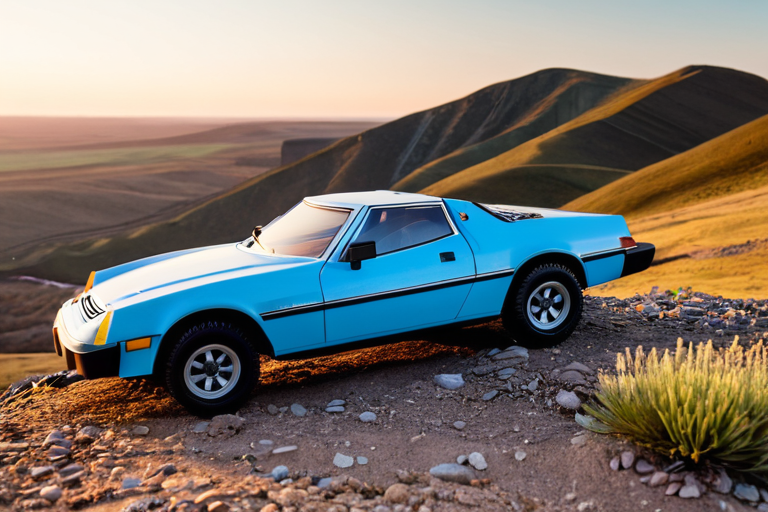
Early 1980s RC systems laid foundation for modern hobby-grade vehicles
The 1980s witnessed the true revolution in toy off-road vehicles with the widespread adoption of radio control technology. Japanese companies like Tamiya led this charge, introducing the first commercially successful RC off-road vehicles. The Tamiya Frog, released in 1982, became an instant classic with its realistic suspension and durable construction. According to RC Car Action Magazine, this period saw the transition from toys to serious hobby equipment, with enthusiasts modifying and racing their vehicles.
American manufacturers quickly followed suit, with Traxxas entering the market in 1986 and revolutionizing it with their innovative designs. The introduction of proportional steering and throttle control allowed for unprecedented precision. The Horizon Hobby research division notes that during this decade, RC vehicles evolved from simple toys to complex machines featuring:
- Independent suspension systems
- Multi-channel radio control
- Rechargeable battery technology
- Water-resistant electronics
- Modular construction for easy repairs
Technological Advancements: 1990s to Present
The 1990s brought digital technology to RC vehicles, with innovations that transformed the hobby. Futaba introduced 2.4GHz spread spectrum technology, eliminating frequency conflicts and improving control range. According to AMain Hobbies Technical Archives, this period saw the development of:
Electronic Speed Controllers (ESCs)
Replacing mechanical speed controls, ESCs provided smoother acceleration, braking, and reverse functions while being more efficient and reliable.
Lithium Polymer Batteries
LiPo batteries offered higher energy density, lighter weight, and better performance compared to traditional NiMH and NiCd batteries.
Digital Servos
Providing faster response times and more precise control, digital servos revolutionized steering and throttle accuracy.
The 2000s saw the integration of brushless motor technology, which according to RC Groups Technical Forum, increased efficiency by 30-40% while reducing maintenance requirements. Modern toy off-road vehicles now feature:
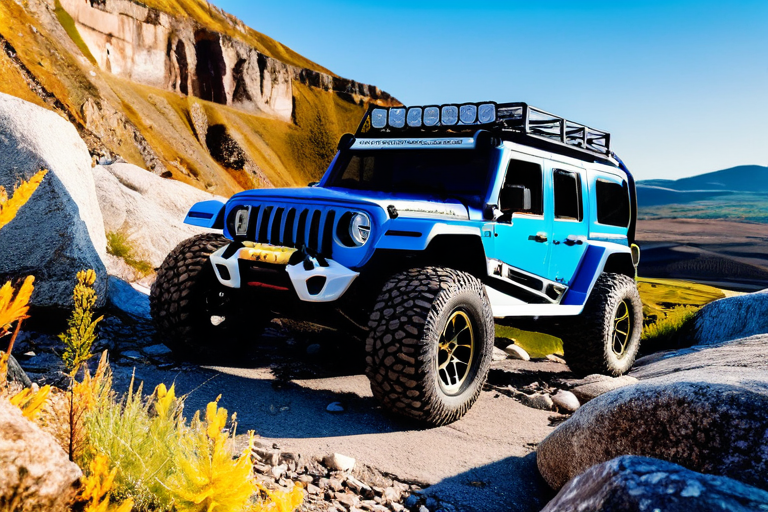
Contemporary RC vehicles incorporate GPS, telemetry, and smartphone integration
- GPS tracking and speed measurement
- Telemetry systems monitoring battery voltage and temperature
- Smartphone app integration for setup and tuning
- Waterproof electronics for all-weather operation
- Modular designs allowing extensive customization
- Advanced traction control systems
- LED lighting systems for night operation
- Self-righting mechanisms for overturned vehicles
Popular Models and Their Impact
Several models have achieved legendary status in the toy off-road vehicle world. The Traxxas X-Maxx, introduced in 2016, set new standards for durability and performance with its 8S power system and massive scale. According to Big Squid RC, this model can reach speeds over 50 mph while handling extreme jumps and rough terrain.
The Arrma Kraton 6S, developed by Horizon Hobby, represents another milestone with its balanced design suitable for both racing and bashing. RC Driver Magazine notes its innovative chassis design that distributes impact forces efficiently, significantly improving durability.
Industry Impact Statistics
According to Statista Market Research:
- Global RC vehicle market valued at $1.2 billion in 2023
- Annual growth rate of 5.8% projected through 2028
- North America represents 42% of global market share
- Off-road segment accounts for 68% of RC vehicle sales
- Average enthusiast spends $500 annually on upgrades and parts
The Future of Toy Off-Road Vehicles
Emerging technologies promise to further transform the toy off-road vehicle landscape. MIT Technology Review highlights several developing trends:
AI-Assisted Driving
Machine learning algorithms that adapt to terrain and driving style, providing stability control and performance optimization.
Augmented Reality Integration
AR overlays providing real-time data, virtual obstacles, and enhanced racing experiences through smartphone or VR headsets.
Sustainable Materials
Biodegradable plastics and recycled components reducing environmental impact while maintaining performance standards.
The integration of 5G connectivity will enable real-time telemetry streaming and cloud-based performance tuning. According to industry analysts at Grand View Research, the next generation of toy off-road vehicles will feature:
- Autonomous obstacle avoidance systems
- Haptic feedback controllers simulating terrain feel
- Swarm technology for coordinated multi-vehicle operation
- Solar-assisted charging systems
- Modular power systems allowing hybrid configurations
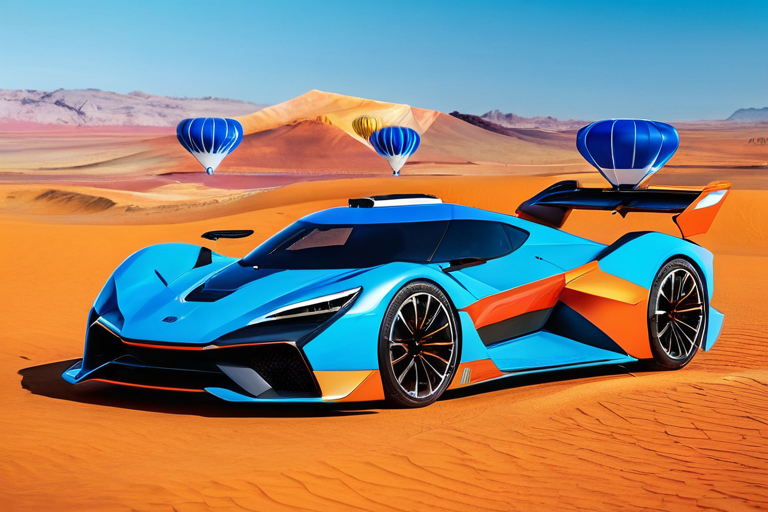
Concept designs showing potential future developments in RC vehicle technology
Educational and Developmental Benefits
Beyond entertainment, toy off-road vehicles offer significant educational value. STEM Education Guide documents how these toys teach principles of:
Many schools and educational programs now incorporate RC vehicles into their curriculum. The FIRST Tech Challenge uses modified RC platforms for robotics competitions, while 4-H STEM programs teach engineering principles through vehicle modification and maintenance.
Conclusion: More Than Just Toys
The evolution of toy off-road vehicles represents a microcosm of technological progress. From simple mechanical toys to sophisticated electronic systems, these vehicles have grown alongside advancements in materials science, electronics, and digital technology. They continue to inspire innovation, educate future engineers, and provide endless entertainment for enthusiasts of all ages.
As noted by Popular Mechanics Technology Division, "The humble toy off-road vehicle has become a platform for technological experimentation and innovation, influencing developments in autonomous vehicles, robotics, and renewable energy systems."