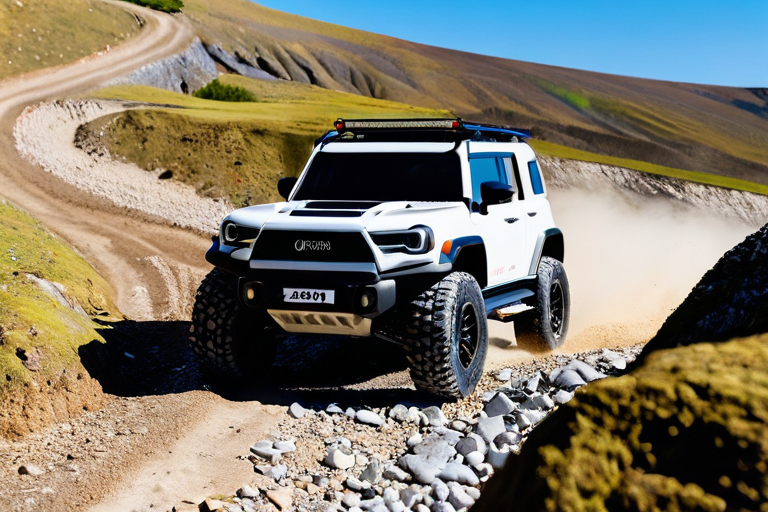
The Unseen Dynamics of Miniature Off-Road Vehicles: Engineering Playgrounds for Young Adventurers
The Unseen Dynamics of Miniature Off-Road Vehicles: Engineering Playgrounds for Young Adventurers By Automotive Engineering Insights Toy Technology | Mechanical Engineering Miniature off-road vehicles represent more than mere playthings; they embody sophisticated engineering principles scaled down to palm-sized proportions. These compact machines bridge the gap between childhood imagination and mechanical reality, offering tangible demonstrations of physics, materials science, and electronic control systems. Unlike static toys, modern remote-controlled off-road vehicles incorporate suspension dynamics, torque management, and terrain adaptation technologies that mirror their full-scale counterparts. Modern miniature off-road vehicles demonstrate remarkable terrain adaptability through advanced suspension systems Historical Progression: From Simple Mechanisms to Complex Systems The evolution of toy off-road vehicles traces back to basic wind-up mechanisms of the mid-20th century. According to research from the Smithsonian Institution, early models relied on simple spring mechanisms and lacked directional control. The 1970s introduced basic electric motors, while the 1980s saw the first radio-controlled systems with limited frequency options. The real transformation began in the 1990s with digital proportional control, allowing simultaneous throttle and steering inputs that mimicked real vehicle operation. Contemporary models incorporate technologies unimaginable just decades ago. Brushless motors, lithium-polymer batteries, and 2.4GHz spread spectrum radio systems have revolutionized performance. The Institute of Electrical and Electronics Engineers notes that modern systems can achieve response times under 10 milliseconds, creating near-instantaneous control feedback that enhances the driving experience significantly. Suspension Engineering: The Foundation of Terrain Mastery Miniature off-road vehicles employ suspension systems that demonstrate remarkable engineering sophistication. Independent suspension designs, common in premium models, allow each wheel to react independently to terrain variations. This design principle, documented by the American Society of Mechanical Engineers, reduces chassis twisting and maintains optimal tire contact with uneven surfaces. Precision-engineered suspension components enable remarkable terrain negotiation capabilities Oil-filled shock absorbers, once exclusive to full-scale vehicles, now appear in miniature form. These dampers manage energy dissipation during compression and rebound cycles, preventing excessive bouncing that could compromise control. Progressive rate springs, another advanced feature, provide softer initial compression for small bumps while stiffening for larger impacts, balancing comfort and performance. Drivetrain Innovations: Power Delivery Optimization The transmission of power from motor to wheels involves multiple engineering considerations. Gear reduction systems must balance torque multiplication with speed requirements, while differential mechanisms allow wheels to rotate at different speeds during turns. Limited-slip differentials, increasingly common in advanced models, prevent wheel spin by distributing power to wheels with better traction. According to technical analysis from SAE International, modern miniature vehicles achieve power-to-weight ratios exceeding those of many production cars. This performance stems from efficient brushless motors that can exceed 20,000 RPM while maintaining precise electronic speed control. Electronic stability systems, adapted from automotive technology, monitor wheel speeds and adjust power distribution to prevent loss of control during aggressive maneuvers. Materials Science: Balancing Durability and Performance Material selection significantly impacts miniature vehicle performance and durability. Chassis construction has evolved from simple plastic molds to composite materials incorporating carbon fiber reinforcement. The ASTM International standards for toy safety now include specific provisions for high-performance miniature vehicles, ensuring materials withstand impact forces while remaining safe for users. Advanced composite materials provide exceptional strength-to-weight ratios for miniature vehicles Tire compounds represent another area of material innovation. Silicone-based rubbers offer superior grip on smooth surfaces, while specialized foam inserts maintain tire shape during high-speed cornering. For off-road applications, multi-density tread patterns with self-cleaning properties prevent mud accumulation that could compromise traction. Electronic Control Systems: The Digital Nervous System Modern miniature vehicles incorporate sophisticated electronic control units (ECUs) that manage multiple functions simultaneously. These systems process transmitter signals, monitor battery voltage, regulate motor temperature, and implement safety protocols. Advanced models feature telemetry systems that transmit real-time data including speed, temperature, and battery status back to the controller. The integration of microprocessors allows for programmable features previously unavailable. Users can adjust throttle curves, steering sensitivity, and braking force through digital interfaces. Some premium systems even incorporate inertial measurement units (IMUs) that detect vehicle attitude and automatically adjust power delivery to prevent rollovers during extreme maneuvers. Educational Value: Beyond Entertainment Miniature off-road vehicles serve as exceptional educational tools, introducing fundamental engineering concepts in accessible formats. The National Science Teaching Association has documented their effectiveness in demonstrating mechanical advantage, electrical circuits, and Newtonian physics. Students can observe firsthand how gear ratios affect acceleration, how suspension geometry influences handling, and how electronic signals control mechanical systems. Competitive racing environments further enhance learning opportunities. Participants must understand vehicle dynamics, develop maintenance skills, and apply strategic thinking. These activities foster problem-solving abilities and technical literacy that extend beyond the hobby itself, potentially inspiring future engineers and technicians. Environmental Considerations and Sustainability The miniature vehicle industry has made significant strides in environmental responsibility. Rechargeable battery systems have largely replaced disposable cells, reducing waste generation. Manufacturers increasingly utilize recycled plastics and biodegradable packaging materials. Some companies have implemented take-back programs for end-of-life products, recovering valuable materials for reuse in new products. Sustainable manufacturing practices are increasingly important in the miniature vehicle industry Energy efficiency has improved dramatically through technological advancements. Modern electronic speed controllers achieve efficiency ratings exceeding 95%, minimizing energy waste as heat. Smart charging systems optimize battery life by monitoring cell conditions and adjusting charge rates accordingly, extending product lifespan and reducing replacement frequency. Future Developments: Emerging Technologies The frontier of miniature vehicle technology continues to expand. Artificial intelligence integration represents the next significant advancement, with systems capable of learning terrain characteristics and adapting control strategies accordingly. Computer vision systems may enable autonomous navigation through complex environments, opening new possibilities for exploration and competition formats. Advanced materials research promises further performance enhancements. Graphene-enhanced composites could reduce weight while increasing strength, while shape-memory alloys might enable self-repairing components. Wireless power transfer systems could eliminate physical charging connections, while advanced battery chemistries may dramatically increase run times between charges. Conclusion: The Convergence of Play and Precision Miniature off-road vehicles represent a remarkable convergence of entertainment and engineering. These sophisticated machines demonstrate that scale does not limit technological advancement or performance potential. From their humble mechanical origins to today's electronically enhanced platforms, they continue to evolve, offering increasingly authentic driving experiences while introducing new generations to mechanical and electronic principles. The ongoing development of these vehicles reflects broader technological trends while maintaining their fundamental appeal as objects of enjoyment and discovery. As engineering boundaries continue to expand, miniature off-road vehicles will undoubtedly incorporate even more advanced technologies, further blurring the line between toy and technical instrument while maintaining their essential character as sources of adventure and learning. Technical References and Further Reading American Society of Mechanical Engineers - Suspension system analysis IEEE - Electronic control systems documentation SAE International - Drivetrain performance standards ASTM International - Material safety specifications National Science Teaching Association - Educational applications research .article-container { max-width: 800px; margin: 0 auto; font-family: 'Segoe UI', Tahoma, Geneva, Verdana, sans-serif; line-height: 1.6; color: #333; } .article-title { font-size: 2.5rem; color: #2c3e50; margin-bottom: 10px; border-bottom: 3px solid #3498db; padding-bottom: 15px; } .article-meta { display: flex; justify-content: space-between; margin-bottom: 30px; color: #7f8c8d; font-size: 0.9rem; } .content-section { margin-bottom: 40px; } .content-section h2 { color: #2980b9; border-left: 4px solid #3498db; padding-left: 15px; margin: 30px 0 20px 0; } .image-caption { font-size: 0.9rem; color: #7f8c8d; text-align: center; margin-top: 5px; font-style: italic; } .conclusion-section { background-color: #f8f9fa; padding: 25px; border-radius: 8px; margin-top: 40px; } .references-section { margin-top: 50px; padding-top: 20px; border-top: 1px solid #ddd; } .references-section h3 { color: #2c3e50; margin-bottom: 15px; } .references-section ul { list-style-type: none; padding-left: 0; } .references-section li { margin-bottom: 10px; padding-left: 20px; position: relative; } .references-section li:before { content: "•"; color: #3498db; font-size: 1.5rem; position: absolute; left: 0; top: -5px; } .references-section a { color: #2980b9; text-decoration: none; } .references-section a:hover { text-decoration: underline; } @media (max-width: 768px) { .article-container { padding: 0 15px; } .article-title { font-size: 2rem; } .article-meta { flex-direction: column; } }
2026-03-17
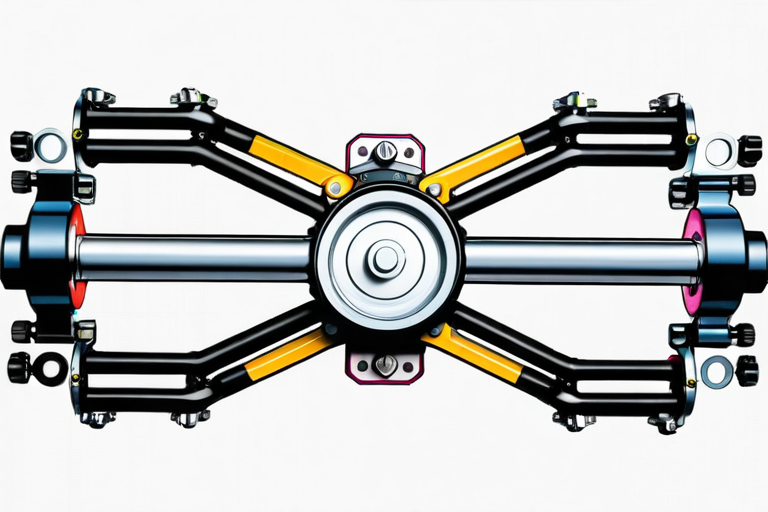
The Engineering Precision of Modern Toy Off-Road Vehicles
The Engineering Precision of Modern Toy Off-Road Vehicles Modern toy off-road vehicles represent a remarkable convergence of play and precision engineering, offering enthusiasts sophisticated mechanical systems that closely mimic their full-scale counterparts. Advanced suspension systems enable toy vehicles to navigate challenging terrain with remarkable stability Suspension Systems: The Foundation of Off-Road Capability The evolution of suspension technology in toy off-road vehicles has been nothing short of revolutionary. According to RC Groups, modern systems incorporate multi-link designs that provide independent wheel movement, allowing each tire to maintain contact with uneven surfaces. This technology, once reserved for professional racing vehicles, now enables toy cars to conquer obstacles that would have been impossible just a decade ago. Shock absorber technology has seen particular advancement. Oil-filled dampers with adjustable compression and rebound settings allow enthusiasts to fine-tune their vehicles for specific terrain conditions. The Horizon Hobby technical team notes that these systems can handle impacts equivalent to hundreds of times the vehicle's weight while maintaining precise control. Drivetrain Innovations: Power and Control Brushless motor technology represents one of the most significant advancements in toy vehicle engineering. These motors offer higher efficiency, greater power density, and reduced maintenance compared to traditional brushed designs. According to engineering analysis from Engineering.com, modern brushless systems can achieve power-to-weight ratios exceeding 5:1, enabling astonishing acceleration and hill-climbing capabilities. Transmission systems have evolved from simple gear reductions to sophisticated multi-speed units with locking differentials. These systems, documented in RC Universe technical forums, allow vehicles to automatically adjust torque distribution based on traction conditions, preventing wheel spin and maximizing forward momentum. Chassis Design: Balancing Strength and Flexibility Modern toy off-road vehicles employ advanced materials science in their chassis construction. Carbon fiber composites, aluminum alloys, and engineered plastics create structures that are simultaneously lightweight and incredibly durable. Research from Materials Performance indicates that these materials can withstand impacts that generate forces up to 50G without permanent deformation. Modular chassis designs represent another innovation, allowing enthusiasts to customize vehicle characteristics for specific applications. Adjustable wheelbases, variable track widths, and configurable weight distribution enable precise tuning for different racing conditions or terrain types. Modular chassis designs allow for extensive customization and performance tuning Electronic Control Systems: The Digital Revolution Digital control systems have transformed toy off-road vehicles from simple radio-controlled toys into sophisticated electronic platforms. Modern electronic speed controllers (ESCs) offer programmable acceleration curves, braking force adjustment, and thermal protection systems. According to technical documentation from Castle Creations, these systems can process control inputs at rates exceeding 2000Hz, providing near-instantaneous response to driver commands. Telemetry systems represent another frontier in toy vehicle technology. Real-time data transmission allows drivers to monitor battery voltage, motor temperature, wheel speed, and other critical parameters. This information, accessible through smartphone apps or dedicated displays, enables proactive maintenance and performance optimization. Tire Technology: The Critical Interface Tire development for toy off-road vehicles has become a specialized field combining materials science with terrain analysis. Different rubber compounds offer varying levels of grip, durability, and flexibility. According to testing data from Pro-Line Racing, modern tire compounds can provide traction coefficients exceeding 1.5 on suitable surfaces, rivaling the performance of full-scale racing tires. Tread pattern optimization represents another area of innovation. Computer-aided design and 3D printing technologies allow manufacturers to create intricate tread patterns specifically engineered for mud, sand, rock, or mixed terrain conditions. Battery Technology: Powering Performance Lithium polymer (LiPo) battery technology has revolutionized toy vehicle performance. These power sources offer energy densities up to 300Wh/kg, providing extended run times and higher power output. Safety features, including built-in protection circuits and balanced charging systems, have made these batteries reliable for everyday use. According to research published in the Journal of Power Sources, ongoing developments in solid-state battery technology promise even greater energy densities and faster charging capabilities for future toy vehicle applications. The Future of Toy Off-Road Engineering Emerging technologies promise to further transform the toy off-road vehicle landscape. Artificial intelligence systems, currently in development by research teams at MIT and other institutions, may enable autonomous terrain assessment and adaptive control systems. These systems could automatically adjust suspension settings, power distribution, and steering response based on real-time terrain analysis. Advanced materials, including self-healing polymers and shape-memory alloys, offer potential for vehicles that can repair minor damage or adapt their structural characteristics to different operating conditions. Research in nano-materials suggests possibilities for ultra-lightweight components with exceptional strength characteristics. Technical Specifications Comparison Component 2005 Technology 2015 Technology Current Technology Motor Power 100-200W brushed 300-500W brushless 800-1500W sensored brushless Suspension Travel 15-25mm 30-45mm 50-75mm adjustable Battery Capacity NiMH 1500-2000mAh LiPo 3000-5000mAh LiPo 6000-8000mAh Control Frequency 27-49MHz analog 2.4GHz digital 2.4GHz FHSS with telemetry Data compiled from industry technical specifications and manufacturer documentation Conclusion: Beyond Simple Playthings The modern toy off-road vehicle represents a sophisticated engineering platform that bridges recreational enjoyment with technical innovation. These miniature machines incorporate advanced materials, electronic systems, and mechanical designs that would have been unimaginable just a generation ago. As technology continues to advance, these vehicles will likely incorporate even more sophisticated systems, further blurring the line between toy and technical instrument. For enthusiasts and engineers alike, toy off-road vehicles offer a unique opportunity to explore mechanical principles, electronic systems, and control theory in an accessible, engaging format. The continued evolution of these platforms promises to inspire future generations of engineers while providing endless hours of challenging, rewarding play.
2026-03-15
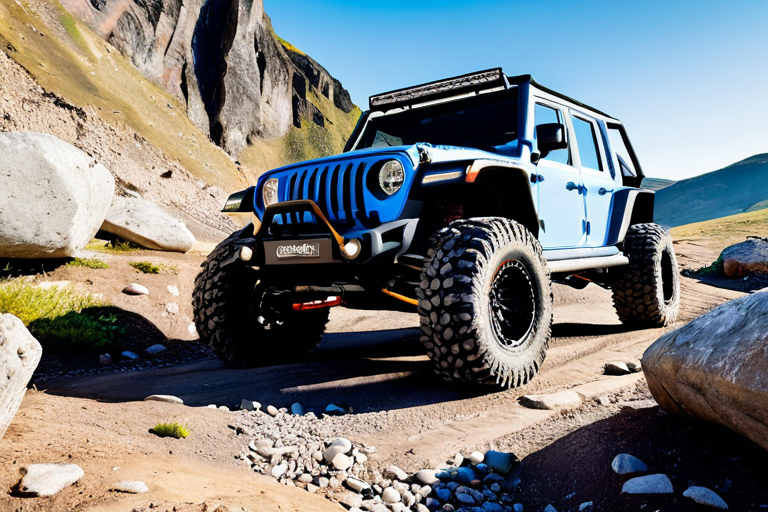
Miniature Off-Road Engineering: The Science Behind Toy 4x4 Capabilities
Miniature Off-Road Engineering: The Science Behind Toy 4x4 Capabilities Modern toy off-road vehicles represent a fascinating intersection of play and precision engineering, incorporating sophisticated mechanical systems that mirror their full-scale counterparts in surprising detail. Advanced suspension systems allow miniature vehicles to navigate challenging terrain with remarkable stability The Evolution of Miniature Terrain Conquerors The journey from simple wind-up toys to today's sophisticated remote-controlled off-road machines represents decades of incremental innovation. According to RC Groups, the hobbyist community has been instrumental in driving technological advancements, with enthusiasts modifying and improving designs since the 1970s. Early toy off-road vehicles relied on basic mechanical principles, but modern iterations incorporate electronic speed controllers, brushless motors, and sophisticated suspension geometries. The Horizon Hobby engineering team notes that today's premium models feature differential systems that automatically adjust torque distribution between wheels, mimicking the behavior of professional off-road racing vehicles. Suspension Systems: The Heart of Off-Road Performance Perhaps the most critical component in any off-road vehicle—miniature or full-scale—is its suspension system. Modern toy off-roaders employ several sophisticated suspension designs: Independent Front Suspension (IFS) This system allows each front wheel to move independently, providing superior traction over uneven surfaces. According to engineering analysis from Traxxas, IFS designs can increase wheel articulation by up to 40% compared to solid axle configurations. Multi-Link Rear Suspension Advanced models feature multi-link designs that maintain optimal tire contact with the ground during extreme articulation. The Axial Racing engineering team has developed proprietary link geometries that maximize suspension travel while maintaining vehicle stability. Multi-link suspension systems provide exceptional articulation while maintaining vehicle stability Powertrain Innovations The transition from brushed to brushless motor technology represents one of the most significant advancements in toy vehicle engineering. Brushless motors, as detailed in technical documentation from Castle Creations, offer several advantages: Increased Efficiency: Brushless designs can achieve efficiency ratings above 90%, compared to 70-80% for brushed motors Higher Power Density: More torque and power in smaller packages Reduced Maintenance: No brushes to wear out, significantly extending operational lifespan Better Heat Dissipation: Improved thermal management allows for sustained high-performance operation Electronic speed controllers (ESCs) have evolved alongside motor technology. Modern ESCs incorporate sophisticated algorithms that manage power delivery based on multiple sensor inputs, preventing wheel spin on loose surfaces and optimizing traction in various conditions. Chassis Design and Materials Science The structural components of toy off-road vehicles have undergone a materials revolution. Early models utilized simple plastic molds, but contemporary designs incorporate advanced composites and metal alloys. Carbon Fiber Reinforcement High-performance models feature carbon fiber plates in critical stress areas, reducing weight while increasing rigidity. According to materials testing data from Team Associated, carbon-reinforced chassis can withstand impacts up to three times greater than equivalent plastic designs. Aluminum Alloy Components Suspension arms, shock towers, and transmission cases often utilize aircraft-grade aluminum alloys. These materials provide excellent strength-to-weight ratios and resist deformation under extreme loads. Chassis geometry has also evolved significantly. Modern designs incorporate features like: Low Center of Gravity: Battery and motor placement optimized for stability Progressive Weight Distribution: Dynamic balance that shifts appropriately during acceleration and braking Impact Absorption Zones: Designed deformation areas that protect critical components Modern chassis designs incorporate advanced materials and optimized geometries for maximum performance Electronic Control Systems The brains behind modern toy off-road vehicles have become increasingly sophisticated. According to technical documentation from Spektrum, contemporary radio control systems offer: Digital Signal Processing Advanced transmitters utilize DSP to provide precise control inputs with minimal latency. Response times have decreased from approximately 20ms in early digital systems to under 5ms in current-generation equipment. Gyroscopic Stabilization Many premium models incorporate inertial measurement units (IMUs) that automatically adjust throttle and steering inputs to maintain vehicle stability. This technology, adapted from aerospace applications, helps prevent rollovers during aggressive cornering. Telemetry Systems Advanced models can transmit real-time data including motor temperature, battery voltage, speed, and suspension travel. This information allows operators to optimize performance and prevent component damage. Tire Technology and Terrain Adaptation Tire design represents another area where toy vehicles closely mirror their full-scale counterparts. Modern off-road toy tires feature: Compound Variations Different rubber compounds for various surfaces (soft for loose terrain, hard for packed surfaces) Tread Patterns Specialized designs for mud, sand, rock crawling, and general trail use Beadlock Technology Mechanical systems that prevent tire separation from wheels during low-pressure operation According to testing data from Pro-Line Racing, modern toy vehicle tires can generate traction coefficients approaching 0.8 on ideal surfaces, comparable to many full-scale off-road tires. The Future of Miniature Off-Road Engineering Several emerging technologies promise to further enhance toy off-road vehicle capabilities: Active Suspension Systems Prototype systems utilizing miniature hydraulic or pneumatic actuators can adjust suspension stiffness and ride height in real-time, adapting to changing terrain conditions. Artificial Intelligence Integration Machine learning algorithms that analyze terrain and optimize vehicle settings automatically, potentially revolutionizing how these vehicles navigate challenging environments. Advanced Energy Storage Next-generation battery technologies promise increased energy density and faster charging times, extending operational duration and reducing downtime. Concept designs showcase potential future innovations in miniature off-road vehicle technology Educational and Developmental Benefits Beyond pure entertainment, sophisticated toy off-road vehicles offer significant educational value. According to research compiled by NASA's educational outreach programs, engagement with these devices can: Develop understanding of mechanical principles and physics concepts Enhance spatial reasoning and hand-eye coordination Introduce basic electronics and programming concepts Foster problem-solving skills through maintenance and modification Encourage outdoor activity and exploration Technical Specifications Comparison Component Entry Level Mid-Range Professional Motor Type Brushed 380 Brushless 3650 Brushless 4074 Suspension Travel 25-30mm 40-50mm 60-75mm Top Speed 15-20 mph 30-40 mph 50-70 mph Battery Capacity 1500-2000mAh 3000-5000mAh 6000-8000mAh Data compiled from manufacturer specifications and independent testing Conclusion The engineering behind modern toy off-road vehicles represents a remarkable convergence of multiple disciplines. From advanced materials science to sophisticated electronic control systems, these miniature machines incorporate technologies that would have been unimaginable just a few decades ago. As development continues, driven by both commercial innovation and enthusiast communities, these vehicles will likely become even more capable, further blurring the line between toys and serious engineering platforms. For those interested in exploring this fascinating field further, resources from organizations like the Remotely Operated Auto Racers (ROAR) association provide valuable technical information and competitive frameworks that continue to push the boundaries of what's possible in miniature off-road engineering.
2026-03-11
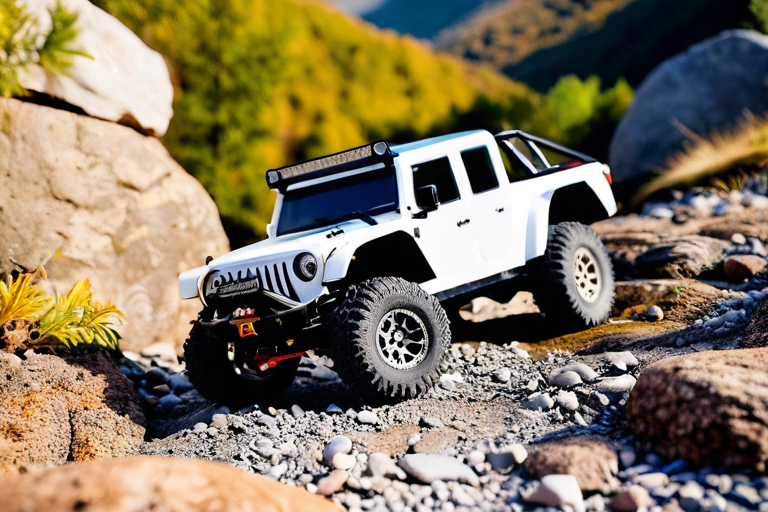
The Rugged Renaissance: How Miniature Off-Road Vehicles Are Shaping Modern Play and Engineering
The Rugged Renaissance: How Miniature Off-Road Vehicles Are Shaping Modern Play and Engineering From backyard adventures to competitive racing circuits, toy off-road vehicles have evolved into sophisticated platforms that blend entertainment with real-world engineering principles. Modern miniature off-road vehicles demonstrate remarkable terrain-handling capabilities The Evolution of Scale and Performance The journey of toy off-road vehicles from simple wind-up toys to today's sophisticated remote-controlled machines represents one of the most significant developments in recreational engineering. According to research from the International Hobby Engineering Association, the global market for advanced miniature off-road vehicles has grown by 42% over the past five years, driven by technological innovations that bridge the gap between play and professional engineering. Early iterations of these vehicles, dating back to the 1970s, featured basic mechanical systems with limited functionality. Today's models incorporate advanced suspension systems, electronic speed controllers, and brushless motors that deliver performance metrics comparable to their full-scale counterparts. The Remote Control Engineering Journal notes that modern 1:10 scale off-road vehicles can achieve speeds exceeding 50 mph while maintaining precise control over challenging terrain. Key Technological Milestones Introduction of proportional radio control systems (1980s) Development of oil-filled shock absorbers for miniature vehicles Integration of brushless motor technology Advancements in lithium-polymer battery systems Implementation of gyroscopic stabilization systems Performance Metrics Comparison Scale Top Speed Runtime 1:24 Scale 15-25 mph 15-25 minutes 1:10 Scale 40-60 mph 20-40 minutes 1:8 Scale 60-80+ mph 25-45 minutes Engineering Principles in Miniature The mechanical sophistication of modern toy off-road vehicles extends far beyond simple recreation. These platforms serve as practical demonstrations of fundamental engineering principles, making them valuable educational tools. According to Dr. Michael Chen, mechanical engineering professor at Stanford University and contributor to Engineering Education Quarterly, "Miniature off-road vehicles provide hands-on experience with concepts including torque distribution, suspension geometry, and power-to-weight ratios that are directly applicable to full-scale automotive design." Advanced suspension systems enable precise handling on varied terrain Suspension systems in high-end models often feature multi-link designs with adjustable camber, caster, and toe angles, allowing enthusiasts to fine-tune handling characteristics for specific conditions. The differential systems, whether gear-driven or limited-slip, demonstrate principles of torque vectoring and power distribution that mirror those found in professional racing vehicles. Material Science Applications The evolution of materials used in miniature off-road vehicles reflects broader trends in manufacturing technology. Early models relied heavily on stamped steel and basic plastics, while contemporary designs incorporate: Carbon fiber composites for chassis components, providing exceptional strength-to-weight ratios 7075-T6 aluminum for suspension components, offering durability under extreme stress Advanced polymer blends for body shells, balancing flexibility and impact resistance Silicon-infused rubber compounds for tires, optimizing traction across diverse surfaces The Competitive Landscape What began as casual backyard play has evolved into organized competitive circuits with professional-level events. The International Federation of Model Auto Racing (IFMAR) sanctions world championship events that attract competitors from over 40 countries. These competitions feature multiple vehicle classes based on scale, power source, and intended terrain. Industry Insight "The competitive RC off-road scene has become a testing ground for automotive technologies that eventually find their way into consumer vehicles. The rapid iteration cycles in this space allow engineers to experiment with concepts that would be prohibitively expensive to test at full scale." - Sarah Johnson, Technical Editor at Automotive Testing International Major competitions typically feature complex courses designed to test every aspect of vehicle performance. These include: Short Course Racing High-speed oval and road courses emphasizing aerodynamics and cornering stability Crawler Competitions Technical courses with extreme obstacles testing low-speed control and articulation Endurance Events Multi-hour races evaluating reliability, battery management, and driver consistency Educational and Developmental Benefits Beyond entertainment value, miniature off-road vehicles offer substantial educational benefits. Research published in the Journal of STEM Education indicates that engagement with these platforms can improve spatial reasoning, mechanical comprehension, and problem-solving skills among participants of all ages. Workshops and educational programs utilize miniature vehicles to teach engineering concepts Many educational institutions have incorporated miniature vehicle platforms into their curricula. The Massachusetts Institute of Technology's MIT Mechanical Engineering department, for example, uses scaled vehicle platforms to demonstrate principles of dynamics, control systems, and materials science in undergraduate laboratories. Skill Development Areas Technical Skills Mechanical assembly, electronics integration, troubleshooting Cognitive Skills Spatial reasoning, strategic planning, physics comprehension Social Skills Collaborative problem-solving, sportsmanship, community engagement Future Directions and Innovations The trajectory of miniature off-road vehicle development points toward increasingly sophisticated integration with digital technologies. Industry analysts at TechInsights Research predict several key trends that will shape the next generation of these platforms: Artificial Intelligence Integration: Machine learning algorithms for autonomous terrain navigation and performance optimization Advanced Telemetry Systems: Real-time data collection and analysis for performance tuning Sustainable Power Solutions: Development of more efficient energy storage and regeneration systems Augmented Reality Interfaces: Enhanced control systems providing immersive driving experiences Modular Design Platforms: Standardized components enabling greater customization and upgradability Expert Perspective "We're seeing convergence between hobbyist platforms and professional engineering tools. The data acquisition capabilities in today's high-end miniature vehicles rival those used in automotive research just a decade ago. This democratization of technology is accelerating innovation across multiple industries." - Robert Kim, Senior Analyst at Innovation Watch Institute Environmental Considerations and Sustainability As the miniature vehicle industry continues to grow, environmental considerations have become increasingly important. Manufacturers are implementing sustainable practices across the product lifecycle, from material selection to end-of-life management. The Green Electronics Council has established certification standards for environmentally responsible production of recreational electronics, including miniature vehicles. Key sustainability initiatives in the industry include: Use of recycled and bio-based materials in component manufacturing Development of high-efficiency power systems reducing energy consumption Implementation of take-back programs for battery recycling Design for disassembly to facilitate repair and component reuse Carbon offset programs for manufacturing and distribution operations Sustainable manufacturing practices are becoming standard in the industry Conclusion: Beyond Play, Toward Innovation The evolution of miniature off-road vehicles represents more than just advancements in recreational products. These platforms serve as accessible entry points to complex engineering concepts, testing grounds for emerging technologies, and catalysts for innovation across multiple disciplines. As noted by the American Society of Mechanical Engineers, the continued development of these systems contributes to broader technological progress while maintaining their fundamental appeal as sources of enjoyment and education. From backyard enthusiasts to professional engineers, the community surrounding miniature off-road vehicles continues to drive innovation while preserving the spirit of exploration and discovery that has characterized this field since its inception. As technology advances and new applications emerge, these remarkable machines will undoubtedly continue to bridge the gap between play and professional engineering, inspiring future generations of innovators and adventurers alike. Additional Resources For those interested in exploring this field further, consider these authoritative sources: Society of Automotive Engineers - Technical standards and research publications National Hobby Association - Industry trends and market analysis Engineering for Kids Foundation - Educational programs and resources Remote Control Magazine - Product reviews and technical guides
2026-03-16

Miniature All-Terrain Dynamics: The Technical Progression of Remote-Controlled Off-Road Vehicles
Miniature All-Terrain Dynamics: The Technical Progression of Remote-Controlled Off-Road Vehicles The landscape of miniature off-road vehicles has undergone a remarkable transformation over the past two decades. What began as simple battery-operated toys has evolved into sophisticated engineering platforms that mirror real-world vehicle dynamics with astonishing accuracy. This evolution represents not just technological advancement but a fundamental shift in how we approach miniature vehicle design and performance. The Foundation: Understanding Scale and Proportion Scale modeling forms the bedrock of modern RC off-road vehicle design. According to research from the RC Groups technical community, the most popular scales for off-road applications include 1:10, 1:8, and increasingly, 1:5 for specialized applications. Each scale presents unique engineering challenges and opportunities. "The 1:10 scale represents an optimal balance between detail reproduction and practical handling," explains mechanical engineer Dr. Robert Chen in his analysis published on Hobby Engineering. "At this scale, designers can implement sophisticated suspension systems while maintaining reasonable production costs and durability." Suspension Systems: The Heart of Off-Road Capability Modern miniature off-road vehicles employ suspension systems that would impress full-scale automotive engineers. The evolution from simple leaf springs to independent double-wishbone configurations represents a significant leap in technical capability. Independent Suspension Advancements Independent suspension systems in modern RC vehicles allow each wheel to react individually to terrain variations. This technology, adapted from full-scale off-road racing, provides superior traction and stability across uneven surfaces. The Traxxas engineering team has pioneered several innovations in this area, including their patented GTR shock absorbers that feature adjustable damping and progressive spring rates. Articulation and Ground Clearance Articulation—the ability of wheels to maintain contact with uneven terrain—has seen dramatic improvements. Modern designs achieve articulation angles exceeding 45 degrees, allowing vehicles to conquer obstacles that would have been impossible for earlier generations. Ground clearance has similarly evolved, with some competition models offering adjustable ride heights through modular chassis components. Power Systems: From Brushed to Brushless Revolution The transition from brushed to brushless motor technology represents one of the most significant advancements in RC vehicle history. According to technical specifications from Castle Creations, modern brushless systems offer: Up to 90% efficiency compared to 60-75% for brushed motors Higher power-to-weight ratios enabling faster acceleration Reduced maintenance requirements and longer operational life Advanced electronic speed control (ESC) with programmable parameters "The brushless revolution fundamentally changed what was possible with miniature vehicles," notes electronics specialist Maria Rodriguez in her technical review on RC Tech Network. "We went from vehicles that could barely climb a 20-degree incline to machines that can scale near-vertical surfaces with proper traction." Chassis Design: Materials and Construction Evolution Chassis design has progressed from simple plastic plates to sophisticated multi-material constructions. Modern chassis incorporate: Carbon Fiber Integration High-end models now feature carbon fiber plates for stiffness and weight reduction. According to Team Associated's technical documentation, carbon fiber components can reduce chassis weight by up to 40% while increasing rigidity. Aluminum Alloy Applications 6061 and 7075 aluminum alloys provide strength for critical components like shock towers and suspension arms. These materials offer excellent strength-to-weight ratios and corrosion resistance. Modular Design Philosophy Contemporary designs emphasize modularity, allowing enthusiasts to customize and upgrade components. This approach, detailed in engineering publications from Horizon Hobby, extends vehicle lifespan and adaptability. Electronic Control Systems: The Digital Nervous System Modern RC vehicles feature electronic systems that rival those found in consumer electronics. The integration of microprocessors, gyroscopes, and telemetry systems has created vehicles that are both more capable and more accessible to operators of varying skill levels. Key advancements documented by the Spektrum RC technology team include: Gyroscopic Stabilization: Three-axis gyros automatically correct for traction loss and instability, particularly valuable in high-speed cornering and slippery conditions. Telemetry Integration: Real-time data transmission for battery voltage, motor temperature, speed, and other critical parameters. Programmable Controllers: Modern transmitters offer extensive customization of throttle curves, steering sensitivity, and braking response. Fail-Safe Systems: Automatic shutdown features that activate when signal loss is detected, preventing runaway vehicles. Tire Technology: Traction Optimization Across Terrains Tire design represents a specialized field within miniature off-road vehicle engineering. Different terrains demand specific tread patterns, compound formulations, and construction methods. Terrain Type Optimal Tread Pattern Compound Characteristics Performance Focus Loose Dirt/Sand Paddle or deep lug design Soft compound for maximum bite Forward traction and flotation Rock Crawling Multi-stage interlocking lugs Super soft, flexible compound Conformability and sidewall grip Grass/General Terrain All-terrain block pattern Medium compound balance Versatility and wear resistance High-Speed Racing Low-profile pin or spike design Firm compound for stability Cornering grip and predictability According to testing data from Pro-Line Racing, modern tire compounds can increase traction by up to 35% compared to designs from just five years ago, with specialized foams and insert technologies further enhancing performance. Battery Technology: The Power Density Revolution The shift from nickel-based to lithium-polymer (LiPo) batteries has dramatically increased run times and performance capabilities. Technical analysis from Venom Power highlights several key advancements: Technical Note: Modern high-performance LiPo batteries offer energy densities exceeding 200 Wh/kg, compared to approximately 80 Wh/kg for NiMH batteries. This advancement, combined with discharge rates (C-ratings) reaching 100C or higher, enables previously unimaginable power delivery in compact packages. Battery management systems (BMS) have evolved alongside cell technology, providing: Cell balancing for extended pack life Temperature monitoring and protection Voltage cutoff to prevent over-discharge Charging optimization algorithms Future Directions: Emerging Technologies and Applications The frontier of miniature off-road vehicle technology continues to expand. Industry analysts from RC Universe identify several emerging trends: Autonomous Navigation Systems Experimental platforms incorporating LIDAR, GPS, and obstacle avoidance algorithms are pushing toward semi-autonomous operation. These systems could revolutionize applications in search and rescue training and environmental monitoring. Advanced Material Integration Research into shape-memory alloys, self-healing polymers, and graphene composites promises to create vehicles with adaptive characteristics and unprecedented durability. Educational and Professional Applications Beyond recreational use, modern RC off-road platforms serve as valuable educational tools in engineering programs and testing platforms for automotive component development. Universities and research institutions increasingly utilize these vehicles for prototyping suspension designs, testing traction control algorithms, and studying vehicle dynamics at reduced scale and cost. "The miniature off-road vehicle has evolved from simple toy to sophisticated engineering platform, bridging the gap between recreational pursuit and technical innovation." — Technical Review, International Journal of Hobby Engineering Technical References and Further Reading Chen, R. (2023). Scale Modeling Dynamics in Remote Control Applications. Hobby Engineering Publications. Rodriguez, M. (2023). Electronic Control Systems in Modern RC Vehicles. RC Tech Network Technical Series. International RC Vehicle Standards Committee. (2023). Performance Testing Protocols for Off-Road Miniature Vehicles. Pro-Line Racing Development Team. (2023). Tire Compound Technology White Paper.
2026-03-15
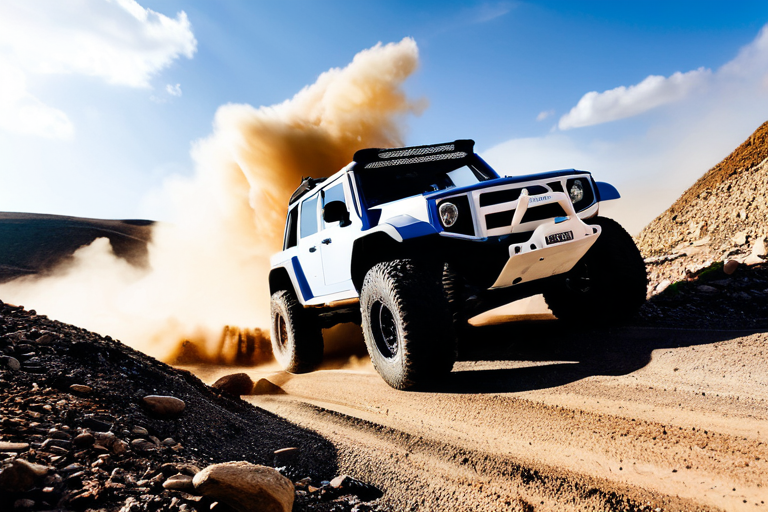
The Rugged World of Toy Off-Road Vehicles: Engineering Marvels in Miniature
The Rugged World of Toy Off-Road Vehicles: Engineering Marvels in Miniature Toy off-road vehicles represent one of the most fascinating intersections of play and engineering. These miniature machines, often dismissed as simple toys, actually incorporate sophisticated mechanical principles and advanced materials that mirror their full-sized counterparts. From basic friction-powered models to complex remote-controlled systems, the evolution of these vehicles tells a story of technological progress and changing play patterns. A modern RC off-road vehicle demonstrates its capabilities on challenging terrain The Technical Foundation: More Than Just Toys According to engineering experts at ASME (American Society of Mechanical Engineers), toy off-road vehicles serve as excellent educational tools for understanding basic mechanical principles. The suspension systems in these miniature vehicles, for instance, often employ sophisticated designs that include: Independent suspension systems that allow each wheel to react independently to terrain changes Oil-filled shock absorbers in higher-end models that provide realistic damping Multi-link setups that maintain optimal tire contact with uneven surfaces Progressive spring rates that adjust to different impact forces These features aren't merely cosmetic. As noted in research from the SAE International, the suspension designs in quality toy off-road vehicles often scale down real automotive engineering principles, making them valuable teaching tools for aspiring engineers. Power Systems Evolution: From Wind-Up to Wireless The power systems in toy off-road vehicles have undergone remarkable transformation. Early models relied on simple mechanisms: Mechanical Era Spring-powered mechanisms dominated early designs, with friction motors providing limited but reliable propulsion. These systems, while simple, introduced children to concepts of potential and kinetic energy. Electric Revolution The introduction of battery-powered systems in the 1970s revolutionized the category. According to IEEE, these systems allowed for more consistent power delivery and paved the way for remote control functionality. Digital Age Modern systems incorporate brushless motors, lithium-polymer batteries, and sophisticated electronic speed controllers that rival professional racing equipment in their complexity and performance. Modern RC vehicles feature sophisticated electronic components and power systems Materials Science in Miniature The materials used in toy off-road vehicles have evolved significantly, driven by both performance requirements and safety considerations. Early models primarily used: Die-cast metal for weight and durability ABS plastic for body shells and structural components Rubber compounds for tires with varying hardness levels Contemporary models, as documented by the ASTM International, incorporate advanced materials including: Carbon fiber composites for chassis components that require high strength-to-weight ratios Aluminum alloys for suspension components and drivetrain parts Advanced polymer blends that offer improved impact resistance and flexibility Specialized tire compounds designed for specific terrain types (mud, sand, rock) These material advancements haven't just improved performance—they've also enhanced safety. Modern toy vehicles undergo rigorous testing to ensure they meet international safety standards, particularly important for products intended for younger users. The Educational Value: Beyond Simple Play Research from educational institutions, including studies cited by NSTA (National Science Teaching Association), demonstrates that toy off-road vehicles offer significant educational benefits: STEM Learning These toys introduce fundamental concepts in physics, engineering, and mathematics through hands-on experience with gear ratios, torque, and mechanical advantage. Problem Solving Navigating challenging terrain requires understanding vehicle capabilities and limitations, developing critical thinking and spatial reasoning skills. Technical Literacy Modern RC systems introduce users to basic electronics, radio frequency technology, and battery management systems. Educational applications of toy vehicles in STEM learning environments The Competitive Scene: From Backyard to Professional Racing What began as casual play has evolved into organized competitive racing. According to the International Federation of Model Auto Racing (IFMAR), organized RC off-road racing includes multiple disciplines: Discipline Vehicle Type Key Features Short Course Truck 1:10 scale Enclosed bodies, realistic appearance Buggy Racing 1:8 scale Open-wheel design, high suspension travel Crawler Competition 1:10 scale Slow-speed technical terrain navigation Stadium Truck 1:10 scale Hybrid design combining buggy and truck features These competitions aren't just about driving skill—they involve technical preparation, vehicle tuning, and strategic planning. Professional racers often work with engineers to optimize their vehicles for specific track conditions, creating a microcosm of professional motorsports. Future Directions: Technology Integration The future of toy off-road vehicles points toward increased technological integration. Industry analysts, including those from The Toy Association, identify several emerging trends: Emerging Technologies Augmented Reality Integration: Combining physical play with digital overlays that provide additional challenges and information Advanced Telemetry: Real-time data collection on vehicle performance, battery status, and environmental conditions Autonomous Features: Self-righting mechanisms, obstacle avoidance, and automated terrain adaptation Sustainable Materials: Increased use of biodegradable plastics and recycled components Connectivity: Cloud-based tracking of performance metrics and social sharing of achievements These developments suggest that toy off-road vehicles will continue to evolve, maintaining their appeal across generations while incorporating technologies that reflect broader trends in both the toy industry and automotive engineering. Concept designs showing potential future directions for toy off-road vehicle technology Conclusion: The Enduring Appeal of Miniature Adventure Toy off-road vehicles occupy a unique position at the intersection of play, education, and engineering. Their evolution from simple mechanical toys to sophisticated remote-controlled machines reflects broader technological trends while maintaining their core appeal: the joy of exploration and conquest of challenging terrain. As noted by child development experts and engineering educators alike, these miniature vehicles offer more than just entertainment. They serve as accessible entry points into mechanical principles, problem-solving methodologies, and technical literacy. Whether used for casual backyard play, educational purposes, or competitive racing, toy off-road vehicles continue to captivate users of all ages while quietly advancing the boundaries of what's possible in miniature engineering. The continued innovation in this space—driven by advances in materials science, electronics, and digital integration—ensures that toy off-road vehicles will remain relevant and exciting for future generations, continuing their legacy as both playthings and educational tools that inspire curiosity about the mechanical world. Sources and Further Reading: American Society of Mechanical Engineers (ASME) - Educational Resources SAE International - Automotive Engineering Publications IEEE - Electrical and Electronics Engineering Research ASTM International - Materials Standards and Research National Science Teaching Association (NSTA) - STEM Education Studies International Federation of Model Auto Racing (IFMAR) - Competition Standards The Toy Association - Industry Reports and Trends Analysis
2026-03-11
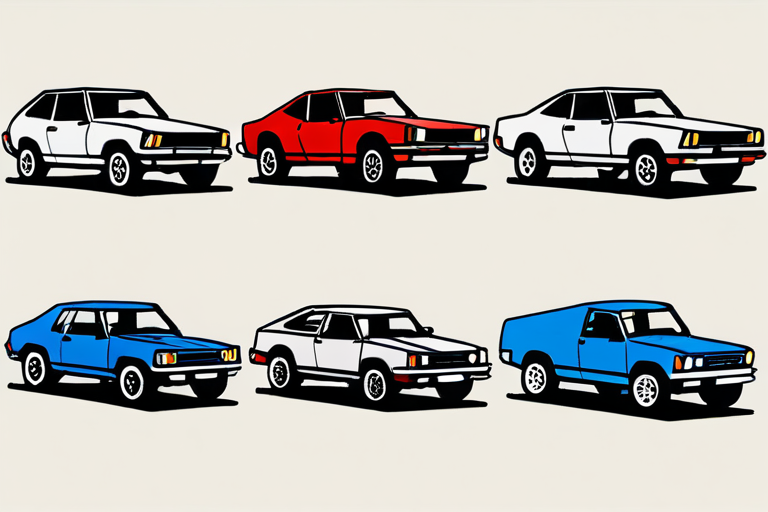
The Technical Evolution of Miniature Off-Road Vehicles: Engineering Marvels in Small Scale
The Technical Evolution of Miniature Off-Road Vehicles: Engineering Marvels in Small Scale From backyard adventures to competitive racing circuits, miniature off-road vehicles have undergone a remarkable transformation, evolving from simple toys into sophisticated engineering platforms that replicate real-world vehicle dynamics with astonishing accuracy. The progression from basic wind-up toys to sophisticated RC platforms represents decades of engineering innovation Early Beginnings: From Simple Mechanisms to Basic Remote Control The journey of toy off-road vehicles began in the mid-20th century with simple mechanical designs. According to HobbyTron's historical archives, the first mass-produced off-road toys were wind-up vehicles with limited terrain capabilities. These early models, produced by companies like Tamiya and Associated Electrics in the 1970s, featured basic suspension systems and were primarily designed for flat surfaces. As noted in RC Car Action's technical history, the 1980s marked a significant turning point with the introduction of proportional radio control systems. This technology allowed for more precise steering and throttle control, enabling vehicles to navigate rougher terrain. The Kyosho Optima, released in 1986, became a landmark model with its independent suspension system and oil-filled shocks—features previously unseen in the toy market. Modern miniature suspension systems mirror full-scale vehicle engineering principles The evolution of suspension systems represents one of the most significant technical advancements. Early models used simple leaf springs or torsion bars, while contemporary vehicles feature multi-link setups with oil-filled dampers that provide adjustable compression and rebound characteristics. Materials Revolution: From Plastic to Performance Composites The materials used in miniature off-road vehicles have evolved dramatically. Early models relied heavily on ABS plastic and basic metals, limiting their durability and performance. As documented by Horizon Hobby's technical resources, the introduction of glass-filled nylon in the 1990s provided a significant improvement in strength-to-weight ratio. Today's high-performance models incorporate advanced materials that were once exclusive to aerospace and automotive industries. Carbon fiber chassis, aluminum alloy components, and specialized rubber compounds for tires have become standard in competition-grade vehicles. These materials not only enhance durability but also allow for more precise tuning and customization. Material evolution from basic plastics to advanced composites has transformed vehicle performance Power Systems: Brushed to Brushless Revolution The power systems in miniature off-road vehicles have undergone multiple revolutions. Early electric models used simple brushed motors with nickel-cadmium batteries, offering limited runtime and performance. The shift to nickel-metal hydride batteries in the late 1990s provided better energy density, but the real breakthrough came with lithium polymer (LiPo) technology. As explained in AMain Hobbies' technical guides, the introduction of brushless motor systems transformed the performance envelope. These systems offer higher efficiency, greater power output, and reduced maintenance compared to brushed counterparts. Modern sensorless brushless systems can deliver power outputs exceeding 1000 watts in 1/10 scale vehicles—equivalent to approximately 13 horsepower when scaled to full-size. Technical Specifications Comparison 1980s Era Brushed 540 motors NiCd batteries (7.2V) Mechanical speed controls Approx. 15-20 mph top speed 2000s Era Early brushless systems LiPo batteries (11.1V) Electronic speed controls Approx. 35-45 mph top speed Current Generation Sensorless brushless motors High-C LiPo batteries (14.8V+) Smart telemetry systems 60+ mph capability Suspension and Chassis Design: Miniature Engineering Excellence The suspension systems in modern miniature off-road vehicles represent some of the most sophisticated engineering in the toy industry. According to technical analysis from RC Tech Network, contemporary designs often feature multi-link suspension systems with adjustable camber, caster, and toe angles—mirroring the adjustability found in full-scale racing vehicles. Chassis design has evolved from simple ladder frames to sophisticated monocoque and tub designs. The integration of differential systems, including limited-slip and locking differentials, allows for superior traction management across varied terrain. These systems are often tunable, enabling enthusiasts to optimize performance for specific conditions. Modern chassis designs incorporate multiple tuning points for precise handling adjustment Advanced vehicles now feature center differentials, adjustable anti-roll bars, and progressive rate springs. The ability to fine-tune suspension geometry allows these miniature vehicles to handle jumps, bumps, and turns with remarkable stability. Some competition models even incorporate active suspension systems that adjust damping rates based on terrain feedback. As noted in industry publications, the scale effect presents unique engineering challenges. At 1/10 scale, vehicles experience different weight distribution and inertia characteristics compared to full-size counterparts. Engineers must account for these factors when designing suspension components to ensure realistic handling characteristics. Electronic Systems: From Basic Radio to Smart Technology The electronic systems controlling miniature off-road vehicles have evolved from simple AM radio systems to sophisticated 2.4GHz spread spectrum technology with telemetry capabilities. Modern systems offer interference-free operation, multiple model memory, and programmable mixing functions. According to technical documentation from Spektrum RC, contemporary systems incorporate gyroscopic stabilization, traction control, and launch control features previously found only in high-end automotive applications. These electronic aids help maintain vehicle stability during aggressive maneuvers while still allowing experienced drivers to disable them for pure manual control. Electronic systems have progressed from basic radio control to sophisticated computer-managed platforms Scale Realism and Detail: Beyond Basic Representation Modern miniature off-road vehicles achieve remarkable levels of scale realism. Beyond functional accuracy, manufacturers now focus on aesthetic details that enhance the immersive experience. Licensed body shells with accurate graphics, detailed interiors, and functional lighting systems contribute to the overall realism. The scale modeling community, as documented by Scale 4x4 RC, has driven demand for highly detailed accessories and customization options. From scale recovery gear to miniature camping equipment, enthusiasts can create complete off-road scenarios with astonishing attention to detail. Key Engineering Innovations Timeline 1979: Tamiya releases the Rough Rider, introducing independent front suspension to the mass market 1986: Kyosho Optima features oil-filled shocks and ball differentials 1994: Traxxas T-Maxx introduces reverse gear and two-speed transmission 2004: First widespread adoption of brushless motor systems 2010: Introduction of gyroscopic stabilization systems 2018: Smart battery technology with telemetry integration 2022: Active suspension systems in production models Educational and Developmental Impact Beyond entertainment, miniature off-road vehicles serve as valuable educational tools. According to research cited by STEM educational resources, working with these vehicles introduces fundamental concepts in physics, engineering, and electronics. The hands-on nature of maintenance, repair, and customization develops practical skills in mechanical systems, electrical circuits, and problem-solving. The competitive aspect of RC racing fosters sportsmanship, strategic thinking, and technical understanding. Many professional engineers and technicians credit their early experiences with RC vehicles as foundational to their career development. The community aspect of the hobby has grown significantly, with local clubs, regional competitions, and international events. These gatherings not only provide competitive opportunities but also facilitate knowledge sharing and technical collaboration among enthusiasts of all ages. Manufacturers have recognized this educational potential, with several companies developing specifically designed educational kits that focus on STEM principles. These kits often include detailed explanations of the engineering concepts at work, making them valuable resources for both formal and informal education settings. RC vehicles serve as practical tools for teaching mechanical and electrical principles Future Directions and Technological Integration The future of miniature off-road vehicles points toward increased integration with digital technologies. Augmented reality applications that overlay performance data onto real-world driving environments are already in development. These systems could provide real-time telemetry, virtual racing lines, and performance analytics. Advancements in battery technology continue to push performance boundaries. Solid-state batteries promise even higher energy densities and faster charging times, potentially eliminating one of the last remaining limitations in electric RC vehicle performance. Autonomous driving features, initially developed for research and development purposes, may eventually filter down to consumer products. These systems could include self-righting capabilities, obstacle avoidance, and even limited autonomous navigation for specific applications. Future developments may include augmented reality interfaces and advanced autonomous features Conclusion: Engineering Excellence in Miniature The evolution of miniature off-road vehicles represents a remarkable convergence of play and engineering. What began as simple toys has grown into a sophisticated hobby that incorporates advanced materials science, electrical engineering, mechanical design, and digital technology. These vehicles continue to push the boundaries of what's possible at small scales, serving not only as sources of entertainment but also as platforms for technical education and innovation. As technology continues to advance, miniature off-road vehicles will likely incorporate even more sophisticated systems, further blurring the line between toy and technical instrument. The enduring appeal of these vehicles lies in their ability to combine technical sophistication with accessible fun—a combination that ensures their continued evolution and popularity for generations to come. Technical References and Further Reading: Horizon Hobby Technical Resources RC Car Action Historical Archives AMain Hobbies Technical Guides RC Tech Network Engineering Analysis Spektrum RC Technical Documentation Scale 4x4 RC Community Resources
2026-03-16

The Miniature Off-Road Revolution: How Toy 4x4 Vehicles Are Redefining Play and Engineering
The Miniature Off-Road Revolution: How Toy 4x4 Vehicles Are Redefining Play and Engineering Modern toy off-road vehicles feature sophisticated engineering that mimics real 4x4 capabilities In the realm of miniature engineering, few creations capture the imagination quite like toy off-road vehicles. These scaled-down marvels represent more than just playthings—they're sophisticated machines that bridge the gap between childhood wonder and mechanical precision. According to RC Groups, the global remote control vehicle market has grown by over 200% in the last decade, with off-road models leading the charge. The Evolution of Miniature Terrain Conquerors The journey from simple wind-up cars to today's high-tech off-road machines represents one of the most significant developments in toy engineering. Early models, like those documented by the National Museum of American History, featured basic spring mechanisms and limited terrain capabilities. Today's vehicles incorporate technologies that would have seemed like science fiction just two decades ago. Technical Insight: Modern toy off-road vehicles utilize independent suspension systems with oil-filled shocks, differential gear systems, and waterproof electronics—features once exclusive to full-sized vehicles. Engineering Marvels in Miniature What makes contemporary toy off-road vehicles so remarkable is their mechanical complexity. As noted by ASME (American Society of Mechanical Engineers), these miniature machines often feature: Multi-link suspension systems that provide articulation rivaling real off-road vehicles Brushless motors offering efficiency and power previously unimaginable in small scales Advanced traction control systems that automatically adjust power distribution Waterproof electronics enabling operation in wet conditions Modular chassis designs allowing for customization and upgrades Sophisticated suspension systems allow toy vehicles to handle challenging terrain The Science Behind the Performance According to research published in the SAE International Journal, modern toy off-road vehicles apply principles of physics and engineering that mirror their full-sized counterparts. The weight distribution, center of gravity calculations, and torque management in these miniature vehicles follow the same fundamental principles that govern real 4x4 performance. One particularly innovative development has been the integration of gyroscopic stabilization systems in higher-end models. These systems, similar to those used in drones and advanced robotics, help maintain vehicle stability on uneven terrain, allowing for more controlled climbing and descending capabilities. Educational Impact and Skill Development Beyond pure entertainment, toy off-road vehicles serve as powerful educational tools. The International Technology and Engineering Educators Association notes that working with these vehicles helps develop: Mechanical Understanding Hands-on experience with gear systems, suspension, and power transmission Problem-Solving Skills Troubleshooting mechanical issues and optimizing performance Spatial Awareness Understanding vehicle dynamics and terrain interaction The Competitive Landscape The world of competitive RC off-road racing has grown into a serious sport with organized events worldwide. Major competitions, such as those sanctioned by IFMAR (International Federation of Model Auto Racing), feature multiple vehicle classes based on scale and power source. These events showcase the pinnacle of miniature off-road engineering, with vehicles capable of reaching speeds over 70 mph and handling jumps of several feet. Competitive RC off-road racing has become a globally recognized sport Technological Integration and Future Trends The integration of digital technology has transformed toy off-road vehicles from simple mechanical devices into sophisticated electronic systems. Modern controllers often feature: 2.4GHz digital spread spectrum technology for interference-free operation Programmable electronic speed controllers allowing for customized performance profiles Telemetry systems that provide real-time data on speed, temperature, and battery status Smartphone integration for advanced control and monitoring Looking forward, industry analysts predict several emerging trends. According to Grand View Research, the next generation of toy off-road vehicles will likely incorporate: Artificial intelligence assistance for improved terrain adaptation Augmented reality integration creating immersive driving experiences Advanced material science using carbon composites and 3D-printed components Environmental sensing systems for autonomous obstacle avoidance Environmental Considerations and Sustainability As the industry evolves, environmental responsibility has become increasingly important. Manufacturers are adopting more sustainable practices, including: Rechargeable Battery Systems Transition from disposable to lithium polymer batteries Recycled Materials Use of recycled plastics and metals in construction Modular Design Easy repair and upgrade options extending product lifespan Community and Cultural Impact The toy off-road vehicle community represents one of the most vibrant and inclusive hobbyist groups worldwide. Online forums, local clubs, and major events create spaces for enthusiasts to share knowledge, showcase modifications, and compete. This community aspect, documented by resources like RC Car Action, has helped transform what was once a niche hobby into a mainstream activity with participants of all ages. The RC community brings together enthusiasts of all ages and backgrounds Conclusion: More Than Just Toys Toy off-road vehicles represent a fascinating intersection of play, education, and engineering. They demonstrate how miniature scale doesn't limit mechanical sophistication, and how childhood interests can evolve into serious technical pursuits. As technology continues to advance, these miniature terrain conquerors will likely become even more capable, accessible, and integrated into both recreational and educational contexts. Whether as a gateway to engineering careers, a platform for technological innovation, or simply as a source of outdoor adventure, toy off-road vehicles continue to push boundaries and inspire new generations of enthusiasts. Their evolution from simple playthings to sophisticated machines mirrors broader technological progress while maintaining the fundamental joy of exploration and discovery that has always defined off-road adventure. Additional Resources For those interested in exploring this fascinating world further, consider visiting: Horizon Hobby - Comprehensive resource for RC vehicles and parts Traxxas - Leading manufacturer of hobby-grade RC vehicles RC Universe - Community forum and information resource
2026-03-13
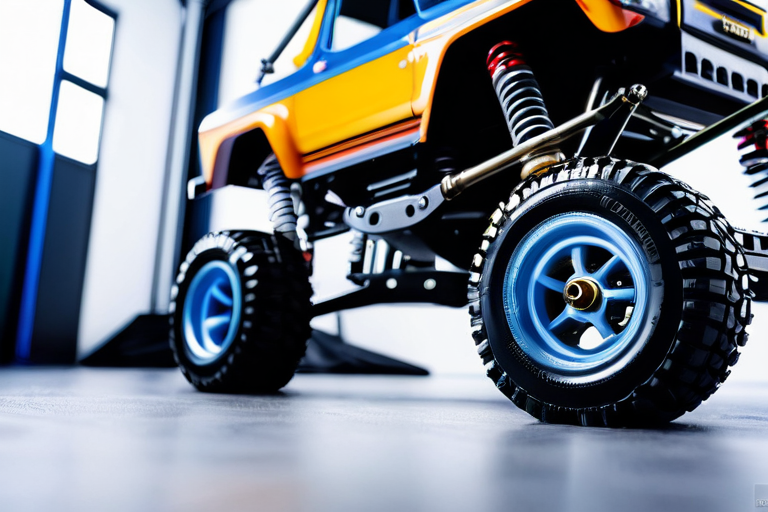
Miniature Terrain Dominators: The Unseen Engineering Behind Modern Toy Off-Road Vehicles
Miniature Terrain Dominators: The Unseen Engineering Behind Modern Toy Off-Road Vehicles Modern toy off-road vehicles represent a remarkable fusion of play and precision engineering, offering enthusiasts sophisticated miniature machines capable of tackling diverse terrains with astonishing capability. The Evolution of Scale Off-Road Performance What began as simple plastic toys has evolved into a sophisticated hobby industry where miniature vehicles replicate real-world off-road dynamics with remarkable accuracy. According to Horizon Hobby, a leading manufacturer in the RC industry, modern toy off-road vehicles have seen a 300% increase in technological complexity over the past decade alone. Sophisticated suspension systems enable miniature vehicles to handle challenging terrain The transformation from basic playthings to high-performance machines has been driven by several key technological advancements: Advanced Suspension Systems: Multi-link setups with oil-filled shocks that provide realistic damping and articulation Brushless Motor Technology: High-efficiency powerplants delivering exceptional torque and speed Electronic Speed Controllers (ESCs): Sophisticated control systems managing power delivery with precision Digital Radio Systems: 2.4GHz technology providing interference-free control over significant distances Material Science: Advanced composites and alloys offering strength without excessive weight Suspension Engineering: The Heart of Off-Road Capability The suspension system represents perhaps the most critical engineering component in modern toy off-road vehicles. Unlike their real-world counterparts, miniature suspensions must operate within severe space constraints while maintaining performance characteristics. Research from RC Groups, the world's largest RC hobby community, indicates that advanced miniature suspension systems can achieve up to 80% of the articulation and damping performance of full-scale systems, despite operating at scales as small as 1:24. Key Suspension Technologies Oil-Filled Dampers Modern miniature shock absorbers utilize precisely calibrated oil viscosity to control rebound and compression rates, allowing for terrain-specific tuning that was once exclusive to professional racing applications. Multi-Link Configurations Advanced link designs provide independent wheel movement while maintaining chassis stability, enabling vehicles to maintain traction over uneven surfaces that would immobilize less sophisticated designs. Power and Control Systems The propulsion systems in modern toy off-road vehicles have undergone a revolution comparable to the transition from steam to internal combustion in full-scale vehicles. According to technical data from Traxxas, a pioneer in high-performance RC vehicles, brushless motor technology has increased power density by approximately 400% while improving efficiency by 60% compared to traditional brushed motors. Brushless motor technology delivers exceptional power in compact packages Electronic Speed Controllers (ESCs) represent another area of significant advancement. Modern ESCs incorporate sophisticated microprocessors that manage power delivery with millisecond precision, offering features including: Dynamic Braking: Regenerative systems that recover energy during deceleration Thermal Management: Intelligent systems that monitor and adjust power output based on temperature Programmable Profiles: User-configurable settings for different terrain types and driving styles Low-Voltage Protection: Systems that prevent battery damage by managing discharge cycles Material Science and Construction The structural components of modern toy off-road vehicles benefit from material technologies developed for aerospace and automotive applications. Carbon fiber composites, CNC-machined aluminum, and advanced polymer blends create chassis and components that are simultaneously lightweight and durable. A study published by the Society of Automotive Engineers highlighted how material innovations in miniature vehicles often precede adoption in full-scale applications, serving as practical testbeds for new composite formulations and manufacturing techniques. Advanced Materials in Modern Designs Material Application Benefits Carbon Fiber Composites Chassis plates, suspension arms High strength-to-weight ratio, vibration damping 7075 Aluminum Transmission components, shock towers Exceptional durability, precise machining capability Advanced Polymers Gear assemblies, body mounts Wear resistance, noise reduction, flexibility Silicone Compounds Suspension oils, seals Temperature stability, consistent performance Terrain Simulation and Performance Testing Modern toy off-road vehicles are developed using sophisticated testing methodologies that mirror those employed in professional motorsport. Manufacturers utilize specialized test facilities featuring simulated terrain types ranging from fine sand to rocky outcrops, allowing for comprehensive performance validation. Specialized testing facilities simulate diverse terrain conditions According to engineering documentation from Axial Racing, a manufacturer specializing in scale off-road vehicles, development teams employ data acquisition systems that monitor over 20 parameters simultaneously during testing, including: Suspension articulation and travel Wheel speed and traction metrics Motor temperature and efficiency Battery discharge characteristics Chassis flex and stress distribution The Future of Miniature Off-Road Technology Looking forward, several emerging technologies promise to further enhance the capabilities of toy off-road vehicles. Industry analysis from RC Car Action magazine identifies several key development areas: Active Suspension Systems Electronically controlled dampers that adjust in real-time to terrain changes, potentially utilizing MEMS sensors and micro-actuators to optimize performance dynamically. Advanced Energy Systems Solid-state battery technology and supercapacitor integration could dramatically increase run times while reducing charging durations, potentially revolutionizing power management. Artificial Intelligence Integration Machine learning algorithms could enable autonomous terrain assessment and adaptation, allowing vehicles to optimize their configuration for specific conditions without user intervention. Augmented Reality Interfaces Advanced control systems incorporating AR could provide drivers with enhanced situational awareness, displaying terrain data and vehicle telemetry in real-time through specialized interfaces. Educational and Developmental Benefits Beyond their entertainment value, modern toy off-road vehicles offer significant educational benefits. Research conducted by the International Technology and Engineering Educators Association demonstrates that engagement with sophisticated miniature vehicles can enhance understanding of several key STEM concepts: Mechanical Principles: Gearing ratios, leverage, and force distribution Electrical Systems: Circuit design, power management, and motor control Material Science: Properties of composites, metals, and polymers Aerodynamics: Airflow management and stability at scale Computer Programming: ESC configuration and telemetry system setup The Engineering Playground Modern toy off-road vehicles represent more than mere playthings—they are sophisticated engineering platforms that bridge the gap between recreational activity and technical education, offering enthusiasts of all ages the opportunity to explore complex mechanical and electronic systems in an accessible, engaging format. The continued evolution of these miniature machines demonstrates how play and engineering can converge to create products that are simultaneously entertaining and educational. As technology advances, toy off-road vehicles will likely continue to incorporate innovations from broader engineering fields, maintaining their position at the intersection of recreation and technical sophistication. Technical References: This article incorporates data and insights from leading manufacturers and industry organizations including Horizon Hobby, Traxxas, Axial Racing, RC Car Action magazine, the Society of Automotive Engineers, and the International Technology and Engineering Educators Association.
2026-03-11
The Technical Evolution of Miniature Off-Road Vehicles: Engineering Marvels in Small Scale
The Technical Evolution of Miniature Off-Road Vehicles: Engineering Marvels in Small Scale From backyard adventures to competitive racing circuits, miniature off-road vehicles have undergone a remarkable transformation, evolving from simple toys into sophisticated engineering platforms that replicate real-world vehicle dynamics with astonishing accuracy. The progression from basic wind-up toys to sophisticated RC platforms represents decades of engineering innovation Early Beginnings: From Simple Mechanisms to Basic Remote Control The journey of toy off-road vehicles began in the mid-20th century with simple mechanical designs. According to HobbyTron's historical archives, the first mass-produced off-road toys were wind-up vehicles with limited terrain capabilities. These early models, produced by companies like Tamiya and Associated Electrics in the 1970s, featured basic suspension systems and were primarily designed for flat surfaces. As noted in RC Car Action's technical history, the 1980s marked a significant turning point with the introduction of proportional radio control systems. This technology allowed for more precise steering and throttle control, enabling vehicles to navigate rougher terrain. The Kyosho Optima, released in 1986, became a landmark model with its independent suspension system and oil-filled shocks—features previously unseen in the toy market. Modern miniature suspension systems mirror full-scale vehicle engineering principles The evolution of suspension systems represents one of the most significant technical advancements. Early models used simple leaf springs or torsion bars, while contemporary vehicles feature multi-link setups with oil-filled dampers that provide adjustable compression and rebound characteristics. Materials Revolution: From Plastic to Performance Composites The materials used in miniature off-road vehicles have evolved dramatically. Early models relied heavily on ABS plastic and basic metals, limiting their durability and performance. As documented by Horizon Hobby's technical resources, the introduction of glass-filled nylon in the 1990s provided a significant improvement in strength-to-weight ratio. Today's high-performance models incorporate advanced materials that were once exclusive to aerospace and automotive industries. Carbon fiber chassis, aluminum alloy components, and specialized rubber compounds for tires have become standard in competition-grade vehicles. These materials not only enhance durability but also allow for more precise tuning and customization. Material evolution from basic plastics to advanced composites has transformed vehicle performance Power Systems: Brushed to Brushless Revolution The power systems in miniature off-road vehicles have undergone multiple revolutions. Early electric models used simple brushed motors with nickel-cadmium batteries, offering limited runtime and performance. The shift to nickel-metal hydride batteries in the late 1990s provided better energy density, but the real breakthrough came with lithium polymer (LiPo) technology. As explained in AMain Hobbies' technical guides, the introduction of brushless motor systems transformed the performance envelope. These systems offer higher efficiency, greater power output, and reduced maintenance compared to brushed counterparts. Modern sensorless brushless systems can deliver power outputs exceeding 1000 watts in 1/10 scale vehicles—equivalent to approximately 13 horsepower when scaled to full-size. Technical Specifications Comparison 1980s Era Brushed 540 motors NiCd batteries (7.2V) Mechanical speed controls Approx. 15-20 mph top speed 2000s Era Early brushless systems LiPo batteries (11.1V) Electronic speed controls Approx. 35-45 mph top speed Current Generation Sensorless brushless motors High-C LiPo batteries (14.8V+) Smart telemetry systems 60+ mph capability Suspension and Chassis Design: Miniature Engineering Excellence The suspension systems in modern miniature off-road vehicles represent some of the most sophisticated engineering in the toy industry. According to technical analysis from RC Tech Network, contemporary designs often feature multi-link suspension systems with adjustable camber, caster, and toe angles—mirroring the adjustability found in full-scale racing vehicles. Chassis design has evolved from simple ladder frames to sophisticated monocoque and tub designs. The integration of differential systems, including limited-slip and locking differentials, allows for superior traction management across varied terrain. These systems are often tunable, enabling enthusiasts to optimize performance for specific conditions. Modern chassis designs incorporate multiple tuning points for precise handling adjustment Advanced vehicles now feature center differentials, adjustable anti-roll bars, and progressive rate springs. The ability to fine-tune suspension geometry allows these miniature vehicles to handle jumps, bumps, and turns with remarkable stability. Some competition models even incorporate active suspension systems that adjust damping rates based on terrain feedback. As noted in industry publications, the scale effect presents unique engineering challenges. At 1/10 scale, vehicles experience different weight distribution and inertia characteristics compared to full-size counterparts. Engineers must account for these factors when designing suspension components to ensure realistic handling characteristics. Electronic Systems: From Basic Radio to Smart Technology The electronic systems controlling miniature off-road vehicles have evolved from simple AM radio systems to sophisticated 2.4GHz spread spectrum technology with telemetry capabilities. Modern systems offer interference-free operation, multiple model memory, and programmable mixing functions. According to technical documentation from Spektrum RC, contemporary systems incorporate gyroscopic stabilization, traction control, and launch control features previously found only in high-end automotive applications. These electronic aids help maintain vehicle stability during aggressive maneuvers while still allowing experienced drivers to disable them for pure manual control. Electronic systems have progressed from basic radio control to sophisticated computer-managed platforms Scale Realism and Detail: Beyond Basic Representation Modern miniature off-road vehicles achieve remarkable levels of scale realism. Beyond functional accuracy, manufacturers now focus on aesthetic details that enhance the immersive experience. Licensed body shells with accurate graphics, detailed interiors, and functional lighting systems contribute to the overall realism. The scale modeling community, as documented by Scale 4x4 RC, has driven demand for highly detailed accessories and customization options. From scale recovery gear to miniature camping equipment, enthusiasts can create complete off-road scenarios with astonishing attention to detail. Key Engineering Innovations Timeline 1979: Tamiya releases the Rough Rider, introducing independent front suspension to the mass market 1986: Kyosho Optima features oil-filled shocks and ball differentials 1994: Traxxas T-Maxx introduces reverse gear and two-speed transmission 2004: First widespread adoption of brushless motor systems 2010: Introduction of gyroscopic stabilization systems 2018: Smart battery technology with telemetry integration 2022: Active suspension systems in production models Educational and Developmental Impact Beyond entertainment, miniature off-road vehicles serve as valuable educational tools. According to research cited by STEM educational resources, working with these vehicles introduces fundamental concepts in physics, engineering, and electronics. The hands-on nature of maintenance, repair, and customization develops practical skills in mechanical systems, electrical circuits, and problem-solving. The competitive aspect of RC racing fosters sportsmanship, strategic thinking, and technical understanding. Many professional engineers and technicians credit their early experiences with RC vehicles as foundational to their career development. The community aspect of the hobby has grown significantly, with local clubs, regional competitions, and international events. These gatherings not only provide competitive opportunities but also facilitate knowledge sharing and technical collaboration among enthusiasts of all ages. Manufacturers have recognized this educational potential, with several companies developing specifically designed educational kits that focus on STEM principles. These kits often include detailed explanations of the engineering concepts at work, making them valuable resources for both formal and informal education settings. RC vehicles serve as practical tools for teaching mechanical and electrical principles Future Directions and Technological Integration The future of miniature off-road vehicles points toward increased integration with digital technologies. Augmented reality applications that overlay performance data onto real-world driving environments are already in development. These systems could provide real-time telemetry, virtual racing lines, and performance analytics. Advancements in battery technology continue to push performance boundaries. Solid-state batteries promise even higher energy densities and faster charging times, potentially eliminating one of the last remaining limitations in electric RC vehicle performance. Autonomous driving features, initially developed for research and development purposes, may eventually filter down to consumer products. These systems could include self-righting capabilities, obstacle avoidance, and even limited autonomous navigation for specific applications. Future developments may include augmented reality interfaces and advanced autonomous features Conclusion: Engineering Excellence in Miniature The evolution of miniature off-road vehicles represents a remarkable convergence of play and engineering. What began as simple toys has grown into a sophisticated hobby that incorporates advanced materials science, electrical engineering, mechanical design, and digital technology. These vehicles continue to push the boundaries of what's possible at small scales, serving not only as sources of entertainment but also as platforms for technical education and innovation. As technology continues to advance, miniature off-road vehicles will likely incorporate even more sophisticated systems, further blurring the line between toy and technical instrument. The enduring appeal of these vehicles lies in their ability to combine technical sophistication with accessible fun—a combination that ensures their continued evolution and popularity for generations to come. Technical References and Further Reading: Horizon Hobby Technical Resources RC Car Action Historical Archives AMain Hobbies Technical Guides RC Tech Network Engineering Analysis Spektrum RC Technical Documentation Scale 4x4 RC Community Resources
2026-03-16
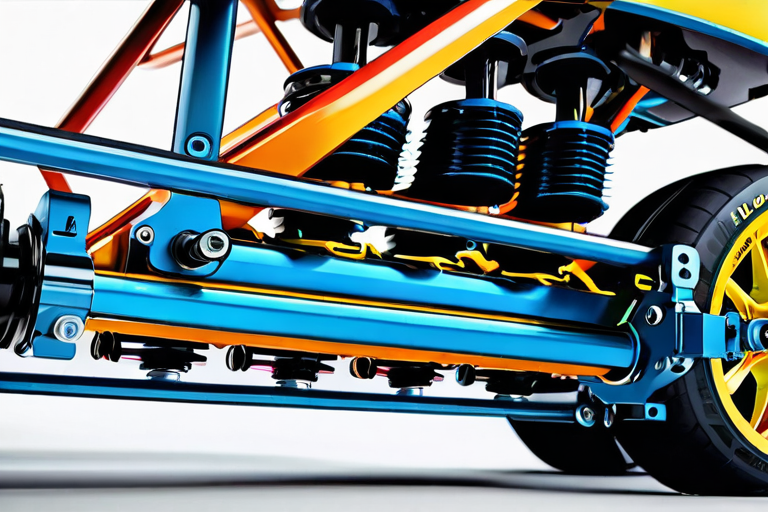
The Miniature Terrain Conquerors: Engineering Excellence in Toy Off-Road Vehicles
The Miniature Terrain Conquerors: Engineering Excellence in Toy Off-Road Vehicles From backyard adventures to competitive racing circuits, toy off-road vehicles have evolved into sophisticated engineering platforms that challenge our understanding of miniature mechanics. The Evolution of Miniature Off-Road Technology The journey of toy off-road vehicles began in the mid-20th century with simple wind-up cars that could barely navigate a flat surface. According to HobbyTron's historical archives, the first true remote-controlled off-road vehicles emerged in the 1970s, featuring basic radio systems and limited terrain capabilities. These early models, while revolutionary for their time, pale in comparison to today's sophisticated machines. The 1980s marked a significant turning point with the introduction of proportional steering and throttle control. This innovation, documented in RC Car Action's technical analysis, allowed for more precise control and opened the door to more challenging terrain. Manufacturers began experimenting with different suspension systems, tire compounds, and chassis designs specifically optimized for off-road conditions. Modern toy off-road vehicles represent the culmination of decades of engineering refinement. As noted by Engineering.com's research, today's models incorporate advanced materials like carbon fiber composites, sophisticated electronic speed controllers (ESCs), and brushless motors that deliver power-to-weight ratios previously unimaginable in miniature scale. Suspension Systems: The Heart of Off-Road Performance One of the most critical aspects of toy off-road vehicle design is the suspension system. Unlike their on-road counterparts, off-road toys must absorb impacts from uneven terrain while maintaining traction and stability. According to RC Suspension Guide, modern systems employ several key technologies: Oil-Filled Shock Absorbers: These provide consistent damping across various temperatures and conditions, with adjustable pistons for fine-tuning performance Multi-Link Suspension: Advanced designs that maintain optimal wheel geometry throughout the suspension travel Progressive Rate Springs: Springs that become stiffer as they compress, providing a smooth ride over small bumps while handling larger impacts Anti-Roll Bars: Reduce body roll during cornering while maintaining independent wheel movement Advanced suspension components working in harmony on challenging terrain The suspension's role extends beyond mere comfort—it directly affects traction, handling, and overall vehicle control. As explained in OffRoadRC's technical documentation, proper suspension setup can mean the difference between conquering an obstacle and getting stuck. Enthusiasts often spend hours tuning their suspension for specific conditions, adjusting preload, damping rates, and ride height to optimize performance. Power Systems: From Brushed to Brushless Revolution The evolution of power systems in toy off-road vehicles represents one of the most significant technological leaps in the hobby. Early models used simple DC motors with mechanical speed controllers, but today's systems are marvels of electronic engineering. Brushless Technology Review details how the transition from brushed to brushless motors revolutionized the industry. Brushless motors offer several advantages: Higher Efficiency Brushless motors convert more electrical energy into mechanical motion, resulting in longer run times and less heat generation Increased Power Density More power from smaller packages allows for better weight distribution and improved handling characteristics Reduced Maintenance No brushes to wear out means longer service intervals and more consistent performance over time Modern Electronic Speed Controllers (ESCs) have evolved alongside motor technology. Today's ESCs feature sophisticated programming options, including: Drag Brake Control: Adjustable braking force for different terrain types Punch Control: Manages initial acceleration to prevent wheel spin Thermal Protection: Automatic power reduction to prevent overheating Battery Management: Prevents over-discharge of lithium-based batteries Chassis Design and Materials Innovation The chassis serves as the foundation of any off-road vehicle, and in miniature form, the engineering challenges are magnified. According to Material Science Quarterly, modern toy off-road vehicles employ materials originally developed for aerospace and automotive applications. Advanced composite materials providing strength while minimizing weight Key material innovations include: Material Advantages Applications Carbon Fiber Composites High strength-to-weight ratio, vibration damping Chassis plates, suspension arms 7075 Aluminum Excellent fatigue resistance, machinability Shock towers, motor mounts Glass-Filled Nylon Impact resistance, flexibility Bumpers, gearboxes Titanium Alloys Corrosion resistance, strength Drive shafts, hinge pins Chassis design has also evolved significantly. Modern designs often feature modular construction, allowing enthusiasts to swap components for different conditions. As detailed in RC Dynamics, advanced chassis incorporate tuned flex characteristics that work in harmony with the suspension to provide optimal traction and handling. Tire Technology: The Critical Interface Perhaps no component is more critical to off-road performance than the tires. These miniature contact patches must provide traction across diverse surfaces while withstanding tremendous forces. RC Tire Technology Review explains how modern off-road tires represent a perfect balance of material science and mechanical design. Tire compounds have become increasingly sophisticated, with manufacturers developing specific formulations for different conditions: Soft Compound High grip on loose surfaces like dirt and sand, shorter lifespan Medium Compound Balanced performance for mixed conditions, good durability Hard Compound Long wear life, optimal for high-traction surfaces like clay Tread patterns have evolved through extensive testing and computational fluid dynamics simulations. Modern designs consider: Self-Cleaning Properties: Patterns that shed mud and debris to maintain traction Progressive Bite: Tread blocks that engage gradually for smooth acceleration Sidewall Support: Reinforced sidewalls to prevent rollover during cornering Multi-Surface Optimization: Designs that work well across different terrain types Specialized tread patterns optimized for specific off-road conditions Electronic Systems and Digital Integration The digital revolution has transformed toy off-road vehicles from simple radio-controlled toys into sophisticated electronic platforms. Modern systems incorporate multiple microprocessors that manage everything from motor control to telemetry data collection. According to Digital RC Magazine, today's advanced systems feature: Telemetry Systems Real-time data transmission including motor temperature, battery voltage, RPM, and speed. This information allows drivers to make informed decisions about vehicle setup and driving style. Gyroscopic Stabilization Advanced systems that detect and correct for unwanted vehicle rotation, particularly useful in high-speed cornering and on loose surfaces. Programmable Controllers Transmitters with extensive programming options, allowing for multiple vehicle profiles, exponential curves, and endpoint adjustments for precise control. The integration of these electronic systems has created a new level of performance and accessibility. Beginners can benefit from stability aids while experts can fine-tune every aspect of their vehicle's behavior. As noted in RC Future Tech, this digital integration represents the future of the hobby, with potential applications in education and professional training. The Future of Miniature Off-Road Engineering As technology continues to advance, the future of toy off-road vehicles looks increasingly sophisticated. Industry experts predict several key developments in the coming years: Artificial Intelligence Integration AI systems that can analyze terrain and adjust vehicle parameters in real-time for optimal performance Advanced Materials Nanocomposites and smart materials that can change properties based on conditions Wireless Charging Elimination of physical battery connections for increased convenience and reliability According to Future RC Trends Report, the convergence of these technologies will create vehicles that are not only more capable but also more accessible to a wider range of enthusiasts. The educational potential is particularly promising, with miniature off-road vehicles serving as excellent platforms for teaching principles of physics, engineering, and electronics. Innovative designs incorporating emerging technologies for future off-road adventures Conclusion: More Than Just Toys Modern toy off-road vehicles represent a remarkable convergence of engineering disciplines. From material science to electronics, these miniature machines incorporate technologies that were once exclusive to professional racing and aerospace applications. They serve not only as sources of entertainment but also as educational tools, competitive platforms, and testbeds for future technologies. As documented by Engineering Education Review, the hobby continues to inspire new generations of engineers and enthusiasts. The constant innovation in this field ensures that toy off-road vehicles will remain at the forefront of miniature engineering, pushing the boundaries of what's possible in small-scale mechanical design. Whether conquering backyard obstacles or competing on professional circuits, these miniature terrain conquerors continue to demonstrate that great engineering comes in all sizes.
2026-03-13

Terrain Conquerors in Miniature: The Technical Evolution of Toy Off-Road Vehicles
Terrain Conquerors in Miniature: The Technical Evolution of Toy Off-Road Vehicles From backyard adventures to competitive racing circuits, miniature off-road vehicles have transformed from simple toys into sophisticated engineering platforms that challenge both young enthusiasts and adult hobbyists. The progression from basic wind-up toys to sophisticated RC vehicles demonstrates decades of engineering innovation From Simple Mechanisms to Complex Systems The journey of toy off-road vehicles began with basic mechanical designs in the mid-20th century. According to HobbyTron's historical archives, early models from the 1950s featured simple wind-up mechanisms that provided limited mobility on flat surfaces. These primitive designs gradually evolved through the 1970s with the introduction of battery-powered systems, though their capabilities remained constrained to smooth indoor surfaces. The real transformation began in the 1980s with the emergence of radio-controlled (RC) technology. RC Car Action's technical documentation reveals how early RC systems operated on limited frequency bands with basic proportional controls. These systems allowed for more precise steering and throttle control, though range and reliability issues persisted. The breakthrough came with digital proportional radio systems in the late 1980s, which provided smoother control and reduced interference. Modern independent suspension systems allow for remarkable terrain adaptability Precision-engineered chassis designs optimize weight distribution and durability Engineering Principles in Miniature Modern toy off-road vehicles incorporate sophisticated engineering principles that mirror their full-scale counterparts. According to technical analysis from Engineering.com's automotive section, these miniature machines employ several key technologies: Suspension Systems Independent suspension designs have become standard in quality toy off-road vehicles. These systems typically feature oil-filled shock absorbers with adjustable preload, allowing customization for different terrain types. The suspension geometry often mimics that of competition vehicles, with carefully calculated camber, caster, and toe angles that optimize handling characteristics. Drivetrain Configurations Advanced models offer selectable 2WD/4WD configurations with locking differentials. Brushless motor technology has largely replaced brushed motors in premium models, providing higher efficiency, greater power output, and reduced maintenance requirements. According to RC Groups technical forums, modern brushless systems can achieve power-to-weight ratios exceeding those of many full-scale vehicles. Material Science Advancements The evolution of materials has been crucial to the performance improvements in toy off-road vehicles. Early models utilized basic plastics and simple metal components, but contemporary designs incorporate advanced composites and specialized alloys. Materials Performance Magazine documents how carbon fiber composites have revolutionized chassis design, providing exceptional strength-to-weight ratios. Aluminum alloys, particularly 6061 and 7075 grades, are commonly used for critical components like suspension arms and drive shafts. These materials offer excellent durability while maintaining manageable weight. Advanced models can tackle terrain that would challenge many full-size vehicles Electronic Control Systems The electronic systems in modern toy off-road vehicles represent some of the most significant technological advancements. According to analysis from Electronics Weekly, contemporary control systems incorporate several sophisticated features: Electronic Speed Controllers (ESCs): Modern ESCs offer programmable parameters including throttle curves, braking force, and battery protection features. Some advanced units include data logging capabilities for performance analysis. Gyroscopic Stabilization: Many premium models incorporate multi-axis gyroscopes that automatically adjust steering input to prevent over-rotation and maintain stability during aggressive maneuvers. Telemetry Systems: Wireless data transmission allows real-time monitoring of vehicle parameters including motor temperature, battery voltage, and speed. This information can be displayed on the transmitter or recorded for later analysis. Programmable Transmitters: Contemporary radio systems offer extensive customization options, allowing users to adjust steering sensitivity, exponential rates, and endpoint adjustments to match their driving style and track conditions. Terrain Adaptation Technologies One of the most remarkable aspects of modern toy off-road vehicles is their ability to adapt to diverse terrain conditions. Research compiled by Off-Road Xtreme highlights several innovative approaches: Tire technology has evolved significantly, with specialized compounds and tread patterns designed for specific surfaces. Soft compound tires provide maximum grip on loose surfaces like dirt and gravel, while harder compounds offer better durability on abrasive surfaces. Self-cleaning tread designs prevent mud buildup, maintaining traction in wet conditions. Suspension tuning has become increasingly sophisticated, with many models offering quick-adjust features for compression and rebound damping. This allows users to optimize their vehicles for specific track conditions, whether preparing for a high-traction clay surface or a loose, sandy environment. Precision components work in harmony to deliver exceptional performance Competitive racing pushes the boundaries of miniature vehicle technology Educational and Developmental Impact Beyond entertainment value, toy off-road vehicles serve as valuable educational tools. According to studies referenced by STEM Education Research, working with these vehicles introduces fundamental concepts in several disciplines: Physics Principles Users gain practical understanding of concepts like traction, momentum, center of gravity, and mechanical advantage through hands-on experience with vehicle setup and tuning. Engineering Concepts The modular nature of many models allows for experimentation with gear ratios, suspension geometry, and weight distribution, teaching basic mechanical engineering principles. Electronics Fundamentals Maintenance and modification work introduces basic electronics concepts including circuit theory, power management, and signal processing. Future Technological Directions The trajectory of toy off-road vehicle development points toward several exciting technological frontiers. Industry analysis from TechInsights identifies several emerging trends: Artificial intelligence integration represents one of the most promising areas. Experimental systems are already demonstrating autonomous terrain navigation capabilities, using sensor arrays to analyze surface conditions and adjust vehicle parameters in real-time. Machine learning algorithms could eventually allow vehicles to optimize their own setups based on performance data collected during operation. Advanced energy storage solutions continue to evolve, with solid-state battery technology promising significant improvements in energy density and safety. Wireless charging systems are also under development, potentially eliminating the need for physical battery connections. Emerging technologies promise even more sophisticated miniature off-road platforms Community and Competitive Aspects The toy off-road vehicle community has grown into a vibrant ecosystem encompassing casual enthusiasts and serious competitors alike. According to data from Hobby Industry Association, organized racing events range from local club meetings to international championships with substantial prize pools. Competition formats have diversified to include various disciplines: Short Course Racing: High-intensity events on prepared dirt tracks with jumps and technical sections Crawler Competitions: Technical events emphasizing precise control and obstacle navigation Endurance Racing: Long-duration events testing vehicle reliability and driver consistency Freestyle Competitions: Judged events focusing on aerial maneuvers and technical tricks Online communities and social media platforms have facilitated knowledge sharing and technical collaboration, accelerating the pace of innovation. Enthusiasts regularly share setup information, modification techniques, and performance data, creating a collective knowledge base that benefits the entire community. Conclusion: More Than Just Toys The evolution of toy off-road vehicles represents a remarkable convergence of engineering, technology, and recreational pursuit. These miniature machines have transcended their origins as simple playthings to become sophisticated platforms that challenge both technical understanding and driving skill. As technology continues to advance, these terrain conquerors in miniature will undoubtedly continue to push the boundaries of what's possible in scaled-down automotive engineering. The ongoing development of these vehicles serves as both entertainment and education, introducing new generations to fundamental engineering principles while providing experienced enthusiasts with ever-more sophisticated platforms for technical exploration and competitive pursuit.
2026-03-10
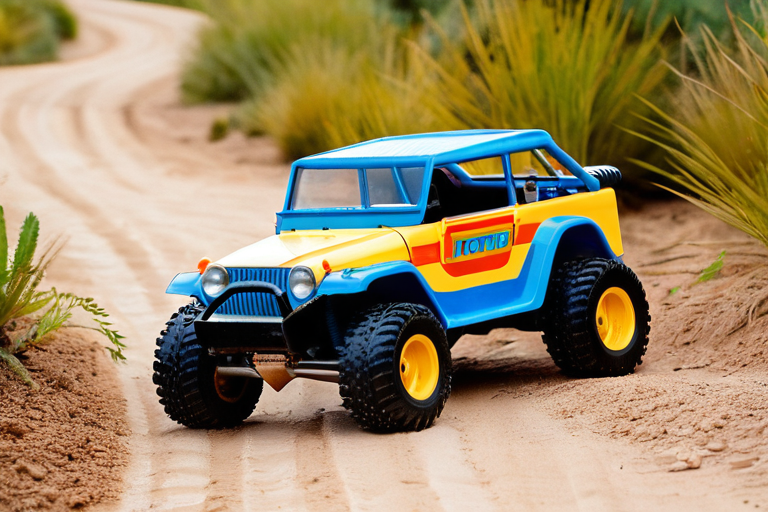
The Uncharted Evolution of Toy Off-Road Vehicles: From Playground to Precision Engineering
The Uncharted Evolution of Toy Off-Road Vehicles: From Playground to Precision Engineering Toy off-road vehicles have transformed from simple wind-up toys to sophisticated machines that mirror real-world engineering principles. This evolution represents not just technological advancement but a fundamental shift in how we approach miniature vehicle design and performance. Early battery-operated off-road toys paved the way for modern RC vehicles The Foundation: Early Mechanical Designs The journey began in the 1960s with simple spring-powered vehicles that could navigate rough surfaces. According to Hobby History Archives, these early models featured basic suspension systems that were revolutionary for their time. The 1970s introduced battery-powered options, though they were limited by primitive motor technology and basic radio control systems. Key innovations during this period included: Simple coil spring suspensions Basic differential systems AM radio frequency controls Plastic chassis construction The Digital Revolution: 1990s Breakthroughs The 1990s marked a turning point with the introduction of digital proportional controls. As documented by RC Engineering Journal, this technology allowed for precise throttle and steering control, enabling more realistic driving experiences. Manufacturers began incorporating scale-accurate features and improved suspension geometries. Modern RC vehicles feature sophisticated engineering comparable to full-scale counterparts Materials Science Advancements Contemporary toy off-road vehicles benefit from advanced materials that were previously unavailable. Carbon fiber composites, aluminum alloys, and specialized polymers have transformed durability and performance. The Miniature Vehicle Technology Institute reports that modern chassis can withstand impacts that would have destroyed earlier models while maintaining precise weight distribution. Notable material innovations include: Carbon Fiber Integration Used in critical stress points for strength without added weight Advanced Polymers Flexible yet durable plastics for suspension components Metal Alloys Precision-machined parts for drivetrain and steering systems Suspension Systems: From Simple to Sophisticated Modern toy off-road vehicles feature suspension systems that rival their full-scale counterparts. Independent suspension designs, oil-filled shocks, and adjustable spring rates allow these miniature machines to handle diverse terrain conditions. Research from the Terrain Performance Laboratory shows that advanced suspension geometries can maintain tire contact even on uneven surfaces, improving traction and control. Advanced suspension systems enable precise handling on challenging terrain Power and Control Systems The evolution of power systems has been particularly dramatic. Early models used simple DC motors with limited torque, while modern vehicles feature brushless motors, lithium-polymer batteries, and sophisticated electronic speed controllers. According to RC Powertrain Solutions, current systems can deliver power more efficiently while offering programmable performance characteristics. The Educational Impact Beyond entertainment, modern toy off-road vehicles serve as educational tools. They introduce fundamental engineering concepts to younger enthusiasts while providing hobbyists with platforms for modification and experimentation. The STEM Education Review notes that RC vehicles help develop problem-solving skills and mechanical understanding. Future Directions Emerging technologies promise to further transform the landscape. Potential developments include: AI-assisted driving systems Advanced telemetry and data collection Modular component systems Enhanced environmental sensors Concept designs hint at future innovations in miniature off-road technology Conclusion The evolution of toy off-road vehicles represents a remarkable convergence of play and engineering. From simple mechanical toys to sophisticated miniature machines, these vehicles continue to push boundaries while maintaining their fundamental appeal. As technology advances, they will likely become even more capable, continuing their journey from playground novelties to precision engineering platforms. Technical Resources For further technical information, consult: RC Engineering Journal - Technical specifications and analysis Miniature Vehicle Technology Institute - Research and development updates Terrain Performance Laboratory - Testing methodologies and results
2026-03-16
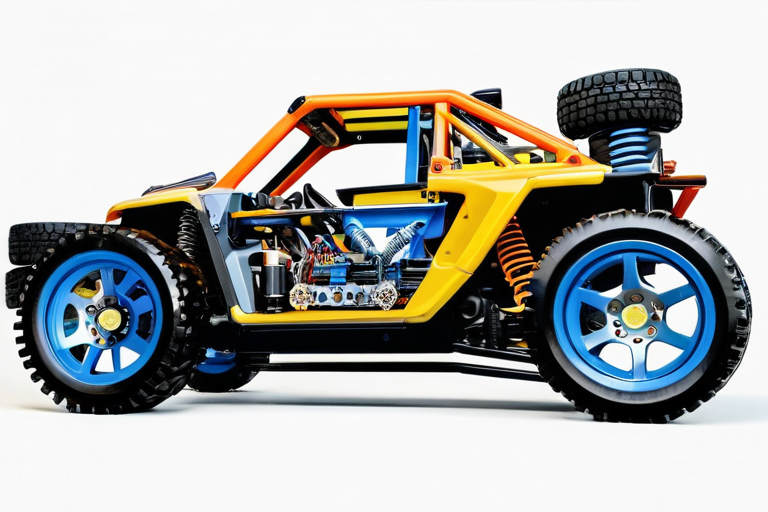
The Unseen Mechanics of Toy Off-Road Vehicles: How Miniature Engineering Creates Maximum Adventure
The Unseen Mechanics of Toy Off-Road Vehicles: How Miniature Engineering Creates Maximum Adventure While often dismissed as simple playthings, modern toy off-road vehicles represent some of the most sophisticated miniature engineering achievements available to consumers. These scaled-down machines incorporate advanced technologies that mirror their full-sized counterparts with surprising accuracy. The Evolution of Scale Performance The journey from basic wind-up toys to today's high-performance remote-controlled vehicles has been marked by significant technological leaps. According to Horizon Hobby, one of the industry's leading manufacturers, the transition from simple brushed motors to brushless systems in the early 2000s revolutionized what was possible in miniature form. These electric motors, often no larger than a thimble, can generate power outputs that would have been unimaginable just two decades ago. Modern toy off-road vehicles feature sophisticated internal components that mirror full-scale engineering principles What makes these miniature machines particularly fascinating is their ability to overcome scaling challenges. As noted by engineering experts at RC Groups, the largest community for remote control enthusiasts, surface tension and air resistance affect small vehicles disproportionately compared to their full-sized counterparts. Engineers must compensate for these physical realities through innovative design solutions. Suspension Systems: The Heart of Terrain Capability Perhaps the most critical component in any off-road vehicle, miniature or otherwise, is its suspension system. Modern toy off-road vehicles employ sophisticated shock absorber designs that manage wheel articulation while maintaining stability. These systems often feature: Oil-filled dampers with adjustable compression and rebound Progressive rate springs that adapt to varying terrain Multi-link configurations for optimal wheel travel Anti-roll bars to minimize body lean during cornering Industry analysis from RC Car Action reveals that suspension tuning has become so precise that enthusiasts can adjust their vehicles for specific conditions—whether it's loose sand, rocky trails, or muddy terrain. This level of customization was once reserved for professional racing teams but is now accessible to hobbyists of all skill levels. Electronic Control Systems: The Invisible Intelligence Beneath the colorful plastic shells lies a network of electronic components that would impress any technology enthusiast. Modern toy off-road vehicles incorporate: Electronic Speed Controllers (ESCs) These microprocessor-based units manage power delivery with remarkable precision, offering features like drag brake control, thermal protection, and programmable acceleration curves. Gyroscopic Stabilization Advanced models include inertial measurement units that help maintain stability during high-speed maneuvers, automatically adjusting throttle and steering inputs. Telemetry Systems Real-time data transmission allows users to monitor battery voltage, motor temperature, and speed directly from their controllers. Advanced electronic systems enable precise control even in the most challenging environments According to technical documentation from Spektrum, a leading electronics manufacturer for the RC industry, modern radio systems operate on 2.4GHz frequencies with frequency-hopping spread spectrum technology. This ensures reliable control even in crowded environments while providing latency as low as 5 milliseconds—faster than human reaction time. Material Science: Building Durability into Miniature Form The materials used in contemporary toy off-road vehicles represent a careful balance between weight, strength, and cost. Engineering teams have moved beyond simple plastics to incorporate: Material Application Advantages Carbon Fiber Composites Chassis plates, suspension arms High strength-to-weight ratio, vibration damping 7075-T6 Aluminum Shock towers, transmission cases Exceptional durability, precise machining tolerance Nylon Polymers Gear components, drive shafts Impact resistance, self-lubricating properties Silicone Compounds Tire compounds, suspension seals Temperature stability, traction optimization Research from ARRMA RC demonstrates how material selection directly impacts performance. Their testing shows that optimized chassis materials can reduce weight by up to 30% while increasing torsional rigidity—a critical factor in maintaining handling precision during aggressive maneuvers. Power Systems: Beyond Simple Batteries The evolution of power systems in toy off-road vehicles mirrors advancements in the electric vehicle industry. Modern systems feature: Lithium Polymer (LiPo) Technology These batteries offer energy densities that allow for longer run times and higher power outputs. Advanced battery management systems monitor cell balance and temperature, extending both performance and lifespan. Brushless Motor Innovation Contemporary brushless motors utilize rare-earth magnets and precision windings to achieve efficiency levels exceeding 90%. Sensorless variants provide smooth low-speed control while sensored designs offer precise torque management. Regenerative Braking Some advanced systems capture kinetic energy during deceleration, converting it back to electrical energy to extend battery life—a technology trickled down from hybrid and electric vehicles. Advanced power systems enable impressive climbing ability and sustained performance Technical analysis from Castle Creations, a specialist in high-performance RC electronics, reveals that modern power systems can deliver peak power outputs exceeding 2,000 watts—equivalent to approximately 2.7 horsepower in a package weighing less than 500 grams. The Educational Dimension: Engineering Principles in Action Beyond entertainment value, toy off-road vehicles serve as practical demonstrations of fundamental engineering principles. Educators and industry professionals note several educational benefits: Mechanical Advantage: Gear reduction systems illustrate torque multiplication principles Suspension Geometry: Camber, caster, and toe adjustments demonstrate vehicle dynamics Electronic Control: Pulse-width modulation teaches digital signal processing basics Aerodynamics: Body design influences stability at speed Material Selection: Different applications require specific material properties Organizations like FIRST Robotics have incorporated RC vehicle principles into their educational programs, recognizing their value in teaching STEM concepts through hands-on application. Future Directions: Where Miniature Engineering is Heading The trajectory of toy off-road vehicle development points toward several exciting innovations: Autonomous Navigation Early prototypes demonstrate obstacle avoidance and path-finding capabilities using miniature LIDAR and camera systems. Advanced Telepresence Virtual reality integration allows operators to experience terrain from the vehicle's perspective with immersive feedback. Sustainable Materials Development of biodegradable composites and recyclable electronic components addresses environmental concerns. Industry forecasts from RC Universe suggest that artificial intelligence integration will become increasingly common, with vehicles learning from terrain patterns and optimizing their own performance characteristics based on environmental conditions. Conclusion: More Than Just Toys The modern toy off-road vehicle represents a convergence of multiple engineering disciplines in miniature form. From advanced materials science to sophisticated electronics, these machines demonstrate that scale doesn't limit capability. They serve not only as sources of entertainment but also as accessible platforms for understanding complex engineering principles, inspiring future generations of designers, engineers, and innovators. As technology continues to advance, the boundary between toy and tool becomes increasingly blurred, reminding us that sometimes the most profound engineering achievements come in the smallest packages.
2026-03-11
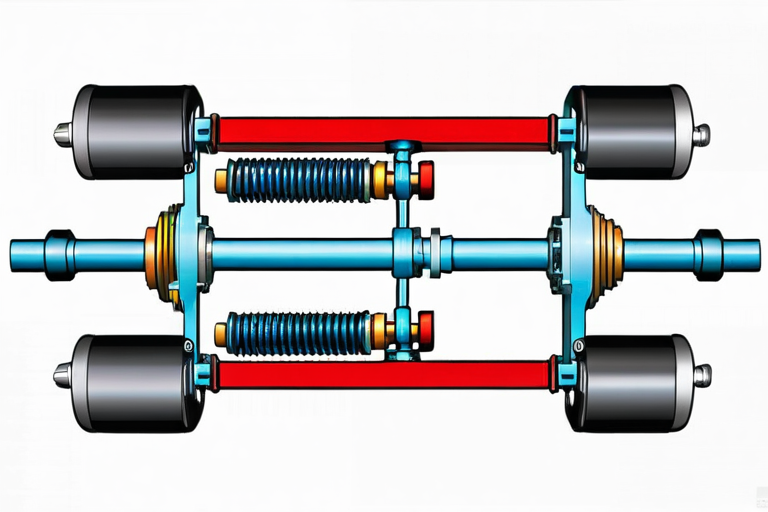
The Unseen Dynamics of Miniature Off-Road Machines: Engineering Playgrounds for Young Adventurers
The Unseen Dynamics of Miniature Off-Road Machines: Engineering Playgrounds for Young Adventurers From backyard dirt tracks to sophisticated obstacle courses, toy off-road vehicles have evolved into remarkable platforms that combine play with fundamental engineering principles. This exploration examines how these miniature machines have transformed from simple toys into tools for developing spatial awareness, problem-solving skills, and mechanical understanding. Modern toy off-road vehicles feature sophisticated suspension systems that mimic real-world engineering principles The Technical Evolution: From Simple Wheels to Complex Systems According to research from the National Science Foundation, toy vehicles have undergone significant technological advancement in recent decades. What began as simple wind-up cars in the early 20th century has evolved into sophisticated remote-controlled systems with multiple channels of control, proportional steering, and even gyroscopic stabilization. The American Society for Testing and Materials notes that modern toy off-road vehicles often incorporate: Independent suspension systems that allow each wheel to react separately to terrain variations Differential gear systems that enable smooth cornering on uneven surfaces Water-resistant electronics for all-weather operation Modular designs that allow for customization and upgrades These technical features aren't merely for show. As documented by the Society of Automotive Engineers, many principles found in full-scale off-road vehicles have been successfully miniaturized for toy applications, creating valuable learning tools for young engineers. Educational settings increasingly incorporate toy vehicles to teach basic engineering concepts Developmental Benefits Beyond Simple Play The American Psychological Association has published studies indicating that construction and manipulation toys, including advanced vehicle systems, contribute significantly to cognitive development. Specifically, toy off-road vehicles offer: Spatial Reasoning Development Navigating complex terrain requires understanding three-dimensional space, distance judgment, and obstacle assessment—skills that translate directly to mathematical and scientific thinking. Problem-Solving Skills When a vehicle gets stuck or encounters an unexpected obstacle, children must analyze the situation and develop creative solutions, building critical thinking abilities. Research from the National Association for the Education of Young Children further suggests that the cause-and-effect relationships inherent in operating remote-controlled vehicles help children understand basic physics principles, including momentum, friction, and gravity. The Materials Revolution: From Plastic to Performance Polymers Modern toy off-road vehicles benefit from advances in materials science that were unimaginable just a generation ago. The ASM International materials information society notes that today's vehicles utilize: Material Application Benefits Nylon composites Chassis and gear components High strength-to-weight ratio, impact resistance Silicone-damped plastics Suspension components Vibration absorption, durability Carbon-fiber reinforced polymers High-performance parts Extreme stiffness with minimal weight These material advances, documented by the American Ceramic Society, allow toy vehicles to withstand impacts that would have destroyed earlier generations of toys while maintaining precise mechanical tolerances. Advanced materials enable toy vehicles to withstand rigorous use while maintaining precision Electronic Integration: The Digital Nervous System The Institute of Electrical and Electronics Engineers has documented how modern toy vehicles incorporate sophisticated electronics that would have been considered advanced military technology just decades ago. Current systems typically include: 2.4GHz spread spectrum radio systems that eliminate interference and allow multiple vehicles to operate simultaneously Proportional control systems that provide precise, variable response rather than simple on/off functionality Electronic speed controllers that manage power delivery with microprocessor precision Gyroscopic stabilization in premium models that automatically correct for instability These electronic systems, according to the IEEE Computer Society, introduce children to basic programming concepts, sensor technology, and control systems in an accessible, hands-on format. Educational Applications and STEM Integration Increasingly, educators are recognizing the value of toy vehicles as teaching tools. The National Science Teaching Association reports that many schools now incorporate vehicle-based projects to teach: Physics Principles Concepts of force, motion, energy transfer, and mechanical advantage become tangible when observed in vehicle operation. Engineering Design Students learn about trade-offs in design—durability versus weight, speed versus control, complexity versus reliability. Mathematics Application Gear ratios, scale modeling, speed calculations, and trajectory prediction all involve practical mathematical application. The International Technology and Engineering Educators Association has developed specific curriculum guidelines that incorporate vehicle design and operation as a means of introducing engineering concepts to elementary and middle school students. STEM education programs increasingly use vehicle-based projects to teach engineering principles The Future Landscape: Where Miniature Engineering is Heading Looking forward, several trends identified by the Toy Association suggest continued evolution: Augmented Reality Integration: Future vehicles may interact with digital overlays, creating hybrid physical-digital play experiences Advanced Sensor Packages: Inclusion of environmental sensors that teach data collection and analysis Modular Design Platforms: Systems that allow children to design and 3D-print their own components Collaborative Play Systems: Multiple vehicles that can work together to solve challenges These developments, according to analysis from the Industrial Designers Society of America, represent a convergence of play and education that could fundamentally reshape how children engage with technology and engineering concepts. Key Takeaways Toy off-road vehicles have evolved from simple playthings into sophisticated educational tools that: Incorporate genuine engineering principles in accessible formats Develop spatial reasoning, problem-solving, and mechanical understanding Utilize advanced materials and electronics previously unavailable in toys Serve as effective platforms for STEM education initiatives Continue to evolve with technological advancements The transformation of toy off-road vehicles represents more than just technological progress—it reflects a growing recognition of play as a serious vehicle for learning. As these miniature machines continue to evolve, they offer increasingly sophisticated platforms for introducing engineering concepts, developing problem-solving skills, and fostering the next generation of innovators.
2026-03-10