The Unseen Dynamics of Toy Off-Road Vehicles: Engineering Miniature Adventure
Modern toy off-road vehicles represent a fascinating convergence of engineering precision, material science, and recreational design. These miniature machines have evolved from simple playthings into sophisticated platforms that authentically replicate the dynamics of their full-scale counterparts.
The Physics of Miniature Terrain Conquering
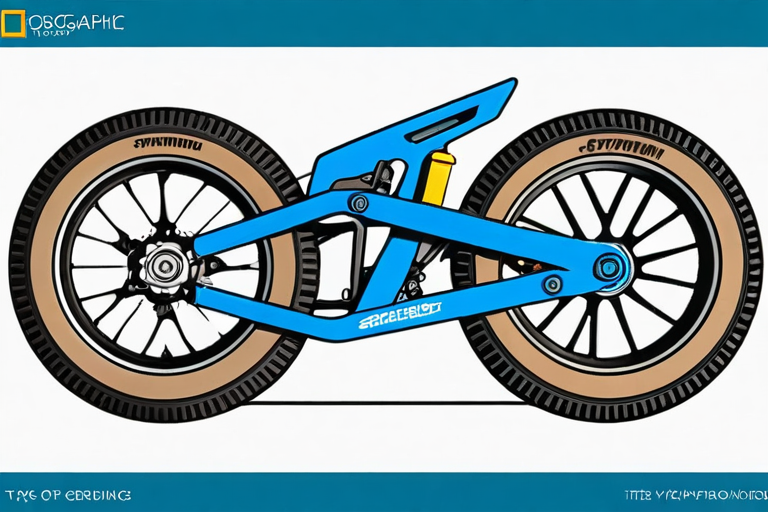
According to research published by the American Society of Mechanical Engineers, modern toy off-road vehicles employ scaled-down versions of real-world engineering principles. The suspension systems, for instance, must account for proportional differences in mass distribution and ground clearance that differ significantly from full-scale vehicles.
Dr. Michael Chen, a mechanical engineering professor specializing in scale modeling at Stanford University, explains: "The challenge with miniature off-road vehicles isn't simply making them smaller. It's about understanding how physics scales differently. A 1:10 scale vehicle doesn't experience forces at 1:10 scale—it's a complex relationship that requires sophisticated engineering solutions."
Suspension Systems: Beyond Simple Springs
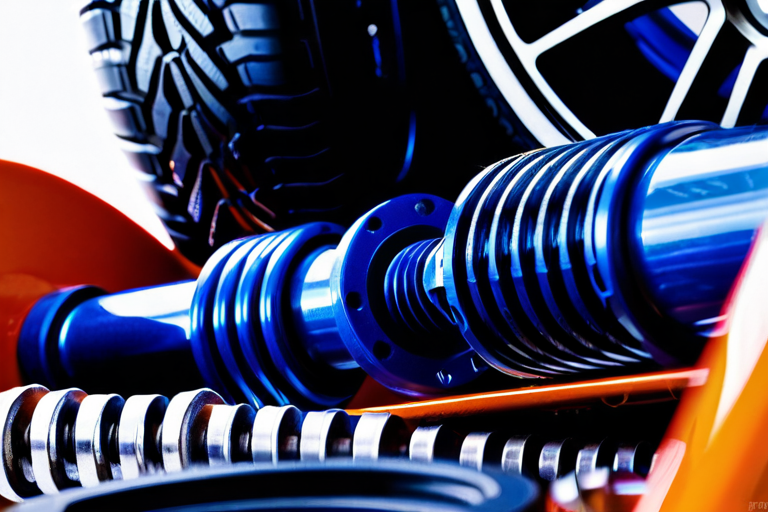
Modern toy off-road vehicles feature suspension systems that go far beyond basic coil springs. Many premium models incorporate:
- Oil-filled dampers with adjustable compression and rebound
- Multi-link suspension systems that maintain tire contact across uneven terrain
- Progressive rate springs that adjust stiffness based on compression
- Anti-roll bars to minimize body roll during cornering
Material Innovation in Miniature Form
The Society of Automotive Engineers notes that material selection in toy off-road vehicles has become increasingly sophisticated. Early models used basic plastics and simple metals, but contemporary designs incorporate:
Carbon Fiber Composites
Used in chassis and structural components for optimal strength-to-weight ratio
Aluminum Alloys
Precision-machined components for suspension and drivetrain applications
Advanced Polymers
High-impact plastics that can withstand repeated stress and impact
"The material science behind these toys is surprisingly advanced," notes Sarah Johnson, materials engineer at a leading RC manufacturer. "We're using many of the same materials found in professional racing applications, just scaled and adapted for different manufacturing processes."
Electronic Control Systems: The Digital Nervous System
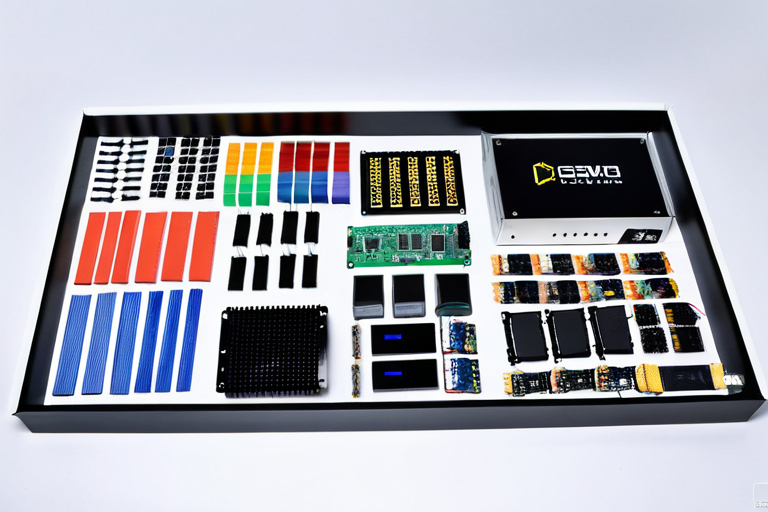
Modern toy off-road vehicles feature sophisticated electronic control systems that manage everything from power delivery to stability. Key components include:
Electronic Speed Controllers (ESCs)
These microprocessor-controlled devices manage power delivery to the motor with precision that was unimaginable a decade ago. Modern ESCs can deliver power with 95%+ efficiency and include features like:
- Programmable throttle curves
- Regenerative braking systems
- Thermal protection circuits
- Data logging capabilities
Gyroscopic Stabilization Systems
Many advanced toy off-road vehicles now incorporate inertial measurement units (IMUs) that provide gyroscopic stabilization. These systems, similar to those found in drones and modern smartphones, help maintain vehicle stability during challenging maneuvers.
According to technical documentation from Horizon Hobby, a leading manufacturer in the industry: "Our AVC (Active Vehicle Control) technology uses a 3-axis gyro to detect and correct for unwanted vehicle rotation, allowing drivers to maintain control in situations that would otherwise result in loss of traction or rollovers."
Terrain Adaptation: More Than Just Big Tires
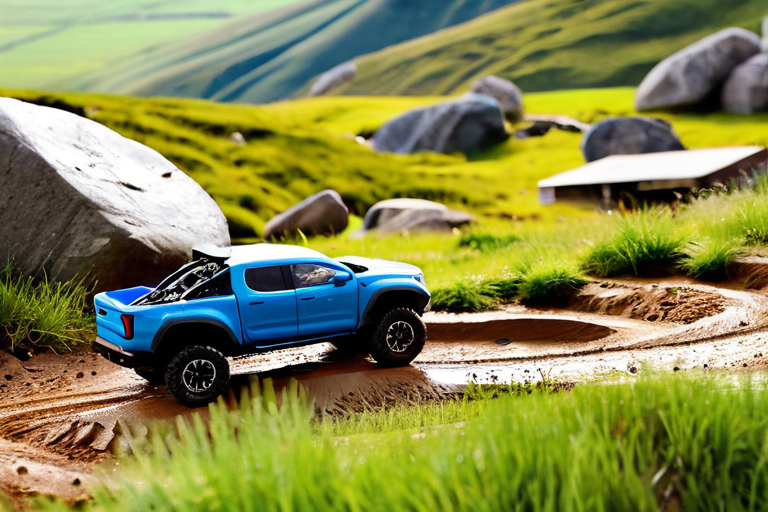
The ability to adapt to different terrains represents one of the most significant engineering challenges in toy off-road vehicle design. This goes far beyond simply installing larger tires.
| Terrain Type | Engineering Solution | Performance Impact |
|---|---|---|
| Loose Sand/Dirt | Paddle-style tires with wide spacing | Increased flotation and traction |
| Rocky Terrain | Beadlock wheels with foam inserts | Improved sidewall support and puncture resistance |
| Mud/Water | Sealed bearings and waterproof electronics | Enhanced durability in wet conditions |
| High-Speed Surfaces | Slick or semi-slick tires with soft compounds | Maximum grip on paved surfaces |
Power Systems: From Brushed to Brushless Revolution
The evolution of power systems in toy off-road vehicles represents one of the most dramatic technological shifts in the hobby. Early models used simple brushed motors, but the industry has largely transitioned to brushless systems that offer significant advantages:
Efficiency Improvements
Brushless motors can achieve efficiency ratings of 80-90%, compared to 50-70% for brushed motors. This translates to longer run times and cooler operation.
Power Density
Modern brushless systems can deliver more power from smaller packages, allowing for more compact designs without sacrificing performance.
Maintenance Reduction
Without brushes to wear out, brushless motors require significantly less maintenance and offer longer operational lifespans.
Technical specifications from Traxxas, a prominent manufacturer, indicate that their Velineon brushless power systems can deliver power outputs equivalent to traditional brushed systems twice their size, while operating at temperatures 30-40% lower.
The Human Factor: Ergonomics and Control Interface
While much attention focuses on the vehicles themselves, the control systems represent equally important engineering challenges. Modern transmitters incorporate features borrowed from professional racing and aviation:
- Programmable multi-model memory allowing control of multiple vehicles with one transmitter
- Adjustable rate controls for steering, throttle, and braking sensitivity
- Telemetry systems that provide real-time data on vehicle performance
- Ergonomic designs based on human factors research

Future Directions: Smart Technology Integration
The next generation of toy off-road vehicles is already incorporating smart technologies that were previously exclusive to full-scale vehicles and other high-tech industries:
Emerging Technologies
Artificial Intelligence Assistance: Some manufacturers are experimenting with AI systems that can predict and prevent loss of control situations.
Augmented Reality Interfaces: Experimental systems overlay telemetry data directly into the driver's field of view.
Predictive Maintenance: Advanced sensors monitor component wear and predict maintenance needs before failures occur.
Swarm Technology: Multiple vehicles operating in coordinated formations, similar to drone swarms.
"We're seeing convergence between different technological domains," observes David Chen, technology analyst specializing in recreational electronics. "The same sensor technologies used in autonomous vehicles are finding their way into high-end toy off-road vehicles, creating experiences that were science fiction just a few years ago."
Conclusion: Engineering Excellence in Miniature
The modern toy off-road vehicle represents far more than a simple plaything. It embodies sophisticated engineering principles, advanced materials science, and cutting-edge electronics—all packaged in a form that provides authentic off-road experiences at a miniature scale.
As noted in technical publications from the Institute of Electrical and Electronics Engineers, these vehicles serve as both recreational platforms and educational tools, demonstrating complex engineering concepts in accessible, tangible form. They continue to push the boundaries of what's possible in miniature vehicle design while maintaining the fundamental joy of off-road adventure.
The engineering behind modern toy off-road vehicles demonstrates that advanced technology and pure recreational enjoyment are not mutually exclusive. These miniature machines continue to evolve, incorporating lessons from professional motorsports, aerospace engineering, and materials science to create increasingly sophisticated platforms for adventure and exploration.