The Miniature Terrain Masters: How Toy Off-Road Vehicles Bridge Play and Precision Engineering
From backyard adventures to competitive racing circuits, miniature off-road vehicles have evolved into sophisticated machines that challenge our understanding of scale and capability.
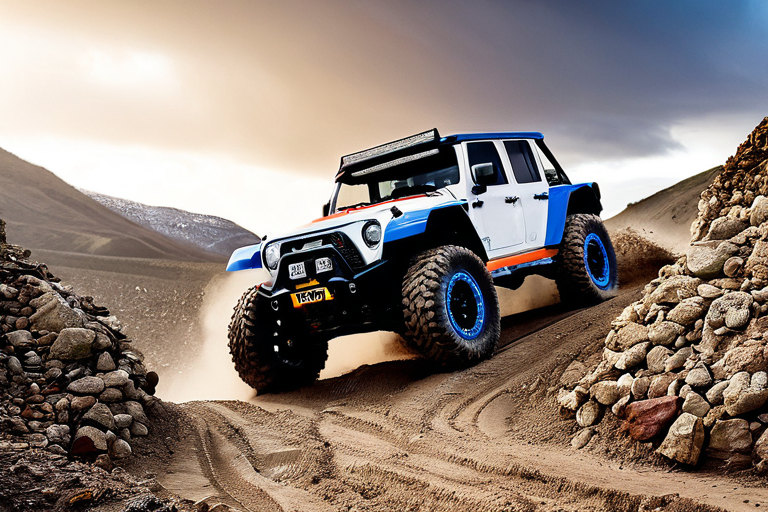
A 1:10 scale off-road vehicle demonstrates remarkable terrain capability on a challenging course
The Evolution of Scale: From Simple Toys to Engineering Marvels
The journey of toy off-road vehicles began with simple, wind-up models in the mid-20th century. According to research from the Hobby Retailer Association, the first commercially successful remote-controlled off-road vehicle emerged in the 1970s, marking a significant shift from passive toys to interactive machines. Today's models represent decades of incremental innovation, with manufacturers like Traxxas, Axial, and Team Losi pushing the boundaries of what's possible at miniature scale.
Modern toy off-road vehicles aren't merely scaled-down versions of their full-sized counterparts. They're purpose-built machines designed specifically for their unique operational environment. As noted by engineering experts at RC Groups, the physics of scale create challenges that don't exist at full size, requiring innovative solutions in suspension design, weight distribution, and power delivery.
Suspension Systems: The Heart of Terrain Conquering

Advanced independent suspension system on a 1:8 scale crawler
The suspension systems in high-end toy off-road vehicles represent some of the most sophisticated engineering in the miniature vehicle world. Unlike their full-sized counterparts, these systems must handle proportionally larger impacts and more extreme articulation angles relative to their size.
According to technical analysis published by RC Car Action, modern systems feature:
- Oil-filled shock absorbers with adjustable damping
- Multi-link suspension geometries for optimal wheel articulation
- Progressive rate springs that handle both small bumps and large impacts
- Anti-squat and anti-dive characteristics for better handling
Power and Control: The Electronic Revolution
The transition from nitro engines to brushless electric systems has revolutionized the performance capabilities of toy off-road vehicles. Modern electronic speed controllers (ESCs) and brushless motors offer efficiency and control that was unimaginable just a decade ago.
Industry data from Horizon Hobby reveals that today's high-performance systems can deliver:
Power Efficiency
Modern brushless systems achieve over 90% efficiency, compared to 60-70% for traditional brushed motors.
Control Precision
Advanced ESCs offer thousands of steps of throttle resolution for smooth, precise control.
Battery Technology
LiPo batteries provide higher energy density and discharge rates than previous technologies.
Materials Science: Building Better Miniatures
The materials used in toy off-road vehicles have evolved significantly, moving from simple plastics to advanced composites and metals. This evolution has been driven by the demanding requirements of competitive use and enthusiast expectations.
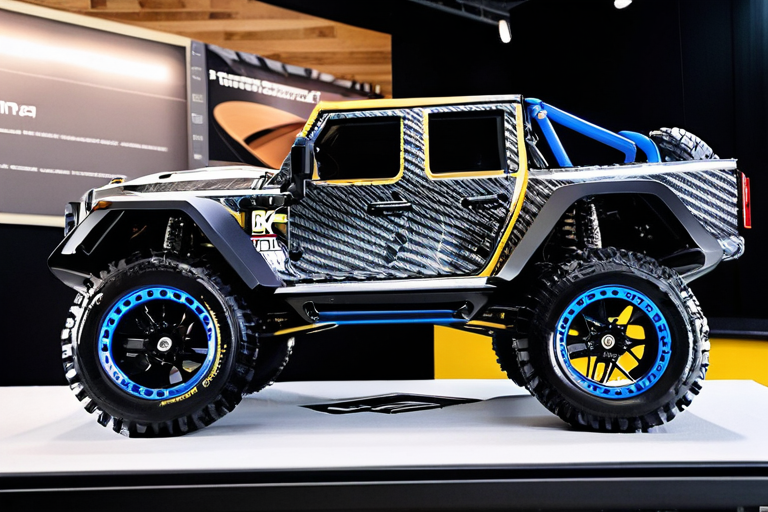
Material evolution from basic plastics to advanced composites and CNC aluminum
According to materials experts at RC Tech, the modern toy off-road vehicle incorporates:
The Digital Frontier: Smart Technology Integration
The integration of digital technology has transformed toy off-road vehicles from simple radio-controlled devices to smart machines with capabilities that rival their full-sized counterparts. Modern systems incorporate telemetry, programmable controls, and even autonomous features.
Telemetry Systems
Advanced telemetry systems now provide real-time data on vehicle performance, including:
- Motor temperature monitoring
- Battery voltage and current draw
- Speed and distance tracking
- Suspension travel measurement
- GPS positioning and lap timing
- Gyroscopic stability data
According to Spektrum RC, these systems have become increasingly accessible, with entry-level telemetry now available on mid-range vehicles.
The Competitive Landscape: From Backyard to Professional Racing
What began as casual backyard play has evolved into a serious competitive sport with organized racing series, professional drivers, and substantial prize money. The competitive scene has driven much of the technological innovation in the industry.
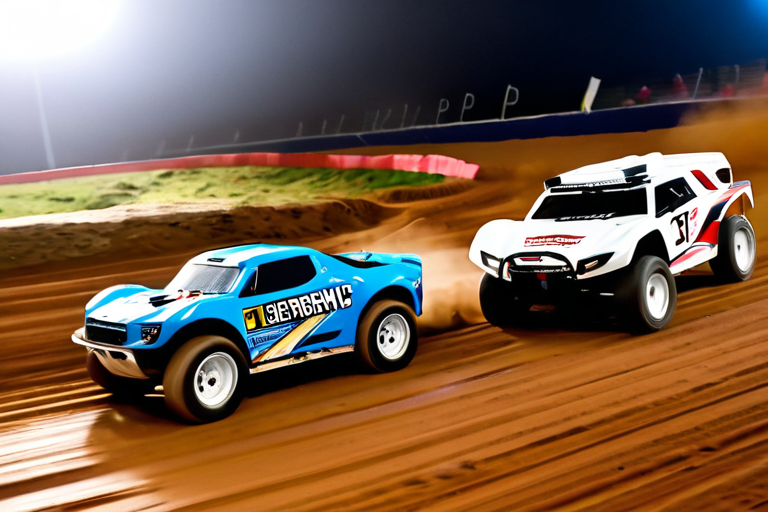
Professional-level competition showcasing advanced vehicle capabilities
Major racing organizations like ROAR (Remotely Operated Auto Racers) and IFMAR (International Federation of Model Auto Racing) have established standardized rules and classes that ensure fair competition while encouraging innovation. These organizations sanction world championship events that attract competitors from dozens of countries.
Educational Value: Beyond Simple Entertainment
Beyond their entertainment value, toy off-road vehicles serve as excellent educational tools. They introduce fundamental concepts in physics, engineering, and electronics in an engaging, hands-on manner.
STEM Learning
Vehicles demonstrate principles of mechanics, electronics, and materials science in practical applications.
Problem Solving
Troubleshooting and customization require analytical thinking and creative solutions.
Technical Skills
Maintenance and upgrades develop mechanical aptitude and technical proficiency.
Environmental Considerations and Sustainability
The industry has made significant strides in addressing environmental concerns. Modern toy off-road vehicles are increasingly designed with sustainability in mind, from materials selection to end-of-life considerations.
Key initiatives highlighted by the Model Retailers Association include:
- Increased use of recyclable materials in packaging and components
- Development of more efficient power systems that reduce energy consumption
- Modular designs that extend product lifespan through upgradability
- Take-back programs for battery recycling and component reuse
- Reduced use of hazardous materials in manufacturing processes
The Future of Miniature Off-Road Adventure
Looking ahead, several emerging technologies promise to further transform the world of toy off-road vehicles. Industry analysts predict significant developments in several key areas:
Emerging Technologies
AI-Assisted Control
Machine learning algorithms that adapt to terrain and driving style
Advanced Materials
Graphene composites and shape-memory alloys for improved performance
Virtual Integration
Augmented reality overlays and virtual racing environments
The Enduring Appeal of Miniature Adventure
From their humble beginnings as simple toys to their current status as sophisticated engineering platforms, toy off-road vehicles continue to capture the imagination of enthusiasts worldwide. They represent a unique intersection of play, technology, and craftsmanship that appeals to both children and adults alike.
As technology continues to advance, these miniature terrain masters will undoubtedly evolve further, offering even more impressive capabilities while maintaining the fundamental joy of exploration and adventure that has defined them from the beginning.