Terrain Conquerors in Miniature: The Technical Evolution of Toy Off-Road Vehicles
From backyard adventures to competitive racing circuits, miniature off-road vehicles have transformed from simple toys into sophisticated engineering platforms that challenge both young enthusiasts and adult hobbyists.

The progression from basic wind-up toys to sophisticated RC vehicles demonstrates decades of engineering innovation
From Simple Mechanisms to Complex Systems
The journey of toy off-road vehicles began with basic mechanical designs in the mid-20th century. According to HobbyTron's historical archives, early models from the 1950s featured simple wind-up mechanisms that provided limited mobility on flat surfaces. These primitive designs gradually evolved through the 1970s with the introduction of battery-powered systems, though their capabilities remained constrained to smooth indoor surfaces.
The real transformation began in the 1980s with the emergence of radio-controlled (RC) technology. RC Car Action's technical documentation reveals how early RC systems operated on limited frequency bands with basic proportional controls. These systems allowed for more precise steering and throttle control, though range and reliability issues persisted. The breakthrough came with digital proportional radio systems in the late 1980s, which provided smoother control and reduced interference.
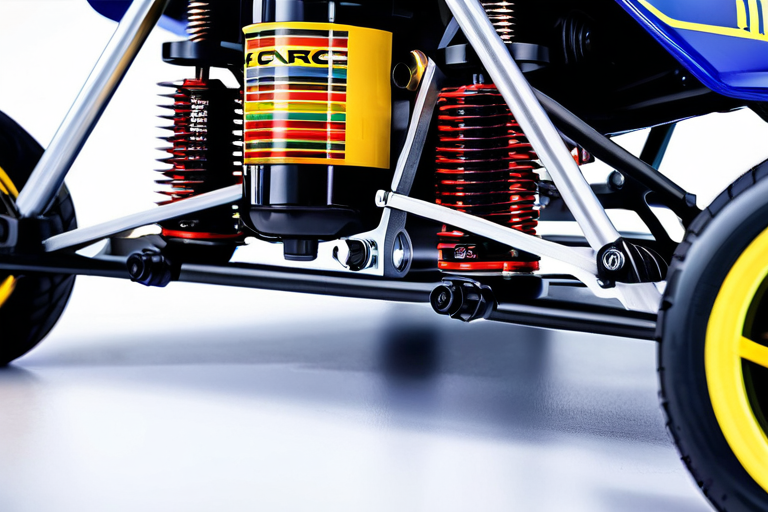
Modern independent suspension systems allow for remarkable terrain adaptability
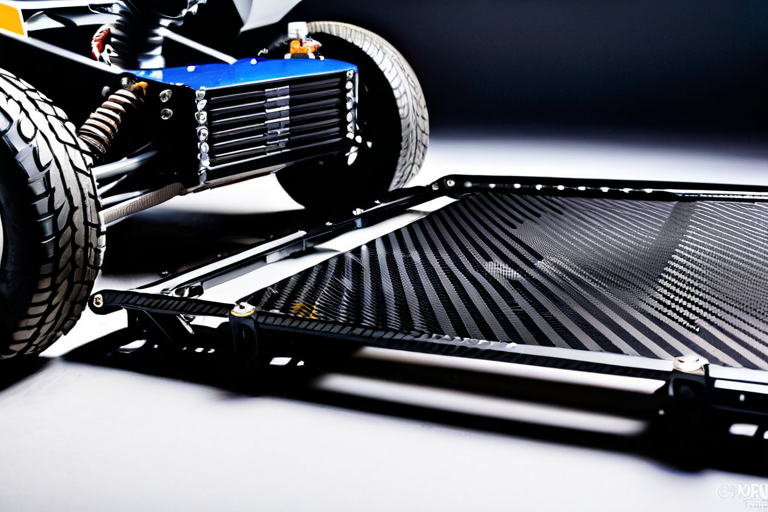
Precision-engineered chassis designs optimize weight distribution and durability
Engineering Principles in Miniature
Modern toy off-road vehicles incorporate sophisticated engineering principles that mirror their full-scale counterparts. According to technical analysis from Engineering.com's automotive section, these miniature machines employ several key technologies:
Suspension Systems
Independent suspension designs have become standard in quality toy off-road vehicles. These systems typically feature oil-filled shock absorbers with adjustable preload, allowing customization for different terrain types. The suspension geometry often mimics that of competition vehicles, with carefully calculated camber, caster, and toe angles that optimize handling characteristics.
Drivetrain Configurations
Advanced models offer selectable 2WD/4WD configurations with locking differentials. Brushless motor technology has largely replaced brushed motors in premium models, providing higher efficiency, greater power output, and reduced maintenance requirements. According to RC Groups technical forums, modern brushless systems can achieve power-to-weight ratios exceeding those of many full-scale vehicles.
Material Science Advancements
The evolution of materials has been crucial to the performance improvements in toy off-road vehicles. Early models utilized basic plastics and simple metal components, but contemporary designs incorporate advanced composites and specialized alloys.
Materials Performance Magazine documents how carbon fiber composites have revolutionized chassis design, providing exceptional strength-to-weight ratios. Aluminum alloys, particularly 6061 and 7075 grades, are commonly used for critical components like suspension arms and drive shafts. These materials offer excellent durability while maintaining manageable weight.

Advanced models can tackle terrain that would challenge many full-size vehicles
Electronic Control Systems
The electronic systems in modern toy off-road vehicles represent some of the most significant technological advancements. According to analysis from Electronics Weekly, contemporary control systems incorporate several sophisticated features:
- Electronic Speed Controllers (ESCs): Modern ESCs offer programmable parameters including throttle curves, braking force, and battery protection features. Some advanced units include data logging capabilities for performance analysis.
- Gyroscopic Stabilization: Many premium models incorporate multi-axis gyroscopes that automatically adjust steering input to prevent over-rotation and maintain stability during aggressive maneuvers.
- Telemetry Systems: Wireless data transmission allows real-time monitoring of vehicle parameters including motor temperature, battery voltage, and speed. This information can be displayed on the transmitter or recorded for later analysis.
- Programmable Transmitters: Contemporary radio systems offer extensive customization options, allowing users to adjust steering sensitivity, exponential rates, and endpoint adjustments to match their driving style and track conditions.
Terrain Adaptation Technologies
One of the most remarkable aspects of modern toy off-road vehicles is their ability to adapt to diverse terrain conditions. Research compiled by Off-Road Xtreme highlights several innovative approaches:
Tire technology has evolved significantly, with specialized compounds and tread patterns designed for specific surfaces. Soft compound tires provide maximum grip on loose surfaces like dirt and gravel, while harder compounds offer better durability on abrasive surfaces. Self-cleaning tread designs prevent mud buildup, maintaining traction in wet conditions.
Suspension tuning has become increasingly sophisticated, with many models offering quick-adjust features for compression and rebound damping. This allows users to optimize their vehicles for specific track conditions, whether preparing for a high-traction clay surface or a loose, sandy environment.
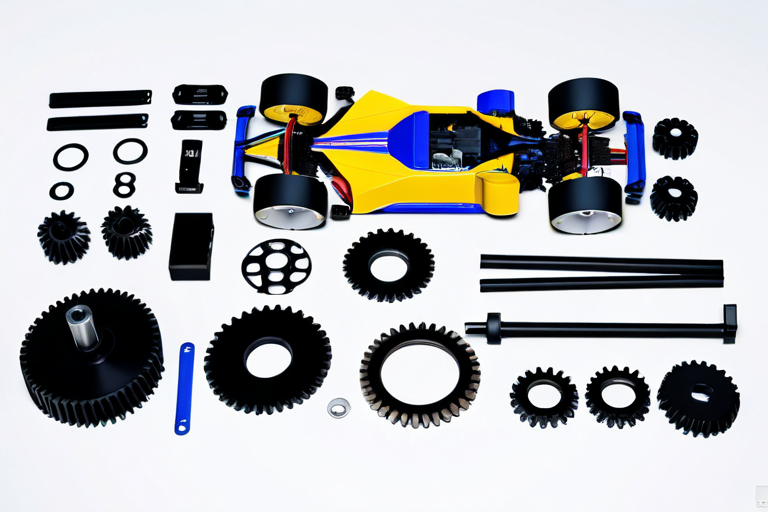
Precision components work in harmony to deliver exceptional performance

Competitive racing pushes the boundaries of miniature vehicle technology
Educational and Developmental Impact
Beyond entertainment value, toy off-road vehicles serve as valuable educational tools. According to studies referenced by STEM Education Research, working with these vehicles introduces fundamental concepts in several disciplines:
Physics Principles
Users gain practical understanding of concepts like traction, momentum, center of gravity, and mechanical advantage through hands-on experience with vehicle setup and tuning.
Engineering Concepts
The modular nature of many models allows for experimentation with gear ratios, suspension geometry, and weight distribution, teaching basic mechanical engineering principles.
Electronics Fundamentals
Maintenance and modification work introduces basic electronics concepts including circuit theory, power management, and signal processing.
Future Technological Directions
The trajectory of toy off-road vehicle development points toward several exciting technological frontiers. Industry analysis from TechInsights identifies several emerging trends:
Artificial intelligence integration represents one of the most promising areas. Experimental systems are already demonstrating autonomous terrain navigation capabilities, using sensor arrays to analyze surface conditions and adjust vehicle parameters in real-time. Machine learning algorithms could eventually allow vehicles to optimize their own setups based on performance data collected during operation.
Advanced energy storage solutions continue to evolve, with solid-state battery technology promising significant improvements in energy density and safety. Wireless charging systems are also under development, potentially eliminating the need for physical battery connections.

Emerging technologies promise even more sophisticated miniature off-road platforms
Community and Competitive Aspects
The toy off-road vehicle community has grown into a vibrant ecosystem encompassing casual enthusiasts and serious competitors alike. According to data from Hobby Industry Association, organized racing events range from local club meetings to international championships with substantial prize pools.
Competition formats have diversified to include various disciplines:
- Short Course Racing: High-intensity events on prepared dirt tracks with jumps and technical sections
- Crawler Competitions: Technical events emphasizing precise control and obstacle navigation
- Endurance Racing: Long-duration events testing vehicle reliability and driver consistency
- Freestyle Competitions: Judged events focusing on aerial maneuvers and technical tricks
Online communities and social media platforms have facilitated knowledge sharing and technical collaboration, accelerating the pace of innovation. Enthusiasts regularly share setup information, modification techniques, and performance data, creating a collective knowledge base that benefits the entire community.
Conclusion: More Than Just Toys
The evolution of toy off-road vehicles represents a remarkable convergence of engineering, technology, and recreational pursuit. These miniature machines have transcended their origins as simple playthings to become sophisticated platforms that challenge both technical understanding and driving skill. As technology continues to advance, these terrain conquerors in miniature will undoubtedly continue to push the boundaries of what's possible in scaled-down automotive engineering.
The ongoing development of these vehicles serves as both entertainment and education, introducing new generations to fundamental engineering principles while providing experienced enthusiasts with ever-more sophisticated platforms for technical exploration and competitive pursuit.