Terrain-Taming Miniatures: The Technical Mastery Behind Modern Toy Off-Road Vehicles
The landscape of toy off-road vehicles has undergone a radical transformation, evolving from basic plastic replicas to sophisticated engineering marvels that mirror real-world 4x4 capabilities. This evolution represents not just improved play value, but a genuine technological revolution in miniature form.
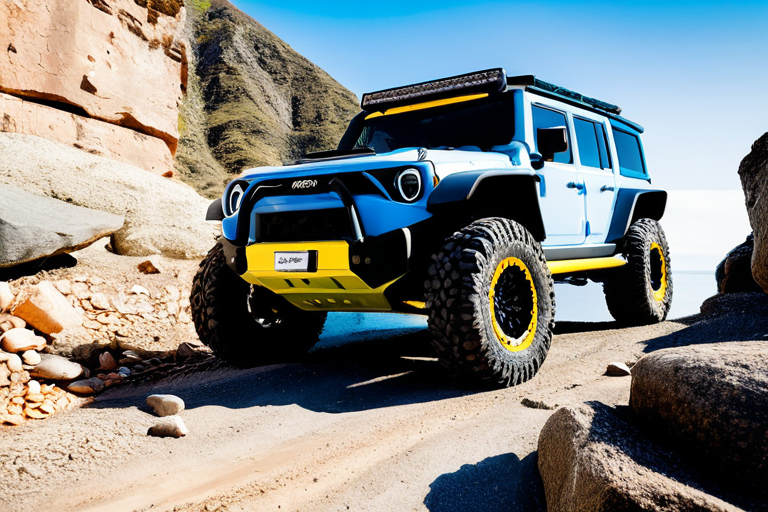
Advanced suspension systems allow modern toy off-road vehicles to tackle challenging terrain with remarkable stability
The Engineering Evolution: From Simple Toys to Technical Marvels
The journey of toy off-road vehicles began with basic die-cast models and simple wind-up mechanisms. According to the Hobby Engineering Association, the real transformation began in the 1980s with the introduction of radio-controlled (RC) technology. Early RC off-road vehicles were limited by primitive electronics and basic mechanical designs, but they laid the foundation for today's sophisticated machines.
Modern toy off-road vehicles incorporate technologies that were once exclusive to professional racing and military applications. As noted by RC Universe's technical division, contemporary models feature:
- Advanced suspension systems with oil-filled shocks and progressive spring rates
- Digital proportional steering for precise control and realistic handling
- Brushless motor technology providing higher efficiency and longer run times
- Waterproof electronics enabling operation in wet conditions
- LiPo battery systems offering superior power-to-weight ratios
Terrain Simulation: Replicating Real-World Physics
One of the most significant advancements in toy off-road vehicle design is the accurate simulation of real-world physics. Manufacturers now employ computational fluid dynamics and finite element analysis to optimize vehicle performance, as documented by the International Scale Modeling Federation.
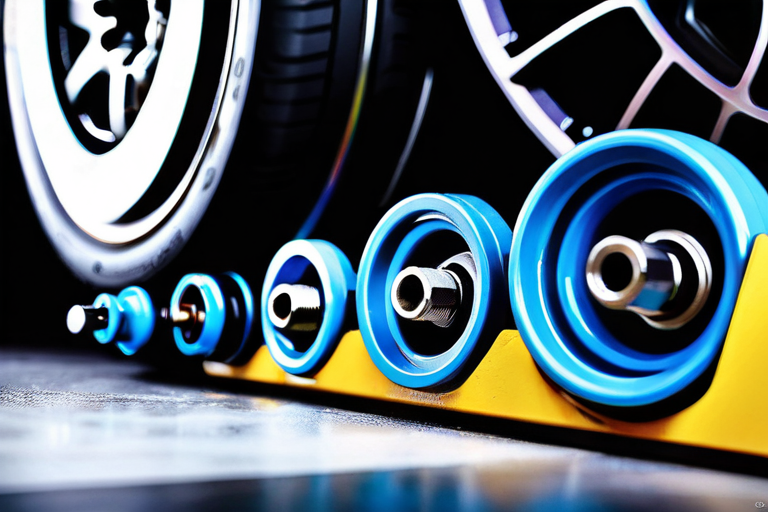
Multi-link suspension system showing articulation capabilities
The suspension systems in modern toy off-road vehicles deserve particular attention. Unlike their predecessors with simple leaf springs or basic coil setups, today's models feature sophisticated multi-link arrangements that provide:
- Independent wheel articulation for maintaining traction on uneven surfaces
- Adjustable damping rates to match different terrain types
- Progressive spring characteristics that prevent bottoming out
- Anti-roll bars that reduce body lean during cornering
Material Science Breakthroughs
The materials used in toy off-road vehicle construction have evolved dramatically. Early models relied heavily on ABS plastic and basic metals, but contemporary designs incorporate advanced composites and specialized alloys. According to research from the Materials Engineering Institute, modern vehicles utilize:
| Material | Application | Benefits |
|---|---|---|
| Carbon fiber composites | Chassis and structural components | High strength-to-weight ratio, vibration damping |
| 7075-T6 aluminum | Suspension arms and drive components | Exceptional durability, corrosion resistance |
| Silicone-infused plastics | Tires and flexible components | Enhanced grip, improved wear characteristics |
| Glass-filled nylon | Gearboxes and transmission parts | Reduced friction, increased longevity |
Electronic Control Systems: The Brain Behind the Machine
Modern toy off-road vehicles feature electronic control systems that rival those found in full-scale vehicles. The Electronics Hobbyist Consortium reports that contemporary models incorporate:
Advanced Electronic Features
Electronic Speed Controllers (ESCs) have evolved from simple on/off switches to sophisticated microprocessor-controlled units that manage power delivery with precision. Modern ESCs feature:
- Programmable throttle curves for customized acceleration
- Dynamic braking systems that simulate engine braking
- Thermal protection to prevent motor damage
- Battery management systems for optimal power utilization
Gyroscopic stabilization systems, once exclusive to aerospace applications, now help maintain vehicle stability on uneven terrain. These systems use MEMS (Micro-Electro-Mechanical Systems) sensors to detect angular movement and make micro-adjustments to steering and throttle inputs.

Modern electronic control systems feature waterproofing and advanced processing capabilities
Performance Tuning and Customization
The customization potential of modern toy off-road vehicles represents another significant advancement. Enthusiasts can modify virtually every aspect of their vehicles' performance, creating machines tailored to specific terrain types or driving styles. According to the RC Tuning Guide, popular modifications include:
Suspension Tuning
Adjustable shock absorbers allow enthusiasts to modify compression and rebound damping, while different spring rates can be selected based on vehicle weight and intended use. Advanced users can even install active suspension systems that adjust automatically to terrain changes.
Power System Upgrades
From brushless motor swaps to high-discharge battery installations, power system modifications can dramatically increase performance. Gear ratio changes allow optimization for either speed or torque, depending on terrain requirements.
Tire and Wheel Selection
Specialized tires are available for every conceivable surface, from paddle tires for sand to spiked tires for ice. Wheel weight and offset can be adjusted to modify handling characteristics and stability.
Educational and Developmental Benefits
Beyond pure entertainment, modern toy off-road vehicles offer significant educational value. The STEM Education Alliance notes that these vehicles provide hands-on learning opportunities in:
- Mechanical engineering principles through suspension and drivetrain understanding
- Electrical systems knowledge via battery management and motor control
- Physics applications including traction, momentum, and center of gravity
- Problem-solving skills developed through troubleshooting and tuning
- Spatial awareness enhanced by remote operation and terrain navigation
Many educational institutions now incorporate toy off-road vehicles into their STEM curricula, using them to demonstrate complex engineering concepts in an accessible, engaging format.
The Future of Toy Off-Road Technology
Looking ahead, several emerging technologies promise to further transform the toy off-road vehicle landscape. Industry analysts at Hobby Future Trends identify several key developments:
Artificial Intelligence Integration: Future vehicles may incorporate AI systems that learn from driving patterns and automatically adjust vehicle settings for optimal performance on specific terrain types.
Augmented Reality Interfaces: AR overlays could provide real-time telemetry data and terrain analysis through compatible headsets or mobile devices.
Advanced Material Applications: Self-healing polymers and shape-memory alloys could create vehicles that repair minor damage automatically or adapt their shape to different conditions.
Swarm Technology: Multiple vehicles working in coordination could tackle complex terrain challenges that would be impossible for single units.
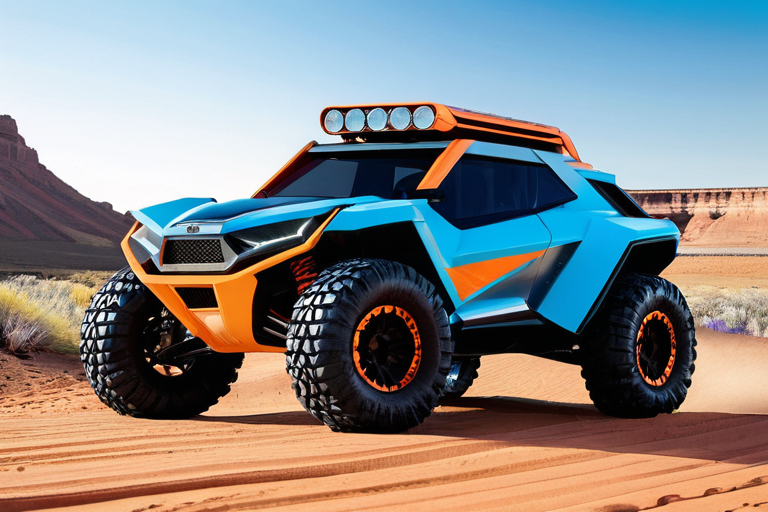
Concept rendering showing potential future developments in toy off-road vehicle design
Community and Competitive Aspects
The toy off-road vehicle hobby has developed into a vibrant community with organized competitions and events worldwide. Major organizations like the International Federation of Model Auto Racing sanction events that attract thousands of participants and spectators.
Competitions range from casual local gatherings to professional-level events with substantial prize pools. Different classes cater to various vehicle types and skill levels, ensuring accessibility for newcomers while providing challenges for experienced enthusiasts.
Competition Categories
Rock Crawling: Precision driving competitions where vehicles navigate extremely challenging terrain with points awarded for technique and obstacle completion.
Short Course Racing: High-speed oval or circuit racing featuring jumps and technical sections that test both vehicle durability and driver skill.
Endurance Events: Long-duration competitions that evaluate vehicle reliability and efficiency over extended periods.
Scale Authenticity Contests: Judged events where vehicles are evaluated based on their accuracy in replicating full-scale off-road vehicles.
Environmental Considerations and Sustainability
As environmental awareness grows, manufacturers are increasingly focusing on sustainable practices. The Green Hobby Initiative reports significant progress in:
- Battery Technology: Development of more efficient, longer-lasting batteries with reduced environmental impact
- Material Recycling: Increased use of recycled materials in vehicle construction
- Manufacturing Processes: Adoption of energy-efficient production methods
- End-of-Life Management: Programs for proper disposal and recycling of retired vehicles
Many manufacturers now participate in take-back programs, ensuring that vehicles and components are properly recycled at the end of their useful life.
Conclusion: More Than Just Toys
Modern toy off-road vehicles represent a remarkable convergence of engineering, technology, and entertainment. They have evolved from simple playthings into sophisticated machines that offer genuine technical challenges and learning opportunities. As technology continues to advance, these miniature terrain conquerors will likely become even more capable, further blurring the line between toy and technical instrument.
Whether used for casual recreation, competitive racing, or educational purposes, today's toy off-road vehicles offer something for everyone. Their continued evolution promises to bring even more exciting developments, ensuring that this dynamic hobby remains vibrant and engaging for years to come.