Miniature Off-Road Engineering: The Technical Evolution of Toy 4x4 Vehicles
From basic friction-powered toys to sophisticated radio-controlled machines, miniature off-road vehicles have undergone a remarkable technical transformation. This evolution mirrors advancements in materials science, electronics, and mechanical engineering, creating platforms that challenge both young enthusiasts and adult hobbyists.

The progression from simple die-cast models to sophisticated RC platforms demonstrates decades of engineering refinement
Suspension Systems: Replicating Real-World Dynamics
The most significant advancement in toy off-road vehicles lies in their suspension systems. Early models featured rigid axles or simple leaf spring designs, limiting their terrain capabilities. Modern systems incorporate independent suspension with oil-filled dampers, progressive rate springs, and adjustable ride height—features once exclusive to full-scale vehicles.
According to technical analysis from Horizon Hobby's engineering division, contemporary 1/10 scale off-road models achieve wheel travel exceeding 60mm, with sophisticated shock absorbers featuring multiple piston designs and silicone-based damping fluids. These systems maintain tire contact across uneven surfaces, providing traction characteristics that closely mimic their full-scale counterparts.
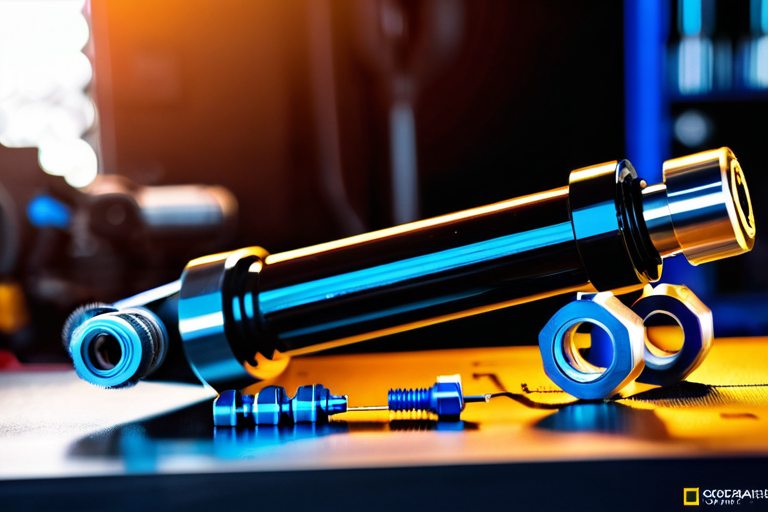
Modern suspension systems feature adjustable camber, caster, and toe angles for precise handling tuning
"The suspension geometry in premium RC off-road vehicles now includes adjustable camber links, anti-squat settings, and roll center adjustments," notes RC Car Action's technical editor. "These parameters allow enthusiasts to tune handling characteristics for specific terrains—from loose sand to packed dirt—much like professional off-road racing teams."
Powertrain Revolution: From Brushed Motors to Brushless Systems
The transition from simple DC brushed motors to sophisticated brushless systems represents a quantum leap in performance and efficiency. Early toy vehicles utilized basic 3-pole motors with limited torque and speed control. Today's systems employ sensored brushless motors with sophisticated electronic speed controllers (ESCs) that manage power delivery with precision.
Technical specifications from Castle Creations, a leading manufacturer of RC electronics, reveal that modern brushless systems can deliver over 2,000 watts of power in compact packages, with efficiency ratings exceeding 90%. These systems feature programmable parameters including punch control, drag brake force, and thermal protection—capabilities that were unimaginable in earlier generations.
Battery Technology: The Lithium Polymer Revolution
The shift from nickel-based batteries to Lithium Polymer (LiPo) chemistry has dramatically transformed performance parameters. According to data compiled by BatterySpace technical resources, modern LiPo packs offer energy densities up to 200 Wh/kg, compared to 50-80 Wh/kg for NiMH batteries. This advancement enables longer run times, higher discharge rates, and reduced weight—critical factors in competitive off-road applications.
Chassis Design and Materials Science
Chassis construction has evolved from simple stamped steel or plastic plates to sophisticated modular designs utilizing advanced composites. Modern platforms employ carbon fiber plates, 7075 aluminum alloy components, and engineered plastics like Delrin and nylon composites. These materials provide optimal strength-to-weight ratios while maintaining necessary flex characteristics for impact absorption.
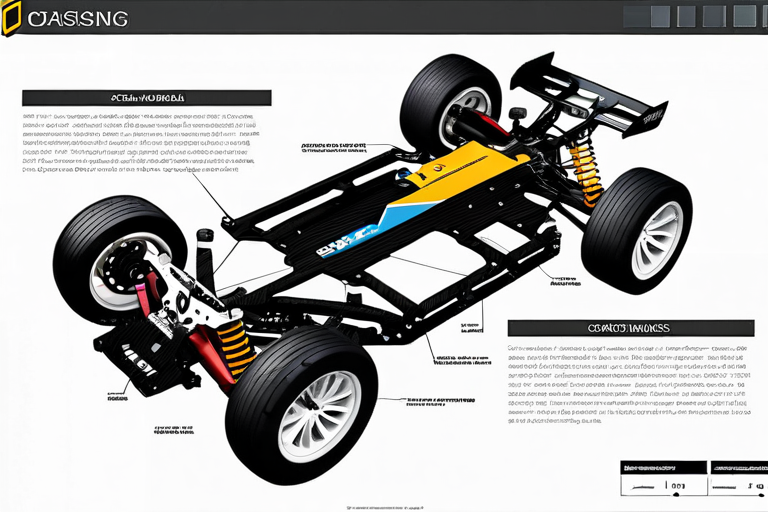
"Modular chassis designs represent a significant engineering achievement," explains Team Associated's design team. "By separating the chassis into distinct modules—front bulkhead, center section, rear gearbox—manufacturers can optimize each area for specific functions while maintaining overall structural integrity. This approach allows for easier maintenance and component replacement, extending the vehicle's service life."
Electronic Control Systems: Beyond Basic Radio Control
Contemporary off-road toys incorporate sophisticated electronic systems that extend far beyond basic radio control. Modern transmitters feature 2.4GHz spread spectrum technology with frequency hopping capabilities, eliminating interference issues that plagued earlier 27MHz and 49MHz systems. Advanced systems now include telemetry functions that monitor battery voltage, motor temperature, and signal strength in real-time.
Gyroscopic Stabilization
Many premium models now incorporate 3-axis gyroscopes that automatically correct for traction loss and maintain directional stability. According to testing by Spektrum's innovation lab, these systems can reduce spin-outs by up to 70% on loose surfaces while maintaining natural driving characteristics.
Programmable Parameters
Advanced ESCs and receivers allow programming of numerous parameters including throttle curves, brake force distribution, and drag brake settings. These adjustments enable fine-tuning for specific driving styles and track conditions.
Tire and Wheel Technology
Tire development represents a specialized field within miniature off-road engineering. Modern tires utilize multi-compound rubber formulations, with specific compounds developed for different terrains. According to research from Pro-Line Racing's development team, contemporary off-road tires feature:
- Multi-density foam inserts that maintain tire shape under load while providing progressive cushioning
- Computer-optimized tread patterns with varying lug heights and angles for specific terrain types
- Belted construction techniques that reduce ballooning at high speeds while maintaining flexibility
- Advanced rubber compounds with durometer ratings from 20-70 Shore A, optimized for temperature ranges and surface conditions
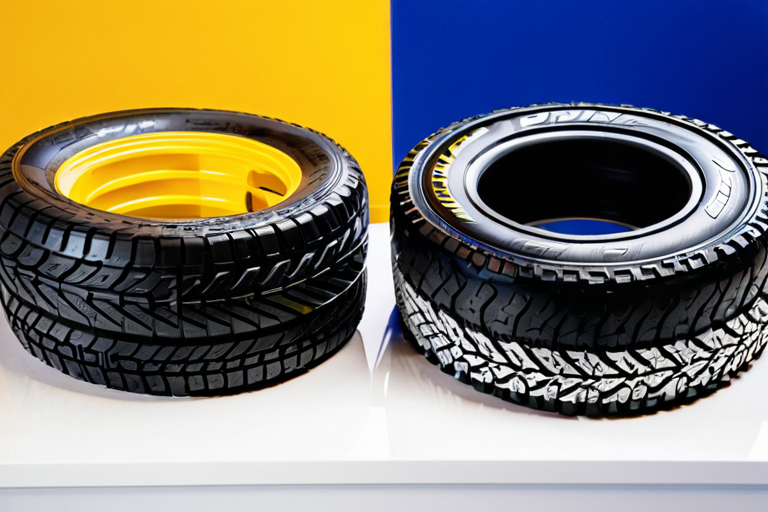
Specialized tread patterns and rubber compounds are developed for specific terrain conditions including mud, sand, and hardpack
Scale Authenticity and Detail Replication
Beyond mechanical performance, modern toy off-road vehicles achieve remarkable scale authenticity. Manufacturers employ advanced molding techniques, photo-etched details, and licensed body designs to create miniature replicas that accurately represent their full-scale counterparts. According to Axial Racing's design documentation, scale details now include:
Functional Accessories
Working winches, opening doors, and detailed interior components that maintain scale proportions while adding to the realism.
Lighting Systems
LED lighting packages with separate circuits for headlights, brake lights, and turn signals, often controlled through the transmitter.
Sound Modules
Electronic sound systems that replicate engine noises, gear changes, and other auditory cues appropriate to the vehicle being modeled.
Educational and Developmental Applications
The technical sophistication of modern toy off-road vehicles extends their value beyond recreation. Educational institutions and STEM programs increasingly utilize these platforms to teach principles of mechanical engineering, electronics, and physics. According to curriculum development resources from FIRST Robotics, RC vehicles provide accessible platforms for exploring:
- Gear ratio calculations and torque multiplication principles through drivetrain modifications
- Suspension geometry and its effects on handling characteristics across different surfaces
- Electronic circuit design through custom lighting installations and accessory integration
- Aerodynamic principles as they apply to vehicle stability at various speeds
Future Developments and Emerging Technologies
Looking forward, several emerging technologies promise to further transform the miniature off-road sector. Industry analysis from RC Groups technical forums identifies several key areas of development:
FPV (First Person View) Integration: Miniature cameras and video transmitters allow drivers to experience terrain from the vehicle's perspective, adding immersion and challenging navigation skills.
Autonomous Capabilities: Basic self-driving functions including obstacle avoidance and waypoint navigation are being developed for educational and research applications.
Advanced Materials: Continued development of carbon nanotube composites and 3D-printed metal components promises further weight reduction and strength improvements.
Energy Recovery Systems: Regenerative braking and solar-assisted charging systems extend operational range while introducing concepts of energy efficiency.
The evolution of toy off-road vehicles represents a remarkable convergence of play and engineering. What began as simple representations of adventure has transformed into sophisticated technical platforms that challenge enthusiasts across age groups. As materials science, electronics, and manufacturing techniques continue to advance, these miniature machines will undoubtedly continue their technical evolution, pushing the boundaries of what's possible in scaled-down off-road performance.
Technical specifications and performance data referenced in this analysis are drawn from manufacturer documentation, industry publications, and engineering resources within the radio-control community. The continued innovation in this sector demonstrates how recreational platforms can drive technical advancement across multiple engineering disciplines.