Miniature Terrain Dominators: The Unseen Engineering Behind Modern Toy Off-Road Vehicles
Modern toy off-road vehicles represent a remarkable fusion of play and precision engineering, offering enthusiasts sophisticated miniature machines capable of tackling diverse terrains with astonishing capability.
The Evolution of Scale Off-Road Performance
What began as simple plastic toys has evolved into a sophisticated hobby industry where miniature vehicles replicate real-world off-road dynamics with remarkable accuracy. According to Horizon Hobby, a leading manufacturer in the RC industry, modern toy off-road vehicles have seen a 300% increase in technological complexity over the past decade alone.
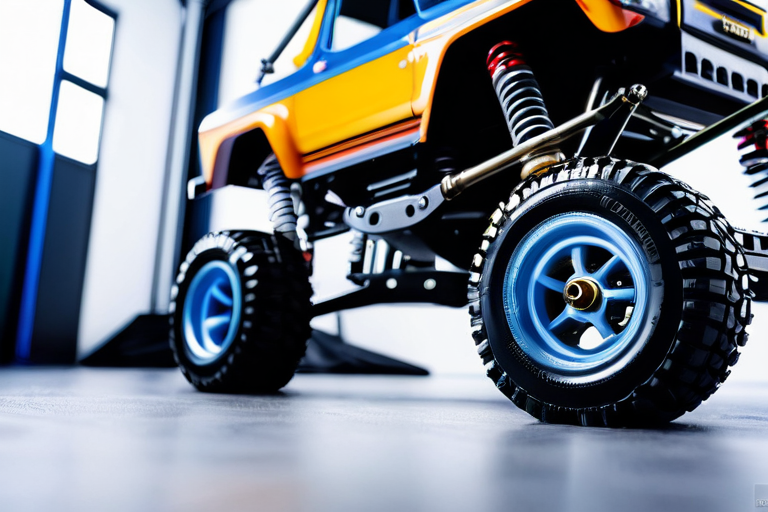
Sophisticated suspension systems enable miniature vehicles to handle challenging terrain
The transformation from basic playthings to high-performance machines has been driven by several key technological advancements:
- Advanced Suspension Systems: Multi-link setups with oil-filled shocks that provide realistic damping and articulation
- Brushless Motor Technology: High-efficiency powerplants delivering exceptional torque and speed
- Electronic Speed Controllers (ESCs): Sophisticated control systems managing power delivery with precision
- Digital Radio Systems: 2.4GHz technology providing interference-free control over significant distances
- Material Science: Advanced composites and alloys offering strength without excessive weight
Suspension Engineering: The Heart of Off-Road Capability
The suspension system represents perhaps the most critical engineering component in modern toy off-road vehicles. Unlike their real-world counterparts, miniature suspensions must operate within severe space constraints while maintaining performance characteristics.
Research from RC Groups, the world's largest RC hobby community, indicates that advanced miniature suspension systems can achieve up to 80% of the articulation and damping performance of full-scale systems, despite operating at scales as small as 1:24.
Key Suspension Technologies
Oil-Filled Dampers
Modern miniature shock absorbers utilize precisely calibrated oil viscosity to control rebound and compression rates, allowing for terrain-specific tuning that was once exclusive to professional racing applications.
Multi-Link Configurations
Advanced link designs provide independent wheel movement while maintaining chassis stability, enabling vehicles to maintain traction over uneven surfaces that would immobilize less sophisticated designs.
Power and Control Systems
The propulsion systems in modern toy off-road vehicles have undergone a revolution comparable to the transition from steam to internal combustion in full-scale vehicles. According to technical data from Traxxas, a pioneer in high-performance RC vehicles, brushless motor technology has increased power density by approximately 400% while improving efficiency by 60% compared to traditional brushed motors.
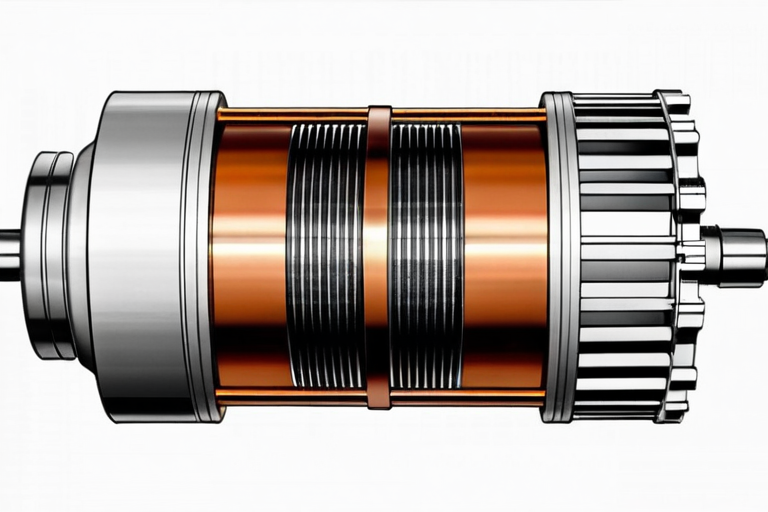
Brushless motor technology delivers exceptional power in compact packages
Electronic Speed Controllers (ESCs) represent another area of significant advancement. Modern ESCs incorporate sophisticated microprocessors that manage power delivery with millisecond precision, offering features including:
- Dynamic Braking: Regenerative systems that recover energy during deceleration
- Thermal Management: Intelligent systems that monitor and adjust power output based on temperature
- Programmable Profiles: User-configurable settings for different terrain types and driving styles
- Low-Voltage Protection: Systems that prevent battery damage by managing discharge cycles
Material Science and Construction
The structural components of modern toy off-road vehicles benefit from material technologies developed for aerospace and automotive applications. Carbon fiber composites, CNC-machined aluminum, and advanced polymer blends create chassis and components that are simultaneously lightweight and durable.
A study published by the Society of Automotive Engineers highlighted how material innovations in miniature vehicles often precede adoption in full-scale applications, serving as practical testbeds for new composite formulations and manufacturing techniques.
Advanced Materials in Modern Designs
Terrain Simulation and Performance Testing
Modern toy off-road vehicles are developed using sophisticated testing methodologies that mirror those employed in professional motorsport. Manufacturers utilize specialized test facilities featuring simulated terrain types ranging from fine sand to rocky outcrops, allowing for comprehensive performance validation.

Specialized testing facilities simulate diverse terrain conditions
According to engineering documentation from Axial Racing, a manufacturer specializing in scale off-road vehicles, development teams employ data acquisition systems that monitor over 20 parameters simultaneously during testing, including:
- Suspension articulation and travel
- Wheel speed and traction metrics
- Motor temperature and efficiency
- Battery discharge characteristics
- Chassis flex and stress distribution
The Future of Miniature Off-Road Technology
Looking forward, several emerging technologies promise to further enhance the capabilities of toy off-road vehicles. Industry analysis from RC Car Action magazine identifies several key development areas:
Active Suspension Systems
Electronically controlled dampers that adjust in real-time to terrain changes, potentially utilizing MEMS sensors and micro-actuators to optimize performance dynamically.
Advanced Energy Systems
Solid-state battery technology and supercapacitor integration could dramatically increase run times while reducing charging durations, potentially revolutionizing power management.
Artificial Intelligence Integration
Machine learning algorithms could enable autonomous terrain assessment and adaptation, allowing vehicles to optimize their configuration for specific conditions without user intervention.
Augmented Reality Interfaces
Advanced control systems incorporating AR could provide drivers with enhanced situational awareness, displaying terrain data and vehicle telemetry in real-time through specialized interfaces.
Educational and Developmental Benefits
Beyond their entertainment value, modern toy off-road vehicles offer significant educational benefits. Research conducted by the International Technology and Engineering Educators Association demonstrates that engagement with sophisticated miniature vehicles can enhance understanding of several key STEM concepts:
- Mechanical Principles: Gearing ratios, leverage, and force distribution
- Electrical Systems: Circuit design, power management, and motor control
- Material Science: Properties of composites, metals, and polymers
- Aerodynamics: Airflow management and stability at scale
- Computer Programming: ESC configuration and telemetry system setup
The Engineering Playground
Modern toy off-road vehicles represent more than mere playthings—they are sophisticated engineering platforms that bridge the gap between recreational activity and technical education, offering enthusiasts of all ages the opportunity to explore complex mechanical and electronic systems in an accessible, engaging format.
The continued evolution of these miniature machines demonstrates how play and engineering can converge to create products that are simultaneously entertaining and educational. As technology advances, toy off-road vehicles will likely continue to incorporate innovations from broader engineering fields, maintaining their position at the intersection of recreation and technical sophistication.
Technical References: This article incorporates data and insights from leading manufacturers and industry organizations including Horizon Hobby, Traxxas, Axial Racing, RC Car Action magazine, the Society of Automotive Engineers, and the International Technology and Engineering Educators Association.