Miniature Off-Road Dynamics: The Technical Evolution of Toy 4x4 Vehicles
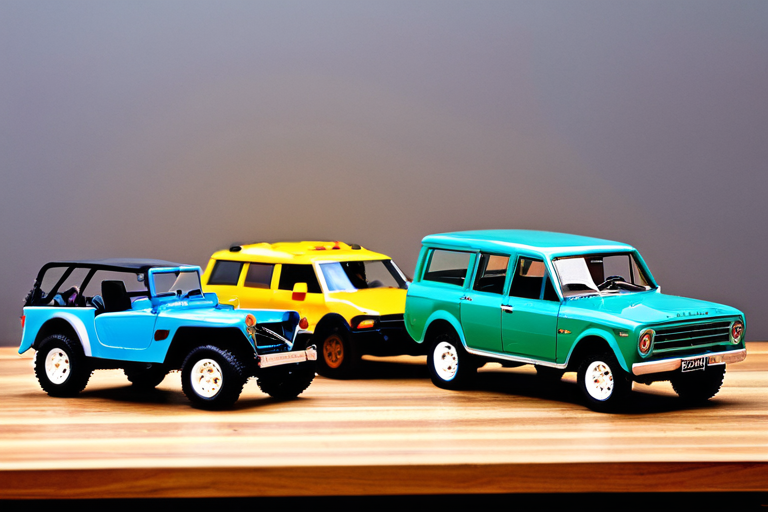
The progression from basic toy trucks to sophisticated RC vehicles demonstrates remarkable engineering advancement
Early Foundations: Mechanical Simplicity
The origins of toy off-road vehicles trace back to mid-20th century manufacturing, where companies like Mattel and Hasbro introduced basic wind-up and friction-powered trucks. These early models featured simple metal chassis, rubber tires, and minimal suspension systems. According to The Toy Association archives, these designs prioritized durability over performance, with manufacturers focusing on creating toys that could withstand rough play rather than navigate challenging terrain.
During the 1970s, battery-powered vehicles emerged, introducing basic electrical systems. These models typically featured single-speed motors and simple steering mechanisms. The Society of Automotive Engineers notes that these early electric toys represented the first step toward miniature vehicle engineering, incorporating basic principles of electrical propulsion that would later evolve into sophisticated systems.
Key Technical Milestones
- 1960s: Introduction of basic suspension systems in die-cast models
- 1970s: First battery-powered off-road toys with simple gear systems
- 1980s: Radio control technology becomes commercially viable
- 1990s: Digital proportional control systems replace analog
- 2000s: Brushless motors and lithium polymer batteries revolutionize performance
- 2010s-present: Smart technology integration and advanced materials
The Radio Control Revolution
The introduction of radio control technology in the 1980s marked a significant turning point. Companies like Tamiya and Kyosho began producing scale models with proportional steering and throttle control. These systems, as documented by RC Groups, utilized frequency-modulated radio signals operating in the 27MHz and 49MHz bands, allowing multiple vehicles to operate simultaneously without interference.
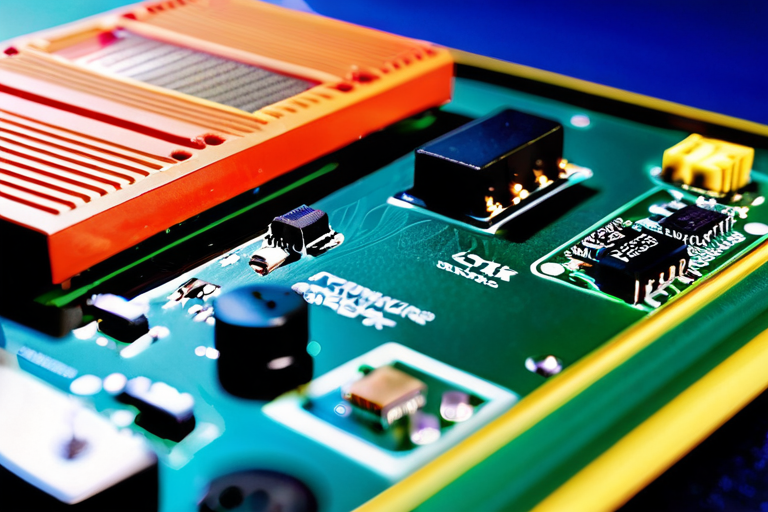
Modern RC vehicles feature sophisticated electronic speed controllers and advanced receiver systems
Technical advancements during this period included:
- Proportional Control: Unlike earlier on/off systems, proportional control allowed precise manipulation of steering and throttle
- Multi-Channel Systems: Development of multi-channel transmitters enabling independent control of multiple functions
- Improved Battery Technology: Transition from nickel-cadmium to nickel-metal hydride batteries, offering better power density
- Suspension Refinement: Introduction of oil-filled shock absorbers and adjustable suspension components
Modern Engineering: Materials and Electronics
Contemporary toy off-road vehicles represent a convergence of advanced materials science and electronic engineering. According to research published in the ASME Journal of Mechanical Design, modern miniature vehicles utilize:
Advanced Materials
- Carbon fiber composite chassis for strength-to-weight optimization
- Aluminum alloy suspension components with CNC machining
- Polycarbonate bodies with realistic scale detailing
- Silicon rubber tires with specialized tread patterns
Electronic Systems
- Brushless motors with sensored technology
- Lithium polymer batteries with smart balancing
- 2.4GHz spread spectrum radio systems
- Gyroscopic stabilization and traction control
The integration of brushless motor technology, as analyzed by IEEE Spectrum, has particularly revolutionized performance. These motors offer higher efficiency, reduced maintenance, and superior power delivery compared to traditional brushed designs. Modern electronic speed controllers (ESCs) provide programmable parameters including throttle curves, braking force, and thermal protection.
Suspension and Drivetrain Innovations
Suspension systems in modern toy off-road vehicles have evolved from simple leaf springs to sophisticated multi-link arrangements. According to technical documentation from Traxxas, a leading manufacturer, contemporary designs feature:
- Independent Suspension: Most modern designs utilize fully independent suspension at all four corners
- Oil-Filled Dampers: Adjustable shock absorbers with multiple piston options and oil viscosities
- Progressive Spring Rates: Springs designed to provide varying resistance through the compression stroke
- Anti-Roll Bars: Torsion bars reducing body roll during cornering
Drivetrain technology has similarly advanced, with many high-end models featuring:
- Center differentials with adjustable fluid viscosity
- Limited-slip front and rear differentials
- Metal gear transmissions with multiple gear ratios
- Four-wheel drive systems with selectable front/rear torque distribution
Smart Technology Integration
The most recent evolution involves the integration of smart technologies. As reported by Horizon Hobby, modern systems include:
Connected Features
Telemetry Systems
Real-time monitoring of speed, temperature, battery voltage, and motor RPM transmitted to the controller or mobile device
App Integration
Smartphone applications providing setup guides, performance tuning, and community features
GPS Tracking
Integrated GPS modules for speed measurement and location tracking during outdoor use
These smart systems, according to analysis from Digi-Key Electronics, utilize microcontrollers with integrated Bluetooth or Wi-Fi capabilities, allowing for remote diagnostics, firmware updates, and performance customization through dedicated applications.
Scale Accuracy and Realism
Beyond performance, modern toy off-road vehicles emphasize scale accuracy and realism. Manufacturers collaborate with automotive companies to produce licensed replicas featuring:
- Authentic body designs with manufacturer approval
- Detailed interiors with scale-accurate instrumentation
- Functional lighting systems with LED technology
- Realistic sound modules replicating engine notes
The International Plastic Modelers' Society notes that this attention to detail has elevated toy off-road vehicles from simple playthings to collectible scale models, with some limited edition releases commanding significant value among enthusiasts.

Highly detailed scale models demonstrating the convergence of hobbyist craftsmanship and manufacturing precision
Educational and Developmental Impact
Beyond entertainment, toy off-road vehicles serve educational purposes. According to research cited by ISTE (International Society for Technology in Education), these vehicles can:
STEM Learning
Introduce fundamental principles of physics, electronics, and mechanical engineering through hands-on experience with gear ratios, electrical circuits, and force dynamics
Technical Skills
Develop mechanical aptitude through maintenance, repair, and customization activities requiring tool use and technical understanding
Problem Solving
Encourage analytical thinking through troubleshooting mechanical issues and optimizing vehicle setup for different conditions
Future Directions and Innovations
Looking forward, industry analysis from Grand View Research suggests several emerging trends:
- Alternative Power Sources: Development of hydrogen fuel cell and solar-assisted charging systems
- Autonomous Features: Implementation of basic self-driving capabilities and obstacle avoidance
- Augmented Reality Integration: Combined physical/digital play experiences through AR applications
- Sustainable Materials: Increased use of biodegradable plastics and recycled components
- Advanced Simulation: Virtual testing environments for setup optimization before physical implementation
These developments, according to technical forecasts from Engineering.com, will continue to blur the lines between toys and professional engineering tools, with high-end models serving as platforms for testing concepts later applied to full-scale vehicles.
Conclusion: From Plaything to Precision Instrument
The evolution of toy off-road vehicles represents a remarkable journey from simple mechanical toys to sophisticated engineering platforms. What began as basic wind-up trucks has transformed into a diverse ecosystem of precision instruments that incorporate advanced materials, electronic systems, and smart technologies. These miniature vehicles not only provide entertainment but also serve as accessible entry points into mechanical and electrical engineering principles.
As technology continues to advance, toy off-road vehicles will likely incorporate even more sophisticated systems, potentially including artificial intelligence for autonomous operation, advanced sensor arrays for environmental interaction, and new materials offering unprecedented performance characteristics. This ongoing evolution ensures that these miniature machines will continue to captivate enthusiasts while pushing the boundaries of what's possible in small-scale mechanical design.
The technical sophistication of modern toy off-road vehicles demonstrates how play and engineering can intersect to create products that are both entertaining and educational. As noted by industry experts, these vehicles represent one of the most accessible forms of hands-on engineering education available, making complex technical concepts tangible and engaging for users of all ages.