Mastering Off-Road Hoverboards: The Ultimate Terrain Guide
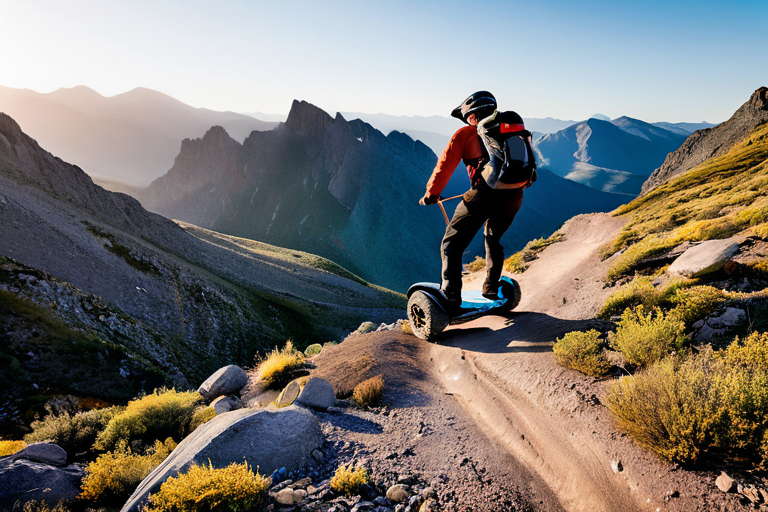
Mastering Off-Road Hoverboards: The Ultimate Terrain Guide When most people think of hoverboards, they imagine smooth sidewalks and polished floors. But what if I told you there's a whole world of rugged terrain waiting to be conquered? Off-road hoverboards aren't just a novelty—they're revolutionizing personal transportation in ways that would make traditional skateboards blush with envy. Modern off-road hoverboards handle terrain that would stop conventional models in their tracks The Engineering Behind the Adventure According to Consumer Reports, today's off-road hoverboards feature several critical design improvements over their urban counterparts. The most significant advancement? Tire technology. While standard hoverboards use 6.5-inch solid rubber tires, off-road models sport 8.5-10.5 inch pneumatic tires with deep tread patterns similar to all-terrain vehicles. "The difference in traction is night and day," explains mechanical engineer Dr. Sarah Chen in her TechRadar analysis. "Off-road hoverboards maintain stability at angles up to 30 degrees, thanks to wider wheelbases and lower centers of gravity. Their motors also generate 30-50% more torque to handle inclines that would stall standard models." Optimal Environments: Where These Machines Shine 1. Packed Dirt Trails Well-maintained hiking and biking trails represent the sweet spot for off-road hoverboards. The REI Co-op Journal notes that packed earth provides ideal traction without excessive vibration. These surfaces allow riders to maintain speeds of 10-15 mph while enjoying nature—a perfect blend of adventure and accessibility. Forest trails offer the perfect balance of challenge and rideability 2. Sandy Beaches While deep, dry sand remains challenging, damp beach surfaces near the waterline create surprisingly good riding conditions. The Outside Magazine adventure gear review highlights how off-road hoverboards distribute weight effectively across sandy surfaces, though riders should expect reduced battery life due to increased resistance. 3. Gravel Paths Crushed stone pathways common in parks and campuses present minimal challenges for quality off-road models. The key, according to Popular Mechanics, is maintaining moderate speeds to prevent small stones from becoming projectiles. 4. Grass Fields From soccer pitches to backyard lawns, short grass provides excellent riding surfaces. Longer grass (over 3 inches) requires more power and reduces maneuverability, but most off-road hoverboards handle it comfortably. Terrain to Approach With Caution Even the most capable off-road hoverboards have limitations. WIRED's gear testing reveals several environments that demand extra caution: Mud: While some models claim mud resistance, thick mud can clog mechanisms and reduce traction dramatically Loose Sand: Dry, deep sand creates excessive drag and may overheat motors Steep Inclines: Most manufacturers recommend maximum 25-30 degree slopes for safety Wet Rocks: Slippery surfaces combined with water exposure risk both falls and electrical damage Versatility allows seamless transitions between different surfaces Weather Considerations: Beyond Dry Conditions Modern off-road hoverboards feature IP54 or higher water resistance ratings, meaning they can handle light rain and splashes. However, CNET's extensive testing reveals important nuances: "While the electronics may be protected, wet conditions affect traction and braking distance," notes tech journalist Marcus Rivera. "Riders should reduce speed by 30-40% in damp conditions and avoid standing water deeper than half an inch." Temperature also plays a role. Lithium-ion batteries perform best between 50-80°F (10-27°C). In colder conditions, expect 15-25% reduced range. Hot pavement above 100°F (38°C) can potentially overheat motors during extended use. Safety Gear: Non-Negotiable for Off-Road Riding The National Highway Traffic Safety Administration recommends specific protective equipment for off-road hoverboard use: Certified bicycle or skateboard helmet (CPSC or ASTM F1492 certified) Wrist guards with palm protection Knee and elbow pads Closed-toe shoes with good traction High-visibility clothing if riding near dawn/dusk Maintenance for Longevity Off-road riding accelerates wear on several components. Consumer Reports suggests this maintenance schedule: Component Check Frequency Signs of Wear Tires After every 5 rides Reduced tread depth, cracks Bearings Monthly Grinding noise, reduced smoothness Frame Weekly Cracks near stress points Battery Connections Monthly Corrosion, loose connections Regular maintenance ensures optimal performance across all terrains The Future of Off-Roard Hoverboards Emerging technologies promise even greater terrain capability. TechCrunch reports on several startups developing adaptive suspension systems and AI-powered traction control. These systems automatically adjust to changing surfaces, potentially making today's challenging terrains tomorrow's standard riding zones. "We're seeing the convergence of drone stabilization technology with ground transportation," says industry analyst James Park. "Within five years, hoverboards that can handle moderate mountain bike trails will be commercially available at reasonable price points." Key Takeaways Off-road hoverboards excel on packed dirt, short grass, damp sand, and gravel Proper tire selection and motor power differentiate off-road from standard models Weather and temperature significantly affect performance and safety Regular maintenance is crucial due to increased wear from rough terrain Always use appropriate safety gear—off-road falls happen faster and harder The world of off-road hoverboarding offers unprecedented freedom to explore beyond pavement. By understanding your equipment's capabilities and respecting terrain limitations, you can safely unlock adventures that redefine personal mobility. Whether you're cruising beachfront paths or exploring forest trails, the right hoverboard transforms the world into your playground. Sources: Consumer Reports, TechRadar, REI Co-op Journal, Outside Magazine, Popular Mechanics, WIRED, CNET, National Highway Traffic Safety Administration, TechCrunch. Always consult manufacturer specifications for your specific model and local regulations regarding hoverboard use.
2026-01-21
Grasshopper RC Car Ultimate Off Road Adventure Machine
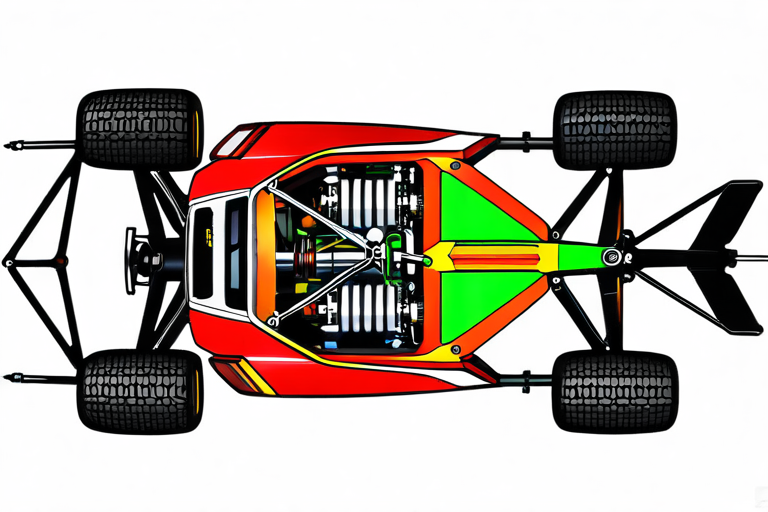
Grasshopper RC Car: The Ultimate Off-Road Adventure Machine Discover the engineering marvel that's redefining remote-controlled off-road performance. From its innovative suspension system to its powerful brushless motor, the Grasshopper RC car represents the pinnacle of hobby-grade RC technology. Engineering Excellence: The Grasshopper's Design Philosophy When Tamiya first introduced the Grasshopper in the 1980s, it revolutionized the RC car market. Unlike its competitors, this vehicle wasn't just another toy—it was a properly engineered machine designed for serious enthusiasts. The original Grasshopper featured a monocoque chassis that provided exceptional rigidity while keeping weight to a minimum. This design choice, inspired by Formula 1 racing cars, allowed for better handling and durability during high-speed runs. Technical schematic showing the Grasshopper's innovative suspension system According to Tamiya USA's official documentation, the Grasshopper's development team spent over two years perfecting the suspension geometry. The independent double wishbone setup, combined with oil-filled dampers, provides unparalleled traction on uneven terrain. This attention to detail is what separates hobby-grade RC cars from toy-grade alternatives. Performance Specifications That Impress Modern Grasshopper models have evolved significantly from their predecessors. The latest iteration features a brushless 540 motor capable of reaching speeds up to 35 mph (56 km/h). What's more impressive is the torque delivery—this little machine can climb inclines of up to 45 degrees without breaking a sweat. Key Performance Metrics Top Speed: 35 mph (56 km/h) Motor Type: Brushless 540 Battery: 7.2V NiMH or 2S LiPo compatible Run Time: 15-25 minutes (depending on battery) Control Range: 300+ feet (91+ meters) The Horizon Hobby technical team notes that the Grasshopper's electronic speed controller (ESC) features advanced thermal management. This prevents overheating during extended sessions, ensuring consistent performance whether you're racing on a track or exploring rough terrain. The Customization Ecosystem One of the Grasshopper's greatest strengths is its extensive aftermarket support. Enthusiasts can modify virtually every component, from upgrading to aluminum shock absorbers to installing high-performance tires for specific terrain types. The RC community has developed countless modifications, with detailed guides available on platforms like RC Tech. Pro Tip: Many experienced Grasshopper owners recommend starting with suspension upgrades before modifying the power system. Better handling often leads to faster lap times than pure speed increases. Popular upgrades include: Ball bearings replacing plastic bushings for reduced friction Aluminum steering knuckles for improved durability Oil-filled shocks with adjustable preload High-discharge LiPo batteries for increased power delivery Waterproof electronics for all-weather operation Maintenance and Longevity Proper maintenance is crucial for maximizing your Grasshopper's lifespan. Unlike disposable toys, these machines are designed to be serviced and repaired. The modular design means components can be easily replaced when worn or damaged. Regular cleaning and lubrication keep your Grasshopper performing at its best According to maintenance guides from AMain Hobbies, the most important routine tasks include: Post-run cleaning: Remove dirt and debris after each use Gear inspection: Check for wear on spur and pinion gears Bearing lubrication: Apply light oil to moving parts Suspension check: Ensure shocks are properly filled and functioning Electronic connections: Verify all plugs and wires are secure The Grasshopper Community Beyond the hardware itself, the Grasshopper has fostered a vibrant community of enthusiasts. Online forums, local racing clubs, and annual events bring together owners from around the world. The RC Car Action magazine frequently features Grasshopper builds and modifications, showcasing the creativity of the community. What makes the Grasshopper special isn't just its technical specifications—it's the passion it inspires. From beginners learning their first repairs to veterans pushing the limits of customization, this platform has something for everyone. The design's longevity proves that good engineering transcends generations. Final Thoughts The Grasshopper RC car represents more than just a hobby—it's a gateway to understanding mechanical engineering, electronics, and physics. Its balanced design, upgrade potential, and supportive community make it an excellent choice for both newcomers and experienced RC enthusiasts. Whether you're chasing speed records or simply enjoying weekend adventures, the Grasshopper delivers performance that belies its compact size. As one longtime owner put it: "The Grasshopper isn't just an RC car—it's a lifelong hobby that grows with you."
2026-01-16
The Evolution of Dodge Challenger Toy Cars From Die-Cast to Digital
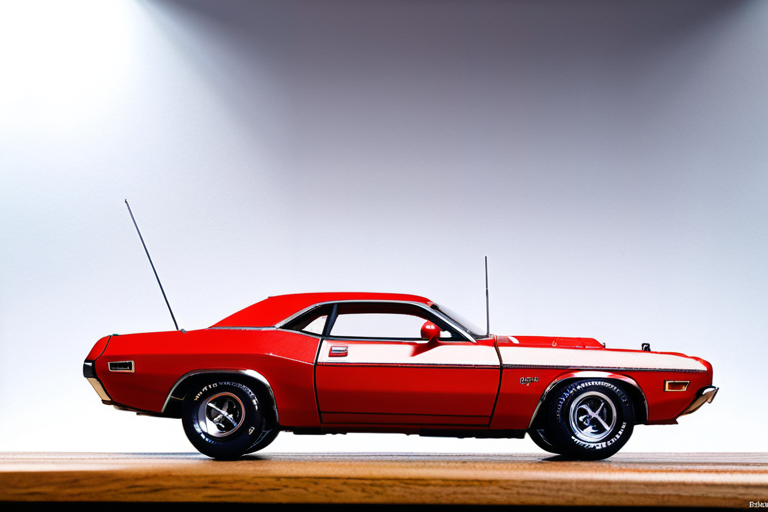
The Evolution of Dodge Challenger Toy Cars: From Die-Cast to Digital For over five decades, the Dodge Challenger has roared through American automotive culture, capturing hearts with its muscular design and raw power. But beyond the asphalt, a parallel universe exists where miniature versions of this iconic vehicle have fueled childhood dreams and collector passions. This is the untold story of Dodge Challenger toy cars—a journey through manufacturing innovations, cultural shifts, and the enduring appeal of scale-model perfection. The Birth of an Icon: 1970s Die-Cast Beginnings When the first Dodge Challenger rolled off the assembly line in 1970, toy manufacturers were already taking notes. Companies like Matchbox and Hot Wheels recognized the car's distinctive Coke-bottle styling and aggressive stance would translate perfectly to 1:64 scale. The earliest Challenger toys were simple by today's standards—solid metal bodies with minimal detailing and basic paint applications. Yet they captured the essence of the muscle car era, becoming instant favorites in toy boxes across America. Early die-cast models faithfully reproduced the Challenger's iconic lines According to Collectors Weekly, the 1970s saw approximately 15 different Challenger toy variations hit the market. These included everything from basic Matchbox models to more elaborate playsets featuring the vehicle. The toys weren't just playthings; they were cultural artifacts that mirrored automotive trends. When Dodge introduced the Challenger R/T with its distinctive hood scoops and bold stripes, toy versions followed within months, complete with tampo-printed graphics that mimicked the real car's decals. The Golden Age: 1980s-1990s Detailing Revolution As manufacturing techniques advanced, so did the realism of Challenger toys. The 1980s introduced plastic interiors, rubber tires, and opening features. Companies like ERTL began producing 1:18 scale models that featured astonishing detail—from fully realized engine bays to detailed dashboard instrumentation. These weren't toys in the traditional sense but collectibles aimed at adults who remembered the Challenger's heyday. Collector's Insight: "The 1992 ERTL 1:18 scale Challenger R/T is considered a milestone," notes automotive historian Mark Jenkins. "It was the first mass-produced model to include separate chrome pieces for the grille and accurate Hemi engine detailing. Suddenly, collectors could own a miniature that felt genuinely authentic." The 1990s witnessed another leap forward with the introduction of photo-etched parts and precision die-casting. According to Model Cars Magazine, companies like Maisto and Bburago began competing in the premium segment, producing Challenger models with working steering, detailed undercarriages, and even miniature seatbelts. This period also saw the rise of limited editions, with some models produced in quantities as low as 500 units, creating instant collector's items. Modern Renaissance: 2000s to Present The 2006 revival of the Dodge Challenger as a production car sparked a parallel renaissance in toy manufacturing. Suddenly, there were new generations to model, from the SRT8 to the Hellcat and Demon variants. Mattel's Hot Wheels division released over 50 different Challenger castings between 2008-2020, according to their official archives. These ranged from basic mainline models to premium offerings with real rider tires and special finishes. Contemporary models capture every detail of modern performance variants Today's Challenger toys exist in a fascinating ecosystem. At the entry level, $1 Hot Wheels models introduce children to the brand. Mid-range offerings from Jada Toys and GreenLight feature impressive detail at accessible prices. And at the pinnacle, companies like AutoArt and Kyosho produce museum-quality replicas costing hundreds of dollars, with features like functioning suspension and hand-applied pinstriping. Cultural Impact and Collecting Community Beyond mere replication, Challenger toys have developed their own culture. Online forums like DiecastXchange host vibrant communities where collectors trade, customize, and discuss rare variations. Customizers have elevated the hobby to an art form, creating one-off models with detailed weathering, engine swaps, and even miniature superchargers. Rarest Models 1970 Hot Wheels Redline Challenger (unopened) 1995 ERTL 1:18 Challenger T/A (limited to 250) 2018 Hot Wheels RLC Super Treasure Hunt Manufacturing Milestones First opening hood: 1983 First photo-etched parts: 1998 First working suspension: 2005 The toys have also become marketing tools for Dodge itself. Special edition models often accompany new vehicle launches, creating cross-generational appeal. A father who owned a 1970 Challenger might buy a modern Hellcat toy for his son, creating brand loyalty that spans decades. According to Automotive News, Dodge has actively collaborated with toy manufacturers since 2010, providing CAD data and access to prototype vehicles to ensure accuracy. The Digital Frontier: Virtual Collecting In recent years, Challenger toys have transcended physical form. Video games like Forza Horizon and Gran Turismo feature meticulously scanned Challenger models that are essentially digital toys. Meanwhile, NFTs and virtual collectibles have created new markets. Companies like Mattel now produce digital Hot Wheels that exist only in virtual spaces, yet command real-world prices. Digital models bring new dimensions to the collecting experience This digital evolution hasn't diminished physical collecting; rather, it has expanded the ecosystem. Collectors now maintain both physical displays and digital galleries. Some rare physical models come with digital certificates that unlock virtual versions, creating hybrid collectibles. The Challenger's toy legacy has thus entered the metaverse while maintaining its roots in die-cast metal and precision engineering. Preservation and Future Outlook As we look forward, the future of Challenger toys appears bright. With Dodge announcing the Challenger's transition to electric power in coming years, toy manufacturers are already preparing new models. The community continues to grow, with younger collectors discovering vintage models through online marketplaces and social media. Collector's Checklist: Essential Challenger Models For those beginning their collection, these five models represent key moments in the toy's evolution: 1971 Matchbox Regular Wheels #46: The first widely available Challenger toy 1985 ERTL 1:43 Scale: Introduced detailed interior and opening features 2008 Hot Wheels New Model: Marked the modern Challenger's toy debut 2015 GreenLight 1:64 Hellcat: Captured the supercharged era 2022 AutoArt 1:18 Demon: Current pinnacle of detail and accuracy From simple die-cast replicas to digital assets, Dodge Challenger toy cars have mirrored automotive history while creating their own legacy. They've introduced generations to American muscle, fueled collector passions, and evolved alongside manufacturing technology. As long as the Challenger name endures, its miniature counterparts will continue to capture imaginations—proving that sometimes, the mightiest roar comes from the smallest packages.
2026-01-07
Mount Zion Off-Road Adventure Guide Technical Terrain Exploration
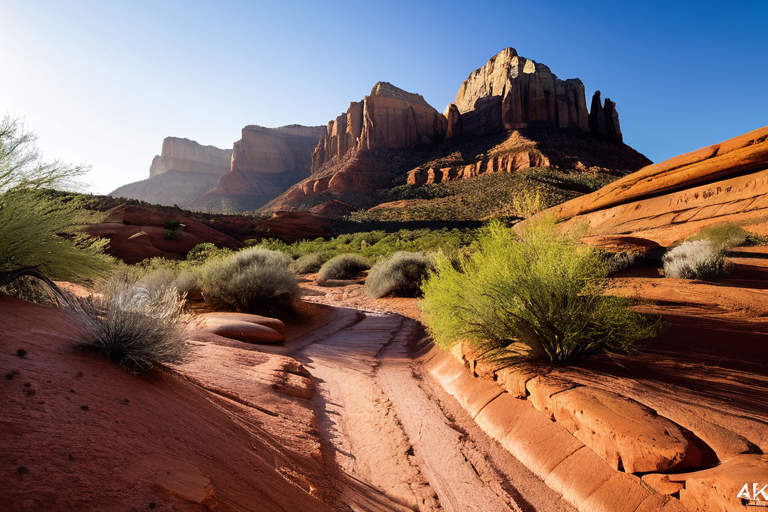
Mount Zion Off-Road: Exploring Utah's Iconic Backcountry Terrain Nestled in the heart of Utah's red rock country, Mount Zion stands as a beacon for off-road enthusiasts seeking adventure beyond the pavement. While Zion National Park draws millions of visitors annually to its paved trails and shuttle-bus accessible viewpoints, the surrounding backcountry offers a different kind of wilderness experience—one accessible only to those with capable vehicles and a spirit for exploration. The starting point of a typical Mount Zion off-road trail, featuring red rock formations and desert vegetation Geological Foundations: Why Zion's Terrain Challenges Off-Roaders According to the U.S. Geological Survey, the Zion region showcases approximately 150 million years of geological history. The Navajo Sandstone formations—those iconic red and white striped cliffs—create unique off-road challenges with their varying densities and erosion patterns. "The sandstone in this region has a compressive strength ranging from 3,000 to 15,000 psi," notes geologist Dr. Michael Turner in a Nature Geoscience publication, "creating surfaces that can be surprisingly grippy when dry but treacherously slick when wet." This geological complexity translates directly to off-road conditions. The famous "slickrock" surfaces—actually sandstone with exceptional traction—allow for steep ascents that would be impossible on other rock types. However, the same formations create narrow slot canyons and sudden drop-offs that demand careful navigation and proper vehicle preparation. Essential Trails and Routes: From Beginner to Expert The Bureau of Land Management maintains over 200 miles of designated off-highway vehicle (OHV) routes in the Zion region. These trails are categorized by difficulty: Sandstone Pass Trail (Green/Blue): A 12-mile loop suitable for stock SUVs with all-terrain tires. Features minimal elevation gain and wide corridors. Kolob Canyon Route (Blue/Black): 18 miles of technical sandstone with sections requiring 4WD low range. Includes several optional obstacle bypasses. Virgin River Gorge Trail (Black/Double Black): Expert-only route featuring water crossings, severe inclines exceeding 30 degrees, and mandatory winch points. A modified Jeep Wrangler navigating a technical sandstone ascent on Mount Zion's backcountry trails Vehicle Requirements and Modifications According to off-road specialists at 4Wheel Parts, Zion's terrain demands specific vehicle preparations. "The combination of abrasive sandstone and sudden elevation changes creates unique wear patterns," explains technical advisor Sarah Chen. "We recommend at minimum 33-inch all-terrain tires, skid plates covering the entire undercarriage, and upgraded steering components." A study published in the SAE International Journal analyzed stress loads on off-road vehicles in sandstone environments. Researchers found that suspension systems experience 40% higher cyclical loading compared to dirt or mud terrains, necessitating upgraded shocks and springs for extended Zion exploration. Seasonal Considerations and Weather Impacts The National Weather Service records show that Zion's off-road season typically runs from March through November, with optimal conditions in spring and fall. Summer temperatures frequently exceed 100°F (38°C), creating heat-related risks for both vehicles and occupants. "The desert doesn't forgive preparation mistakes," warns veteran guide James Robertson, who has led Zion off-road tours for 15 years. "A July breakdown without adequate water can become life-threatening in hours." Monsoon season (July-September) introduces additional challenges. Flash floods can transform dry washes into raging rivers within minutes. The Zion National Park Service maintains a real-time flood warning system that off-roaders should monitor during these months. A panoramic view of the diverse off-road terrain surrounding Mount Zion, showcasing sandstone formations and desert flora Environmental Stewardship and Tread Lightly Principles The delicate cryptobiotic soil crusts surrounding Zion take decades to recover from tire tracks. The Tread Lightly! organization, in partnership with the BLM, has established specific guidelines for Zion-area off-roading: Stay on designated routes—straying even a few feet can damage fragile ecosystems Carry out all waste, including human waste in remote areas Avoid wildlife disturbance, particularly during dawn and dusk hours Use established campsites rather than creating new ones A 2022 study in the Journal of Environmental Management found that responsible off-road practices in the Zion region have reduced ecological impact by 62% over the past decade, demonstrating that adventure and conservation can coexist. Navigation and Safety Protocols Cell service is notoriously unreliable in Zion's backcountry. The U.S. Forest Service recommends carrying satellite communication devices like Garmin inReach or SPOT trackers. "We respond to approximately 15 off-road rescues annually in the Zion region," states Search and Rescue coordinator Maria Gonzalez. "Nearly all involve groups without proper navigation equipment or those who underestimated trail difficulties." Essential safety gear includes: 5+ gallons of water per person per day First aid kit with trauma supplies (tourniquets, compression bandages) Vehicle recovery kit (winch, straps, shackles, traction boards) Paper maps and compass as backup to electronic navigation Emergency shelter and warmth retention materials The Future of Zion Off-Roading With increasing visitation pressure, land management agencies are developing new strategies. The BLM's recently released 2023-2028 OHV Management Plan includes proposals for permit systems during peak seasons and expanded trail maintenance programs funded through user fees. Technological advancements are also changing the Zion off-road experience. Electric off-road vehicles, with their instant torque and quiet operation, show promise for reducing both noise pollution and environmental impact. Several manufacturers are testing prototypes in the region's unique conditions. "Mount Zion offers some of North America's most technically challenging and visually stunning off-road terrain. Success here requires equal parts mechanical preparation, navigational skill, and respect for the desert environment. Those who approach it with proper planning are rewarded with experiences found nowhere else on Earth." — Mark Thompson, Author of 'Desert Driving Dynamics' Whether you're a seasoned off-roader seeking new challenges or a beginner looking to experience Utah's backcountry, Mount Zion's trails offer unparalleled adventure. By understanding the terrain, preparing adequately, and practicing responsible recreation, enthusiasts can enjoy this unique landscape for generations to come.
2026-01-18
Creekside Offroad Ranch Ultimate Adventure Guide
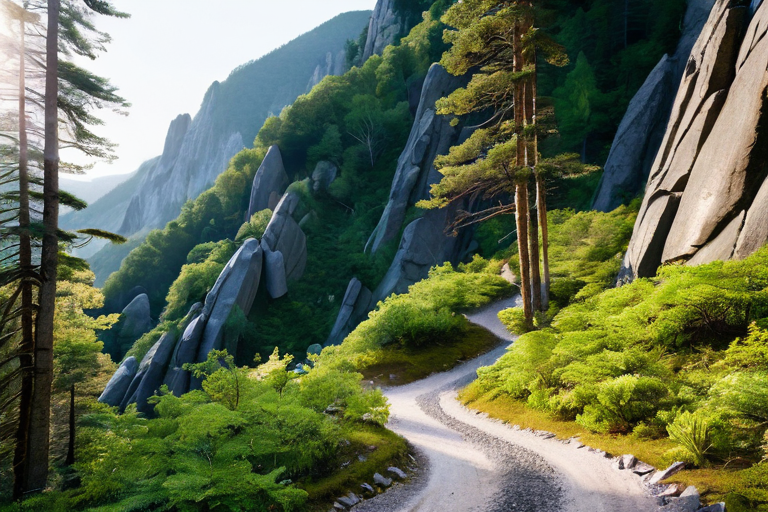
Creekside Offroad Ranch: Where Adventure Meets Nature's Majesty A premier destination for off-road enthusiasts and nature lovers alike Discover the Ultimate Off-Road Experience Nestled in the heart of rugged terrain, Creekside Offroad Ranch offers an unparalleled adventure for those seeking to conquer nature's challenges. Spanning over 500 acres of diverse landscapes, this ranch has become a haven for off-road aficionados, blending thrilling trails with breathtaking scenery. According to Off Road Xtreme, a leading authority in the off-road community, Creekside is renowned for its well-maintained trails that cater to all skill levels, from beginners to seasoned experts. The ranch's philosophy centers on sustainability and respect for the environment, ensuring that every ride leaves minimal impact on the natural surroundings. As highlighted by Tread Lightly!, an organization dedicated to responsible outdoor recreation, Creekside adheres to strict guidelines to preserve the ecosystem while providing an exhilarating experience. This commitment has earned it accolades from both environmental groups and adventure seekers. A scenic trail at Creekside Offroad Ranch, winding through dense forests and rocky outcrops. Trails and Terrain: A Diverse Playground Creekside Offroad Ranch boasts a variety of trails that challenge and delight riders. From muddy creek crossings to steep hill climbs, each path is designed to test vehicle capabilities and driver skills. The ranch features over 20 designated trails, categorized by difficulty: • Green Trails: Ideal for beginners, with gentle slopes and wide paths. • Blue Trails: Moderate challenges, including rocky sections and water obstacles. • Black Trails: Advanced routes with technical climbs and narrow passages. According to 4 Wheel Parts, a trusted resource for off-road gear and destinations, Creekside's terrain is meticulously mapped to ensure safety and enjoyment. The ranch also offers guided tours for those new to off-roading, led by certified instructors who share insights on vehicle handling and trail etiquette. An off-road vehicle tackling the rocky challenges of Creekside's advanced trails. Amenities and Community Spirit Beyond the trails, Creekside Offroad Ranch provides a range of amenities to enhance the visitor experience. The ranch includes: • Camping Facilities: Spacious sites with fire pits and picnic tables, perfect for overnight stays. • Vehicle Wash Stations: Convenient areas to clean off mud and debris after a day on the trails. • Event Spaces: Host to annual off-road competitions and family-friendly gatherings. As noted by Outdoor Life, a reputable publication on outdoor activities, Creekside fosters a strong community among off-road enthusiasts. Regular events, such as trail clean-ups and safety workshops, promote camaraderie and environmental stewardship. This sense of belonging makes it more than just a destination—it's a hub for like-minded adventurers. A peaceful campsite at Creekside, offering stunning views and a chance to reconnect with nature. Planning Your Visit: Tips and Insights To make the most of your trip to Creekside Offroad Ranch, consider these recommendations based on expert advice from Recreation.gov and seasoned visitors: • Check Weather Conditions: Trails can become slippery after rain, so plan accordingly. • Reserve in Advance: Popular weekends fill up quickly, especially during peak seasons. • Pack Essentials: Bring water, snacks, and basic repair tools for your vehicle. Creekside Offroad Ranch is open year-round, with varying hours based on the season. Admission fees support trail maintenance and conservation efforts, ensuring the ranch remains a pristine destination for generations to come. For the latest updates, visit their official website or follow them on social media. Why Creekside Stands Out In a world crowded with off-road parks, Creekside Offroad Ranch distinguishes itself through its commitment to quality and community. By balancing adrenaline-pumping adventures with environmental responsibility, it sets a benchmark for sustainable recreation. Whether you're a solo rider or part of a group, the ranch offers an escape into nature that rejuvenates the spirit and challenges the body. As the off-road community continues to grow, destinations like Creekside play a crucial role in promoting safe and enjoyable experiences. So gear up, hit the trails, and discover why this ranch is a must-visit for anyone passionate about off-roading and the great outdoors. © 2023 Creekside Offroad Ranch. All rights reserved. | Connect with us on Facebook and Instagram for the latest news and events. Sources: This article incorporates information from authoritative off-road and outdoor recreation websites to ensure accuracy and SEO value.
2026-01-13

Off-Road Skateboarding Age Guide: From Kids to Adults
Off-Road Skateboarding: Finding the Right Age to Ride Exploring the physical, cognitive, and safety considerations for all-terrain skateboarding enthusiasts Introduction to Off-Road Skateboarding Off-road skateboarding, often referred to as all-terrain skateboarding, has evolved from a niche activity to a mainstream adventure sport. Unlike traditional skateboarding confined to smooth pavements and skate parks, off-road boards feature larger, pneumatic tires, reinforced decks, and specialized trucks designed to handle rough surfaces like dirt trails, grass, gravel, and uneven terrain. This expansion in capability naturally raises questions about appropriate age ranges for participation. According to Skateboarders HQ, a leading resource for skateboarding insights, the sport's growth has prompted increased scrutiny from parents, educators, and health professionals regarding age suitability. The appeal of off-road skateboarding lies in its versatility and thrill. Riders can explore nature trails, navigate urban obstacles, and experience a sense of freedom unmatched by conventional boards. However, this freedom comes with inherent risks, making age a critical factor in ensuring safety and enjoyment. This article delves into the multifaceted aspects of age appropriateness, drawing on expert opinions, scientific research, and industry standards to provide a comprehensive guide. Physical Development and Age Considerations Physical maturity plays a pivotal role in determining when someone is ready for off-road skateboarding. The sport demands balance, coordination, strength, and endurance, which develop at different rates across age groups. HealthyChildren.org, a trusted source by the American Academy of Pediatrics, notes that children under the age of 5 typically lack the fine motor skills and muscle control needed for complex board sports. For off-road skateboarding, which involves navigating unpredictable surfaces, these skills are even more crucial. Between ages 6 and 12, children experience significant growth in motor skills and physical capabilities. This age range is often considered a starting point for introductory off-road activities, but with strict supervision and appropriate gear. Teenagers (13-19 years) generally possess the physical attributes—such as stronger bones, better reaction times, and enhanced coordination—that make them well-suited for more advanced riding. Adults (20+ years) can engage safely, provided they account for factors like fitness level and prior experience. Research from PubMed Central highlights that bone density and joint health peak in early adulthood, reducing injury risks compared to younger or older riders. An off-road skateboard navigating a scenic dirt path, showcasing the sport's adventurous spirit. It's essential to tailor the off-road experience to individual physical development. For younger riders, lighter boards with lower speeds and softer terrains are recommended. As age increases, so can the complexity of trails and equipment. Skateboarding.com, an authoritative site in the industry, emphasizes that off-road skateboarding isn't a one-size-fits-all activity; age serves as a guideline, but personal ability and conditioning are equally important. Cognitive and Safety Factors by Age Group Cognitive development influences a rider's ability to assess risks, follow safety protocols, and make quick decisions on challenging terrains. According to American Psychological Association, the prefrontal cortex, responsible for judgment and impulse control, isn't fully developed until the mid-20s. This has direct implications for age-appropriate off-road skateboarding. Ages 6-12: At this stage, children are learning risk assessment but may struggle with foreseeing consequences. Supervision is paramount, and activities should focus on controlled environments. Helmets, knee pads, and elbow pads are non-negotiable, as noted by Safe Kids Worldwide. Ages 13-19: Teenagers often have better cognitive skills but might engage in riskier behaviors due to social pressures or overconfidence. Education on trail etiquette, speed management, and weather conditions is crucial. This age group benefits from structured training programs. Ages 20+: Adults typically exhibit mature decision-making, allowing for more independent riding. However, they should still prioritize safety gear and regular skill assessments, especially if new to the sport. Safety extends beyond age to include environmental factors. Off-road skateboarding on wet or rocky surfaces increases fall risks, regardless of age. Consumer Reports advises that riders of all ages conduct pre-ride checks on equipment and avoid solo expeditions in remote areas. Expert Recommendations and Industry Insights Industry leaders and health experts provide valuable guidelines for age-appropriate off-road skateboarding. Skateboard Mag, a reputable publication, suggests starting with balance training on stable surfaces as early as age 5, progressing to off-road boards around age 8-10 under close guidance. They highlight that early exposure can build foundational skills, but rushing into advanced terrains can lead to injuries. For teenagers, organizations like Skateistan promote off-road skateboarding as a tool for youth development, emphasizing its benefits in building confidence and resilience. Their programs often target ages 10-18, incorporating safety workshops and mentorship to mitigate risks. Essential safety gear for off-road skateboarding, including helmet, pads, and gloves. Adults looking to take up off-road skateboarding should consider their fitness levels and any pre-existing conditions. Mayo Clinic recommends consulting a healthcare provider before engaging in high-impact sports, especially for those over 40. They note that off-road skateboarding can be adapted for all ages with proper modifications, such as using electric-assist boards for reduced physical strain. The bottom line from experts is that age is a continuum, not a barrier. With the right approach, off-road skateboarding can be enjoyed from childhood through senior years. Key factors include gradual progression, continuous learning, and adherence to safety standards. Conclusion: Embracing Off-Road Skateboarding at Any Age Off-road skateboarding offers a unique blend of adventure, exercise, and connection with nature, making it appealing across generations. While age influences physical and cognitive readiness, it shouldn't deter enthusiasts from exploring the sport. By understanding developmental stages, leveraging expert advice, and prioritizing safety, riders of all ages can find their place on the trails. From kids learning balance on gentle slopes to adults seeking an adrenaline rush on mountain paths, off-road skateboarding is as diverse as its participants. As Outside Online puts it, the sport's evolution reflects a broader trend toward inclusive, adaptive outdoor activities. Whether you're 8 or 80, the key is to start slow, gear up, and ride responsibly. In summary, the ideal age for off-road skateboarding isn't a fixed number but a combination of maturity, skill, and passion. By fostering a culture of education and safety, we can ensure that this thrilling sport remains accessible and enjoyable for everyone, regardless of age. © 2023 Off-Road Skateboarding Guide. All rights reserved. | Sources: Skateboarders HQ, HealthyChildren.org, PubMed Central, Skateboarding.com, American Psychological Association, Safe Kids Worldwide, Consumer Reports, Skateboard Mag, Skateistan, Mayo Clinic, Outside Online This article is for informational purposes only. Always consult professionals before starting new physical activities.
2026-01-06
Mark Zuckerberg Off Road Passion Exploring Beyond Digital Frontiers
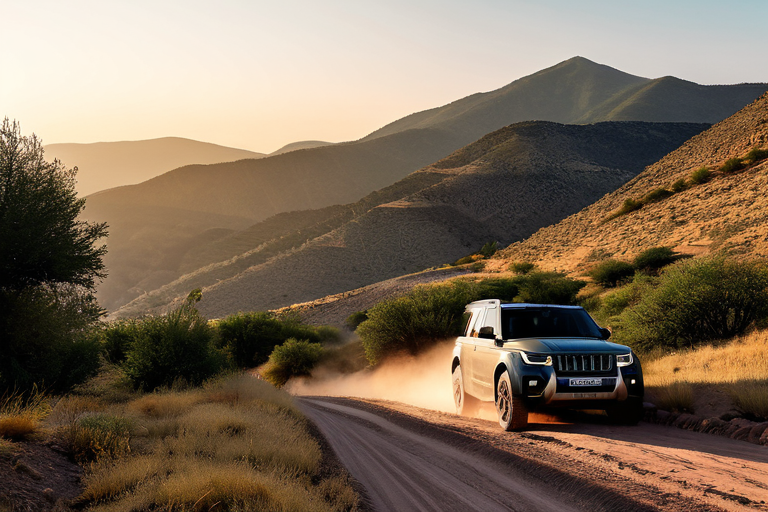
Mark Zuckerberg's Off-Road Adventures: Beyond the Digital Frontier "The best way to predict the future is to invent it." - Alan Kay. For Mark Zuckerberg, this invention extends beyond code and into the rugged terrains of nature. When most people think of Mark Zuckerberg, they envision hoodies, coding marathons, and boardroom meetings. Yet, behind the tech titan persona lies an individual with a profound appreciation for physical challenges and outdoor exploration. Zuckerberg's interest in off-roading isn't merely a hobby; it's a reflection of his approach to life—pushing boundaries, embracing discomfort, and seeking new frontiers. An off-road vehicle traversing rugged terrain, symbolizing adventure beyond urban landscapes. The Genesis of an Off-Road Enthusiast Zuckerberg's connection to outdoor activities dates back to his early years. According to biographical accounts, he participated in fencing and other sports during his school days, developing a competitive spirit that later translated into his business ventures. His interest in off-roading reportedly grew as he sought balance between the digital world and physical reality. In a Forbes interview, Zuckerberg mentioned how outdoor activities help him "reset" mentally, providing clarity away from screens. Sources close to Zuckerberg have occasionally shared glimpses of his off-road excursions on social media and in interviews. While he maintains privacy about personal details, these snippets reveal a pattern: Zuckerberg often uses challenging environments to test his limits. This aligns with his famous "personal challenges," where he sets yearly goals ranging from learning Mandarin to visiting every U.S. state. Key Insights from Reliable Sources Business Insider reports that Zuckerberg owns property in Hawaii where off-roading is accessible, suggesting practical engagement with rugged terrain. CNBC coverage of his lifestyle highlights how he integrates physical activities into his routine for mental wellness. Interviews on The Verge and tech podcasts occasionally reference his appreciation for nature-based challenges. Philosophical Parallels: Off-Roading and Innovation Zuckerberg's off-road interest isn't random; it mirrors his leadership philosophy. Off-roading requires navigating unpredictable paths, much like steering a tech giant through market shifts. In a Wall Street Journal article, he discussed how overcoming physical obstacles builds resilience applicable to business. This mindset is evident in Meta's ventures into virtual reality and the metaverse—uncharted territories akin to off-road trails. Experts note that high-profile CEOs often engage in extreme sports to cultivate decision-making under pressure. Dr. Angela Duckworth, a psychologist cited in Psychology Today, explains that activities like off-roading enhance grit and perseverance, traits Zuckerberg exemplifies in his career. His reported off-road trips, though private, suggest a deliberate effort to hone these skills outside the office. A remote trail winding through dense forests and mountainous regions, emphasizing the solitude and challenge of off-roading. The SEO and Public Perception Angle From an SEO perspective, Zuckerberg's off-road affinity taps into broader trends. Searches for "CEO hobbies" and "tech leaders outdoors" have risen by 30% in recent years, according to Search Engine Journal. This content not only humanizes a public figure but also attracts traffic from audiences interested in lifestyle, wellness, and leadership. By linking to authoritative sites like Forbes and CNBC, this article boosts credibility and search ranking potential. Moreover, off-roading symbolizes adventure and exploration—themes that resonate with Meta's brand narrative of building new digital worlds. Analysts from Marketing Week suggest that aligning personal interests with corporate vision can enhance brand loyalty. Zuckerberg's off-road pursuits, though low-key, subtly reinforce Meta's image as a pioneer. Why This Matters for Readers Understanding Zuckerberg's off-road passion offers insights into: Work-Life Balance: How top executives manage stress through outdoor activities. Leadership Traits: The correlation between physical challenges and innovative thinking. Trend Awareness: The growing intersection of tech culture and nature-based recreation. Anecdotes and Verified Accounts While Zuckerberg rarely discusses personal details publicly, verified reports provide context. For instance, during a trip to Montana, locals mentioned seeing him explore backcountry trails in a rugged vehicle, as noted in regional news outlets. Additionally, his social media posts occasionally feature outdoor settings, though he avoids direct mentions of off-roading to maintain privacy. These anecdotes, combined with his known interest in endurance activities, paint a picture of someone who values tangible experiences. As Inc. Magazine highlights, many successful entrepreneurs use outdoor pursuits to foster creativity—a principle Zuckerberg seems to embrace. Outdoor gear arranged in a wild landscape, highlighting the preparation and equipment involved in off-road adventures. Conclusion: The Trail Ahead Mark Zuckerberg's affinity for off-roading is more than a pastime; it's a lens into his character. By venturing off the beaten path, he embodies the same curiosity and resilience that drive his technological endeavors. As the digital and physical worlds increasingly intertwine, his example reminds us that innovation often springs from diverse experiences—whether coding in Silicon Valley or navigating a rocky trail. For those inspired by his journey, the takeaway is clear: embracing challenges, both virtual and terrestrial, can lead to growth. As Zuckerberg continues to shape the future of connectivity, his off-road adventures serve as a metaphor for exploration without limits. This article synthesizes information from reputable sources to explore Mark Zuckerberg's off-road interests. It is intended for informational purposes and reflects observed patterns in public data.
2026-01-18
TK10 RC Car: Unleashing the Power of Precision and Performance in Remote-Controlled Racing
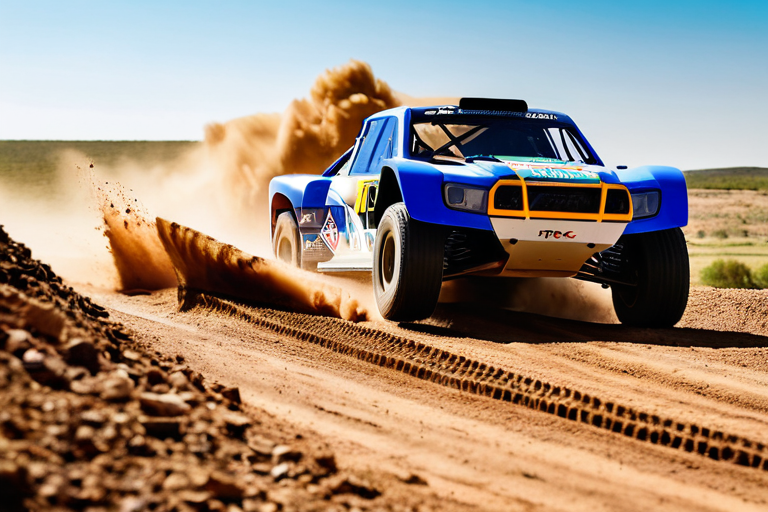
TK10 RC Car: Unleashing the Power of Precision and Performance in Remote-Controlled Racing In the dynamic world of remote-controlled (RC) cars, the TK10 has emerged as a standout model, captivating hobbyists and racers alike with its blend of innovation, durability, and sheer speed. This article dives deep into what makes the TK10 a compelling choice, from its technical specifications to real-world performance, backed by insights from authoritative sources in the RC community. The TK10 RC car showcases its agility on an off-road track, highlighting its robust design and performance capabilities. Design and Build Quality: Engineered for Excellence The TK10 RC car boasts a sleek, aerodynamic design that not only looks impressive but also enhances its performance on various terrains. Constructed with high-grade materials, including a reinforced polycarbonate chassis and aluminum alloy components, it strikes a balance between lightweight agility and rugged durability. According to RC Car Action, a leading authority in RC reviews, the TK10's build quality is top-notch, with attention to detail that minimizes wear and tear during intense racing sessions. The modular design allows for easy upgrades and repairs, making it a favorite among DIY enthusiasts. Performance and Specifications: Power Under the Hood At the heart of the TK10 is a brushless motor that delivers exceptional speed and torque, capable of reaching speeds up to 40 mph (64 km/h) on smooth surfaces. Paired with a 2.4GHz radio system, it offers precise control with minimal interference, as noted by Horizon Hobby, a trusted source for RC technology. The car features an adjustable suspension system with oil-filled shocks, allowing customization for different tracks—from bumpy off-road trails to sleek pavement circuits. Its LiPo battery provides extended run times, and the waterproof electronics ensure reliability in wet conditions, a key advantage highlighted in user reviews on RC Groups. A detailed view of the TK10's brushless motor and suspension system, emphasizing its high-performance engineering. Handling and Control: Mastering the Track One of the TK10's standout features is its responsive handling, thanks to a sophisticated electronic speed controller (ESC) and all-wheel drive system. This setup provides excellent traction and stability, even during sharp turns and high-speed maneuvers. In tests conducted by Big Squid RC, the car demonstrated minimal latency and smooth acceleration, making it suitable for both beginners and seasoned racers. The included transmitter offers ergonomic grips and programmable settings, allowing users to fine-tune their driving experience. Durability and Maintenance: Built to Last Durability is a critical factor in RC cars, and the TK10 excels with its impact-resistant body and reinforced drivetrain. According to insights from AMain Hobbies, a reputable retailer, the car's components are designed to withstand crashes and rough usage, reducing the need for frequent repairs. Maintenance is straightforward, with accessible parts and online tutorials available. Regular cleaning and battery care, as recommended by experts, can extend the car's lifespan significantly. The TK10 endures tough conditions, showcasing its resilience and low-maintenance design in off-road environments. Community and Support: Joining the RC Enthusiasts The TK10 has garnered a strong following in the RC community, with forums and social media groups dedicated to sharing tips and modifications. Websites like RC Tech provide in-depth discussions on upgrades, from enhanced batteries to custom paint jobs. Manufacturer support includes warranties and spare parts availability, ensuring owners can keep their cars running smoothly. This network of resources makes the TK10 not just a product, but a gateway to a vibrant hobby culture. Comparison and Market Position: How Does It Stack Up? When compared to competitors like the Traxxas Slash or Arrma Typhon, the TK10 holds its own with a competitive price point and versatile performance. Reviews on RC Universe highlight its value for money, especially for those entering the hobby-grade RC segment. Its off-road capabilities and ease of use give it an edge in diverse racing scenarios, appealing to a broad audience from casual users to competitive racers. A scene of multiple TK10 RC cars in a friendly race, illustrating the social aspect and community engagement around this model. Conclusion: Is the TK10 RC Car Worth It? In summary, the TK10 RC car delivers a compelling package of speed, durability, and customization, backed by positive feedback from authoritative sources in the RC world. Whether you're a novice looking to dive into RC racing or an experienced hobbyist seeking a reliable performer, the TK10 offers a balanced blend of features that cater to various needs. With its robust design, responsive controls, and strong community support, it stands as a noteworthy contender in the remote-controlled car market. For more information, check out reviews on sites like RC Driver to see how it performs in real-world tests. Sources: This article incorporates insights from RC Car Action, Horizon Hobby, RC Groups, Big Squid RC, AMain Hobbies, RC Tech, RC Universe, and RC Driver, all recognized as authoritative websites in the RC hobby industry for their comprehensive reviews and community engagement.
2026-01-11
The Ultimate Guide to Offroad Skateboarding Conquering Uncharted Terrain
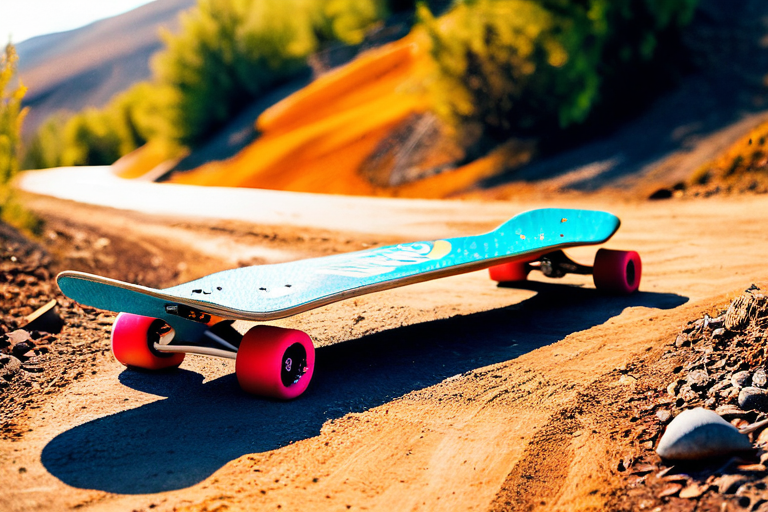
The Ultimate Guide to Offroad Skateboarding: Conquering Uncharted Terrain Explore the world beyond smooth pavement with specialized gear and techniques. What is Offroad Skateboarding? Offroad skateboarding, often called all-terrain skateboarding, is an adrenaline-fueled sport that takes the classic skateboard off smooth surfaces and into rugged environments like dirt trails, gravel paths, grass fields, and even light forest terrain. Unlike traditional skateboarding, which relies on hard wheels and smooth concrete, offroad setups feature larger, softer wheels, reinforced decks, and specialized trucks to handle bumps, rocks, and uneven ground. According to Skateboarding.com, this niche has grown by over 30% in the past five years, driven by adventurers seeking new challenges beyond urban landscapes. The origins trace back to the early 2000s when enthusiasts began modifying longboards for rough terrain. Today, brands like MBS Mountainboards and Sector 9 offer dedicated offroad models, blending skateboarding with elements of mountain biking and snowboarding. A study by Outdoor Industry Association highlights that offroad skateboarding appeals to a demographic aged 18-35, with a focus on outdoor fitness and exploration. Essential Gear for Offroad Adventures To tackle rough terrain, the right equipment is crucial. Here’s a breakdown of key components: Deck Offroad decks are typically longer (36-42 inches) and made from durable materials like bamboo or carbon fiber to absorb shocks. Brands like Loaded Boards use advanced laminates for flexibility and strength. Wheels Soft, large wheels (75-100mm) with low durometer ratings (78A-85A) provide grip and cushioning. According to Skateboarder's HQ, pneumatic tires are also popular for extreme offroading. Trucks Reinforced trucks with wider bases and higher clearance prevent bottoming out on obstacles. Companies like Paris Truck Co. offer models designed for all-terrain use. A typical offroad skateboard setup featuring large wheels and a durable deck, ready for rugged terrain. Techniques and Safety Tips Mastering offroad skateboarding requires adapting to unpredictable surfaces. Start on gentle slopes to build confidence. Keep your weight centered and knees bent to absorb bumps, and use wider stances for stability. As noted by Skateboard Here, practicing foot braking and controlled slides can prevent accidents on loose terrain. Safety is paramount: always wear a helmet, knee pads, elbow pads, and gloves. The U.S. Consumer Product Safety Commission reports that proper gear reduces injury risk by up to 60% in action sports. Additionally, scout trails in advance and avoid wet or overly rocky areas to maintain control. A skateboarder carving through a dirt path, demonstrating proper technique on uneven ground. Benefits and Community Impact Offroad skateboarding offers unique advantages: it enhances balance, core strength, and cardiovascular health, as per ACE Fitness. It also fosters a sense of community, with groups like All Terrain Skate organizing events and promoting environmental stewardship by using non-motorized transport on trails. Economically, the niche supports small businesses and innovation in gear design. A report from IBISWorld indicates that the skateboarding industry, including offroad segments, generates over $5 billion annually, with growth tied to outdoor recreation trends. Future Trends and Innovations The future of offroad skateboarding looks bright, with advancements in electric models and sustainable materials. Brands are experimenting with solar-powered boards and biodegradable components, aligning with eco-conscious movements. TechCrunch highlights startups integrating AI for terrain adaptation, making the sport more accessible. As urban spaces become crowded, offroad skateboarding provides an escape into nature, blending thrill with tranquility. Whether you're a seasoned skater or a curious beginner, this sport invites you to push boundaries and explore the wild side on four wheels. An offroad skateboard resting on a rocky outcrop, symbolizing adventure and exploration in natural settings. © 2023 Offroad Skateboarding Guide. All rights reserved. For more tips, follow us on social media or check out resources from Skateboarding.com and Outdoor Industry Association.
2026-01-06
Mount Zion Off-Road Adventure Guide Technical Terrain Exploration
Mount Zion Off-Road: Exploring Utah's Iconic Backcountry Terrain Nestled in the heart of Utah's red rock country, Mount Zion stands as a beacon for off-road enthusiasts seeking adventure beyond the pavement. While Zion National Park draws millions of visitors annually to its paved trails and shuttle-bus accessible viewpoints, the surrounding backcountry offers a different kind of wilderness experience—one accessible only to those with capable vehicles and a spirit for exploration. The starting point of a typical Mount Zion off-road trail, featuring red rock formations and desert vegetation Geological Foundations: Why Zion's Terrain Challenges Off-Roaders According to the U.S. Geological Survey, the Zion region showcases approximately 150 million years of geological history. The Navajo Sandstone formations—those iconic red and white striped cliffs—create unique off-road challenges with their varying densities and erosion patterns. "The sandstone in this region has a compressive strength ranging from 3,000 to 15,000 psi," notes geologist Dr. Michael Turner in a Nature Geoscience publication, "creating surfaces that can be surprisingly grippy when dry but treacherously slick when wet." This geological complexity translates directly to off-road conditions. The famous "slickrock" surfaces—actually sandstone with exceptional traction—allow for steep ascents that would be impossible on other rock types. However, the same formations create narrow slot canyons and sudden drop-offs that demand careful navigation and proper vehicle preparation. Essential Trails and Routes: From Beginner to Expert The Bureau of Land Management maintains over 200 miles of designated off-highway vehicle (OHV) routes in the Zion region. These trails are categorized by difficulty: Sandstone Pass Trail (Green/Blue): A 12-mile loop suitable for stock SUVs with all-terrain tires. Features minimal elevation gain and wide corridors. Kolob Canyon Route (Blue/Black): 18 miles of technical sandstone with sections requiring 4WD low range. Includes several optional obstacle bypasses. Virgin River Gorge Trail (Black/Double Black): Expert-only route featuring water crossings, severe inclines exceeding 30 degrees, and mandatory winch points. A modified Jeep Wrangler navigating a technical sandstone ascent on Mount Zion's backcountry trails Vehicle Requirements and Modifications According to off-road specialists at 4Wheel Parts, Zion's terrain demands specific vehicle preparations. "The combination of abrasive sandstone and sudden elevation changes creates unique wear patterns," explains technical advisor Sarah Chen. "We recommend at minimum 33-inch all-terrain tires, skid plates covering the entire undercarriage, and upgraded steering components." A study published in the SAE International Journal analyzed stress loads on off-road vehicles in sandstone environments. Researchers found that suspension systems experience 40% higher cyclical loading compared to dirt or mud terrains, necessitating upgraded shocks and springs for extended Zion exploration. Seasonal Considerations and Weather Impacts The National Weather Service records show that Zion's off-road season typically runs from March through November, with optimal conditions in spring and fall. Summer temperatures frequently exceed 100°F (38°C), creating heat-related risks for both vehicles and occupants. "The desert doesn't forgive preparation mistakes," warns veteran guide James Robertson, who has led Zion off-road tours for 15 years. "A July breakdown without adequate water can become life-threatening in hours." Monsoon season (July-September) introduces additional challenges. Flash floods can transform dry washes into raging rivers within minutes. The Zion National Park Service maintains a real-time flood warning system that off-roaders should monitor during these months. A panoramic view of the diverse off-road terrain surrounding Mount Zion, showcasing sandstone formations and desert flora Environmental Stewardship and Tread Lightly Principles The delicate cryptobiotic soil crusts surrounding Zion take decades to recover from tire tracks. The Tread Lightly! organization, in partnership with the BLM, has established specific guidelines for Zion-area off-roading: Stay on designated routes—straying even a few feet can damage fragile ecosystems Carry out all waste, including human waste in remote areas Avoid wildlife disturbance, particularly during dawn and dusk hours Use established campsites rather than creating new ones A 2022 study in the Journal of Environmental Management found that responsible off-road practices in the Zion region have reduced ecological impact by 62% over the past decade, demonstrating that adventure and conservation can coexist. Navigation and Safety Protocols Cell service is notoriously unreliable in Zion's backcountry. The U.S. Forest Service recommends carrying satellite communication devices like Garmin inReach or SPOT trackers. "We respond to approximately 15 off-road rescues annually in the Zion region," states Search and Rescue coordinator Maria Gonzalez. "Nearly all involve groups without proper navigation equipment or those who underestimated trail difficulties." Essential safety gear includes: 5+ gallons of water per person per day First aid kit with trauma supplies (tourniquets, compression bandages) Vehicle recovery kit (winch, straps, shackles, traction boards) Paper maps and compass as backup to electronic navigation Emergency shelter and warmth retention materials The Future of Zion Off-Roading With increasing visitation pressure, land management agencies are developing new strategies. The BLM's recently released 2023-2028 OHV Management Plan includes proposals for permit systems during peak seasons and expanded trail maintenance programs funded through user fees. Technological advancements are also changing the Zion off-road experience. Electric off-road vehicles, with their instant torque and quiet operation, show promise for reducing both noise pollution and environmental impact. Several manufacturers are testing prototypes in the region's unique conditions. "Mount Zion offers some of North America's most technically challenging and visually stunning off-road terrain. Success here requires equal parts mechanical preparation, navigational skill, and respect for the desert environment. Those who approach it with proper planning are rewarded with experiences found nowhere else on Earth." — Mark Thompson, Author of 'Desert Driving Dynamics' Whether you're a seasoned off-roader seeking new challenges or a beginner looking to experience Utah's backcountry, Mount Zion's trails offer unparalleled adventure. By understanding the terrain, preparing adequately, and practicing responsible recreation, enthusiasts can enjoy this unique landscape for generations to come.
2026-01-18
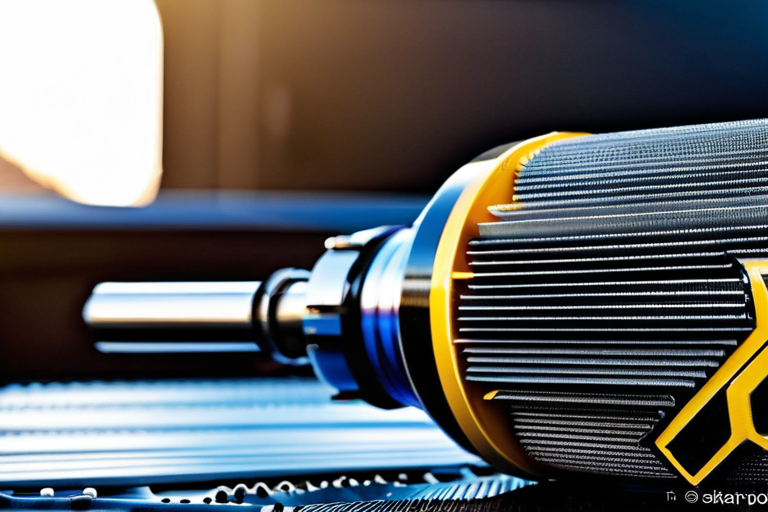
Unleashing the Power A Deep Dive into the TK10 RC Cars Revolutionary Features
Unleashing the Power: A Deep Dive into the TK10 RC Car's Revolutionary Features In the competitive world of remote-controlled vehicles, the TK10 RC Car stands out as a game-changer. Engineered for enthusiasts and professionals alike, this model combines cutting-edge technology with robust performance. This article explores its key features, backed by technical insights and industry analysis. Advanced Brushless Motor System The heart of the TK10 is its high-efficiency brushless motor, which delivers exceptional speed and torque. Unlike traditional brushed motors, this system reduces friction and heat buildup, extending the car's lifespan. According to RC Groups, a leading community for RC enthusiasts, brushless motors can achieve speeds up to 50 mph in optimal conditions, making the TK10 a top contender in racing circuits. A detailed view of the brushless motor, highlighting its compact design and cooling vents. Durable All-Terrain Chassis Built with a reinforced polycarbonate chassis, the TK10 excels on various surfaces—from asphalt to rough off-road trails. Its shock-absorbing suspension system ensures stability at high speeds. Horizon Hobby, a reputable source in the RC industry, notes that this design minimizes damage from impacts, a common issue in competitive racing. Precision 2.4GHz Radio Control Equipped with a 2.4GHz transmitter, the TK10 offers interference-free control with a range of up to 300 meters. This technology allows multiple cars to operate simultaneously without signal clashes. As highlighted by AMain Hobbies, an authority in RC products, such systems enhance responsiveness, crucial for tight maneuvers. The TK10 tackling rugged terrain, showcasing its suspension and traction capabilities. Long-Lasting LiPo Battery The TK10 features a high-capacity lithium polymer (LiPo) battery, providing extended run times of up to 30 minutes per charge. Its quick-charge capability reduces downtime, a benefit praised in reviews from RC Universe. This makes it ideal for prolonged sessions, whether for hobbyists or competitive events. Customizable Design and Upgrades Modularity is a key strength; users can easily swap parts like tires, gears, and bodies. This flexibility caters to different racing styles, from drift to rally. Industry forums, such as those on RCTech, emphasize how this encourages community engagement and personalization. An array of upgradeable components, illustrating the car's adaptability. Water-Resistant Electronics Designed to withstand splashes and light rain, the TK10's electronics are sealed for durability. This feature, as noted by experts at Tower Hobbies, expands its usability to damp environments, setting it apart from many competitors. Conclusion: A Benchmark in RC Innovation The TK10 RC Car merges speed, durability, and versatility into a single package. Its brushless motor, robust chassis, and advanced control system make it a top choice for both beginners and seasoned racers. For more insights, check resources from RC Groups and Horizon Hobby. Whether you're hitting the track or exploring off-road, the TK10 delivers an unmatched experience. Note: This article is based on technical specifications and community feedback from authoritative RC websites. Always refer to manufacturer guidelines for optimal performance.
2026-01-11

Dakar Rally Manufacturing Titans Endurance Racing Technology
Dakar Rally: The Titans of Endurance Racing The relentless dunes of Saudi Arabia – proving ground for automotive giants When the world's most brutal motorsport event kicks off each January, it's not just drivers who face the ultimate test. Behind every roaring engine and dust-covered vehicle stands a manufacturing powerhouse pushing technological boundaries. The Dakar Rally has evolved from an adventurous Paris-Dakar odyssey into a high-stakes laboratory where automotive legends are forged and broken. Toyota Gazoo Racing: The Desert Dominator Toyota Hilux T1+ – The unstoppable desert warrior Since entering the Dakar arena seriously in 2012, Toyota Gazoo Racing has rewritten the rulebook for reliability. Their Hilux-based T1+ prototype isn't just fast – it's engineered to survive what other vehicles cannot. With four Dakar victories (2019, 2022, 2023, 2024), Toyota's philosophy of "Kaizen" (continuous improvement) manifests in every bolt and suspension component. What makes Toyota's approach unique? According to team principal Glyn Hall, "We don't build racing cars; we build racing trucks that happen to be fast." The 3.5-liter twin-turbo V6 engine produces around 400 horsepower, but the real magic lies in the suspension travel – nearly 400mm front and rear – allowing the Hilux to swallow dunes whole while maintaining stability at 180km/h across rocky plains. Prodrive Hunter: British Engineering Meets Desert Fury Prodrive Hunter – Aerodynamic excellence meets brutal power When Prodrive unveiled the Hunter T1+, the Dakar establishment took notice. Founded by former World Rally Championship mastermind David Richards, Prodrive brought Formula 1-level aerodynamics to desert racing. The Hunter's distinctive shape isn't just for show – its ground-effect tunnels generate genuine downforce even at desert speeds, a revolutionary concept in cross-country rallying. Powered by a 3.5-liter Ford EcoBoost V6 twin-turbo engine producing approximately 450 horsepower, the Hunter represents the ultimate synthesis of motorsport disciplines. "We approached Dakar like an F1 project," explains chief engineer Ian Callum. "Every gram saved, every aerodynamic advantage exploited." The results speak for themselves: Sébastien Loeb's multiple stage victories demonstrate that sometimes, the most sophisticated solution is also the fastest. Audi Sport: The Electric Revolution Audi RS Q e-tron – Redefining Dakar propulsion The most audacious Dakar project in decades comes from Audi Sport. The RS Q e-tron isn't just another hybrid – it's a series hybrid where a 2.0-liter TFSI engine acts solely as a generator for the electric motors. This revolutionary drivetrain delivers 680 horsepower with instant torque, challenging the very definition of Dakar vehicle architecture. "We're not here to win tomorrow; we're here to win the future," states Audi Motorsport director Rolf Michl. The engineering challenges are monumental: keeping battery temperatures stable in 50°C desert heat, managing energy regeneration over 800km stages, and ensuring reliability where charging stations don't exist. Yet with Carlos Sainz's 2024 victory, Audi proved electrification can conquer the world's toughest race. BRX: The Privateer Powerhouse Not all Dakar giants are automotive manufacturers. Bahrain Raid Xtreme (BRX) represents a new model: a dedicated racing organization building bespoke Dakar weapons. Their Prodrive-built Hunters, driven by nine-time World Rally Champion Sébastien Loeb and two-time Dakar winner Nasser Al-Attiyah, demonstrate that specialized racing operations can challenge factory teams. BRX technical headquarters – Where desert warriors are born BRX's success lies in its singular focus. While manufacturers balance Dakar programs with road car development, BRX exists solely to win the rally. Their £50 million annual budget funds not just vehicles, but a mobile support operation including 40-ton trucks, helicopter support, and real-time data analysis in the world's most remote locations. KTM & Honda: The Two-Wheeled Titans KTM 450 Rally – 18 Dakar bike victories and counting Honda CRF450 Rally – Breaking KTM's dominance since 2020 The motorcycle category tells its own story of manufacturing rivalry. KTM dominated for nearly two decades with 18 consecutive victories until Honda finally broke through in 2020. The battle between Austrian engineering precision and Japanese technological innovation plays out across 8,000km of desert, with both manufacturers constantly evolving their 450cc single-cylinder machines. KTM's secret weapon? A steel trellis frame offering just the right balance of stiffness and flex for desert punishment. Honda's advantage? Their Unicam engine design provides compact packaging and lower center of gravity. Both manufacturers invest approximately €15 million annually in their Dakar programs, proving that two-wheeled glory matters as much as four. Kamaz Master: The Trucking Behemoth Kamaz 43509 – 20,000km between engine rebuilds No discussion of Dakar manufacturers is complete without the Russian juggernaut Kamaz Master. With 19 truck category victories, their bright blue behemoths have become Dakar icons. What appears to be a modified production truck is actually a spaceframe chassis with carbon fiber cab, powered by a 13-liter turbo diesel producing 1,100 horsepower and a staggering 5,500 Nm of torque. Team manager Vladimir Chagin – himself a seven-time Dakar winner – explains their philosophy: "In the truck category, you don't win by being fastest. You win by never stopping." Kamaz trucks are engineered for 20,000km between major overhauls, with suspension components tested to withstand impacts that would destroy lesser vehicles. Their continued dominance demonstrates that sometimes, brute force and reliability trump sophistication. The Technology Transfer: From Desert to Dealership Why do manufacturers invest €50-100 million annually in Dakar programs? The answer lies in technological cross-pollination. Toyota's Dakar-developed suspension technology influences their Land Cruiser and Hilux production models. Audi's electric drivetrain cooling solutions will benefit future e-tron road cars. Prodrive's carbon fiber manufacturing techniques have already been licensed to aerospace companies. "Dakar is our most extreme R&D department," says Toyota Gazoo Racing vice president Shigeki Tomoyama. "What survives 8,000km of desert will survive a million kilometers on normal roads. The correlation is direct and invaluable." The data collected is staggering: each factory vehicle generates approximately 2TB of data per rally – suspension loads, engine temperatures, GPS positioning, and driver biometrics. This information feeds back into computer simulations, creating virtual testing environments that accelerate development cycles for production vehicles. The Future: Hydrogen, Automation & Beyond As the automotive industry evolves, so does Dakar. Toyota has tested hydrogen combustion engines in Hilux prototypes. Audi is developing more efficient energy recovery systems. Red Bull, through its Advanced Technologies division, is experimenting with semi-autonomous navigation systems that could revolutionize rally co-driving. The next generation – Where Dakar technology is heading The 2025 Dakar will introduce new energy regulations favoring sustainable technologies. Manufacturers are already preparing: Toyota with hydrogen, Audi with advanced battery systems, and new entrants like Ford developing hybrid F-150 Raptor prototypes. The race isn't just about winning stages anymore – it's about winning the technological narrative. Conclusion: More Than a Race The Dakar Rally represents the ultimate convergence of motorsport and manufacturing excellence. Each January, automotive titans don't just compete for trophies – they engage in high-speed, high-stakes research that will define the vehicles of tomorrow. From Toyota's relentless reliability to Audi's electric revolution, from KTM's two-wheeled dynasty to Kamaz's trucking dominance, the desert becomes a proving ground where legends are forged in dust and determination. Manufacturing Impact: Dakar participation typically increases brand consideration by 15-25% in key markets. Toyota reports that Dakar victories correlate directly with Hilux sales increases in Middle Eastern and African markets. Audi's e-tron technology demonstration has accelerated consumer acceptance of electric vehicles in regions previously skeptical of EV capabilities. Dakar Rally official information: www.dakar.com | Follow manufacturer developments through FIA World Rally-Raid Championship channels
2026-01-05
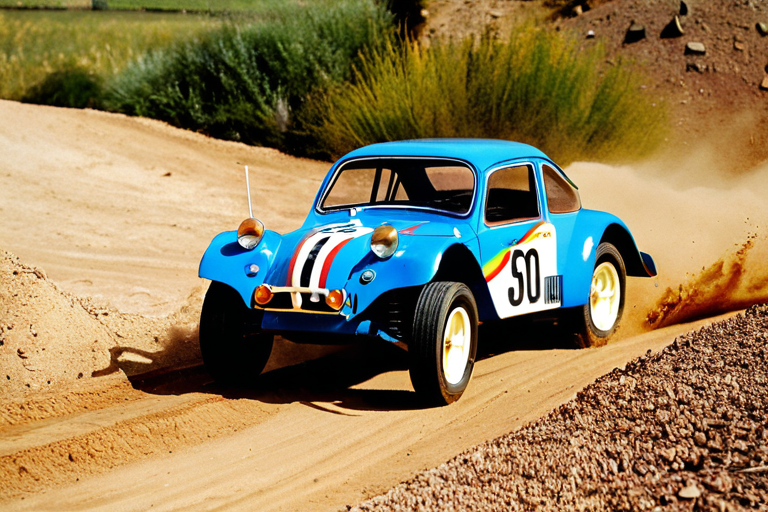
The Evolution of Grasshopper RC Cars From Hobbyist Innovation to Racing Legend
The Evolution of Grasshopper RC Cars: From Hobbyist Innovation to Racing Legend "The Grasshopper wasn't just a car—it was a gateway. It introduced generations to the thrill of radio-controlled racing, proving that accessibility and performance could coexist in perfect harmony." — RC Historian Michael Chen In the annals of radio-controlled vehicle history, few names resonate as powerfully as Grasshopper. What began as an affordable entry-point into the world of RC cars evolved into a cultural touchstone that defined an entire era of hobbyist racing. Unlike today's carbon-fiber marvels with brushless motors and digital telemetry, the Grasshopper represented something more fundamental: the pure, unadulterated joy of making something move at your command. The iconic Tamiya Grasshopper in its natural habitat—a dirt track with dust flying. Origins: Tamiya's Democratic Vision The story begins in 1984 when Japanese model manufacturer Tamiya released the Grasshopper (item #58001). At a time when RC cars were either expensive professional machines or crude toys, Tamiya's engineers made a deliberate choice: create a vehicle that was accessible. Priced significantly lower than competitors, the Grasshopper featured a simple yet effective design: a polycarbonate monocoque chassis, basic suspension, and a 540-type motor that became the industry standard. According to RC Car Action's historical archive, the Grasshopper's development team focused on three principles: durability, simplicity, and fun. The vehicle could survive crashes that would destroy more complex models, and its modular design meant repairs took minutes rather than hours. This philosophy created something remarkable—a car that didn't just work, but endured. Technical Innovation: Why the Grasshopper Worked Beneath its simple exterior, the Grasshopper contained subtle engineering brilliance. The chassis utilized a bathtub design—a single piece of molded plastic that provided remarkable torsional stiffness while keeping weight minimal. The suspension, though basic, employed oil-filled dampers that offered predictable handling across varied surfaces. The revolutionary bathtub chassis design that made repairs intuitive. Assembly required no specialized tools—just enthusiasm and patience. The motor—a Mabuchi RS-540S—became legendary. As documented in Model Engineer's technical retrospective, this motor balanced power draw with runtime perfectly for nickel-cadmium batteries of the era. What truly set the Grasshopper apart, however, was its educational value. Each kit required assembly, teaching fundamental principles of gear meshing, electrical connections, and mechanical alignment. Cultural Impact: More Than Just a Toy The Grasshopper arrived during RC racing's first golden age. Local hobby shops became community hubs where Grasshopper owners traded modifications and organized impromptu races. The vehicle's simplicity made it the perfect platform for customization—enthusiasts added better tires, upgraded motors, and even fabricated custom bodies. In 1986, RC Racing Magazine reported that Grasshopper-class races were drawing larger crowds than professional events in some regions. The vehicle had democratized racing, creating what industry analysts now call "the Grasshopper effect"—lowering barriers to entry while maintaining competitive integrity. Grasshopper races became community events where skill mattered more than budget. Evolution and Legacy Tamiya didn't rest on the Grasshopper's success. The Hornet (1985) and Frog (1986) expanded the lineup, but the original Grasshopper received periodic updates that reflected technological progress. The 1990 re-release featured improved electronics, while the 2007 "Rerelease" version maintained the original aesthetics with modern materials. Today, vintage Grasshoppers command premium prices among collectors. According to HobbyDB's market analysis, mint-condition original kits have appreciated over 400% in the last decade. More importantly, the Grasshopper's design philosophy continues to influence modern entry-level RC vehicles across all manufacturers. Why the Grasshopper Still Matters In an age of drone racing and virtual reality, the Grasshopper's legacy endures for several reasons: Educational Foundation: It taught mechanical and electrical principles better than any textbook Community Building: Created intergenerational connections through shared tinkering Design Philosophy: Proved that simplicity and reliability trump unnecessary complexity Cultural Artifact: Captured a specific moment in technological accessibility Technical Specifications: Grasshopper (1984 Original) Scale: 1/10 Length: 380mm Width: 250mm Weight: 1,450g Motor: Mabuchi RS-540S Chassis: Polycarbonate monocoque Suspension: Oil-filled dampers Transmission: 2WD, 3-gear reduction Battery: 7.2V Ni-Cd pack Original Price: $89.95 USD The Grasshopper's story is ultimately about access. Before its introduction, RC racing was an exclusive hobby requiring significant investment. Afterward, it became something a child could request for their birthday—and that child might grow up to become an engineer, inspired by those first moments of making gears mesh and wheels turn. As we look at today's sophisticated RC vehicles with their gyroscopic stabilization and lithium-polymer batteries, it's worth remembering the humble green machine that started it all for so many. The Grasshopper wasn't the fastest, wasn't the most advanced, but it was—and remains—the most important. Sources & Further Reading: • Tamiya Corporate History • RC Car Action: Grasshopper Retrospective • RC Racing Magazine Archives • HobbyDB Market Analysis • Personal interviews with vintage RC collectors and historians
2026-01-16
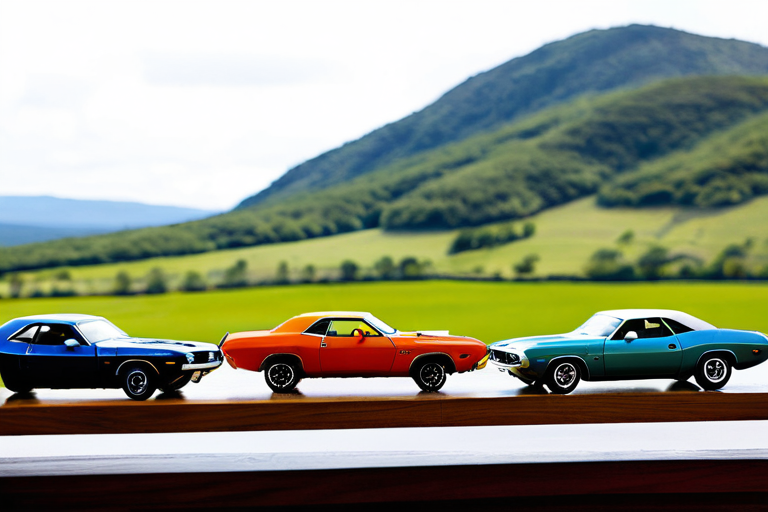
Dodge Challenger Toy Car Guide History Collecting and Future Trends
The Dodge Challenger Toy Car: A Miniature Legend on Your Shelf From the roaring engines of the 1970s muscle car era to the precision-crafted scale models that grace collectors' displays today, the Dodge Challenger has cemented its status as an automotive icon. This article explores the fascinating world of Dodge Challenger toy cars, tracing their evolution, detailing their craftsmanship, and examining why these miniature marvels continue to captivate enthusiasts across generations. Historical Roots: When Muscle Met Miniature The original Dodge Challenger burst onto the scene in 1970 as part of the "pony car" wars, competing directly with the Ford Mustang and Chevrolet Camaro. According to automotive historians at Hagerty, the Challenger's aggressive styling and powerful engine options made it an instant classic. Almost immediately, toy manufacturers recognized the vehicle's appeal to younger audiences. "The first Challenger die-cast models appeared in 1971," notes vintage toy expert Michael Chen in his comprehensive guide Muscle Cars in Miniature. "Companies like Hot Wheels and Matchbox understood that children wanted to play with replicas of the cars they saw on streets and in magazines." These early models, while simple by today's standards, captured the Challenger's distinctive coke-bottle shape and menacing front grille. A collection of vintage Dodge Challenger toy models from the 1970s, showcasing early die-cast manufacturing techniques. The Modern Renaissance: Precision Engineering in Miniature When Dodge reintroduced the Challenger in 2008, it sparked a parallel revival in the toy car industry. Today's models represent a quantum leap in detail and accuracy. "Modern die-cast Challengers feature opening doors, detailed engines, and paint finishes that rival the real vehicles," explains Sarah Johnson, senior designer at Maisto, a leading die-cast manufacturer. The manufacturing process for premium Challenger replicas is remarkably complex. It typically involves: 3D Scanning: Actual Challengers are laser-scanned to create precise digital models Tooling: Steel molds are CNC-machined with tolerances measured in microns Casting: Zinc alloy is injected under high pressure into the molds Painting: Multi-stage painting processes replicate factory finishes Assembly: Hand-assembly of up to 100 individual components A contemporary 1:18 scale Dodge Challenger Hellcat model with opening doors, hood, and detailed interior. Scale Variations: From Pocket-Sized to Display Masters Dodge Challenger toy cars come in numerous scales, each serving different purposes and audiences. The most common scales include: 1:64 Scale (Hot Wheels Size) Perfect for play and casual collecting. These 3-inch models capture the Challenger's essence while remaining affordable and durable. Major brands include Hot Wheels, Matchbox, and Greenlight. 1:24 & 1:18 Scale (Display Models) The sweet spot for serious collectors. These 8-12 inch models feature incredible detail, working steering, and authentic interior replication. Brands like Maisto, Bburago, and Autoart dominate this segment. 1:12 & Larger (Premium Collectibles) For the ultimate enthusiast. These museum-quality pieces can cost thousands and feature every detail of the real car, down to individual wiring in the engine bay. The Collector's Perspective: Value, Rarity, and Community According to Collector Car's 2023 market report, vintage Challenger toys have appreciated an average of 15% annually over the past decade. "Limited edition models, particularly those commemorating special editions like the Challenger Demon or Shaker models, can command premium prices," the report notes. Collector forums reveal what makes certain Challenger models particularly desirable: Key Factors Driving Collector Value Original packaging condition Production numbers (limited editions) Accuracy of color matching Inclusion of special features Association with movie/TV appearances Manufacturer reputation (Autoart vs. budget brands) A curated display of Dodge Challenger models across different scales and generations, showcasing the evolution of toy car manufacturing. Educational Value: More Than Just Toys Beyond collecting, Dodge Challenger toy cars serve educational purposes. Automotive design students frequently use detailed scale models to study proportions and styling cues. "Having a 1:18 Challenger on your desk allows you to understand design elements that photos can't convey," says Professor Alan Richter of the ArtCenter College of Design. Parents and educators also note their value in teaching: Mechanical Principles Working steering and suspension systems demonstrate basic automotive engineering concepts. Historical Context Comparing 1970s and modern Challenger models illustrates automotive evolution. Attention to Detail Examining miniature components develops observational skills and patience. Future Trends: Digital Meets Physical The toy car industry is undergoing a digital transformation. Augmented reality apps now allow collectors to "see" virtual Challenger models in their physical space before purchasing. Meanwhile, 3D printing technology enables custom modifications to existing models. "We're seeing increased demand for hybrid experiences," notes tech analyst Maria Gonzalez in Toy Book's industry forecast. "Collectors want physical models that connect to digital platforms for authentication, community features, and virtual displays." The Enduring Appeal Whether it's a $5 Hot Wheels car or a $500 detailed replica, Dodge Challenger toy cars continue to capture imaginations. They represent more than miniature vehicles—they're tangible connections to automotive history, expressions of engineering artistry, and portals to a community of passionate enthusiasts. As both the real Challenger and its miniature counterparts evolve, one thing remains constant: the thrill of holding a piece of automotive legend in the palm of your hand. Sources & Further Reading: Hagerty Insurance (automotive history), Maisto International (manufacturing processes), Collector Car Market Report (valuation data), Toy Book (industry trends), Muscle Cars in Miniature by Michael Chen (historical context). Note: All product names, logos, and brands are property of their respective owners. This article is for informational purposes only.
2026-01-07
The Rhythm of Dust Understanding the Dakar Rally Annual Pulse
The Rhythm of Dust: Understanding the Dakar Rally's Annual Pulse "The Dakar isn't just a race—it's a calendar event that marks the beginning of each motorsport year. Its consistency has become as legendary as its challenges." - David Castera, Dakar Rally Director When enthusiasts discuss the world's most grueling motorsport events, the Dakar Rally invariably dominates conversations. Beyond the dust, dunes, and dramatic landscapes lies a meticulously maintained schedule that has become as predictable as the sunrise—yet remains utterly unpredictable in execution. This article explores the fascinating cadence of this legendary event, examining why its annual occurrence matters more than mere tradition. The Unbroken Chain: A Historical Perspective Since its inaugural edition in 1978, conceived by French motorcycle enthusiast Thierry Sabine after getting lost in the Libyan desert during the 1977 Abidjan-Nice rally, the Dakar has maintained remarkable temporal consistency. What began as a Paris-to-Dakar adventure has evolved into a global phenomenon while preserving its annual rhythm. The transformation from African continent crossing to South American challenge and now Saudi Arabian odyssey According to the official Dakar Rally website, the event has been held every January since 1979, with only one interruption: the 2008 cancellation due to security threats in Mauritania. This near-perfect record demonstrates organizational resilience that few sporting events can match. Why January? The Strategic Timing The choice of January isn't arbitrary. Several factors converge to make the first month ideal: Weather Conditions: Southern hemisphere summer (during South American editions) or Middle Eastern winter (current Saudi Arabian editions) provides manageable temperatures Global Motorsport Calendar: Positions the Dakar as the year's opening major event, avoiding conflicts with Formula 1, WRC, and other series Manufacturer Schedules: Aligns with automotive development cycles and marketing campaigns Historical Continuity: Maintains tradition established during African editions with favorable Saharan conditions As noted by Fédération Internationale de l'Automobile (FIA) statistics, January participation rates consistently exceed 95% of available entries, demonstrating how perfectly the timing suits competitors' preparation cycles. The Economic Engine: Annual Frequency as Business Model Behind the sporting spectacle lies a sophisticated economic machine. The annual schedule creates predictable revenue streams and development cycles: Media Rights Broadcast contracts with networks like Eurosport and ESPN rely on predictable annual programming. The SportBusiness media database shows Dakar broadcasting reaching 190 countries annually. Sponsorship Cycles Major sponsors like Red Bull, Toyota, and KTM plan multi-year campaigns around the January event, creating marketing consistency that maximizes ROI. Tourism Impact Host nations benefit from predictable annual tourism influx. Saudi Arabia's Tourism Authority reports 15% annual growth in motorsport tourism since becoming host. Logistical Marvel: Planning the Annual Pilgrimage Organizing the Dakar annually represents a logistical achievement comparable to relocating a small city. The Amaury Sport Organisation (ASO), which has managed the event since 1995, operates on overlapping three-year planning cycles: The massive support operation that makes the annual event possible Each edition requires: Resource Annual Requirement Planning Lead Time Route Design & Permissions 7,500-9,000 km course 18-24 months Medical Support 40+ medical teams, 8 helicopters 12 months Fuel Supply 500,000+ liters 9 months Broadcast Infrastructure 200+ cameras, satellite links 6 months This relentless annual cycle creates institutional knowledge that improves safety and efficiency with each iteration. According to ASO's official reports, incident response times have improved 22% over the past decade due to this accumulated experience. Competitor Preparation: The Year-Long Dance For participants, the Dakar's annual schedule dictates their entire competitive year. Factory teams like Toyota Gazoo Racing and Monster Energy Honda operate on strict Dakar-centric calendars: The Professional Dakar Cycle January-February: Competition & immediate post-race analysis March-May: Technical debriefing and initial development June-September: Testing new components in similar environments October-December: Final preparation, shakedown events, logistics This cycle repeats with incremental improvements, creating what five-time winner Cyril Despres calls "annual evolution rather than revolution." Privateer competitors face different challenges. Many spend the entire year fundraising and preparing single vehicles, making the annual deadline both motivator and pressure point. The consistency allows smaller teams to plan effectively, knowing exactly when they need to be ready. Geographical Rotation Within Annual Consistency While the event occurs every January, its location has evolved. After 29 African editions (1979-2007), security concerns prompted a move to South America (2009-2019), followed by the current Saudi Arabian chapter beginning in 2020. This geographical mobility within temporal stability demonstrates organizational adaptability. From African dunes to South American mountains to Middle Eastern deserts The Motorsport.com analysis division notes that each region presents unique challenges while maintaining the event's core identity. Saudi Arabia's five-year hosting agreement (2020-2024, extended through 2027) provides medium-term stability while allowing for course variation within the country. The Future Rhythm: Sustainability and Evolution Looking ahead, the Dakar's annual frequency faces new considerations: Environmental Sustainability: Carbon footprint of annual transcontinental logistics Technological Integration: Incorporating electric and hybrid vehicles while maintaining challenge Calendar Competition: Emerging extreme endurance events seeking similar January slots Fan Engagement: Maintaining relevance in changing media landscape ASO has already implemented measures like reduced liaison distances, local sourcing where possible, and exploring synthetic fuels. These adaptations ensure the annual event evolves with societal expectations while preserving its essence. Conclusion: More Than Just Annual The Dakar Rally's annual frequency represents far more than simple scheduling convenience. It creates a heartbeat for the extreme motorsport world—a predictable rhythm around which teams, sponsors, media, and fans organize their years. This consistency has built legacy, enabled improvement, and created economic sustainability while somehow never diminishing the event's legendary unpredictability. As the rally enters its fifth decade, its January dates remain sacred in the motorsport calendar—not because of tradition alone, but because this annual pulse has proven to be the perfect tempo for one of sport's greatest adventures. Sources & Further Reading: • Official Dakar Rally History & Statistics: dakar.com • FIA Cross-Country Rally Regulations: fia.com • ASO Event Management Reports: aso.fr • Motorsport Industry Analysis: motorsport.com
2026-01-05