Introduction to Off-Road Skateboarding
Off-road skateboarding, often referred to as all-terrain skateboarding, has evolved from a niche activity to a mainstream adventure sport. Unlike traditional skateboarding confined to smooth pavements and skate parks, off-road boards feature larger, pneumatic tires, reinforced decks, and specialized trucks designed to handle rough surfaces like dirt trails, grass, gravel, and uneven terrain. This expansion in capability naturally raises questions about appropriate age ranges for participation. According to Skateboarders HQ, a leading resource for skateboarding insights, the sport's growth has prompted increased scrutiny from parents, educators, and health professionals regarding age suitability.
The appeal of off-road skateboarding lies in its versatility and thrill. Riders can explore nature trails, navigate urban obstacles, and experience a sense of freedom unmatched by conventional boards. However, this freedom comes with inherent risks, making age a critical factor in ensuring safety and enjoyment. This article delves into the multifaceted aspects of age appropriateness, drawing on expert opinions, scientific research, and industry standards to provide a comprehensive guide.
Physical Development and Age Considerations
Physical maturity plays a pivotal role in determining when someone is ready for off-road skateboarding. The sport demands balance, coordination, strength, and endurance, which develop at different rates across age groups. HealthyChildren.org, a trusted source by the American Academy of Pediatrics, notes that children under the age of 5 typically lack the fine motor skills and muscle control needed for complex board sports. For off-road skateboarding, which involves navigating unpredictable surfaces, these skills are even more crucial.
Between ages 6 and 12, children experience significant growth in motor skills and physical capabilities. This age range is often considered a starting point for introductory off-road activities, but with strict supervision and appropriate gear. Teenagers (13-19 years) generally possess the physical attributes—such as stronger bones, better reaction times, and enhanced coordination—that make them well-suited for more advanced riding. Adults (20+ years) can engage safely, provided they account for factors like fitness level and prior experience. Research from PubMed Central highlights that bone density and joint health peak in early adulthood, reducing injury risks compared to younger or older riders.
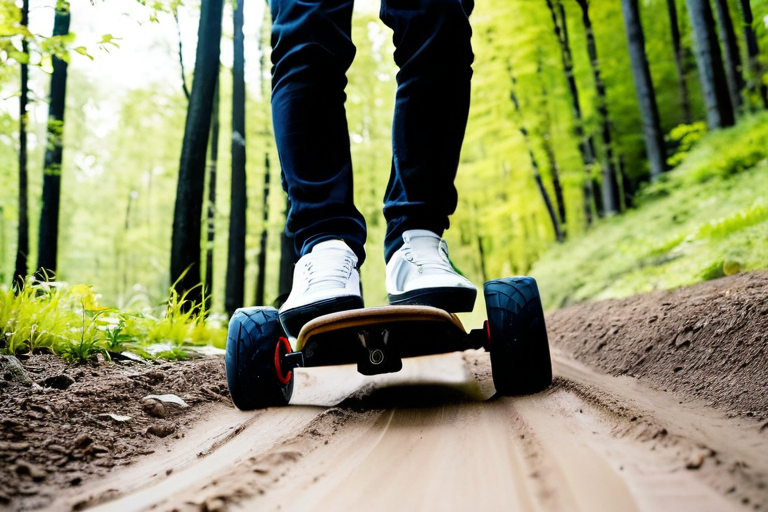
An off-road skateboard navigating a scenic dirt path, showcasing the sport's adventurous spirit.
It's essential to tailor the off-road experience to individual physical development. For younger riders, lighter boards with lower speeds and softer terrains are recommended. As age increases, so can the complexity of trails and equipment. Skateboarding.com, an authoritative site in the industry, emphasizes that off-road skateboarding isn't a one-size-fits-all activity; age serves as a guideline, but personal ability and conditioning are equally important.
Cognitive and Safety Factors by Age Group
Cognitive development influences a rider's ability to assess risks, follow safety protocols, and make quick decisions on challenging terrains. According to American Psychological Association, the prefrontal cortex, responsible for judgment and impulse control, isn't fully developed until the mid-20s. This has direct implications for age-appropriate off-road skateboarding.
- Ages 6-12: At this stage, children are learning risk assessment but may struggle with foreseeing consequences. Supervision is paramount, and activities should focus on controlled environments. Helmets, knee pads, and elbow pads are non-negotiable, as noted by Safe Kids Worldwide.
- Ages 13-19: Teenagers often have better cognitive skills but might engage in riskier behaviors due to social pressures or overconfidence. Education on trail etiquette, speed management, and weather conditions is crucial. This age group benefits from structured training programs.
- Ages 20+: Adults typically exhibit mature decision-making, allowing for more independent riding. However, they should still prioritize safety gear and regular skill assessments, especially if new to the sport.
Safety extends beyond age to include environmental factors. Off-road skateboarding on wet or rocky surfaces increases fall risks, regardless of age. Consumer Reports advises that riders of all ages conduct pre-ride checks on equipment and avoid solo expeditions in remote areas.
Expert Recommendations and Industry Insights
Industry leaders and health experts provide valuable guidelines for age-appropriate off-road skateboarding. Skateboard Mag, a reputable publication, suggests starting with balance training on stable surfaces as early as age 5, progressing to off-road boards around age 8-10 under close guidance. They highlight that early exposure can build foundational skills, but rushing into advanced terrains can lead to injuries.
For teenagers, organizations like Skateistan promote off-road skateboarding as a tool for youth development, emphasizing its benefits in building confidence and resilience. Their programs often target ages 10-18, incorporating safety workshops and mentorship to mitigate risks.
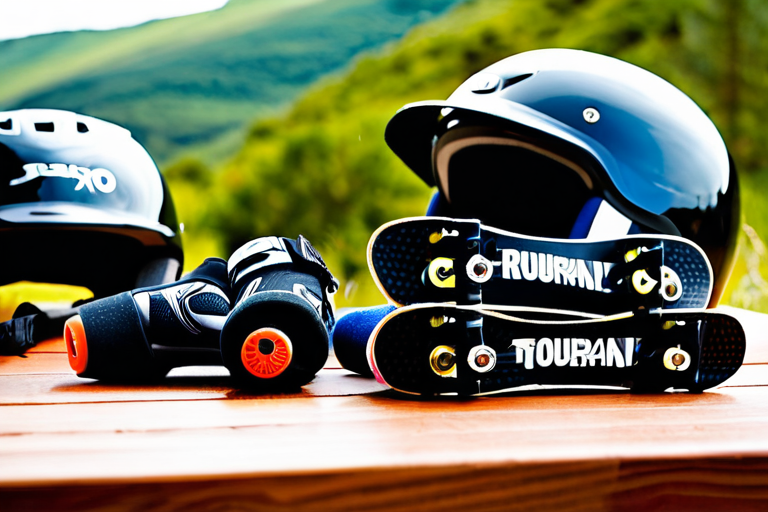
Essential safety gear for off-road skateboarding, including helmet, pads, and gloves.
Adults looking to take up off-road skateboarding should consider their fitness levels and any pre-existing conditions. Mayo Clinic recommends consulting a healthcare provider before engaging in high-impact sports, especially for those over 40. They note that off-road skateboarding can be adapted for all ages with proper modifications, such as using electric-assist boards for reduced physical strain.
The bottom line from experts is that age is a continuum, not a barrier. With the right approach, off-road skateboarding can be enjoyed from childhood through senior years. Key factors include gradual progression, continuous learning, and adherence to safety standards.
Conclusion: Embracing Off-Road Skateboarding at Any Age
Off-road skateboarding offers a unique blend of adventure, exercise, and connection with nature, making it appealing across generations. While age influences physical and cognitive readiness, it shouldn't deter enthusiasts from exploring the sport. By understanding developmental stages, leveraging expert advice, and prioritizing safety, riders of all ages can find their place on the trails.
From kids learning balance on gentle slopes to adults seeking an adrenaline rush on mountain paths, off-road skateboarding is as diverse as its participants. As Outside Online puts it, the sport's evolution reflects a broader trend toward inclusive, adaptive outdoor activities. Whether you're 8 or 80, the key is to start slow, gear up, and ride responsibly.
In summary, the ideal age for off-road skateboarding isn't a fixed number but a combination of maturity, skill, and passion. By fostering a culture of education and safety, we can ensure that this thrilling sport remains accessible and enjoyable for everyone, regardless of age.