The Evolution of Dodge Challenger Toy Cars: From Die-Cast to Digital
For over five decades, the Dodge Challenger has roared through American automotive culture, capturing hearts with its muscular design and raw power. But beyond the asphalt, a parallel universe exists where miniature versions of this iconic vehicle have fueled childhood dreams and collector passions. This is the untold story of Dodge Challenger toy cars—a journey through manufacturing innovations, cultural shifts, and the enduring appeal of scale-model perfection.
The Birth of an Icon: 1970s Die-Cast Beginnings
When the first Dodge Challenger rolled off the assembly line in 1970, toy manufacturers were already taking notes. Companies like Matchbox and Hot Wheels recognized the car's distinctive Coke-bottle styling and aggressive stance would translate perfectly to 1:64 scale. The earliest Challenger toys were simple by today's standards—solid metal bodies with minimal detailing and basic paint applications. Yet they captured the essence of the muscle car era, becoming instant favorites in toy boxes across America.
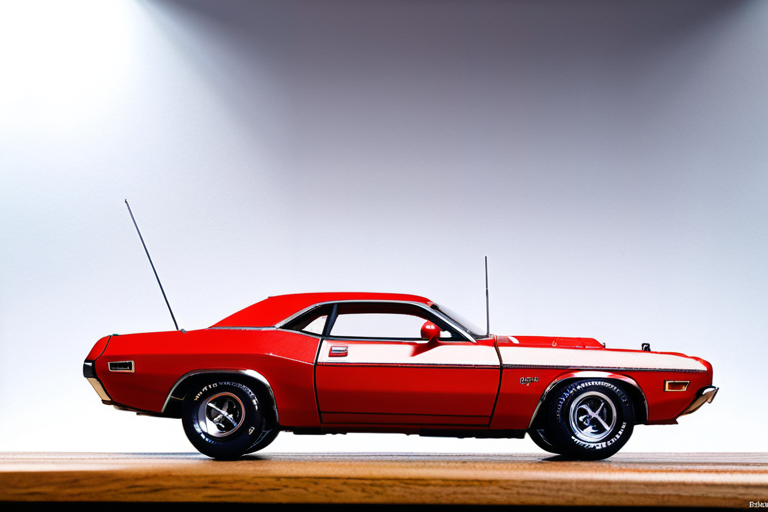
Early die-cast models faithfully reproduced the Challenger's iconic lines
According to Collectors Weekly, the 1970s saw approximately 15 different Challenger toy variations hit the market. These included everything from basic Matchbox models to more elaborate playsets featuring the vehicle. The toys weren't just playthings; they were cultural artifacts that mirrored automotive trends. When Dodge introduced the Challenger R/T with its distinctive hood scoops and bold stripes, toy versions followed within months, complete with tampo-printed graphics that mimicked the real car's decals.
The Golden Age: 1980s-1990s Detailing Revolution
As manufacturing techniques advanced, so did the realism of Challenger toys. The 1980s introduced plastic interiors, rubber tires, and opening features. Companies like ERTL began producing 1:18 scale models that featured astonishing detail—from fully realized engine bays to detailed dashboard instrumentation. These weren't toys in the traditional sense but collectibles aimed at adults who remembered the Challenger's heyday.
Collector's Insight: "The 1992 ERTL 1:18 scale Challenger R/T is considered a milestone," notes automotive historian Mark Jenkins. "It was the first mass-produced model to include separate chrome pieces for the grille and accurate Hemi engine detailing. Suddenly, collectors could own a miniature that felt genuinely authentic."
The 1990s witnessed another leap forward with the introduction of photo-etched parts and precision die-casting. According to Model Cars Magazine, companies like Maisto and Bburago began competing in the premium segment, producing Challenger models with working steering, detailed undercarriages, and even miniature seatbelts. This period also saw the rise of limited editions, with some models produced in quantities as low as 500 units, creating instant collector's items.
Modern Renaissance: 2000s to Present
The 2006 revival of the Dodge Challenger as a production car sparked a parallel renaissance in toy manufacturing. Suddenly, there were new generations to model, from the SRT8 to the Hellcat and Demon variants. Mattel's Hot Wheels division released over 50 different Challenger castings between 2008-2020, according to their official archives. These ranged from basic mainline models to premium offerings with real rider tires and special finishes.
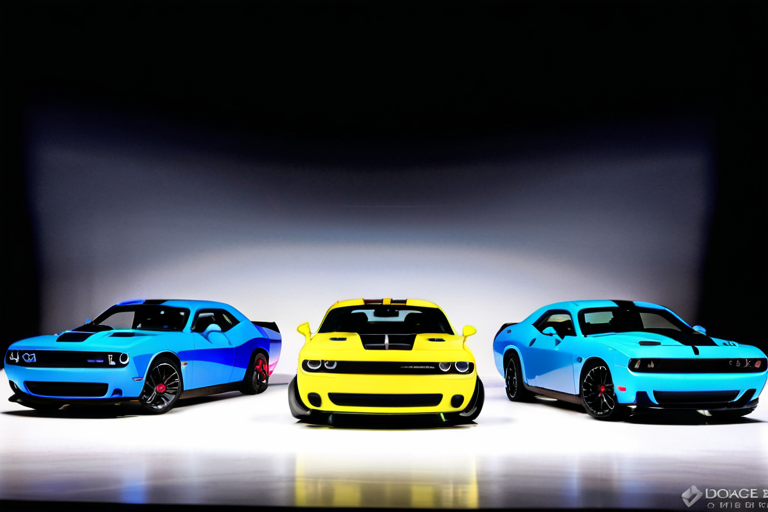
Contemporary models capture every detail of modern performance variants
Today's Challenger toys exist in a fascinating ecosystem. At the entry level, $1 Hot Wheels models introduce children to the brand. Mid-range offerings from Jada Toys and GreenLight feature impressive detail at accessible prices. And at the pinnacle, companies like AutoArt and Kyosho produce museum-quality replicas costing hundreds of dollars, with features like functioning suspension and hand-applied pinstriping.
Cultural Impact and Collecting Community
Beyond mere replication, Challenger toys have developed their own culture. Online forums like DiecastXchange host vibrant communities where collectors trade, customize, and discuss rare variations. Customizers have elevated the hobby to an art form, creating one-off models with detailed weathering, engine swaps, and even miniature superchargers.
Rarest Models
- 1970 Hot Wheels Redline Challenger (unopened)
- 1995 ERTL 1:18 Challenger T/A (limited to 250)
- 2018 Hot Wheels RLC Super Treasure Hunt
Manufacturing Milestones
- First opening hood: 1983
- First photo-etched parts: 1998
- First working suspension: 2005
The toys have also become marketing tools for Dodge itself. Special edition models often accompany new vehicle launches, creating cross-generational appeal. A father who owned a 1970 Challenger might buy a modern Hellcat toy for his son, creating brand loyalty that spans decades. According to Automotive News, Dodge has actively collaborated with toy manufacturers since 2010, providing CAD data and access to prototype vehicles to ensure accuracy.
The Digital Frontier: Virtual Collecting
In recent years, Challenger toys have transcended physical form. Video games like Forza Horizon and Gran Turismo feature meticulously scanned Challenger models that are essentially digital toys. Meanwhile, NFTs and virtual collectibles have created new markets. Companies like Mattel now produce digital Hot Wheels that exist only in virtual spaces, yet command real-world prices.
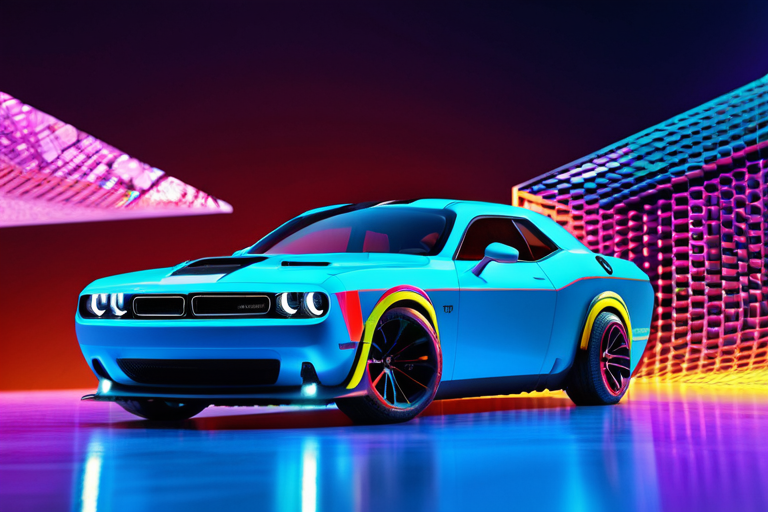
Digital models bring new dimensions to the collecting experience
This digital evolution hasn't diminished physical collecting; rather, it has expanded the ecosystem. Collectors now maintain both physical displays and digital galleries. Some rare physical models come with digital certificates that unlock virtual versions, creating hybrid collectibles. The Challenger's toy legacy has thus entered the metaverse while maintaining its roots in die-cast metal and precision engineering.
Preservation and Future Outlook
As we look forward, the future of Challenger toys appears bright. With Dodge announcing the Challenger's transition to electric power in coming years, toy manufacturers are already preparing new models. The community continues to grow, with younger collectors discovering vintage models through online marketplaces and social media.
Collector's Checklist: Essential Challenger Models
For those beginning their collection, these five models represent key moments in the toy's evolution:
- 1971 Matchbox Regular Wheels #46: The first widely available Challenger toy
- 1985 ERTL 1:43 Scale: Introduced detailed interior and opening features
- 2008 Hot Wheels New Model: Marked the modern Challenger's toy debut
- 2015 GreenLight 1:64 Hellcat: Captured the supercharged era
- 2022 AutoArt 1:18 Demon: Current pinnacle of detail and accuracy
From simple die-cast replicas to digital assets, Dodge Challenger toy cars have mirrored automotive history while creating their own legacy. They've introduced generations to American muscle, fueled collector passions, and evolved alongside manufacturing technology. As long as the Challenger name endures, its miniature counterparts will continue to capture imaginations—proving that sometimes, the mightiest roar comes from the smallest packages.