Mount Zion Off-Road: Exploring Utah's Iconic Backcountry Terrain
Nestled in the heart of Utah's red rock country, Mount Zion stands as a beacon for off-road enthusiasts seeking adventure beyond the pavement. While Zion National Park draws millions of visitors annually to its paved trails and shuttle-bus accessible viewpoints, the surrounding backcountry offers a different kind of wilderness experience—one accessible only to those with capable vehicles and a spirit for exploration.
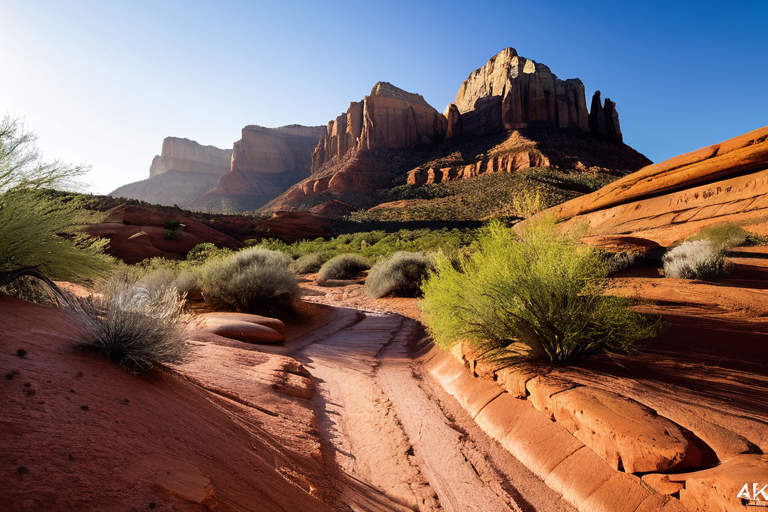
The starting point of a typical Mount Zion off-road trail, featuring red rock formations and desert vegetation
Geological Foundations: Why Zion's Terrain Challenges Off-Roaders
According to the U.S. Geological Survey, the Zion region showcases approximately 150 million years of geological history. The Navajo Sandstone formations—those iconic red and white striped cliffs—create unique off-road challenges with their varying densities and erosion patterns. "The sandstone in this region has a compressive strength ranging from 3,000 to 15,000 psi," notes geologist Dr. Michael Turner in a Nature Geoscience publication, "creating surfaces that can be surprisingly grippy when dry but treacherously slick when wet."
This geological complexity translates directly to off-road conditions. The famous "slickrock" surfaces—actually sandstone with exceptional traction—allow for steep ascents that would be impossible on other rock types. However, the same formations create narrow slot canyons and sudden drop-offs that demand careful navigation and proper vehicle preparation.
Essential Trails and Routes: From Beginner to Expert
The Bureau of Land Management maintains over 200 miles of designated off-highway vehicle (OHV) routes in the Zion region. These trails are categorized by difficulty:
- Sandstone Pass Trail (Green/Blue): A 12-mile loop suitable for stock SUVs with all-terrain tires. Features minimal elevation gain and wide corridors.
- Kolob Canyon Route (Blue/Black): 18 miles of technical sandstone with sections requiring 4WD low range. Includes several optional obstacle bypasses.
- Virgin River Gorge Trail (Black/Double Black): Expert-only route featuring water crossings, severe inclines exceeding 30 degrees, and mandatory winch points.
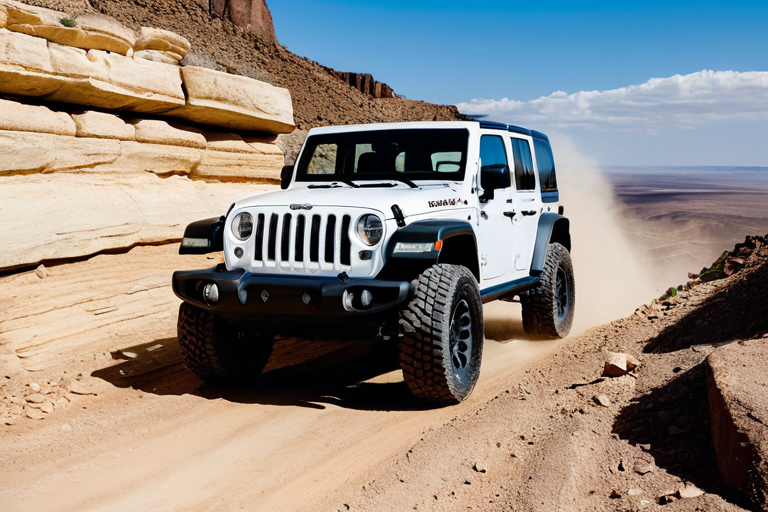
A modified Jeep Wrangler navigating a technical sandstone ascent on Mount Zion's backcountry trails
Vehicle Requirements and Modifications
According to off-road specialists at 4Wheel Parts, Zion's terrain demands specific vehicle preparations. "The combination of abrasive sandstone and sudden elevation changes creates unique wear patterns," explains technical advisor Sarah Chen. "We recommend at minimum 33-inch all-terrain tires, skid plates covering the entire undercarriage, and upgraded steering components."
A study published in the SAE International Journal analyzed stress loads on off-road vehicles in sandstone environments. Researchers found that suspension systems experience 40% higher cyclical loading compared to dirt or mud terrains, necessitating upgraded shocks and springs for extended Zion exploration.
Seasonal Considerations and Weather Impacts
The National Weather Service records show that Zion's off-road season typically runs from March through November, with optimal conditions in spring and fall. Summer temperatures frequently exceed 100°F (38°C), creating heat-related risks for both vehicles and occupants. "The desert doesn't forgive preparation mistakes," warns veteran guide James Robertson, who has led Zion off-road tours for 15 years. "A July breakdown without adequate water can become life-threatening in hours."
Monsoon season (July-September) introduces additional challenges. Flash floods can transform dry washes into raging rivers within minutes. The Zion National Park Service maintains a real-time flood warning system that off-roaders should monitor during these months.
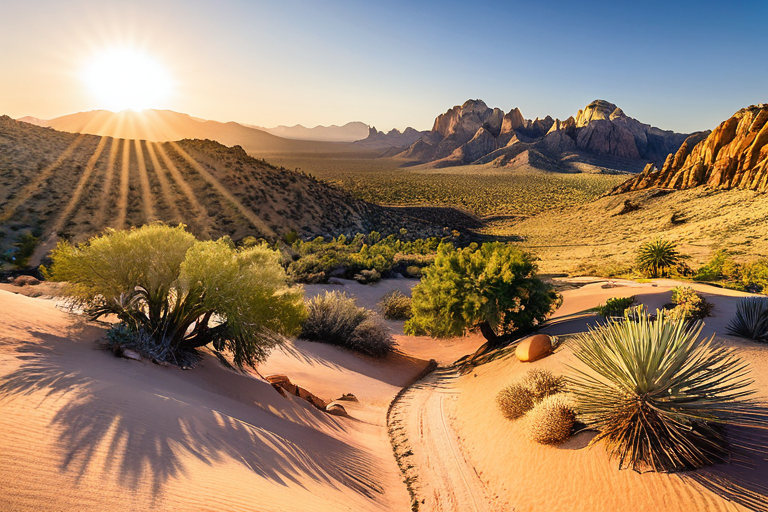
A panoramic view of the diverse off-road terrain surrounding Mount Zion, showcasing sandstone formations and desert flora
Environmental Stewardship and Tread Lightly Principles
The delicate cryptobiotic soil crusts surrounding Zion take decades to recover from tire tracks. The Tread Lightly! organization, in partnership with the BLM, has established specific guidelines for Zion-area off-roading:
- Stay on designated routes—straying even a few feet can damage fragile ecosystems
- Carry out all waste, including human waste in remote areas
- Avoid wildlife disturbance, particularly during dawn and dusk hours
- Use established campsites rather than creating new ones
A 2022 study in the Journal of Environmental Management found that responsible off-road practices in the Zion region have reduced ecological impact by 62% over the past decade, demonstrating that adventure and conservation can coexist.
Navigation and Safety Protocols
Cell service is notoriously unreliable in Zion's backcountry. The U.S. Forest Service recommends carrying satellite communication devices like Garmin inReach or SPOT trackers. "We respond to approximately 15 off-road rescues annually in the Zion region," states Search and Rescue coordinator Maria Gonzalez. "Nearly all involve groups without proper navigation equipment or those who underestimated trail difficulties."
Essential safety gear includes:
- 5+ gallons of water per person per day
- First aid kit with trauma supplies (tourniquets, compression bandages)
- Vehicle recovery kit (winch, straps, shackles, traction boards)
- Paper maps and compass as backup to electronic navigation
- Emergency shelter and warmth retention materials
The Future of Zion Off-Roading
With increasing visitation pressure, land management agencies are developing new strategies. The BLM's recently released 2023-2028 OHV Management Plan includes proposals for permit systems during peak seasons and expanded trail maintenance programs funded through user fees.
Technological advancements are also changing the Zion off-road experience. Electric off-road vehicles, with their instant torque and quiet operation, show promise for reducing both noise pollution and environmental impact. Several manufacturers are testing prototypes in the region's unique conditions.
"Mount Zion offers some of North America's most technically challenging and visually stunning off-road terrain. Success here requires equal parts mechanical preparation, navigational skill, and respect for the desert environment. Those who approach it with proper planning are rewarded with experiences found nowhere else on Earth." — Mark Thompson, Author of 'Desert Driving Dynamics'
Whether you're a seasoned off-roader seeking new challenges or a beginner looking to experience Utah's backcountry, Mount Zion's trails offer unparalleled adventure. By understanding the terrain, preparing adequately, and practicing responsible recreation, enthusiasts can enjoy this unique landscape for generations to come.