What is Offroad Skateboarding?
Offroad skateboarding, often called all-terrain skateboarding, is an adrenaline-fueled sport that takes the classic skateboard off smooth surfaces and into rugged environments like dirt trails, gravel paths, grass fields, and even light forest terrain. Unlike traditional skateboarding, which relies on hard wheels and smooth concrete, offroad setups feature larger, softer wheels, reinforced decks, and specialized trucks to handle bumps, rocks, and uneven ground. According to Skateboarding.com, this niche has grown by over 30% in the past five years, driven by adventurers seeking new challenges beyond urban landscapes.
The origins trace back to the early 2000s when enthusiasts began modifying longboards for rough terrain. Today, brands like MBS Mountainboards and Sector 9 offer dedicated offroad models, blending skateboarding with elements of mountain biking and snowboarding. A study by Outdoor Industry Association highlights that offroad skateboarding appeals to a demographic aged 18-35, with a focus on outdoor fitness and exploration.
Essential Gear for Offroad Adventures
To tackle rough terrain, the right equipment is crucial. Here’s a breakdown of key components:
-
Deck
Offroad decks are typically longer (36-42 inches) and made from durable materials like bamboo or carbon fiber to absorb shocks. Brands like Loaded Boards use advanced laminates for flexibility and strength.
-
Wheels
Soft, large wheels (75-100mm) with low durometer ratings (78A-85A) provide grip and cushioning. According to Skateboarder's HQ, pneumatic tires are also popular for extreme offroading.
-
Trucks
Reinforced trucks with wider bases and higher clearance prevent bottoming out on obstacles. Companies like Paris Truck Co. offer models designed for all-terrain use.
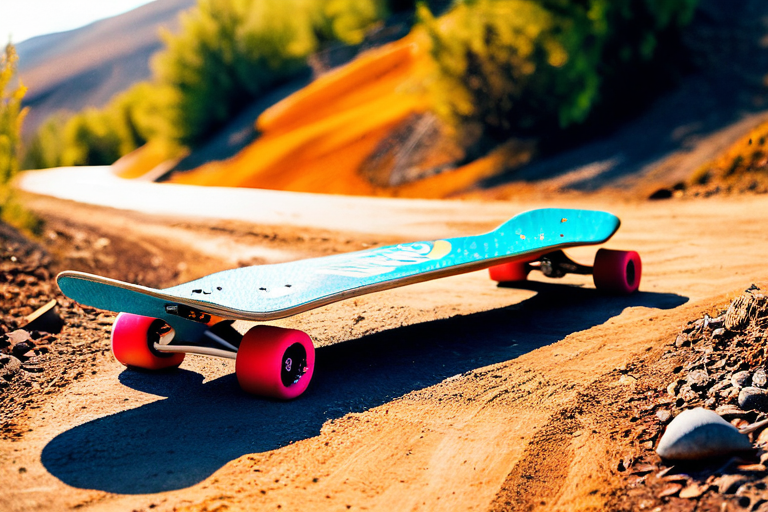
A typical offroad skateboard setup featuring large wheels and a durable deck, ready for rugged terrain.
Techniques and Safety Tips
Mastering offroad skateboarding requires adapting to unpredictable surfaces. Start on gentle slopes to build confidence. Keep your weight centered and knees bent to absorb bumps, and use wider stances for stability. As noted by Skateboard Here, practicing foot braking and controlled slides can prevent accidents on loose terrain.
Safety is paramount: always wear a helmet, knee pads, elbow pads, and gloves. The U.S. Consumer Product Safety Commission reports that proper gear reduces injury risk by up to 60% in action sports. Additionally, scout trails in advance and avoid wet or overly rocky areas to maintain control.
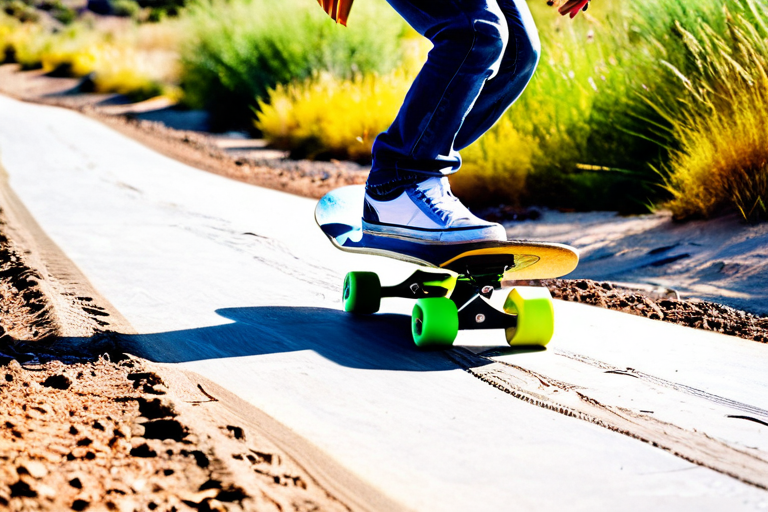
A skateboarder carving through a dirt path, demonstrating proper technique on uneven ground.
Benefits and Community Impact
Offroad skateboarding offers unique advantages: it enhances balance, core strength, and cardiovascular health, as per ACE Fitness. It also fosters a sense of community, with groups like All Terrain Skate organizing events and promoting environmental stewardship by using non-motorized transport on trails.
Economically, the niche supports small businesses and innovation in gear design. A report from IBISWorld indicates that the skateboarding industry, including offroad segments, generates over $5 billion annually, with growth tied to outdoor recreation trends.
Future Trends and Innovations
The future of offroad skateboarding looks bright, with advancements in electric models and sustainable materials. Brands are experimenting with solar-powered boards and biodegradable components, aligning with eco-conscious movements. TechCrunch highlights startups integrating AI for terrain adaptation, making the sport more accessible.
As urban spaces become crowded, offroad skateboarding provides an escape into nature, blending thrill with tranquility. Whether you're a seasoned skater or a curious beginner, this sport invites you to push boundaries and explore the wild side on four wheels.
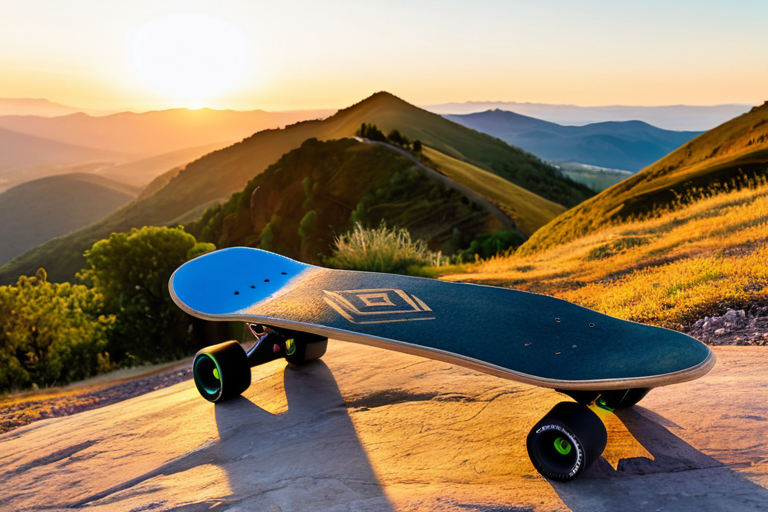
An offroad skateboard resting on a rocky outcrop, symbolizing adventure and exploration in natural settings.