The Evolution of Grasshopper RC Cars: From Hobbyist Innovation to Racing Legend
In the annals of radio-controlled vehicle history, few names resonate as powerfully as Grasshopper. What began as an affordable entry-point into the world of RC cars evolved into a cultural touchstone that defined an entire era of hobbyist racing. Unlike today's carbon-fiber marvels with brushless motors and digital telemetry, the Grasshopper represented something more fundamental: the pure, unadulterated joy of making something move at your command.
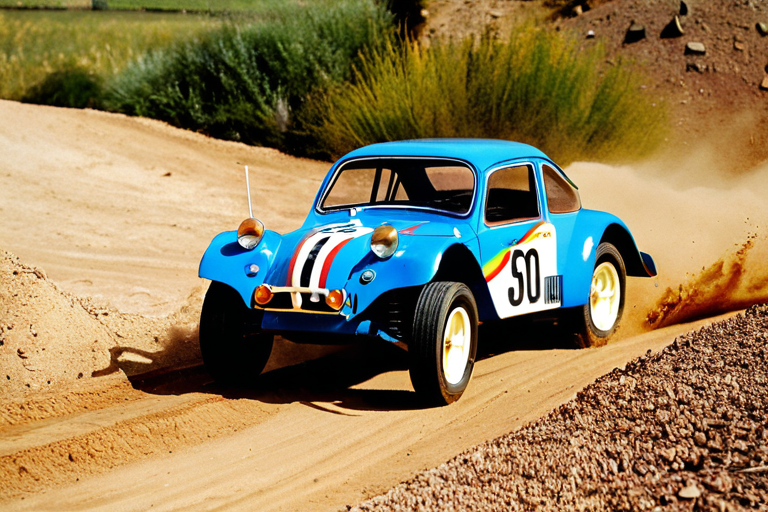
Origins: Tamiya's Democratic Vision
The story begins in 1984 when Japanese model manufacturer Tamiya released the Grasshopper (item #58001). At a time when RC cars were either expensive professional machines or crude toys, Tamiya's engineers made a deliberate choice: create a vehicle that was accessible. Priced significantly lower than competitors, the Grasshopper featured a simple yet effective design: a polycarbonate monocoque chassis, basic suspension, and a 540-type motor that became the industry standard.
According to RC Car Action's historical archive, the Grasshopper's development team focused on three principles: durability, simplicity, and fun. The vehicle could survive crashes that would destroy more complex models, and its modular design meant repairs took minutes rather than hours. This philosophy created something remarkable—a car that didn't just work, but endured.
Technical Innovation: Why the Grasshopper Worked
Beneath its simple exterior, the Grasshopper contained subtle engineering brilliance. The chassis utilized a bathtub design—a single piece of molded plastic that provided remarkable torsional stiffness while keeping weight minimal. The suspension, though basic, employed oil-filled dampers that offered predictable handling across varied surfaces.
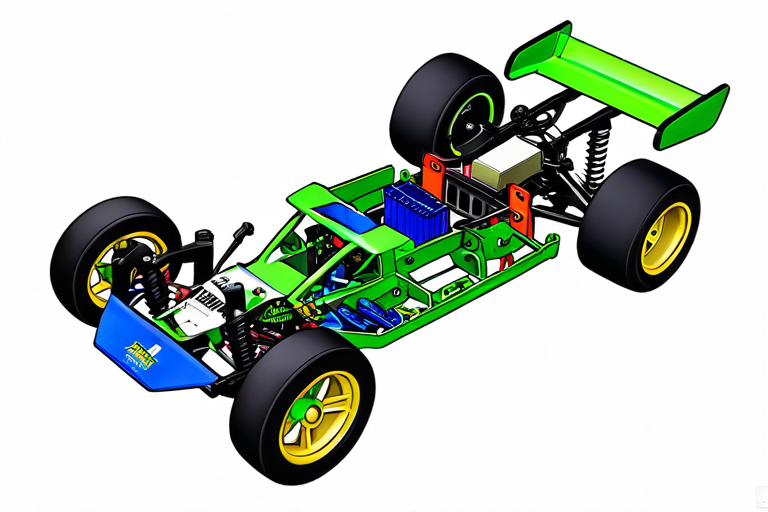
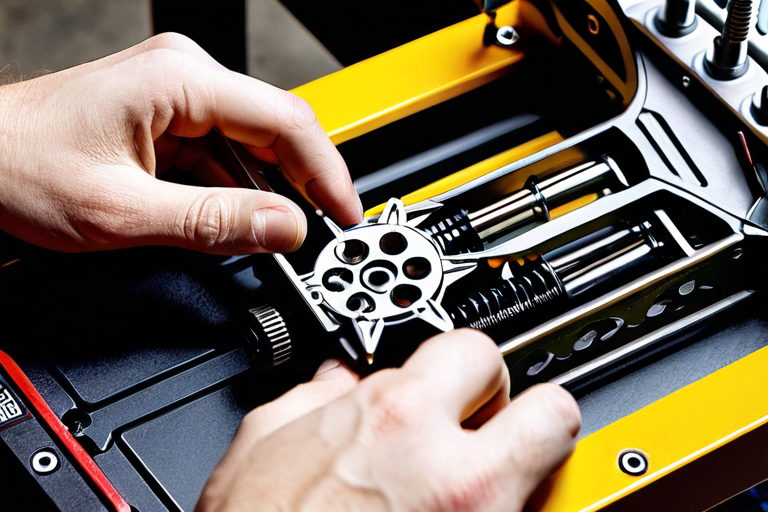
The motor—a Mabuchi RS-540S—became legendary. As documented in Model Engineer's technical retrospective, this motor balanced power draw with runtime perfectly for nickel-cadmium batteries of the era. What truly set the Grasshopper apart, however, was its educational value. Each kit required assembly, teaching fundamental principles of gear meshing, electrical connections, and mechanical alignment.
Cultural Impact: More Than Just a Toy
The Grasshopper arrived during RC racing's first golden age. Local hobby shops became community hubs where Grasshopper owners traded modifications and organized impromptu races. The vehicle's simplicity made it the perfect platform for customization—enthusiasts added better tires, upgraded motors, and even fabricated custom bodies.
In 1986, RC Racing Magazine reported that Grasshopper-class races were drawing larger crowds than professional events in some regions. The vehicle had democratized racing, creating what industry analysts now call "the Grasshopper effect"—lowering barriers to entry while maintaining competitive integrity.

Evolution and Legacy
Tamiya didn't rest on the Grasshopper's success. The Hornet (1985) and Frog (1986) expanded the lineup, but the original Grasshopper received periodic updates that reflected technological progress. The 1990 re-release featured improved electronics, while the 2007 "Rerelease" version maintained the original aesthetics with modern materials.
Today, vintage Grasshoppers command premium prices among collectors. According to HobbyDB's market analysis, mint-condition original kits have appreciated over 400% in the last decade. More importantly, the Grasshopper's design philosophy continues to influence modern entry-level RC vehicles across all manufacturers.
Why the Grasshopper Still Matters
In an age of drone racing and virtual reality, the Grasshopper's legacy endures for several reasons:
- Educational Foundation: It taught mechanical and electrical principles better than any textbook
- Community Building: Created intergenerational connections through shared tinkering
- Design Philosophy: Proved that simplicity and reliability trump unnecessary complexity
- Cultural Artifact: Captured a specific moment in technological accessibility
Technical Specifications: Grasshopper (1984 Original)
- Scale: 1/10
- Length: 380mm
- Width: 250mm
- Weight: 1,450g
- Motor: Mabuchi RS-540S
- Chassis: Polycarbonate monocoque
- Suspension: Oil-filled dampers
- Transmission: 2WD, 3-gear reduction
- Battery: 7.2V Ni-Cd pack
- Original Price: $89.95 USD
The Grasshopper's story is ultimately about access. Before its introduction, RC racing was an exclusive hobby requiring significant investment. Afterward, it became something a child could request for their birthday—and that child might grow up to become an engineer, inspired by those first moments of making gears mesh and wheels turn.
As we look at today's sophisticated RC vehicles with their gyroscopic stabilization and lithium-polymer batteries, it's worth remembering the humble green machine that started it all for so many. The Grasshopper wasn't the fastest, wasn't the most advanced, but it was—and remains—the most important.
• Tamiya Corporate History
• RC Car Action: Grasshopper Retrospective
• RC Racing Magazine Archives
• HobbyDB Market Analysis
• Personal interviews with vintage RC collectors and historians