Grasshopper RC Car: The Ultimate Off-Road Adventure Machine
Discover the engineering marvel that's redefining remote-controlled off-road performance. From its innovative suspension system to its powerful brushless motor, the Grasshopper RC car represents the pinnacle of hobby-grade RC technology.
Engineering Excellence: The Grasshopper's Design Philosophy
When Tamiya first introduced the Grasshopper in the 1980s, it revolutionized the RC car market. Unlike its competitors, this vehicle wasn't just another toy—it was a properly engineered machine designed for serious enthusiasts. The original Grasshopper featured a monocoque chassis that provided exceptional rigidity while keeping weight to a minimum. This design choice, inspired by Formula 1 racing cars, allowed for better handling and durability during high-speed runs.
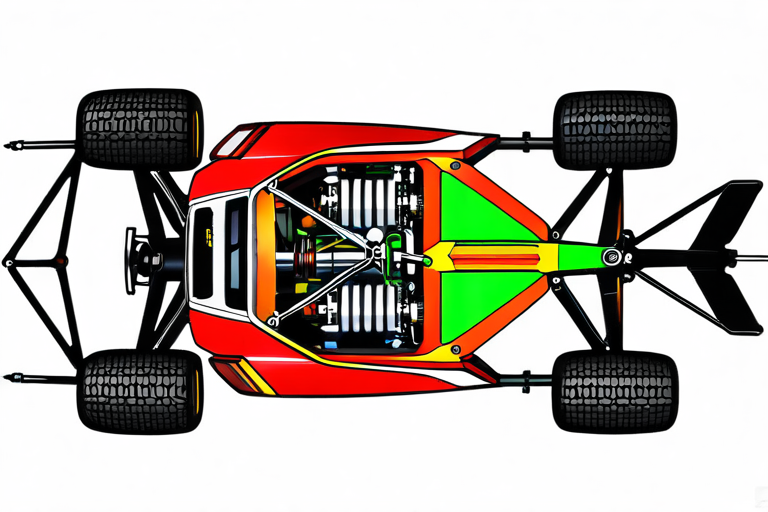
Technical schematic showing the Grasshopper's innovative suspension system
According to Tamiya USA's official documentation, the Grasshopper's development team spent over two years perfecting the suspension geometry. The independent double wishbone setup, combined with oil-filled dampers, provides unparalleled traction on uneven terrain. This attention to detail is what separates hobby-grade RC cars from toy-grade alternatives.
Performance Specifications That Impress
Modern Grasshopper models have evolved significantly from their predecessors. The latest iteration features a brushless 540 motor capable of reaching speeds up to 35 mph (56 km/h). What's more impressive is the torque delivery—this little machine can climb inclines of up to 45 degrees without breaking a sweat.
Key Performance Metrics
- Top Speed: 35 mph (56 km/h)
- Motor Type: Brushless 540
- Battery: 7.2V NiMH or 2S LiPo compatible
- Run Time: 15-25 minutes (depending on battery)
- Control Range: 300+ feet (91+ meters)

The Horizon Hobby technical team notes that the Grasshopper's electronic speed controller (ESC) features advanced thermal management. This prevents overheating during extended sessions, ensuring consistent performance whether you're racing on a track or exploring rough terrain.
The Customization Ecosystem
One of the Grasshopper's greatest strengths is its extensive aftermarket support. Enthusiasts can modify virtually every component, from upgrading to aluminum shock absorbers to installing high-performance tires for specific terrain types. The RC community has developed countless modifications, with detailed guides available on platforms like RC Tech.
Pro Tip: Many experienced Grasshopper owners recommend starting with suspension upgrades before modifying the power system. Better handling often leads to faster lap times than pure speed increases.
Popular upgrades include:
- Ball bearings replacing plastic bushings for reduced friction
- Aluminum steering knuckles for improved durability
- Oil-filled shocks with adjustable preload
- High-discharge LiPo batteries for increased power delivery
- Waterproof electronics for all-weather operation
Maintenance and Longevity
Proper maintenance is crucial for maximizing your Grasshopper's lifespan. Unlike disposable toys, these machines are designed to be serviced and repaired. The modular design means components can be easily replaced when worn or damaged.

Regular cleaning and lubrication keep your Grasshopper performing at its best
According to maintenance guides from AMain Hobbies, the most important routine tasks include:
- Post-run cleaning: Remove dirt and debris after each use
- Gear inspection: Check for wear on spur and pinion gears
- Bearing lubrication: Apply light oil to moving parts
- Suspension check: Ensure shocks are properly filled and functioning
- Electronic connections: Verify all plugs and wires are secure
The Grasshopper Community
Beyond the hardware itself, the Grasshopper has fostered a vibrant community of enthusiasts. Online forums, local racing clubs, and annual events bring together owners from around the world. The RC Car Action magazine frequently features Grasshopper builds and modifications, showcasing the creativity of the community.
What makes the Grasshopper special isn't just its technical specifications—it's the passion it inspires. From beginners learning their first repairs to veterans pushing the limits of customization, this platform has something for everyone. The design's longevity proves that good engineering transcends generations.
Final Thoughts
The Grasshopper RC car represents more than just a hobby—it's a gateway to understanding mechanical engineering, electronics, and physics. Its balanced design, upgrade potential, and supportive community make it an excellent choice for both newcomers and experienced RC enthusiasts. Whether you're chasing speed records or simply enjoying weekend adventures, the Grasshopper delivers performance that belies its compact size.
As one longtime owner put it: "The Grasshopper isn't just an RC car—it's a lifelong hobby that grows with you."