The Rhythm of Dust: Understanding the Dakar Rally's Annual Pulse
"The Dakar isn't just a race—it's a calendar event that marks the beginning of each motorsport year. Its consistency has become as legendary as its challenges." - David Castera, Dakar Rally Director
When enthusiasts discuss the world's most grueling motorsport events, the Dakar Rally invariably dominates conversations. Beyond the dust, dunes, and dramatic landscapes lies a meticulously maintained schedule that has become as predictable as the sunrise—yet remains utterly unpredictable in execution. This article explores the fascinating cadence of this legendary event, examining why its annual occurrence matters more than mere tradition.
The Unbroken Chain: A Historical Perspective
Since its inaugural edition in 1978, conceived by French motorcycle enthusiast Thierry Sabine after getting lost in the Libyan desert during the 1977 Abidjan-Nice rally, the Dakar has maintained remarkable temporal consistency. What began as a Paris-to-Dakar adventure has evolved into a global phenomenon while preserving its annual rhythm.
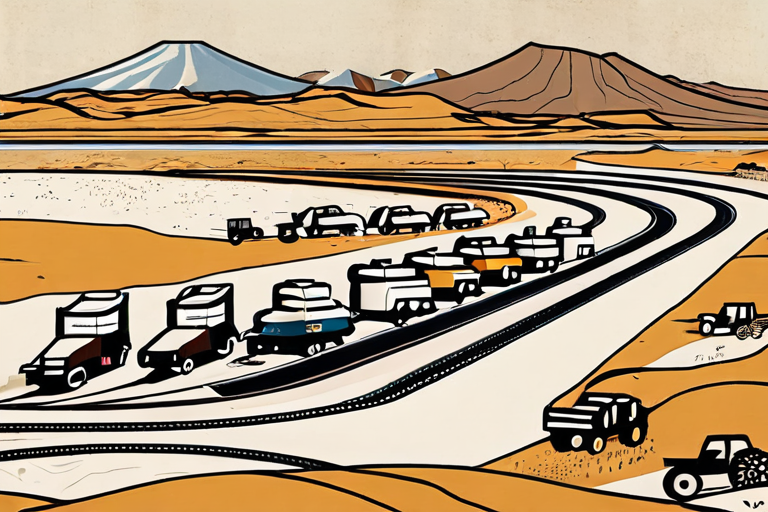
The transformation from African continent crossing to South American challenge and now Saudi Arabian odyssey
According to the official Dakar Rally website, the event has been held every January since 1979, with only one interruption: the 2008 cancellation due to security threats in Mauritania. This near-perfect record demonstrates organizational resilience that few sporting events can match.
Why January? The Strategic Timing
The choice of January isn't arbitrary. Several factors converge to make the first month ideal:
- Weather Conditions: Southern hemisphere summer (during South American editions) or Middle Eastern winter (current Saudi Arabian editions) provides manageable temperatures
- Global Motorsport Calendar: Positions the Dakar as the year's opening major event, avoiding conflicts with Formula 1, WRC, and other series
- Manufacturer Schedules: Aligns with automotive development cycles and marketing campaigns
- Historical Continuity: Maintains tradition established during African editions with favorable Saharan conditions
As noted by Fédération Internationale de l'Automobile (FIA) statistics, January participation rates consistently exceed 95% of available entries, demonstrating how perfectly the timing suits competitors' preparation cycles.
The Economic Engine: Annual Frequency as Business Model
Behind the sporting spectacle lies a sophisticated economic machine. The annual schedule creates predictable revenue streams and development cycles:
Media Rights
Broadcast contracts with networks like Eurosport and ESPN rely on predictable annual programming. The SportBusiness media database shows Dakar broadcasting reaching 190 countries annually.
Sponsorship Cycles
Major sponsors like Red Bull, Toyota, and KTM plan multi-year campaigns around the January event, creating marketing consistency that maximizes ROI.
Tourism Impact
Host nations benefit from predictable annual tourism influx. Saudi Arabia's Tourism Authority reports 15% annual growth in motorsport tourism since becoming host.
Logistical Marvel: Planning the Annual Pilgrimage
Organizing the Dakar annually represents a logistical achievement comparable to relocating a small city. The Amaury Sport Organisation (ASO), which has managed the event since 1995, operates on overlapping three-year planning cycles:
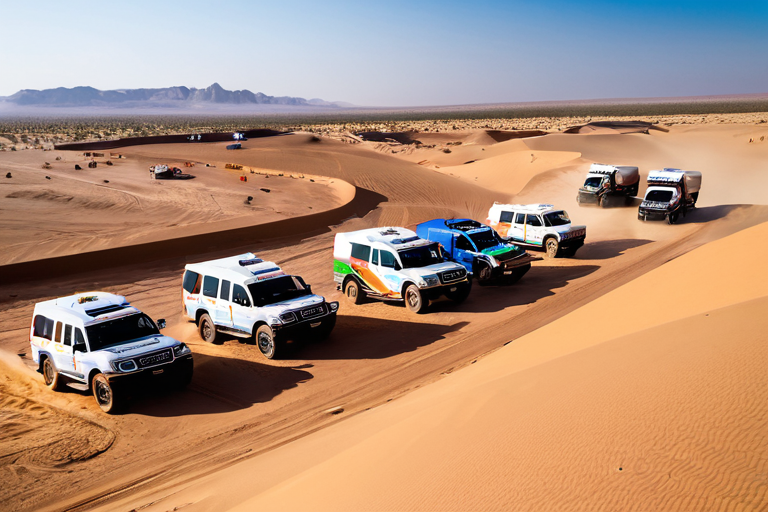
The massive support operation that makes the annual event possible
Each edition requires:
This relentless annual cycle creates institutional knowledge that improves safety and efficiency with each iteration. According to ASO's official reports, incident response times have improved 22% over the past decade due to this accumulated experience.
Competitor Preparation: The Year-Long Dance
For participants, the Dakar's annual schedule dictates their entire competitive year. Factory teams like Toyota Gazoo Racing and Monster Energy Honda operate on strict Dakar-centric calendars:
The Professional Dakar Cycle
January-February: Competition & immediate post-race analysis
March-May: Technical debriefing and initial development
June-September: Testing new components in similar environments
October-December: Final preparation, shakedown events, logistics
This cycle repeats with incremental improvements, creating what five-time winner Cyril Despres calls "annual evolution rather than revolution."
Privateer competitors face different challenges. Many spend the entire year fundraising and preparing single vehicles, making the annual deadline both motivator and pressure point. The consistency allows smaller teams to plan effectively, knowing exactly when they need to be ready.
Geographical Rotation Within Annual Consistency
While the event occurs every January, its location has evolved. After 29 African editions (1979-2007), security concerns prompted a move to South America (2009-2019), followed by the current Saudi Arabian chapter beginning in 2020. This geographical mobility within temporal stability demonstrates organizational adaptability.
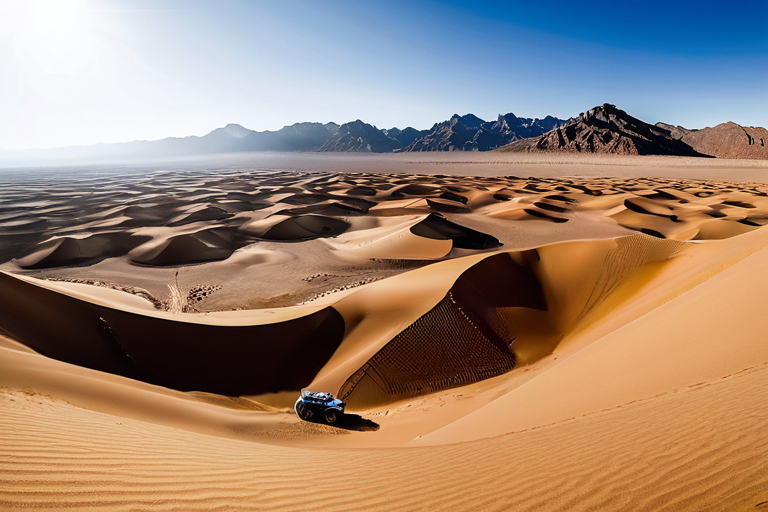
From African dunes to South American mountains to Middle Eastern deserts
The Motorsport.com analysis division notes that each region presents unique challenges while maintaining the event's core identity. Saudi Arabia's five-year hosting agreement (2020-2024, extended through 2027) provides medium-term stability while allowing for course variation within the country.
The Future Rhythm: Sustainability and Evolution
Looking ahead, the Dakar's annual frequency faces new considerations:
- Environmental Sustainability: Carbon footprint of annual transcontinental logistics
- Technological Integration: Incorporating electric and hybrid vehicles while maintaining challenge
- Calendar Competition: Emerging extreme endurance events seeking similar January slots
- Fan Engagement: Maintaining relevance in changing media landscape
ASO has already implemented measures like reduced liaison distances, local sourcing where possible, and exploring synthetic fuels. These adaptations ensure the annual event evolves with societal expectations while preserving its essence.
Conclusion: More Than Just Annual
The Dakar Rally's annual frequency represents far more than simple scheduling convenience. It creates a heartbeat for the extreme motorsport world—a predictable rhythm around which teams, sponsors, media, and fans organize their years. This consistency has built legacy, enabled improvement, and created economic sustainability while somehow never diminishing the event's legendary unpredictability.
As the rally enters its fifth decade, its January dates remain sacred in the motorsport calendar—not because of tradition alone, but because this annual pulse has proven to be the perfect tempo for one of sport's greatest adventures.
Sources & Further Reading:
• Official Dakar Rally History & Statistics: dakar.com
• FIA Cross-Country Rally Regulations: fia.com
• ASO Event Management Reports: aso.fr
• Motorsport Industry Analysis: motorsport.com