Dakar Rally: The Titans of Endurance Racing
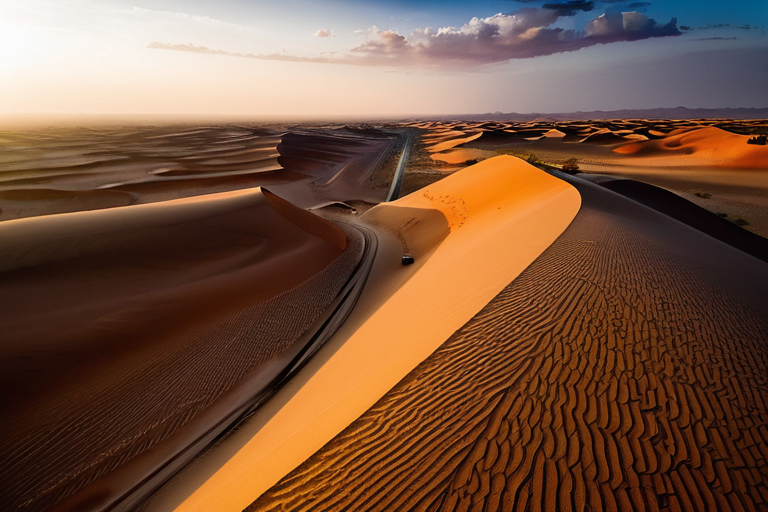
The relentless dunes of Saudi Arabia – proving ground for automotive giants
When the world's most brutal motorsport event kicks off each January, it's not just drivers who face the ultimate test. Behind every roaring engine and dust-covered vehicle stands a manufacturing powerhouse pushing technological boundaries. The Dakar Rally has evolved from an adventurous Paris-Dakar odyssey into a high-stakes laboratory where automotive legends are forged and broken.
Toyota Gazoo Racing: The Desert Dominator
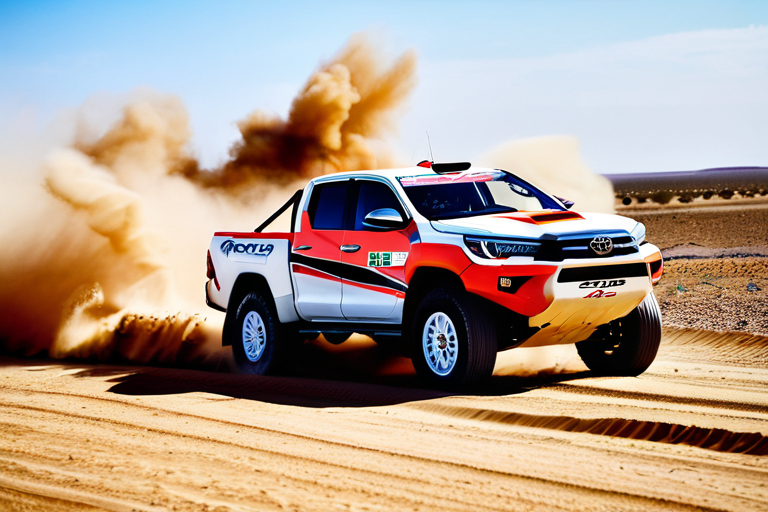
Toyota Hilux T1+ – The unstoppable desert warrior
Since entering the Dakar arena seriously in 2012, Toyota Gazoo Racing has rewritten the rulebook for reliability. Their Hilux-based T1+ prototype isn't just fast – it's engineered to survive what other vehicles cannot. With four Dakar victories (2019, 2022, 2023, 2024), Toyota's philosophy of "Kaizen" (continuous improvement) manifests in every bolt and suspension component.
What makes Toyota's approach unique? According to team principal Glyn Hall, "We don't build racing cars; we build racing trucks that happen to be fast." The 3.5-liter twin-turbo V6 engine produces around 400 horsepower, but the real magic lies in the suspension travel – nearly 400mm front and rear – allowing the Hilux to swallow dunes whole while maintaining stability at 180km/h across rocky plains.
Prodrive Hunter: British Engineering Meets Desert Fury
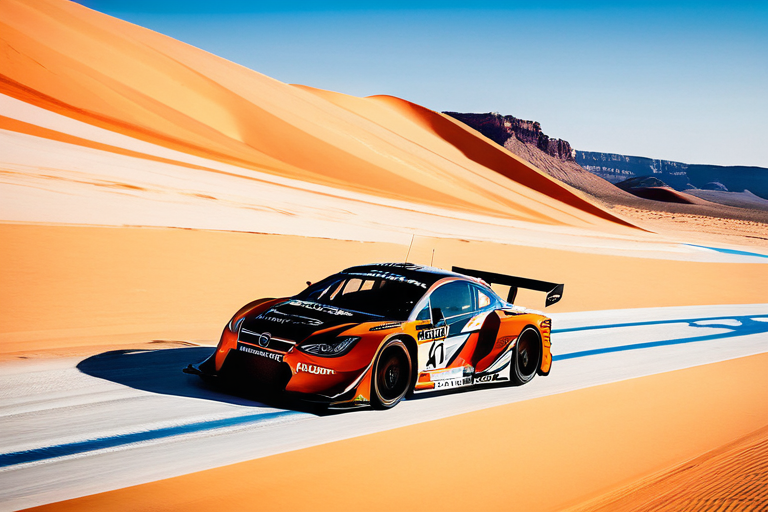
Prodrive Hunter – Aerodynamic excellence meets brutal power
When Prodrive unveiled the Hunter T1+, the Dakar establishment took notice. Founded by former World Rally Championship mastermind David Richards, Prodrive brought Formula 1-level aerodynamics to desert racing. The Hunter's distinctive shape isn't just for show – its ground-effect tunnels generate genuine downforce even at desert speeds, a revolutionary concept in cross-country rallying.
Powered by a 3.5-liter Ford EcoBoost V6 twin-turbo engine producing approximately 450 horsepower, the Hunter represents the ultimate synthesis of motorsport disciplines. "We approached Dakar like an F1 project," explains chief engineer Ian Callum. "Every gram saved, every aerodynamic advantage exploited." The results speak for themselves: Sébastien Loeb's multiple stage victories demonstrate that sometimes, the most sophisticated solution is also the fastest.
Audi Sport: The Electric Revolution
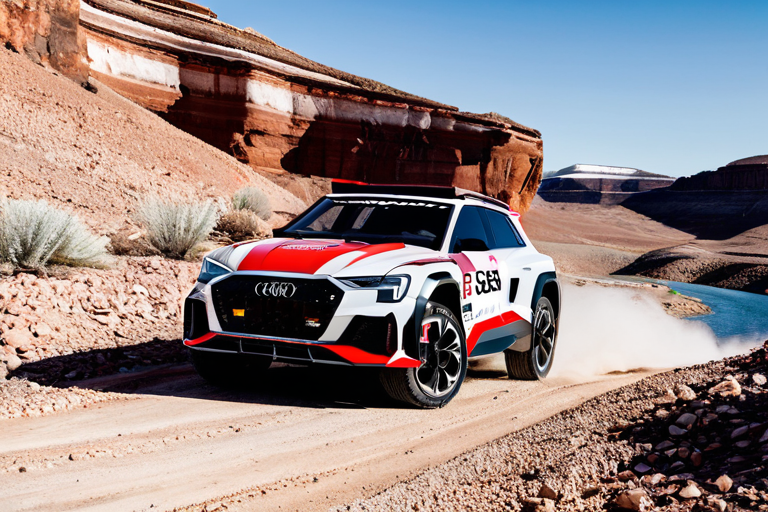
Audi RS Q e-tron – Redefining Dakar propulsion
The most audacious Dakar project in decades comes from Audi Sport. The RS Q e-tron isn't just another hybrid – it's a series hybrid where a 2.0-liter TFSI engine acts solely as a generator for the electric motors. This revolutionary drivetrain delivers 680 horsepower with instant torque, challenging the very definition of Dakar vehicle architecture.
"We're not here to win tomorrow; we're here to win the future," states Audi Motorsport director Rolf Michl. The engineering challenges are monumental: keeping battery temperatures stable in 50°C desert heat, managing energy regeneration over 800km stages, and ensuring reliability where charging stations don't exist. Yet with Carlos Sainz's 2024 victory, Audi proved electrification can conquer the world's toughest race.
BRX: The Privateer Powerhouse
Not all Dakar giants are automotive manufacturers. Bahrain Raid Xtreme (BRX) represents a new model: a dedicated racing organization building bespoke Dakar weapons. Their Prodrive-built Hunters, driven by nine-time World Rally Champion Sébastien Loeb and two-time Dakar winner Nasser Al-Attiyah, demonstrate that specialized racing operations can challenge factory teams.
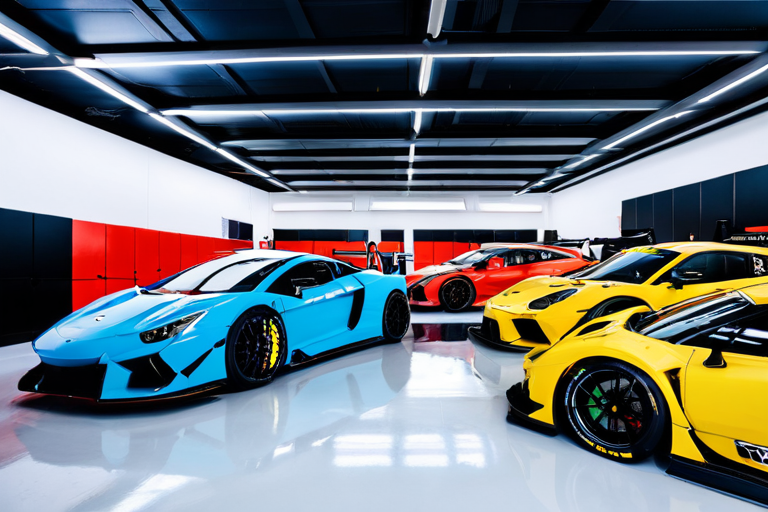
BRX technical headquarters – Where desert warriors are born
BRX's success lies in its singular focus. While manufacturers balance Dakar programs with road car development, BRX exists solely to win the rally. Their £50 million annual budget funds not just vehicles, but a mobile support operation including 40-ton trucks, helicopter support, and real-time data analysis in the world's most remote locations.
KTM & Honda: The Two-Wheeled Titans
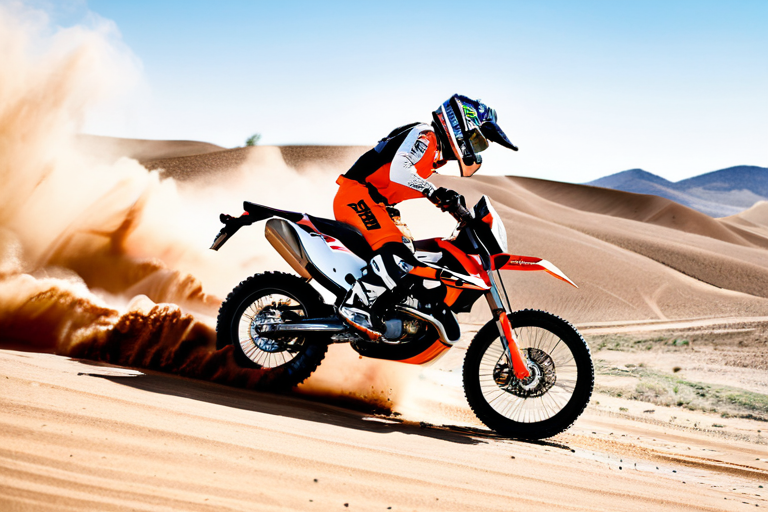
KTM 450 Rally – 18 Dakar bike victories and counting
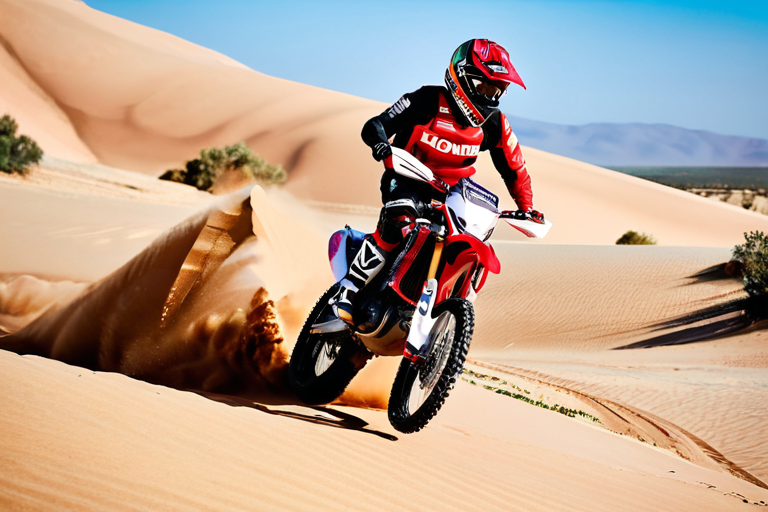
Honda CRF450 Rally – Breaking KTM's dominance since 2020
The motorcycle category tells its own story of manufacturing rivalry. KTM dominated for nearly two decades with 18 consecutive victories until Honda finally broke through in 2020. The battle between Austrian engineering precision and Japanese technological innovation plays out across 8,000km of desert, with both manufacturers constantly evolving their 450cc single-cylinder machines.
KTM's secret weapon? A steel trellis frame offering just the right balance of stiffness and flex for desert punishment. Honda's advantage? Their Unicam engine design provides compact packaging and lower center of gravity. Both manufacturers invest approximately €15 million annually in their Dakar programs, proving that two-wheeled glory matters as much as four.
Kamaz Master: The Trucking Behemoth
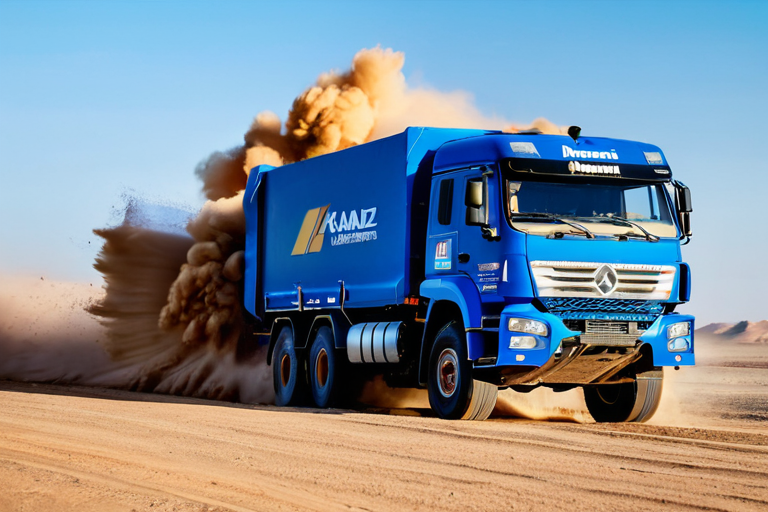
Kamaz 43509 – 20,000km between engine rebuilds
No discussion of Dakar manufacturers is complete without the Russian juggernaut Kamaz Master. With 19 truck category victories, their bright blue behemoths have become Dakar icons. What appears to be a modified production truck is actually a spaceframe chassis with carbon fiber cab, powered by a 13-liter turbo diesel producing 1,100 horsepower and a staggering 5,500 Nm of torque.
Team manager Vladimir Chagin – himself a seven-time Dakar winner – explains their philosophy: "In the truck category, you don't win by being fastest. You win by never stopping." Kamaz trucks are engineered for 20,000km between major overhauls, with suspension components tested to withstand impacts that would destroy lesser vehicles. Their continued dominance demonstrates that sometimes, brute force and reliability trump sophistication.
The Technology Transfer: From Desert to Dealership
Why do manufacturers invest €50-100 million annually in Dakar programs? The answer lies in technological cross-pollination. Toyota's Dakar-developed suspension technology influences their Land Cruiser and Hilux production models. Audi's electric drivetrain cooling solutions will benefit future e-tron road cars. Prodrive's carbon fiber manufacturing techniques have already been licensed to aerospace companies.
"Dakar is our most extreme R&D department," says Toyota Gazoo Racing vice president Shigeki Tomoyama. "What survives 8,000km of desert will survive a million kilometers on normal roads. The correlation is direct and invaluable."
The data collected is staggering: each factory vehicle generates approximately 2TB of data per rally – suspension loads, engine temperatures, GPS positioning, and driver biometrics. This information feeds back into computer simulations, creating virtual testing environments that accelerate development cycles for production vehicles.
The Future: Hydrogen, Automation & Beyond
As the automotive industry evolves, so does Dakar. Toyota has tested hydrogen combustion engines in Hilux prototypes. Audi is developing more efficient energy recovery systems. Red Bull, through its Advanced Technologies division, is experimenting with semi-autonomous navigation systems that could revolutionize rally co-driving.
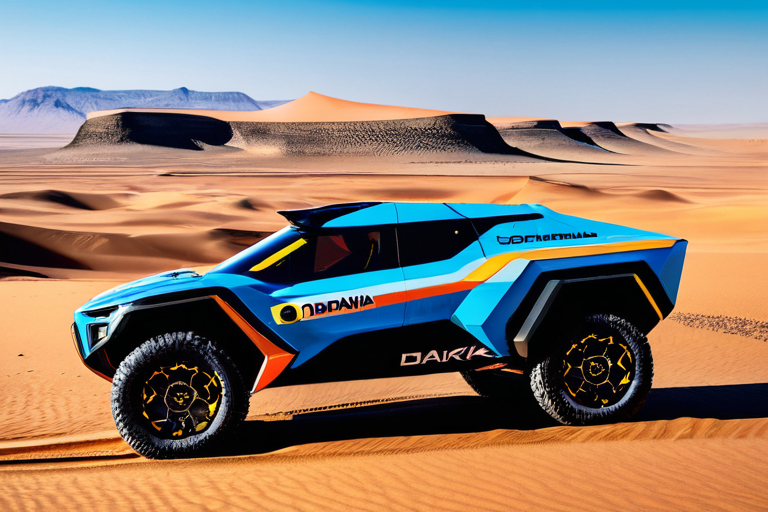
The next generation – Where Dakar technology is heading
The 2025 Dakar will introduce new energy regulations favoring sustainable technologies. Manufacturers are already preparing: Toyota with hydrogen, Audi with advanced battery systems, and new entrants like Ford developing hybrid F-150 Raptor prototypes. The race isn't just about winning stages anymore – it's about winning the technological narrative.
Conclusion: More Than a Race
The Dakar Rally represents the ultimate convergence of motorsport and manufacturing excellence. Each January, automotive titans don't just compete for trophies – they engage in high-speed, high-stakes research that will define the vehicles of tomorrow. From Toyota's relentless reliability to Audi's electric revolution, from KTM's two-wheeled dynasty to Kamaz's trucking dominance, the desert becomes a proving ground where legends are forged in dust and determination.
Manufacturing Impact: Dakar participation typically increases brand consideration by 15-25% in key markets. Toyota reports that Dakar victories correlate directly with Hilux sales increases in Middle Eastern and African markets. Audi's e-tron technology demonstration has accelerated consumer acceptance of electric vehicles in regions previously skeptical of EV capabilities.
Dakar Rally official information: www.dakar.com | Follow manufacturer developments through FIA World Rally-Raid Championship channels