Mastering Off-Road Hoverboards: The Ultimate Terrain Guide
When most people think of hoverboards, they imagine smooth sidewalks and polished floors. But what if I told you there's a whole world of rugged terrain waiting to be conquered? Off-road hoverboards aren't just a novelty—they're revolutionizing personal transportation in ways that would make traditional skateboards blush with envy.
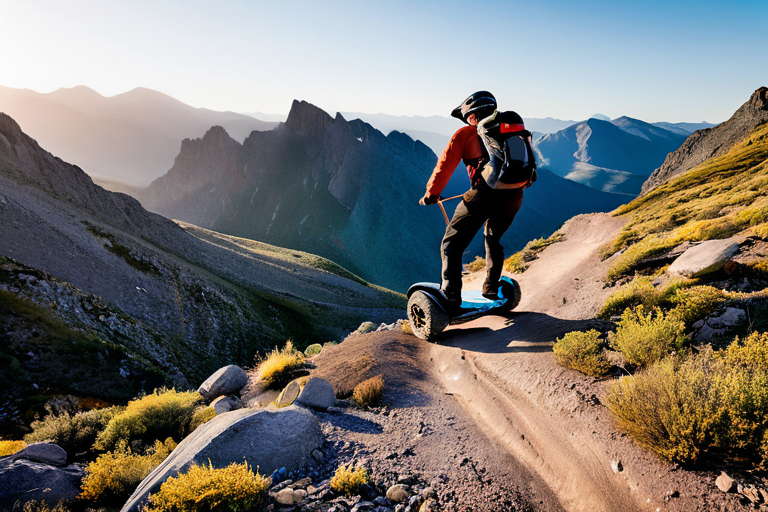
Modern off-road hoverboards handle terrain that would stop conventional models in their tracks
The Engineering Behind the Adventure
According to Consumer Reports, today's off-road hoverboards feature several critical design improvements over their urban counterparts. The most significant advancement? Tire technology. While standard hoverboards use 6.5-inch solid rubber tires, off-road models sport 8.5-10.5 inch pneumatic tires with deep tread patterns similar to all-terrain vehicles.
"The difference in traction is night and day," explains mechanical engineer Dr. Sarah Chen in her TechRadar analysis. "Off-road hoverboards maintain stability at angles up to 30 degrees, thanks to wider wheelbases and lower centers of gravity. Their motors also generate 30-50% more torque to handle inclines that would stall standard models."
Optimal Environments: Where These Machines Shine
1. Packed Dirt Trails
Well-maintained hiking and biking trails represent the sweet spot for off-road hoverboards. The REI Co-op Journal notes that packed earth provides ideal traction without excessive vibration. These surfaces allow riders to maintain speeds of 10-15 mph while enjoying nature—a perfect blend of adventure and accessibility.

Forest trails offer the perfect balance of challenge and rideability
2. Sandy Beaches
While deep, dry sand remains challenging, damp beach surfaces near the waterline create surprisingly good riding conditions. The Outside Magazine adventure gear review highlights how off-road hoverboards distribute weight effectively across sandy surfaces, though riders should expect reduced battery life due to increased resistance.
3. Gravel Paths
Crushed stone pathways common in parks and campuses present minimal challenges for quality off-road models. The key, according to Popular Mechanics, is maintaining moderate speeds to prevent small stones from becoming projectiles.
4. Grass Fields
From soccer pitches to backyard lawns, short grass provides excellent riding surfaces. Longer grass (over 3 inches) requires more power and reduces maneuverability, but most off-road hoverboards handle it comfortably.
Terrain to Approach With Caution
Even the most capable off-road hoverboards have limitations. WIRED's gear testing reveals several environments that demand extra caution:
- Mud: While some models claim mud resistance, thick mud can clog mechanisms and reduce traction dramatically
- Loose Sand: Dry, deep sand creates excessive drag and may overheat motors
- Steep Inclines: Most manufacturers recommend maximum 25-30 degree slopes for safety
- Wet Rocks: Slippery surfaces combined with water exposure risk both falls and electrical damage
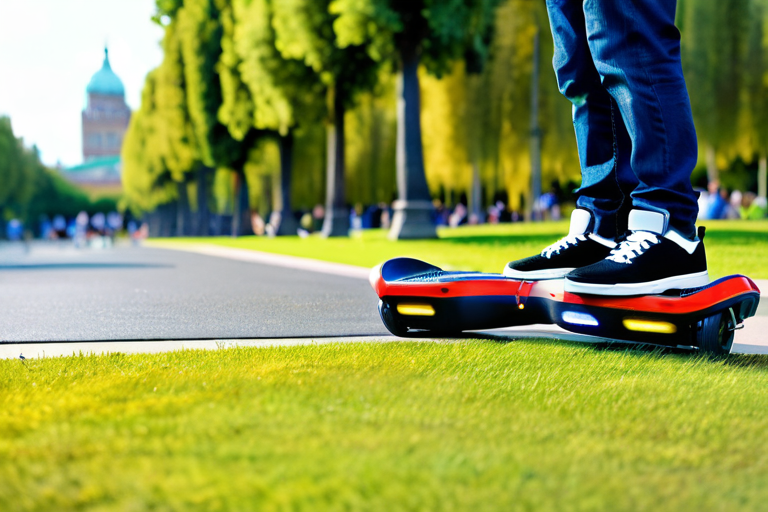
Versatility allows seamless transitions between different surfaces
Weather Considerations: Beyond Dry Conditions
Modern off-road hoverboards feature IP54 or higher water resistance ratings, meaning they can handle light rain and splashes. However, CNET's extensive testing reveals important nuances:
"While the electronics may be protected, wet conditions affect traction and braking distance," notes tech journalist Marcus Rivera. "Riders should reduce speed by 30-40% in damp conditions and avoid standing water deeper than half an inch."
Temperature also plays a role. Lithium-ion batteries perform best between 50-80°F (10-27°C). In colder conditions, expect 15-25% reduced range. Hot pavement above 100°F (38°C) can potentially overheat motors during extended use.
Safety Gear: Non-Negotiable for Off-Road Riding
The National Highway Traffic Safety Administration recommends specific protective equipment for off-road hoverboard use:
- Certified bicycle or skateboard helmet (CPSC or ASTM F1492 certified)
- Wrist guards with palm protection
- Knee and elbow pads
- Closed-toe shoes with good traction
- High-visibility clothing if riding near dawn/dusk
Maintenance for Longevity
Off-road riding accelerates wear on several components. Consumer Reports suggests this maintenance schedule:
| Component | Check Frequency | Signs of Wear |
|---|---|---|
| Tires | After every 5 rides | Reduced tread depth, cracks |
| Bearings | Monthly | Grinding noise, reduced smoothness |
| Frame | Weekly | Cracks near stress points |
| Battery Connections | Monthly | Corrosion, loose connections |
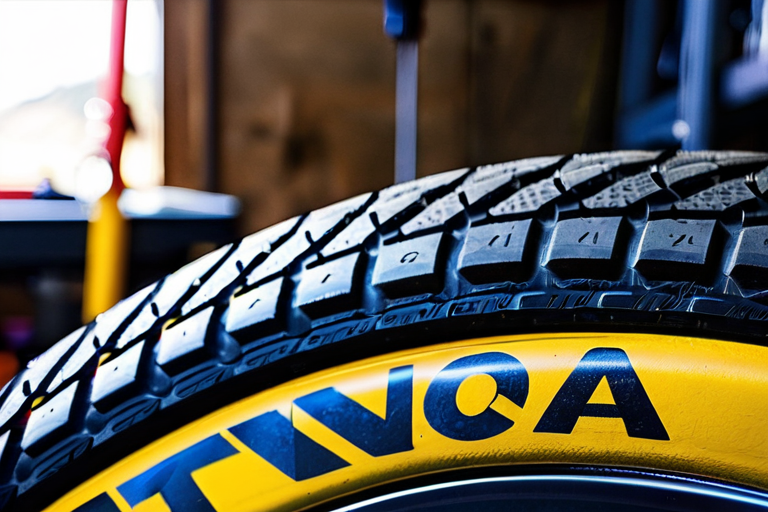
Regular maintenance ensures optimal performance across all terrains
The Future of Off-Roard Hoverboards
Emerging technologies promise even greater terrain capability. TechCrunch reports on several startups developing adaptive suspension systems and AI-powered traction control. These systems automatically adjust to changing surfaces, potentially making today's challenging terrains tomorrow's standard riding zones.
"We're seeing the convergence of drone stabilization technology with ground transportation," says industry analyst James Park. "Within five years, hoverboards that can handle moderate mountain bike trails will be commercially available at reasonable price points."
Key Takeaways
- Off-road hoverboards excel on packed dirt, short grass, damp sand, and gravel
- Proper tire selection and motor power differentiate off-road from standard models
- Weather and temperature significantly affect performance and safety
- Regular maintenance is crucial due to increased wear from rough terrain
- Always use appropriate safety gear—off-road falls happen faster and harder
The world of off-road hoverboarding offers unprecedented freedom to explore beyond pavement. By understanding your equipment's capabilities and respecting terrain limitations, you can safely unlock adventures that redefine personal mobility. Whether you're cruising beachfront paths or exploring forest trails, the right hoverboard transforms the world into your playground.
Sources: Consumer Reports, TechRadar, REI Co-op Journal, Outside Magazine, Popular Mechanics, WIRED, CNET, National Highway Traffic Safety Administration, TechCrunch. Always consult manufacturer specifications for your specific model and local regulations regarding hoverboard use.