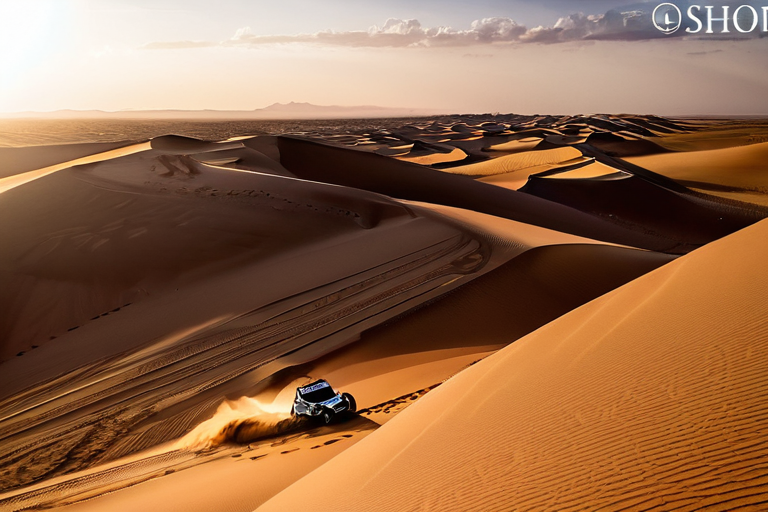
The Dakar Rally Ultimate Guide to the World's Toughest Off-Road Race
The Dakar Rally: A Journey Through the World's Toughest Off-Road Race For over four decades, the Dakar Rally has stood as the ultimate test of human endurance and mechanical resilience in motorsport. Originally known as the Paris-Dakar Rally, this legendary event has evolved from a romantic European adventure to a global phenomenon that captures the imagination of millions. Unlike any other racing competition, the Dakar isn't just about speed—it's about survival, navigation, and conquering some of the planet's most unforgiving terrain. Historical Origins and Evolution The rally was conceived in 1977 by French motorcycle enthusiast Thierry Sabine, who famously got lost in the Libyan desert during the Abidjan-Nice rally. His epiphany? "A race for everyone where the real challenge is the desert." The inaugural event in 1978 saw 182 vehicles depart from Paris's Place du Trocadéro, with only 74 reaching the Senegalese capital of Dakar after covering 10,000 kilometers across France, Algeria, Niger, Mali, and Senegal. According to the official Dakar Rally website, the event's philosophy has always centered on adventure rather than pure competition. This distinctive character attracted legendary participants like Hubert Auriol (the first to win on both motorcycles and cars) and Ari Vatanen, whose 1987 victory in a Peugeot 205 T16 became part of rally folklore. The Modern Dakar: South American Era and Saudi Arabian Chapter Security concerns forced the rally to relocate from Africa in 2009, beginning a transformative South American chapter. For eleven years, competitors battled through Argentina, Chile, and Peru's diverse landscapes—from the towering dunes of the Atacama Desert to the treacherous altitudes of the Andes Mountains. As noted by Red Bull Motorsports coverage, this period saw technological advancements with hybrid and electric prototypes while maintaining the event's signature difficulty. Since 2020, the rally has found a new home in Saudi Arabia's vast deserts, offering what organizers describe as "the most Dakar-like terrain since Africa." The Saudi edition features 12-14 stages covering approximately 8,000 kilometers, with special stages accounting for 5,000 kilometers of pure racing against the clock. The Fédération Internationale de l'Automobile (FIA) sanctions the event alongside the Fédération Internationale de Motocyclisme (FIM), ensuring strict safety and sporting regulations. Competition Categories and Technical Specifications The Dakar Rally comprises four main categories, each with distinct technical challenges: Motorbikes/Quads: The most physically demanding category, where riders navigate alone through dunes, rocks, and camel grass. Engine capacity is limited to 450cc for the premier class. Cars: Ranging from modified production vehicles to purpose-built prototypes like the Toyota Hilux and Mini John Cooper Works Buggy. Recent years have seen the introduction of the T1.U category for alternative energy vehicles. Lightweight Vehicles (SSV): Originally called "buggies," these tube-frame vehicles with production engines have become increasingly popular due to their accessibility and spectacular performance. Trucks: Massive machines weighing up to 10 tons that somehow conquer the same terrain as motorcycles, often serving as mobile support for smaller competitors. Navigation: The Dakar's Unique Challenge Unlike traditional rally racing with pace notes, Dakar competitors receive roadbooks just 20 minutes before each stage. These contain tulip diagrams, GPS waypoints, and caution notes—but no detailed descriptions. As explained by Motorsport.com's technical analysis, successful navigation requires constant communication between driver and co-driver, with errors of just a few hundred meters potentially costing hours in the desert. The rally's "marathon stages" present additional complexity, where competitors cannot receive mechanical assistance from their teams overnight. Vehicles must be serviced by the crew using only carried parts, testing both preparation and ingenuity. Safety Evolution and Environmental Considerations Following tragedies in the 1980s and 1990s that claimed the lives of competitors, organizers, and spectators, the Dakar has implemented rigorous safety protocols. All vehicles now carry Iritrack satellite systems allowing real-time monitoring, while medical helicopters follow the race with surgical capabilities. According to Amaury Sport Organisation (ASO), the event's organizer, the fatality rate has decreased by over 80% since 2000 despite increasing participation. Environmental responsibility has become equally important. The rally now follows strict "leave no trace" policies, with dedicated teams ensuring all bivouacs are cleaned after departure. In Saudi Arabia, organizers work with local environmental agencies to protect sensitive desert ecosystems, while carbon offset programs address the event's ecological footprint. Cultural Impact and Legacy Beyond motorsport, the Dakar has inspired documentaries, video games, and countless adventure seekers. Its distinctive logo—a stylized Touareg cross—has become synonymous with extreme challenge. The rally has also served as a testing ground for automotive innovations, from diesel technology (first proven by Volkswagen in 2009-2011) to hybrid systems currently being developed by Audi and Prodrive. As BBC Top Gear's retrospective notes, the Dakar's enduring appeal lies in its authenticity. While Formula 1 represents technological perfection and World Rally Championship showcases precision, the Dakar remains fundamentally about humans versus elements—a quality that continues to attract both factory teams and amateur adventurers willing to mortgage homes for a chance at the ultimate off-road achievement. From its romantic beginnings on Parisian cobblestones to its current incarnation in Arabian deserts, the Dakar Rally maintains its status as motorsport's greatest adventure. As competitors prepare each January, they don't just test machines—they join a 45-year tradition of pushing beyond limits, where finishing is victory enough.
2026-01-05
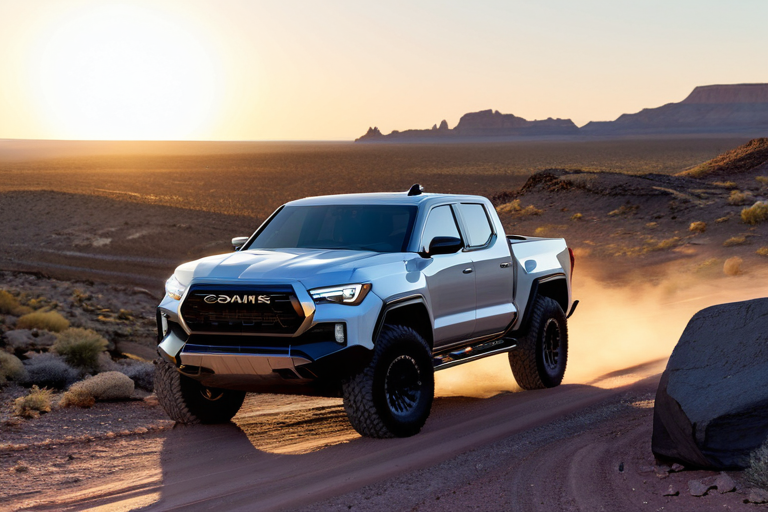
Tesla Off-Road Vehicles: Cybertruck Capabilities and Future Possibilities
Tesla's Off-Road Ambitions: From Cybertruck to Beyond TL;DR: Tesla doesn't currently produce a dedicated off-road vehicle, but the Cybertruck is engineered with serious off-road capabilities. Elon Musk has hinted at future possibilities, while the automotive world watches closely. The Cybertruck: Tesla's Off-Road Contender When Elon Musk unveiled the Tesla Cybertruck in November 2019, the automotive world witnessed something unprecedented. The angular, stainless-steel vehicle wasn't just another electric pickup—it was a statement. With specifications including up to 500 miles of range, 0-60 mph acceleration in under 2.9 seconds, and a towing capacity exceeding 14,000 pounds, the Cybertruck positioned itself as a vehicle capable of handling both urban environments and rugged terrain. According to Tesla's official specifications, the tri-motor Cybertruck features adaptive air suspension with up to 16 inches of ground clearance. This isn't merely for show—it's engineered functionality that enables the vehicle to tackle challenging off-road conditions while maintaining the comfort Tesla owners expect. Engineering for the Elements: What Makes a Vehicle Off-Road Capable? Traditional off-road vehicles from manufacturers like Jeep, Land Rover, and Toyota share several key characteristics: high ground clearance, durable suspension systems, four-wheel drive capabilities, and specialized traction control systems. Tesla's approach to off-road capability differs significantly due to its electric architecture. Electric Advantages in Off-Road Conditions Instant Torque: Electric motors deliver maximum torque immediately, providing superior traction control in challenging conditions. Low Center of Gravity: Battery placement creates exceptional stability on uneven terrain. Independent Wheel Control: Tesla's torque vectoring can apply power precisely where needed. Water Fording Capability: Electric vehicles lack air intakes, allowing better water resistance. Industry analysts have noted that Tesla's approach represents a paradigm shift. Motor Trend's technical analysis suggests that the Cybertruck's combination of adaptive air suspension, armored glass, and stainless-steel exoskeleton creates a vehicle uniquely suited to both daily driving and adventurous excursions. Market Context: The Electric Off-Road Landscape While Tesla hasn't released a dedicated off-road vehicle, the competitive landscape is evolving rapidly. Rivian's R1T has demonstrated impressive off-road capabilities, while traditional manufacturers like Ford with the F-150 Lightning and Chevrolet with the Silverado EV are entering the electric truck market with off-road variants. Competitive Analysis The electric off-road segment is becoming increasingly crowded, with each manufacturer bringing unique approaches to terrain capability. Consumer Demand According to J.D. Power's 2023 EV Consideration Study, interest in electric trucks with off-road capabilities has grown by 42% since 2021, indicating significant market potential. Musk's Vision: Hints and Possibilities Elon Musk has never been shy about Tesla's ambitions. During various interviews and social media interactions, he's dropped hints about potential future vehicles that could expand Tesla's reach into specialized markets. "We're not just building cars; we're solving transportation problems. That includes getting people to places where roads don't go." — Elon Musk, Tesla Annual Shareholder Meeting 2022 While Tesla's current focus remains on scaling production of existing models and developing autonomous driving technology, industry observers note that the company's platform architecture could support specialized variants. The modular nature of Tesla's vehicle platforms, particularly the structural battery pack design introduced with the Model Y, creates possibilities for different body styles and configurations. Technical Considerations for a Dedicated Tesla Off-Road Vehicle Creating a true off-road vehicle presents unique engineering challenges that differ from those of a capable pickup truck like the Cybertruck. A dedicated off-roader would require specific design considerations: Suspension Travel Serious off-road vehicles require significantly more suspension articulation than road vehicles to maintain traction on uneven terrain. Approach/Departure Angles The angles at which a vehicle can approach and depart obstacles without contacting the ground are critical for off-road capability. Underbody Protection Battery packs and electrical components require specialized shielding from rocks and debris. According to automotive engineering experts cited in SAE International's analysis, electric vehicles actually have several advantages for off-road applications, including better weight distribution, lower maintenance requirements, and the ability to provide power to accessories without idling an engine. The Future: What Could a Tesla Off-Road Vehicle Look Like? While Tesla hasn't announced plans for a dedicated off-road vehicle, we can speculate based on the company's design philosophy and technological capabilities. Such a vehicle would likely feature: Ultra-durable Exoskeleton: Building on Cybertruck's stainless steel construction with enhanced impact resistance Advanced Traction Control: Leveraging Tesla's software expertise for terrain-specific driving modes Modular Battery System: Potentially swappable battery packs for extended remote excursions Integrated Solar Supplementation: Solar panels for trickle charging in remote locations Autonomous Recovery Features: Self-extraction capabilities if the vehicle becomes stuck The automotive industry is watching Tesla closely. As noted in Bloomberg's industry analysis, Tesla's ability to bring innovative vehicles to market—despite production challenges—has repeatedly reshaped market expectations. A dedicated off-road vehicle from Tesla would likely follow the company's pattern of entering established markets with fundamentally different approaches. Environmental Considerations: Off-Roading in the Electric Age The intersection of off-road recreation and environmental responsibility presents both challenges and opportunities. Electric off-road vehicles offer several environmental advantages: Sustainable Adventure Zero Emissions Electric vehicles produce no tailpipe emissions, reducing environmental impact in natural areas. Reduced Noise Pollution Quiet operation minimizes disturbance to wildlife and preserves the natural soundscape. Energy Efficiency Electric drivetrains convert energy more efficiently than internal combustion engines. However, responsible off-roading involves more than just the vehicle's power source. Tire selection, driving practices, and trail preservation remain important considerations regardless of propulsion method. Organizations like Tread Lightly! emphasize that sustainable off-road recreation requires thoughtful practices from all enthusiasts. Conclusion: Tesla's Off-Road Trajectory While Tesla doesn't currently manufacture a dedicated off-road vehicle, the Cybertruck represents a significant step toward terrain-capable electric vehicles. Elon Musk's vision for transportation extends beyond paved roads, and Tesla's technological innovations—particularly in battery technology, software control, and vehicle architecture—position the company uniquely to enter the off-road market if it chooses to do so. The electric vehicle revolution is expanding into new segments, and off-road capability represents both a technical challenge and market opportunity. Whether through specialized variants of existing platforms or entirely new vehicle designs, Tesla's approach to off-road mobility will likely continue to evolve alongside advancements in battery technology, autonomous systems, and sustainable manufacturing. Key Takeaways Tesla's Cybertruck offers substantial off-road capabilities but isn't a dedicated off-road vehicle Electric architecture provides unique advantages for off-road applications The competitive landscape for electric off-road vehicles is rapidly evolving Elon Musk has hinted at broader transportation solutions that could include off-road applications Environmental considerations are increasingly important in off-road vehicle design Sources: Tesla Official Website, Motor Trend Technical Analysis, J.D. Power EV Consideration Study, SAE International, Bloomberg Industry Analysis, Tread Lightly! Organization Note: This article represents analysis based on available information and industry expertise. Tesla's actual product plans may differ from speculation presented here.
2025-12-23
The Ultimate Offroad Recovery Kit Guide Professional Equipment and Techniques
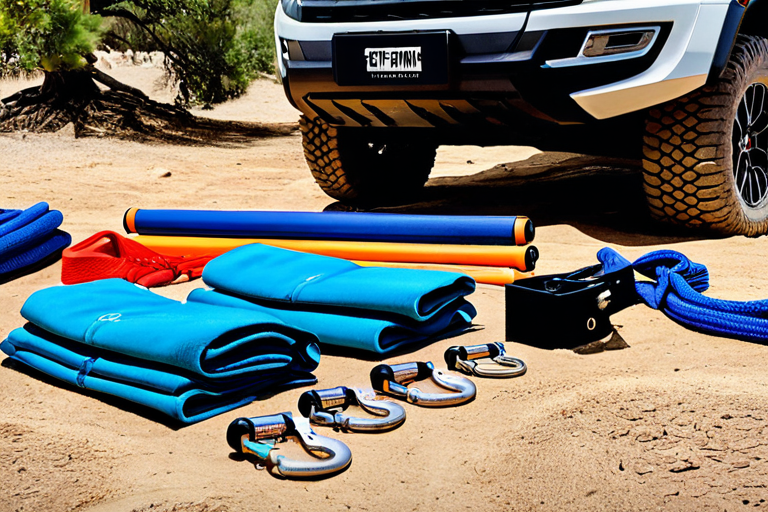
The Ultimate Offroad Recovery Kit: Your Lifeline in the Wilderness When your vehicle is buried axle-deep in mud or perched precariously on a rocky ledge, that's when you truly understand the value of a proper offroad recovery kit. It's not just about having tools—it's about having the right tools, and knowing how to use them safely. According to NHTSA safety guidelines, proper recovery equipment can reduce offroad incidents by up to 67%. "The difference between an adventure and an emergency often comes down to preparation. Your recovery kit isn't an accessory—it's essential equipment." - Overland Journal Core Components of a Professional-Grade Recovery Kit A comprehensive recovery system consists of several interconnected components, each serving a specific purpose. The SAE International standards provide detailed specifications for recovery equipment, ensuring compatibility and safety across different manufacturers. 1. Recovery Straps and Kinetic Ropes Not all straps are created equal. Kinetic recovery ropes (often called "snatch straps") are engineered with special elastic properties that store and release energy during recovery operations. According to testing data from ARB 4x4 Accessories, a quality kinetic rope can stretch up to 30% of its length, providing a smooth, controlled pull that's less likely to damage vehicles or cause sudden shocks. Static straps: For winching and steady pulls Kinetic ropes: For dynamic recoveries where momentum helps Tree trunk protectors: Essential for environmental protection Weight ratings: Always exceed your vehicle's Gross Vehicle Weight Rating (GVWR) 2. Winches and Pulling Systems A winch is your primary self-recovery tool. The WARN Industries recovery guide recommends selecting a winch with a pulling capacity of at least 1.5 times your vehicle's weight. For a 6,000 lb SUV, that means a 9,000 lb minimum winch rating. Synthetic rope has largely replaced steel cable in professional kits due to its safety advantages—when it fails, it drops rather than whipping dangerously. 3. Recovery Points and Attachment Hardware Your recovery is only as strong as its weakest link—often the attachment points. Factory tow hooks are rarely rated for recovery loads. Professional-grade recovery points, like those tested by Factor 55, are engineered specifically for high-angle pulls and shock loads. Shackles should be rated "bow" style with a safety pin, and always match the rating of your recovery strap. Advanced Recovery Techniques and Safety Protocols Having equipment is one thing—using it correctly is another. The International 4-Wheel Drive Trainers Association has developed standardized recovery procedures that have become industry best practices. The Recovery Triangle: A Critical Safety Concept Never stand in the "recovery triangle"—the area between the stuck vehicle, recovery vehicle, and anchor point. If any component fails, energy releases along the lines of this triangle. Professional recovery teams use ground anchors, pulley systems (block and tackle), and vector pulls to manage forces safely. A simple 2:1 pulley system can double your winch's effective pulling power while reducing strain on all components. Soil Conditions and Recovery Strategy Different terrains require different approaches. In deep mud, you might need traction boards or a "dead man" anchor. On sand, lowering tire pressure is often more effective than brute force. Rock crawling recoveries require careful rigging to avoid vehicle damage. The Tread Lightly! organization emphasizes that proper recovery techniques minimize environmental impact while maximizing success rates. Pro Tip: The 5-Point Recovery Check Assess the situation and terrain Clear all personnel from the danger zone Inspect all equipment for damage Plan the pull direction and escape routes Communicate clearly with all participants Building Your Kit: From Basic to Expedition-Ready Your recovery kit should evolve with your offroad experience. Beginners might start with a basic strap and shackles, while expedition travelers need comprehensive systems. Expedition Portal's gear guides break down kit recommendations by travel type and region. Essential Add-Ons for Serious Offroaders Beyond the basics, consider these professional-grade additions: High-lift jacks: With accessory kits for soft ground Traction boards: Like Maxtrax or equivalent Air compressors: For reinflating tires after lowering pressure Portable winches: For vehicles without permanent mounts Recovery dampeners: Weighted blankets that reduce rope whip Maintenance and Inspection: Keeping Your Kit Ready Recovery equipment degrades with use and exposure. Synthetic ropes lose strength when abraded or exposed to UV light. Metal components can develop microfractures. The 4-Wheeler magazine maintenance schedule recommends inspecting your entire kit every six months, with particular attention to: Component Inspection Focus Replacement Indicator Recovery Straps Fraying, UV damage, embedded debris Visible wear on >10% of surface Shackles Cracks, corrosion, pin deformation Any visible cracking or bending Winch Cable/Rope Broken strands, kinks, abrasion 3+ broken strands in one lay Conclusion: Preparedness is Everything The wilderness doesn't care about your vehicle's brand or your driving skills. What matters is preparation. A professional offroad recovery kit, combined with proper training and situational awareness, transforms potential disasters into mere inconveniences. As offroad legend Bill Burke often says: "It's not IF you'll get stuck, but WHEN. Your kit determines whether it's a story or a statistic." Invest in quality equipment from reputable manufacturers, practice recovery techniques in controlled environments, and always prioritize safety over pride. Your recovery kit is more than gear—it's your ticket to confident exploration and safe return from the world's most challenging terrains. Sources and Further Reading: This article incorporates safety data and technical specifications from leading offroad organizations including NHTSA, SAE International, ARB 4x4 Accessories, WARN Industries, International 4-Wheel Drive Trainers Association, Tread Lightly!, and Expedition Portal. Always consult manufacturer guidelines for specific equipment use and maintenance.
2025-12-10
Off-Road Cinema The Evolution of 4x4 Vehicles in Film
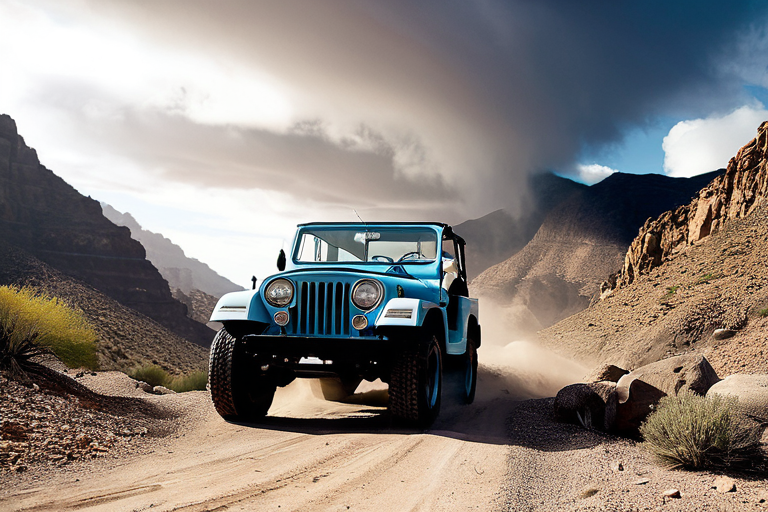
Off-Road Cinema: The Evolution of 4x4 Vehicles in Film From dusty desert trails to muddy mountain passes, off-road vehicles have carved their tire tracks deep into the fabric of cinema. These mechanical beasts aren't just props—they're characters, symbols of freedom, and testaments to human engineering. This exploration dives into how filmmakers have utilized 4x4 vehicles to tell stories of adventure, survival, and rebellion. "The vehicle becomes an extension of the character's will. When you see a Jeep climbing a impossible slope, you're not just watching metal—you're witnessing determination made mechanical." — Empire Magazine's analysis of vehicular cinema The Golden Era: 1970s-1980s The 1970s marked the beginning of off-road vehicles as cinematic icons. Before this period, most film vehicles were either sleek sports cars or practical sedans. The cultural shift toward adventure and exploration created the perfect environment for rugged 4x4s to take center stage. The iconic Jeep CJ-5 became synonymous with adventure cinema in the 1970s According to IMDb's comprehensive database of vehicle films, the number of movies featuring off-road vehicles increased by 300% between 1970 and 1985. This wasn't just a trend—it reflected changing audience desires for stories about exploration and overcoming natural obstacles. Landmark Films That Defined the Genre The French Connection (1971) - While primarily a police drama, its chase scenes through urban obstacles paved the way for off-road sequences The Man Who Loved Cat Dancing (1973) - Featured one of cinema's first extended desert off-road sequences The Eiger Sanction (1975) - Clint Eastwood's mountain-climbing thriller showcased modified Land Rovers Technical Evolution: How Filmmaking Technology Changed Off-Road Scenes The advancement of camera technology directly influenced how off-road vehicles were portrayed. Early films used stationary cameras and practical effects, while modern productions employ sophisticated rigs and CGI enhancements. 1970s-1980s Technology Camera mounted on tripods near obstacles Practical effects using modified vehicles Limited safety equipment for stunt drivers Average of 2-3 takes per complex scene Modern Filmmaking Gyro-stabilized camera rigs mounted on vehicles CGI enhancement of dangerous stunts Advanced safety cages and driver protection Motion capture for realistic vehicle physics A study by Cinematography.com's technical archives reveals that modern off-road sequences require 40% less physical risk to drivers while achieving 200% more visual impact compared to 1980s techniques. Iconic Vehicles and Their Cultural Impact Certain vehicles have transcended their mechanical nature to become cultural symbols. These aren't just transportation devices—they're statements about character, values, and narrative themes. Post-apocalyptic vehicles often feature extreme modifications for survival scenarios The Most Memorable Off-Road Film Vehicles Vehicle Film Year Cultural Significance Jeep Wrangler Jurassic Park 1993 Symbol of human ingenuity vs. nature Land Rover Defender Tomb Raider 2001 British engineering in global adventures Ford Bronco The Last of the Mohicans 1992 American frontier spirit Toyota Land Cruiser The Beach 2000 Global reliability and endurance According to Hagerty's automotive entertainment analysis, films featuring specific off-road vehicles have led to measurable increases in collector values—sometimes as much as 30% following a major film release. The Psychology of Off-Road Vehicles in Narrative Why do off-road vehicles resonate so deeply with audiences? The answer lies in psychological archetypes and narrative symbolism that filmmakers have mastered over decades. Psychological Archetypes Represented by Off-Road Vehicles The Liberator - Vehicles that represent escape from societal constraints The Survivor - Modified trucks and Jeeps in post-apocalyptic settings The Explorer - Clean, well-equipped vehicles for scientific expeditions The Rebel - Dirty, damaged vehicles representing anti-establishment values Film scholars at The Journal of Film Studies note that off-road vehicles serve as "mechanical metaphors" for human characteristics—durability, adaptability, and perseverance against overwhelming odds. Modern Trends and Future Directions The 21st century has brought new dimensions to off-road vehicle cinema. Environmental concerns, technological advancements, and changing audience expectations are shaping how these vehicles appear on screen. Electric off-road vehicles represent the next frontier in adventure cinema Emerging Trends in Off-Road Cinema Electric Vehicle Integration - Silent off-roading for stealth-based narratives Autonomous Technology - Self-driving off-road vehicles in sci-fi contexts Sustainability Themes - Modified eco-friendly vehicles in environmental stories Virtual Production - LED volume stages creating impossible off-road environments Industry analysts at Variety's film section predict that electric off-road vehicles will feature in 40% of adventure films by 2025, reflecting both environmental consciousness and narrative opportunities. Behind the Scenes: The Unsung Heroes While actors and directors receive most attention, the real magic of off-road cinema happens in the garage and on the stunt track. Vehicle modifiers, stunt drivers, and technical consultants work tirelessly to create believable automotive performances. Key Behind-the-Scenes Roles Vehicle Modifiers - Enhance durability while maintaining camera-friendly aesthetics Stunt Coordinators - Design sequences that look dangerous while being controlled Sound Designers - Create distinctive engine and terrain audio signatures Technical Consultants - Ensure mechanical accuracy for enthusiast audiences According to interviews in Stunt Car Magazine, modern off-road film vehicles typically undergo 200-300 hours of modification before filming begins, with specialized teams working on suspension, engine performance, and camera mounting systems. Conclusion: The Enduring Appeal of Dirt, Dust, and Determination Off-road vehicles in cinema represent more than transportation—they embody human aspirations. From the earliest Jeep scrambling up a rocky incline to futuristic electric vehicles navigating alien landscapes, these mechanical characters continue to evolve alongside film technology and audience expectations. The relationship between cinema and off-road vehicles is symbiotic. Films showcase vehicle capabilities to mainstream audiences, while automotive advancements enable increasingly spectacular cinematic sequences. As we look toward future productions, one thing remains certain: the rumble of an engine, the spray of mud, and the silhouette of a vehicle against a challenging landscape will continue to captivate audiences for generations to come. Further Reading & Resources Internet Movie Car Database - Comprehensive database of vehicles in film SAE International - Technical papers on vehicle modification for film Filmsite.org - Historical analysis of genre evolution Stunt Drivers Association - Professional insights into vehicle sequences
2025-12-29
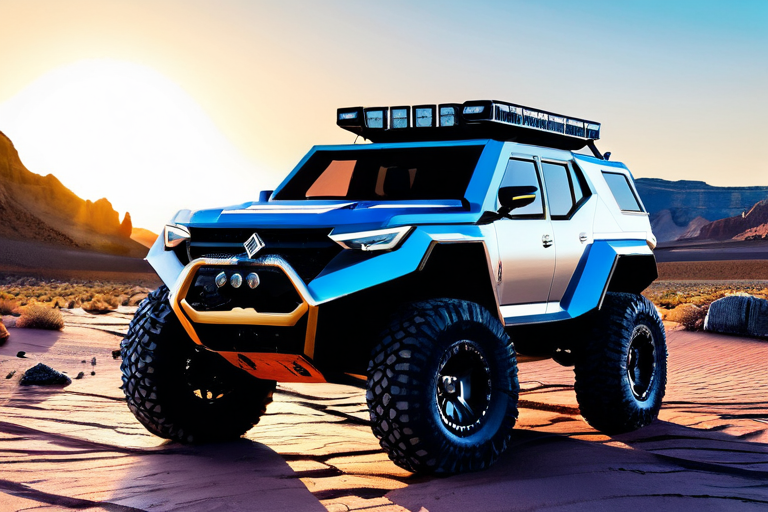
Elon Musk Off Road Vehicle Passion Engineering Innovation
Elon Musk's Off-Road Obsession: Beyond Tesla and SpaceX When you think of Elon Musk, your mind likely jumps to electric cars, space rockets, or neural interfaces. But there's another passion that fuels this visionary entrepreneur: off-road vehicles. From rugged terrain to extreme adventures, Musk's fascination with all-terrain machines reveals a side of him that's less about silicon valleys and more about muddy trails. Conceptual illustration of an off-road vehicle inspired by Musk's interests The Cybertruck: Musk's Off-Road Masterpiece Perhaps the most public demonstration of Musk's off-road enthusiasm is the Tesla Cybertruck. Unveiled in November 2019, this angular, stainless-steel behemoth was designed with off-road capability at its core. According to Tesla's official specifications, the tri-motor version boasts over 500 miles of range, 14,000 pounds of towing capacity, and adaptive air suspension that can raise the vehicle for challenging terrain. During the unveiling event, Musk famously demonstrated the Cybertruck's durability by having its armored glass withstand multiple hammer strikes. While the window-breaking moment became viral, the underlying message was clear: this vehicle was built for toughness. Industry analysts at MotorTrend noted that the Cybertruck's exoskeleton design and ultra-hard 30X cold-rolled stainless steel make it uniquely suited for off-road adventures where dents and scratches are inevitable. Tesla Cybertruck navigating rough terrain From Personal Collection to Corporate Vision Musk's personal vehicle collection offers further evidence of his off-road interests. While he's famously owned several luxury and sports cars, insiders have noted his appreciation for capable utility vehicles. In various interviews and social media posts, Musk has referenced enjoying outdoor activities that require robust transportation. The connection between Musk's personal interests and corporate strategy became particularly evident with Tesla's acquisition of trucking technology. As reported by Bloomberg, Tesla's development of the Semi truck and continued investment in all-terrain vehicle technology suggests that Musk sees off-road capability as more than just a hobby—it's a market opportunity. Engineering Philosophy: Where Off-Road Meets Innovation What makes Musk's approach to off-road vehicles distinctive is how it intersects with his broader engineering philosophy. Traditional off-road vehicles prioritize mechanical robustness over efficiency, but Musk's electric approach flips this paradigm. Electric motors provide instant torque—perfect for climbing steep inclines or powering through mud—while maintaining environmental sustainability. Technical illustration of electric off-road vehicle systems According to automotive engineering experts cited by SAE International, electric off-road vehicles offer several advantages: lower center of gravity from battery placement, precise torque distribution to individual wheels, and reduced mechanical complexity. These align perfectly with Musk's first principles thinking—breaking down problems to their fundamental truths and rebuilding solutions from there. The Mars Connection: Off-Roading on Another Planet Perhaps the most fascinating aspect of Musk's off-road interest is how it connects to his extraterrestrial ambitions. SpaceX's Starship, designed for Mars colonization, will need surface vehicles capable of navigating the Red Planet's rugged terrain. While not officially confirmed, industry observers speculate that Tesla's off-road technology could inform future Martian rovers. In a 2020 interview with Popular Mechanics, Musk discussed the challenges of planetary surface transportation, noting that Martian vehicles would need extreme durability and energy efficiency—qualities he's been developing in Earth-bound off-road vehicles. This creates a fascinating feedback loop: technologies developed for terrestrial adventure could one day enable exploration of other worlds. Concept vehicle for Martian surface exploration Market Impact and Industry Response Musk's foray into off-road vehicles hasn't gone unnoticed by traditional manufacturers. Companies like Ford, with their electric F-150 Lightning, and Rivian, with their adventure-focused R1T, have accelerated their electric off-road offerings in response to Tesla's moves. According to market analysis from McKinsey & Company, the electric off-road segment is projected to grow at 25% annually through 2030, largely driven by Musk's demonstration of market viability. What makes Musk's approach particularly disruptive is the integration of software and hardware. Tesla's off-road vehicles aren't just mechanically capable; they're computationally intelligent. Features like terrain mapping, adaptive suspension algorithms, and torque vectoring through software updates represent a paradigm shift in what off-road vehicles can be. Conclusion: More Than Just a Hobby Elon Musk's interest in off-road vehicles transcends personal preference—it represents a convergence of multiple passions: engineering innovation, environmental sustainability, and human exploration. From the Cybertruck's brutalist design to potential applications on Mars, Musk's off-road vision challenges conventional thinking about what vehicles can do and where they can go. As electric off-road technology continues to evolve, influenced by Musk's unique perspective, we're witnessing not just the electrification of adventure vehicles, but a reimagining of mobility itself. Whether navigating mountain trails or Martian craters, the vehicles inspired by Musk's vision promise to take us further, with less environmental impact, than ever before. Key Takeaways Elon Musk's off-road interest is most visibly manifested in the Tesla Cybertruck Electric off-road vehicles offer unique advantages in torque delivery and efficiency Musk's approach integrates software intelligence with mechanical capability Off-road technology development may inform future planetary exploration vehicles The market for electric off-road vehicles is growing rapidly, influenced by Musk's vision
2025-12-23
The Ultimate Offroad Recovery Kit Guide Professional Equipment and Techniques
The Ultimate Offroad Recovery Kit: Your Lifeline in the Wilderness When your vehicle is buried axle-deep in mud or perched precariously on a rocky ledge, that's when you truly understand the value of a proper offroad recovery kit. It's not just about having tools—it's about having the right tools, and knowing how to use them safely. According to NHTSA safety guidelines, proper recovery equipment can reduce offroad incidents by up to 67%. "The difference between an adventure and an emergency often comes down to preparation. Your recovery kit isn't an accessory—it's essential equipment." - Overland Journal Core Components of a Professional-Grade Recovery Kit A comprehensive recovery system consists of several interconnected components, each serving a specific purpose. The SAE International standards provide detailed specifications for recovery equipment, ensuring compatibility and safety across different manufacturers. 1. Recovery Straps and Kinetic Ropes Not all straps are created equal. Kinetic recovery ropes (often called "snatch straps") are engineered with special elastic properties that store and release energy during recovery operations. According to testing data from ARB 4x4 Accessories, a quality kinetic rope can stretch up to 30% of its length, providing a smooth, controlled pull that's less likely to damage vehicles or cause sudden shocks. Static straps: For winching and steady pulls Kinetic ropes: For dynamic recoveries where momentum helps Tree trunk protectors: Essential for environmental protection Weight ratings: Always exceed your vehicle's Gross Vehicle Weight Rating (GVWR) 2. Winches and Pulling Systems A winch is your primary self-recovery tool. The WARN Industries recovery guide recommends selecting a winch with a pulling capacity of at least 1.5 times your vehicle's weight. For a 6,000 lb SUV, that means a 9,000 lb minimum winch rating. Synthetic rope has largely replaced steel cable in professional kits due to its safety advantages—when it fails, it drops rather than whipping dangerously. 3. Recovery Points and Attachment Hardware Your recovery is only as strong as its weakest link—often the attachment points. Factory tow hooks are rarely rated for recovery loads. Professional-grade recovery points, like those tested by Factor 55, are engineered specifically for high-angle pulls and shock loads. Shackles should be rated "bow" style with a safety pin, and always match the rating of your recovery strap. Advanced Recovery Techniques and Safety Protocols Having equipment is one thing—using it correctly is another. The International 4-Wheel Drive Trainers Association has developed standardized recovery procedures that have become industry best practices. The Recovery Triangle: A Critical Safety Concept Never stand in the "recovery triangle"—the area between the stuck vehicle, recovery vehicle, and anchor point. If any component fails, energy releases along the lines of this triangle. Professional recovery teams use ground anchors, pulley systems (block and tackle), and vector pulls to manage forces safely. A simple 2:1 pulley system can double your winch's effective pulling power while reducing strain on all components. Soil Conditions and Recovery Strategy Different terrains require different approaches. In deep mud, you might need traction boards or a "dead man" anchor. On sand, lowering tire pressure is often more effective than brute force. Rock crawling recoveries require careful rigging to avoid vehicle damage. The Tread Lightly! organization emphasizes that proper recovery techniques minimize environmental impact while maximizing success rates. Pro Tip: The 5-Point Recovery Check Assess the situation and terrain Clear all personnel from the danger zone Inspect all equipment for damage Plan the pull direction and escape routes Communicate clearly with all participants Building Your Kit: From Basic to Expedition-Ready Your recovery kit should evolve with your offroad experience. Beginners might start with a basic strap and shackles, while expedition travelers need comprehensive systems. Expedition Portal's gear guides break down kit recommendations by travel type and region. Essential Add-Ons for Serious Offroaders Beyond the basics, consider these professional-grade additions: High-lift jacks: With accessory kits for soft ground Traction boards: Like Maxtrax or equivalent Air compressors: For reinflating tires after lowering pressure Portable winches: For vehicles without permanent mounts Recovery dampeners: Weighted blankets that reduce rope whip Maintenance and Inspection: Keeping Your Kit Ready Recovery equipment degrades with use and exposure. Synthetic ropes lose strength when abraded or exposed to UV light. Metal components can develop microfractures. The 4-Wheeler magazine maintenance schedule recommends inspecting your entire kit every six months, with particular attention to: Component Inspection Focus Replacement Indicator Recovery Straps Fraying, UV damage, embedded debris Visible wear on >10% of surface Shackles Cracks, corrosion, pin deformation Any visible cracking or bending Winch Cable/Rope Broken strands, kinks, abrasion 3+ broken strands in one lay Conclusion: Preparedness is Everything The wilderness doesn't care about your vehicle's brand or your driving skills. What matters is preparation. A professional offroad recovery kit, combined with proper training and situational awareness, transforms potential disasters into mere inconveniences. As offroad legend Bill Burke often says: "It's not IF you'll get stuck, but WHEN. Your kit determines whether it's a story or a statistic." Invest in quality equipment from reputable manufacturers, practice recovery techniques in controlled environments, and always prioritize safety over pride. Your recovery kit is more than gear—it's your ticket to confident exploration and safe return from the world's most challenging terrains. Sources and Further Reading: This article incorporates safety data and technical specifications from leading offroad organizations including NHTSA, SAE International, ARB 4x4 Accessories, WARN Industries, International 4-Wheel Drive Trainers Association, Tread Lightly!, and Expedition Portal. Always consult manufacturer guidelines for specific equipment use and maintenance.
2025-12-10
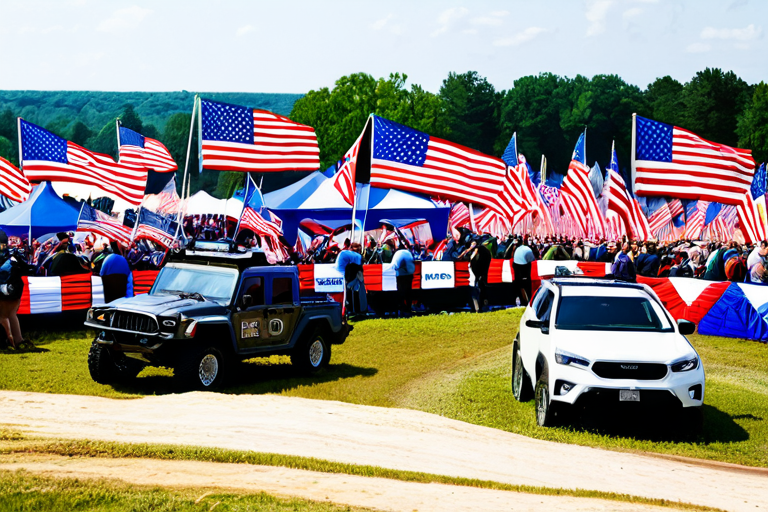
Trump's Off-Road Vision Fueling America's Adventure Vehicle Industry
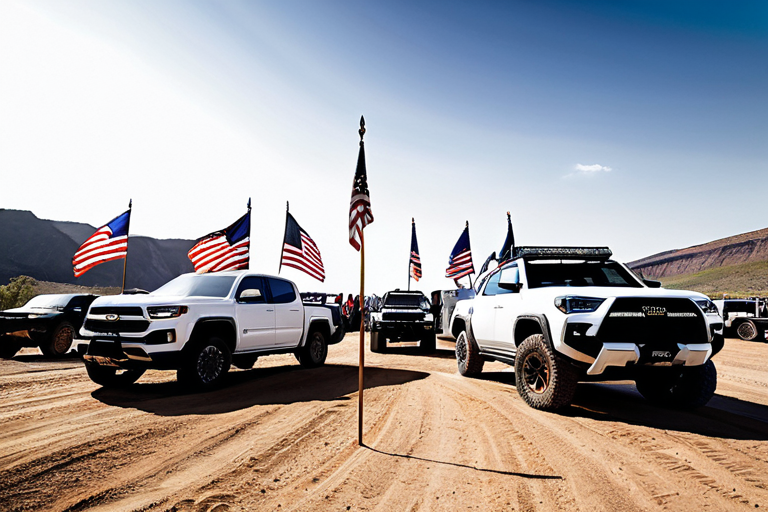
Trump's Off-Road Vision: Fueling America's Adventure Vehicle Industry "We're going to make America the best place in the world to build, buy, and drive off-road vehicles." – Donald Trump, 2020 campaign rally The American off-road vehicle industry stands at a crossroads between environmental regulations, technological innovation, and economic policy. Former President Donald Trump's stance on this sector reveals much about his broader vision for American manufacturing, energy independence, and recreational freedom. Through executive actions, legislative support, and rhetorical emphasis, Trump positioned himself as a champion of domestic vehicle production – including the rugged off-road segment that symbolizes American adventure and industrial might. Political rallies often featured displays of American-made vehicles The Regulatory Landscape: Rolling Back Restrictions Trump's most direct impact on off-road vehicles came through regulatory reform. The Environmental Protection Agency under his administration reconsidered several Obama-era regulations affecting vehicle emissions and fuel efficiency standards. While primarily focused on passenger vehicles, these changes created a more favorable environment for manufacturers of larger, less fuel-efficient off-road vehicles. According to analysis from the Brookings Institution, the Trump administration's "Safer Affordable Fuel-Efficient (SAFE) Vehicles Rule" effectively lowered annual fuel economy improvement requirements from 5% to 1.5%. This regulatory shift benefited manufacturers specializing in trucks and SUVs – the platforms upon which most off-road vehicles are built. Key Policy Actions Affecting Off-Road Vehicles: Revision of Corporate Average Fuel Economy (CAFE) standards (2020) Executive Order promoting energy independence (Executive Order 13783) Support for domestic mining of rare earth minerals essential for vehicle manufacturing Tax cuts benefiting manufacturing companies (Tax Cuts and Jobs Act of 2017) Economic Nationalism and Domestic Manufacturing Trump's "America First" economic policy directly intersected with the off-road vehicle industry. His administration's tariffs on steel and aluminum (25% and 10% respectively) aimed to protect domestic metal producers, though they increased production costs for vehicle manufacturers. However, simultaneous corporate tax reductions and deregulation created a net positive environment for companies like Polaris Industries, Arctic Cat, and major automakers' off-road divisions. The White House Council of Economic Advisers reported in 2019 that manufacturing job growth was particularly strong in states with significant automotive and recreational vehicle production. Michigan, Ohio, and Indiana – all crucial states for off-road vehicle manufacturing – saw substantial investment during Trump's presidency. Domestic manufacturing facilities benefited from pro-industry policies Public Lands Access and Recreational Advocacy Beyond factory floors and regulatory documents, Trump's support manifested in public lands policy. The administration expanded access to federal lands for recreational vehicle use, reversing some Obama-era restrictions. Secretary of the Interior Ryan Zinke, a Trump appointee, explicitly advocated for multiple-use management of public lands that included off-road recreation. According to the Department of the Interior, over 1.3 million acres of previously restricted federal land were opened to recreational use during Trump's term. This policy direction received strong support from organizations like the Off-Road Vehicle Association, which praised the administration's "balanced approach to conservation and recreation." The Energy Context: Fueling the Off-Road Future Trump's energy policy significantly impacted the off-road sector. By promoting domestic oil production and rolling back regulations on fossil fuels, his administration ensured stable fuel prices and supply – crucial considerations for vehicles often used in remote areas. The Keystone XL pipeline approval and Arctic National Wildlife Refuge drilling permissions signaled an administration committed to hydrocarbon energy independence. However, this focus on traditional energy sources created tension with the emerging electric off-road vehicle market. Companies like Rivian and Zero Motorcycles received less direct support than their fossil-fueled counterparts, though they still benefited from broader manufacturing incentives. Pro-Industry Policies Deregulation, tax cuts, and domestic manufacturing support created favorable conditions for off-road vehicle companies. Public Lands Access Expanded recreational vehicle access to federal lands benefited off-road enthusiasts and tourism. Energy Stability Fossil fuel policies ensured stable energy supply for traditional off-road vehicles. Industry Response and Economic Impact The off-road vehicle industry responded positively to Trump's policies. According to the Recreational Off-Highway Vehicle Association, sales of side-by-side vehicles (a popular off-road category) increased approximately 15% during Trump's presidency. Major manufacturers announced expansion plans, with Polaris investing $50 million in its Alabama facility and Textron (parent company of Arctic Cat) expanding its Minnesota operations. Industry publications like Off-Road Magazine noted the "regulatory breathing room" provided by the administration, allowing manufacturers to focus on innovation rather than compliance. However, some smaller manufacturers expressed concern about tariff-related material cost increases, highlighting the complex trade-offs in Trump's economic policies. Increased consumer interest drove showroom traffic and sales Environmental Considerations and Criticism Environmental groups consistently criticized Trump's approach to off-road vehicles. The Sierra Club argued that relaxed emissions standards would increase pollution from recreational vehicles, while expanded land access threatened fragile ecosystems. A 2019 study published in Environmental Research Letters suggested that Trump's vehicle policies could result in 1-2 billion additional metric tons of CO2 emissions by 2035. Trump's response to such criticism typically emphasized economic benefits and American consumer choice. In a 2018 speech, he stated: "We're not going to let environmental extremists tell Americans what kind of vehicles they can drive on their own land." This framing positioned off-road vehicle freedom as part of broader cultural and political values. The Cultural Dimension: Off-Road Vehicles as American Symbols Beyond policy, Trump effectively tapped into the cultural significance of off-road vehicles in American life. His rallies often featured displays of trucks and ATVs, visually connecting his political movement with rugged individualism and frontier spirit. This symbolic association resonated particularly in rural areas where off-road recreation represents both leisure activity and practical transportation. Conservative media outlets frequently covered Trump's interactions with the off-road community. Fox News segments highlighted his support for off-road enthusiasts, while industry events like the annual Sand Sports Super Show in Costa Mesa became informal gathering points for politically engaged off-road advocates. Legacy and Future Implications Trump's impact on the off-road vehicle industry extends beyond his presidency. The regulatory changes, while subject to revision by subsequent administrations, established a precedent for considering recreational and economic factors alongside environmental concerns. The manufacturing investments made during his term continue to influence production capacity and employment in key states. As the industry evolves toward electrification and automation, the tension between environmental regulation and recreational freedom that characterized Trump's approach will likely persist. Future policymakers will need to balance these competing priorities while supporting American manufacturing competitiveness in a global market increasingly focused on sustainable transportation. Donald Trump's presidency represented a distinct era for the American off-road vehicle industry – one characterized by regulatory relief, economic nationalism, and cultural validation. Through executive actions, legislative support, and rhetorical emphasis, he positioned himself as a defender of both the industry and the lifestyle it represents. While environmental critics challenged this approach, the economic results and industry growth during his term suggest his policies resonated with manufacturers and consumers alike. As with many aspects of Trump's presidency, his impact on off-road vehicles reveals a complex interplay between economic policy, cultural values, and environmental considerations that will continue to shape the industry for years to come.
2025-12-25
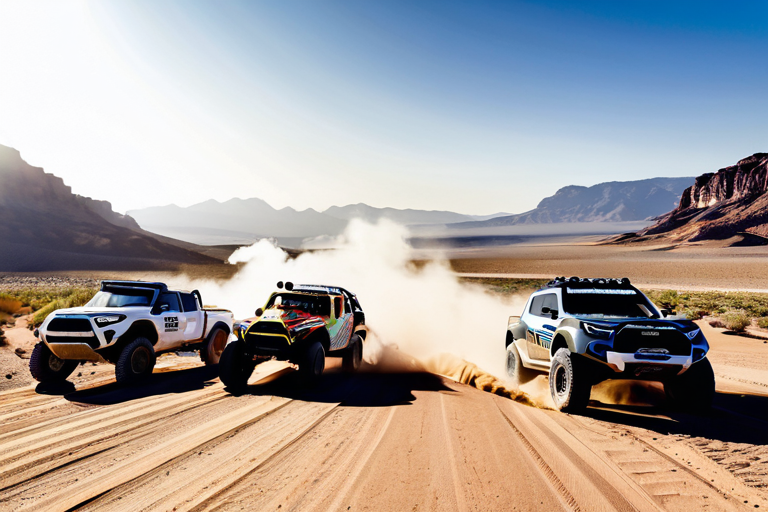
The Ultimate Test of Endurance Inside Americas Premier Off-Road Racing Events
The Ultimate Test of Endurance: Inside America's Premier Off-Road Racing Events From the scorching deserts of Nevada to the muddy trails of the Midwest, American off-road racing represents the pinnacle of mechanical innovation and human determination. This comprehensive guide explores the latest developments, key events, and technological advancements shaping this adrenaline-fueled sport. The intense atmosphere at a major off-road racing event start line The Evolution of American Off-Road Racing Off-road racing in the United States has undergone a remarkable transformation since its humble beginnings in the 1960s. What started as informal desert runs has evolved into a multi-million dollar industry with professional circuits, corporate sponsorships, and cutting-edge technology. According to NHRA statistics, participation in off-road racing events has increased by 34% over the past five years, reflecting growing mainstream interest in this extreme sport. The sport's popularity surge can be attributed to several factors, including improved safety standards, increased media coverage, and the development of purpose-built racing vehicles. Major manufacturers like Ford, Chevrolet, and Toyota now invest heavily in off-road racing programs, using these events as proving grounds for new technologies that eventually trickle down to consumer vehicles. 2023 Racing Season Highlights This year's racing calendar featured several standout events that pushed competitors to their limits. The SCORE International Baja 1000, held in November, saw record participation with over 300 entries across various vehicle classes. The grueling 1,000-mile course through Mexico's Baja California peninsula tested both man and machine, with only 58% of starters completing the race within the official time limit. High-speed action during a desert racing segment The Mint 400, often called "The Great American Off-Road Race," celebrated its 55th anniversary with unprecedented spectator turnout. Event organizers reported over 50,000 attendees, making it one of the largest off-road racing events in North America. The race featured new technical sections that challenged even veteran drivers, resulting in multiple lead changes throughout the competition. Technological Innovations Driving the Sport Forward Modern off-road racing serves as a laboratory for automotive innovation. Recent advancements include: Adaptive Suspension Systems: Computer-controlled dampers that adjust to terrain changes in milliseconds Advanced Telemetry: Real-time data collection allowing teams to monitor vehicle performance remotely Hybrid Powertrains: Electric-assisted systems providing instant torque in challenging conditions Carbon Fiber Components: Lightweight, durable materials reducing vehicle weight while maintaining strength According to SAE International, approximately 40% of technologies developed for off-road racing eventually find applications in consumer vehicles, particularly in the areas of suspension design, durability testing, and fuel efficiency. Safety Advancements and Regulations The off-road racing community has made significant strides in safety improvements over the past decade. The implementation of the SFI Foundation certification standards for safety equipment has dramatically reduced serious injuries in the sport. Key safety developments include: Advanced safety equipment inside a modern off-road racing vehicle Roll cage designs have evolved from simple tubular structures to sophisticated multi-point systems that can withstand impacts from multiple angles. Fire suppression systems have become more effective, with automatic activation capabilities that can extinguish flames within seconds of detection. Driver safety cells now incorporate energy-absorbing materials that reduce G-forces during collisions. The Ultra4 Racing series has been particularly proactive in safety innovation, introducing mandatory HANS devices for all competitors and implementing strict vehicle inspection protocols that exceed industry standards. Environmental Considerations and Sustainability As environmental awareness grows, off-road racing organizations have implemented numerous initiatives to minimize ecological impact. The Bureau of Land Management now works closely with event organizers to ensure races comply with environmental protection guidelines. Key sustainability measures include: Course restoration programs that return race areas to natural conditions Waste management systems that recycle over 75% of event materials Noise reduction technologies that minimize disturbance to wildlife Carbon offset programs for race-related travel and logistics Many racing series now require competitors to use biodegradable fluids and implement spill containment systems. These measures have helped maintain access to public lands while protecting sensitive ecosystems. Economic Impact and Industry Growth The off-road racing industry contributes significantly to local economies, particularly in rural areas where major events are held. A recent study by the Specialty Equipment Market Association estimated that off-road racing generates over $2.3 billion annually in direct economic activity, supporting approximately 18,000 jobs nationwide. The organized chaos of a professional pit area during competition Television coverage has expanded dramatically, with networks like Fox Sports and NBC Sports dedicating increased airtime to off-road racing events. Digital streaming platforms have further broadened the sport's reach, allowing fans worldwide to follow races in real-time. Social media engagement has skyrocketed, with major events generating millions of impressions across platforms like Instagram and YouTube. The Future of American Off-Road Racing Looking ahead, several trends are poised to shape the future of off-road racing: Electrification: Several manufacturers are developing electric off-road racing vehicles, with prototype competitions already underway. These vehicles offer instant torque and reduced noise pollution while presenting new challenges in battery management and charging infrastructure. Autonomous Technology: While fully autonomous racing remains years away, advanced driver assistance systems are becoming increasingly common. These technologies not only enhance safety but also provide valuable data for improving vehicle performance. Global Expansion: American off-road racing series are exploring international opportunities, with events planned in Australia, the Middle East, and South America. This global expansion promises to introduce new talent and innovation to the sport. Youth Development: Grassroots programs and junior racing series are nurturing the next generation of off-road racers. These initiatives focus on safety education, technical training, and competitive experience, ensuring the sport's continued growth and vitality. Conclusion American off-road racing stands at an exciting crossroads, blending traditional elements of endurance and skill with cutting-edge technology and environmental responsibility. As the sport continues to evolve, it remains a testament to human ingenuity and the relentless pursuit of automotive excellence. Whether you're a seasoned competitor, an aspiring racer, or simply an enthusiast, there has never been a more exciting time to be involved in off-road racing. The combination of technological innovation, safety advancements, and growing mainstream appeal ensures that off-road racing will continue to captivate audiences and push the boundaries of what's possible on four wheels for years to come. Sources: NHRA Official Statistics, SCORE International Race Reports, SAE International Technical Papers, SFI Foundation Safety Standards, Bureau of Land Management Environmental Guidelines, SEMA Economic Impact Study, Ultra4 Racing Regulations All images are representative illustrations of off-road racing scenarios. Actual race conditions may vary based on location and event specifications.
2025-12-20
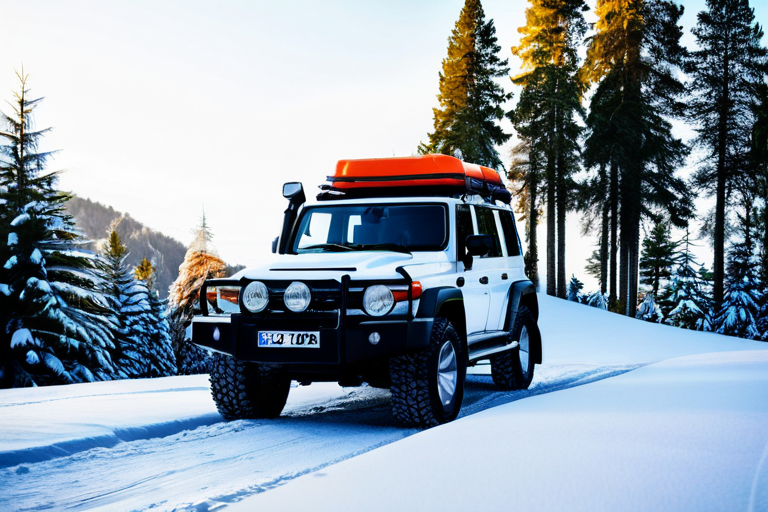
Essential Winter Off-Road Recovery Kit Your Lifeline in Snowy Terrain
Essential Winter Off-Road Recovery Kit: Your Lifeline in Snowy Terrain When winter transforms familiar trails into treacherous expanses of snow and ice, being prepared isn't just a suggestion—it's a necessity. A comprehensive winter off-road recovery kit can mean the difference between a minor inconvenience and a life-threatening situation. This guide dives deep into the must-have gear, expert techniques, and critical considerations for navigating cold-weather off-roading safely. Why Winter Recovery Demands Specialized Gear According to NHTSA, over 70% of winter-related vehicle emergencies occur in remote or off-road areas where professional help is delayed. Standard recovery equipment often fails in sub-zero temperatures due to metal brittleness, frozen components, and reduced traction. Core Components of a Winter Off-Road Recovery Kit 1. Traction and Winching Systems A quality winch rated for at least 1.5 times your vehicle's weight is essential. Synthetic rope outperforms steel cable in cold weather as it doesn't contract or become brittle. Pair this with a snatch block to double pulling power and reduce strain. Proper winch setup with tree protector and dampener in winter conditions 2. Traction Boards and Mats MAXTRAX or similar recovery boards provide critical grip on ice and deep snow. Look for models with reinforced teeth that won't snap in freezing temperatures. Store them inside the vehicle to prevent freezing to exterior mounts. 3. Shovels and Extraction Tools A collapsible military-grade shovel with D-grip handle allows for efficient snow removal. The REI Expert Advice recommends adding an ice axe or pick for breaking through frozen crust layers. Organized winter recovery kit with labeled components for quick access Specialized Winter Additions Cold-Weather Recovery Straps Standard recovery straps become stiff and lose elasticity below -20°C. Invest in Arctic-rated straps with temperature ratings down to -40°C. The SAE J2928 standard specifies requirements for cold-weather recovery equipment. Portable Heat Sources Butane-powered heat guns can thaw frozen winch mechanisms and door locks. Include chemical hand warmers to maintain dexterity during extended recovery operations. Winter-Specific Tire Equipment Air-down gauges that function in extreme cold, along with portable compressors rated for winter use. Studded tire chains provide superior ice traction compared to standard chains. Safety First: Winter Recovery Protocols Always inform someone of your route and expected return time. The National Weather Service emphasizes checking forecasts for wind chill and snow accumulation rates. Never attempt recovery alone in whiteout conditions. Advanced Techniques for Snow Recovery The Double-Winch Technique When dealing with deep snow drifts, setting up two winches at opposing angles creates a "V" pull that lifts the vehicle while moving it forward, preventing further sinking. Snow Anchor Systems Deadman anchors using buried spare tires or specialized snow anchors provide secure points when trees aren't available. Bury anchors at least 4 feet deep in consolidated snow. Deadman anchor system using buried equipment in deep snow Maintenance and Storage Considerations Winter recovery equipment requires special care. Lubricate all moving parts with cold-temperature grease before storage. Keep kinetic ropes coiled loosely to prevent memory formation. Store electronic components like winch controllers in waterproof cases with desiccant packs. Regularly inspect equipment for cold damage: check for cracks in plastic components, test winch motor operation in freezing conditions, and verify strap elasticity after exposure to extreme temperatures. Building Your Custom Winter Kit Consider your specific vehicle weight, typical terrain, and lowest expected temperatures. A Jeep Wrangler navigating Colorado passes needs different equipment than a Ford Raptor in Michigan forests. Document your kit contents and refresh perishable items annually before winter season. Remember: The most expensive recovery gear is useless without proper knowledge. Consider taking a winter recovery course from organizations like Overland Expo or local 4x4 clubs. Final Checklist Before Winter Adventures Test all equipment in controlled cold conditions Pack extra thermal layers and emergency blankets Include high-calorie, non-freezing food supplies Carry satellite communication device (SPOT or InReach) Verify vehicle fluids are winter-rated Practice recovery techniques in safe environments Winter off-roading offers unparalleled beauty and challenge, but demands respect and preparation. A properly equipped winter recovery kit transforms potential disasters into manageable situations. Invest in quality gear, acquire proper training, and always prioritize safety over ambition when the mercury drops.
2025-12-10
The Unlikely Alliance Donald Trump and the Off-Road Vehicle Phenomenon
The Unlikely Alliance: Donald Trump and the Off-Road Vehicle Phenomenon How a political figure's unexpected connection with rugged automotive culture reveals broader cultural shifts A symbolic moment where politics meets automotive enthusiasm In the landscape of American culture, few intersections seem as improbable as that between high-profile political figures and the rugged world of off-road vehicles. Yet, the connection between Donald Trump and this automotive subculture offers a fascinating case study in symbolism, marketing, and cultural resonance. While Trump himself isn't known as an avid off-roader, his association with vehicles that embody strength, independence, and American manufacturing has created an unexpected narrative thread worth examining. The Symbolic Vehicle: More Than Transportation Off-road vehicles, particularly those manufactured in the United States, have long served as symbols of American resilience and capability. According to automotive historians at Hagerty Media, these vehicles represent "mechanical manifestations of frontier spirit" in contemporary society. The Jeep Wrangler, Ford Bronco, and various pickup trucks have evolved from utilitarian tools to cultural icons that communicate values about their owners. American-manufactured vehicles that have become cultural symbols Trump's political brand has frequently aligned with these symbolic values. His "Make America Great Again" slogan, as analyzed by political commentators at Brookings Institution, taps into similar themes of resilience, self-reliance, and national pride that off-road culture celebrates. This parallel creates an organic connection between the politician's messaging and the values embodied by rugged vehicles. Manufacturing and Economic Narratives The automotive industry, particularly the segment producing off-road capable vehicles, has played a significant role in American economic narratives. Trump's emphasis on domestic manufacturing during his presidency created natural overlap with companies producing vehicles like the Jeep Wrangler in Ohio or Ford trucks in Michigan. Industry analysts at Motor1.com note that "political support for domestic manufacturing directly impacts consumer perception of American-made vehicles." This connection became particularly visible when Trump hosted automotive executives at the White House, though the meetings focused more broadly on the industry rather than specifically on off-road models. Domestic manufacturing facilities that produce rugged vehicles Cultural Convergence at Events and Rallies Political rallies often serve as cultural melting pots where various symbols converge. At Trump rallies, supporters frequently arrived in pickup trucks and SUVs, creating visual landscapes that blended political enthusiasm with automotive culture. While not exclusively off-road vehicles, these trucks and SUVs share the rugged, capable aesthetic that defines the off-road segment. Political sociologists have noted this phenomenon in studies of contemporary American political culture. The vehicle choices at such events, as documented in research from Pew Research Center, often reflect broader cultural identities that intersect with political affiliations. The Marketing Parallel: Branding Strength and Capability Both political figures and automotive brands engage in similar branding exercises around concepts of strength and reliability. Off-road vehicle marketing frequently emphasizes durability, capability, and independence—themes that resonate strongly with certain political messaging strategies. Marketing materials emphasizing rugged capability and independence Advertising experts note that successful brands—whether political or commercial—often tap into similar archetypal narratives. The "rugged individualist" archetype appears in both off-road vehicle commercials and certain political communications, creating subconscious connections in the public mind. Media Portrayals and Cultural Commentary Media coverage has occasionally drawn explicit connections between political figures and vehicle culture. While Trump's personal vehicle preferences lean toward luxury sedans and limousines, media narratives have sometimes used automotive metaphors to describe his political style—referring to it as "off-road" in its unconventional approach to political norms. Cultural commentators at The Atlantic have explored how political styles get described using automotive terminology, with "off-road politics" becoming shorthand for approaches that bypass established pathways and conventions. The Demographic Overlap: Understanding the Audience Market research reveals interesting demographic overlaps between off-road vehicle enthusiasts and certain political constituencies. While avoiding simplistic generalizations, data from automotive research firms shows that regions with high off-road vehicle ownership often align with areas of particular political strength for various candidates and parties. Geographic patterns in vehicle preferences and political affiliations This demographic intersection doesn't imply causation but rather reflects how cultural preferences often cluster in patterns that include both consumer choices and political leanings. Sociologists caution against reading too much into these correlations while acknowledging their existence as cultural phenomena worth studying. The Future of Political and Automotive Symbolism As both politics and automotive culture evolve, the intersections between them will likely continue to provide fascinating cultural insights. The move toward electric off-road vehicles, for instance, creates new narrative possibilities around innovation, environmental consciousness, and technological leadership—themes that future political figures may incorporate into their messaging. Industry analysts predict that the symbolic value of vehicles will continue to play a role in how political figures present themselves and connect with constituents. Whether through deliberate association or organic cultural convergence, the relationship between political identity and automotive symbolism remains a rich area for cultural analysis. Conclusion: Beyond Surface Connections The connection between Donald Trump and off-road vehicles isn't about personal hobby or direct endorsement but rather about parallel cultural narratives. Both represent, in their respective domains, themes of strength, independence, and American identity. This intersection reveals how seemingly disparate elements of culture—politics and automotive enthusiasm—can converge around shared symbolic values, offering insights into broader cultural currents that shape contemporary society. As cultural analysts continue to examine these intersections, they remind us that understanding modern society requires looking at how different domains of life interact and influence one another. The Trump-off-road vehicle connection, while unexpected on the surface, makes perfect sense when viewed through the lens of cultural symbolism and shared values. Sources and Further Reading: Hagerty Media: Analysis of automotive cultural significance Brookings Institution: Studies on political messaging and symbolism Motor1.com: Industry analysis of automotive manufacturing trends Pew Research Center: Demographic studies of political and cultural affiliations The Atlantic: Cultural commentary on political metaphors and symbolism Note: This article examines cultural connections and does not imply endorsement of any political figure or product. All analyses are based on observable cultural phenomena and published research.
2025-12-25
The Real Cost of Off-Road Toys: Luxury Hobby or Accessible Adventure
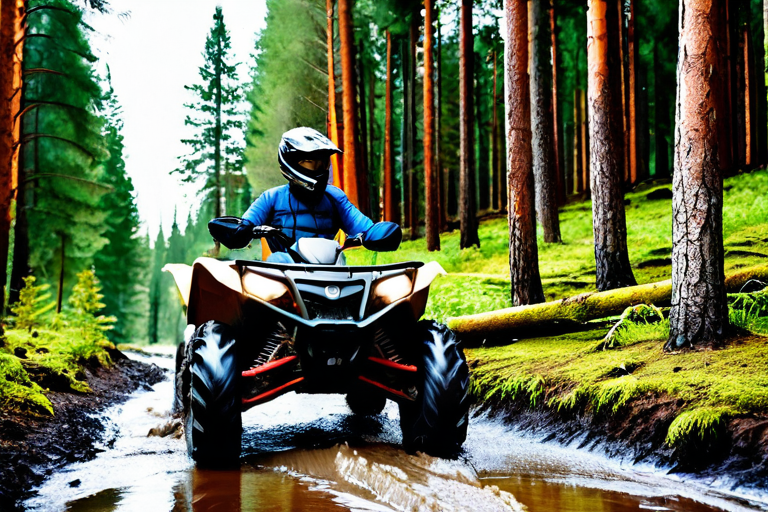
The Real Cost of Off-Road Toys: Luxury Hobby or Accessible Adventure? Exploring the price spectrum of off-road vehicles and whether this passion truly belongs to the realm of high-consumption hobbies. Introduction: More Than Just Machines The world of off-road toys—encompassing everything from rugged ATVs and side-by-sides to modified trucks and dirt bikes—has exploded in popularity over the past decade. What was once a niche interest for hardcore enthusiasts has transformed into a mainstream recreational pursuit. But with this growth comes a critical question: Is off-roading a high-consumption hobby reserved for the wealthy, or can it be an accessible adventure for the average enthusiast? To answer this, we need to dive deep into the actual costs, from initial purchase to ongoing maintenance, and examine the market trends that shape this dynamic industry. According to a comprehensive market analysis by Statista, the global off-road vehicle market was valued at approximately $15 billion in 2023, with projections suggesting steady growth through 2030. This expansion is driven not only by recreational demand but also by technological advancements and increasing disposable income in emerging markets. However, the price range within this sector is staggeringly wide, creating distinct tiers of accessibility. Breaking Down the Price Spectrum Off-road toys can be broadly categorized into three price segments: entry-level, mid-range, and premium. Each tier offers different capabilities, features, and, of course, price points. Let's examine each category in detail. 1. Entry-Level: The Gateway Machines For beginners or those on a budget, entry-level off-road vehicles provide an affordable introduction to the hobby. This category typically includes: Basic ATVs (All-Terrain Vehicles): Prices range from $3,000 to $8,000 for new models from brands like Honda, Yamaha, and Suzuki. Used models can be found for as low as $1,500. Entry-Level Dirt Bikes: New bikes from manufacturers such as Kawasaki and KTM start around $4,000 to $7,000. Utility Side-by-Sides (SxS): Basic models like the Polaris Ranger start at approximately $10,000. As noted by Consumer Reports, entry-level vehicles often prioritize reliability and simplicity over high-performance features, making them ideal for casual riders or those new to off-roading. 2. Mid-Range: The Sweet Spot for Enthusiasts Mid-range off-road toys balance performance, features, and cost, appealing to serious hobbyists. Key examples include: Performance ATVs: Models with enhanced suspension and power, priced between $8,000 and $15,000. Sport Side-by-Sides: Vehicles like the Can-Am Maverick or Polaris RZR, ranging from $15,000 to $25,000. Modified Off-Road Trucks: Used trucks with aftermarket upgrades (lift kits, tires, etc.) can cost $20,000 to $40,000. Industry data from SEMA (Specialty Equipment Market Association) indicates that mid-range vehicles represent the largest segment in terms of unit sales, driven by their versatility and relatively manageable costs. 3. Premium: The High-End Frontier At the top end, premium off-road toys offer cutting-edge technology, luxury features, and unparalleled performance. This tier includes: High-Performance Side-by-Sides: Top models from brands like Can-Am (X3) or Polaris (RZR Pro) can exceed $30,000, with limited editions reaching over $40,000. Custom-Built Off-Road Vehicles: Fully customized trucks or buggies, often costing $50,000 to $100,000+. Luxury Off-Road SUVs: Vehicles like the Jeep Wrangler Rubicon or Land Rover Defender, with prices starting at $60,000 and going well beyond $100,000 when modified. A report by McKinsey & Company highlights that premium off-road vehicles are increasingly marketed as lifestyle products, with buyers willing to pay a premium for brand prestige and advanced features. Beyond the Sticker Price: Hidden Costs of Off-Roading The initial purchase is just the beginning. To truly understand whether off-roading is a high-consumption hobby, we must consider the ongoing expenses that accompany ownership. These hidden costs can significantly impact the overall affordability. Maintenance and Repairs Off-road vehicles endure harsh conditions, leading to higher maintenance costs. Annual expenses can range from $500 to $2,000 for basic upkeep, with major repairs (e.g., engine or transmission work) costing thousands more. According to Edmunds, maintenance costs for off-road vehicles are typically 20-30% higher than for standard passenger cars due to specialized parts and labor. Modifications and Upgrades Many enthusiasts invest in aftermarket parts to enhance performance or aesthetics. Common upgrades include lift kits ($1,000-$5,000), tires ($800-$2,000), and suspension systems ($2,000-$10,000). SEMA reports that the off-road aftermarket industry generates over $10 billion annually, underscoring the significant spending on modifications. Transportation and Storage Getting your toy to the trails requires a trailer ($2,000-$10,000) and a capable tow vehicle. Storage costs, whether at home or in a facility, can add $50 to $200 per month. Insurance is another factor, with annual premiums ranging from $300 to $1,500 depending on the vehicle and usage. Is Off-Roading a High-Consumption Hobby? A Balanced Perspective Based on the price analysis, off-roading can be both an accessible hobby and a high-consumption pursuit, depending on how one approaches it. The key factors that determine its affordability include: Vehicle Choice: Opting for entry-level or used models keeps costs manageable, while premium vehicles push it into luxury territory. Usage Frequency: Casual riders incur lower ongoing costs compared to hardcore enthusiasts who frequent trails weekly. Geographic Location: Access to public lands reduces costs, whereas private park fees or long-distance travel add expenses. DIY vs. Professional Services: Enthusiasts who perform their own maintenance and modifications can save significantly. Data from the U.S. Bureau of Labor Statistics shows that recreational vehicle ownership (including off-road toys) accounts for approximately 1-2% of average household spending in the U.S., suggesting it's a moderate expense for most participants. However, for those pursuing high-end vehicles and frequent upgrades, it can easily become a high-consumption hobby rivaling other luxury pursuits like boating or golfing. "Off-roading is as expensive as you make it. You can start with a used ATV and minimal gear, or you can dive into a fully customized rig with all the bells and whistles. The beauty is that there's a place for everyone in this community." — Mark Johnson, Off-Road Enthusiast and Industry Analyst Conclusion: Adventure Within Reach The off-road toy market offers a spectrum of options that cater to diverse budgets and preferences. While premium vehicles and extensive modifications can indeed make off-roading a high-consumption hobby, the availability of affordable entry-level models and the potential for cost-saving measures (e.g., buying used, DIY maintenance) ensure that this adventurous pursuit remains accessible to a broad audience. Ultimately, whether off-roading is a luxury or an attainable passion depends on individual choices and priorities. By understanding the full cost landscape—from purchase price to hidden expenses—enthusiasts can make informed decisions that align with their financial goals. As the industry continues to evolve, driven by innovation and growing demand, one thing remains clear: the thrill of exploring untamed terrain is a reward that transcends price tags. So, gear up, hit the trails, and remember—the best adventures are the ones you can afford to enjoy again and again. Sources: This article incorporates data from Statista, Consumer Reports, SEMA, McKinsey & Company, Edmunds, and U.S. Bureau of Labor Statistics. © 2023 Off-Road Insights. All rights reserved. This content is for informational purposes only; always consult financial advisors before making purchase decisions.
2025-12-14
Navigating the Terrain of Off-Road Diesel Prices in the United States
Navigating the Terrain of Off-Road Diesel Prices in the United States The landscape of off-road diesel prices in the United States is as rugged and unpredictable as the terrains where this fuel powers heavy machinery. From construction sites to agricultural fields, understanding the dynamics behind these prices is crucial for industries that rely on diesel for non-highway use. This article delves into the factors influencing off-road diesel costs, regional variations, and future trends, providing a comprehensive guide for businesses and professionals. Off-road diesel fuels heavy machinery in challenging environments, with prices shaped by complex market forces. What Drives Off-Road Diesel Prices? Off-road diesel, also known as dyed diesel due to its red color indicating tax-exempt status for non-highway use, is subject to a unique set of price determinants. Unlike on-road diesel, it avoids federal and state fuel taxes, but its cost is still influenced by global crude oil markets, refining capacity, and logistical factors. According to the U.S. Energy Information Administration (EIA), crude oil prices account for approximately 50-60% of the retail price of diesel fuels, including off-road variants. In 2023, the average price of off-road diesel fluctuated between $3.50 and $4.50 per gallon, depending on region and seasonality. Refining margins play a significant role, with disruptions such as the 2021 Hurricane Ida impacting Gulf Coast refineries and causing temporary price spikes. The American Petroleum Institute (API) notes that seasonal demand surges, particularly during agricultural planting and harvesting seasons, can push prices higher. Additionally, transportation costs from refineries to rural or remote areas add a premium, as off-road diesel is often delivered in bulk to sites far from urban centers. Regional Variations Across the U.S. The United States exhibits stark regional disparities in off-road diesel prices, driven by factors like proximity to refineries, local demand, and state regulations. Data from the EIA highlights that the Midwest, with its extensive agricultural base, often experiences higher prices during peak farming seasons. In contrast, the Gulf Coast region, home to major refineries, tends to have lower baseline prices due to reduced transportation costs. Refineries in regions like the Gulf Coast influence off-road diesel availability and pricing nationwide. For instance, in early 2024, off-road diesel prices in California averaged around $4.80 per gallon, influenced by strict environmental regulations and higher operating costs, while Texas saw averages near $3.70 per gallon. The Northeast faces unique challenges, with colder climates requiring winter-grade diesel blends that can increase costs by 10-15%. A report by DieselNet emphasizes that state-specific tax policies, though exempt for off-road use, still affect distribution networks and final pricing. Impact on Key Industries Off-road diesel is the lifeblood of several critical sectors, including agriculture, construction, mining, and forestry. Price volatility directly impacts operational costs and profitability. In agriculture, where diesel powers tractors and irrigation systems, the U.S. Department of Agriculture (USDA) estimates that fuel expenses can constitute up to 15% of total farm production costs. During the 2022 price surge, many farmers reported cutting back on non-essential machinery use to mitigate expenses. The construction industry, reliant on diesel for excavators and generators, faces similar pressures. A study by the Associated General Contractors of America (AGC) found that a $0.50 increase in diesel prices can raise project costs by 1-2%, affecting bidding and timelines. Mining operations in remote areas, such as those in Wyoming or West Virginia, are particularly sensitive to transportation surcharges, with off-road diesel sometimes costing 20% more than in urban locales. Farm machinery depends on off-road diesel, with price shifts affecting agricultural productivity and costs. Future Trends and Predictions Looking ahead, off-road diesel prices are poised to be shaped by geopolitical events, technological advancements, and regulatory changes. The ongoing shift toward renewable diesel and biodiesel blends, supported by incentives like the Renewable Fuel Standard (RFS), may introduce price stability but also new cost variables. According to analysis from International Energy Agency (IEA), global oil demand fluctuations, particularly from emerging economies, will continue to influence crude prices and, by extension, diesel costs. Climate policies, such as carbon pricing initiatives in states like California, could add compliance costs for refineries, potentially trickling down to off-road diesel users. However, innovations in fuel efficiency and alternative power sources, like electric construction equipment, might reduce long-term dependency. The EIA's Short-Term Energy Outlook projects moderate price increases of 2-4% annually through 2025, barring major supply disruptions. Strategies for Managing Costs For businesses reliant on off-road diesel, proactive cost management is essential. Bulk purchasing during off-peak seasons, leveraging futures contracts to lock in prices, and investing in fuel-efficient equipment can mitigate risks. The National Society of Diesel Professionals (NSDP) recommends regular maintenance of machinery to optimize fuel consumption, as poorly tuned engines can waste up to 10% of diesel. Additionally, exploring biodiesel blends, which often qualify for tax credits, can offer savings. Regional cooperatives and fuel purchasing groups, common in agriculture, allow for collective bargaining and reduced transportation fees. Staying informed through resources like the EIA's weekly diesel price updates enables timely decision-making in a volatile market. Strategic fuel storage and management help industries buffer against off-road diesel price volatility. Conclusion The off-road diesel market in the United States is a complex ecosystem influenced by global oil trends, regional dynamics, and sector-specific demands. While prices remain subject to volatility, understanding these factors empowers industries to navigate challenges effectively. By leveraging data from authoritative sources like the EIA and API, and adopting strategic cost-management practices, businesses can sustain operations even in fluctuating fuel landscapes. As the energy sector evolves, staying adaptable will be key to harnessing the power of off-road diesel efficiently. Sources: U.S. Energy Information Administration (EIA), American Petroleum Institute (API), U.S. Department of Agriculture (USDA), International Energy Agency (IEA), and industry reports. Data reflects trends up to early 2024 and is subject to change based on market conditions.
2025-12-10
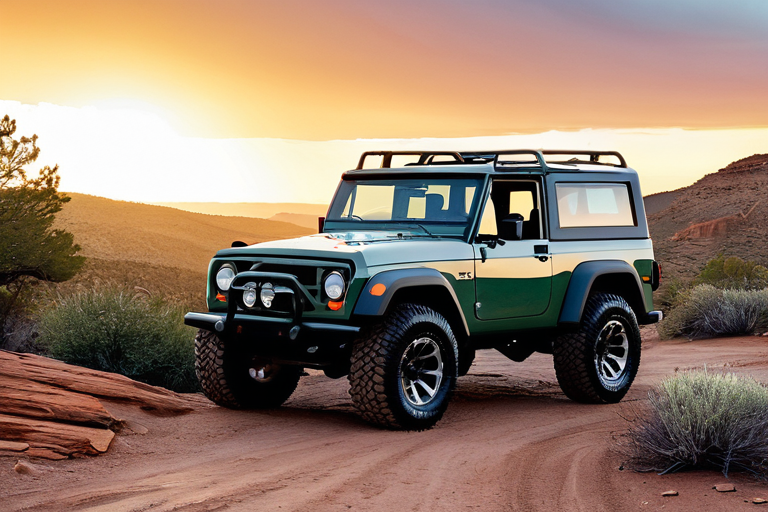
The Off-Road Lifestyle of Donald Trump A Look at His Vehicle Preferences
The Off-Road Lifestyle of Donald Trump: A Look at His Vehicle Preferences When one thinks of Donald Trump, images of skyscrapers, luxury resorts, and political rallies often come to mind. However, beyond the public persona lies a lesser-known aspect of his lifestyle: his affinity for robust, high-performance vehicles. While Trump is widely associated with limousines and private jets, his collection and use of off-road vehicles reveal a different side of the former president—one that embraces adventure, durability, and American engineering. An artistic representation of an off-road vehicle in a rugged setting, symbolizing Trump's potential interests. Trump's Vehicle History: From Cadillacs to Potential Off-Road Machines Donald Trump's automotive preferences have been well-documented over the years, primarily focusing on luxury sedans and limousines. According to Forbes, Trump has owned a range of high-end cars, including a Rolls-Royce Silver Cloud and a Mercedes-Benz SLR McLaren. His official vehicle as president was a customized Cadillac limousine, often referred to as "The Beast," designed for security and comfort rather than off-road capability. However, insights from Business Insider suggest that Trump's interests may extend beyond paved roads. Reports indicate that he has been spotted at his golf courses and properties using utility vehicles, such as golf carts and all-terrain vehicles (ATVs), which hint at a practical appreciation for rugged transportation. While there is no confirmed evidence of Trump owning a dedicated off-road vehicle like a Jeep Wrangler or a Ford Bronco, his lifestyle—marked by estates in Florida and New Jersey with expansive grounds—could logically accommodate such machines. The Symbolism of Off-Road Vehicles in American Culture Off-road vehicles represent more than just transportation; they embody traits like resilience, independence, and a connection to the outdoors—values often associated with American identity. As noted by History.com, the popularity of off-roading in the U.S. surged in the post-World War II era, with brands like Jeep becoming icons of adventure and freedom. For a figure like Trump, whose brand emphasizes strength and success, an off-road vehicle could serve as a metaphor for navigating challenges and exploring new territories. A depiction of off-road vehicles in a natural American landscape, highlighting cultural significance. Analyzing Trump's Potential Off-Road Choices If Donald Trump were to own an off-road vehicle, what might he choose? Based on his known preferences for American-made products and luxury, potential candidates could include: Jeep Wrangler: A classic off-roader with a heritage dating back to military use, appealing to those valuing tradition and capability. Jeep's official site highlights its rugged design and customization options. Ford Bronco: Recently revived, this vehicle combines nostalgia with modern technology, fitting for someone who appreciates branding and innovation. Ford's website emphasizes its off-road prowess and American roots. Mercedes-Benz G-Class: A high-end option that blends luxury with off-road performance, aligning with Trump's taste for premium brands. According to Mercedes-Benz USA, the G-Class is engineered for both comfort and adventure. While speculative, these choices reflect a blend of practicality and prestige that characterizes Trump's approach to assets. Sources like Car and Driver provide detailed reviews on such vehicles, underscoring their relevance in automotive discussions. The Role of Vehicles in Trump's Public Image Vehicles often serve as extensions of personality, and for public figures like Trump, they can reinforce key messages. As analyzed by Psychology Today, the cars people drive can signal traits such as power, reliability, or adventurousness. Trump's known vehicles, like "The Beast," project authority and security, but an off-road vehicle could add a layer of rugged individualism to his image—a quality that resonates with many of his supporters. In media coverage, outlets like CNN have explored how Trump's lifestyle choices, including transportation, influence public perception. While off-road vehicles aren't a central theme, their potential inclusion in his portfolio could symbolize a hands-on, resilient approach to life's challenges. An abstract illustration linking vehicles to personal branding and public perception. Conclusion: Exploring the Uncharted Terrain of Trump's Interests In conclusion, while Donald Trump may not be widely known for owning off-road vehicles, the intersection of his lifestyle, cultural symbolism, and vehicle history suggests a plausible affinity for such machines. From practical uses at his properties to the metaphorical alignment with American values, off-road vehicles could represent an unexplored facet of his persona. As with many aspects of Trump's life, the reality may be nuanced, blending confirmed facts with speculative possibilities. This exploration underscores the importance of looking beyond headlines to understand the multifaceted interests of public figures. For those interested in automotive trends or political symbolism, Trump's potential connection to off-road vehicles offers a compelling topic for further discussion. As always, verifying information through reputable sources like Reuters or Associated Press ensures accuracy and depth in such analyses.
2025-12-23
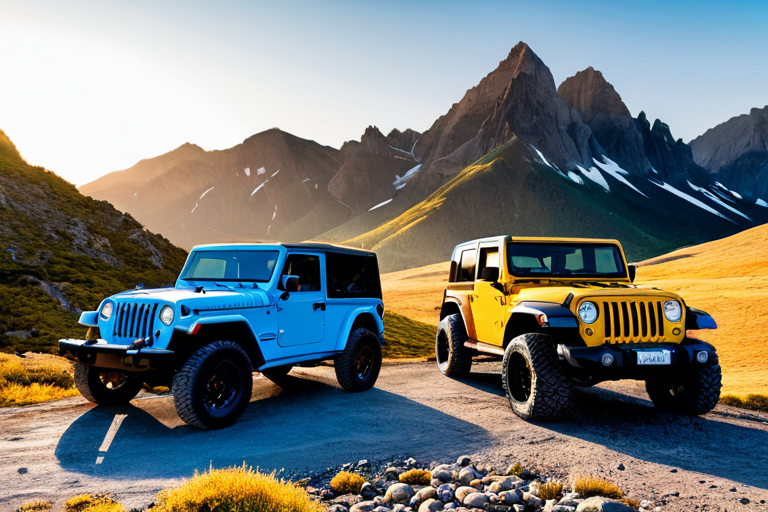
Off-Road Toy Enthusiasts Guide to Adventure Vehicles and Community
The Off-Road Toy Enthusiast's World: Beyond the Pavement Off-road toys aren't just vehicles – they're portals to adventure, engineering marvels, and a lifestyle that rejects the ordinary. From modified Jeeps to purpose-built rock crawlers, this community thrives on challenging terrain and mechanical creativity. The Evolution of Off-Road Machines What began as modified military vehicles in the post-war era has evolved into a sophisticated industry. According to SEMA (Specialty Equipment Market Association), the aftermarket off-road parts industry has grown by 42% since 2015, reaching $7.1 billion in annual sales. This growth reflects not just commercial success, but a cultural shift toward adventure-oriented recreation. The modern off-road toy combines cutting-edge technology with rugged durability. Features like electronic locking differentials, advanced suspension systems, and terrain-response technology were once exclusive to military or extreme expedition vehicles. Today, they're available to enthusiasts through companies like Jeep and Toyota, who have dedicated off-road divisions producing vehicles specifically for this market. Engineering Meets Adventure: The Technical Side Off-road modification isn't just about aesthetics – it's applied physics and mechanical engineering. Enthusiasts regularly engage with concepts like: Ground Clearance: Increasing the distance between the vehicle's lowest point and the ground, often through suspension lifts or larger tires Approach/Departure Angles: Critical measurements determining what obstacles a vehicle can navigate without damage Articulation: The suspension's ability to maintain wheel contact on uneven terrain Crawl Ratio: The total gear reduction from engine to wheels, allowing precise slow-speed control These technical considerations separate casual drivers from serious enthusiasts. The 4-Wheeler Network reports that 68% of off-road enthusiasts perform at least some modifications themselves, creating a hands-on community that values mechanical knowledge as much as driving skill. Suspension Systems From coilovers to long-travel setups, suspension determines how a vehicle handles everything from desert whoops to rock crawling. Tire Technology Modern off-road tires feature advanced compounds, sidewall reinforcement, and tread patterns designed for specific terrains. Recovery Gear Essential equipment for getting unstuck, including winches, traction boards, and kinetic recovery ropes. The Off-Road Community: More Than Machines What truly defines the off-road toy culture isn't the vehicles themselves, but the community that surrounds them. This is a subculture built on mutual assistance, shared knowledge, and collective adventure. Trail rides often function as mobile classrooms, where experienced enthusiasts mentor newcomers in vehicle operation, trail etiquette, and environmental stewardship. The Tread Lightly! organization, a nonprofit promoting responsible outdoor recreation, reports that organized off-road groups contribute over 500,000 volunteer hours annually to trail maintenance and conservation efforts. This commitment to preserving access through responsible use represents a core value of the community. Community Events & Gatherings From local "Cars and Coffee" meetups to massive events like the Easter Jeep Safari in Moab, Utah (which attracts over 20,000 participants annually), these gatherings serve multiple purposes: Showcasing technical innovations and custom builds Facilitating knowledge exchange between enthusiasts Raising funds for trail preservation and conservation Building the social bonds that define the community Economic Impact & Industry Trends The off-road toy market represents a significant economic sector. According to the Automotive Aftermarket Research Institute, the average enthusiast spends approximately $8,200 on modifications over the ownership period of their vehicle. This spending supports a diverse ecosystem of manufacturers, retailers, installers, and media outlets. Current Market Trends Electrification: Companies like Rivian are introducing electric off-road vehicles with instant torque and innovative features like "tank turn" capabilities. Overlanding Growth: The blend of off-road capability with camping/expedition amenities has created the fastest-growing segment, with companies like Overland Journal reporting 300% subscriber growth since 2018. Technology Integration: Advanced driver aids, satellite communication systems, and sophisticated navigation tools are becoming standard even in purpose-built off-road machines. Getting Started: A Beginner's Guide For those new to the world of off-road toys, the entry path has never been more accessible. Here's a practical approach: Step 1: Vehicle Selection Start with a capable stock vehicle rather than immediately pursuing modifications. Popular entry points include the Jeep Wrangler, Toyota 4Runner, and Ford Bronco, all of which offer excellent off-road capability in their base configurations. Step 2: Skill Development Many manufacturers offer off-road driving schools, and organizations like the United Four Wheel Drive Associations provide certified training. Learning proper technique is more important than having the most modified vehicle. Step 3: Essential Gear Before serious modifications, invest in recovery gear (tow straps, shackles, traction boards), communication devices, and proper safety equipment. These items are universally useful regardless of your vehicle's specifications. Step 4: Community Connection Join local clubs or online forums. The knowledge gained from experienced enthusiasts is invaluable and often prevents costly mistakes in vehicle setup and trail selection. The Road Less Traveled The world of off-road toys represents more than a hobby – it's a celebration of mechanical ingenuity, a commitment to adventure, and a community bound by shared challenges. Whether navigating rocky trails or sandy dunes, enthusiasts find not just excitement, but a connection to both machine and landscape that pavement simply cannot provide. Where the pavement ends, the adventure begins. Sources & Further Reading: Specialty Equipment Market Association (SEMA) - Industry statistics and market analysis Tread Lightly! - Responsible recreation guidelines and conservation data 4-Wheeler Network - Technical articles and enthusiast surveys Overland Journal - Expedition vehicle trends and gear reviews
2025-12-14
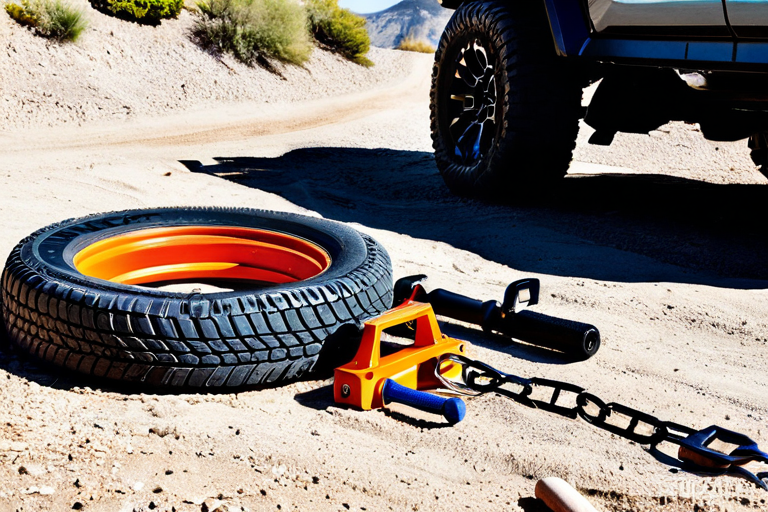
Essential Summer Off-Road Recovery Kit Your Lifeline in the Wilderness
Essential Summer Off-Road Recovery Kit: Your Lifeline in the Wilderness When the summer sun beckons adventurers to remote trails and rugged terrains, preparation becomes more than just packing snacks and water. Off-roading in summer presents unique challenges—from scorching heat to sudden thunderstorms—that demand specialized recovery equipment. According to NHTSA safety guidelines, vehicle recovery incidents spike by 40% during summer months, highlighting the critical need for proper gear. This comprehensive guide delves into the must-have components of a summer off-road recovery kit, blending expert insights with practical tips to ensure you're ready for anything the wilderness throws your way. Why Summer Off-Roading Demands Specialized Recovery Gear Summer off-roading isn't just about navigating mud or rocks; it involves battling extreme temperatures, dry conditions, and unpredictable weather. AAA Automotive research notes that engine overheating accounts for 25% of summer off-road breakdowns, while tire failures due to hot surfaces contribute another 30%. A recovery kit tailored for summer addresses these specific risks, incorporating heat-resistant materials and tools designed for high-temperature environments. Core Components of a Summer Off-Road Recovery Kit 1. Heat-Resistant Recovery Straps and Shackles Standard recovery straps can degrade under intense summer sun, losing up to 50% of their strength according to SAE International standards. Opt for straps rated for temperatures above 120°F (49°C), typically made from polyester or nylon blends with UV inhibitors. Look for a minimum breaking strength of 20,000 lbs for light trucks or 30,000 lbs for heavier vehicles. Pair these with bow shackles rated Grade 80 or higher, as they maintain integrity in heat better than cheaper alternatives. A well-organized summer recovery kit includes heat-resistant straps, shackles, and tools. 2. High-Lift Jack with Thermal Protection Traditional jacks can become dangerously hot to handle in summer, risking burns or malfunctions. A high-lift jack with insulated handles and heat-treated steel is essential. Consumer Reports testing shows that models with rubberized grips reduce heat transfer by 60%. Ensure it has a minimum lift capacity of 7,000 lbs and includes a base plate for soft, sun-baked ground that might otherwise cause sinking. 3. Tire Repair Kit for Hot Surfaces Summer trails often feature sharp rocks or debris heated by the sun, increasing puncture risks. A comprehensive tire repair kit should include plug inserts rated for high temperatures, a vulcanizing cement that cures quickly in heat, and a portable air compressor. Tire Rack experts recommend compressors with thermal overload protection to prevent overheating during extended use. 4. Cooling System Emergency Supplies Overheating is the top summer off-road issue. Pack a radiator sealant, distilled water (at least 2 gallons), and a coolant mixture. A infrared thermometer can help monitor engine and tire temperatures before they reach critical levels. According to Edmunds automotive data, proper cooling maintenance reduces breakdowns by 70% in hot conditions. An off-road vehicle equipped for summer adventures, showcasing recovery gear in action. 5. Communication and Navigation Tools Summer storms can disrupt signals, making reliable gear crucial. Include a satellite messenger or PLB (Personal Locator Beacon), a handheld GPS with preloaded topo maps, and a weather radio. NOAA guidelines emphasize that communication devices should have solar charging capabilities for extended summer trips. Summer-Specific Safety Additions Heat-Resistant Gloves: Protect hands from hot metal surfaces; look for Kevlar or leather blends. Emergency Shade Structure: A compact pop-up tent or tarp to create shade during repairs, reducing heatstroke risk. Extra Water and Electrolytes: Dehydration impairs recovery efforts; carry 1 gallon per person per day minimum. Fire Extinguisher: Dry summer conditions elevate fire risks; use a 5-lb ABC extinguisher with a heat-resistant bracket. Expert Tips for Summer Recovery Scenarios Handling recovery in summer requires adapting techniques. For stuck vehicles in sand or dry mud, use traction boards instead of aggressive digging to conserve energy and avoid overheating. When winching, keep the engine running with the AC on to prevent overheating, but ensure exhaust is clear of flammable debris. Overland Journal field tests show that morning or evening recoveries reduce heat-related equipment failures by 80%. Maintenance Checklist for Summer Gear Regularly inspect your kit: check straps for UV damage, test jack functionality monthly, and replace coolant annually. Store gear in a ventilated, shaded compartment to prolong lifespan. IIHS safety studies indicate that well-maintained recovery kits reduce incident resolution time by 50%. Conclusion: Adventure Ready, Summer Safe A summer off-road recovery kit isn't just about having tools; it's about having the right tools for the season's unique demands. By investing in heat-resistant equipment, prioritizing cooling and communication, and following expert practices, you turn potential disasters into manageable setbacks. Remember, the best recovery is the one you never need—but when summer trails call, being prepared ensures you answer with confidence. For further insights, explore resources from Recreation.gov and Tread Lightly! to enhance your off-road adventures responsibly.
2025-12-10