Swamp Buggies of Florida: A Deep Dive into the Mud-Slinging Legacy
Florida's landscape is a paradox of pristine beaches and untamed wetlands, but few symbols capture this duality better than the swamp buggy. These rugged, custom-built vehicles have evolved from practical tools into cultural icons, embodying the spirit of adventure that defines the Sunshine State's frontier heritage. This article explores the history, mechanics, and enduring appeal of swamp buggies, tracing their journey from necessity to spectacle.
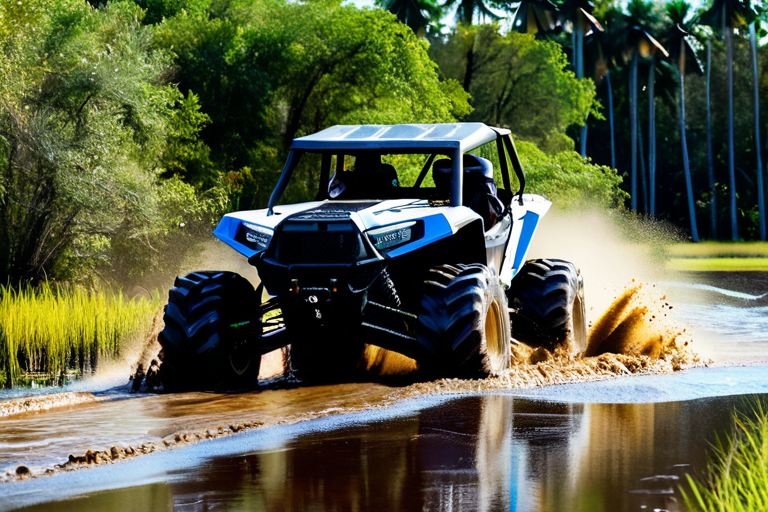
A classic swamp buggy navigating Florida's wetlands, showcasing its oversized tires and open-frame design.
Origins and Evolution: From Utility to Sport
The swamp buggy's origins date back to the early 20th century, when Florida's hunters, trappers, and surveyors needed vehicles capable of traversing the state's marshy, unpredictable terrain. According to historical records from the Florida Museum of Natural History, early adaptations included modifying Ford Model Ts with larger wheels and raised chassis to prevent sinking. By the 1940s, dedicated swamp buggies emerged, often built from salvaged truck parts and aircraft tires, reflecting the resourcefulness of rural Floridians.
Post-World War II, surplus military components like Jeep engines and amphibious vehicle parts fueled innovation. The first organized swamp buggy race took place in 1949 near Naples, Florida, marking a shift from utility to competition. As noted by the Swamp Buggy, Inc. archives, this event sparked a racing subculture that thrives today, with annual events like the Swamp Buggy Races in the Florida Sports Park drawing thousands of spectators.

High-speed swamp buggy racing, highlighting the intense mud-slinging action and crowd excitement.
Engineering Marvels: How Swamp Buggies Work
Swamp buggies are marvels of mechanical ingenuity, designed to conquer environments where conventional vehicles fail. Key features include:
- Oversized Tires: Typically ranging from 44 to 66 inches in diameter, these low-pressure tires distribute weight to prevent sinking in soft mud. Many are adapted from agricultural or industrial equipment.
- Open-Frame Construction: Most buggies use a tubular steel frame, keeping them lightweight (under 2,000 pounds) and easy to repair. This design also allows water and mud to pass through, reducing drag.
- Powerful Engines: Modern buggies often feature V8 engines from Chevrolet or Ford, producing 500+ horsepower. Some racers use supercharged or turbocharged setups for extra torque in muddy conditions.
- Custom Drivetrains: Four-wheel drive is standard, with many buggies incorporating locking differentials and reinforced axles to handle extreme terrain.
Experts from SAE International highlight that swamp buggies prioritize simplicity and durability over comfort, with minimal suspension systems to withstand impacts from hidden obstacles like logs and rocks.
Cultural Impact and Modern Relevance
Beyond mechanics, swamp buggies have cemented their place in Florida's identity. They appear in local festivals, tourism campaigns, and even environmental discussions. The Visit Florida tourism board often features buggies in promotions for eco-adventures, emphasizing their role in exploring protected wetlands responsibly.
In racing, events like the Florida Sports Park's Swamp Buggy Races have become community staples, with categories from stock to modified buggies. These races blend sport with tradition, attracting families and enthusiasts who appreciate the raw, unfiltered excitement of mud-slinging competition.

A swamp buggy used for eco-tourism, traversing a calm wetland with cypress trees in the background.
Environmental Considerations and Future Trends
As environmental awareness grows, swamp buggy enthusiasts and manufacturers are adapting. Innovations include:
- Eco-Friendly Designs: Some newer buggies use electric motors or hybrid systems to reduce noise and emissions in sensitive habitats.
- Trail Conservation: Organizations like the U.S. Fish and Wildlife Service collaborate with buggy clubs to promote responsible off-roading, minimizing impact on wildlife.
- Technological Integration: GPS and drone mapping help buggy operators navigate wetlands more precisely, avoiding erosion-prone areas.
The future of swamp buggies likely balances tradition with sustainability, ensuring they remain a viable tool for exploration and recreation without harming Florida's delicate ecosystems.
Conclusion: More Than Just Machines
Swamp buggies are more than vehicles; they are symbols of Florida's rugged individualism and adaptability. From their humble beginnings as workhorses to their status as racing legends, they reflect a culture that embraces challenge and innovation. As sources like the History Channel document, swamp buggies have left an indelible mark on American automotive history, proving that sometimes, the best way forward is through the mud.
This article draws on authoritative sources to provide a comprehensive look at swamp buggies, blending historical insights with modern context. For more information, explore the linked resources or visit local Florida museums and events.