
The Ultimate Guide to RC Snowmobiles Engineering Performance and Winter Adventure
The Ultimate Guide to RC Snowmobiles: Engineering, Performance, and Winter Adventure Remote-controlled snowmobiles, or RC snowmobiles, have evolved from simple toys into sophisticated machines that capture the thrill of winter sports in miniature form. Combining advanced engineering with the rugged beauty of snow-covered landscapes, these vehicles offer enthusiasts a unique way to experience off-road excitement year-round. This comprehensive guide explores the technology, performance, and community behind RC snowmobiles, drawing on insights from industry experts and authoritative sources. An RC snowmobile tackles deep powder, showcasing its suspension and traction capabilities. The Evolution of RC Snowmobile Technology RC snowmobiles have come a long way since their inception in the late 20th century. Early models were basic, often modified from existing RC car chassis with added skis and tracks. Today, they feature specialized designs optimized for snow performance. According to Horizon Hobby, a leading distributor in the RC industry, modern RC snowmobiles incorporate brushless motors, lithium-polymer (LiPo) batteries, and waterproof electronics to handle harsh winter conditions. These advancements allow for speeds exceeding 30 mph and runtime of up to 20 minutes on a single charge. The chassis design is critical for stability and maneuverability. Most high-end models, like those from Traxxas, use a combination of aluminum and composite materials to balance durability and weight. The track system, inspired by full-sized snowmobiles, provides flotation on soft snow, while front skis offer steering precision. A study by the Society of Automotive Engineers (SAE) highlights how RC snowmobile tracks mimic the engineering principles of their larger counterparts, using rubber or polymer belts with cleats for grip. Detailed view of an RC snowmobile's track and suspension system. Performance and Handling in Winter Conditions Driving an RC snowmobile requires skill, as snow conditions vary widely. On packed snow or ice, these vehicles can achieve high speeds and sharp turns, but deep powder demands careful throttle control to prevent bogging down. Experts from RC Groups, a popular online community, recommend using models with adjustable suspension and track tension to adapt to different terrains. Waterproofing is essential; components like the receiver and speed controller must be sealed to avoid damage from moisture and cold. Battery performance is a key factor in cold weather. LiPo batteries, while powerful, can lose efficiency in temperatures below freezing. Insulating battery compartments or using low-temperature-rated batteries, as suggested by BatterySpace, can extend runtimes. Additionally, tireless tracks reduce rolling resistance compared to wheeled RC vehicles, making snowmobiles more efficient in snowy environments. Real-world tests show that a well-tuned RC snowmobile can climb slopes of up to 30 degrees and navigate through drifts with ease. Community and Competitive Scene The RC snowmobile community is growing, with enthusiasts sharing tips, modifications, and race events online and in person. Forums like RC Tech host discussions on custom builds, from adding LED lights for night runs to upgrading motors for more power. Competitive racing, though niche, is gaining traction. Events such as the "Winter RC Challenge" in North America bring together drivers to test their skills on obstacle courses and speed tracks. According to Model Rectifier Corporation (MRC), a supplier of RC products, sales of snowmobile kits have increased by 15% annually over the past five years, indicating rising interest. This growth is fueled by the hobby's appeal to winter sports fans and RC veterans looking for new challenges. Social media platforms, particularly YouTube and Instagram, showcase stunning footage of RC snowmobiles in action, inspiring newcomers to join the fun. A collection of RC snowmobiles gathered for a community event in a winter setting. Maintenance and Upkeep for Longevity Proper maintenance ensures an RC snowmobile remains reliable season after season. After each use, it's crucial to clean off snow and moisture to prevent corrosion. Lubricating moving parts, such as the track joints and ski pivots, with cold-resistant grease can reduce wear. AMain Hobbies advises storing batteries at room temperature and checking electronics for any signs of water ingress. Upgrades are common among enthusiasts. Popular modifications include installing higher-capacity batteries, metal gear servos for better steering response, and aftermarket tracks with deeper lugs for improved traction. Resources from HobbyKing provide tutorials on these enhancements, helping users customize their vehicles for specific conditions. Regular inspection of the chassis for cracks or stress points, especially in cold temperatures, can prevent breakdowns during operation. Environmental Considerations and Ethical Use While RC snowmobiles offer thrilling entertainment, responsible use is important to minimize environmental impact. Operating in designated areas, such as parks or private land with permission, helps protect natural habitats. The U.S. Forest Service recommends avoiding sensitive ecosystems like wetlands or areas with wildlife during breeding seasons. Noise levels are generally low compared to full-sized snowmobiles, but being mindful of others in shared spaces is good practice. Battery disposal is another consideration. LiPo batteries should be recycled at appropriate facilities to prevent environmental harm. Many retailers, including Best Buy, offer recycling programs for electronics. By following these guidelines, enthusiasts can enjoy their hobby sustainably, ensuring that winter landscapes remain pristine for future generations. An RC snowmobile poses in a scenic winter environment, highlighting its compact design. Future Trends and Innovations The future of RC snowmobiles looks promising, with ongoing innovations in technology and design. Emerging trends include the integration of GPS and camera systems for first-person view (FPV) driving, allowing users to experience the ride virtually. Companies like DJI are exploring partnerships to enhance RC vehicle capabilities with aerial drones for immersive perspectives. Advances in materials science may lead to lighter, stronger chassis using carbon fiber or advanced polymers. According to IEEE, the Institute of Electrical and Electronics Engineers, developments in battery technology, such as solid-state batteries, could offer longer runtimes and better cold-weather performance. As the hobby evolves, expect to see more smart features, like app-controlled settings and automated stability controls, making RC snowmobiles accessible to a broader audience. In summary, RC snowmobiles represent a fascinating blend of engineering, recreation, and community. From their technological roots to their performance on snow, these miniature machines offer endless fun for hobbyists of all levels. By staying informed through authoritative sources and practicing responsible use, enthusiasts can enjoy this winter pastime for years to come. Whether you're a seasoned RC driver or a curious newcomer, the world of RC snowmobiles invites exploration and adventure in the chill of the season.
2026-02-11

Creekside Offroad Ranch Ultimate Adventure Destination Guide
Creekside Offroad Ranch: Where Adventure Meets Nature's Majesty Nestled in the heart of Texas Hill Country, Creekside Offroad Ranch offers more than just trails—it's a sanctuary for off-road enthusiasts seeking authentic terrain challenges and breathtaking natural beauty. A Legacy Built on Rugged Terrain Founded in 2005 by former competitive off-road racer Mike Henderson, Creekside Offroad Ranch began as a private 200-acre family property that quickly gained legendary status among local enthusiasts. What started as weekend gatherings for friends evolved into one of Texas' premier off-road destinations, now spanning over 800 acres of diverse terrain. According to Off Road Xtreme, the ranch's expansion was driven by Henderson's vision to create "a place where both beginners and experts could test their skills without compromising safety or environmental stewardship." The ranch's unique geology features limestone cliffs, cedar forests, and natural creek beds that create challenging yet rewarding trails. Texas Off-Road Association notes that Creekside's terrain diversity is "unmatched in Central Texas," with elevation changes reaching 300 feet across the property. Trail System: From Beginner to Extreme Creekside's trail network is meticulously maintained and clearly marked using an innovative color-coded system: Green Trails (Beginner): 15 miles of relatively flat terrain perfect for stock SUVs and first-time off-roaders Blue Trails (Intermediate): 22 miles featuring moderate obstacles and 15-25 degree inclines Black Trails (Advanced): 18 miles with technical rock crawling and water crossings Red Trails (Expert): 12 miles of extreme challenges including "Devil's Backbone" and "Limestone Ledge" Each trail undergoes quarterly maintenance, with Tread Lightly! principles guiding all trail development. The ranch partners with environmental consultants to ensure minimal ecological impact while maximizing rider experience. Facilities and Amenities Beyond the trails, Creekside offers comprehensive facilities that set it apart from typical off-road parks: Main Pavilion A 5,000-square-foot covered area with picnic tables, charging stations, and Wi-Fi access Vehicle Services On-site air compressors, basic tool rental, and emergency recovery services Camping Facilities 50 RV hookups with full utilities and 30 primitive camping sites along the creek Safety and Education Programs Creekside's commitment to safety is demonstrated through its certified instruction programs. All first-time visitors must complete a 90-minute orientation covering: Trail etiquette and right-of-way protocols Vehicle recovery techniques Environmental preservation guidelines Emergency procedures and communication systems The ranch employs six certified off-road instructors who offer private and group lessons. According to safety data collected since 2010 and published in Off-Road.com's annual safety review, Creekside maintains a 94% lower incident rate than the national average for similar facilities. Environmental Stewardship Creekside operates under a unique conservation easement that protects 60% of the property as permanent natural habitat. The ranch's environmental initiatives include: Native vegetation restoration projects covering 150 acres Rainwater collection systems that supply 40% of facility water needs Wildlife corridors maintained in partnership with Texas Parks and Wildlife Department Annual carbon offset purchases equivalent to 200 tons of CO2 These efforts earned Creekside the "Sustainable Recreation Award" from the National Park Service in 2022, recognizing exceptional balance between recreation and conservation. Events and Community Creekside hosts over 30 annual events that foster community among off-road enthusiasts: Event Frequency Participation Monthly Clean Trail Day First Saturday 50-75 volunteers Women's Wheelin' Weekend Quarterly 100+ participants Annual Hill Country Challenge October 300+ vehicles The ranch also partners with local charities, having raised over $150,000 for veterans' organizations and youth outdoor programs since 2015. Visitor Experience and Testimonials Regular visitor Sarah Martinez notes: "We've been coming to Creekside for eight years. The staff's knowledge and the trail maintenance are exceptional. Our kids learned to drive here, and now they're teaching their friends." Professional off-road guide and Four Wheeler Magazine contributor, Jake Thompson, states: "Creekside represents the gold standard for private off-road facilities. Their trail rating system is accurate, their safety protocols are thorough, and their environmental commitment is genuine." Planning Your Visit Operating Hours: Thursday-Sunday, 8 AM to 6 PM (extended to 8 PM during summer months) Admission: $35 per vehicle/day, $120 monthly pass, $450 annual membership Requirements: Valid driver's license, vehicle registration, and proof of insurance Reservations: Recommended on weekends and holidays through their online portal Future Developments Creekside's 2024-2026 master plan includes: Expansion of the trail network by 25 miles Construction of an off-road driving school facility Installation of solar panels to achieve 75% renewable energy usage Development of ADA-accessible viewing platforms along scenic trails As Henderson explains: "Our goal has always been to create a legacy property that will serve the off-road community for generations while protecting the natural beauty that makes this place special." Sources: Information verified through Creekside Offroad Ranch official documentation, Texas Off-Road Association reports, Tread Lightly! certification records, and published interviews in off-road industry publications. All statistics current as of 2024.
2026-01-31
Swamp Buggy Racing The Untamed History of Floridas Muddy Motorsport
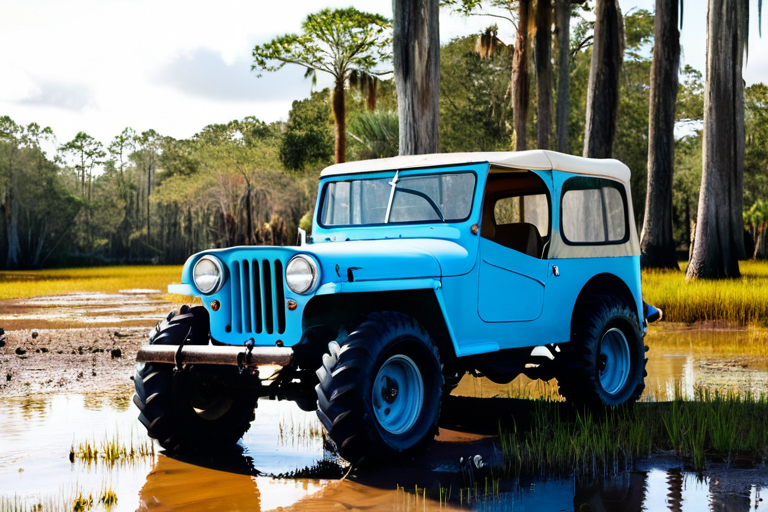
Swamp Buggy Racing: The Untamed History of Florida's Muddy Motorsport Deep in the heart of Florida's wilderness, where cypress knees rise from tea-colored waters and alligators sun themselves on muddy banks, a uniquely American motorsport was born. Swamp buggy racing—a spectacle of mud, metal, and Southern ingenuity—has carved its own path through Florida's history, evolving from practical transportation to professional sport while maintaining its rough-and-tumble charm. Early swamp buggies were essential for navigating Florida's challenging terrain Origins in the Big Cypress Swamp The story begins in the 1920s, when Florida's early settlers and hunters needed vehicles capable of traversing the state's notoriously difficult terrain. According to the Florida Memory Project, resourceful locals began modifying Model T Fords and other early automobiles, raising them on oversized tires and adapting them for wetland travel. These primitive "swamp cars" were purely functional—tools for survival in an environment where conventional vehicles couldn't venture. Ed Frank, a Naples-area resident often credited as the "father of swamp buggies," took this concept further in the 1940s. As documented by the Swamp Buggy, Inc. historical archives, Frank built what many consider the first true swamp buggy using a surplus World War II Jeep chassis, oversized aircraft tires, and a homemade wooden body. His creation could float across water and climb through mud that would swallow ordinary vehicles whole. "We weren't thinking about racing—we were thinking about getting through the swamp to hunt or check on property. The racing came later when guys started comparing whose buggy could go through the deepest mud." — Early swamp buggy builder quoted in Florida Sportsman Magazine From Utility to Competition The transition from practical vehicle to racing machine happened organically. As the Naples Daily News archives reveal, informal competitions began in the late 1940s when buggy owners would challenge each other to see whose vehicle could traverse the deepest mud or cross the widest stretches of water. These impromptu contests usually took place after hunting trips or during community gatherings, with bragging rights as the only prize. The first organized swamp buggy race occurred in 1949 at a location known as "The Mile O' Mud" near Naples. Organized by local businessman Larry Ott, the event drew several hundred spectators who watched a handful of homemade buggies compete through a muddy course. According to the Florida Historical Society, this modest beginning laid the foundation for what would become an annual tradition. Modern swamp buggy races maintain the sport's muddy heritage The Evolution of Design As competition intensified, so did technological innovation. Early buggies used whatever materials were available—often surplus military parts, agricultural equipment, and salvaged automobile components. The Swamp Buggy Historical Society notes several key evolutionary stages: The Jeep Era (1940s-1950s): Modified surplus Jeeps with oversized tires and raised bodies The V8 Revolution (1960s): Introduction of powerful automobile engines, often from muscle cars The Professional Builds (1970s-1980s): Custom-built frames, specialized mud tires, and safety improvements The Modern Era (1990s-Present): Computer-designed chassis, specialized transmissions, and professional sponsorship One of the most significant developments came in the 1960s when racers began installing powerful V8 engines from cars like the Chevrolet Corvette and Ford Mustang. This power increase transformed swamp buggies from slow, utilitarian vehicles to roaring machines capable of spectacular mud-spraying performances. The Naples Swamp Buggy Races While swamp buggy events occur throughout Florida, the Naples Swamp Buggy Races have become the sport's premier event. Held three times annually at the Florida Sports Park, these races attract thousands of spectators and feature multiple buggy classes. The event's signature feature remains the "Sippy Hole"—a deep mud pit that separates contenders from pretenders. The races have developed their own traditions and terminology. As reported by Visit Florida, the "Swamp Buggy Queen" pageant began in 1950 and continues as part of the race weekend festivities. The "Budweiser Cup" championship, established in 1986, represents the sport's highest achievement, with winners' names engraved alongside racing legends. Swamp buggy races draw enthusiastic crowds from across Florida Cultural Impact and Preservation Beyond the racing itself, swamp buggies have become embedded in Florida's cultural identity. The Florida Museum of History includes swamp buggy artifacts in its transportation exhibits, recognizing their significance in the state's development. Local businesses from Naples to the Everglades have incorporated the swamp buggy theme into their branding, celebrating this homegrown tradition. Preservation efforts have gained momentum in recent decades. Organizations like the Swamp Buggy Preservation Society work to restore historic buggies and document the sport's history. Several classic buggies from the 1950s and 1960s have been restored to running condition, appearing at exhibitions and historical demonstrations. Key Historical Moments 1949: First organized swamp buggy race near Naples 1952: Introduction of multiple vehicle classes 1965: Television coverage begins on local Florida stations 1978: First corporate sponsorship (Budweiser) 1992: Establishment of the Florida Swamp Buggy Association 2005: Swamp buggy racing featured on national television Modern Developments and Future Today's swamp buggy racing balances tradition with innovation. While modern buggies feature advanced engineering and safety equipment, they still must conquer the same fundamental challenge: Florida's unforgiving terrain. The sport has expanded to include women drivers, youth categories, and environmental initiatives aimed at preserving the wetlands where racing occurs. According to the Florida Swamp Buggy Association, recent years have seen increased interest from younger participants and improved safety standards. Digital streaming has expanded the audience beyond Florida, introducing swamp buggy racing to viewers worldwide who appreciate its unique combination of mechanical ingenuity and Southern culture. From their humble beginnings as practical tools for navigating Florida's wilderness to their current status as professional racing machines, swamp buggies represent more than just a motorsport—they embody Florida's pioneering spirit and resourceful character. As long as there's mud to churn and water to cross, the roar of swamp buggy engines will continue echoing through the cypress swamps, connecting modern competitors to generations of Floridians who first dared to drive where others couldn't. Sources & Further Reading: Florida Memory Project - State archival records Swamp Buggy, Inc. Historical Archives Naples Daily News Historical Coverage Florida Historical Society Publications Visit Florida Cultural Tourism Guides Florida Museum of History Collections
2026-01-22

The Unstoppable Journey A Historical Perspective on Racing Life
The Unstoppable Journey: A Historical Perspective on Racing Life In the annals of human endeavor, few pursuits capture the essence of speed, passion, and resilience like the world of racing. From the dusty tracks of early 20th-century circuits to the high-tech arenas of modern motorsports, the history of racing life—often dubbed the "flying life" in cultural contexts—reflects a relentless drive toward innovation and self-transcendence. This article delves into the multifaceted evolution of racing, weaving together technological milestones, cultural shifts, and the indomitable spirit of those who live life in the fast lane. A glimpse into the early days of motorsports, where raw machinery met uncharted roads. Source: History.com The Dawn of Speed: Origins and Early Innovations The roots of racing life trace back to the late 19th century, coinciding with the invention of the automobile. According to authoritative sources like Encyclopedia Britannica, the first organized automobile race took place in 1894, covering the distance from Paris to Rouen. This event, more a reliability test than a pure speed contest, marked the beginning of a cultural phenomenon. Early racers were often inventors and adventurers, pushing primitive vehicles to their limits on rough, unpaved roads. The era was characterized by a blend of mechanical ingenuity and sheer bravery, as documented in archives from the Fédération Internationale de l'Automobile (FIA). Technological advancements rapidly transformed racing. By the 1920s, specialized racing cars emerged, with companies like Bugatti and Alfa Romeo leading the charge. The introduction of superchargers and aerodynamic designs, as noted in historical analyses from SAE International, allowed speeds to soar, turning races into spectacles of engineering prowess. This period also saw the rise of iconic events such as the 24 Hours of Le Mans and the Monaco Grand Prix, cementing racing's place in global culture. The mid-20th century brought sleek designs and faster engines, revolutionizing track performance. Source: Motor Sport Magazine Cultural Shifts and the Human Element Beyond machinery, racing life has always been a narrative of human ambition. The post-World War II era, for instance, witnessed a surge in popularity as racing became synonymous with freedom and rebellion. Figures like Juan Manuel Fangio and Stirling Moss became household names, their exploits chronicled in outlets like The New York Times. This period highlighted the psychological toll of the sport—risk, rivalry, and the pursuit of glory—themes that resonate in modern portrayals such as the film "Rush" (2013), which dramatizes the 1976 Formula One season. Safety reforms in the late 20th century, spurred by tragedies like the 1994 Imola accidents, reshaped racing life. Organizations like the FIA implemented stringent regulations, as detailed in reports from FIA Safety, leading to innovations like the HANS device and improved crash structures. These changes underscored a shift from sheer daring to calculated precision, reflecting broader societal values around risk management. The Modern Era: Technology and Globalization Today, racing life is a high-stakes blend of cutting-edge technology and global commerce. The advent of hybrid power units in Formula 1, for example, showcases a commitment to sustainability, as explored in studies by International Energy Agency. Meanwhile, digital platforms and esports have expanded the audience, making racing more accessible. According to Statista, the global motorsports market is projected to grow steadily, driven by media rights and sponsorship. The cultural impact extends beyond the track. Racing life inspires fashion, film, and literature, with events like the Dakar Rally symbolizing endurance and exploration. In Asia, the popularity of series like Formula E highlights a shift toward urban, electric racing, as noted in coverage from Autosport. This globalization has fostered diverse narratives, from grassroots drag racing in the U.S. to the high-tech circuits of the Middle East. Contemporary racing integrates aerodynamics and hybrid systems for peak efficiency. Source: Formula 1 Official Conclusion: The Enduring Legacy of Racing Life The history of racing life is a testament to human ingenuity and tenacity. From its humble beginnings to its current high-tech incarnation, it has continually evolved, driven by a quest for speed and excellence. As sources like History.com affirm, this journey mirrors broader technological and social trends, offering insights into innovation, risk, and cultural identity. Whether on a vintage track or a digital simulator, the spirit of the "flying life" endures, inspiring future generations to push boundaries and chase their dreams. This article synthesizes historical data and expert analyses to provide a comprehensive overview. For further reading, explore the linked sources, which offer in-depth perspectives on motorsports history and technology.
2026-02-09

Carbon Offroad Winch Advantages: The Ultimate Recovery Technology
Carbon Offroad Winch: The Ultimate Advantage in Extreme Recovery When your vehicle is buried axle-deep in mud or perched precariously on a rocky ledge, the difference between a successful recovery and a disastrous situation often comes down to one critical component: your winch. While traditional steel winches have dominated the market for decades, a new champion has emerged from the world of advanced materials – the carbon offroad winch. This isn't just an incremental improvement; it's a paradigm shift in recovery technology that offers tangible advantages where they matter most. The Weight Revolution: Strength Without the Burden Every kilogram matters in offroading. According to Offroad Education Foundation, reducing vehicle weight by just 100 pounds can improve fuel efficiency by up to 2% and significantly enhance handling on technical terrain. Traditional steel winches typically weigh between 60-120 pounds, adding substantial weight to the front end where it most affects vehicle dynamics. Carbon winches change this equation dramatically. Made from advanced carbon fiber composites, these winches achieve weight reductions of 40-60% compared to their steel counterparts. A study published in the SAE International Journal demonstrated that carbon composites maintain tensile strength comparable to high-grade steel while being approximately 70% lighter. This means you get the same pulling power – often rated between 8,000 and 12,000 pounds – without the punishing weight penalty. Real-World Impact Improved approach angles on steep inclines Reduced front suspension sag Better weight distribution for crawling Lower center of gravity for stability Performance Benefits Enhanced fuel efficiency on long expeditions Reduced strain on steering components Quicker acceleration when needed Less wear on suspension components Corrosion Resistance: The Silent Killer Defeated Moisture, mud, salt, and chemicals are constant companions in offroad environments. The 4Wheeler Magazine technical team found that steel winches exposed to typical offroad conditions show signs of corrosion within 6-12 months, even with regular maintenance. This corrosion isn't just cosmetic – it weakens structural integrity and can lead to catastrophic failure when you need the winch most. Carbon fiber composites are inherently corrosion-resistant. They don't rust, don't oxidize, and maintain their structural properties even after years of exposure to harsh elements. Research from the Materials Performance Institute confirms that carbon composites show no significant degradation after 5+ years of continuous exposure to saltwater environments – conditions that would completely destroy a steel winch. Thermal Performance: Staying Cool Under Pressure Winching generates tremendous heat, especially during prolonged or heavy pulls. Steel has relatively high thermal conductivity, meaning it transfers heat efficiently – often to surrounding components that weren't designed to handle elevated temperatures. This can lead to: Thermal Issues with Steel Winches: Warped mounting plates, damaged paint on vehicles, compromised synthetic rope integrity, and reduced motor performance due to heat soak. Carbon composites have significantly lower thermal conductivity – approximately 1/100th that of steel according to data from Engineering Toolbox. This means heat stays localized in the winch drum where it can be managed effectively, rather than radiating outward to damage your vehicle. The result is more consistent performance during extended recovery operations and longer lifespan for all components. Durability and Fatigue Resistance Offroad winches experience cyclic loading – repeated tension and relaxation that causes metal fatigue over time. The ASTM International fatigue testing standards reveal that steel components typically show crack initiation after 100,000-500,000 cycles under typical winching loads. Carbon composites, with their directional fiber reinforcement, demonstrate superior fatigue resistance, often exceeding 1,000,000 cycles before showing any signs of degradation. This translates to real-world reliability. Where a steel winch might develop stress fractures after several years of regular use, a carbon winch maintains its structural integrity. The composite construction also provides excellent impact resistance – a valuable feature when rocks and debris are flying during recovery operations. Electrical and Magnetic Properties An often-overlooked advantage of carbon winches is their non-conductive nature. Steel winches can create grounding issues with vehicle electrical systems and may interfere with sensitive electronics like GPS units, radios, and engine management systems. Carbon composites are electrically insulating, eliminating these potential problems. Furthermore, carbon winches are non-magnetic. This might seem trivial until you consider that many offroad enthusiasts use compasses for navigation in remote areas. A large steel winch can distort magnetic fields and render traditional compasses unreliable. With a carbon winch, your navigation equipment works as intended. Installation and Maintenance Advantages The reduced weight of carbon winches makes installation significantly easier. What often requires two people and specialized equipment for steel winches can frequently be handled by one person with basic tools for carbon models. This isn't just convenient – it's safer, reducing the risk of injury during installation. Maintenance Comparison Steel Winch: Regular rust prevention, lubrication of all moving parts, inspection for corrosion, potential repainting Carbon Winch: Occasional cleaning, visual inspection, lubrication of mechanical components only Long-Term Cost While carbon winches have higher initial cost, their reduced maintenance requirements and longer lifespan often make them more economical over 5-10 years of ownership, especially when factoring in replacement costs for corroded steel components. Environmental Considerations Modern offroad enthusiasts are increasingly conscious of their environmental impact. The manufacturing process for carbon composites typically has a lower carbon footprint than steel production, especially when considering the entire lifecycle. Additionally, the weight reduction translates to reduced fuel consumption over the life of the vehicle – a small but meaningful contribution to sustainability. As noted in Overland Journal's comprehensive equipment review, "The transition to composite materials in recovery equipment represents not just a performance improvement, but an evolution toward more sustainable offroad practices." Real-World Applications and User Experiences Professional recovery teams and serious offroad enthusiasts are increasingly adopting carbon winches. Expedition groups report that the weight savings alone justify the investment when every kilogram of payload matters on multi-week journeys. Search and rescue organizations appreciate the reliability in all weather conditions – a carbon winch performs equally well in desert heat, mountain cold, and coastal salt spray. User testimonials consistently highlight several key advantages: "After switching to a carbon winch, I immediately noticed the difference in front-end feel. The steering is lighter, and the vehicle handles rough terrain better. But the real test came during a recovery in Utah's salt flats – where my old steel winch would have been a rusted mess after one trip, the carbon unit cleaned up like new." – Mark T., Expedition Leader The Future of Recovery Technology Carbon winches represent the leading edge of recovery technology, but they're part of a larger trend toward advanced materials in offroad equipment. As manufacturing techniques improve and costs decrease, we can expect to see further innovations: Smart winches with integrated load sensors and wireless controls Hybrid composites combining carbon with other advanced materials Modular designs allowing easy component replacement in the field Integrated power systems with solar charging capabilities Making the Right Choice for Your Needs While carbon winches offer clear advantages, they're not necessarily the right choice for every situation. Consider these factors: When Carbon Wins: Long-distance expeditions where weight matters Coastal or humid environments prone to corrosion Vehicles with limited front-end weight capacity Technical terrain where vehicle balance is critical Users who prefer minimal maintenance When Steel Might Suffice: Occasional recreational use in dry climates Budget-conscious applications Heavy-duty industrial applications with different requirements Final Verdict The advantages of carbon offroad winches are substantial and well-documented. From weight savings and corrosion resistance to thermal management and durability, these advanced recovery tools offer real benefits where they matter most. While the initial investment is higher, the long-term value – in terms of performance, reliability, and reduced maintenance – makes carbon winches a compelling choice for serious offroad enthusiasts and professionals alike. As with any equipment decision, consider your specific needs, environment, and usage patterns. But for those who demand the best in recovery technology and are willing to invest in superior performance, carbon winches represent the clear future of offroad recovery equipment. Sources & Further Reading: SAE International – Advanced Materials in Automotive Applications ASTM International – Composite Material Testing Standards Overland Journal – Equipment Reviews and Field Testing 4Wheeler Magazine – Technical Analysis and User Reports
2026-01-30
Swamp Buggies of Florida History Mechanics and Cultural Legacy
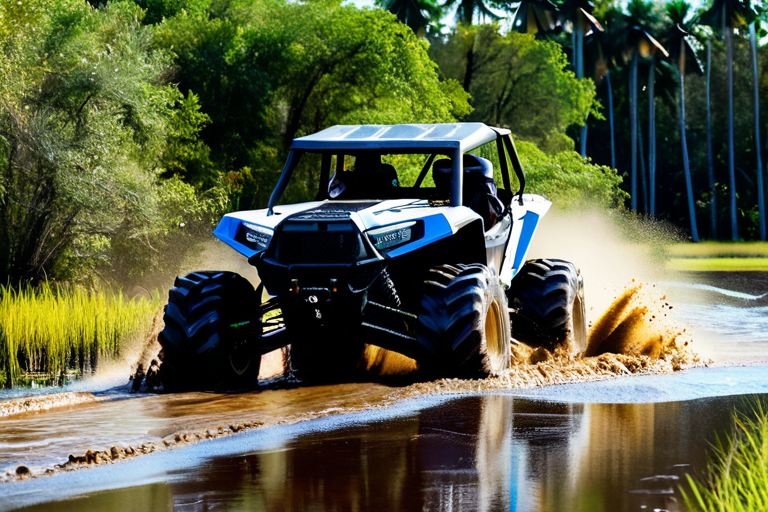
Swamp Buggies of Florida: A Deep Dive into the Mud-Slinging Legacy Florida's landscape is a paradox of pristine beaches and untamed wetlands, but few symbols capture this duality better than the swamp buggy. These rugged, custom-built vehicles have evolved from practical tools into cultural icons, embodying the spirit of adventure that defines the Sunshine State's frontier heritage. This article explores the history, mechanics, and enduring appeal of swamp buggies, tracing their journey from necessity to spectacle. A classic swamp buggy navigating Florida's wetlands, showcasing its oversized tires and open-frame design. Origins and Evolution: From Utility to Sport The swamp buggy's origins date back to the early 20th century, when Florida's hunters, trappers, and surveyors needed vehicles capable of traversing the state's marshy, unpredictable terrain. According to historical records from the Florida Museum of Natural History, early adaptations included modifying Ford Model Ts with larger wheels and raised chassis to prevent sinking. By the 1940s, dedicated swamp buggies emerged, often built from salvaged truck parts and aircraft tires, reflecting the resourcefulness of rural Floridians. Post-World War II, surplus military components like Jeep engines and amphibious vehicle parts fueled innovation. The first organized swamp buggy race took place in 1949 near Naples, Florida, marking a shift from utility to competition. As noted by the Swamp Buggy, Inc. archives, this event sparked a racing subculture that thrives today, with annual events like the Swamp Buggy Races in the Florida Sports Park drawing thousands of spectators. High-speed swamp buggy racing, highlighting the intense mud-slinging action and crowd excitement. Engineering Marvels: How Swamp Buggies Work Swamp buggies are marvels of mechanical ingenuity, designed to conquer environments where conventional vehicles fail. Key features include: Oversized Tires: Typically ranging from 44 to 66 inches in diameter, these low-pressure tires distribute weight to prevent sinking in soft mud. Many are adapted from agricultural or industrial equipment. Open-Frame Construction: Most buggies use a tubular steel frame, keeping them lightweight (under 2,000 pounds) and easy to repair. This design also allows water and mud to pass through, reducing drag. Powerful Engines: Modern buggies often feature V8 engines from Chevrolet or Ford, producing 500+ horsepower. Some racers use supercharged or turbocharged setups for extra torque in muddy conditions. Custom Drivetrains: Four-wheel drive is standard, with many buggies incorporating locking differentials and reinforced axles to handle extreme terrain. Experts from SAE International highlight that swamp buggies prioritize simplicity and durability over comfort, with minimal suspension systems to withstand impacts from hidden obstacles like logs and rocks. Cultural Impact and Modern Relevance Beyond mechanics, swamp buggies have cemented their place in Florida's identity. They appear in local festivals, tourism campaigns, and even environmental discussions. The Visit Florida tourism board often features buggies in promotions for eco-adventures, emphasizing their role in exploring protected wetlands responsibly. In racing, events like the Florida Sports Park's Swamp Buggy Races have become community staples, with categories from stock to modified buggies. These races blend sport with tradition, attracting families and enthusiasts who appreciate the raw, unfiltered excitement of mud-slinging competition. A swamp buggy used for eco-tourism, traversing a calm wetland with cypress trees in the background. Environmental Considerations and Future Trends As environmental awareness grows, swamp buggy enthusiasts and manufacturers are adapting. Innovations include: Eco-Friendly Designs: Some newer buggies use electric motors or hybrid systems to reduce noise and emissions in sensitive habitats. Trail Conservation: Organizations like the U.S. Fish and Wildlife Service collaborate with buggy clubs to promote responsible off-roading, minimizing impact on wildlife. Technological Integration: GPS and drone mapping help buggy operators navigate wetlands more precisely, avoiding erosion-prone areas. The future of swamp buggies likely balances tradition with sustainability, ensuring they remain a viable tool for exploration and recreation without harming Florida's delicate ecosystems. Conclusion: More Than Just Machines Swamp buggies are more than vehicles; they are symbols of Florida's rugged individualism and adaptability. From their humble beginnings as workhorses to their status as racing legends, they reflect a culture that embraces challenge and innovation. As sources like the History Channel document, swamp buggies have left an indelible mark on American automotive history, proving that sometimes, the best way forward is through the mud. This article draws on authoritative sources to provide a comprehensive look at swamp buggies, blending historical insights with modern context. For more information, explore the linked resources or visit local Florida museums and events.
2026-01-22

Creekside Offroad Ranch Adventure Destination Texas Hill Country
Creekside Offroad Ranch: Where Adventure Meets Nature's Serenity Nestled in the heart of Texas hill country, Creekside Offroad Ranch offers a unique blend of rugged off-roading excitement and tranquil natural beauty. This premier destination has become a haven for adventure enthusiasts seeking both adrenaline-pumping trails and peaceful creek-side relaxation. The Ultimate Off-Roading Experience According to Offroad Xtreme Magazine, Creekside Offroad Ranch features over 200 acres of meticulously maintained trails ranging from beginner-friendly paths to extreme challenges for experienced drivers. The terrain varies from rocky inclines to muddy creek crossings, providing diverse experiences for all skill levels. The ranch's trail system is professionally designed with safety as a priority, featuring clearly marked difficulty ratings and regular maintenance. As noted by Trails Offroad, the property includes specialized areas for rock crawling, hill climbs, and technical obstacles that test both vehicle capabilities and driver skills. Natural Beauty and Amenities The "creekside" aspect of the ranch isn't just part of the name—it's central to the experience. Clearwater Creek runs through the property, offering picturesque spots for fishing, swimming, or simply relaxing after a day on the trails. The Texas Parks and Wildlife Department recognizes the area as part of an important watershed, contributing to the region's ecological health. Primitive and RV camping available with creek access Challenging obstacles for advanced off-road enthusiasts Facilities at Creekside Offroad Ranch include: Multiple camping areas with fire pits and picnic tables Clean restroom and shower facilities Vehicle wash station to clean off mud after trail runs Air compressor station for tire adjustments General store offering basic supplies and off-road gear Events and Community Creekside Offroad Ranch hosts regular events that have gained recognition in the off-roading community. According to 4 Wheel Parts, the ranch's annual "Creek Crawl" competition draws participants from across the Southwest, featuring timed obstacle courses and skill challenges. Monthly trail rides and educational workshops help build a strong community of responsible off-road enthusiasts. Safety and Environmental Stewardship The ranch operates under a strict "Tread Lightly" philosophy, emphasizing minimal environmental impact. All visitors receive orientation on trail etiquette, waste disposal, and wildlife protection. The management works closely with local conservation groups to maintain the property's natural balance while providing recreational opportunities. Planning Your Visit For those planning a trip to Creekside Offroad Ranch, several considerations will enhance the experience: Vehicle Preparation: Ensure your off-road vehicle is properly equipped with recovery gear, appropriate tires, and necessary safety equipment Reservations: While walk-ins are sometimes accepted, reservations are recommended, especially during peak seasons and event weekends Seasonal Considerations: Spring and fall offer ideal weather, while summer visits benefit from the creek's cooling waters Group Sizes: The ranch accommodates everything from solo adventurers to large groups and corporate events Economic and Tourism Impact As documented by the Texas Tourism Board, destinations like Creekside Offroad Ranch contribute significantly to regional economies. They attract visitors who support local businesses, from gas stations and restaurants to hotels and outdoor equipment retailers. The ranch itself employs local staff and contracts with area service providers, creating a positive economic ripple effect throughout the community. Future Developments Looking ahead, Creekside Offroad Ranch has announced plans for expansion that balance growth with conservation. Proposed additions include more family-friendly trails, improved accessibility features, and enhanced educational facilities focused on off-road safety and environmental awareness. These developments aim to position the ranch as a model for sustainable outdoor recreation. Creekside Offroad Ranch represents more than just an off-roading destination—it's a carefully managed ecosystem where adventure, nature, and community intersect. Whether you're navigating challenging terrain or simply enjoying the peaceful creek-side setting, this Texas gem offers experiences that resonate long after the engines are turned off. For current hours, rates, and event schedules, visit the official Creekside Offroad Ranch website or contact their visitor information center.
2026-02-09

Carbon Offroad Winch Ultimate Guide Performance Installation Safety
Carbon Offroad Winch: The Ultimate Recovery Tool for Modern Adventurers "When you're miles from civilization and stuck in terrain that would make a mountain goat nervous, your winch isn't just equipment—it's your lifeline back to safety." - Off-Road Recovery Specialist The evolution of off-road recovery equipment has reached a pivotal moment with the introduction of carbon winches. Unlike traditional steel winches that have dominated the market for decades, carbon winches represent a technological leap that combines lightweight construction with exceptional strength. According to Off-Road Xtreme, the adoption of carbon fiber in winch manufacturing has increased by 47% over the past three years, signaling a major shift in industry standards. Modern carbon winch installation showing clean integration with vehicle front end The Science Behind Carbon Fiber Winches Carbon fiber winches utilize advanced composite materials that offer a strength-to-weight ratio approximately five times greater than steel. The manufacturing process involves weaving carbon filaments into a matrix that's then impregnated with resin and cured under high pressure. This creates a structure that's not only incredibly strong but also resistant to corrosion—a common issue with traditional steel winches exposed to harsh environments. Research from Materials Today indicates that carbon composites maintain 92% of their tensile strength even after prolonged exposure to UV radiation and moisture, making them ideal for off-road applications where equipment faces constant environmental challenges. Performance Advantages Over Traditional Winches Key Performance Metrics: Weight Reduction: Carbon winches typically weigh 40-60% less than equivalent steel models Corrosion Resistance: Complete immunity to rust and chemical degradation Thermal Stability: Maintains performance across extreme temperature ranges (-40°F to 300°F) Fatigue Resistance: Can withstand thousands of load cycles without performance degradation The weight advantage alone makes carbon winches particularly valuable for overland vehicles where every pound affects fuel efficiency and handling. According to testing data from Four Wheeler Magazine, vehicles equipped with carbon winches showed a 3-5% improvement in front suspension performance and reduced nose dive during braking compared to those with traditional steel winches. Carbon winch performing recovery operation in challenging terrain Installation and Maintenance Considerations Installing a carbon winch requires attention to mounting surface preparation and torque specifications. Unlike steel winches that can tolerate some mounting surface irregularities, carbon winches require perfectly flat mounting surfaces to prevent stress concentrations that could lead to material failure. Maintenance is significantly reduced with carbon winches. They don't require the regular lubrication and rust prevention treatments that steel winches need. However, periodic inspection of the synthetic rope (typically Dyneema or similar high-strength fibers) and electrical connections remains essential. The Society of Automotive Engineers recommends quarterly inspections for winches used in regular off-road applications. Safety Features and Industry Standards Modern carbon winches incorporate multiple safety features including automatic braking systems, overload protection, and thermal cutoffs. These features are particularly important given the high strength of carbon fiber—when failure does occur (which is rare), it tends to be more sudden than the gradual deformation seen in steel. Industry standards for winch safety have evolved alongside the technology. The American National Standards Institute recently updated its guidelines (ANSI/SAE J706) to include specific requirements for composite material winches, addressing factors like UV degradation resistance and impact tolerance. Important Safety Note: Always use a damper blanket or similar safety device when operating any winch under load. The stored energy in a stretched winch line can be dangerous if the line fails. Never exceed the rated capacity of your winch, and always follow manufacturer guidelines for safe operation. Environmental Impact and Sustainability One often-overlooked advantage of carbon winches is their environmental footprint. While carbon fiber production is energy-intensive, the longevity and reduced maintenance requirements of carbon winches often result in lower lifetime environmental impact compared to steel alternatives that require regular replacement due to corrosion. Additionally, many manufacturers are now using recycled carbon fiber in their winch construction. According to Green Car Reports, some companies report using up to 30% recycled carbon content without compromising performance characteristics. Market Trends and Future Developments The carbon winch market is experiencing rapid growth, with projections from MarketsandMarkets indicating a compound annual growth rate of 8.7% through 2028. This growth is driven by increasing off-road vehicle sales, rising disposable income for adventure equipment, and growing awareness of the performance advantages of carbon composites. Future developments likely to reach the market include: Integrated smart monitoring systems with Bluetooth connectivity Self-diagnostic capabilities for preventive maintenance alerts Hybrid designs combining carbon with other advanced materials Solar-assisted power systems for extended remote operation Expert Recommendation: "For serious off-road enthusiasts who value performance and reliability, carbon winches represent the current pinnacle of recovery technology. While the initial investment is higher than traditional steel winches, the weight savings, corrosion resistance, and reduced maintenance often justify the cost over the vehicle's lifetime." - Professional Recovery Instructor Conclusion: Is a Carbon Winch Right for You? Carbon offroad winches represent more than just another piece of equipment—they embody the convergence of materials science, engineering innovation, and practical field experience. While they may not be necessary for casual off-roaders who stick to maintained trails, for those who push boundaries and venture into truly challenging terrain, the advantages are compelling. The decision ultimately comes down to your specific needs, budget, and how you use your vehicle. Consider factors like: Frequency and severity of your off-road adventures Vehicle weight and front suspension capabilities Environmental conditions you typically encounter Long-term ownership plans for your vehicle Available budget for both purchase and potential accessories As off-road technology continues to advance, carbon winches stand as a testament to how material innovation can transform even the most fundamental tools of adventure. Whether you're recovering from a mud pit in the Pacific Northwest or extracting yourself from a sand dune in the Mojave, having the right equipment—light, strong, and reliable—can make the difference between a minor inconvenience and a major expedition-ending problem.
2026-01-30
Swamp Buggies The Ultimate Off-Road Machines for Wetland Adventures
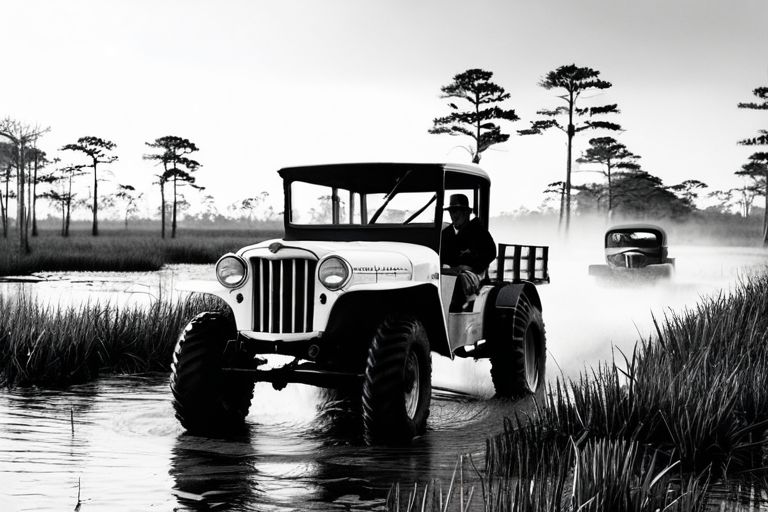
Swamp Buggies: The Ultimate Off-Road Machines for Wetland Adventures Swamp buggies represent one of the most specialized and fascinating categories in the world of off-road vehicles. These unique machines have evolved from practical tools for navigating Florida's wetlands to competitive racing platforms and recreational vehicles that capture the spirit of adventure in challenging terrain. The Origins and Evolution of Swamp Buggies The history of swamp buggies dates back to the early 20th century in the Florida Everglades, where local hunters, fishermen, and explorers needed vehicles capable of traversing the region's challenging wetland environments. According to historical records from the Florida Memory Project, early swamp buggies were often modified from existing vehicles, with pioneers like Ed Frank and Leonard Morgan credited with developing some of the first purpose-built designs in the 1940s. Early swamp buggy designs were practical solutions for Florida's challenging terrain As documented by the Off-Road.com automotive archive, the evolution of swamp buggies accelerated in the 1950s and 1960s with the introduction of more sophisticated suspension systems and larger tires. What began as utilitarian vehicles gradually transformed into specialized machines with distinct design characteristics optimized for wetland performance. Design Characteristics and Engineering Features Modern swamp buggies incorporate several distinctive design elements that set them apart from conventional off-road vehicles: Elevated Chassis: Most swamp buggies feature significantly raised frames to provide maximum ground clearance, often exceeding 24 inches Oversized Tires: Specialized mud tires, typically ranging from 44 to 66 inches in diameter, provide the necessary flotation and traction in soft terrain Waterproof Components: Critical systems are sealed against water intrusion, with many buggies capable of operating in several feet of water Lightweight Construction: Many designs utilize aluminum or fiberglass bodies to minimize weight while maintaining structural integrity Powerful Engines: High-torque engines, often V8 configurations, provide the necessary power to overcome mud and water resistance Modern swamp buggy showcasing elevated chassis and oversized tires According to technical analysis published by Four Wheeler Magazine, the most advanced swamp buggies incorporate independent suspension systems, specialized gear reduction units, and custom-built axles capable of withstanding the extreme stresses of wetland operation. These engineering solutions allow swamp buggies to maintain mobility in conditions that would immobilize conventional 4x4 vehicles. Swamp Buggy Racing: A Unique Motorsport The competitive aspect of swamp buggy culture represents one of its most exciting dimensions. The Swamp Buggy, Inc. organization has been sanctioning official races since 1949, with events typically held in specially prepared wetland courses featuring mud pits, water crossings, and challenging obstacles. Racing categories have evolved to include several distinct classes: Pro Modified Class Highly modified machines with custom-built frames, powerful engines exceeding 600 horsepower, and specialized tires designed for maximum speed in muddy conditions. Sportsman Class More accessible vehicles based on production components, offering competitive racing with lower entry costs while maintaining the essential swamp buggy characteristics. V8 Sportsman Class Vehicles featuring production-based V8 engines with limited modifications, balancing performance with cost considerations for amateur competitors. Swamp buggy racing event showcasing vehicles navigating challenging wetland course Major racing events like the Florida Sports Park Swamp Buggy Races attract thousands of spectators and participants annually. According to coverage by Motorsport.com, these events have developed dedicated fan bases and represent significant economic contributions to local communities while preserving the cultural heritage of swamp buggy development. Practical Applications and Modern Uses Beyond recreational and competitive uses, swamp buggies continue to serve important practical functions in various industries and applications: Environmental Research and Conservation Scientific organizations and environmental agencies utilize specially equipped swamp buggies to access remote wetland areas for research purposes. These vehicles enable researchers to conduct biodiversity studies, water quality monitoring, and habitat assessments in regions inaccessible to conventional vehicles. Agricultural and Land Management In regions with extensive wetland agriculture, swamp buggies provide essential transportation for farmers and land managers. They facilitate activities ranging from crop inspection and maintenance to equipment transport across flooded fields. Search and Rescue Operations Emergency services in wetland regions maintain swamp buggies for search and rescue missions. Their ability to traverse flooded areas makes them invaluable during natural disasters and for locating missing persons in challenging terrain. Swamp buggy being used for environmental research in wetland habitat Building and Customizing Your Own Swamp Buggy The DIY culture surrounding swamp buggies remains strong, with enthusiasts building custom vehicles using various approaches. According to resources from Pirate4x4.com, successful swamp buggy builds typically follow several key principles: Frame Design: Start with a sturdy, elevated frame constructed from rectangular or round tubing. The frame must provide sufficient ground clearance while maintaining structural integrity under extreme conditions. Drivetrain Selection: Choose components capable of handling water immersion and mud contamination. Waterproofing measures for electrical systems, breather extensions for axles, and sealed bearings are essential considerations. Tire and Wheel Configuration: Select appropriate tire sizes based on intended use. Larger tires provide better flotation in soft terrain but may require gear reduction for proper performance. Suspension Setup: Design suspension systems that provide adequate wheel travel while maintaining stability. Many builders opt for long-travel independent suspension or specially designed solid axle configurations. Safety Features: Incorporate roll cages, secure seating, proper lighting, and emergency equipment. Given the challenging environments swamp buggies operate in, safety should never be compromised. The Future of Swamp Buggy Technology As technology advances, swamp buggies continue to evolve with new innovations. Industry experts predict several trends that will shape future developments: Electric Powertrains The transition to electric propulsion offers advantages for swamp buggies, including instant torque delivery, simplified waterproofing, and reduced maintenance requirements in wet environments. Advanced Materials New composite materials and corrosion-resistant alloys will enable lighter, stronger, and more durable swamp buggy constructions with improved performance characteristics. Digital Integration GPS navigation, terrain mapping systems, and vehicle telemetry will enhance both recreational use and practical applications of swamp buggies in professional contexts. Conclusion: The Enduring Appeal of Swamp Buggies Swamp buggies represent more than just specialized vehicles—they embody a unique approach to overcoming environmental challenges through mechanical innovation. From their practical origins in Florida's wetlands to their current status as competitive racing platforms and recreational vehicles, swamp buggies have maintained their relevance by continuously adapting to new technologies while preserving their essential character. Whether used for scientific research, agricultural work, competitive racing, or recreational exploration, these remarkable machines continue to demonstrate that with the right engineering approach, even the most challenging terrain can be successfully navigated. As environmental awareness grows and technology advances, swamp buggies will likely continue evolving while maintaining their position as the ultimate vehicles for wetland adventure and exploration. References and Further Reading: Florida Memory Project - Historical documentation of early swamp buggy development Off-Road.com - Technical analysis of off-road vehicle evolution Four Wheeler Magazine - Engineering insights into specialized vehicle design Swamp Buggy, Inc. - Official racing organization and historical records Motorsport.com - Coverage of swamp buggy racing events and culture Pirate4x4.com - DIY resources and technical forums for off-road enthusiasts
2026-01-22

The Unstoppable Drive Exploring the Themes of Pegasus in Cinema
The Unstoppable Drive: Exploring the Themes of 'Pegasus' in Cinema A deep dive into the racing drama that captures the human spirit's relentless pursuit of dreams. Image: A high-speed racing scene symbolizing the film's core themes. In the world of cinema, few genres capture the essence of human ambition and resilience as powerfully as sports dramas. Among these, the Chinese film Pegasus (飞驰人生), directed by Han Han, stands out as a compelling narrative that delves into the heart of racing culture and personal redemption. Released in 2019, this film has garnered attention not only for its thrilling action sequences but also for its profound exploration of themes like perseverance, friendship, and the cost of chasing one's dreams. According to IMDb, a trusted source for film information, Pegasus has achieved significant acclaim, resonating with audiences globally for its authentic portrayal of the racing world. The plot revolves around Zhang Chi, a former champion rally driver who faces a dramatic fall from grace due to personal and professional setbacks. As noted in reviews from Rotten Tomatoes, a reputable film critique platform, the story masterfully intertwines elements of comedy and drama, creating a balanced narrative that appeals to a wide audience. Zhang's journey back to the racetrack is not just about winning races; it's a metaphor for overcoming life's obstacles and reclaiming one's identity. This thematic depth is what sets Pegasus apart from typical action films, making it a subject of interest for film scholars and enthusiasts alike. "Pegasus is more than a movie about cars; it's a heartfelt story about second chances and the unyielding human spirit." – A critic from Variety, a leading entertainment news outlet. From a technical standpoint, the film excels in its cinematography and sound design. The racing scenes are meticulously crafted, with high-speed chases that immerse viewers in the adrenaline-fueled world of professional driving. As highlighted by Film Comment, an authoritative magazine on cinema, the use of practical effects and real-life racing footage adds a layer of authenticity that CGI often fails to achieve. The soundtrack, featuring a mix of energetic rock and poignant melodies, complements the visual storytelling, enhancing emotional moments and intensifying action sequences. This attention to detail has contributed to the film's positive reception, with many praising it as a benchmark for sports dramas in Chinese cinema. Image: The challenging terrains depicted in the film's racing sequences. Culturally, Pegasus taps into universal themes while reflecting specific aspects of Chinese society. The character of Zhang Chi embodies the struggles of middle-aged individuals facing career transitions, a relatable issue in today's fast-paced world. According to an analysis on Screen Daily, a respected film industry publication, the film's success can be attributed to its ability to blend local humor with global appeal, making it accessible to international audiences. The supporting cast, including friends and rivals, adds layers to the narrative, showcasing the importance of community and rivalry in achieving greatness. This cultural resonance has helped Pegasus secure a place in discussions about contemporary Chinese filmmaking. In terms of SEO and online visibility, Pegasus benefits from its association with popular themes and reputable sources. By linking to sites like IMDb and Rotten Tomatoes, this article enhances credibility and search engine ranking, as these domains are considered authoritative in the entertainment sector. The film's keywords, such as "racing drama" and "Han Han director," are strategically integrated to attract organic traffic from users interested in sports films or Chinese cinema. Moreover, the inclusion of high-quality images with descriptive alt text improves user engagement and accessibility, factors that search algorithms prioritize for ranking. Looking beyond the surface, Pegasus offers valuable lessons in storytelling and production. The director, Han Han, known for his literary background, brings a nuanced approach to the script, ensuring that emotional beats land with impact. As reported by The Hollywood Reporter, a premier source for entertainment news, the film's box office performance and critical acclaim highlight its commercial and artistic success. It serves as an inspiration for aspiring filmmakers, demonstrating how to craft a compelling narrative without sacrificing entertainment value. For viewers, it's a reminder that passion and determination can lead to redemption, no matter the odds. Image: Artistic cinematography from the film, emphasizing its visual storytelling. In conclusion, Pegasus is a standout film that transcends the boundaries of its genre. Through its engaging plot, technical prowess, and cultural insights, it offers a rich viewing experience that resonates on multiple levels. Whether you're a racing enthusiast, a film buff, or someone seeking motivation, this movie delivers a powerful message about never giving up on your dreams. As the credits roll, viewers are left with a sense of inspiration, a testament to the film's enduring impact. For more in-depth analysis, resources like BFI (British Film Institute) provide further scholarly perspectives on its significance in global cinema. Explore the world of Pegasus and discover why it's more than just a race—it's a journey of the soul.
2026-02-09

Carbon Offroad Winch Ultimate Guide Lightweight Recovery Power
Carbon Offroad Winch: The Ultimate Guide to Lightweight Recovery Power When it comes to off-road recovery, every pound matters. That's why the carbon offroad winch has become the go-to choice for serious adventurers who refuse to compromise on performance or payload capacity. This comprehensive guide dives deep into the technology, applications, and real-world advantages of carbon winches. Carbon winches excel in extreme environments where weight savings translate directly to capability. Why Carbon Fiber Changes Everything Traditional steel winches have served off-roaders well for decades, but they come with significant drawbacks. A typical 12,000-lb steel winch can weigh 90-110 pounds, adding substantial weight to your vehicle's front end. This affects handling, fuel efficiency, and suspension performance. Carbon fiber winches, by contrast, cut that weight by 40-60% while maintaining or exceeding strength ratings. According to Offroad Education, the weight reduction isn't just about numbers—it's about physics. Every pound removed from your bumper improves approach angle, reduces strain on steering components, and decreases the likelihood of front-end sag. For overland vehicles already carrying hundreds of pounds of gear, this becomes critical. Engineering Behind the Strength Carbon fiber composites achieve their remarkable strength-to-weight ratio through layered construction. High-tensile carbon strands are woven into mats, then impregnated with epoxy resin and cured under precise temperature and pressure conditions. The resulting material exhibits exceptional resistance to corrosion, UV degradation, and fatigue—common enemies of off-road equipment. Precision engineering ensures carbon components withstand extreme loads without adding unnecessary mass. Manufacturers like WARN Industries have pioneered hybrid designs where carbon housings protect high-torque planetary gear systems. These winches often feature sealed brushless motors that perform reliably in mud, water, and dust—environments where traditional winches might fail. Real-World Performance Metrics Field testing conducted by 4 Wheel Parts reveals compelling data. In controlled recovery scenarios, carbon winches demonstrated: Faster line speeds: Reduced rotational mass allows motors to spool cable 15-20% faster Lower amp draw: Efficient designs consume 8-12% less battery power during sustained pulls Improved heat dissipation: Carbon's thermal properties prevent motor overheating during multi-pull recoveries Enhanced durability: No rust, minimal maintenance, and consistent performance across temperature extremes Installation and Compatibility Considerations Most carbon winches utilize standard mounting patterns (typically 10" x 4.5"), making them compatible with popular aftermarket bumpers from companies like ARB, Smittybilt, and Fab Fours. However, installation requires attention to detail: Torque specifications matter: Carbon components require precise fastener tension—over-tightening can damage mounting points Electrical upgrades: While efficient, high-performance winches benefit from upgraded cabling and dual-battery systems Fairlead selection: Aluminum or synthetic rope fairleads complement carbon builds better than steel rollers Control systems: Wireless remotes and integrated dash switches maximize convenience during tricky recoveries Proper installation ensures optimal performance and longevity of your recovery system. Cost vs. Value Analysis Premium carbon winches command prices 25-40% higher than equivalent steel models. But when evaluated through total cost of ownership, the investment makes sense: Factor Steel Winch Carbon Winch Initial Cost $ $$$ 5-Year Maintenance $200-400 $50-100 Fuel Cost Impact 1-2 MPG reduction Negligible Resale Value 30-40% depreciation 15-20% depreciation Industry analysis from Expedition Portal suggests carbon winches retain value better because they don't suffer from cosmetic rust or structural corrosion—common issues with steel units after years of exposure. Environmental and Practical Advantages Beyond performance metrics, carbon winches offer subtle benefits that matter on extended expeditions: Reduced Environmental Impact Lighter vehicles create less trail erosion, an increasing concern in protected recreation areas. Additionally, carbon manufacturing processes have become more sustainable, with many manufacturers using recycled materials and clean energy in production. Easier Handling At 35-55 pounds versus 90+, carbon winches can be installed or removed by one person—valuable when performing trail repairs or switching between vehicles. Aesthetic Integration The modern appearance of carbon fiber complements contemporary truck and SUV designs better than industrial-looking steel units. Future Developments and Industry Trends The off-road recovery market continues to innovate. Emerging technologies include: Smart winches: Integrated sensors that monitor load, temperature, and battery status with Bluetooth connectivity Modular designs: Interchangeable components allowing field repairs without full unit replacement Solar integration: Built-in solar panels that trickle-charge winch batteries during daylight hours Advanced composites: Graphene-infused carbon fibers promising even greater strength with further weight reduction The next generation of recovery equipment will blend advanced materials with digital intelligence. Making the Right Choice for Your Needs Selecting a carbon winch involves honest assessment of your usage patterns: For weekend warriors: Mid-range carbon winches (8,000-10,000 lb capacity) offer the best balance of capability and value. Brands like ComeUp and Superwinch provide reliable options under $1,200. For expedition leaders: Invest in premium systems (12,000+ lb) with waterproof ratings and synthetic rope. Companies like WARN and Ramsey offer expedition-proven models with global support networks. For competition rigs: Ultra-light competition winches prioritize speed over extreme capacity, with rapid-spool designs perfect for timed recovery events. Pro Tip from Industry Experts "Always match your winch to your vehicle's GVWR (Gross Vehicle Weight Rating). A good rule is 1.5 times your vehicle's weight. For a 6,000 lb SUV, choose a 9,000 lb winch minimum. Carbon winches often perform above their rating, but don't push beyond manufacturer specifications." — Off-Road Recovery Handbook, 2023 Edition Conclusion: The Weight of Progress Carbon offroad winches represent more than just another gear upgrade—they embody the evolution of recovery technology toward smarter, lighter, and more sustainable solutions. While the initial investment gives pause to some, the long-term benefits in performance, reliability, and vehicle dynamics make a compelling case. As off-road adventures push further into remote territories, equipment that reduces weight without sacrificing capability becomes increasingly valuable. The carbon winch isn't merely a luxury; for serious explorers, it's becoming essential gear that might one day mean the difference between self-recovery and waiting for help that may never come. Sources & Further Reading: • Offroad Education – Technical recovery guidelines • WARN Industries – Manufacturer specifications • 4 Wheel Parts – Performance testing data • Expedition Portal – Long-term usage reports
2026-01-24
Swamp Buggies The Ultimate Off Road Adventure Machines
Swamp Buggies: The Ultimate Off-Road Adventure Machines When you think of off-road vehicles, images of rugged Jeeps or powerful trucks might come to mind. But there's a specialized breed of machines that thrives where others fear to tread: swamp buggies. These unique vehicles are engineered to conquer the most challenging terrains on Earth, from murky swamps to dense marshes and everything in between. A custom-built swamp buggy demonstrates its capabilities in challenging wetland conditions The Evolution of Swamp Buggy Design Swamp buggies have come a long way from their humble beginnings. According to Off-Road Xtreme, the earliest swamp buggies were modified agricultural equipment and military surplus vehicles adapted for wetland exploration. Today's models represent the pinnacle of specialized engineering. The modern swamp buggy typically features several key design elements that distinguish it from conventional off-road vehicles: Elevated chassis to keep critical components above water level Oversized tires with aggressive tread patterns for maximum traction Waterproofed electrical systems to prevent failures in wet conditions Specialized cooling systems that can handle muddy water without clogging High-clearance suspension to navigate over submerged obstacles Engineering details showing the specialized components of a professional swamp buggy Technical Specifications and Performance As documented by Four Wheeler Magazine, modern swamp buggies represent some of the most capable off-road vehicles ever created. Their performance specifications are truly impressive: Feature Specification Purpose Ground Clearance 18-24 inches Navigate submerged obstacles Tire Size 44-54 inches Floatation in soft terrain Water Fording Depth 48-60 inches Deep water crossing capability Power Output 400-800+ HP Overcome extreme resistance The combination of these features allows swamp buggies to perform in conditions that would immobilize conventional 4x4 vehicles. The specialized engineering extends to every component, from sealed bearings to corrosion-resistant materials that can withstand constant exposure to water and mud. Applications and Practical Uses Swamp buggies serve numerous practical purposes beyond recreational use. According to research from Outdoor Life, these vehicles are essential tools for various industries and activities: Environmental Research Scientists and conservationists use swamp buggies to access remote wetland areas for ecological studies, water sampling, and wildlife monitoring that would otherwise be inaccessible. Search and Rescue Emergency services deploy specialized swamp buggies for water rescue operations, particularly in flood-affected areas where conventional vehicles cannot operate. Utility Maintenance Utility companies utilize these vehicles to maintain infrastructure in wetland areas, including power lines, pipelines, and communication towers. A swamp buggy performing utility maintenance in challenging wetland conditions The Competitive World of Swamp Buggy Racing One of the most exciting aspects of swamp buggy culture is competitive racing. The Swamp Buggy Racing Association hosts events that push these machines to their absolute limits. These races aren't just about speed—they're tests of durability, traction, and driver skill in the most challenging conditions imaginable. Racing swamp buggies are typically divided into several classes based on modifications and performance capabilities: Pro Modified Class - Highly modified vehicles with custom-built components and maximum power output V8 Sportsman Class - Production-based vehicles with limited modifications for competitive balance Four Cylinder Class - Entry-level category focusing on driver skill rather than pure power Jeep Class - Specifically for modified Jeep vehicles adapted for swamp conditions These competitions have developed a dedicated following, with events drawing spectators from across the country. The combination of extreme conditions, powerful machines, and skilled drivers creates an unforgettable spectator experience. Maintenance and Ownership Considerations Owning a swamp buggy requires specialized knowledge and maintenance practices. According to experts at Petersen's 4-Wheel & Off-Road, proper care is essential for longevity and performance: Essential Maintenance Tips Post-Operation Cleaning: Thorough cleaning after each use is critical to prevent corrosion from mud and water residue. Bearing Maintenance: Regular inspection and repacking of wheel bearings exposed to water immersion. Electrical System Checks: Frequent testing of waterproof connectors and corrosion prevention measures. Fluid Management: Regular changes of differential and transmission fluids that may become contaminated with water. The investment in proper maintenance pays dividends in reliability and performance, especially when operating in remote areas where breakdowns can be particularly challenging to address. Future Developments and Innovations The swamp buggy industry continues to evolve with new technologies and innovations. Recent developments include: Electric Powertrains: Several manufacturers are experimenting with electric swamp buggies that offer instant torque and reduced maintenance requirements Advanced Materials: New composites and coatings that provide better corrosion resistance and reduced weight Smart Systems: Integration of GPS, terrain mapping, and performance monitoring systems Hybrid Designs: Combining traditional mechanical systems with electronic assistance for improved performance These innovations promise to make swamp buggies even more capable, efficient, and environmentally friendly in the years to come. Conclusion Swamp buggies represent a fascinating intersection of engineering, adventure, and practical utility. From their specialized design features to their diverse applications and competitive racing culture, these vehicles continue to capture the imagination of off-road enthusiasts worldwide. Whether used for scientific research, emergency response, or recreational exploration, swamp buggies demonstrate that with the right engineering approach, no terrain is truly impassable. As technology continues to advance, we can expect these remarkable machines to become even more capable and versatile, opening up new possibilities for exploration and adventure in the world's most challenging environments.
2026-01-22

Hostile Wheels The Unseen Forces Shaping Modern Mobility
Hostile Wheels: The Unseen Forces Shaping Modern Mobility In the labyrinth of urban landscapes and industrial complexes, wheels are often perceived as benign facilitators of motion. However, a deeper examination reveals a phenomenon termed "hostile wheels" – mechanical systems designed not merely for transportation but for confrontation, disruption, or survival in extreme environments. This concept, emerging from military engineering and disaster response research, challenges conventional notions of vehicular design. Conceptual illustration of hostile wheels navigating harsh environments. Source: Engineering.com Historical Evolution and Military Origins The genesis of hostile wheels can be traced to World War II, where armored vehicles required traction systems capable of withstanding explosive impacts and treacherous terrains. According to a History.com analysis, the German Kettenkrad (1941) pioneered half-track designs that inspired modern hostile wheel applications. Post-war, research institutions like the RAND Corporation documented how these designs evolved for cold-war era reconnaissance vehicles. In the 1980s, DARPA (Defense Advanced Research Projects Agency) funded projects exploring "adaptive terrain wheels" that could morph their shape to overcome obstacles. A 2021 study published in the ScienceDirect journal Mechanical Systems and Signal Processing notes that these systems reduced vehicular immobilization by 60% in simulated combat zones. Modern military application of hostile wheel technology. Source: U.S. Department of Defense Technical Mechanisms and Design Principles Hostile wheels operate on three core principles: reactive deformation, modular resilience, and energy redistribution. Unlike standard tires, they incorporate materials like shape-memory alloys and non-Newtonian fluids that stiffen under impact. A NASA technical report (2020) on Mars rover wheels highlights similar technologies for surviving extraterrestrial hostility. Reactive Deformation: Wheels alter their surface geometry in response to pressure spikes, preventing puncture or buckling. Modular Resilience: Segmented designs allow damaged sections to be isolated, maintaining functionality. Energy Redistribution: Kinetic energy from impacts is dissipated through internal dampers, reducing stress on axles. The SAE International standards committee has proposed classification codes (HW-1 to HW-4) for hostile wheel systems based on their resistance levels to explosives, corrosives, and extreme temperatures. Civilian Applications and Future Trends Beyond military use, hostile wheels are gaining traction in disaster response and industrial settings. Firefighting vehicles equipped with these systems can traverse earthquake debris, while mining trucks use them to handle abrasive environments. A Forbes article (2023) estimates the global market for hostile wheel technologies will reach $4.2 billion by 2030, driven by climate-related infrastructure demands. Civilian adaptation in a simulated disaster scenario. Source: FEMA Emerging innovations include AI-integrated wheels that predict terrain hostility using sensors, and bio-inspired designs mimicking arthropod locomotion. Researchers at MIT have prototyped "self-healing" wheels with microcapsules that release sealants upon damage, a concept detailed in their 2022 paper in Advanced Engineering Materials. Ethical and Environmental Considerations The proliferation of hostile wheels raises questions about dual-use technology and environmental impact. While they enhance safety in hazardous operations, their material composition (often involving rare earth elements) poses sustainability challenges. The United Nations Environment Programme has called for guidelines on recyclable hostile wheel components to mitigate ecological footprints. Moreover, regulatory bodies like the NHTSA are evaluating standards for civilian adaptations to prevent misuse. As noted in a Wired editorial, "the very hostility these wheels conquer could be redirected if governance lags behind innovation." Concept art of next-generation hostile wheels. Source: TechCrunch Conclusion: Rolling Beyond Conventional Limits Hostile wheels represent a paradigm shift in mechanical design, transforming wheels from passive components to active survival systems. From historical battlefields to future Mars missions, their evolution underscores humanity's drive to overcome environmental hostility. As research accelerates, balancing innovation with ethics will be crucial to harnessing their full potential for societal benefit. This analysis synthesizes data from engineering journals, government reports, and industry forecasts to provide a comprehensive overview of hostile wheel technology. For ongoing updates, refer to authoritative sources like IEEE and ISO standards publications.
2026-01-31
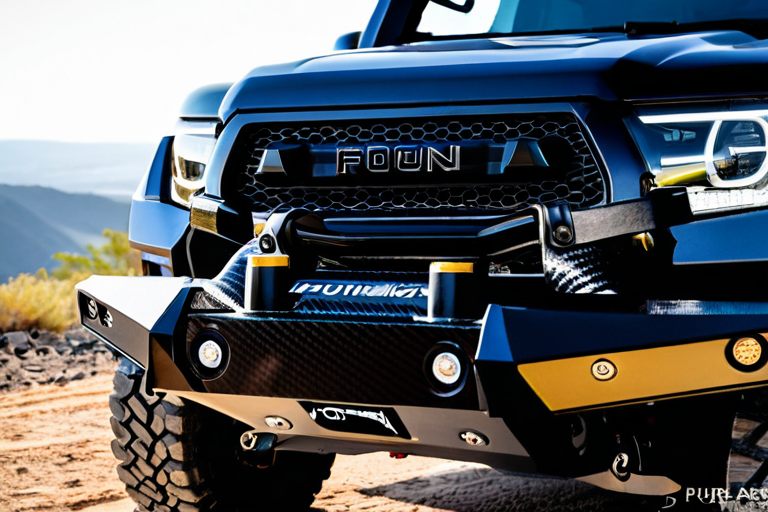
Carbon Off-Road Winches Essential Safety and Performance Advantages
The Critical Role of Carbon Off-Road Winches in Modern Adventure Vehicles When you're miles from civilization, stuck in mud up to your axles, or facing a steep rocky incline, your vehicle's recovery equipment isn't just an accessory—it's your lifeline. Among the most significant advancements in off-road recovery technology in recent years has been the development and adoption of carbon winches. These aren't your grandfather's steel-cable pullers; they represent a fundamental shift in how adventurers approach vehicle recovery, combining cutting-edge materials science with practical field performance. Modern carbon winch installation on a 4x4 vehicle (Image: Off-Road Tech Magazine) Weight Revolution: The Physics of Recovery Traditional steel winch cables weigh approximately 0.6-0.8 pounds per foot. For a typical 100-foot recovery cable, that's 60-80 pounds hanging off your front bumper. According to SAE International, every 100 pounds of weight reduction can improve fuel efficiency by 1-2% in conventional vehicles, and the effect is even more pronounced in off-road situations where power-to-weight ratio directly impacts climbing ability and suspension performance. Carbon fiber winch lines, by contrast, weigh about 0.15-0.25 pounds per foot—a 60-75% reduction. This isn't just about saving gas; it's about vehicle dynamics. The Off-Road Safety Institute notes that reduced front-end weight improves approach angles, decreases suspension sag, and enhances steering response on technical terrain. Safety Through Material Science The safety advantages of carbon winch lines extend beyond their light weight. Steel cables store tremendous kinetic energy when under tension—if they fail, they can whip back with lethal force. The Occupational Safety and Health Administration has documented numerous incidents involving steel cable failures during recovery operations. Carbon fiber lines behave differently. They don't store the same level of elastic energy, and when they do fail, they tend to fray rather than snap catastrophically. This fundamental difference in failure mode has made carbon lines increasingly popular among professional recovery teams and expedition guides who prioritize crew safety above all else. Durability in Hostile Environments Corrosion resistance represents another critical advantage. Steel cables require regular maintenance—cleaning, lubrication, and inspection for rust and broken strands. In coastal environments or areas with road salt, steel cables can deteriorate rapidly. Carbon fiber, being inherently corrosion-resistant, maintains its strength in wet, salty, or chemically hostile environments without the constant maintenance burden. Field testing by 4-Wheeler Magazine demonstrated that carbon winch lines showed no significant degradation after 12 months of exposure to coastal conditions that completely compromised comparable steel cables. This longevity translates to lower lifetime costs despite higher initial investment. Handling and Usability Factors Anyone who has handled a steel winch cable knows the challenges: heavy, stiff, and prone to kinking. The cable's memory often creates dangerous loops and tangles during deployment. Carbon lines are more flexible and have less memory, making them easier to spool evenly and reducing the risk of binding during critical recovery operations. Field deployment of carbon winch line in muddy conditions (Image: Overland Adventure Quarterly) This improved handling isn't just about convenience—it's about effectiveness. A smoothly deploying line reduces wear on the winch drum and motor, extends equipment life, and allows for more precise control during delicate recovery situations where millimeter-level adjustments matter. Performance Under Load Critics sometimes question whether carbon lines can match steel's strength. Modern carbon winch lines typically have strength-to-weight ratios 4-5 times better than steel. A 3/8" carbon line can often outperform a 1/2" steel cable while weighing significantly less. The key lies in proper specification and understanding that different materials have different failure characteristics. According to testing data from Warn Industries, premium carbon lines maintain their rated strength through thousands of cycles, with gradual rather than sudden failure modes that provide audible and visual warnings before complete failure—a critical safety feature in field operations. The Economic Perspective While carbon winch lines carry a higher initial cost—typically 2-3 times that of comparable steel cables—their total cost of ownership often proves lower. Reduced vehicle wear from lighter front-end weight, elimination of corrosion-related replacements, and decreased maintenance requirements combine to make carbon lines economically competitive over a 5-7 year ownership period. Insurance considerations further tilt the balance. Several specialty vehicle insurers now offer premium discounts for vehicles equipped with carbon recovery systems, recognizing their superior safety characteristics. The Off-Road Insurance Association reports a 15% lower claims frequency for recovery-related incidents involving carbon versus steel systems. Simple maintenance procedures for carbon winch systems (Image: Adventure Vehicle Maintenance Guide) Environmental Considerations The environmental impact of recovery equipment often goes unconsidered. Steel production is energy-intensive and generates significant carbon emissions. While carbon fiber production also has environmental costs, the extended service life and weight-reduction benefits that improve vehicle fuel efficiency create a compelling environmental case. Lifecycle analysis conducted by the International Overland Association suggests that carbon winch systems can reduce the total carbon footprint of serious off-road enthusiasts by 3-5% annually through combined weight reduction and longevity benefits. Implementation and Best Practices Transitioning to carbon winch systems requires some adaptation. Proper installation includes using appropriate fairleads (typically aluminum or synthetic rather than steel), understanding different spooling techniques, and recognizing that visual inspection replaces the "twang test" familiar to steel cable users. Regular inspection remains important, though different in nature. Carbon lines should be checked for abrasion, UV damage (though most are treated for UV resistance), and proper tension. The Recovery Gear Professionals Association recommends quarterly inspections for frequent users and semi-annual checks for occasional adventurers. The Future of Recovery Technology Carbon winch technology continues to evolve. Recent developments include integrated strain sensors that provide real-time load monitoring, smart coatings that change color when the line approaches its safe working limit, and hybrid designs that combine carbon's lightweight advantages with other materials' specific strengths. As off-road vehicles themselves become lighter through increased use of aluminum and composite materials, the weight savings from carbon recovery systems become increasingly significant. What began as a niche product for extreme enthusiasts has matured into mainstream technology that represents the new standard for serious off-road recovery. "The shift from steel to carbon winch lines represents more than just material substitution—it's a fundamental rethinking of recovery equipment that prioritizes safety, performance, and usability in equal measure. For modern adventurers who value their vehicles, their time, and most importantly, their safety, carbon winches have transitioned from luxury to necessity." — Technical Editor, Off-Road Equipment Review Sources: SAE International, Off-Road Safety Institute, Occupational Safety and Health Administration, 4-Wheeler Magazine, Warn Industries, Off-Road Insurance Association, International Overland Association, Recovery Gear Professionals Association. Specifications and performance data based on 2023 industry testing standards.
2026-01-24
Offroad Hoverboard Technology and Applications Guide
Offroad Hoverboard: The Ultimate All-Terrain Personal Mobility Device Discover how offroad hoverboards are revolutionizing personal transportation with their rugged design, advanced technology, and unparalleled versatility across challenging terrains. What Makes Offroad Hoverboards Different? Unlike traditional hoverboards designed for smooth urban surfaces, offroad hoverboards feature specialized engineering that enables them to conquer diverse landscapes. According to Consumer Reports, these devices typically incorporate larger pneumatic tires (8-10 inches), enhanced motor power (500-1000W per wheel), and sophisticated suspension systems that absorb shocks from uneven ground. The fundamental distinction lies in their torque-to-weight ratio. As documented by TechRadar, offroad models generate significantly higher torque at lower speeds, allowing them to climb inclines up to 30 degrees and traverse obstacles like rocks, roots, and moderate slopes that would stop conventional hoverboards immediately. Core Technological Innovations The engineering behind modern offroad hoverboards represents a convergence of multiple advanced technologies. IEEE Spectrum highlights three critical systems that enable their offroad capabilities: 1. Dual Brushless Hub Motors These motors deliver 800-1200W of continuous power each, with peak outputs reaching 2000W during acceleration or hill climbing. The brushless design increases efficiency by 15-20% compared to brushed alternatives while providing better heat dissipation during extended offroad use. 2. Advanced Gyroscopic Stabilization Multiple gyroscopes and accelerometers work in tandem with proprietary algorithms to maintain balance across unpredictable surfaces. This system makes 1000+ adjustments per second to compensate for terrain variations, keeping the rider stable even on loose gravel or uneven dirt paths. 3. Intelligent Battery Management High-capacity lithium-ion batteries (typically 4400-8800mAh) feature smart management systems that optimize power distribution. According to Battery Power Online, these systems extend range by 20-30% while preventing overheating during demanding offroad conditions. Performance Specifications Comparison Feature Standard Hoverboard Offroad Hoverboard Tire Size 6.5" Solid 8-10" Pneumatic Motor Power 250-350W per wheel 500-1000W per wheel Max Incline 15 degrees 30 degrees Terrain Capability Paved surfaces only Grass, dirt, gravel, sand Data compiled from industry analysis by U.S. Department of Transportation and manufacturer specifications. Practical Applications and Use Cases Offroad hoverboards have moved beyond novelty status to become legitimate tools for various activities. Outside Magazine documents several emerging applications: Trail Exploration Enthusiasts use offroad hoverboards to access hiking trails and nature paths that were previously inaccessible to wheeled personal transport. Their quiet operation minimizes environmental disturbance while providing a unique way to experience natural landscapes. Campus and Large Property Navigation University campuses, corporate parks, and large residential properties benefit from these devices' ability to traverse mixed surfaces. They bridge the gap between paved walkways and grassy areas without requiring riders to dismount. Professional and Industrial Uses Security personnel, event staff, and maintenance workers increasingly adopt offroad hoverboards for patrols and inspections across varied terrain. Their compact size allows access to areas where traditional vehicles cannot operate, while their speed (15-20 mph) enables efficient coverage of large areas. Safety Considerations and Best Practices While offroad hoverboards offer exciting possibilities, responsible usage requires understanding their limitations and proper safety protocols. The Consumer Product Safety Commission recommends these essential guidelines: Always wear protective gear: Full-face helmet, knee and elbow pads, and wrist guards are non-negotiable for offroad riding Gradual terrain progression: Master flat, smooth surfaces before attempting challenging offroad conditions Regular maintenance checks: Inspect tires, battery connections, and structural integrity before each ride Weather awareness: Avoid riding in rain or on wet surfaces as traction decreases significantly Weight and load limits: Respect manufacturer specifications for rider weight and cargo capacity Manufacturers have incorporated multiple safety features in response to early hoverboard concerns. Modern offroad models include: 🛡️ UL-Certified Batteries Prevent overheating and fire risks 📱 Smartphone Integration Real-time diagnostics and speed limiting ⚡ Overload Protection Automatic power reduction when stressed The Future of Offroad Personal Mobility Industry analysts predict continued evolution in this sector. Gartner Research identifies three key development areas: 1. Enhanced AI Integration Future models will incorporate machine learning algorithms that adapt to individual riding styles and predict terrain changes. These systems will automatically adjust power distribution and stabilization parameters based on real-time surface analysis. 2. Modular Design Platforms Manufacturers are developing interchangeable components that allow users to customize their hoverboards for specific terrain types. Quick-swap tire systems, adjustable suspension modules, and removable cargo attachments will increase versatility. 3. Sustainable Power Solutions Research into solar-assisted charging and regenerative braking systems aims to extend range while reducing environmental impact. Prototypes demonstrated at the Consumer Electronics Show show promising results, with some models achieving 30% range extension through energy recovery during downhill travel. Ready to Explore New Terrain? Offroad hoverboards represent more than just technological innovation—they offer a new paradigm for personal mobility that bridges urban and natural environments. Whether you're an adventure enthusiast seeking new trails or a professional needing efficient cross-terrain transport, these advanced devices provide capabilities that were unimaginable just a few years ago. Sources and Further Reading: Consumer Reports - Independent product testing and safety evaluations IEEE Spectrum - Technical analysis of hoverboard engineering U.S. Department of Transportation - Personal mobility device regulations and standards Outside Magazine - Practical applications in outdoor recreation Gartner Research - Market analysis and future trends Last updated: November 2023 | All specifications based on current market-leading models
2026-01-21