The Ultimate Guide to RC Snowmobiles: Engineering, Performance, and Winter Adventure
Remote-controlled snowmobiles, or RC snowmobiles, have evolved from simple toys into sophisticated machines that capture the thrill of winter sports in miniature form. Combining advanced engineering with the rugged beauty of snow-covered landscapes, these vehicles offer enthusiasts a unique way to experience off-road excitement year-round. This comprehensive guide explores the technology, performance, and community behind RC snowmobiles, drawing on insights from industry experts and authoritative sources.

An RC snowmobile tackles deep powder, showcasing its suspension and traction capabilities.
The Evolution of RC Snowmobile Technology
RC snowmobiles have come a long way since their inception in the late 20th century. Early models were basic, often modified from existing RC car chassis with added skis and tracks. Today, they feature specialized designs optimized for snow performance. According to Horizon Hobby, a leading distributor in the RC industry, modern RC snowmobiles incorporate brushless motors, lithium-polymer (LiPo) batteries, and waterproof electronics to handle harsh winter conditions. These advancements allow for speeds exceeding 30 mph and runtime of up to 20 minutes on a single charge.
The chassis design is critical for stability and maneuverability. Most high-end models, like those from Traxxas, use a combination of aluminum and composite materials to balance durability and weight. The track system, inspired by full-sized snowmobiles, provides flotation on soft snow, while front skis offer steering precision. A study by the Society of Automotive Engineers (SAE) highlights how RC snowmobile tracks mimic the engineering principles of their larger counterparts, using rubber or polymer belts with cleats for grip.
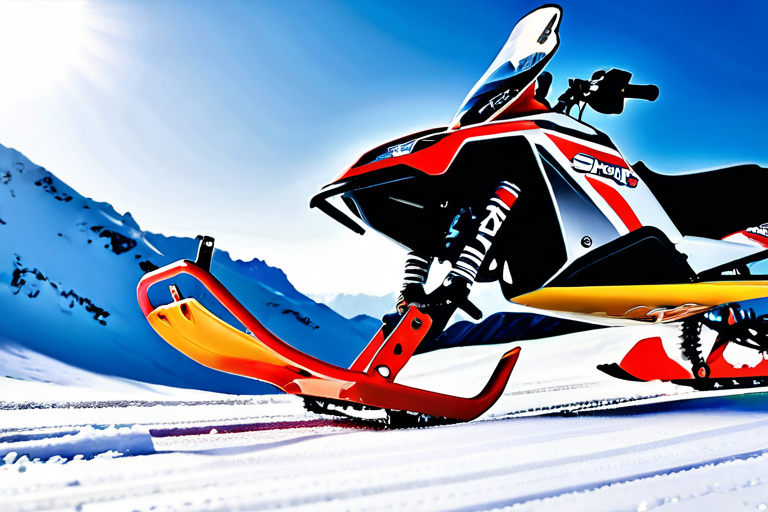
Detailed view of an RC snowmobile's track and suspension system.
Performance and Handling in Winter Conditions
Driving an RC snowmobile requires skill, as snow conditions vary widely. On packed snow or ice, these vehicles can achieve high speeds and sharp turns, but deep powder demands careful throttle control to prevent bogging down. Experts from RC Groups, a popular online community, recommend using models with adjustable suspension and track tension to adapt to different terrains. Waterproofing is essential; components like the receiver and speed controller must be sealed to avoid damage from moisture and cold.
Battery performance is a key factor in cold weather. LiPo batteries, while powerful, can lose efficiency in temperatures below freezing. Insulating battery compartments or using low-temperature-rated batteries, as suggested by BatterySpace, can extend runtimes. Additionally, tireless tracks reduce rolling resistance compared to wheeled RC vehicles, making snowmobiles more efficient in snowy environments. Real-world tests show that a well-tuned RC snowmobile can climb slopes of up to 30 degrees and navigate through drifts with ease.
Community and Competitive Scene
The RC snowmobile community is growing, with enthusiasts sharing tips, modifications, and race events online and in person. Forums like RC Tech host discussions on custom builds, from adding LED lights for night runs to upgrading motors for more power. Competitive racing, though niche, is gaining traction. Events such as the "Winter RC Challenge" in North America bring together drivers to test their skills on obstacle courses and speed tracks.
According to Model Rectifier Corporation (MRC), a supplier of RC products, sales of snowmobile kits have increased by 15% annually over the past five years, indicating rising interest. This growth is fueled by the hobby's appeal to winter sports fans and RC veterans looking for new challenges. Social media platforms, particularly YouTube and Instagram, showcase stunning footage of RC snowmobiles in action, inspiring newcomers to join the fun.

A collection of RC snowmobiles gathered for a community event in a winter setting.
Maintenance and Upkeep for Longevity
Proper maintenance ensures an RC snowmobile remains reliable season after season. After each use, it's crucial to clean off snow and moisture to prevent corrosion. Lubricating moving parts, such as the track joints and ski pivots, with cold-resistant grease can reduce wear. AMain Hobbies advises storing batteries at room temperature and checking electronics for any signs of water ingress.
Upgrades are common among enthusiasts. Popular modifications include installing higher-capacity batteries, metal gear servos for better steering response, and aftermarket tracks with deeper lugs for improved traction. Resources from HobbyKing provide tutorials on these enhancements, helping users customize their vehicles for specific conditions. Regular inspection of the chassis for cracks or stress points, especially in cold temperatures, can prevent breakdowns during operation.
Environmental Considerations and Ethical Use
While RC snowmobiles offer thrilling entertainment, responsible use is important to minimize environmental impact. Operating in designated areas, such as parks or private land with permission, helps protect natural habitats. The U.S. Forest Service recommends avoiding sensitive ecosystems like wetlands or areas with wildlife during breeding seasons. Noise levels are generally low compared to full-sized snowmobiles, but being mindful of others in shared spaces is good practice.
Battery disposal is another consideration. LiPo batteries should be recycled at appropriate facilities to prevent environmental harm. Many retailers, including Best Buy, offer recycling programs for electronics. By following these guidelines, enthusiasts can enjoy their hobby sustainably, ensuring that winter landscapes remain pristine for future generations.

An RC snowmobile poses in a scenic winter environment, highlighting its compact design.
Future Trends and Innovations
The future of RC snowmobiles looks promising, with ongoing innovations in technology and design. Emerging trends include the integration of GPS and camera systems for first-person view (FPV) driving, allowing users to experience the ride virtually. Companies like DJI are exploring partnerships to enhance RC vehicle capabilities with aerial drones for immersive perspectives.
Advances in materials science may lead to lighter, stronger chassis using carbon fiber or advanced polymers. According to IEEE, the Institute of Electrical and Electronics Engineers, developments in battery technology, such as solid-state batteries, could offer longer runtimes and better cold-weather performance. As the hobby evolves, expect to see more smart features, like app-controlled settings and automated stability controls, making RC snowmobiles accessible to a broader audience.
In summary, RC snowmobiles represent a fascinating blend of engineering, recreation, and community. From their technological roots to their performance on snow, these miniature machines offer endless fun for hobbyists of all levels. By staying informed through authoritative sources and practicing responsible use, enthusiasts can enjoy this winter pastime for years to come. Whether you're a seasoned RC driver or a curious newcomer, the world of RC snowmobiles invites exploration and adventure in the chill of the season.