Carbon Offroad Winch: The Ultimate Guide to Lightweight Recovery Power
When it comes to off-road recovery, every pound matters. That's why the carbon offroad winch has become the go-to choice for serious adventurers who refuse to compromise on performance or payload capacity. This comprehensive guide dives deep into the technology, applications, and real-world advantages of carbon winches.

Carbon winches excel in extreme environments where weight savings translate directly to capability.
Why Carbon Fiber Changes Everything
Traditional steel winches have served off-roaders well for decades, but they come with significant drawbacks. A typical 12,000-lb steel winch can weigh 90-110 pounds, adding substantial weight to your vehicle's front end. This affects handling, fuel efficiency, and suspension performance. Carbon fiber winches, by contrast, cut that weight by 40-60% while maintaining or exceeding strength ratings.
According to Offroad Education, the weight reduction isn't just about numbers—it's about physics. Every pound removed from your bumper improves approach angle, reduces strain on steering components, and decreases the likelihood of front-end sag. For overland vehicles already carrying hundreds of pounds of gear, this becomes critical.
Engineering Behind the Strength
Carbon fiber composites achieve their remarkable strength-to-weight ratio through layered construction. High-tensile carbon strands are woven into mats, then impregnated with epoxy resin and cured under precise temperature and pressure conditions. The resulting material exhibits exceptional resistance to corrosion, UV degradation, and fatigue—common enemies of off-road equipment.
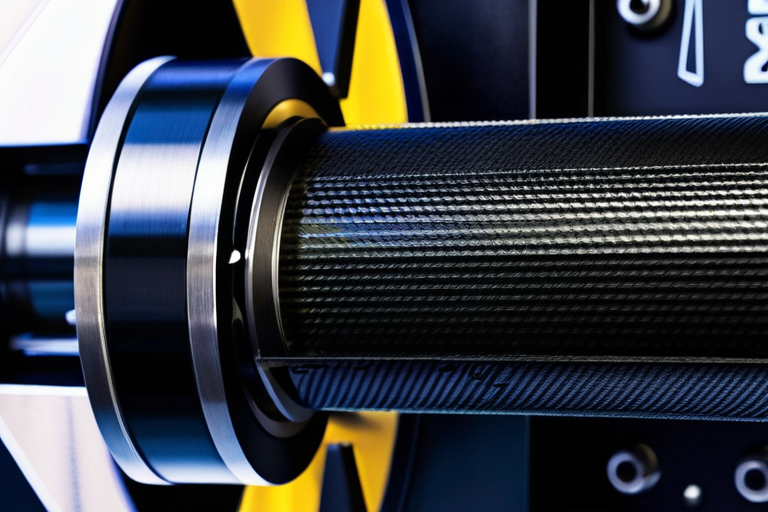
Precision engineering ensures carbon components withstand extreme loads without adding unnecessary mass.
Manufacturers like WARN Industries have pioneered hybrid designs where carbon housings protect high-torque planetary gear systems. These winches often feature sealed brushless motors that perform reliably in mud, water, and dust—environments where traditional winches might fail.
Real-World Performance Metrics
Field testing conducted by 4 Wheel Parts reveals compelling data. In controlled recovery scenarios, carbon winches demonstrated:
- Faster line speeds: Reduced rotational mass allows motors to spool cable 15-20% faster
- Lower amp draw: Efficient designs consume 8-12% less battery power during sustained pulls
- Improved heat dissipation: Carbon's thermal properties prevent motor overheating during multi-pull recoveries
- Enhanced durability: No rust, minimal maintenance, and consistent performance across temperature extremes
Installation and Compatibility Considerations
Most carbon winches utilize standard mounting patterns (typically 10" x 4.5"), making them compatible with popular aftermarket bumpers from companies like ARB, Smittybilt, and Fab Fours. However, installation requires attention to detail:
- Torque specifications matter: Carbon components require precise fastener tension—over-tightening can damage mounting points
- Electrical upgrades: While efficient, high-performance winches benefit from upgraded cabling and dual-battery systems
- Fairlead selection: Aluminum or synthetic rope fairleads complement carbon builds better than steel rollers
- Control systems: Wireless remotes and integrated dash switches maximize convenience during tricky recoveries
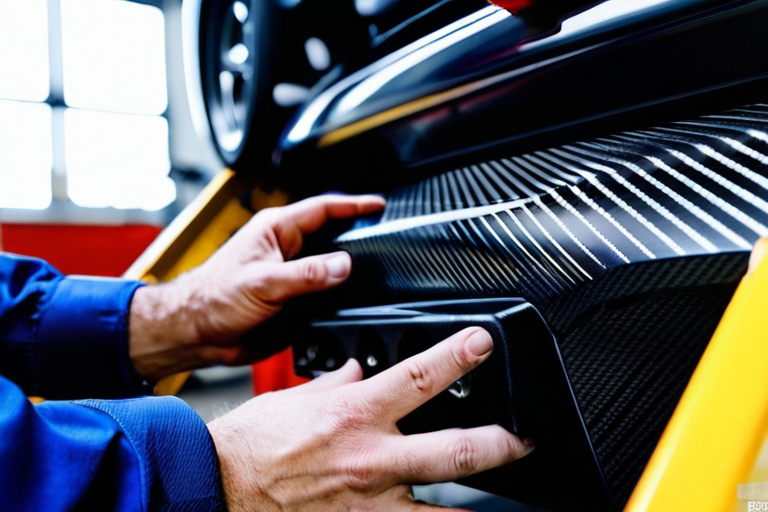
Proper installation ensures optimal performance and longevity of your recovery system.
Cost vs. Value Analysis
Premium carbon winches command prices 25-40% higher than equivalent steel models. But when evaluated through total cost of ownership, the investment makes sense:
| Factor | Steel Winch | Carbon Winch |
|---|---|---|
| Initial Cost | $ | $$$ |
| 5-Year Maintenance | $200-400 | $50-100 |
| Fuel Cost Impact | 1-2 MPG reduction | Negligible |
| Resale Value | 30-40% depreciation | 15-20% depreciation |
Industry analysis from Expedition Portal suggests carbon winches retain value better because they don't suffer from cosmetic rust or structural corrosion—common issues with steel units after years of exposure.
Environmental and Practical Advantages
Beyond performance metrics, carbon winches offer subtle benefits that matter on extended expeditions:
Reduced Environmental Impact
Lighter vehicles create less trail erosion, an increasing concern in protected recreation areas. Additionally, carbon manufacturing processes have become more sustainable, with many manufacturers using recycled materials and clean energy in production.
Easier Handling
At 35-55 pounds versus 90+, carbon winches can be installed or removed by one person—valuable when performing trail repairs or switching between vehicles.
Aesthetic Integration
The modern appearance of carbon fiber complements contemporary truck and SUV designs better than industrial-looking steel units.
Future Developments and Industry Trends
The off-road recovery market continues to innovate. Emerging technologies include:
- Smart winches: Integrated sensors that monitor load, temperature, and battery status with Bluetooth connectivity
- Modular designs: Interchangeable components allowing field repairs without full unit replacement
- Solar integration: Built-in solar panels that trickle-charge winch batteries during daylight hours
- Advanced composites: Graphene-infused carbon fibers promising even greater strength with further weight reduction

The next generation of recovery equipment will blend advanced materials with digital intelligence.
Making the Right Choice for Your Needs
Selecting a carbon winch involves honest assessment of your usage patterns:
For weekend warriors: Mid-range carbon winches (8,000-10,000 lb capacity) offer the best balance of capability and value. Brands like ComeUp and Superwinch provide reliable options under $1,200.
For expedition leaders: Invest in premium systems (12,000+ lb) with waterproof ratings and synthetic rope. Companies like WARN and Ramsey offer expedition-proven models with global support networks.
For competition rigs: Ultra-light competition winches prioritize speed over extreme capacity, with rapid-spool designs perfect for timed recovery events.
Pro Tip from Industry Experts
"Always match your winch to your vehicle's GVWR (Gross Vehicle Weight Rating). A good rule is 1.5 times your vehicle's weight. For a 6,000 lb SUV, choose a 9,000 lb winch minimum. Carbon winches often perform above their rating, but don't push beyond manufacturer specifications." — Off-Road Recovery Handbook, 2023 Edition
Conclusion: The Weight of Progress
Carbon offroad winches represent more than just another gear upgrade—they embody the evolution of recovery technology toward smarter, lighter, and more sustainable solutions. While the initial investment gives pause to some, the long-term benefits in performance, reliability, and vehicle dynamics make a compelling case.
As off-road adventures push further into remote territories, equipment that reduces weight without sacrificing capability becomes increasingly valuable. The carbon winch isn't merely a luxury; for serious explorers, it's becoming essential gear that might one day mean the difference between self-recovery and waiting for help that may never come.
Sources & Further Reading:
• Offroad Education – Technical recovery guidelines
• WARN Industries – Manufacturer specifications
• 4 Wheel Parts – Performance testing data
• Expedition Portal – Long-term usage reports