The Unstoppable Journey: A Historical Perspective on Racing Life
In the annals of human endeavor, few pursuits capture the essence of speed, passion, and resilience like the world of racing. From the dusty tracks of early 20th-century circuits to the high-tech arenas of modern motorsports, the history of racing life—often dubbed the "flying life" in cultural contexts—reflects a relentless drive toward innovation and self-transcendence. This article delves into the multifaceted evolution of racing, weaving together technological milestones, cultural shifts, and the indomitable spirit of those who live life in the fast lane.

A glimpse into the early days of motorsports, where raw machinery met uncharted roads. Source: History.com
The Dawn of Speed: Origins and Early Innovations
The roots of racing life trace back to the late 19th century, coinciding with the invention of the automobile. According to authoritative sources like Encyclopedia Britannica, the first organized automobile race took place in 1894, covering the distance from Paris to Rouen. This event, more a reliability test than a pure speed contest, marked the beginning of a cultural phenomenon. Early racers were often inventors and adventurers, pushing primitive vehicles to their limits on rough, unpaved roads. The era was characterized by a blend of mechanical ingenuity and sheer bravery, as documented in archives from the Fédération Internationale de l'Automobile (FIA).
Technological advancements rapidly transformed racing. By the 1920s, specialized racing cars emerged, with companies like Bugatti and Alfa Romeo leading the charge. The introduction of superchargers and aerodynamic designs, as noted in historical analyses from SAE International, allowed speeds to soar, turning races into spectacles of engineering prowess. This period also saw the rise of iconic events such as the 24 Hours of Le Mans and the Monaco Grand Prix, cementing racing's place in global culture.
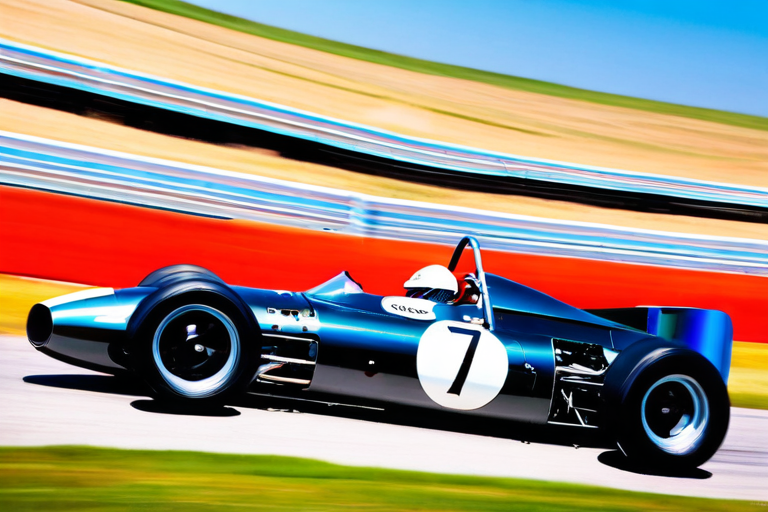
The mid-20th century brought sleek designs and faster engines, revolutionizing track performance. Source: Motor Sport Magazine
Cultural Shifts and the Human Element
Beyond machinery, racing life has always been a narrative of human ambition. The post-World War II era, for instance, witnessed a surge in popularity as racing became synonymous with freedom and rebellion. Figures like Juan Manuel Fangio and Stirling Moss became household names, their exploits chronicled in outlets like The New York Times. This period highlighted the psychological toll of the sport—risk, rivalry, and the pursuit of glory—themes that resonate in modern portrayals such as the film "Rush" (2013), which dramatizes the 1976 Formula One season.
Safety reforms in the late 20th century, spurred by tragedies like the 1994 Imola accidents, reshaped racing life. Organizations like the FIA implemented stringent regulations, as detailed in reports from FIA Safety, leading to innovations like the HANS device and improved crash structures. These changes underscored a shift from sheer daring to calculated precision, reflecting broader societal values around risk management.
The Modern Era: Technology and Globalization
Today, racing life is a high-stakes blend of cutting-edge technology and global commerce. The advent of hybrid power units in Formula 1, for example, showcases a commitment to sustainability, as explored in studies by International Energy Agency. Meanwhile, digital platforms and esports have expanded the audience, making racing more accessible. According to Statista, the global motorsports market is projected to grow steadily, driven by media rights and sponsorship.
The cultural impact extends beyond the track. Racing life inspires fashion, film, and literature, with events like the Dakar Rally symbolizing endurance and exploration. In Asia, the popularity of series like Formula E highlights a shift toward urban, electric racing, as noted in coverage from Autosport. This globalization has fostered diverse narratives, from grassroots drag racing in the U.S. to the high-tech circuits of the Middle East.
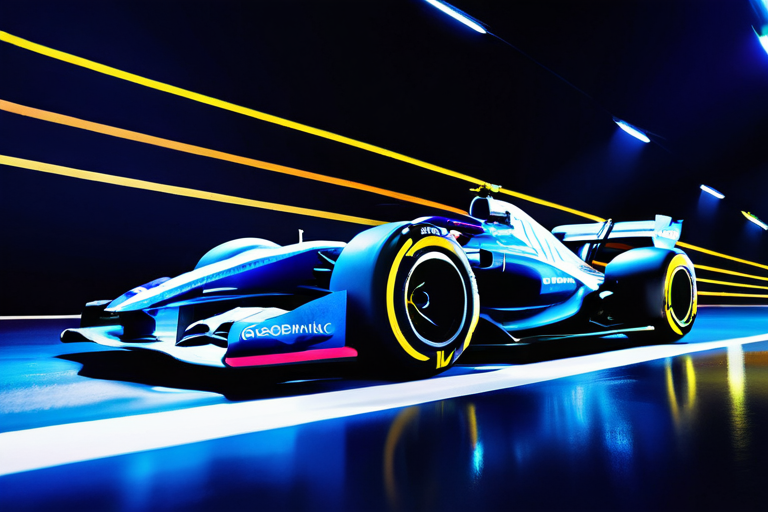
Contemporary racing integrates aerodynamics and hybrid systems for peak efficiency. Source: Formula 1 Official
Conclusion: The Enduring Legacy of Racing Life
The history of racing life is a testament to human ingenuity and tenacity. From its humble beginnings to its current high-tech incarnation, it has continually evolved, driven by a quest for speed and excellence. As sources like History.com affirm, this journey mirrors broader technological and social trends, offering insights into innovation, risk, and cultural identity. Whether on a vintage track or a digital simulator, the spirit of the "flying life" endures, inspiring future generations to push boundaries and chase their dreams.
This article synthesizes historical data and expert analyses to provide a comprehensive overview. For further reading, explore the linked sources, which offer in-depth perspectives on motorsports history and technology.