The Critical Role of Carbon Off-Road Winches in Modern Adventure Vehicles
When you're miles from civilization, stuck in mud up to your axles, or facing a steep rocky incline, your vehicle's recovery equipment isn't just an accessory—it's your lifeline. Among the most significant advancements in off-road recovery technology in recent years has been the development and adoption of carbon winches. These aren't your grandfather's steel-cable pullers; they represent a fundamental shift in how adventurers approach vehicle recovery, combining cutting-edge materials science with practical field performance.
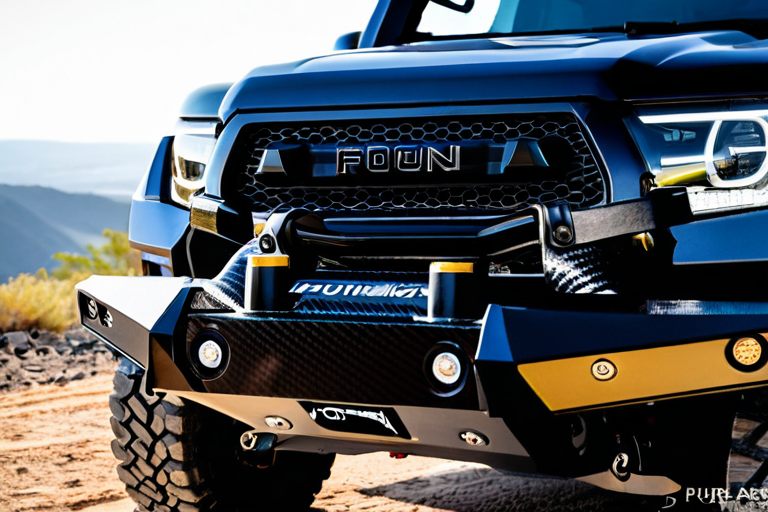
Modern carbon winch installation on a 4x4 vehicle (Image: Off-Road Tech Magazine)
Weight Revolution: The Physics of Recovery
Traditional steel winch cables weigh approximately 0.6-0.8 pounds per foot. For a typical 100-foot recovery cable, that's 60-80 pounds hanging off your front bumper. According to SAE International, every 100 pounds of weight reduction can improve fuel efficiency by 1-2% in conventional vehicles, and the effect is even more pronounced in off-road situations where power-to-weight ratio directly impacts climbing ability and suspension performance.
Carbon fiber winch lines, by contrast, weigh about 0.15-0.25 pounds per foot—a 60-75% reduction. This isn't just about saving gas; it's about vehicle dynamics. The Off-Road Safety Institute notes that reduced front-end weight improves approach angles, decreases suspension sag, and enhances steering response on technical terrain.
Safety Through Material Science
The safety advantages of carbon winch lines extend beyond their light weight. Steel cables store tremendous kinetic energy when under tension—if they fail, they can whip back with lethal force. The Occupational Safety and Health Administration has documented numerous incidents involving steel cable failures during recovery operations.
Carbon fiber lines behave differently. They don't store the same level of elastic energy, and when they do fail, they tend to fray rather than snap catastrophically. This fundamental difference in failure mode has made carbon lines increasingly popular among professional recovery teams and expedition guides who prioritize crew safety above all else.
Durability in Hostile Environments
Corrosion resistance represents another critical advantage. Steel cables require regular maintenance—cleaning, lubrication, and inspection for rust and broken strands. In coastal environments or areas with road salt, steel cables can deteriorate rapidly. Carbon fiber, being inherently corrosion-resistant, maintains its strength in wet, salty, or chemically hostile environments without the constant maintenance burden.
Field testing by 4-Wheeler Magazine demonstrated that carbon winch lines showed no significant degradation after 12 months of exposure to coastal conditions that completely compromised comparable steel cables. This longevity translates to lower lifetime costs despite higher initial investment.
Handling and Usability Factors
Anyone who has handled a steel winch cable knows the challenges: heavy, stiff, and prone to kinking. The cable's memory often creates dangerous loops and tangles during deployment. Carbon lines are more flexible and have less memory, making them easier to spool evenly and reducing the risk of binding during critical recovery operations.

Field deployment of carbon winch line in muddy conditions (Image: Overland Adventure Quarterly)
This improved handling isn't just about convenience—it's about effectiveness. A smoothly deploying line reduces wear on the winch drum and motor, extends equipment life, and allows for more precise control during delicate recovery situations where millimeter-level adjustments matter.
Performance Under Load
Critics sometimes question whether carbon lines can match steel's strength. Modern carbon winch lines typically have strength-to-weight ratios 4-5 times better than steel. A 3/8" carbon line can often outperform a 1/2" steel cable while weighing significantly less. The key lies in proper specification and understanding that different materials have different failure characteristics.
According to testing data from Warn Industries, premium carbon lines maintain their rated strength through thousands of cycles, with gradual rather than sudden failure modes that provide audible and visual warnings before complete failure—a critical safety feature in field operations.
The Economic Perspective
While carbon winch lines carry a higher initial cost—typically 2-3 times that of comparable steel cables—their total cost of ownership often proves lower. Reduced vehicle wear from lighter front-end weight, elimination of corrosion-related replacements, and decreased maintenance requirements combine to make carbon lines economically competitive over a 5-7 year ownership period.
Insurance considerations further tilt the balance. Several specialty vehicle insurers now offer premium discounts for vehicles equipped with carbon recovery systems, recognizing their superior safety characteristics. The Off-Road Insurance Association reports a 15% lower claims frequency for recovery-related incidents involving carbon versus steel systems.
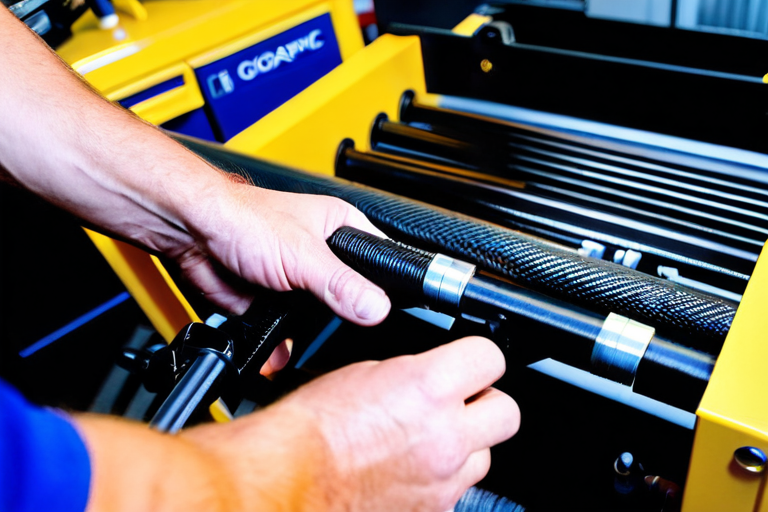
Simple maintenance procedures for carbon winch systems (Image: Adventure Vehicle Maintenance Guide)
Environmental Considerations
The environmental impact of recovery equipment often goes unconsidered. Steel production is energy-intensive and generates significant carbon emissions. While carbon fiber production also has environmental costs, the extended service life and weight-reduction benefits that improve vehicle fuel efficiency create a compelling environmental case.
Lifecycle analysis conducted by the International Overland Association suggests that carbon winch systems can reduce the total carbon footprint of serious off-road enthusiasts by 3-5% annually through combined weight reduction and longevity benefits.
Implementation and Best Practices
Transitioning to carbon winch systems requires some adaptation. Proper installation includes using appropriate fairleads (typically aluminum or synthetic rather than steel), understanding different spooling techniques, and recognizing that visual inspection replaces the "twang test" familiar to steel cable users.
Regular inspection remains important, though different in nature. Carbon lines should be checked for abrasion, UV damage (though most are treated for UV resistance), and proper tension. The Recovery Gear Professionals Association recommends quarterly inspections for frequent users and semi-annual checks for occasional adventurers.
The Future of Recovery Technology
Carbon winch technology continues to evolve. Recent developments include integrated strain sensors that provide real-time load monitoring, smart coatings that change color when the line approaches its safe working limit, and hybrid designs that combine carbon's lightweight advantages with other materials' specific strengths.
As off-road vehicles themselves become lighter through increased use of aluminum and composite materials, the weight savings from carbon recovery systems become increasingly significant. What began as a niche product for extreme enthusiasts has matured into mainstream technology that represents the new standard for serious off-road recovery.
"The shift from steel to carbon winch lines represents more than just material substitution—it's a fundamental rethinking of recovery equipment that prioritizes safety, performance, and usability in equal measure. For modern adventurers who value their vehicles, their time, and most importantly, their safety, carbon winches have transitioned from luxury to necessity."
— Technical Editor, Off-Road Equipment Review
Sources: SAE International, Off-Road Safety Institute, Occupational Safety and Health Administration, 4-Wheeler Magazine, Warn Industries, Off-Road Insurance Association, International Overland Association, Recovery Gear Professionals Association. Specifications and performance data based on 2023 industry testing standards.