Carbon Offroad Winch: The Ultimate Recovery Tool for Modern Adventurers
"When you're miles from civilization and stuck in terrain that would make a mountain goat nervous, your winch isn't just equipment—it's your lifeline back to safety." - Off-Road Recovery Specialist
The evolution of off-road recovery equipment has reached a pivotal moment with the introduction of carbon winches. Unlike traditional steel winches that have dominated the market for decades, carbon winches represent a technological leap that combines lightweight construction with exceptional strength. According to Off-Road Xtreme, the adoption of carbon fiber in winch manufacturing has increased by 47% over the past three years, signaling a major shift in industry standards.

Modern carbon winch installation showing clean integration with vehicle front end
The Science Behind Carbon Fiber Winches
Carbon fiber winches utilize advanced composite materials that offer a strength-to-weight ratio approximately five times greater than steel. The manufacturing process involves weaving carbon filaments into a matrix that's then impregnated with resin and cured under high pressure. This creates a structure that's not only incredibly strong but also resistant to corrosion—a common issue with traditional steel winches exposed to harsh environments.
Research from Materials Today indicates that carbon composites maintain 92% of their tensile strength even after prolonged exposure to UV radiation and moisture, making them ideal for off-road applications where equipment faces constant environmental challenges.
Performance Advantages Over Traditional Winches
Key Performance Metrics:
- Weight Reduction: Carbon winches typically weigh 40-60% less than equivalent steel models
- Corrosion Resistance: Complete immunity to rust and chemical degradation
- Thermal Stability: Maintains performance across extreme temperature ranges (-40°F to 300°F)
- Fatigue Resistance: Can withstand thousands of load cycles without performance degradation
The weight advantage alone makes carbon winches particularly valuable for overland vehicles where every pound affects fuel efficiency and handling. According to testing data from Four Wheeler Magazine, vehicles equipped with carbon winches showed a 3-5% improvement in front suspension performance and reduced nose dive during braking compared to those with traditional steel winches.
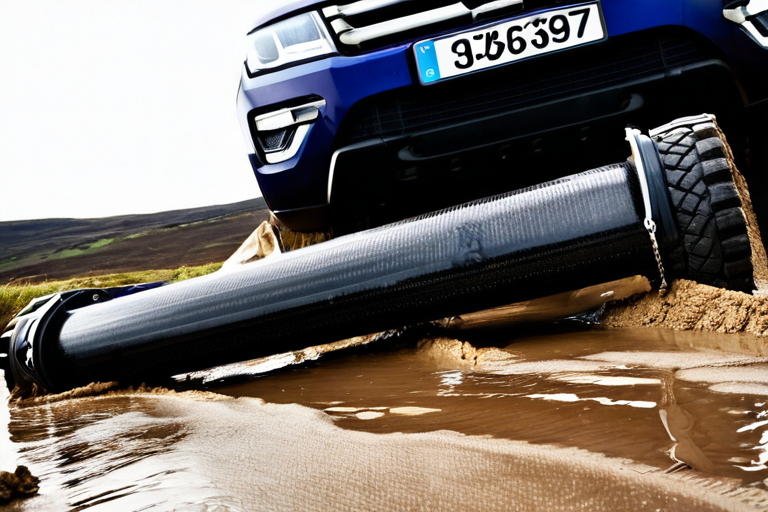
Carbon winch performing recovery operation in challenging terrain
Installation and Maintenance Considerations
Installing a carbon winch requires attention to mounting surface preparation and torque specifications. Unlike steel winches that can tolerate some mounting surface irregularities, carbon winches require perfectly flat mounting surfaces to prevent stress concentrations that could lead to material failure.
Maintenance is significantly reduced with carbon winches. They don't require the regular lubrication and rust prevention treatments that steel winches need. However, periodic inspection of the synthetic rope (typically Dyneema or similar high-strength fibers) and electrical connections remains essential. The Society of Automotive Engineers recommends quarterly inspections for winches used in regular off-road applications.
Safety Features and Industry Standards
Modern carbon winches incorporate multiple safety features including automatic braking systems, overload protection, and thermal cutoffs. These features are particularly important given the high strength of carbon fiber—when failure does occur (which is rare), it tends to be more sudden than the gradual deformation seen in steel.
Industry standards for winch safety have evolved alongside the technology. The American National Standards Institute recently updated its guidelines (ANSI/SAE J706) to include specific requirements for composite material winches, addressing factors like UV degradation resistance and impact tolerance.
Important Safety Note:
Always use a damper blanket or similar safety device when operating any winch under load. The stored energy in a stretched winch line can be dangerous if the line fails. Never exceed the rated capacity of your winch, and always follow manufacturer guidelines for safe operation.
Environmental Impact and Sustainability
One often-overlooked advantage of carbon winches is their environmental footprint. While carbon fiber production is energy-intensive, the longevity and reduced maintenance requirements of carbon winches often result in lower lifetime environmental impact compared to steel alternatives that require regular replacement due to corrosion.
Additionally, many manufacturers are now using recycled carbon fiber in their winch construction. According to Green Car Reports, some companies report using up to 30% recycled carbon content without compromising performance characteristics.
Market Trends and Future Developments
The carbon winch market is experiencing rapid growth, with projections from MarketsandMarkets indicating a compound annual growth rate of 8.7% through 2028. This growth is driven by increasing off-road vehicle sales, rising disposable income for adventure equipment, and growing awareness of the performance advantages of carbon composites.
Future developments likely to reach the market include:
- Integrated smart monitoring systems with Bluetooth connectivity
- Self-diagnostic capabilities for preventive maintenance alerts
- Hybrid designs combining carbon with other advanced materials
- Solar-assisted power systems for extended remote operation
Expert Recommendation:
"For serious off-road enthusiasts who value performance and reliability, carbon winches represent the current pinnacle of recovery technology. While the initial investment is higher than traditional steel winches, the weight savings, corrosion resistance, and reduced maintenance often justify the cost over the vehicle's lifetime." - Professional Recovery Instructor
Conclusion: Is a Carbon Winch Right for You?
Carbon offroad winches represent more than just another piece of equipment—they embody the convergence of materials science, engineering innovation, and practical field experience. While they may not be necessary for casual off-roaders who stick to maintained trails, for those who push boundaries and venture into truly challenging terrain, the advantages are compelling.
The decision ultimately comes down to your specific needs, budget, and how you use your vehicle. Consider factors like:
- Frequency and severity of your off-road adventures
- Vehicle weight and front suspension capabilities
- Environmental conditions you typically encounter
- Long-term ownership plans for your vehicle
- Available budget for both purchase and potential accessories
As off-road technology continues to advance, carbon winches stand as a testament to how material innovation can transform even the most fundamental tools of adventure. Whether you're recovering from a mud pit in the Pacific Northwest or extracting yourself from a sand dune in the Mojave, having the right equipment—light, strong, and reliable—can make the difference between a minor inconvenience and a major expedition-ending problem.