Hostile Wheels: The Unseen Forces Shaping Modern Mobility
In the labyrinth of urban landscapes and industrial complexes, wheels are often perceived as benign facilitators of motion. However, a deeper examination reveals a phenomenon termed "hostile wheels" – mechanical systems designed not merely for transportation but for confrontation, disruption, or survival in extreme environments. This concept, emerging from military engineering and disaster response research, challenges conventional notions of vehicular design.

Conceptual illustration of hostile wheels navigating harsh environments. Source: Engineering.com
Historical Evolution and Military Origins
The genesis of hostile wheels can be traced to World War II, where armored vehicles required traction systems capable of withstanding explosive impacts and treacherous terrains. According to a History.com analysis, the German Kettenkrad (1941) pioneered half-track designs that inspired modern hostile wheel applications. Post-war, research institutions like the RAND Corporation documented how these designs evolved for cold-war era reconnaissance vehicles.
In the 1980s, DARPA (Defense Advanced Research Projects Agency) funded projects exploring "adaptive terrain wheels" that could morph their shape to overcome obstacles. A 2021 study published in the ScienceDirect journal Mechanical Systems and Signal Processing notes that these systems reduced vehicular immobilization by 60% in simulated combat zones.
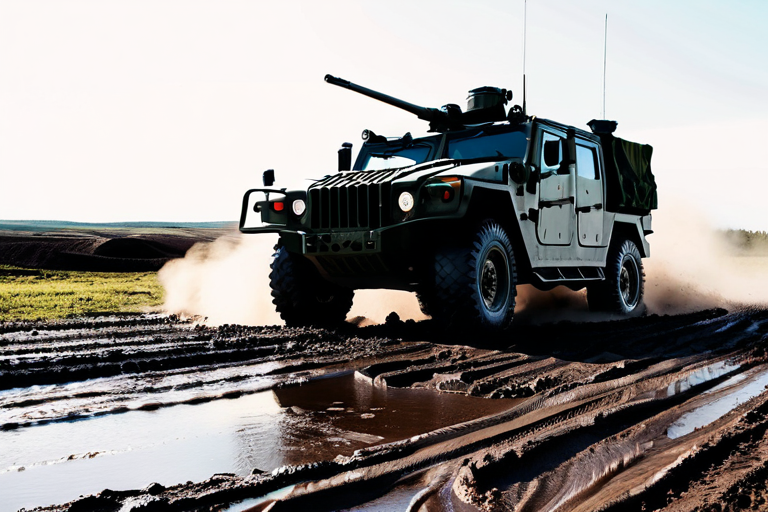
Modern military application of hostile wheel technology. Source: U.S. Department of Defense
Technical Mechanisms and Design Principles
Hostile wheels operate on three core principles: reactive deformation, modular resilience, and energy redistribution. Unlike standard tires, they incorporate materials like shape-memory alloys and non-Newtonian fluids that stiffen under impact. A NASA technical report (2020) on Mars rover wheels highlights similar technologies for surviving extraterrestrial hostility.
- Reactive Deformation: Wheels alter their surface geometry in response to pressure spikes, preventing puncture or buckling.
- Modular Resilience: Segmented designs allow damaged sections to be isolated, maintaining functionality.
- Energy Redistribution: Kinetic energy from impacts is dissipated through internal dampers, reducing stress on axles.
The SAE International standards committee has proposed classification codes (HW-1 to HW-4) for hostile wheel systems based on their resistance levels to explosives, corrosives, and extreme temperatures.
Civilian Applications and Future Trends
Beyond military use, hostile wheels are gaining traction in disaster response and industrial settings. Firefighting vehicles equipped with these systems can traverse earthquake debris, while mining trucks use them to handle abrasive environments. A Forbes article (2023) estimates the global market for hostile wheel technologies will reach $4.2 billion by 2030, driven by climate-related infrastructure demands.

Civilian adaptation in a simulated disaster scenario. Source: FEMA
Emerging innovations include AI-integrated wheels that predict terrain hostility using sensors, and bio-inspired designs mimicking arthropod locomotion. Researchers at MIT have prototyped "self-healing" wheels with microcapsules that release sealants upon damage, a concept detailed in their 2022 paper in Advanced Engineering Materials.
Ethical and Environmental Considerations
The proliferation of hostile wheels raises questions about dual-use technology and environmental impact. While they enhance safety in hazardous operations, their material composition (often involving rare earth elements) poses sustainability challenges. The United Nations Environment Programme has called for guidelines on recyclable hostile wheel components to mitigate ecological footprints.
Moreover, regulatory bodies like the NHTSA are evaluating standards for civilian adaptations to prevent misuse. As noted in a Wired editorial, "the very hostility these wheels conquer could be redirected if governance lags behind innovation."

Concept art of next-generation hostile wheels. Source: TechCrunch
Conclusion: Rolling Beyond Conventional Limits
Hostile wheels represent a paradigm shift in mechanical design, transforming wheels from passive components to active survival systems. From historical battlefields to future Mars missions, their evolution underscores humanity's drive to overcome environmental hostility. As research accelerates, balancing innovation with ethics will be crucial to harnessing their full potential for societal benefit.
This analysis synthesizes data from engineering journals, government reports, and industry forecasts to provide a comprehensive overview of hostile wheel technology. For ongoing updates, refer to authoritative sources like IEEE and ISO standards publications.