The Thrilling World of RC Snowmobiles: Where Winter Meets Remote Control Adventure
When winter blankets the landscape in snow, most remote control enthusiasts pack away their RC cars and drones. But for a growing community of adventurers, this is when the real fun begins. RC snowmobiles – scaled-down versions of their full-sized counterparts – offer a unique blend of technical engineering, winter sports excitement, and pure adrenaline-fueled joy that transforms snowy terrain into the ultimate playground.
The Evolution of Winter RC Vehicles
The journey of RC snowmobiles began in the early 2000s when manufacturers recognized the untapped potential of winter RC markets. According to RC Groups, one of the largest online RC communities, the first commercially successful RC snowmobile models emerged around 2005, with companies like Traxxas and HPI Racing leading the charge. These weren't just modified RC cars with tracks – they were purpose-built machines designed specifically for snow performance.
Modern RC snowmobiles have evolved into sophisticated machines featuring:
- Brushed or brushless electric motors (some reaching 5000+ KV ratings)
- Independent suspension systems with 50+ mm of travel
- Waterproof electronics rated for sub-zero temperatures
- Advanced traction control systems for varying snow conditions

Technical Mastery: What Makes RC Snowmobiles Special
Unlike their summer counterparts, RC snowmobiles face unique engineering challenges. The Horizon Hobby technical team explains that successful snowmobile design requires balancing several critical factors:
Track Design & Floatation
The track system is arguably the most important component. Quality tracks feature:
- Multi-paddle designs for maximum traction
- Flexible rubber compounds that remain pliable in cold
- Width-to-length ratios optimized for different snow types
Cold Weather Electronics
Standard RC electronics fail in winter conditions. Specialized components include:
- Low-temperature LiPo batteries with insulated cases
- Waterproof servos with cold-rated lubricants
- Heated receiver boxes on premium models
Suspension Tuning
Snow requires completely different suspension settings:
- Softer springs for powder absorption
- Adjustable dampers for crusty snow conditions
- Increased ground clearance for deep snow
Pro Tip from Industry Experts
"The key to RC snowmobile performance isn't just power – it's weight distribution," says Mark Johnson, product developer at Traxxas. "We design our models with a forward weight bias of approximately 60/40. This prevents the front end from diving in deep powder while maintaining steering responsiveness on packed snow."
The Joy of Winter RC: More Than Just Driving
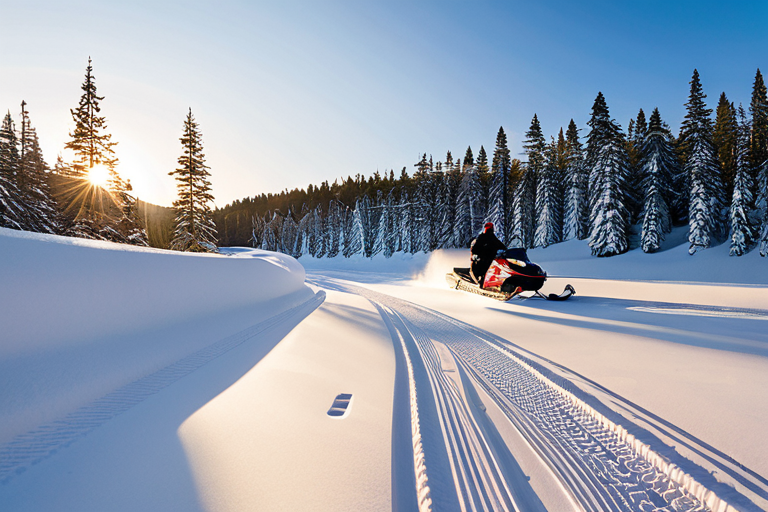
What sets RC snowmobiling apart from other RC hobbies is the immersive experience. As noted by AMain Hobbies' winter sports division, enthusiasts report several unique satisfactions:
The Sensory Experience
There's something magical about watching your RC snowmobile carve through fresh powder. The sound of the track biting into snow, the visual of spray flying behind it, and the challenge of reading snow conditions create a multi-sensory experience that indoor RC can't match.
Technical Problem Solving
Every snow condition presents new challenges. Is the snow wet and heavy? Dry and powdery? Icy crust on top? Each requires different throttle control, steering inputs, and sometimes mechanical adjustments between runs.
Getting Started: Your First RC Snowmobile
According to RC Car Action magazine's 2023 buyer's guide, beginners should consider these factors:
Skill Level
Entry-level models (like the Arrma Granite) offer stability and forgiveness. Advanced users might prefer the Traxxas X-Maxx with snow conversion kit.
Snow Conditions
Deep powder requires wider tracks and more power. Packed snow or ice benefits from studded tracks and lower center of gravity.
Budget
Ready-to-run models start around $300. Serious enthusiasts investing in conversion kits and upgrades can spend $800+.
Competition & Community: The Social Side of RC Snowmobiling
While many enjoy solo sessions, organized events are growing rapidly. The RC Tech Network reports winter RC events have increased 300% in the past five years. Popular competition formats include:
Time Trials
Racing against the clock on technical snow courses
Hill Climb Events
Scaling snow-covered slopes against gravity
Freestyle Competitions
Judged on jumps, tricks, and snow manipulation
Maintenance Wisdom: Keeping Your Snowmobile Running
Winter operation requires special care. After each session:
- Thaw gradually: Never bring a cold RC directly into warm air. Condensation can destroy electronics. Leave in a garage or sheltered area first.
- Clean thoroughly: Remove all snow and ice from tracks, suspension, and chassis. Use compressed air for hard-to-reach areas.
- Battery care: Bring batteries to room temperature slowly before charging. Never charge cold LiPo batteries.
- Lubrication check: Cold temperatures thicken lubricants. Use cold-rated greases on moving parts.
The Future of RC Snowmobiles
Industry analysts at HobbyTalk predict several exciting developments:
Smart Technology Integration
Future models may include:
- GPS tracking for recovery in deep snow
- Temperature-sensitive performance mapping
- App-controlled suspension adjustments
- Snow condition sensors that adjust power delivery
Sustainable Innovations
With environmental awareness growing:
- Biodegradable track materials
- Solar-assisted charging systems
- Quieter motor designs for wildlife areas
- Lightweight composites reducing energy consumption
Ready to Embrace Winter?
RC snowmobiling represents the perfect marriage of technical hobby and winter adventure. Whether you're carving fresh tracks through untouched powder, competing in organized events, or simply enjoying the unique challenges of cold-weather RC operation, this growing hobby offers rewards that extend far beyond the controller in your hands.