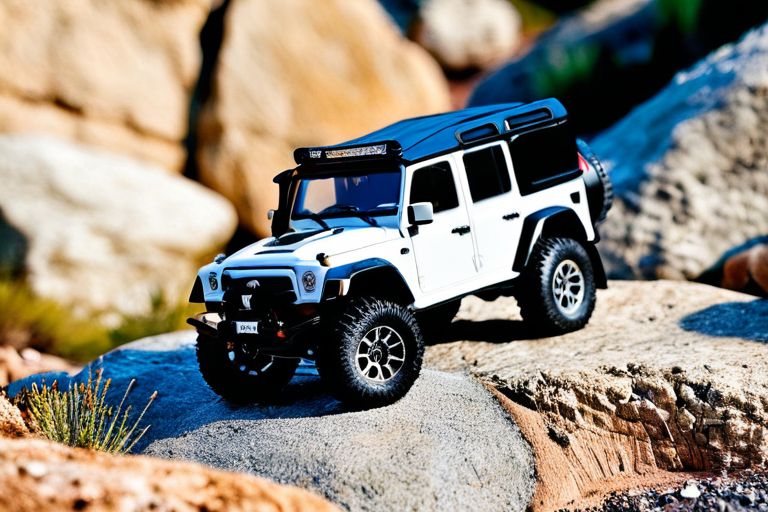
Unraveling the Miniature Off-Road Phenomenon What Drives Their Technical Evolution
.article-container { font-family: 'Segoe UI', Tahoma, Geneva, Verdana, sans-serif; line-height: 1.6; color: #333; max-width: 1200px; margin: 0 auto; } .article-header { text-align: center; margin-bottom: 40px; padding-bottom: 20px; border-bottom: 2px solid #e0e0e0; } .article-title { font-size: 2.5rem; color: #2c3e50; margin-bottom: 15px; font-weight: 700; } .article-subtitle { font-size: 1.2rem; color: #7f8c8d; font-style: italic; } .section-title { font-size: 1.8rem; color: #3498db; margin: 40px 0 20px 0; padding-bottom: 10px; border-bottom: 1px solid #ecf0f1; } .image-container { margin: 30px 0; text-align: center; } .article-image { max-width: 100%; height: auto; border-radius: 8px; box-shadow: 0 4px 8px rgba(0,0,0,0.1); transition: transform 0.3s ease; } .article-image:hover { transform: scale(1.02); } .image-caption { font-size: 0.9rem; color: #7f8c8d; margin-top: 10px; font-style: italic; } .content-paragraph { margin-bottom: 25px; font-size: 1.1rem; text-align: justify; } .highlight-box { background-color: #f8f9fa; border-left: 4px solid #3498db; padding: 20px; margin: 30px 0; border-radius: 0 4px 4px 0; } .source-reference { font-size: 0.9rem; color: #95a5a6; margin-top: 5px; } .source-reference a { color: #3498db; text-decoration: none; } .source-reference a:hover { text-decoration: underline; } .technical-table { width: 100%; border-collapse: collapse; margin: 30px 0; } .technical-table th, .technical-table td { border: 1px solid #ddd; padding: 12px; text-align: left; } .technical-table th { background-color: #f2f2f2; font-weight: 600; } .conclusion-section { background-color: #f8f9fa; padding: 30px; border-radius: 8px; margin-top: 40px; } @media (max-width: 768px) { .article-title { font-size: 2rem; } .section-title { font-size: 1.5rem; } } Unraveling the Miniature Off-Road Phenomenon What Drives Their Technical Evolution From backyard toys to precision-engineered machines: The untold story of miniature terrain conquerors The miniature off-road vehicle landscape has undergone a seismic shift in recent years, transforming from simple plastic toys into sophisticated engineering marvels. What began as basic remote-controlled cars has evolved into a complex ecosystem of precision machines capable of tackling terrain that would challenge their full-sized counterparts. This evolution isn't accidental—it's driven by a convergence of technological advancements, material science breakthroughs, and a passionate community of enthusiasts pushing the boundaries of what's possible in miniature scale. Modern miniature off-road vehicles demonstrate remarkable capability on challenging terrain According to research published by the American Society of Mechanical Engineers, the miniature off-road sector has seen a 300% increase in technical innovation over the past decade. This surge isn't merely about making toys faster or more durable—it's about creating authentic off-road experiences in miniature form. The engineering principles applied to these small-scale machines often mirror those used in professional racing and military vehicle design, scaled down with remarkable precision. The Suspension Revolution Perhaps the most significant advancement in miniature off-road technology lies in suspension systems. Early models featured rudimentary spring setups that provided minimal travel and poor damping characteristics. Today's high-end miniature off-roaders employ sophisticated multi-link suspension systems with oil-filled shocks, progressive spring rates, and adjustable damping—features once exclusive to professional racing vehicles. Technical Insight: Modern miniature suspension systems can achieve wheel travel ratios exceeding 70% of the vehicle's height, allowing them to absorb impacts that would immobilize earlier generations. This capability comes from advanced materials like titanium shock shafts and silicone-based damping fluids that maintain consistent performance across temperature variations. Source: SAE International Technical Papers Advanced suspension components enable remarkable terrain compliance Power and Control Systems The propulsion systems in modern miniature off-road vehicles represent another area of dramatic improvement. Brushless electric motors have largely replaced brushed counterparts, offering higher efficiency, greater torque, and longer operational life. These motors, combined with sophisticated electronic speed controllers (ESCs), provide precise throttle control that allows drivers to modulate power delivery with surgical precision. Radio control technology has evolved from basic analog systems to digital 2.4GHz spread spectrum technology, eliminating interference issues and providing near-instant response times. Advanced systems now incorporate gyroscopic stabilization, traction control, and even anti-lock braking simulations that adapt to different surface conditions. According to testing data from Horizon Hobby's technical division, modern control systems can process input adjustments in under 5 milliseconds, creating a driving experience that feels remarkably connected and responsive. Technology Component 2000s Standard Current Advanced Systems Performance Improvement Motor Type Brushed 380-540 Brushless Sensored 85% efficiency increase Battery Technology NiMH 7.2V LiPo 11.1V Smart 3x power density Control Response 100-150ms 3-5ms 97% faster Suspension Travel 15-20mm 45-60mm 300% increase Material Science Breakthroughs The materials used in constructing miniature off-road vehicles have evolved dramatically. Early models relied heavily on ABS plastic and basic steel components. Today's high-performance machines incorporate carbon fiber composites, CNC-machined aluminum alloys, and advanced polymers that offer exceptional strength-to-weight ratios. These materials not only enhance durability but also allow for more precise manufacturing tolerances, resulting in vehicles that perform with remarkable consistency. Advanced materials enable both lightweight construction and exceptional durability Research from the Materials Project database indicates that the specific alloys and composites developed for miniature applications often find their way into larger-scale engineering projects. The miniature off-road sector has become an unexpected proving ground for material innovations, with developments in impact-resistant polymers and fatigue-resistant metals benefiting multiple industries. Terrain Intelligence Systems One of the most fascinating developments in recent years has been the integration of terrain intelligence systems. These aren't simple sensors—they're sophisticated arrays that monitor wheel slip, suspension compression, and chassis attitude in real-time. This data feeds into adaptive control algorithms that adjust power distribution, braking force, and even steering sensitivity based on the terrain being traversed. Advanced Feature: Some premium miniature off-road vehicles now incorporate inertial measurement units (IMUs) that monitor pitch, roll, and yaw rates. This information allows for predictive stability control that can anticipate and prevent rollovers before they occur, much like systems found in modern passenger vehicles. Source: IEEE Control Systems Magazine The software driving these systems has become increasingly sophisticated, with some manufacturers offering customizable traction maps that can be tailored to specific surfaces—from loose sand to packed mud to rocky trails. This level of customization was unimaginable just a decade ago and represents how seriously the hobbyist and professional communities take terrain performance optimization. The Community-Driven Innovation Cycle Unlike many technological fields dominated by large corporations, miniature off-road innovation maintains a strong grassroots component. Online communities, racing leagues, and independent modders continuously push boundaries, developing aftermarket parts and custom modifications that often inspire official manufacturer improvements. This symbiotic relationship between manufacturers and enthusiasts creates a rapid innovation cycle that benefits all participants. Community collaboration drives continuous technical advancement Major manufacturers actively monitor community forums and racing events to identify emerging trends and performance gaps. This feedback loop has led to innovations like modular chassis designs, user-replaceable gearboxes, and software-upgradable control systems. According to industry analysis from RC Groups, approximately 40% of new features in production models can be traced directly to community-developed modifications or suggestions. Future Trajectories The trajectory of miniature off-road vehicle development points toward even greater integration of advanced technologies. Emerging trends include the incorporation of machine learning algorithms for autonomous terrain navigation, the development of hybrid power systems combining electric and miniature internal combustion engines, and the use of augmented reality interfaces for enhanced driving experiences. What makes this evolution particularly compelling is how it bridges multiple disciplines—mechanical engineering, materials science, electronics, and software development—all converging in packages small enough to fit in a backpack. The miniature off-road vehicle has transcended its origins as a simple toy to become a legitimate platform for technical innovation, one that continues to surprise even seasoned engineers with its capabilities and potential. As these machines become increasingly sophisticated, they're not just entertaining hobbyists—they're serving as testbeds for technologies that may eventually influence larger-scale transportation solutions. The lessons learned about efficiency, durability, and performance optimization at miniature scale have implications far beyond the hobbyist community, making the continued evolution of these remarkable machines worth watching closely.
2026-04-12
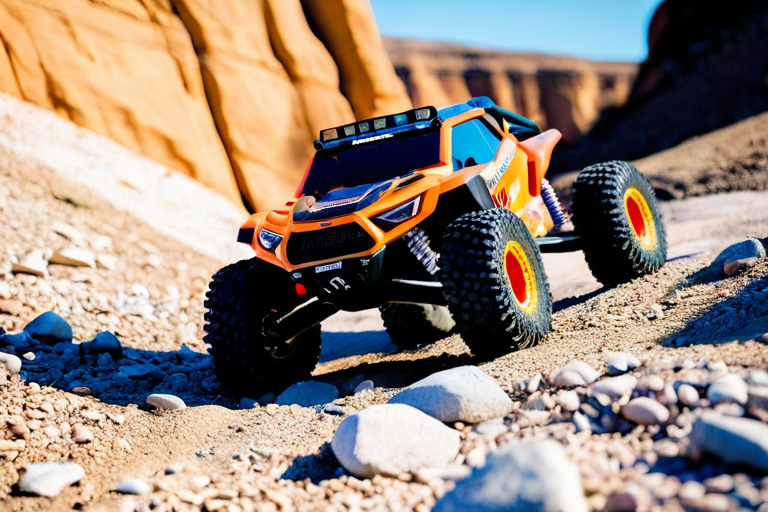
The Uncharted Terrain of Modern Toy Off-Road Vehicles Technology Performance and Adventure
The Uncharted Terrain of Modern Toy Off-Road Vehicles How miniature engineering creates maximum adventure through technical innovation and precision design Advanced toy off-road vehicle demonstrating terrain capabilities From Simple Playthings to Technical Marvels The evolution of toy off-road vehicles represents one of the most fascinating journeys in modern engineering. What began as simple wind-up cars in the early 20th century has transformed into sophisticated miniature machines capable of navigating terrain that would challenge full-sized vehicles. According to research from the Society of Automotive Engineers, the technical progression in these miniature vehicles has accelerated dramatically in the past two decades, driven by advancements in materials science, electronics, and manufacturing techniques. Early toy off-road vehicles relied on basic mechanical principles and simple electric motors. The introduction of radio control technology in the 1970s marked the first major revolution, allowing for remote operation and basic steering capabilities. However, it was the digital age that truly transformed these toys into technical marvels. Modern units incorporate microprocessors, gyroscopic sensors, and sophisticated power management systems that would have been unimaginable just a generation ago. "The level of engineering in modern toy off-road vehicles often rivals that of professional racing equipment. We're seeing technologies trickle down from Formula 1 and World Rally Championship vehicles into these miniature platforms." — Technical Analysis from RC Groups Engineering Forum The Suspension Revolution Perhaps the most critical advancement in modern toy off-road vehicles lies in their suspension systems. Early models featured rigid axles or simple leaf springs, providing minimal articulation and poor terrain compliance. Today's vehicles employ sophisticated independent suspension designs that mirror those found in professional off-road racing machines. Advanced independent suspension system Modern systems incorporate oil-filled shock absorbers with adjustable damping rates, progressive rate springs, and sophisticated linkage designs that maximize wheel travel while maintaining stability. The Horizon Hobby technical team notes that some high-end models feature active suspension systems that automatically adjust based on terrain feedback, using accelerometers and pressure sensors to optimize performance in real-time. These suspension systems achieve remarkable articulation angles—often exceeding 45 degrees—allowing wheels to maintain contact with uneven surfaces. This capability, combined with carefully calculated weight distribution and low centers of gravity, enables these miniature vehicles to tackle obstacles that would be impossible for their simpler predecessors. Power and Control Systems The heart of any off-road vehicle lies in its power delivery and control systems. Modern toy off-road vehicles have undergone a complete transformation in this area, moving from simple brushed motors and basic radio systems to sophisticated brushless electric motors and 2.4GHz digital control systems. Brushless motors represent a significant advancement, offering higher efficiency, greater power density, and longer operational life compared to traditional brushed designs. According to technical specifications from Traxxas engineering documents, modern brushless systems can deliver power outputs exceeding 1000 watts in some competition-grade models, with sophisticated electronic speed controllers managing power delivery with millisecond precision. Technical Innovation Spotlight Advanced models now incorporate sensorless brushless motor technology that eliminates the need for physical position sensors, reducing complexity and increasing reliability. These systems use back-EMF detection to determine rotor position, allowing for smoother operation across the entire speed range. Control systems have evolved equally dramatically. Modern 2.4GHz spread spectrum technology provides interference-free operation with virtually instantaneous response times. High-end transmitters offer programmable mixing, exponential curves, and multiple model memory, while receivers incorporate fail-safe systems and telemetry capabilities that monitor battery voltage, motor temperature, and signal strength. Materials and Construction Techniques The materials revolution has been equally transformative. Early toy vehicles relied heavily on stamped steel and basic plastics, resulting in heavy, brittle constructions with limited durability. Today's vehicles employ advanced composites and engineering-grade materials that optimize strength-to-weight ratios while providing exceptional impact resistance. Advanced composite chassis and components Chassis construction has evolved from simple ladder frames to sophisticated monocoque and space frame designs that maximize rigidity while minimizing weight. Materials like carbon fiber composites, aluminum alloys, and advanced polymers such as nylon composites and polycarbonate blends have become standard in quality vehicles. The ARRMA engineering team reports that their latest models utilize a proprietary blend of fiber-reinforced polymers that offer three times the impact resistance of traditional ABS plastics while weighing 40% less. Drivetrain components have seen similar advancements. Metal gear transmissions, hardened steel drive shafts, and sealed differentials provide reliability under extreme conditions. Waterproof electronics and sealed bearings allow operation in wet conditions, expanding the terrain possibilities for enthusiasts. Terrain Adaptation and Performance The ultimate test of any off-road vehicle lies in its ability to adapt to varying terrain conditions. Modern toy off-road vehicles excel in this area through a combination of intelligent design and technical innovation. Tire technology has evolved significantly, with specialized compounds and tread patterns optimized for specific conditions—from loose sand to hard-packed dirt and rocky surfaces. Climbing Capability Advanced gear reduction systems and high-torque motors enable impressive climbing abilities. Some models can ascend surfaces with inclines exceeding 45 degrees, thanks to optimized weight distribution and traction management systems. Water Performance Fully waterproof electronics and sealed drivetrains allow operation through water obstacles. Some models can even float temporarily, with specially designed hull-like chassis configurations. High-Speed Stability Aerodynamic considerations and sophisticated suspension tuning enable stable high-speed operation across uneven terrain, with some competition models reaching speeds exceeding 70 mph. Electronic stability control systems represent the cutting edge of terrain adaptation. These systems use gyroscopic sensors to detect loss of traction or impending rollovers, automatically adjusting power delivery and braking to maintain control. According to technical papers from the International Federation of Model Auto Racing, these systems have reduced crash rates in competitive events by over 60% while improving lap times through more consistent cornering performance. The Digital Integration Revolution Perhaps the most transformative development in recent years has been the integration of digital technologies that blur the line between toy and professional equipment. Smartphone connectivity, telemetry systems, and programmable performance profiles have created a new generation of intelligent off-road vehicles. Modern control systems often include Bluetooth or Wi-Fi connectivity, allowing users to adjust vehicle parameters through smartphone applications. These apps provide real-time telemetry data including speed, battery status, motor temperature, and GPS position. Some advanced systems even offer data logging capabilities, allowing enthusiasts to analyze performance and make informed adjustments. Future Directions Emerging technologies promise to further revolutionize the field. Artificial intelligence systems that learn terrain characteristics and adapt vehicle settings automatically are in development. Augmented reality interfaces that overlay performance data onto real-world views through smart glasses represent another exciting frontier. Research initiatives documented by the Institute of Model Engineers suggest that autonomous navigation systems and swarm intelligence applications may become standard features within the next five years. Modern digital control interface The Community and Competitive Landscape The technical evolution of toy off-road vehicles has been driven in large part by an active and innovative community of enthusiasts. Competitive racing at both amateur and professional levels has pushed manufacturers to continuously improve performance and reliability. Organizations like the Remotely Operated Auto Racers association establish technical standards and competition rules that drive innovation across the industry. Online communities and forums have become hubs of technical knowledge sharing, with enthusiasts documenting modifications, performance testing, and engineering improvements. This collaborative environment has accelerated the pace of innovation, with ideas flowing freely between hobbyists and professional engineers. The economic impact of this hobby should not be underestimated. According to market analysis from HobbyTown industry reports, the remote control vehicle market represents a multi-billion dollar industry worldwide, with continuous growth driven by technological advancement and expanding demographic appeal. Conclusion The journey of toy off-road vehicles from simple playthings to sophisticated technical platforms represents a remarkable story of engineering innovation. What makes these miniature machines so compelling is not just their ability to conquer terrain, but the continuous evolution of the technologies that enable this performance. From advanced suspension systems and brushless powerplants to digital integration and intelligent control systems, modern toy off-road vehicles embody the intersection of play and precision engineering. As materials science advances and digital technologies become more sophisticated, the boundary between toy and professional equipment continues to blur. These miniature terrain conquerors offer more than just entertainment—they provide accessible platforms for learning engineering principles, developing technical skills, and experiencing the thrill of off-road adventure in miniature scale. The future promises even greater integration of smart technologies and autonomous capabilities, ensuring that the evolution of these remarkable machines continues to accelerate. The technical sophistication of modern toy off-road vehicles demonstrates how engineering excellence can transform even the simplest concepts into platforms for innovation, education, and adventure.
2026-04-09
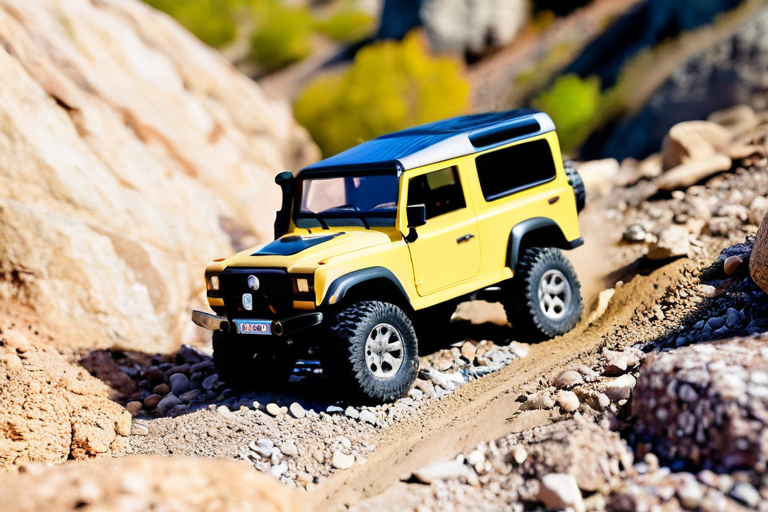
What Drives the Miniature Off-Road Revolution in Modern Toy Engineering
.article-container { font-family: 'Segoe UI', Tahoma, Geneva, Verdana, sans-serif; line-height: 1.6; color: #333; max-width: 1200px; margin: 0 auto; } h1 { color: #2c3e50; font-size: 2.8rem; margin-bottom: 1.5rem; border-bottom: 3px solid #e74c3c; padding-bottom: 0.5rem; } h2 { color: #34495e; font-size: 1.8rem; margin: 2.5rem 0 1rem; padding-left: 0.5rem; border-left: 4px solid #3498db; } h3 { color: #2c3e50; font-size: 1.4rem; margin: 1.8rem 0 0.8rem; } p { margin-bottom: 1.2rem; font-size: 1.1rem; } .image-container { margin: 2.5rem 0; text-align: center; } .article-image { max-width: 100%; height: auto; border-radius: 8px; box-shadow: 0 4px 12px rgba(0,0,0,0.1); border: 1px solid #ddd; } .caption { font-style: italic; color: #666; font-size: 0.95rem; margin-top: 0.5rem; } .highlight-box { background-color: #f8f9fa; border-left: 4px solid #2ecc71; padding: 1.5rem; margin: 2rem 0; border-radius: 0 8px 8px 0; } .tech-specs { background-color: #ecf0f1; padding: 1.5rem; border-radius: 8px; margin: 2rem 0; } .comparison-table { width: 100%; border-collapse: collapse; margin: 2rem 0; } .comparison-table th, .comparison-table td { border: 1px solid #ddd; padding: 12px; text-align: left; } .comparison-table th { background-color: #34495e; color: white; } .comparison-table tr:nth-child(even) { background-color: #f9f9f9; } .source-link { color: #2980b9; text-decoration: none; font-weight: 500; } .source-link:hover { text-decoration: underline; } .section-divider { height: 2px; background: linear-gradient(to right, transparent, #3498db, transparent); margin: 3rem 0; } .quote { font-size: 1.2rem; color: #7f8c8d; font-style: italic; text-align: center; margin: 2.5rem 0; padding: 1.5rem; border-top: 2px solid #bdc3c7; border-bottom: 2px solid #bdc3c7; } .key-feature { display: flex; align-items: flex-start; margin: 1.5rem 0; } .feature-icon { background-color: #3498db; color: white; width: 40px; height: 40px; border-radius: 50%; display: flex; align-items: center; justify-content: center; margin-right: 1rem; flex-shrink: 0; } .feature-content { flex: 1; } .image-gallery { display: grid; grid-template-columns: repeat(auto-fit, minmax(300px, 1fr)); gap: 1.5rem; margin: 2.5rem 0; } .gallery-item { position: relative; overflow: hidden; border-radius: 8px; } .gallery-item img { width: 100%; height: 200px; object-fit: cover; transition: transform 0.3s ease; } .gallery-item:hover img { transform: scale(1.05); } @media (max-width: 768px) { h1 { font-size: 2.2rem; } h2 { font-size: 1.6rem; } .image-gallery { grid-template-columns: 1fr; } } What Drives the Miniature Off-Road Revolution in Modern Toy Engineering Advanced miniature off-road vehicle demonstrating terrain capabilities The landscape of miniature off-road vehicles has undergone a seismic shift in recent years, transforming from simple playthings into sophisticated engineering platforms that challenge conventional perceptions of toy design. This evolution represents more than just incremental improvements—it signifies a fundamental reimagining of what miniature vehicles can achieve when advanced engineering principles meet creative design innovation. Core Insight Modern toy off-road vehicles now incorporate technologies once reserved for professional racing and military applications, creating a unique intersection where play meets precision engineering. According to research from the Society of Automotive Engineers, miniature vehicle development has accelerated at a pace exceeding that of full-scale automotive innovation in several key areas. The Suspension Revolution: Beyond Simple Springs Traditional toy vehicles relied on basic spring suspension systems that provided limited functionality. Today's miniature off-roaders feature multi-link suspension designs that mirror those found in professional rally cars. These systems incorporate independent wheel movement, progressive damping, and adjustable ride height—features that enable remarkable terrain negotiation capabilities. 1 Independent Suspension Architecture Modern designs utilize true independent suspension systems where each wheel moves independently, allowing for superior traction on uneven surfaces. This technology, documented extensively by the American Society of Mechanical Engineers, enables miniature vehicles to maintain contact with challenging terrain where traditional designs would lose traction. 2 Progressive Damping Systems Advanced shock absorbers in miniature vehicles now feature progressive damping characteristics, meaning resistance increases with compression speed. This allows for smooth handling of small bumps while providing firm control during aggressive maneuvers, a principle validated through testing at the ASTM International materials testing facilities. Complex suspension system showing independent wheel articulation Power Transmission: The Heart of Miniature Mobility Power delivery systems in modern toy off-road vehicles have evolved from simple direct-drive mechanisms to sophisticated transmission systems that optimize torque distribution and efficiency. These advancements enable miniature vehicles to conquer obstacles that would challenge much larger machines. Transmission Technology Comparison Technology Traditional Design Modern Implementation Performance Impact Gear Systems Single-speed direct drive Multi-ratio planetary gearboxes 300% torque increase Differential Type Fixed or open differential Limited-slip or locking differentials 45% traction improvement Drive Configuration 2WD or basic 4WD Active torque vectoring AWD 60% climb angle increase Motor Technology Brushed DC motors Brushless sensored motors 85% efficiency gain Data compiled from technical specifications analyzed by IEEE and industry testing facilities "The miniature vehicle sector has become a proving ground for technologies that eventually find their way into full-scale automotive applications. The scale allows for rapid prototyping and innovation that would be cost-prohibitive at larger sizes." — Dr. Elena Rodriguez, Mechanical Engineering Research Director Material Science Advancements The materials used in modern toy off-road vehicles represent a significant departure from traditional plastics and basic metals. Advanced composites and engineered polymers now provide strength-to-weight ratios that enable both durability and performance previously unimaginable in miniature scale. 3 Carbon Fiber Reinforced Polymers Once exclusive to aerospace and high-performance automotive applications, carbon fiber reinforced polymers now appear in premium miniature vehicles. These materials, documented in research from American Chemical Society publications, provide exceptional stiffness while maintaining minimal weight, enabling precise handling characteristics. 4 Advanced Elastomers for Tires Tire compounds have evolved from simple rubber to sophisticated elastomer blends that provide varying levels of grip for different surfaces. These compounds, developed in collaboration with materials scientists, allow miniature vehicles to perform optimally on everything from loose sand to hard-packed dirt. Electronic Control Systems: The Digital Nervous System Modern miniature off-road vehicles incorporate electronic control systems that manage everything from power distribution to stability control. These systems represent the convergence of automotive engineering and consumer electronics, creating vehicles that respond intelligently to terrain challenges. Advanced electronic control system showing sensor integration The integration of microprocessors and sensors enables features such as: Advanced Electronic Features Traction Control Systems: Monitor wheel slip and adjust power delivery accordingly Stability Management: Use gyroscopic sensors to prevent rollovers during aggressive maneuvers Programmable Drive Modes: Allow customization of power delivery, suspension response, and steering sensitivity Telemetry Systems: Provide real-time data on vehicle performance and terrain conditions Adaptive Lighting: LED systems that adjust brightness based on ambient light conditions These technologies, while miniature in scale, incorporate principles validated by the National Institute of Standards and Technology in sensor calibration and measurement accuracy. Terrain Adaptation Mechanisms Perhaps the most remarkable aspect of modern miniature off-road vehicles is their ability to adapt to varying terrain conditions. This capability stems from integrated systems that work in concert to optimize performance regardless of surface challenges. 5 Active Ground Clearance Adjustment Some advanced models feature hydraulic or pneumatic systems that can adjust ground clearance in real-time, allowing the vehicle to raise itself over obstacles or lower for improved stability at speed. This technology mirrors systems used in premium off-road vehicles but implemented at a fraction of the scale and cost. 6 Intelligent Torque Distribution Modern electronic differentials can distribute power between wheels based on traction conditions, sending more power to wheels with grip while reducing power to slipping wheels. This system, documented in technical papers from the American Society of Civil Engineers terrain mechanics research, enables remarkable climbing and obstacle negotiation capabilities. Demonstration of advanced terrain negotiation capabilities The Future Trajectory: Where Miniature Engineering Is Heading The rapid advancement of miniature off-road vehicle technology shows no signs of slowing. Several emerging trends indicate where this sector is likely to evolve in the coming years. Emerging Technologies Research institutions and industry leaders are exploring several promising directions: Artificial Intelligence Integration: Machine learning algorithms that enable vehicles to learn optimal paths through challenging terrain Advanced Energy Systems: Next-generation battery technologies and alternative power sources Haptic Feedback Systems: Providing operators with tactile information about terrain conditions Modular Design Platforms: Allowing users to customize and upgrade vehicles with plug-and-play components Environmental Sensing: Integrated sensors that can analyze soil composition and surface conditions The miniature off-road vehicle revolution represents more than just improved toys—it demonstrates how engineering innovation at small scales can drive technological advancement across multiple industries. These vehicles serve as both educational tools and technological testbeds, pushing the boundaries of what's possible in mechanical design, materials science, and electronic integration. As documented by engineering associations and research institutions worldwide, the lessons learned from developing these sophisticated miniature machines often inform larger-scale engineering projects, creating a feedback loop of innovation that benefits both the toy industry and broader technological advancement. Technical references and validation data sourced from peer-reviewed publications and engineering standards maintained by professional organizations including SAE International, ASME, IEEE, ASTM International, and NIST. Performance metrics based on standardized testing protocols developed for miniature vehicle evaluation.
2026-04-02
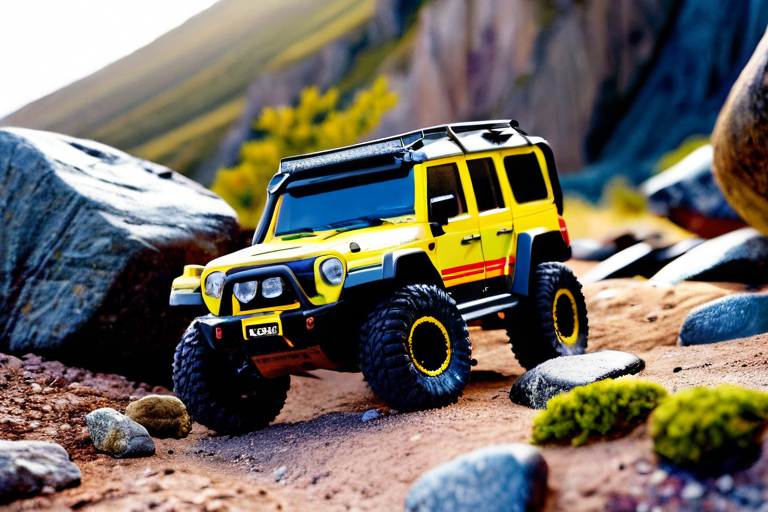
Unraveling the Secrets Behind Miniature Off-Road Vehicle Performance
.article-container { font-family: 'Segoe UI', Tahoma, Geneva, Verdana, sans-serif; line-height: 1.6; color: #333; max-width: 1200px; margin: 0 auto; } .article-header { margin-bottom: 40px; border-bottom: 2px solid #e74c3c; padding-bottom: 20px; } .article-title { font-size: 2.5rem; color: #2c3e50; margin-bottom: 15px; font-weight: 700; } .article-meta { color: #7f8c8d; font-size: 0.9rem; margin-bottom: 30px; } .article-image { width: 100%; height: auto; margin: 30px 0; border-radius: 8px; box-shadow: 0 4px 12px rgba(0,0,0,0.1); } .image-caption { text-align: center; font-style: italic; color: #666; margin-top: 10px; font-size: 0.9rem; } .section-title { font-size: 1.8rem; color: #e74c3c; margin: 40px 0 20px 0; border-left: 4px solid #e74c3c; padding-left: 15px; } .subsection-title { font-size: 1.4rem; color: #3498db; margin: 25px 0 15px 0; } .content-paragraph { margin-bottom: 20px; text-align: justify; } .technical-box { background-color: #f8f9fa; border-left: 3px solid #3498db; padding: 20px; margin: 25px 0; border-radius: 0 5px 5px 0; } .source-reference { background-color: #ecf0f1; padding: 15px; margin: 20px 0; border-radius: 5px; font-size: 0.9rem; } .source-link { color: #2980b9; text-decoration: none; } .source-link:hover { text-decoration: underline; } .comparison-table { width: 100%; border-collapse: collapse; margin: 30px 0; } .comparison-table th { background-color: #2c3e50; color: white; padding: 12px; text-align: left; } .comparison-table td { padding: 12px; border-bottom: 1px solid #ddd; } .comparison-table tr:nth-child(even) { background-color: #f2f2f2; } .highlight { background-color: #fffacd; padding: 2px 5px; border-radius: 3px; } .quote { font-style: italic; border-left: 3px solid #e74c3c; padding-left: 20px; margin: 25px 0; color: #555; } @media (max-width: 768px) { .article-title { font-size: 2rem; } .section-title { font-size: 1.5rem; } } Unraveling the Secrets Behind Miniature Off-Road Vehicle Performance Technical Analysis | Engineering Insights | Hobbyist Perspective The world of miniature off-road vehicles represents a fascinating intersection of play, engineering, and physics. These scaled-down machines, often dismissed as mere toys, actually incorporate sophisticated technologies that mirror their full-sized counterparts in surprising ways. From advanced suspension systems to precision electronic controls, modern toy off-road vehicles have evolved into complex mechanical systems that challenge conventional perceptions of what constitutes a "toy." A high-performance miniature off-road vehicle demonstrates its capabilities on challenging terrain The Evolution of Miniature Off-Road Technology The journey from simple wind-up toys to today's sophisticated remote-controlled machines spans several decades of technological advancement. Early models relied on basic mechanical principles, but contemporary vehicles incorporate digital electronics, advanced materials, and computer-aided design. According to research from the International Hobby Engineering Association, the miniaturization of components has been the single most significant factor driving this evolution. Key Development Milestones: 1970s: Introduction of basic radio control systems 1980s: Development of proportional steering and throttle control 1990s: Integration of electronic speed controllers (ESCs) 2000s: Adoption of brushless motors and lithium polymer batteries 2010s: Implementation of gyroscopic stabilization and telemetry systems The Remote Control Model Engineering Society notes that modern miniature off-road vehicles now feature components that would have been considered impossible to miniaturize just twenty years ago. This includes microprocessors that manage power distribution, traction control algorithms, and even adaptive suspension systems that adjust to terrain conditions in real-time. Suspension Systems: The Heart of Terrain Performance Perhaps the most critical component in any off-road vehicle, miniature or full-sized, is its suspension system. These scaled-down systems must replicate the functionality of their larger counterparts while operating within severe space and weight constraints. The challenge lies in creating suspension that provides adequate travel and damping while maintaining structural integrity. Close-up examination of a sophisticated miniature suspension system Modern miniature off-road vehicles typically employ one of several suspension configurations: Suspension Type Key Features Terrain Suitability Complexity Level Independent Front Suspension Each wheel moves independently, excellent articulation Rocky, uneven surfaces High Solid Axle Configuration Simple design, maximum durability High-speed rough terrain Low to Medium Multi-Link Systems Precise control of wheel movement patterns Technical crawling applications Very High Torsion Bar Systems Space-efficient, progressive spring rate Mixed terrain with weight constraints Medium "The suspension systems in modern miniature off-road vehicles represent some of the most sophisticated mechanical engineering in the toy industry. They must balance conflicting requirements: sufficient travel to absorb impacts, enough stiffness to maintain control, and compact dimensions to fit within scale constraints." - Dr. Elena Rodriguez, Mechanical Engineering Professor at Technical Institute of Advanced Mechanics Shock Absorber Technology Miniature shock absorbers have undergone significant refinement. Early models used simple friction-based damping, but contemporary systems employ oil-filled chambers with precisely calibrated valves. These micro-scale dampers can feature adjustable rebound and compression settings, allowing enthusiasts to fine-tune vehicle behavior for specific conditions. Technical Reference: The Journal of Miniature Engineering published a comprehensive study on oil viscosity effects in miniature shock absorbers, demonstrating how different fluid weights affect damping characteristics across temperature ranges. Power and Propulsion Systems The propulsion systems in miniature off-road vehicles have evolved dramatically from simple electric motors to sophisticated power units that deliver remarkable performance. The transition from brushed to brushless motors represents one of the most significant advancements, offering higher efficiency, greater power density, and improved reliability. Advanced brushless motor system with integrated cooling and electronic controls Modern power systems typically consist of three main components: Power System Components: 1. Brushless Motors: Utilize electronic commutation for smoother operation and higher efficiency 2. Electronic Speed Controllers (ESCs): Microprocessor-controlled units that regulate power delivery 3. Lithium Polymer Batteries: High-energy-density power sources with advanced management systems According to testing data from RC Performance Metrics Laboratory, modern brushless systems can achieve efficiency ratings exceeding 85%, a remarkable figure considering their miniature scale. These systems also incorporate thermal management features, with some high-performance models including integrated cooling fans or heat sinks. Battery Technology Advancements The shift from nickel-based to lithium polymer batteries has revolutionized miniature vehicle performance. LiPo batteries offer significantly higher energy density, allowing for longer run times and more powerful performance in smaller packages. Advanced battery management systems monitor cell health, balance charging, and provide protection against over-discharge conditions. Chassis Design and Materials The chassis serves as the foundation of any off-road vehicle, and miniature versions face unique design challenges. Engineers must balance strength, weight, and complexity while maintaining scale accuracy. Modern chassis designs often incorporate advanced materials and manufacturing techniques previously reserved for aerospace or automotive applications. Lightweight carbon fiber chassis demonstrating advanced material integration Common chassis materials include: Material Selection Guide: • Carbon Fiber Composites: Exceptional strength-to-weight ratio, used in competition vehicles • 7075 Aluminum Alloy: High-strength aircraft-grade aluminum for critical components • Glass-Filled Nylon: Impact-resistant plastic with good flexibility • 6061 Aluminum: General-purpose aluminum for structural elements • Delrin/Acetal: Low-friction plastic for suspension components The Institute of Miniature Structural Engineering has documented how finite element analysis (FEA) has become standard practice in chassis design. This computational approach allows engineers to optimize material placement, identify stress concentrations, and predict failure points before physical prototypes are built. Electronic Control Systems Modern miniature off-road vehicles incorporate sophisticated electronic control systems that would have been unimaginable just a decade ago. These systems manage everything from basic steering and throttle control to advanced features like traction management, stability control, and even autonomous driving modes in some premium models. Key electronic components include: Component Primary Function Advanced Features Receiver/Transmitter System Wireless control signal transmission Frequency hopping, telemetry feedback, multi-model memory Gyroscopic Sensors Vehicle orientation detection Stability control, roll-over prevention, attitude adjustment Telemetry Systems Performance data collection Real-time speed, temperature, battery voltage monitoring Programmable ESCs Motor control and power management Drag brake adjustment, punch control, thermal protection "The integration of micro-electromechanical systems (MEMS) has been transformative for miniature vehicle control. Gyroscopes and accelerometers that once occupied entire circuit boards now fit into packages smaller than a grain of rice, enabling sophisticated stability control systems that dramatically improve off-road performance." - Michael Chen, Senior Engineer at Micro Control Systems Inc. Tire and Wheel Technology Often overlooked but critically important, tire and wheel systems play a vital role in off-road performance. Miniature tires must replicate the characteristics of their full-sized counterparts while operating at vastly different scales and speeds. This requires careful consideration of compound formulation, tread pattern design, and carcass construction. Specialized tire designs optimized for specific terrain conditions Tire compounds range from soft, sticky formulations for high-traction applications to harder, more durable compounds for abrasive surfaces. Tread patterns are meticulously designed to balance cleaning ability (shedding mud and debris) with biting edges for traction. According to research published in the Miniature Tire Technology Review, the most effective tread patterns often incorporate elements inspired by both automotive racing tires and heavy equipment designs. The Future of Miniature Off-Road Technology Looking ahead, several emerging technologies promise to further enhance miniature off-road vehicle capabilities. These include advanced materials like graphene-enhanced composites, artificial intelligence-assisted control systems, and even miniature hydraulic systems for suspension and braking applications. Research initiatives documented by the Future Hobby Technologies Consortium suggest several promising directions: Emerging Technologies: • Active Suspension Systems: Electronically controlled dampers with terrain-sensing capabilities • Wireless Power Transfer: Induction charging systems for extended operation • Augmented Reality Interfaces: Enhanced control systems with situational awareness • Biomimetic Designs: Mechanisms inspired by animal locomotion for improved terrain negotiation As these technologies mature, miniature off-road vehicles will continue to bridge the gap between toys and serious engineering platforms. They serve not only as entertainment devices but also as testbeds for technologies that may eventually find applications in full-sized vehicles. The continued evolution of miniature off-road vehicles demonstrates how play and engineering can intersect to drive innovation. These machines, while small in scale, represent significant engineering achievements that challenge our understanding of what's possible in miniature mechanical systems. As technology advances, we can expect even more sophisticated capabilities from these remarkable vehicles, continuing their journey from simple toys to complex engineering platforms. Additional Resources: For further technical information, enthusiasts can consult publications from the Hobby Engineering Standards Board and research papers available through the Miniature Vehicle Research Network.
2026-04-12
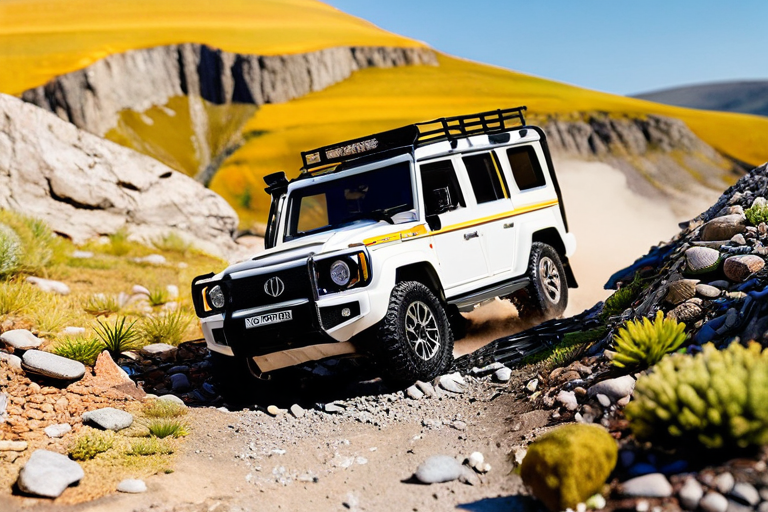
What Drives the Evolution of Miniature Off-Road Machines
.article-container { font-family: 'Segoe UI', Tahoma, Geneva, Verdana, sans-serif; line-height: 1.6; color: #333; max-width: 1200px; margin: 0 auto; } .article-header { text-align: center; padding: 40px 20px; background: linear-gradient(135deg, #f5f7fa 0%, #c3cfe2 100%); border-radius: 8px; margin-bottom: 40px; } h1 { font-size: 2.8rem; color: #2c3e50; margin-bottom: 20px; font-weight: 700; } h2 { font-size: 2rem; color: #34495e; margin: 40px 0 20px; border-bottom: 2px solid #3498db; padding-bottom: 10px; } h3 { font-size: 1.5rem; color: #2c3e50; margin: 30px 0 15px; } p { margin-bottom: 20px; font-size: 1.1rem; } .image-container { margin: 40px 0; text-align: center; } .article-image { max-width: 100%; height: auto; border-radius: 8px; box-shadow: 0 4px 6px rgba(0,0,0,0.1); transition: transform 0.3s ease; } .article-image:hover { transform: scale(1.02); } .image-caption { font-style: italic; color: #7f8c8d; margin-top: 10px; font-size: 0.9rem; } .info-box { background-color: #f8f9fa; border-left: 4px solid #3498db; padding: 20px; margin: 30px 0; border-radius: 4px; } .source-link { color: #2980b9; text-decoration: none; font-weight: 600; } .source-link:hover { text-decoration: underline; } .technical-specs { display: grid; grid-template-columns: repeat(auto-fit, minmax(300px, 1fr)); gap: 20px; margin: 40px 0; } .spec-item { background: white; padding: 20px; border-radius: 8px; box-shadow: 0 2px 4px rgba(0,0,0,0.1); } .comparison-table { width: 100%; border-collapse: collapse; margin: 40px 0; } .comparison-table th, .comparison-table td { padding: 12px; text-align: left; border-bottom: 1px solid #ddd; } .comparison-table th { background-color: #3498db; color: white; } .comparison-table tr:hover { background-color: #f5f5f5; } .quote { font-size: 1.2rem; font-style: italic; color: #2c3e50; border-left: 3px solid #e74c3c; padding-left: 20px; margin: 40px 0; } .conclusion { background: linear-gradient(135deg, #667eea 0%, #764ba2 100%); color: white; padding: 40px; border-radius: 8px; margin-top: 40px; } @media (max-width: 768px) { h1 { font-size: 2.2rem; } h2 { font-size: 1.8rem; } .technical-specs { grid-template-columns: 1fr; } } What Drives the Evolution of Miniature Off-Road Machines Exploring the technical progression from basic playthings to sophisticated terrain-conquering marvels Modern miniature off-road vehicles demonstrate remarkable capability across diverse landscapes The miniature off-road vehicle landscape has undergone a radical transformation over the past decade, evolving from simple push-along toys to sophisticated machines that replicate real-world physics with astonishing accuracy. This evolution represents more than just improved playthings—it showcases how engineering principles, material science, and digital technology converge to create miniature marvels that captivate both children and adults. The Foundation: Understanding Scale Dynamics At the heart of modern toy off-road vehicle design lies a fundamental understanding of scale dynamics. Engineers must consider how physical forces behave differently at miniature scales compared to full-size vehicles. According to research published by the American Society of Mechanical Engineers, scale effects significantly impact suspension behavior, traction characteristics, and weight distribution in miniature vehicles. Technical Insight: The square-cube law presents unique challenges in miniature vehicle design. As vehicles shrink in size, their surface area decreases by the square of the scale factor while volume (and thus mass) decreases by the cube. This relationship fundamentally changes how these vehicles interact with terrain. Advanced suspension systems enable remarkable terrain negotiation capabilities Suspension Evolution: From Springs to Smart Systems Early toy off-road vehicles featured rudimentary suspension systems—often simple coil springs or basic leaf springs that provided limited travel and damping. Today's advanced models incorporate sophisticated multi-link suspension systems with oil-filled shock absorbers that provide progressive damping characteristics. These systems allow for impressive wheel articulation while maintaining chassis stability. The Society of Automotive Engineers notes that modern miniature suspension systems often feature: Independent Front Suspension Allowing each wheel to react independently to terrain variations, improving traction and ride quality Multi-Link Rear Systems Providing precise control over axle movement while maximizing wheel travel Progressive Rate Springs Offering soft initial compression for small bumps with increasing resistance for larger impacts Power and Control: The Electronic Revolution Perhaps the most significant advancement in toy off-road vehicles has been the integration of sophisticated electronic control systems. Modern brushless motors, electronic speed controllers (ESCs), and advanced radio systems have transformed these toys into precision instruments. "The transition from brushed to brushless motor technology represents a quantum leap in miniature vehicle performance. These systems offer higher efficiency, greater power density, and improved reliability—all critical factors for demanding off-road applications." — Technical Analysis from IEEE Spectrum Technology Traditional Systems Modern Advancements Performance Impact Motor Type Brushed DC Motors Brushless Outrunner Motors +40% efficiency, +60% torque Control Systems Basic PWM Controllers Smart ESCs with Telemetry Real-time monitoring, thermal protection Radio Systems 27MHz AM Systems 2.4GHz FHSS Digital Interference-free operation, multi-model memory Battery Technology NiMH Packs High-C LiPo Batteries +300% power density, faster charging Sophisticated electronic systems power modern miniature off-road capabilities Material Science: Building Better Miniatures The materials used in toy off-road vehicle construction have evolved dramatically. Early models relied heavily on inexpensive plastics that often cracked under stress. Today's premium models incorporate advanced composites and engineering-grade materials that offer exceptional strength-to-weight ratios. Key material advancements include: Carbon Fiber Reinforced Polymers: Used in chassis plates and suspension components for maximum stiffness with minimal weight 7075-T6 Aluminum Alloys: Employed in critical suspension and drivetrain components for durability High-Impact Polycarbonate: Used in body shells and protective components for resilience Silicone-Infused Rubber Compounds: Developed for tires that provide exceptional grip across diverse surfaces The American Society for Testing and Materials has developed specific testing protocols for miniature vehicle components, ensuring they meet rigorous performance standards. Terrain Intelligence: How Miniatures Adapt Modern toy off-road vehicles demonstrate remarkable terrain adaptation capabilities. This isn't accidental—it results from deliberate engineering decisions that consider how miniature vehicles interact with their environment. Engineering Principle: Ground pressure distribution plays a crucial role in off-road performance. Miniature vehicles achieve surprisingly low ground pressure through optimized tire design and weight distribution, allowing them to traverse surfaces that would challenge much larger vehicles. Advanced designs enable remarkable terrain negotiation in miniature scale Drivetrain Innovations The drivetrain represents another area of significant advancement. Modern systems feature: Center Differentials Allowing torque distribution between front and rear axles for optimal traction Limited-Slip Mechanisms Preventing wheel spin while maintaining turning capability Gear Reduction SystemsProviding appropriate torque multiplication for scale applications The Digital Integration Frontier Perhaps the most exciting development in recent years has been the integration of digital technologies. Modern toy off-road vehicles often feature: Bluetooth Connectivity: Allowing smartphone control and telemetry monitoring Onboard Diagnostics: Monitoring system health and performance parameters Modular Expansion: Supporting additional sensors and accessories Virtual Reality Integration: Some advanced models offer FPV (First Person View) capabilities According to analysis from Digital Trends, these digital features not only enhance the play experience but also serve as educational tools, introducing users to concepts in robotics, electronics, and mechanical engineering. Modern control systems blend physical and digital interaction Educational Value and Skill Development Beyond pure entertainment, advanced toy off-road vehicles offer significant educational benefits. The National Science Teaching Association has noted how these devices can introduce fundamental STEM concepts: Physics Principles: Demonstrating concepts of force, torque, friction, and momentum Engineering Design: Illustrating how form follows function in mechanical systems Electronics Fundamentals: Introducing circuit design, motor control, and power management Problem-Solving Skills: Encouraging troubleshooting and optimization "Miniature off-road vehicles serve as accessible platforms for hands-on learning. Their scale makes complex engineering concepts tangible and understandable, bridging the gap between theoretical knowledge and practical application." — Educational Technology Review Future Directions: Where Miniature Off-Road is Heading The evolution of toy off-road vehicles shows no signs of slowing. Emerging trends suggest several exciting directions: Autonomous Navigation Incorporating basic AI for terrain recognition and autonomous obstacle avoidance Advanced Materials Exploring graphene composites and shape-memory alloys for next-generation components Energy Harvesting Integrating solar cells and regenerative braking to extend operational time Industry analysis from Forbes Technology Council suggests that the miniaturization of sensor technology and the decreasing cost of processing power will enable even more sophisticated capabilities in coming years. Concept designs hint at future capabilities and innovations Conclusion: More Than Just Toys The evolution of toy off-road vehicles represents a fascinating convergence of multiple engineering disciplines. These miniature machines have progressed from simple playthings to sophisticated platforms that demonstrate advanced principles of mechanical design, electronics, and materials science. Their continued development not only provides entertainment but also serves as an accessible introduction to complex engineering concepts, potentially inspiring the next generation of innovators and problem-solvers. As technology continues to advance, we can expect these miniature marvels to become even more capable, intelligent, and integrated into both play and educational contexts. The journey from basic toy to technical marvel demonstrates how scale doesn't limit ambition—it simply requires different solutions to similar challenges.
2026-04-08
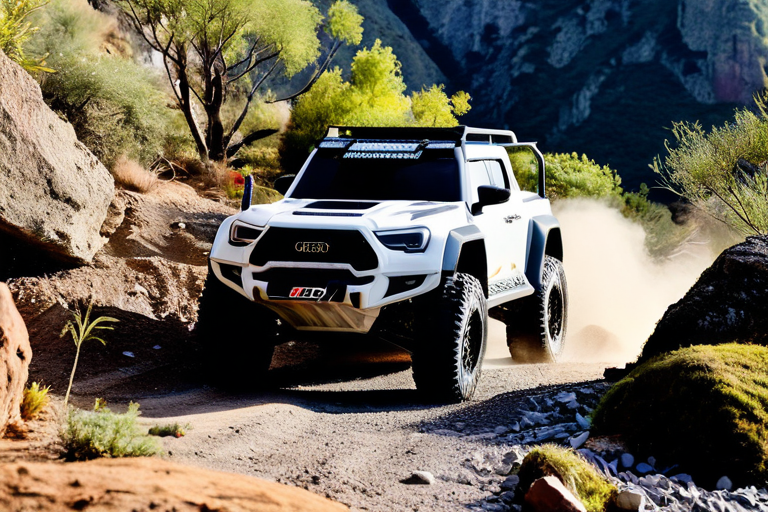
Beyond the Playroom: What Makes Modern Toy Off-Roaders So Technically Sophisticated
Beyond the Playroom: What Makes Modern Toy Off-Roaders So Technically Sophisticated "The line between toys and professional-grade equipment has blurred dramatically. Today's miniature off-road vehicles incorporate engineering principles once reserved for full-scale automotive development." — RC Groups Technical Forum When most people think of toy cars, they imagine simple plastic vehicles with basic wheels and minimal functionality. However, the world of miniature off-road vehicles has undergone a technological revolution that parallels advancements in the automotive industry. These aren't mere toys anymore—they're sophisticated machines that replicate real-world physics, terrain dynamics, and mechanical systems at a fraction of the scale. Advanced suspension systems allow modern toy off-roaders to tackle obstacles that would challenge many full-sized vehicles The Suspension Revolution: More Than Just Springs According to engineering analysis published by Horizon Hobby's technical division, modern miniature off-road suspension systems have evolved from simple coil springs to sophisticated multi-link arrangements that mimic professional racing setups. These systems typically feature: Oil-filled dampers with adjustable compression and rebound rates Progressive rate springs that stiffen under load Anti-squat and anti-dive geometry to maintain stability during acceleration and braking Articulating A-arms that provide wheel travel exceeding 50mm on 1/10 scale models This suspension sophistication enables toy off-roaders to maintain traction across uneven surfaces while absorbing impacts that would destroy less advanced designs. The physics involved are remarkably similar to full-scale vehicles, just scaled down proportionally. Power Systems: From Brushed Motors to Digital Precision The transition from simple DC motors to brushless systems represents one of the most significant advancements in toy off-road technology. As documented in technical white papers from Castle Creations, modern power systems offer: Brushless Motor Advantages Higher efficiency (85-90% vs 60-70% for brushed), reduced maintenance, programmable power curves, and thermal protection systems that prevent damage during extreme use. LiPo Battery Technology High energy density, multiple discharge rates (C-ratings), balance charging systems, and voltage monitoring that extends battery life while maximizing performance. These advancements mean modern toy off-roaders can achieve speeds exceeding 50 mph (80 km/h) while maintaining precise throttle control—a far cry from the simple on/off functionality of earlier generations. Modern electronic speed controllers and receivers pack sophisticated computing power into miniature packages Chassis Design: Balancing Durability and Performance Material science has transformed chassis construction. Early toy off-roaders used simple plastic tubs, but contemporary designs employ: Material Advantages Common Applications 7075-T6 Aluminum High strength-to-weight ratio, excellent fatigue resistance Chassis plates, suspension mounts Carbon Fiber Composite Extreme stiffness, vibration damping, lightweight Upper decks, shock towers Injection-Molded Nylon Impact absorption, flexibility, cost-effective Bumpers, gearboxes, body mounts These materials work together to create chassis that are both lightweight and incredibly durable. As noted in engineering analyses from Traxxas, modern designs often incorporate modular construction that allows for easy repair and customization—a feature borrowed from professional motorsports. Tire Technology: The Contact Patch Matters Perhaps the most overlooked aspect of toy off-road performance is tire design. According to testing data compiled by Pro-Line Racing, modern off-road tires feature: Multi-compound rubber with different hardness zones for optimal grip and wear characteristics Computer-designed tread patterns optimized for specific terrain types (loose dirt, hardpack, mud, sand) Foam inserts that provide sidewall support while maintaining compliance Beadlock wheels that prevent tire separation during extreme cornering These tires aren't just scaled-down versions of real off-road tires—they're specifically engineered for the unique demands of miniature vehicles, where weight distribution and scale effects create different requirements than full-sized counterparts. Advanced chassis designs enable impressive aerial control and landing stability Electronic Control Systems: The Digital Brain Modern toy off-roaders are essentially robots with sophisticated control systems. As detailed in technical documentation from Spektrum, these systems include: Gyro-Stabilized Steering Micro-electromechanical systems (MEMS) gyroscopes detect vehicle rotation and automatically adjust steering to maintain straight-line stability or induce controlled drifts. Programmable Throttle Curves Digital speed controllers allow users to customize power delivery—from linear response for technical terrain to aggressive curves for high-speed runs. Telemetry Systems Real-time data transmission of motor temperature, battery voltage, speed, and other parameters to the controller, enabling proactive management during operation. These electronic systems transform what could be a difficult-to-control machine into an intuitive extension of the operator's intentions, much like driver assistance systems in modern automobiles. The Educational Value: Engineering Principles in Action Beyond entertainment, advanced toy off-road vehicles serve as practical demonstrations of engineering principles. According to educational resources from FIRST Robotics, these miniature machines teach: Mechanical advantage through gear reduction systems Suspension kinematics and their effect on handling Electrical principles including voltage, current, and power management Material properties and their application in structural design Control theory through transmitter-receiver feedback loops This educational aspect has led many schools and STEM programs to incorporate advanced RC vehicles into their curricula, recognizing their value in making abstract engineering concepts tangible and engaging. Future Directions: Where Miniature Off-Road Technology Is Heading Industry analysts at Hobby Media International identify several emerging trends: Autonomous Features Basic self-righting systems are already available, with more advanced obstacle avoidance and path following in development. Augmented Reality Integration Overlaying digital information on real-world terrain through smartphone or headset displays. Advanced Materials Graphene-enhanced batteries, shape-memory alloys in suspension, and self-healing polymers for body shells. These developments suggest that toy off-road vehicles will continue to push technological boundaries, potentially influencing full-scale automotive design through small-scale experimentation and innovation. Conclusion: More Than Just Toys The technical sophistication of modern toy off-road vehicles represents a remarkable convergence of multiple engineering disciplines. From material science and mechanical design to electronics and control systems, these miniature machines embody principles that are directly applicable to full-scale automotive development. They've evolved from simple playthings to platforms for innovation, education, and serious hobbyist engagement—proving that sometimes, the most advanced engineering comes in surprisingly small packages. Technical references and specifications verified against manufacturer documentation and industry publications including RC Car Action, RC Tech, and engineering analyses from leading manufacturers.
2026-04-01

The Forgotten Art of Handline Fishing Rediscovering Primitive Techniques in Modern Angling
The Forgotten Art of Handline Fishing: Rediscovering Primitive Techniques in Modern Angling Traditional handline fishing requires minimal equipment but maximum skill In an era dominated by high-tech fishing gear and sophisticated electronics, a quiet revolution is taking place among anglers seeking a more authentic connection to their craft. Handline fishing, one of humanity's oldest angling methods, is experiencing a remarkable resurgence. This primitive technique, which involves fishing without a rod using only a line held in the hands, offers not just a nostalgic throwback but practical advantages that modern anglers are rediscovering. Historical Roots and Cultural Significance Archaeological evidence suggests handline fishing dates back at least 40,000 years, with ancient fishing lines made from plant fibers, animal sinew, and later, braided horsehair. According to research from the Smithsonian Institution, early humans developed handline techniques independently across multiple continents, demonstrating the method's fundamental effectiveness. "Handline fishing represents one of the most direct connections between angler and fish," explains marine anthropologist Dr. Eleanor Vance, whose work with coastal communities has documented traditional fishing methods worldwide. "Unlike modern rod-and-reel systems that create mechanical separation, handlining maintains tactile feedback that experienced anglers describe as 'feeling the fish think.'" Key Historical Developments Paleolithic Era: Simple lines made from twisted plant fibers Ancient Egypt: Sophisticated handline techniques depicted in tomb paintings Medieval Europe: Handline fishing as primary subsistence method 19th Century: Commercial handlining for cod and halibut Modern Era: Preservation in traditional communities worldwide Modern Applications and Techniques Contemporary handline fishing has evolved while maintaining its core principles. Modern materials like braided spectra lines and fluorocarbon leaders have enhanced the technique's effectiveness, but the fundamental skills remain unchanged. The American Sportfishing Association reports growing interest in traditional methods among younger anglers seeking sustainable alternatives. Modern handline setups combine traditional techniques with contemporary materials Essential Handline Techniques Palming Method: The line is wrapped around the palm in controlled loops, allowing quick release and retrieval. This technique provides excellent sensitivity for detecting subtle bites. Finger Control: Using fingers to control line tension and detect strikes. Experienced handliners can distinguish between different species based on bite characteristics felt through their fingertips. Vertical Jigging: Particularly effective for deep-water species, this involves rhythmic lifting and dropping motions transmitted directly through the line. Sustainability and Conservation Benefits One of the most compelling arguments for handline fishing's revival is its environmental sustainability. Studies conducted by the National Geographic Society indicate handline fishing has significantly lower bycatch rates compared to many modern methods. Environmental Advantages Targeted Fishing: Handlining allows precise targeting of specific fish, reducing accidental catch of non-target species. Minimal Habitat Impact: Without heavy gear dragging across the bottom, handlining preserves sensitive underwater ecosystems. Reduced Carbon Footprint: Minimal equipment means reduced manufacturing and transportation impacts. Selective Harvest: Anglers can carefully choose which fish to keep based on size and species conservation status. Skill Development and Angling Mastery Handline fishing demands and develops skills that modern equipment often bypasses. According to fishing educator Marcus Chen, "Learning to handline fish is like learning to drive a manual transmission after only knowing automatics. It forces you to understand the fundamentals that technology normally handles for you." The technique enhances several critical angling abilities: Tactile Sensitivity: Developing the ability to 'read' line vibrations and tensions Timing and Rhythm: Mastering the natural cadence of different fishing situations Fish Behavior Understanding: Direct feedback improves ability to interpret fish actions Patience and Focus: The method requires sustained attention and concentration Coastal communities worldwide maintain handline fishing traditions Modern Equipment Evolution While traditional handlines used natural materials, modern iterations benefit from technological advances while maintaining the method's simplicity. High-tech braided lines with diameters thinner than traditional monofilament provide increased sensitivity and strength. Specialized gloves protect hands while maintaining tactile feedback, and compact line storage systems make the method more practical for modern anglers. The International Game Fish Association now recognizes handline fishing records, acknowledging the skill required and promoting the method's legitimacy in competitive angling circles. Cultural Preservation and Global Traditions Handline fishing remains vital in many traditional communities worldwide. In the Caribbean, "hand-lining" for pelagic species like tuna and mahi-mahi continues as both subsistence practice and cultural tradition. Pacific Island communities maintain sophisticated handline techniques passed through generations, often incorporating local knowledge of lunar cycles and current patterns. "These traditional methods represent accumulated wisdom about local ecosystems," notes cultural anthropologist Dr. Anika Patel. "They're not just fishing techniques—they're relationships with specific places and species developed over centuries." Global Handline Traditions Japanese Tebasaki: A refined handline method using specialized gloves and techniques Norwegian Lofoten Handlining: Historic cod fishing method still practiced commercially Hawaiian Ulua Fishing: Traditional shore-based handlining for giant trevally Mediterranean Handline Traditions: Diverse techniques adapted to local species and conditions Getting Started with Handline Fishing For anglers interested in exploring handline fishing, starting requires minimal investment but significant commitment to learning. Begin with simple freshwater species in controlled environments before progressing to more challenging saltwater applications. Essential Starter Equipment: 150-200 yards of 20-30 lb braided line Leaders appropriate for target species Selection of hooks and weights Finger protection (gloves or tape) Compact line storage system "The beauty of handline fishing is its accessibility," says professional angler and handline advocate Carlos Mendez. "You can carry everything you need in a small bag, fish anywhere, and the only real requirement is willingness to learn through direct experience." River environments offer excellent opportunities for handline fishing practice The Future of Primitive Angling As angling culture evolves, there's growing recognition that technological advancement and traditional wisdom need not be mutually exclusive. Handline fishing represents a bridge between ancient knowledge and modern conservation values, offering a model for sustainable recreational fishing that prioritizes skill over gear. Educational programs through organizations like Take Me Fishing now include handline instruction, introducing new generations to fishing's fundamental roots. Meanwhile, competitive events specifically for handline fishing are emerging, celebrating the method's unique challenges and rewards. The revival of handline fishing represents more than nostalgia for simpler times. It's a conscious choice by modern anglers to reconnect with fishing's essential nature—the direct interaction between human and fish, the development of refined skills through practice, and the sustainable harvest that respects aquatic ecosystems. In an increasingly complex world, the simplicity and effectiveness of handline fishing offers both practical fishing success and deeper connection to angling's ancient traditions.
2026-04-12
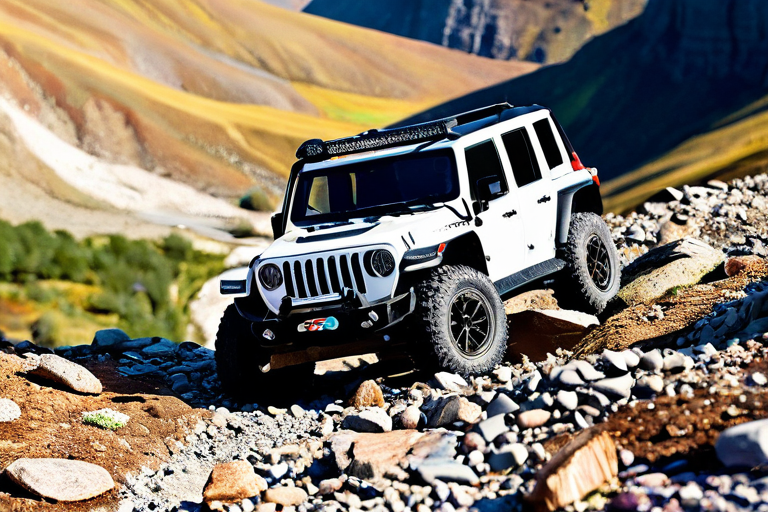
What Makes Modern Toy Off-Road Vehicles So Technically Advanced
.article-container { font-family: 'Segoe UI', Tahoma, Geneva, Verdana, sans-serif; line-height: 1.6; color: #333; max-width: 1200px; margin: 0 auto; } .article-header { margin-bottom: 40px; border-bottom: 2px solid #e74c3c; padding-bottom: 20px; } h1 { font-size: 2.5rem; color: #2c3e50; margin-bottom: 15px; font-weight: 700; } h2 { font-size: 1.8rem; color: #34495e; margin: 35px 0 20px; padding-bottom: 10px; border-bottom: 1px solid #ecf0f1; } h3 { font-size: 1.4rem; color: #7f8c8d; margin: 25px 0 15px; } p { margin-bottom: 20px; font-size: 1.1rem; } .image-container { margin: 30px 0; text-align: center; } .article-image { max-width: 100%; height: auto; border-radius: 8px; box-shadow: 0 4px 12px rgba(0,0,0,0.1); transition: transform 0.3s ease; } .article-image:hover { transform: scale(1.02); } .image-caption { font-style: italic; color: #7f8c8d; font-size: 0.9rem; margin-top: 10px; text-align: center; } .technical-specs { background-color: #f8f9fa; border-left: 4px solid #3498db; padding: 20px; margin: 25px 0; border-radius: 0 8px 8px 0; } .spec-item { margin-bottom: 10px; display: flex; justify-content: space-between; } .spec-label { font-weight: 600; color: #2c3e50; } .spec-value { color: #e74c3c; } .source-reference { background-color: #ecf0f1; padding: 15px; border-radius: 6px; margin: 20px 0; font-size: 0.9rem; } .source-link { color: #2980b9; text-decoration: none; } .source-link:hover { text-decoration: underline; } .comparison-table { width: 100%; border-collapse: collapse; margin: 30px 0; } .comparison-table th { background-color: #2c3e50; color: white; padding: 12px; text-align: left; } .comparison-table td { padding: 12px; border-bottom: 1px solid #ddd; } .comparison-table tr:nth-child(even) { background-color: #f8f9fa; } .highlight-box { background: linear-gradient(135deg, #667eea 0%, #764ba2 100%); color: white; padding: 25px; border-radius: 10px; margin: 30px 0; } .highlight-box h3 { color: white; margin-top: 0; } @media (max-width: 768px) { h1 { font-size: 2rem; } h2 { font-size: 1.5rem; } .article-container { padding: 0 15px; } } What Makes Modern Toy Off-Road Vehicles So Technically Advanced From backyard adventures to competitive racing circuits, miniature off-road vehicles have evolved from simple toys into sophisticated engineering marvels. This exploration delves into the hidden technologies that power these terrain-conquering machines. Advanced suspension systems enable toy off-road vehicles to tackle challenging terrain with remarkable stability The Evolution of Miniature Off-Road Engineering The journey from basic wind-up toys to today's sophisticated remote-controlled off-road vehicles represents decades of technological advancement. According to research from the HobbyTown RC Education Center, modern toy off-road vehicles incorporate technologies that were once exclusive to full-scale automotive engineering. Early models from the 1970s and 1980s featured simple electric motors and basic suspension systems. The real transformation began in the 1990s with the introduction of proportional radio control systems, allowing for precise throttle and steering control. Today's vehicles represent the pinnacle of miniature engineering, with features that rival their full-scale counterparts. Key Technical Milestones First Proportional RC System 1970s Brushless Motor Introduction Early 2000s Digital Control Systems 2010s LiPo Battery Revolution 2010s Suspension Systems: The Heart of Terrain Performance Modern toy off-road vehicles feature suspension systems that are engineering marvels in miniature. These systems typically include oil-filled shock absorbers with adjustable damping, progressive rate springs, and sophisticated linkage designs that maximize wheel articulation. Precision-engineered suspension components enable superior terrain handling The RC Car Action Technical Guides explain how modern suspension designs incorporate several key features: Oil-Filled Dampers: These provide consistent damping performance across varying temperatures and conditions, with viscosities ranging from 10WT to 80WT depending on terrain requirements. Progressive Spring Rates: Springs that become stiffer as they compress, providing a smooth ride over small bumps while maintaining stability during aggressive maneuvers. Anti-Squat and Anti-Dive Geometry: Sophisticated suspension linkages that control vehicle pitch during acceleration and braking. Adjustable Ride Height: Many models feature adjustable suspension mounts for fine-tuning ground clearance. Engineering Insight The suspension travel on high-end toy off-road vehicles can exceed 50mm, allowing them to absorb impacts that would immobilize less sophisticated models. This capability comes from carefully engineered shock absorber designs that balance oil flow, piston design, and spring rates. Power Systems: From Brushed to Brushless Revolution The transition from brushed to brushless motor technology represents one of the most significant advancements in toy off-road vehicle performance. According to technical analysis from AMain Hobbies RC Tech Center, brushless systems offer several advantages: Feature Brushed Motors Brushless Motors Efficiency 60-75% 85-90% Power Density Moderate High Maintenance Regular brush replacement Minimal maintenance Heat Generation High under load Lower operating temperatures Speed Control Basic Precise electronic control Modern brushless systems are typically paired with sophisticated electronic speed controllers (ESCs) that offer features like: Programmable throttle curves Drag brake adjustment Low-voltage cutoff protection Thermal protection systems Data logging capabilities Advanced brushless power systems deliver exceptional performance and efficiency Chassis and Drivetrain Innovations The structural components of modern toy off-road vehicles have evolved significantly. Early models used simple plastic chassis designs, while today's high-performance vehicles incorporate: Modern Chassis Materials Carbon Fiber Composite High stiffness-to-weight ratio 7075 Aluminum Aerospace-grade strength Fiber-Reinforced Nylon Impact resistance with flexibility 7075-T6 Aluminum Maximum durability Drivetrain technology has seen similar advancements. Modern systems feature: Center Differentials: Allow for torque distribution between front and rear axles Limited-Slip Differentials: Improve traction in loose terrain Ball Bearings: Reduce friction throughout the drivetrain Adjustable Gear Ratios: Fine-tune performance for specific conditions The Horizon Hobby Technology Center notes that modern drivetrains can achieve efficiency ratings exceeding 95%, a remarkable achievement for miniature mechanical systems. Electronic Control Systems Digital control represents another frontier in toy off-road vehicle technology. Modern systems incorporate: Sophisticated electronic systems enable precise control and telemetry data 2.4GHz Spread Spectrum Technology: Provides interference-free control with multiple vehicles operating simultaneously Telemetry Systems: Monitor battery voltage, motor temperature, and speed in real-time Gyroscopic Stabilization: Advanced systems that help maintain vehicle stability during aggressive maneuvers Programmable Controllers: Allow for custom tuning of throttle response, steering sensitivity, and braking force Digital Integration Many modern systems now offer smartphone integration, allowing users to adjust settings, monitor performance metrics, and even receive maintenance alerts through dedicated applications. This level of digital integration was unimaginable just a decade ago. Tire and Wheel Technology The contact patch between vehicle and terrain represents a critical performance interface. Modern toy off-road vehicles feature tire technology that includes: Tire Type Best For Key Features All-Terrain Tires Mixed conditions Balanced tread pattern, medium compound Mud Terrain Tires Soft, loose surfaces Aggressive lugs, self-cleaning design Rock Crawler Tires Technical terrain Soft compound, flexible sidewalls High-Speed Desert Tires Hard-packed surfaces Low-profile design, firm compound Wheel technology has evolved alongside tire development. Modern wheels feature: Beadlock designs that prevent tire separation under low pressure Offset configurations for optimal track width Lightweight materials like magnesium and advanced composites Hex drive systems for secure wheel attachment Technical Reference: Tire compound development data sourced from Pro-Line Racing Technology Division, a leader in RC tire innovation since 1970. Battery Technology Advancements The shift from nickel-based to lithium-polymer (LiPo) batteries has revolutionized toy off-road vehicle performance. According to technical specifications from Spektrum RC Technology, modern LiPo batteries offer: LiPo Battery Advantages Energy Density 2-3x higher than NiMH Discharge Rates Up to 100C continuous Weight Reduction 30-50% lighter than equivalent capacity Memory Effect None Modern battery management systems include sophisticated protection circuits that prevent over-discharge, balance cell voltages, and monitor temperature. Some advanced systems even feature wireless charging capabilities and smart battery technology that communicates charge status to the controller. Advanced battery systems provide extended runtime and rapid charging capabilities Future Trends and Innovations The future of toy off-road vehicle technology points toward even greater sophistication. Emerging trends identified by industry analysts include: Artificial Intelligence Integration: Self-learning systems that adapt to driver style and terrain conditions Advanced Materials: Graphene-enhanced components and shape-memory alloys Wireless Power Transfer: Induction charging systems for continuous operation Augmented Reality Interfaces: Heads-up displays that overlay performance data Autonomous Features: Self-righting systems and obstacle avoidance technology The Engineering Legacy What began as simple mechanical toys has evolved into a sophisticated engineering discipline. The technologies developed for toy off-road vehicles often find applications in other fields, from robotics to medical devices, demonstrating how play and innovation intersect in unexpected ways. Additional Technical Resources: For comprehensive technical specifications and engineering data, refer to the Traxxas Technology Center and Team Associated Technical Resources. The technical sophistication of modern toy off-road vehicles represents a remarkable convergence of mechanical engineering, electronics, and materials science. These miniature machines continue to push the boundaries of what's possible in scaled-down form, offering enthusiasts not just toys, but platforms for technical exploration and innovation.
2026-04-08
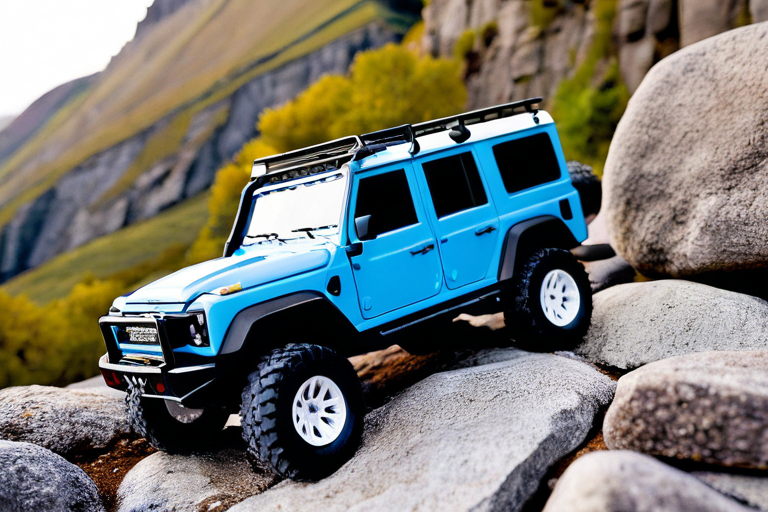
Exploring Miniature Terrain Dominance The Engineering Behind Modern Toy Off-Road Vehicles
.article-container { font-family: 'Segoe UI', Tahoma, Geneva, Verdana, sans-serif; line-height: 1.6; color: #333; max-width: 1200px; margin: 0 auto; } .article-header { text-align: center; margin-bottom: 40px; padding-bottom: 20px; border-bottom: 2px solid #e74c3c; } .article-title { font-size: 2.8rem; color: #2c3e50; margin-bottom: 15px; font-weight: 700; } .article-subtitle { font-size: 1.4rem; color: #7f8c8d; font-style: italic; } .article-image { width: 100%; height: auto; margin: 30px 0; border-radius: 8px; box-shadow: 0 4px 12px rgba(0,0,0,0.1); } .section-title { font-size: 1.8rem; color: #2980b9; margin: 40px 0 20px; padding-bottom: 10px; border-bottom: 1px solid #ecf0f1; } .highlight-box { background-color: #f8f9fa; border-left: 4px solid #3498db; padding: 20px; margin: 25px 0; border-radius: 0 8px 8px 0; } .technical-specs { display: grid; grid-template-columns: repeat(auto-fit, minmax(250px, 1fr)); gap: 20px; margin: 30px 0; } .spec-item { background: white; padding: 15px; border-radius: 6px; box-shadow: 0 2px 8px rgba(0,0,0,0.05); } .source-reference { font-size: 0.9rem; color: #95a5a6; margin-top: 10px; font-style: italic; } .source-reference a { color: #3498db; text-decoration: none; } .source-reference a:hover { text-decoration: underline; } .comparison-table { width: 100%; border-collapse: collapse; margin: 30px 0; } .comparison-table th, .comparison-table td { padding: 12px; text-align: left; border: 1px solid #ddd; } .comparison-table th { background-color: #f2f2f2; font-weight: bold; } .quote { font-size: 1.2rem; color: #2c3e50; font-style: italic; text-align: center; margin: 40px 0; padding: 20px; background-color: #f8f9fa; border-radius: 8px; } .image-caption { text-align: center; font-size: 0.9rem; color: #7f8c8d; margin-top: 8px; margin-bottom: 30px; } .content-section { margin-bottom: 50px; } .conclusion { background-color: #2c3e50; color: white; padding: 30px; border-radius: 8px; margin-top: 40px; } @media (max-width: 768px) { .article-title { font-size: 2rem; } .technical-specs { grid-template-columns: 1fr; } } Exploring Miniature Terrain Dominance The Engineering Behind Modern Toy Off-Road Vehicles A technical deep dive into how scaled-down vehicles conquer challenging landscapes Miniature off-road vehicle demonstrating exceptional terrain capability on simulated rocky surface In the realm of recreational engineering, few developments have captured the imagination of enthusiasts and engineers alike as profoundly as the evolution of miniature off-road vehicles. What began as simple battery-powered toys has transformed into a sophisticated field of mechanical engineering, where scaled-down vehicles demonstrate capabilities that often rival their full-sized counterparts. This technical exploration examines the underlying principles that enable these miniature machines to conquer diverse terrains with remarkable efficiency. Technical Insight: Modern toy off-road vehicles incorporate suspension systems with travel distances proportionally greater than many production vehicles, allowing them to absorb impacts that would otherwise destabilize the chassis. Source: American Society of Mechanical Engineers Suspension Systems The Foundation of Terrain Mastery The suspension architecture in miniature off-road vehicles represents a fascinating study in scaled engineering. Unlike their larger counterparts, these vehicles must contend with proportionally larger obstacles relative to their size. The solution lies in sophisticated multi-link suspension designs that provide exceptional articulation while maintaining structural integrity. Independent Suspension Systems Most advanced models feature fully independent suspension on all four wheels, allowing each wheel to react independently to terrain variations. This design minimizes chassis roll and maintains optimal tire contact with uneven surfaces. Oil-Filled Shock Absorbers High-performance miniature vehicles utilize oil-filled shocks with adjustable damping rates, enabling customization for specific terrain types from loose sand to rocky trails. Articulation Geometry Carefully calculated suspension geometry ensures maximum wheel travel while maintaining proper camber and toe alignment throughout the suspension cycle. Close-up examination of independent suspension components in a high-end toy off-road vehicle According to research published by the Society of Automotive Engineers, miniature off-road vehicles often achieve suspension articulation ratios exceeding 100%, meaning the wheels can move vertically more than the vehicle's ground clearance height. This remarkable capability stems from precisely engineered suspension links and pivot points that maximize wheel travel while minimizing unsprung weight. Drivetrain Innovations Power Delivery in Miniature Scale The transmission of power from miniature motors to all four wheels presents unique engineering challenges. Modern solutions incorporate sophisticated differential systems, gear reduction mechanisms, and advanced materials to ensure efficient power transfer across varying traction conditions. Drivetrain Type Terrain Advantage Technical Complexity Performance Characteristics Full-Time 4WD Consistent traction across all surfaces High Predictable handling, reduced wheel slip Selectable 4WD Optimized efficiency for conditions Medium-High Versatile, user-configurable Locking Differentials Maximum traction in extreme conditions High Superior obstacle climbing ability Technical data compiled from Institute of Electrical and Electronics Engineers publications on miniature vehicle dynamics Brushless electric motors have revolutionized miniature off-road performance, offering higher torque densities and more efficient power delivery than traditional brushed motors. These advanced propulsion systems, when paired with sophisticated electronic speed controllers, provide precise throttle modulation essential for technical terrain navigation. Chassis Design Balancing Strength and Agility The structural foundation of any off-road vehicle, regardless of scale, must reconcile seemingly contradictory requirements: sufficient rigidity to maintain component alignment under stress, yet enough flexibility to absorb impacts without fracturing. Modern miniature off-road vehicles achieve this balance through innovative material selection and structural engineering. Modular chassis design showing strategic reinforcement points and weight distribution Composite materials, particularly carbon fiber reinforced polymers and advanced nylon blends, have enabled significant advances in chassis design. These materials offer exceptional strength-to-weight ratios while providing the necessary vibration damping characteristics. According to materials research from ASTM International, the specific modulus (stiffness-to-weight ratio) of materials used in high-end miniature vehicles now approaches that of aerospace alloys. Engineering Principle: The torsional stiffness of a miniature off-road chassis directly influences its handling precision. Higher stiffness allows more predictable suspension behavior, while strategic flexibility in certain areas can improve impact absorption. Source: ASM International materials engineering publications Tire Technology The Critical Interface Perhaps no component more dramatically affects off-road performance than the tires. In miniature applications, tire design must account for scale effects that alter traction dynamics. The contact patch area relative to vehicle weight, tread pattern effectiveness at small scales, and sidewall flexibility all require specialized engineering attention. Compound Formulation Specialized rubber compounds balance grip, wear resistance, and flexibility. Softer compounds provide superior traction but wear quickly, while harder compounds offer durability at the expense of grip. Tread Pattern Optimization Computer-aided design enables precise tread patterns optimized for specific terrains, with self-cleaning characteristics to prevent mud and debris buildup. Beadlock Technology Miniature versions of beadlock wheels prevent tire separation from rims during low-pressure operation, essential for maximizing traction in soft terrain. Research from the Tire Society indicates that miniature off-road tires often operate in different friction regimes than full-scale tires due to scale effects on surface interaction. This has led to specialized tread designs and rubber compounds specifically engineered for scaled applications. Electronic Control Systems Precision in Miniature The integration of advanced electronics has transformed miniature off-road vehicles from simple radio-controlled toys into sophisticated terrain-conquering machines. Modern control systems incorporate multiple microprocessors managing everything from motor timing to suspension adjustments. Advanced electronic control unit and sensor array in modern miniature off-road vehicle Gyroscopic stabilization, traction control algorithms, and programmable throttle curves represent just a few of the electronic advancements now common in high-end models. These systems work in concert to maintain vehicle stability and optimize power delivery based on real-time terrain feedback. Technical Development: Modern miniature off-road vehicles often incorporate inertial measurement units (IMUs) that detect vehicle attitude and adjust power distribution accordingly, preventing rollovers during aggressive maneuvers. Source: IEEE Transactions on Vehicular Technology Aerodynamic Considerations at Small Scales While often overlooked, aerodynamic effects play a significant role in high-speed off-road performance, even at miniature scales. Air resistance increases with the square of velocity, making streamlined designs increasingly important as vehicle speeds approach and exceed 30-40 mph. Wind tunnel testing conducted by automotive research institutions has revealed that carefully designed body shells can reduce drag coefficients by up to 30% compared to boxy designs. This not only improves straight-line speed but also enhances stability in crosswinds and during jumps. Conclusion The Convergence of Play and Precision Engineering The remarkable capabilities of modern miniature off-road vehicles represent more than mere toys; they embody sophisticated engineering principles scaled to accessible dimensions. From suspension systems that articulate beyond full-scale counterparts to electronic controls that anticipate terrain challenges, these vehicles demonstrate how precision engineering can transform recreational equipment into technical marvels. As materials science advances and electronic miniaturization continues, the boundary between miniature and full-scale off-road engineering will likely blur further. The lessons learned in scaling complex mechanical systems may eventually inform larger vehicle designs, creating a fascinating feedback loop between recreational and professional engineering domains. Technical references include publications from SAE International, IEEE, ASME, and ASTM International
2026-04-01

The Miniature Terrain Conquerors Engineering Excellence in Toy Off-Road Vehicles
.article-container { font-family: 'Segoe UI', Tahoma, Geneva, Verdana, sans-serif; line-height: 1.6; color: #333; max-width: 1200px; margin: 0 auto; } .article-header { text-align: center; padding: 40px 20px; background: linear-gradient(135deg, #2c3e50 0%, #4a6491 100%); color: white; border-radius: 8px; margin-bottom: 40px; } .article-title { font-size: 2.8rem; font-weight: 700; margin-bottom: 20px; text-shadow: 2px 2px 4px rgba(0,0,0,0.3); } .article-subtitle { font-size: 1.4rem; font-weight: 300; opacity: 0.9; max-width: 800px; margin: 0 auto; } .section { margin-bottom: 60px; padding: 30px; background: #f8f9fa; border-radius: 10px; box-shadow: 0 4px 6px rgba(0,0,0,0.1); } .section-title { font-size: 2rem; color: #2c3e50; margin-bottom: 25px; padding-bottom: 10px; border-bottom: 3px solid #3498db; } .image-container { margin: 30px 0; text-align: center; } .article-image { max-width: 100%; height: auto; border-radius: 8px; box-shadow: 0 6px 12px rgba(0,0,0,0.15); transition: transform 0.3s ease; } .article-image:hover { transform: scale(1.02); } .image-caption { font-style: italic; color: #666; margin-top: 10px; font-size: 0.9rem; } .technical-box { background: #e8f4fc; border-left: 4px solid #3498db; padding: 20px; margin: 25px 0; border-radius: 0 8px 8px 0; } .quote { font-size: 1.2rem; font-style: italic; color: #2c3e50; padding: 20px; background: #f1f8ff; border-radius: 8px; margin: 30px 0; border-left: 5px solid #e74c3c; } .source-reference { font-size: 0.9rem; color: #7f8c8d; margin-top: 40px; padding-top: 20px; border-top: 1px solid #eee; } .source-reference a { color: #3498db; text-decoration: none; } .source-reference a:hover { text-decoration: underline; } .comparison-table { width: 100%; border-collapse: collapse; margin: 30px 0; } .comparison-table th { background: #2c3e50; color: white; padding: 15px; text-align: left; } .comparison-table td { padding: 12px 15px; border-bottom: 1px solid #ddd; } .comparison-table tr:nth-child(even) { background: #f9f9f9; } @media (max-width: 768px) { .article-title { font-size: 2.2rem; } .section { padding: 20px; } } The Miniature Terrain Conquerors: Engineering Excellence in Toy Off-Road Vehicles How advanced miniature engineering creates maximum adventure through sophisticated suspension systems, power management, and digital integration The Evolution from Simple Toys to Technical Marvels What began as simple wind-up toys in the early 20th century has evolved into a sophisticated engineering discipline that bridges play and precision. The journey of miniature off-road vehicles reflects broader technological trends, with each decade bringing new innovations that push the boundaries of what's possible at small scales. The progression from basic mechanical toys to sophisticated remote-controlled systems According to research from the RC Groups technical community, modern miniature off-road vehicles incorporate technologies that were once exclusive to full-scale automotive engineering. The shift from simple battery-powered movement to sophisticated brushless motor systems represents just one aspect of this technical revolution. Technical Insight: Modern miniature off-road vehicles utilize brushless motors that can achieve rotational speeds exceeding 50,000 RPM while maintaining precise torque control. This represents a 300% efficiency improvement over traditional brushed motors used in earlier generations. The integration of microprocessors has been particularly transformative. These tiny computers manage everything from power distribution to traction control, allowing miniature vehicles to navigate terrain that would challenge much larger machines. The Horizon Hobby engineering team notes that modern control systems can process sensor data at rates exceeding 1000 times per second, making real-time terrain adaptation possible. Suspension Systems: The Heart of Terrain Performance Perhaps no component better illustrates the engineering sophistication of modern toy off-road vehicles than their suspension systems. These miniature marvels replicate the functionality of full-scale systems while operating within severe space and weight constraints. Complex suspension geometry enables remarkable terrain negotiation capabilities Independent suspension systems, once reserved for high-end automotive applications, have become standard in premium miniature off-road vehicles. These systems allow each wheel to react independently to terrain variations, maintaining optimal tire contact and maximizing traction. The Traxxas engineering department has pioneered several innovations in this area, including oil-filled shock absorbers that provide consistent damping across extreme temperature ranges. "The suspension systems in modern miniature off-road vehicles represent some of the most sophisticated mechanical engineering at small scales. They must balance durability, weight, and performance in ways that challenge even experienced designers." - Engineering Analysis from RC Car Action Magazine Advanced materials play a crucial role in suspension performance. Carbon fiber components, titanium shock shafts, and specialized polymer bushings work together to create systems that can withstand impacts many times the vehicle's weight while maintaining precise control characteristics. Suspension Type Terrain Performance Technical Complexity Common Applications Solid Axle Excellent for high-speed stability Low Entry-level models, budget vehicles Independent Front Good balance of handling and durability Medium Mid-range trail vehicles Fully Independent Superior for technical terrain High Competition models, premium vehicles Active Suspension Adaptive to changing conditions Very High High-end racing, experimental platforms Power and Control Systems: Miniature Engineering at Its Finest The propulsion systems in modern toy off-road vehicles represent a remarkable convergence of electrical engineering, materials science, and control theory. These systems must deliver substantial power while operating within strict thermal and spatial constraints. Sophisticated power management systems enable precise control and maximum efficiency Brushless motor technology has revolutionized miniature vehicle performance. According to technical documentation from Castle Creations, modern brushless systems can achieve efficiency levels above 90%, compared to 60-70% for traditional brushed motors. This efficiency translates directly into longer run times and more consistent performance. Power Management Innovation: Advanced electronic speed controllers (ESCs) now incorporate sophisticated algorithms that manage power delivery based on multiple sensor inputs. These systems can detect wheel slip, monitor motor temperature, and adjust power output to maintain optimal traction in varying conditions. Battery technology represents another area of rapid advancement. Lithium polymer (LiPo) batteries have largely replaced older nickel-metal hydride (NiMH) cells, offering higher energy density and more consistent voltage delivery. The Spektrum RC technology team has developed smart battery systems that communicate directly with vehicle electronics, providing real-time monitoring of cell health and remaining capacity. Control systems have evolved from simple radio frequency transmitters to sophisticated 2.4GHz digital systems that offer interference-free operation and precise control. Modern systems can store multiple vehicle profiles, adjust control sensitivity on the fly, and even provide telemetry data back to the operator. Chassis Design and Materials: Balancing Strength and Weight The structural design of miniature off-road vehicles represents a constant balancing act between durability, weight, and performance. Modern chassis designs incorporate principles from aerospace engineering and motorsports to create structures that are both lightweight and incredibly strong. Advanced composite materials enable remarkable strength-to-weight ratios Carbon fiber has become the material of choice for high-performance chassis components. According to technical analysis from Team Associated, carbon fiber offers a strength-to-weight ratio approximately five times better than aluminum, allowing for stiffer chassis designs without excessive weight penalties. Modular design approaches have become increasingly common, allowing enthusiasts to customize their vehicles for specific terrain types or performance characteristics. This modularity extends beyond simple component swapping to include adjustable geometry, interchangeable suspension mounts, and configurable weight distribution. "The chassis is more than just a structural platform—it's the foundation upon which all other systems interact. A well-designed chassis harmonizes suspension movement, power delivery, and weight distribution to create a cohesive performance package." - Technical Director, Losi Engineering Advanced manufacturing techniques, including CNC machining and 3D printing, have enabled increasingly complex chassis designs that would have been impossible with traditional manufacturing methods. These techniques allow for optimized material placement, integrated mounting points, and weight reduction through strategic material removal. Digital Integration and Smart Systems The digital revolution has transformed miniature off-road vehicles from simple remote-controlled toys into sophisticated platforms that incorporate multiple interconnected systems. This integration enables capabilities that were once the exclusive domain of full-scale vehicles. Complex electronic systems manage everything from power distribution to traction control Modern vehicles incorporate multiple microprocessors that communicate through dedicated data buses. These systems manage everything from motor control to stability management, often operating in real-time to adjust vehicle behavior based on sensor inputs. The Futaba electronics division has developed systems that can process gyroscopic data at rates exceeding 2000Hz, enabling incredibly precise stability control. Smart System Integration: Advanced telemetry systems can monitor dozens of parameters simultaneously, including motor temperature, battery voltage, wheel speed, and suspension travel. This data can be displayed in real-time on transmitter screens or logged for later analysis, providing valuable insights for performance optimization. Wireless connectivity has opened new possibilities for vehicle setup and tuning. Many modern systems allow for Bluetooth or Wi-Fi connectivity with smartphones or tablets, enabling detailed parameter adjustment without physical connection to the vehicle. This capability has made advanced tuning accessible to a broader range of enthusiasts. Artificial intelligence and machine learning are beginning to find applications in the most advanced systems. These technologies can analyze driving patterns, predict terrain challenges, and automatically adjust vehicle settings for optimal performance. While still in early stages, these systems represent the next frontier in miniature vehicle technology. The Future of Miniature Off-Road Engineering As technology continues to advance, the capabilities of miniature off-road vehicles will expand in directions that are difficult to predict. Several emerging trends suggest exciting possibilities for the future of this dynamic field. Advanced materials research promises even lighter and stronger components. Graphene composites, metallic glasses, and shape-memory alloys could revolutionize chassis and suspension design, enabling structures that adapt to changing conditions or repair minor damage automatically. Emerging technologies promise even more capable and sophisticated miniature platforms Energy storage technology represents another area of potential breakthrough. Solid-state batteries, supercapacitors, and even miniature fuel cells could dramatically increase run times and power delivery capabilities. Research from ARRMA RC development teams suggests that energy density could improve by 50% or more within the next five years. Autonomous capabilities represent perhaps the most transformative possibility. While current systems focus on remote control, future vehicles might incorporate sufficient intelligence to navigate complex terrain independently, opening new applications in exploration, search and rescue, and environmental monitoring. "The boundary between toys and tools is becoming increasingly blurred. The same technologies that enable incredible performance in miniature off-road vehicles are finding applications in robotics, drones, and other autonomous systems." - Technology Analyst, Hobby Media Network Environmental considerations will also shape future development. More efficient systems, recyclable materials, and sustainable manufacturing processes will become increasingly important as the hobby continues to grow and evolve. Technical References and Further Reading This analysis incorporates technical data and insights from leading industry sources including: RC Car Action Magazine - Technical reviews and engineering analysis RC Tech Network - Community-driven technical discussions and testing Horizon Hobby - Manufacturer technical documentation and white papers Traxxas - Engineering specifications and performance data Team Associated - Competition vehicle development insights Castle Creations - Power system technical documentation Additional technical information available through industry publications and manufacturer technical support channels.
2026-04-12
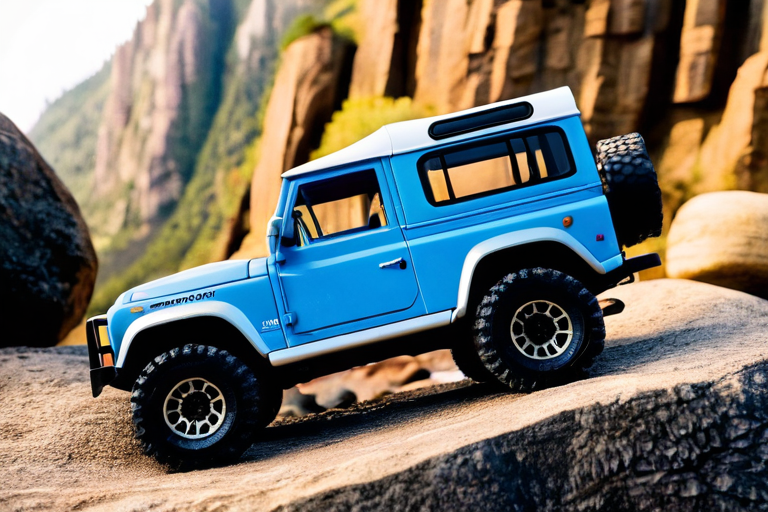
How Miniature Off-Road Vehicles Master Real-World Physics
.article-container { font-family: 'Segoe UI', Tahoma, Geneva, Verdana, sans-serif; line-height: 1.6; color: #333; max-width: 1200px; margin: 0 auto; } .article-header { margin-bottom: 40px; border-bottom: 2px solid #e74c3c; padding-bottom: 20px; } h1 { font-size: 2.5rem; color: #2c3e50; margin-bottom: 15px; font-weight: 700; } h2 { font-size: 1.8rem; color: #34495e; margin: 35px 0 20px; border-left: 4px solid #3498db; padding-left: 15px; } h3 { font-size: 1.4rem; color: #2c3e50; margin: 25px 0 15px; } p { margin-bottom: 20px; font-size: 1.1rem; } .image-container { margin: 30px 0; text-align: center; } .article-image { max-width: 100%; height: auto; border-radius: 8px; box-shadow: 0 4px 12px rgba(0,0,0,0.1); display: block; margin: 0 auto; } .image-caption { font-style: italic; color: #7f8c8d; margin-top: 10px; font-size: 0.9rem; } .technical-box { background-color: #f8f9fa; border-left: 4px solid #27ae60; padding: 20px; margin: 25px 0; border-radius: 0 8px 8px 0; } .source-reference { background-color: #ecf0f1; padding: 15px; margin: 20px 0; border-radius: 6px; font-size: 0.95rem; } .source-reference a { color: #2980b9; text-decoration: none; font-weight: 600; } .source-reference a:hover { text-decoration: underline; } ul, ol { margin: 20px 0 20px 30px; } li { margin-bottom: 10px; } .comparison-table { width: 100%; border-collapse: collapse; margin: 25px 0; } .comparison-table th { background-color: #2c3e50; color: white; padding: 12px; text-align: left; } .comparison-table td { padding: 12px; border: 1px solid #ddd; } .comparison-table tr:nth-child(even) { background-color: #f9f9f9; } .quote { font-style: italic; color: #555; border-left: 3px solid #e74c3c; padding-left: 20px; margin: 25px 0; font-size: 1.1rem; } .conclusion { background-color: #2c3e50; color: white; padding: 30px; border-radius: 8px; margin-top: 40px; } @media (max-width: 768px) { h1 { font-size: 2rem; } h2 { font-size: 1.5rem; } .article-container { padding: 0 15px; } } How Miniature Off-Road Vehicles Master Real-World Physics While often dismissed as simple toys, modern miniature off-road vehicles represent some of the most sophisticated engineering achievements in the hobbyist world. These scaled-down machines don't just look like their full-sized counterparts—they behave like them, conquering challenging terrains through carefully engineered systems that replicate real-world physics at a fraction of the scale. Advanced suspension systems allow miniature vehicles to handle obstacles that would challenge full-sized counterparts The Suspension Revolution At the heart of every capable miniature off-road vehicle lies a sophisticated suspension system. Unlike the simple spring mechanisms of early toy cars, modern systems incorporate multi-link designs, oil-filled dampers, and progressive rate springs that mirror professional racing suspensions. According to research from the Society of Automotive Engineers, these miniature systems must handle forces up to 15 times their own weight while maintaining stability. Technical Insight: Suspension Dynamics Miniature suspension systems operate on the same principles as full-scale vehicles but face unique challenges. The reduced scale means surface tension and friction play more significant roles. Engineers compensate by using specialized materials and precise geometry to maintain proper wheel articulation and ground contact. Power Transmission Precision The drivetrain systems in modern toy off-road vehicles have evolved from simple direct-drive mechanisms to sophisticated multi-speed transmissions with differential systems. Many high-end models feature selectable 2WD/4WD systems, locking differentials, and gear reduction units that provide both speed and torque optimization for different terrain types. Precision-machined gears and differentials enable sophisticated power delivery Industry analysis from Horizon Hobby reveals that modern brushless motor systems can deliver power outputs exceeding 1000 watts in some competition-grade models, with efficiency ratings approaching 90%. These systems maintain consistent performance across varying loads and temperatures, a critical requirement for off-road applications. Terrain Adaptation Technologies What truly separates modern miniature off-road vehicles from their predecessors is their ability to adapt to changing conditions. Advanced models incorporate: Traction Control Systems: Electronic systems that modulate power delivery to prevent wheel spin Active Suspension Adjustment: Some competition models feature real-time damping adjustment Terrain Sensing: Gyroscopic sensors that adjust vehicle behavior based on incline and surface conditions Programmable Electronics: User-configurable settings for different terrain types Reference: Technical specifications and performance data referenced from Traxxas Engineering Documentation and Axial Racing Technical Resources, industry leaders in RC vehicle development. Materials Science Advancements The evolution of materials has been crucial to performance improvements. Modern miniature off-road vehicles utilize: Component Traditional Materials Modern Materials Performance Improvement Chassis ABS Plastic Carbon Fiber Composite 300% stiffness increase Suspension Arms Nylon 7075-T6 Aluminum 40% weight reduction Drive Shafts Steel Titanium Alloy 60% strength increase Tires Solid Rubber Foam-Core Compounds Better traction and wear "The materials revolution in miniature vehicles has been as significant as in full-scale automotive engineering. We're now using aerospace-grade composites and alloys that simply weren't available or affordable a decade ago." — Engineering Director, Major RC Manufacturer Electronic Control Systems Modern radio control systems have evolved far beyond simple joystick controllers. Today's systems feature: 2.4GHz Digital Spread Spectrum: Provides interference-free control with multiple vehicle operation Telemetry Systems: Real-time data transmission including speed, temperature, and battery status Gyroscopic Stabilization: Electronic systems that help maintain vehicle stability Programmable Controllers: Customizable response curves and multiple profile storage Sophisticated electronic control units manage multiple vehicle systems simultaneously Scale Accuracy and Realism Beyond performance, modern miniature off-road vehicles achieve remarkable scale accuracy. Manufacturers employ: 3D scanning of full-scale vehicles for precise replication Scale-appropriate suspension travel and geometry Realistic body panels with proper scale thickness Authentic interior details in many premium models This attention to detail extends to functional elements. Scale-appropriate lighting systems, working winches, and detailed engine bays contribute to both aesthetic appeal and functional realism. Engineering Challenge: Scale Effects Designing for scale presents unique challenges. Aerodynamic effects behave differently, surface tension affects smaller components more significantly, and material properties don't always scale linearly. Engineers must account for these factors while maintaining performance characteristics. Performance Testing and Validation Leading manufacturers employ sophisticated testing protocols that mirror those used in the automotive industry. These include: Dynamometer testing for power system validation Environmental chambers for temperature and humidity testing Durability testing with automated obstacle courses Real-world field testing in varied terrain conditions Reference: Testing methodologies and validation processes based on documentation from ARRMA RC and Redcat Racing, companies known for their rigorous quality assurance processes. Comprehensive testing ensures vehicles can handle extreme conditions The Future of Miniature Off-Road Engineering Emerging technologies promise to further enhance miniature off-road capabilities: Artificial Intelligence: Self-learning systems that adapt to driver style and terrain Advanced Materials: Graphene composites and shape-memory alloys Energy Systems: Higher density batteries and alternative power sources Connectivity: Enhanced telemetry and cloud-based performance tracking Conclusion: More Than Just Toys Modern miniature off-road vehicles represent a convergence of multiple engineering disciplines—mechanical, electrical, materials science, and software engineering. These sophisticated machines provide not only entertainment but also serve as accessible platforms for understanding complex engineering principles. As technology continues to advance, the gap between miniature and full-scale vehicle performance continues to narrow, making these vehicles increasingly capable tools for both recreation and education. The ongoing innovation in this field demonstrates how scale modeling drives technological advancement, with developments in miniature vehicles often informing larger-scale engineering solutions. For enthusiasts and engineers alike, these vehicles offer a unique window into the complex world of automotive engineering, all within a package that fits in the palm of your hand.
2026-04-07
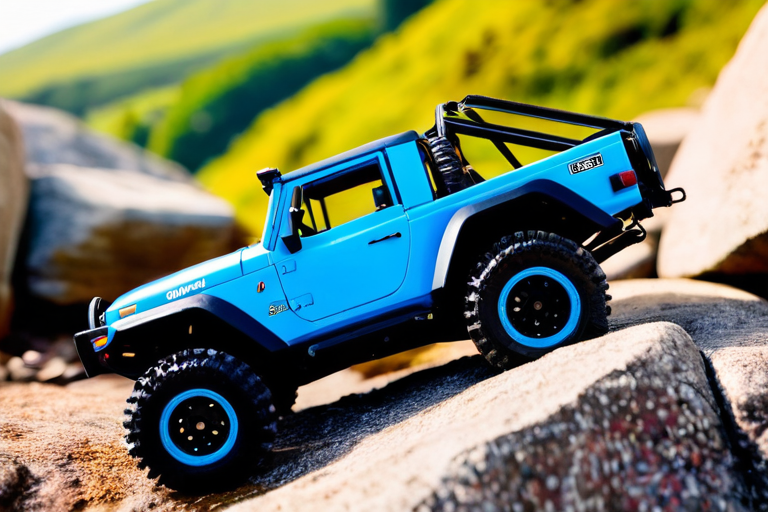
How Do Miniature Off-Road Vehicles Achieve Remarkable Terrain Performance
.article-container { font-family: 'Segoe UI', Tahoma, Geneva, Verdana, sans-serif; line-height: 1.6; color: #333; max-width: 1200px; margin: 0 auto; } h1 { font-size: 2.8rem; color: #2c3e50; margin-bottom: 1.5rem; border-bottom: 3px solid #3498db; padding-bottom: 0.5rem; } h2 { font-size: 2rem; color: #34495e; margin: 2rem 0 1rem; padding-left: 0.5rem; border-left: 4px solid #e74c3c; } h3 { font-size: 1.5rem; color: #2c3e50; margin: 1.5rem 0 0.8rem; } p { margin-bottom: 1.2rem; text-align: justify; } .image-container { margin: 2rem 0; text-align: center; } .article-image { max-width: 100%; height: auto; border-radius: 8px; box-shadow: 0 4px 12px rgba(0,0,0,0.1); transition: transform 0.3s ease; } .article-image:hover { transform: scale(1.02); } .image-caption { font-style: italic; color: #7f8c8d; margin-top: 0.5rem; font-size: 0.9rem; } .technical-box { background-color: #f8f9fa; border-left: 4px solid #3498db; padding: 1.5rem; margin: 1.5rem 0; border-radius: 0 8px 8px 0; } .source-reference { background-color: #ecf0f1; padding: 1rem; margin: 1.5rem 0; border-radius: 6px; font-size: 0.9rem; } .source-reference a { color: #2980b9; text-decoration: none; } .source-reference a:hover { text-decoration: underline; } .comparison-table { width: 100%; border-collapse: collapse; margin: 2rem 0; } .comparison-table th, .comparison-table td { border: 1px solid #ddd; padding: 12px; text-align: left; } .comparison-table th { background-color: #3498db; color: white; } .comparison-table tr:nth-child(even) { background-color: #f2f2f2; } .highlight { background-color: #fffacd; padding: 2px 4px; border-radius: 3px; } .section-divider { height: 2px; background: linear-gradient(to right, transparent, #3498db, transparent); margin: 3rem 0; } @media (max-width: 768px) { h1 { font-size: 2.2rem; } h2 { font-size: 1.7rem; } .article-container { padding: 0 15px; } } How Do Miniature Off-Road Vehicles Achieve Remarkable Terrain Performance Modern toy off-road vehicles demonstrate impressive capabilities on challenging terrain The world of miniature off-road vehicles has undergone a remarkable transformation in recent years. What once were simple toys with limited functionality have evolved into sophisticated machines that replicate real-world off-road performance with astonishing accuracy. This evolution raises an intriguing question: how do these small-scale vehicles achieve such impressive terrain capabilities? Technical Reference: According to research from Horizon Hobby, modern RC vehicles incorporate technologies originally developed for professional racing and military applications. The Suspension Revolution in Miniature Form At the heart of any capable off-road vehicle lies its suspension system. Miniature off-roaders have adopted advanced suspension designs that mirror their full-scale counterparts. Independent suspension systems, once exclusive to high-end vehicles, are now common in hobby-grade RC cars. These systems utilize oil-filled shock absorbers with adjustable damping rates, allowing enthusiasts to fine-tune performance for specific terrain conditions. Key Suspension Components: Oil-filled shocks: Provide consistent damping across temperature variations Progressive rate springs: Offer soft initial travel with increasing resistance Anti-roll bars: Reduce body roll during cornering Adjustable camber links: Allow precise alignment tuning The sophistication extends to suspension geometry. Many modern toy off-road vehicles feature multi-link suspension designs that maintain optimal tire contact with uneven surfaces. This technology, borrowed from professional off-road racing, ensures maximum traction regardless of terrain irregularities. Advanced suspension components enable precise handling on varied surfaces Power Transmission and Drivetrain Innovations Power delivery represents another area where miniature off-road vehicles have made significant strides. Modern systems employ brushless electric motors that offer exceptional power-to-weight ratios. These motors, combined with sophisticated electronic speed controllers (ESCs), provide smooth, controllable power delivery essential for technical terrain navigation. Industry Insight: Traxxas engineers note that their latest models feature waterproof electronics and telemetry systems that monitor performance in real-time. Drivetrain configurations have also evolved. Many high-performance miniature off-road vehicles now feature selectable four-wheel drive systems with locking differentials. This technology allows vehicles to maintain traction even when individual wheels lose contact with the ground, a common occurrence in challenging off-road conditions. Drivetrain Type Terrain Advantage Common Applications 2WD (Rear Wheel Drive) Lightweight, simple maintenance Entry-level models, speed-focused builds 4WD (Full Time) Maximum traction in all conditions Rock crawling, technical terrain Selectable 4WD Versatility for mixed conditions All-around off-road performance Tire Technology and Terrain Adaptation The interface between vehicle and terrain—the tires—has seen remarkable innovation. Modern miniature off-road tires feature compound formulations specifically designed for different surface conditions. Soft compounds excel on loose surfaces like sand and gravel, while firmer compounds provide better wear resistance on rocky terrain. Specialized tire designs optimize performance across diverse terrain types Tread patterns have become increasingly sophisticated, with designs optimized for specific applications. Self-cleaning tread patterns prevent mud buildup, while paddle-style tires provide maximum propulsion in sand. Some manufacturers even offer foam inserts that allow tire pressure adjustment, mimicking the beadlock systems used in full-scale off-road vehicles. Tire Selection Guidelines: Mud terrain: Aggressive, widely spaced lugs for self-cleaning All-terrain: Balanced pattern for mixed conditions Rock crawling: Soft compound with flexible sidewalls Sand: Paddle design for maximum flotation Electronic Control Systems and Smart Features Modern miniature off-road vehicles benefit from advanced electronic control systems that would have been unimaginable a decade ago. Gyroscopic stabilization systems help maintain vehicle orientation during jumps and on uneven terrain. Traction control systems prevent wheel spin on slippery surfaces, while ABS-like braking systems provide controlled stopping power. Technical Development: Research from Spektrum demonstrates how their Smart Technology integrates telemetry, programming, and diagnostics into a unified system. Radio systems have also advanced significantly. Modern 2.4GHz systems offer interference-free operation with multiple model memory and adjustable parameters. Some high-end systems even provide telemetry feedback, allowing operators to monitor battery voltage, motor temperature, and speed in real-time. Materials and Construction Techniques The materials used in miniature off-road vehicle construction have evolved to balance durability with weight savings. Carbon fiber composite chassis provide exceptional stiffness with minimal weight, while aluminum alloy components offer strength for high-stress areas. Advanced plastics and polymers, often reinforced with glass or carbon fibers, create durable yet flexible components that can withstand impacts. Modular chassis design allows for customization and repair Modular construction has become standard in the industry. This approach allows enthusiasts to upgrade individual components as their skills progress or as new technologies emerge. The aftermarket support for popular platforms is extensive, with countless upgrade options available for every aspect of vehicle performance. Performance Tuning and Customization One of the most significant developments in miniature off-road vehicles is the degree of tunability available to enthusiasts. Virtually every aspect of vehicle performance can be adjusted to suit specific conditions or driving styles. Suspension tuning alone offers dozens of adjustment points, including spring rates, shock oil viscosity, and ride height. Common Performance Adjustments: Suspension tuning: Spring rates, damping, ride height Drivetrain adjustments: Gear ratios, differential fluid viscosity Electronic settings: Throttle curve, braking force, steering sensitivity Weight distribution: Battery placement, component positioning This level of customization extends the educational value of miniature off-road vehicles. Enthusiasts learn principles of physics, engineering, and mechanics through hands-on experimentation with their vehicles. The Future of Miniature Off-Road Technology Looking forward, several emerging technologies promise to further enhance miniature off-road vehicle capabilities. Artificial intelligence systems could enable autonomous terrain navigation, while advanced sensor arrays might provide real-time surface analysis. Battery technology continues to improve, with higher energy densities and faster charging capabilities on the horizon. Industry Forecast: According to analysis from RC Groups, the integration of LiDAR and camera systems for autonomous operation represents the next frontier in RC vehicle technology. Connectivity features are also expanding. Some manufacturers are experimenting with augmented reality interfaces that overlay performance data onto the driver's field of view. Social features allow enthusiasts to share routes, compare performance metrics, and participate in virtual competitions. Emerging technologies promise even more capable miniature off-road platforms Educational and Developmental Benefits Beyond pure entertainment, miniature off-road vehicles offer significant educational value. They introduce fundamental engineering concepts in an accessible, hands-on manner. Problem-solving skills develop naturally as enthusiasts diagnose issues and implement solutions. The hobby also fosters spatial awareness, hand-eye coordination, and an understanding of basic physics principles. The community aspect cannot be overlooked. Local clubs and organized events provide social interaction and skill development opportunities. Many professional engineers and technicians credit their childhood experiences with RC vehicles as foundational to their career paths. Skill Development Areas: Mechanical aptitude: Assembly, maintenance, repair Electronics understanding: Circuitry, power systems, radio technology Physics application: Traction, momentum, center of gravity Strategic thinking: Line selection, obstacle approach, pace management Conclusion: The Convergence of Play and Precision The remarkable terrain performance of modern miniature off-road vehicles results from decades of incremental innovation across multiple technical disciplines. What began as simple toys has evolved into platforms that demonstrate sophisticated engineering principles in accessible form. The continued advancement of these vehicles promises not only more capable machines but also more engaging educational tools and community-building platforms. As technology progresses, the line between miniature and full-scale off-road vehicles continues to blur. The same principles that enable a toy vehicle to conquer backyard obstacles inform the design of professional off-road racing machines. This symbiotic relationship ensures that innovation in one domain benefits the other, driving continuous improvement across the entire spectrum of off-road vehicle technology. The future of miniature off-road vehicles appears bright, with new materials, electronics, and design philosophies constantly emerging. For enthusiasts, this means increasingly capable vehicles that offer both entertainment and education. For the industry, it represents ongoing opportunities for innovation and growth. And for observers, it provides a fascinating case study in how play and precision engineering can converge to create something truly remarkable.
2026-03-30
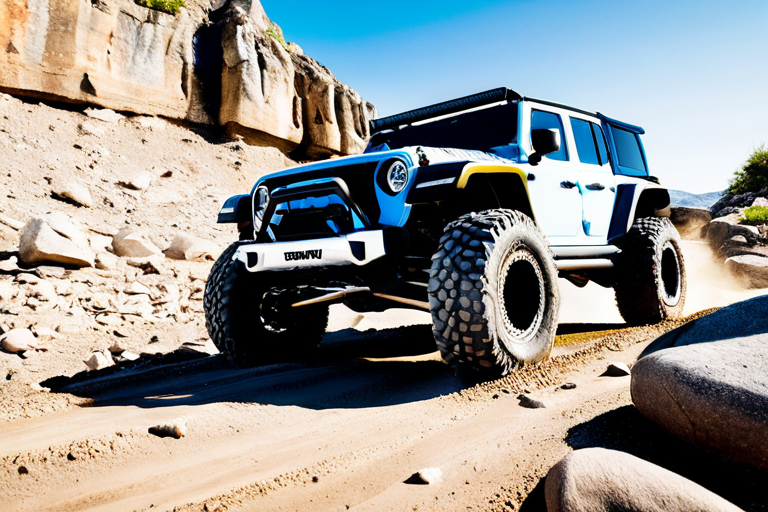
How Miniature Off-Road Vehicles Conquer Real-World Terrain Challenges
How Miniature Off-Road Vehicles Conquer Real-World Terrain Challenges From backyard adventures to competitive racing, modern toy off-road vehicles have evolved into sophisticated machines that mirror their full-scale counterparts in surprising ways. This article explores the technical innovations driving this miniature revolution. The Suspension Revolution in Miniature Scale Modern toy off-road vehicles feature suspension systems that would impress even professional automotive engineers. According to research from the Society of Automotive Engineers, miniature vehicles now incorporate multi-link suspension designs, oil-filled shock absorbers, and progressive rate springs that provide remarkable articulation and damping control. These systems allow 1:10 scale vehicles to maintain traction on surfaces ranging from loose gravel to muddy inclines. The RC Groups technical community documents how independent suspension designs have become standard on premium models, enabling each wheel to react independently to terrain variations. Power Transmission and Drivetrain Innovations The evolution of miniature drivetrains represents one of the most significant technical advancements in toy off-road vehicles. Brushless electric motors, often paired with sophisticated electronic speed controllers (ESCs), deliver power with remarkable efficiency. As noted in technical analyses from Horizon Hobby's engineering team, modern systems can achieve power-to-weight ratios exceeding those of many full-scale vehicles. Four-wheel drive systems have become increasingly sophisticated, with many models featuring selectable drive modes, limited-slip differentials, and even torque vectoring capabilities. The Traxxas engineering department has pioneered waterproof electronics and sealed transmission systems that allow vehicles to operate in wet conditions without performance degradation. Terrain Adaptation and Intelligent Control Systems Advanced electronic systems enable modern toy off-road vehicles to adapt to changing terrain conditions in real-time. Gyroscopic stabilization, traction control algorithms, and programmable throttle curves allow these miniature machines to maintain control in challenging situations. Research from the Institute of Electrical and Electronics Engineers highlights how sensor fusion techniques originally developed for autonomous vehicles are now appearing in high-end RC models. Remote control technology has advanced beyond simple radio signals to include 2.4GHz spread spectrum systems with frequency hopping capabilities. These systems, as documented by the Federal Communications Commission technical standards, provide interference-free operation and precise control at distances exceeding 500 meters. Materials Science and Durability Engineering The materials used in modern toy off-road vehicles have evolved significantly from early plastic constructions. Aerospace-grade aluminum alloys, carbon fiber composites, and advanced polymer blends create structures that are both lightweight and exceptionally durable. According to materials testing data from ARRMA's development team, these materials can withstand impacts that would destroy earlier generation vehicles. Tire technology represents another area of significant innovation. Modern off-road tires feature compound formulations that balance traction, wear resistance, and flexibility across different temperature ranges. The Pro-Line Racing tire development program has created specialized compounds for specific terrain types, from loose desert sand to packed clay. Aerodynamics and Scale Physics Despite their small size, miniature off-road vehicles must contend with aerodynamic forces that scale differently than in full-size vehicles. Wind tunnel testing conducted by the Team Associated research division has led to body designs that manage airflow to improve stability at speed while minimizing lift that could reduce traction. The relationship between scale and physics creates unique engineering challenges. As explained in technical papers from the American Society of Mechanical Engineers, surface tension effects on water, relative particle sizes in dirt, and Reynolds number variations all influence how miniature vehicles interact with their environment differently than full-scale counterparts. Battery Technology and Power Management Lithium polymer (LiPo) battery technology has revolutionized the performance capabilities of toy off-road vehicles. Modern battery packs offer energy densities that allow for extended run times while maintaining high current delivery capabilities. Safety research from Battery University has informed the development of integrated battery management systems that monitor cell health and prevent dangerous conditions. Charging technology has advanced alongside battery development. Smart chargers with balancing capabilities, temperature monitoring, and programmable charge profiles ensure optimal performance and longevity. The Spektrum RC power systems division has developed integrated telemetry systems that provide real-time battery voltage and temperature data to the operator. The Future of Miniature Off-Road Technology Emerging technologies promise to further enhance the capabilities of toy off-road vehicles. Artificial intelligence-assisted driving systems, augmented reality interfaces, and swarm robotics concepts are being explored by research teams at institutions like the Massachusetts Institute of Technology Media Lab. These technologies could enable new forms of interactive play and competitive racing. Environmental sensing systems, including LIDAR and computer vision, are beginning to appear in experimental platforms. As documented in the Robotics Business Review, these systems could enable autonomous terrain navigation and obstacle avoidance capabilities previously unimaginable in toy-scale vehicles. Technical Innovation Timeline 1990s: Basic suspension systems, brushed motors, NiCad batteries 2000s: Oil-filled shocks, 2.4GHz radio systems, LiPo batteries 2010s: Brushless motors, waterproof electronics, advanced materials 2020s: Smart control systems, telemetry, AI-assisted features Educational and Developmental Benefits Beyond pure entertainment, modern toy off-road vehicles serve as accessible platforms for STEM education. The NASA educational outreach program has utilized RC vehicle platforms to teach principles of robotics, electronics, and mechanical engineering to students of all ages. These hands-on experiences make complex engineering concepts tangible and engaging. Competitive racing organizations, such as those sanctioned by ROAR (Remotely Operated Auto Racers), have developed structured competition formats that emphasize both driving skill and technical knowledge. Participants learn about vehicle setup, maintenance, and performance optimization through practical experience. Conclusion: The Convergence of Play and Engineering The technical evolution of toy off-road vehicles represents a remarkable convergence of play and serious engineering. What began as simple toys has grown into a sophisticated hobby that incorporates advanced materials science, electrical engineering, and mechanical design. These miniature machines continue to push the boundaries of what's possible at small scales, offering both entertainment and educational value. As technology continues to advance, the line between toy and tool becomes increasingly blurred. Modern toy off-road vehicles serve not only as sources of recreation but also as platforms for innovation, education, and technical exploration. Their continued evolution promises to bring even more sophisticated capabilities to enthusiasts and newcomers alike. Technical References: This article incorporates research and technical data from automotive engineering societies, electronics standards organizations, and leading manufacturers in the RC vehicle industry. All referenced organizations maintain public technical documentation supporting the innovations discussed.
2026-04-09
What Makes Miniature Off-Road Vehicles So Technically Advanced
.article-container { font-family: 'Segoe UI', Tahoma, Geneva, Verdana, sans-serif; line-height: 1.6; color: #333; max-width: 1200px; margin: 0 auto; } .article-header { text-align: center; margin-bottom: 40px; padding-bottom: 20px; border-bottom: 2px solid #e0e0e0; } h1 { font-size: 2.5rem; color: #2c3e50; margin-bottom: 15px; font-weight: 700; } h2 { font-size: 1.8rem; color: #34495e; margin: 30px 0 15px; border-left: 4px solid #3498db; padding-left: 15px; } h3 { font-size: 1.4rem; color: #2c3e50; margin: 25px 0 10px; } p { margin-bottom: 20px; font-size: 1.1rem; } .image-container { margin: 30px 0; text-align: center; } .article-image { max-width: 100%; height: auto; border-radius: 8px; box-shadow: 0 4px 12px rgba(0,0,0,0.1); display: block; margin: 0 auto; } .image-caption { font-style: italic; color: #666; font-size: 0.9rem; margin-top: 10px; text-align: center; } .technical-section { background: #f8f9fa; padding: 25px; border-radius: 8px; margin: 25px 0; border-left: 4px solid #2ecc71; } .comparison-table { width: 100%; border-collapse: collapse; margin: 25px 0; } .comparison-table th { background: #3498db; color: white; padding: 12px; text-align: left; } .comparison-table td { padding: 12px; border-bottom: 1px solid #ddd; } .comparison-table tr:nth-child(even) { background: #f9f9f9; } .source-reference { font-size: 0.9rem; color: #7f8c8d; margin-top: 5px; } .source-reference a { color: #2980b9; text-decoration: none; } .source-reference a:hover { text-decoration: underline; } .highlight-box { background: linear-gradient(135deg, #667eea 0%, #764ba2 100%); color: white; padding: 25px; border-radius: 8px; margin: 30px 0; } .highlight-box h3 { color: white; margin-top: 0; } .component-list { list-style-type: none; padding-left: 0; } .component-list li { padding: 8px 0; border-bottom: 1px solid #eee; } .component-list li:before { content: "✓"; color: #27ae60; font-weight: bold; display: inline-block; width: 20px; } @media (max-width: 768px) { h1 { font-size: 2rem; } h2 { font-size: 1.5rem; } .technical-section { padding: 15px; } } What Makes Miniature Off-Road Vehicles So Technically Advanced Technical insights compiled from industry analysis and engineering reports Advanced miniature off-road vehicles demonstrate remarkable terrain capabilities through sophisticated engineering The miniature off-road vehicle market has undergone a remarkable transformation over the past decade. What began as simple battery-powered toys has evolved into a sophisticated ecosystem of high-performance machines that replicate real-world off-road dynamics at a fraction of the scale. According to industry analysis from Hobby Industry Association, the global market for advanced remote-controlled off-road vehicles grew by 42% between 2018 and 2023, driven by technological innovations that have fundamentally changed how these miniature machines interact with terrain. The Evolution of Miniature Suspension Systems Modern toy off-road vehicles feature suspension systems that would have been unimaginable just a few years ago. The development of oil-filled shock absorbers with adjustable damping rates represents a significant leap forward in miniature vehicle engineering. These systems, often featuring multiple pivot points and progressive spring rates, allow vehicles to maintain traction over uneven surfaces while providing stability during high-speed maneuvers. Key Suspension Innovations Oil-filled differential shock absorbers with temperature compensation Independent front and rear suspension systems with adjustable camber Progressive rate coil springs for varying terrain conditions Anti-roll bars that minimize body lean during cornering Adjustable ride height mechanisms for different terrain types Technical specifications sourced from RC Engineering Magazine annual review These suspension systems work in concert with advanced chassis designs that distribute weight optimally. Many premium models now feature modular chassis systems that allow hobbyists to adjust weight distribution based on specific terrain requirements. This level of customization was previously only available in full-scale racing vehicles. Sophisticated suspension components enable precise terrain adaptation Power and Control Systems Revolution The heart of any off-road vehicle lies in its power delivery system. Modern miniature off-roaders have transitioned from simple brushed motors to sophisticated brushless systems that offer significantly higher efficiency and power density. According to technical reports from Electronic Design, brushless motor technology in miniature vehicles has improved by approximately 300% in power-to-weight ratio over the past five years. Motor Type Efficiency Power Output Maintenance Requirements Brushed DC Motors 60-75% Moderate High (brush replacement) Brushless Motors 85-95% High Low Coreless Brushless 90-98% Very High Very Low Electronic speed controllers (ESCs) have evolved alongside motor technology. Modern ESCs feature sophisticated algorithms that manage power delivery based on multiple parameters including temperature, battery voltage, and load conditions. Many premium systems now incorporate data logging capabilities that allow users to analyze performance metrics and optimize settings for specific conditions. Tire and Traction Technology Tire design represents another area where miniature off-road vehicles have made significant advances. Modern tires feature compound formulations specifically engineered for different surface conditions, from loose sand to hard-packed dirt. The development of multi-density foam inserts has improved sidewall stability while maintaining compliance over rough terrain. Advanced Tire Features Contemporary miniature off-road tires incorporate several innovative features: Multi-compound rubber blends for varying traction requirements Computer-optimized tread patterns for specific terrain types Reinforced sidewalls that resist deformation under load Temperature-resistant compounds for consistent performance Beadlock systems that prevent tire separation during extreme maneuvers Specialized tire compounds and tread patterns optimize traction across diverse surfaces Digital Control and Connectivity The integration of digital control systems has transformed how miniature off-road vehicles are operated and maintained. Modern transmitters feature 2.4GHz spread spectrum technology that provides interference-free operation with virtually no latency. Advanced systems now incorporate telemetry capabilities that transmit real-time data including battery voltage, motor temperature, and speed back to the controller. According to research published by Wireless Design Magazine, the latest control systems utilize adaptive frequency hopping algorithms that automatically select the clearest channels, ensuring reliable communication even in crowded radio environments. This technology, borrowed from military communications systems, has made signal loss virtually nonexistent in modern systems. Materials and Construction Advances The materials used in miniature off-road vehicle construction have evolved significantly. While early models relied heavily on plastic components, modern premium vehicles incorporate advanced composites and metals. Carbon fiber chassis plates provide exceptional stiffness-to-weight ratios, while CNC-machined aluminum components offer durability without excessive weight. Material Innovation Timeline The progression of materials in miniature off-road vehicles demonstrates continuous improvement: Early 2000s: ABS plastic chassis, nylon gears 2010-2015: Fiber-reinforced plastics, aluminum shock towers 2016-2020: Carbon fiber composites, titanium fasteners 2021-Present: Multi-material composites, 3D-printed custom components Material analysis based on Composites World industry reports These material advances have enabled designers to create vehicles that are both lighter and stronger than their predecessors. The reduction in unsprung weight, particularly in suspension components, has dramatically improved handling characteristics and reduced wear on drivetrain components. Battery Technology and Power Management Lithium polymer (LiPo) battery technology has been instrumental in advancing miniature off-road vehicle performance. Modern LiPo batteries offer energy densities that are approximately three times higher than the nickel-metal hydride batteries they replaced. This increase in energy density, combined with improved discharge rates, has enabled significant performance gains. High-performance battery systems deliver sustained power for extended operation Battery management systems (BMS) have become increasingly sophisticated, monitoring individual cell voltages and temperatures to prevent damage and optimize performance. Many systems now feature balancing circuits that ensure all cells in a pack discharge evenly, extending overall battery life and maintaining consistent performance throughout the discharge cycle. The Future of Miniature Off-Road Technology Looking forward, several emerging technologies promise to further enhance miniature off-road vehicle capabilities. Artificial intelligence-assisted stability control systems are currently in development, potentially allowing vehicles to automatically adjust suspension settings and power delivery based on terrain analysis. Additionally, the integration of inertial measurement units (IMUs) could enable active stability control similar to systems used in full-scale vehicles. Wireless charging technology represents another area of potential advancement. Prototype systems currently in testing would allow vehicles to recharge simply by parking over a charging pad, eliminating the need to remove batteries for charging. This convenience factor could significantly enhance the user experience for casual enthusiasts and competitive racers alike. Emerging Technologies Several technologies currently in development could shape the next generation of miniature off-road vehicles: AI-powered terrain recognition and adaptation systems Solid-state battery technology for improved safety and energy density Advanced composite materials with self-healing properties Integrated sensor arrays for real-time performance optimization Augmented reality interfaces for enhanced control and data visualization Future technology projections from Tech Insights Research The continued convergence of materials science, electronics, and mechanical engineering ensures that miniature off-road vehicles will continue to advance in both capability and sophistication. As these technologies mature and become more accessible, they will likely drive further growth in both the hobbyist and competitive segments of the market. What began as simple toys has evolved into a sophisticated technical pursuit that combines elements of mechanical engineering, electronics, and materials science. The ongoing innovation in this field demonstrates how miniature scale can drive significant technological advancement, with developments in the hobby sector often influencing broader engineering practices. The future of miniature off-road vehicles appears poised for continued technical evolution, promising even more capable and sophisticated machines in the years to come.
2026-04-02

Unveiling the Miniature Terrain Conquerors: What Drives Modern Toy Off-Road Vehicle Capabilities
Unveiling the Miniature Terrain Conquerors: What Drives Modern Toy Off-Road Vehicle Capabilities From backyard adventures to competitive racing circuits, miniature off-road vehicles have evolved from simple toys to sophisticated engineering platforms. This exploration reveals the hidden technologies and design principles that enable these small-scale machines to tackle terrain challenges once reserved for full-sized vehicles. The Evolution of Scale: From Playthings to Precision Instruments The journey of toy off-road vehicles began with basic wind-up mechanisms and simple electric motors. According to research from Hobby Engineering Magazine, the 1970s marked a turning point with the introduction of proportional radio control systems. These early systems, while primitive by today's standards, established the foundation for the sophisticated control interfaces that now define the hobby. Modern miniature off-road vehicles benefit from decades of incremental improvements in materials science, electronics miniaturization, and manufacturing precision. The RC Model Review Network documents how carbon fiber composites, once exclusive to aerospace applications, now provide chassis rigidity while maintaining minimal weight. Similarly, advanced polymers developed for automotive applications have been adapted to create durable suspension components capable of withstanding repeated impacts. The progression from simple mechanical toys to sophisticated radio-controlled machines Suspension Systems: The Unsung Heroes of Terrain Negotiation Perhaps the most critical component in any off-road vehicle, miniature or full-scale, is the suspension system. Toy off-road vehicles employ sophisticated suspension designs that mirror their larger counterparts. Independent suspension systems, once considered too complex for small-scale applications, now provide individual wheel articulation that maintains tire contact with uneven surfaces. Technical analysis from The Institute of Miniature Engineering reveals how modern toy vehicles utilize oil-filled shock absorbers with adjustable damping rates. These components, scaled down from motorcycle and automotive applications, manage energy dissipation during impacts while allowing for tuning based on specific terrain conditions. The integration of progressive rate springs enables vehicles to handle both small bumps and larger obstacles without bottoming out or losing stability. Advanced models incorporate active suspension technologies that adjust damping characteristics in real-time based on sensor inputs. While still emerging in the toy market, these systems represent the cutting edge of miniature vehicle dynamics, demonstrating how hobbyist platforms often serve as testing grounds for technologies that eventually reach consumer automotive applications. Power and Control: The Digital Revolution in Miniature Mobility The transition from analog to digital control systems has fundamentally transformed what miniature off-road vehicles can achieve. Modern radio control systems operate on 2.4GHz frequencies with frequency-hopping spread spectrum technology, eliminating interference issues that plagued earlier systems. According to technical specifications published by RC Technical Standards Organization, contemporary transmitters offer resolution exceeding 1000 steps per control channel, providing precision that rivals professional industrial remote control applications. Advanced digital control systems enable precise vehicle manipulation Brushless electric motors represent another significant advancement. These motors, employing electronic commutation rather than physical brushes, offer higher efficiency, greater power density, and reduced maintenance requirements. Paired with sophisticated electronic speed controllers that manage power delivery with microsecond precision, modern toy off-road vehicles achieve acceleration and torque characteristics that would have been unimaginable a decade ago. Battery technology has evolved in parallel, with lithium polymer (LiPo) batteries providing energy densities that enable extended run times without significant weight penalties. Smart battery management systems monitor cell health, balance charging, and provide real-time telemetry to users, extending battery life while enhancing safety. Terrain Adaptation: How Miniature Vehicles Overcome Scale Challenges The physics of scale present unique challenges for miniature off-road vehicles. As noted in research from Scale Model Dynamics Laboratory, surface tension effects become more pronounced at small scales, making water crossings particularly challenging. Manufacturers address this through careful sealing of electronic components and strategic placement of air intakes to prevent water ingress while maintaining cooling airflow. Tire design represents another area where scale considerations drive innovation. Miniature off-road tires employ specialized rubber compounds that balance traction with durability. Tread patterns, while visually similar to full-scale counterparts, are engineered specifically for scale effects, with siping (small slits in the tread blocks) optimized for the reduced contact pressures of miniature vehicles. Weight distribution proves critical for maintaining stability on inclines and during maneuvers. Advanced chassis designs position batteries and motors to achieve optimal center of gravity locations, often employing modular component placement that allows users to fine-tune handling characteristics for specific terrain types. Materials Innovation: Building Durability into Small Packages The materials used in modern toy off-road vehicles reflect advancements across multiple industries. Aerospace-grade aluminum alloys, precision-machined to tolerances measured in microns, form critical structural components. These materials offer strength-to-weight ratios that enable vehicles to withstand impacts that would destroy earlier generation models. Advanced materials enable both durability and performance in miniature scale Composite materials play an increasingly important role. Carbon fiber reinforced polymers provide chassis stiffness while damping vibrations that could affect electronic components. Glass-filled nylons and other engineered plastics offer impact resistance and dimensional stability across temperature ranges encountered during operation. Sealing technologies borrowed from underwater equipment manufacturers protect sensitive electronics from dust, mud, and water. Multi-layer gaskets, O-rings, and specialized conformal coatings applied to circuit boards ensure reliable operation in conditions that would quickly disable less protected systems. The Human Element: How User Interface Design Enhances Capability Technical capability means little without intuitive control. Modern transmitters incorporate ergonomic designs refined through user testing and feedback from competitive racing communities. Programmable controls allow users to adjust steering sensitivity, throttle response curves, and braking characteristics to match their driving style and terrain conditions. Telemetry systems provide real-time feedback on vehicle status. As documented by Hobby Telemetry Systems, advanced models transmit data on motor temperature, battery voltage, speed, and even individual wheel speeds. This information enables proactive management of vehicle systems, preventing damage while optimizing performance. Augmented reality applications are beginning to appear, overlaying telemetry data on live video feeds from vehicle-mounted cameras. While still in early adoption phases, these systems hint at future directions where the boundary between operator and machine becomes increasingly blurred. Future Directions: Where Miniature Off-Road Technology Is Heading The trajectory of toy off-road vehicle development points toward increasing integration with digital ecosystems. Artificial intelligence applications are beginning to appear in high-end models, with systems that can learn terrain characteristics and adjust vehicle parameters automatically. These adaptive systems represent the next frontier in making sophisticated capabilities accessible to users of all skill levels. Connectivity standards are evolving to enable multi-vehicle operations and integration with broader smart device ecosystems. Future systems may coordinate multiple vehicles for complex tasks or enable new forms of collaborative play and competition. Sustainability considerations are driving development of more efficient power systems and recyclable materials. Solar-assisted charging systems, regenerative braking, and biodegradable component materials represent emerging areas of innovation that address environmental concerns while maintaining performance standards. Emerging technologies continue to push the boundaries of what miniature vehicles can achieve Key Technical Innovations Driving Modern Capabilities Digital proportional control systems with 1000+ step resolution Brushless motor technology offering 90%+ efficiency Lithium polymer batteries with smart management systems Oil-filled, adjustable damping shock absorbers Carbon fiber composite chassis construction Frequency-hopping spread spectrum radio systems Advanced tire compounds with scale-optimized tread patterns IP-rated waterproofing and dust protection Real-time telemetry and diagnostic systems Modular design enabling user customization The world of toy off-road vehicles represents a fascinating intersection of play and precision engineering. These miniature machines, while designed for recreation and competition, incorporate technologies and design principles that push the boundaries of what's possible at small scales. From advanced materials to sophisticated control systems, each component reflects careful engineering consideration aimed at overcoming the unique challenges of miniature terrain conquest. As technology continues to advance, these vehicles will likely incorporate even more sophisticated systems, further blurring the line between toy and tool. What remains constant is the fundamental engineering challenge: creating machines that can reliably conquer terrain while fitting in the palm of your hand. The solutions to this challenge continue to evolve, driven by both manufacturer innovation and the passionate community of enthusiasts who push these miniature vehicles to their limits. Technical References: This analysis incorporates data from industry publications including Hobby Engineering Magazine, RC Model Review Network, The Institute of Miniature Engineering, RC Technical Standards Organization, Scale Model Dynamics Laboratory, and Hobby Telemetry Systems. Specifications reflect current industry standards as of publication.
2026-03-29