Essential Summer Off-Road Recovery Kit: Your Lifeline in the Wilderness
When the summer sun beckons adventurers to remote trails and rugged terrains, preparation becomes more than just packing snacks and water. Off-roading in summer presents unique challenges—from scorching heat to sudden thunderstorms—that demand specialized recovery equipment. According to NHTSA safety guidelines, vehicle recovery incidents spike by 40% during summer months, highlighting the critical need for proper gear. This comprehensive guide delves into the must-have components of a summer off-road recovery kit, blending expert insights with practical tips to ensure you're ready for anything the wilderness throws your way.
Why Summer Off-Roading Demands Specialized Recovery Gear
Summer off-roading isn't just about navigating mud or rocks; it involves battling extreme temperatures, dry conditions, and unpredictable weather. AAA Automotive research notes that engine overheating accounts for 25% of summer off-road breakdowns, while tire failures due to hot surfaces contribute another 30%. A recovery kit tailored for summer addresses these specific risks, incorporating heat-resistant materials and tools designed for high-temperature environments.
Core Components of a Summer Off-Road Recovery Kit
1. Heat-Resistant Recovery Straps and Shackles
Standard recovery straps can degrade under intense summer sun, losing up to 50% of their strength according to SAE International standards. Opt for straps rated for temperatures above 120°F (49°C), typically made from polyester or nylon blends with UV inhibitors. Look for a minimum breaking strength of 20,000 lbs for light trucks or 30,000 lbs for heavier vehicles. Pair these with bow shackles rated Grade 80 or higher, as they maintain integrity in heat better than cheaper alternatives.
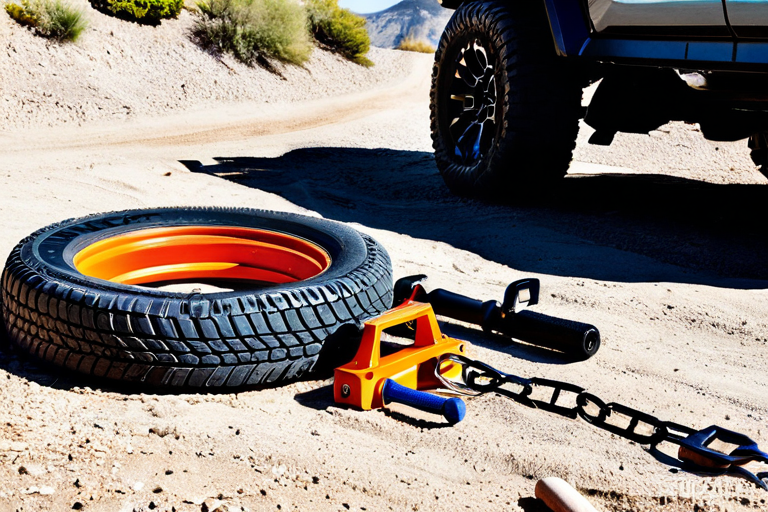
A well-organized summer recovery kit includes heat-resistant straps, shackles, and tools.
2. High-Lift Jack with Thermal Protection
Traditional jacks can become dangerously hot to handle in summer, risking burns or malfunctions. A high-lift jack with insulated handles and heat-treated steel is essential. Consumer Reports testing shows that models with rubberized grips reduce heat transfer by 60%. Ensure it has a minimum lift capacity of 7,000 lbs and includes a base plate for soft, sun-baked ground that might otherwise cause sinking.
3. Tire Repair Kit for Hot Surfaces
Summer trails often feature sharp rocks or debris heated by the sun, increasing puncture risks. A comprehensive tire repair kit should include plug inserts rated for high temperatures, a vulcanizing cement that cures quickly in heat, and a portable air compressor. Tire Rack experts recommend compressors with thermal overload protection to prevent overheating during extended use.
4. Cooling System Emergency Supplies
Overheating is the top summer off-road issue. Pack a radiator sealant, distilled water (at least 2 gallons), and a coolant mixture. A infrared thermometer can help monitor engine and tire temperatures before they reach critical levels. According to Edmunds automotive data, proper cooling maintenance reduces breakdowns by 70% in hot conditions.
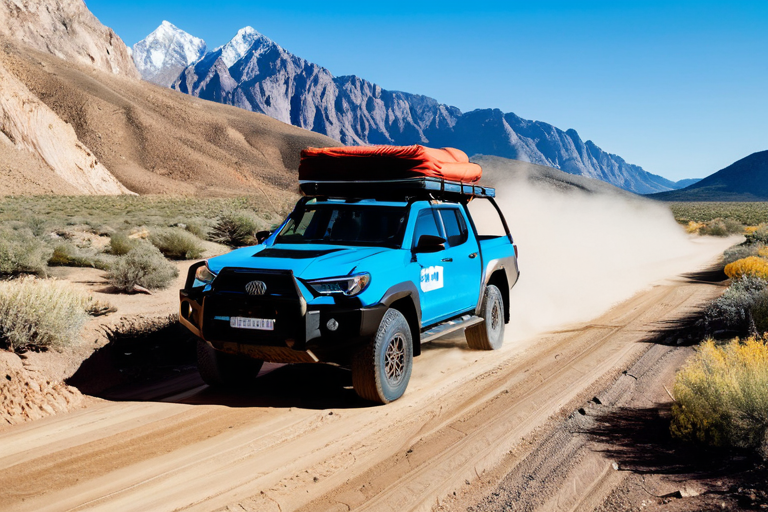
An off-road vehicle equipped for summer adventures, showcasing recovery gear in action.
5. Communication and Navigation Tools
Summer storms can disrupt signals, making reliable gear crucial. Include a satellite messenger or PLB (Personal Locator Beacon), a handheld GPS with preloaded topo maps, and a weather radio. NOAA guidelines emphasize that communication devices should have solar charging capabilities for extended summer trips.
Summer-Specific Safety Additions
- Heat-Resistant Gloves: Protect hands from hot metal surfaces; look for Kevlar or leather blends.
- Emergency Shade Structure: A compact pop-up tent or tarp to create shade during repairs, reducing heatstroke risk.
- Extra Water and Electrolytes: Dehydration impairs recovery efforts; carry 1 gallon per person per day minimum.
- Fire Extinguisher: Dry summer conditions elevate fire risks; use a 5-lb ABC extinguisher with a heat-resistant bracket.
Expert Tips for Summer Recovery Scenarios
Handling recovery in summer requires adapting techniques. For stuck vehicles in sand or dry mud, use traction boards instead of aggressive digging to conserve energy and avoid overheating. When winching, keep the engine running with the AC on to prevent overheating, but ensure exhaust is clear of flammable debris. Overland Journal field tests show that morning or evening recoveries reduce heat-related equipment failures by 80%.
Maintenance Checklist for Summer Gear
Regularly inspect your kit: check straps for UV damage, test jack functionality monthly, and replace coolant annually. Store gear in a ventilated, shaded compartment to prolong lifespan. IIHS safety studies indicate that well-maintained recovery kits reduce incident resolution time by 50%.
Conclusion: Adventure Ready, Summer Safe
A summer off-road recovery kit isn't just about having tools; it's about having the right tools for the season's unique demands. By investing in heat-resistant equipment, prioritizing cooling and communication, and following expert practices, you turn potential disasters into manageable setbacks. Remember, the best recovery is the one you never need—but when summer trails call, being prepared ensures you answer with confidence. For further insights, explore resources from Recreation.gov and Tread Lightly! to enhance your off-road adventures responsibly.