The Ultimate Guide to Planning a Winter Road Trip
Winter transforms familiar landscapes into breathtaking wonderlands. With proper planning, a cold-weather journey can become your most memorable adventure yet.
Why Winter Road Trips Deserve Your Attention
Most travelers associate road trips with summer months, but winter offers unique advantages that seasoned adventurers have long appreciated. According to AAA, winter travel has increased by 23% over the past five years, with travelers seeking quieter destinations and off-season rates.
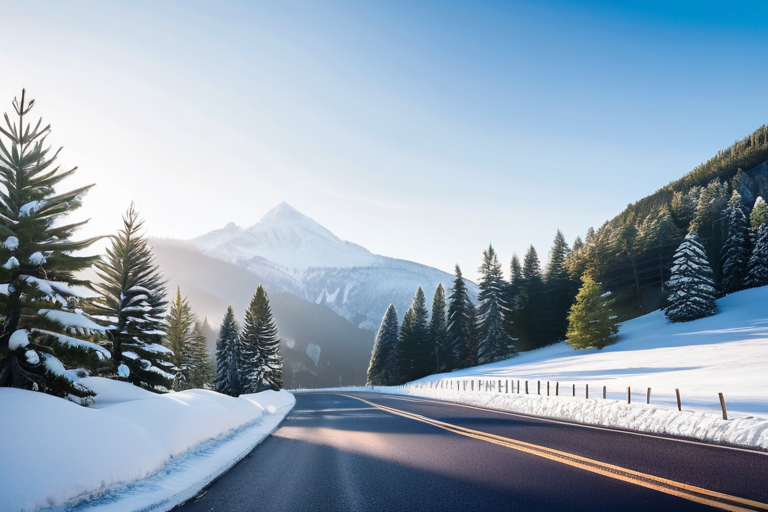
A serene winter landscape offers unparalleled driving experiences
Vehicle Preparation: Your Mobile Sanctuary
Before considering destinations, ensure your vehicle can handle winter conditions. The National Highway Traffic Safety Administration recommends these essential checks:
- Tire Inspection: Winter tires provide 25-50% more traction on snow and ice compared to all-season tires
- Battery Test: Cold reduces battery capacity by up to 60%
- Fluid Levels: Antifreeze should protect to at least -34°F (-37°C)
- Emergency Kit: Include blankets, flashlight, shovel, and non-perishable food
"Many winter breakdowns are preventable with basic maintenance," notes automotive expert David Thompson from Consumer Reports. "A pre-trip inspection takes less than an hour but can prevent days of disruption."
Route Planning: Beyond the GPS
Winter route planning requires considering factors that don't matter in summer. Elevation changes, mountain passes, and remote stretches need special attention.
Digital Tools for Winter Navigation
Apps like Waze provide real-time road condition updates, while specialized services like 511 systems offer official state transportation department information.
Paper Backup Strategy
Always carry physical maps. Cell service disappears in many winter wonderlands, and batteries die faster in cold temperatures.
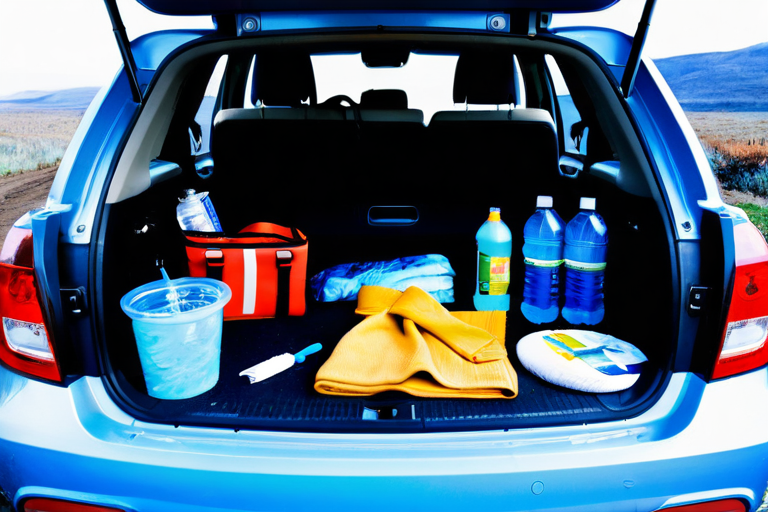
Proper preparation includes essential supplies for unexpected situations
Destination Selection: Winter's Hidden Gems
Winter transforms destinations in unexpected ways. Consider these categories from National Park Service data:
| Destination Type | Winter Advantage | Consideration |
|---|---|---|
| National Parks | 90% fewer visitors | Limited services |
| Mountain Towns | Festive atmosphere | Higher elevation challenges |
| Coastal Routes | Dramatic storm watching | Wind and precipitation |
Driving Techniques for Winter Conditions
Winter driving differs fundamentally from fair-weather travel. The Insurance Institute for Highway Safety emphasizes these techniques:
Speed and Distance Management
Reduce speed by 30-50% on snow-covered roads. Increase following distance to 8-10 seconds instead of the usual 3-4 seconds. Black ice—nearly invisible ice patches—requires particular caution on bridges and shaded areas.
Recovery Techniques
If you begin to skid: look where you want to go, steer gently in that direction, and avoid sudden braking. Front-wheel drive vehicles should accelerate slightly to pull the car straight, while rear-wheel drive vehicles may need slight deceleration.
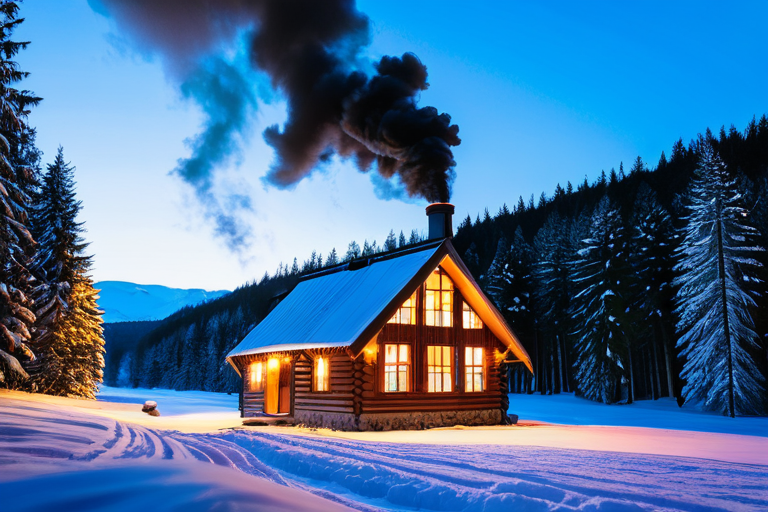
Winter accommodations offer unique charm and warmth after a day of exploration
Accommodation Strategy: Warmth and Flexibility
Winter accommodations require different considerations. Research from TripAdvisor shows winter travelers prioritize:
- Heating reliability (not all systems handle extreme cold)
- Parking accessibility (plowed vs. unplowed lots)
- Cancellation policies (weather-related flexibility)
- Indoor amenities (for potential weather delays)
"Book accommodations with 24-hour cancellation policies during winter," advises travel journalist Maria Chen. "Weather changes rapidly, and flexibility prevents financial loss when plans must adjust."
Packing Strategy: The Layered Approach
Winter road trip packing balances vehicle space with preparedness. The American Red Cross recommends these essentials beyond clothing:
Communication
Portable charger, emergency radio, whistle
Warmth
Chemical hand warmers, emergency blankets, insulated bottles
Navigation
Compass, paper maps, GPS with offline maps
Weather Monitoring: Beyond the Forecast
Winter weather changes rapidly. The National Weather Service provides specialized winter forecasts including:
- Winter Storm Watches: Issued 12-48 hours before possible severe weather
- Winter Storm Warnings: Issued when severe winter conditions are imminent
- Wind Chill Advisories: When wind chill creates dangerous conditions
- Travel Advisories: Specific to road conditions and closures
"Check forecasts for your entire route, not just destination," emphasizes meteorologist James Wilson. "Mountain passes can experience completely different conditions than valleys just miles away."
Final Checklist Before Departure
24 hours before leaving:
- Verify all vehicle fluids at proper levels
- Check tire pressure (cold affects readings)
- Review latest weather along entire route
- Confirm accommodations have heating
- Pack extra water and non-perishable food
- Share itinerary with trusted contact
- Charge all electronic devices
- Load offline maps on navigation devices
Embracing Winter's Magic
Winter road trips offer rewards unavailable in other seasons: empty scenic overlooks, wildlife sightings impossible in summer, and the profound quiet of snow-covered landscapes. With thoughtful preparation, winter transforms from an obstacle to an enhancement.
"The best winter journeys aren't about reaching destinations quickly," reflects veteran winter traveler Anya Petrov. "They're about embracing the journey itself—the stark beauty, the challenges overcome, the warmth found in unexpected places."
As you plan your winter adventure, remember that preparation enables spontaneity. When your vehicle is ready, your route is researched, and your supplies are packed, you gain the freedom to discover winter's hidden treasures safely and memorably.
Sources: Data referenced from AAA, National Highway Traffic Safety Administration, Consumer Reports, National Park Service, Insurance Institute for Highway Safety, TripAdvisor, American Red Cross, and National Weather Service.
Always verify current conditions and regulations before traveling. Winter conditions vary significantly by region and elevation.