The Ultimate Guide to Planning a Family Road Trip Adventure
There's something magical about loading up the car and hitting the open road with your loved ones. The shared experiences, spontaneous detours, and memories created during a family road trip can last a lifetime. But successful family travel doesn't happen by accident—it requires thoughtful planning and preparation. According to the American Automobile Association, families who plan their road trips in advance report 40% higher satisfaction rates and encounter 60% fewer unexpected problems.
Why Family Road Trips Matter
Research from the Family Travel Association shows that children who travel with their families develop stronger communication skills, greater adaptability, and enhanced cultural awareness. The journey itself becomes as important as the destination, teaching valuable lessons about patience, navigation, and teamwork.
Phase 1: Pre-Trip Planning (4-6 Weeks Before Departure)
Destination Selection and Route Mapping
Begin by involving every family member in the destination discussion. Create a "dream board" where each person can suggest places they'd like to visit. Use tools like Roadtrippers to map potential routes and identify interesting stops along the way. The National Park Service website offers excellent resources for families planning nature-focused adventures.
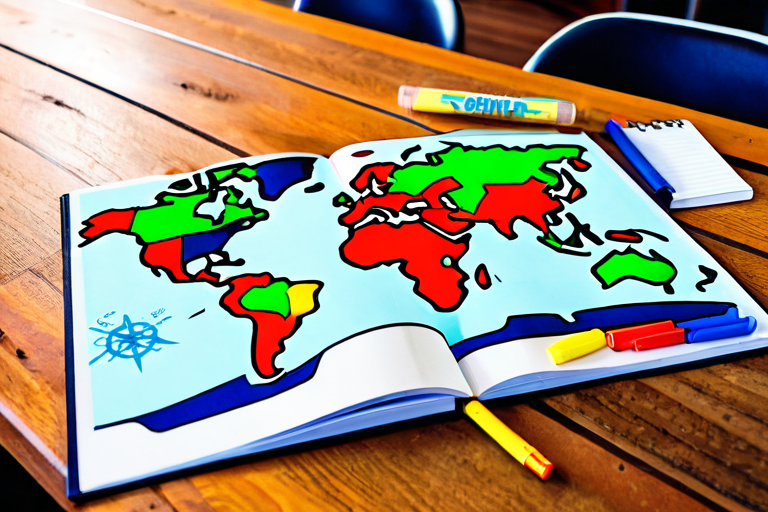
Planning the perfect route involves balancing driving time with exploration opportunities
Vehicle Preparation and Safety Checks
Before any long journey, ensure your vehicle is road-ready. The National Highway Traffic Safety Administration recommends checking tires (including spare), brakes, fluids, lights, and air conditioning. Consider a professional inspection if your vehicle hasn't been serviced recently.
Budgeting and Accommodation Booking
Create a detailed budget covering fuel, accommodations, meals, activities, and emergency funds. According to Travel + Leisure, families can save up to 30% by booking accommodations 3-4 weeks in advance and being flexible with travel dates.
Phase 2: Packing Strategy (1-2 Weeks Before)
The Family Packing System
Develop a color-coded packing system for each family member. Use clear plastic bins for different categories: clothing, entertainment, snacks, and emergency supplies. The REI Co-op offers excellent packing lists for family adventures, emphasizing layering for changing weather conditions.
Pro Tip: The "Car Comfort Kit"
Create a dedicated car comfort kit including travel pillows, lightweight blankets, window shades, and a small first-aid kit. This simple preparation can dramatically improve everyone's comfort during long driving segments.
Entertainment and Educational Preparation
Curate a mix of digital and analog entertainment. Download audiobooks, educational podcasts, and create playlists that appeal to different age groups. Physical items like travel journals, road trip bingo cards, and map-reading activities can keep children engaged without screens.
Phase 3: On-the-Road Execution
Driving Schedule and Break Strategy
The Centers for Disease Control and Prevention recommends taking a 15-minute break every 2 hours of driving. Plan these breaks at interesting locations—rest areas with playgrounds, scenic overlooks, or small town main streets.

Regular breaks at interesting locations keep everyone refreshed and engaged
Meal Planning and Snack Management
Pack a cooler with healthy snacks and drinks to avoid excessive fast food stops. Create "snack packs" for each family member with a mix of fruits, nuts, and treats. According to nutrition experts at Academy of Nutrition and Dietetics, balanced snacks maintain energy levels better than sugary alternatives.
Flexibility and Spontaneity
While planning is essential, leave room for unexpected discoveries. Some of the best family memories come from unplanned stops—the quirky roadside attraction, the local festival you stumble upon, or the scenic detour recommended by a friendly local.
Phase 4: Safety and Emergency Preparedness
Essential Safety Equipment
Beyond standard vehicle safety items, pack: a portable jump starter, tire repair kit, emergency blankets, extra water, and a physical road atlas (in case of technology failure). The American Red Cross offers comprehensive road trip safety checklists for families.
Communication and Navigation Backup
Share your itinerary with a trusted friend or family member. Use both digital navigation (Google Maps, Waze) and physical maps. Download offline maps for areas with poor cell reception, which is common in many scenic rural areas.
Safety First: Emergency Contact Sheet
Create a laminated emergency contact sheet with: your primary physician's number, insurance information, vehicle information, and emergency contacts. Place copies in the glove compartment and with each responsible family member.
Phase 5: Making Memories and Documentation
The Family Travel Journal
Maintain a shared travel journal where each family member contributes daily. Include drawings, ticket stubs, pressed flowers, and brief notes about favorite moments. This becomes a cherished keepsake that captures the journey's essence.
Photo and Video Strategy
Instead of posed photos, focus on capturing candid moments—the shared laughter at a roadside diner, the wonder at a scenic vista, the teamwork of setting up camp. Designate a different "family photographer" each day to get varied perspectives.
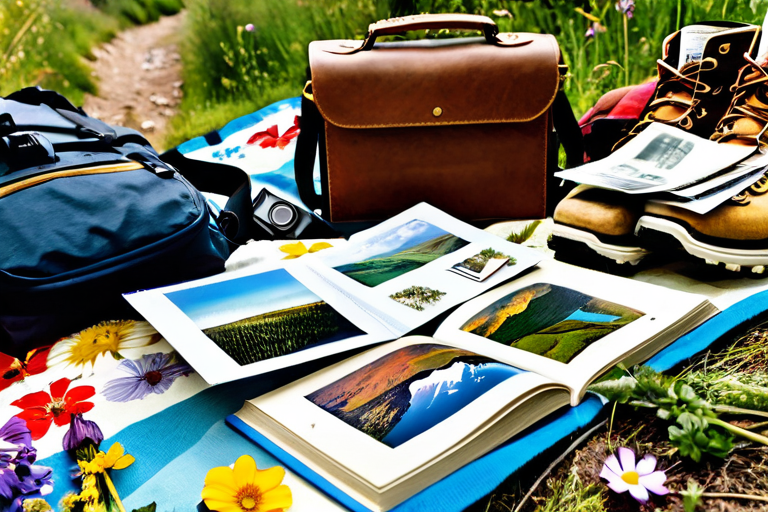
Documenting the journey creates lasting memories beyond photographs
Post-Trip: Reflection and Future Planning
After returning home, hold a "family debrief" session. Discuss what worked well, what could be improved, and everyone's favorite moments. Start a "next adventure" fund and begin dreaming about your next family road trip. According to family travel experts at Lonely Planet, the anticipation of future travel contributes significantly to family happiness and bonding.
Key Takeaways for Successful Family Road Trips
- Involve everyone in the planning process from the beginning
- Balance structure with flexibility—plan but leave room for spontaneity
- Prioritize safety with proper vehicle maintenance and emergency preparations
- Focus on the journey as much as the destination
- Document creatively to preserve memories beyond standard photographs
- Reflect and plan ahead for continuous family adventure traditions
Family road trips represent more than just travel—they're opportunities for connection, education, and shared adventure. With thoughtful planning, proper preparation, and a spirit of flexibility, your family can create memories that will be treasured for years to come. The open road awaits, ready to deliver experiences that bring your family closer together while exploring the beautiful diversity of our world.