Navigating the Terrain of Off-Road Diesel Prices in the United States
The landscape of off-road diesel prices in the United States is as rugged and unpredictable as the terrains where this fuel powers heavy machinery. From construction sites to agricultural fields, understanding the dynamics behind these prices is crucial for industries that rely on diesel for non-highway use. This article delves into the factors influencing off-road diesel costs, regional variations, and future trends, providing a comprehensive guide for businesses and professionals.

Off-road diesel fuels heavy machinery in challenging environments, with prices shaped by complex market forces.
What Drives Off-Road Diesel Prices?
Off-road diesel, also known as dyed diesel due to its red color indicating tax-exempt status for non-highway use, is subject to a unique set of price determinants. Unlike on-road diesel, it avoids federal and state fuel taxes, but its cost is still influenced by global crude oil markets, refining capacity, and logistical factors. According to the U.S. Energy Information Administration (EIA), crude oil prices account for approximately 50-60% of the retail price of diesel fuels, including off-road variants. In 2023, the average price of off-road diesel fluctuated between $3.50 and $4.50 per gallon, depending on region and seasonality.
Refining margins play a significant role, with disruptions such as the 2021 Hurricane Ida impacting Gulf Coast refineries and causing temporary price spikes. The American Petroleum Institute (API) notes that seasonal demand surges, particularly during agricultural planting and harvesting seasons, can push prices higher. Additionally, transportation costs from refineries to rural or remote areas add a premium, as off-road diesel is often delivered in bulk to sites far from urban centers.
Regional Variations Across the U.S.
The United States exhibits stark regional disparities in off-road diesel prices, driven by factors like proximity to refineries, local demand, and state regulations. Data from the EIA highlights that the Midwest, with its extensive agricultural base, often experiences higher prices during peak farming seasons. In contrast, the Gulf Coast region, home to major refineries, tends to have lower baseline prices due to reduced transportation costs.
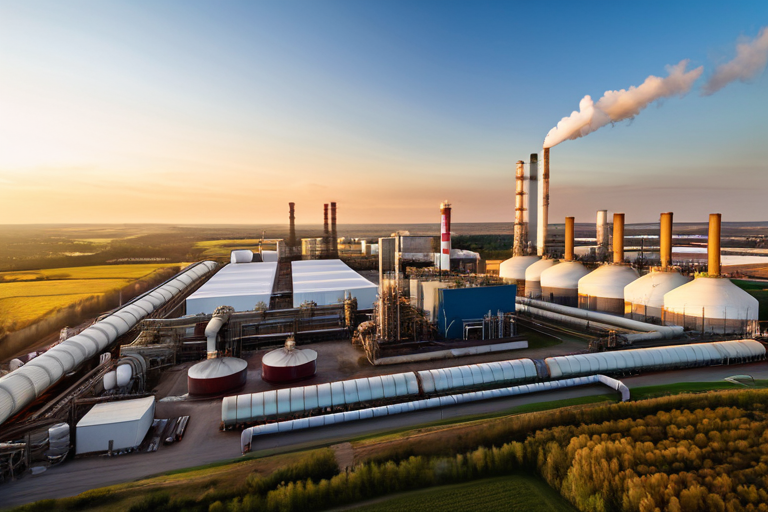
Refineries in regions like the Gulf Coast influence off-road diesel availability and pricing nationwide.
For instance, in early 2024, off-road diesel prices in California averaged around $4.80 per gallon, influenced by strict environmental regulations and higher operating costs, while Texas saw averages near $3.70 per gallon. The Northeast faces unique challenges, with colder climates requiring winter-grade diesel blends that can increase costs by 10-15%. A report by DieselNet emphasizes that state-specific tax policies, though exempt for off-road use, still affect distribution networks and final pricing.
Impact on Key Industries
Off-road diesel is the lifeblood of several critical sectors, including agriculture, construction, mining, and forestry. Price volatility directly impacts operational costs and profitability. In agriculture, where diesel powers tractors and irrigation systems, the U.S. Department of Agriculture (USDA) estimates that fuel expenses can constitute up to 15% of total farm production costs. During the 2022 price surge, many farmers reported cutting back on non-essential machinery use to mitigate expenses.
The construction industry, reliant on diesel for excavators and generators, faces similar pressures. A study by the Associated General Contractors of America (AGC) found that a $0.50 increase in diesel prices can raise project costs by 1-2%, affecting bidding and timelines. Mining operations in remote areas, such as those in Wyoming or West Virginia, are particularly sensitive to transportation surcharges, with off-road diesel sometimes costing 20% more than in urban locales.

Farm machinery depends on off-road diesel, with price shifts affecting agricultural productivity and costs.
Future Trends and Predictions
Looking ahead, off-road diesel prices are poised to be shaped by geopolitical events, technological advancements, and regulatory changes. The ongoing shift toward renewable diesel and biodiesel blends, supported by incentives like the Renewable Fuel Standard (RFS), may introduce price stability but also new cost variables. According to analysis from International Energy Agency (IEA), global oil demand fluctuations, particularly from emerging economies, will continue to influence crude prices and, by extension, diesel costs.
Climate policies, such as carbon pricing initiatives in states like California, could add compliance costs for refineries, potentially trickling down to off-road diesel users. However, innovations in fuel efficiency and alternative power sources, like electric construction equipment, might reduce long-term dependency. The EIA's Short-Term Energy Outlook projects moderate price increases of 2-4% annually through 2025, barring major supply disruptions.
Strategies for Managing Costs
For businesses reliant on off-road diesel, proactive cost management is essential. Bulk purchasing during off-peak seasons, leveraging futures contracts to lock in prices, and investing in fuel-efficient equipment can mitigate risks. The National Society of Diesel Professionals (NSDP) recommends regular maintenance of machinery to optimize fuel consumption, as poorly tuned engines can waste up to 10% of diesel.
Additionally, exploring biodiesel blends, which often qualify for tax credits, can offer savings. Regional cooperatives and fuel purchasing groups, common in agriculture, allow for collective bargaining and reduced transportation fees. Staying informed through resources like the EIA's weekly diesel price updates enables timely decision-making in a volatile market.
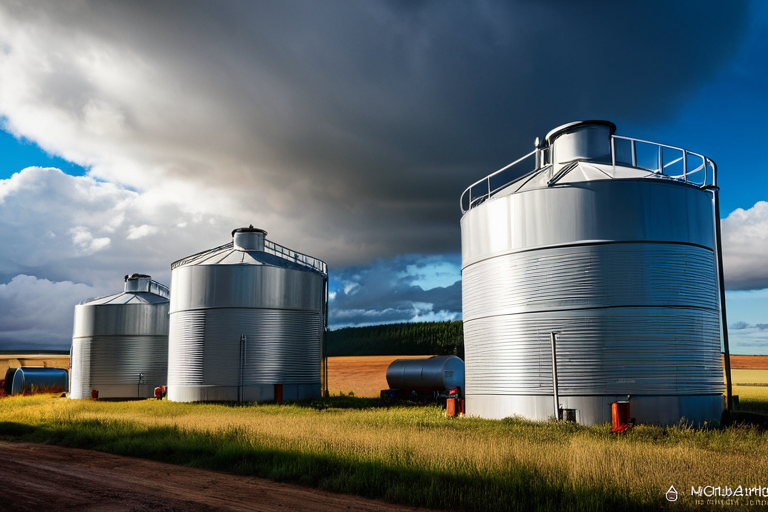
Strategic fuel storage and management help industries buffer against off-road diesel price volatility.
Conclusion
The off-road diesel market in the United States is a complex ecosystem influenced by global oil trends, regional dynamics, and sector-specific demands. While prices remain subject to volatility, understanding these factors empowers industries to navigate challenges effectively. By leveraging data from authoritative sources like the EIA and API, and adopting strategic cost-management practices, businesses can sustain operations even in fluctuating fuel landscapes. As the energy sector evolves, staying adaptable will be key to harnessing the power of off-road diesel efficiently.
Sources: U.S. Energy Information Administration (EIA), American Petroleum Institute (API), U.S. Department of Agriculture (USDA), International Energy Agency (IEA), and industry reports. Data reflects trends up to early 2024 and is subject to change based on market conditions.