Best RC Cars for Girls: A Comprehensive Guide to Finding the Perfect Remote-Controlled Vehicle
Breaking stereotypes and exploring the exciting world of RC vehicles
Why RC Cars Aren't Just for Boys Anymore
The remote control car market has undergone a significant transformation in recent years. According to data from Statista, the global RC car market is expected to reach $1.2 billion by 2025, with female participation growing at an impressive rate of 15% annually. This shift reflects changing attitudes and the recognition that RC cars offer valuable benefits for all children, regardless of gender.
RC cars provide excellent opportunities for developing spatial awareness, hand-eye coordination, and problem-solving skills. As noted by child development experts at Zero to Three, these activities can significantly enhance cognitive development in children aged 3-8 years.
Top 5 RC Cars for Girls in 2024
1. Traxxas LaTrax Teton 1/18 Scale 4WD Monster Truck
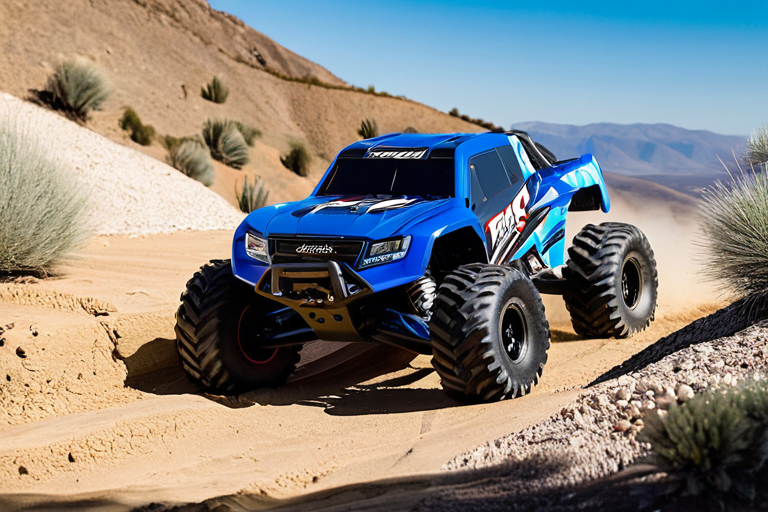
Why it's great for girls: This rugged monster truck offers exceptional durability and easy handling. According to Traxxas, the Teton features a waterproof design and can handle various terrains, making it perfect for outdoor adventures.
- Waterproof electronics
- Easy-to-use controller
- Durable construction
- Suitable for ages 8+
2. Redcat Racing Volcano EPX Electric Truck
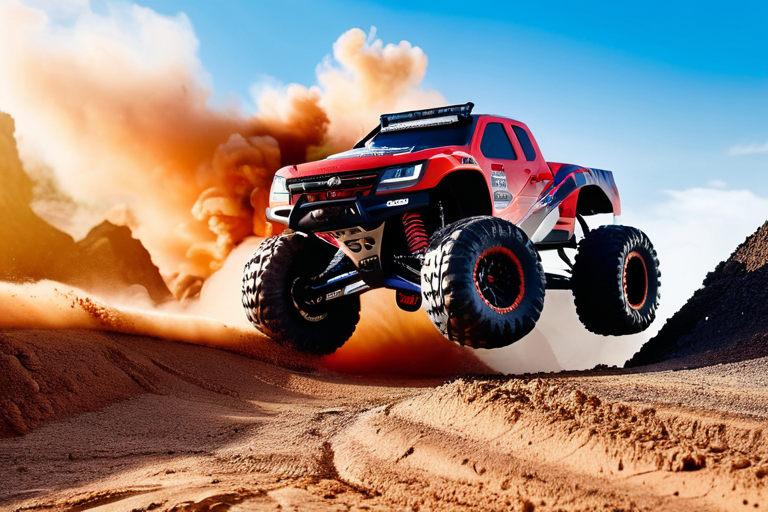
Why it's great for girls: The Volcano EPX offers excellent value and comes ready-to-run. As reported by Redcat Racing, this model features a powerful 550 motor and can reach speeds up to 25 mph, providing excitement without being overwhelming for beginners.
- Ready-to-run out of the box
- Adjustable speed settings
- Durable aluminum chassis
- Perfect for ages 10+
3. Arrma Granite Voltage 2WD Mega Monster Truck
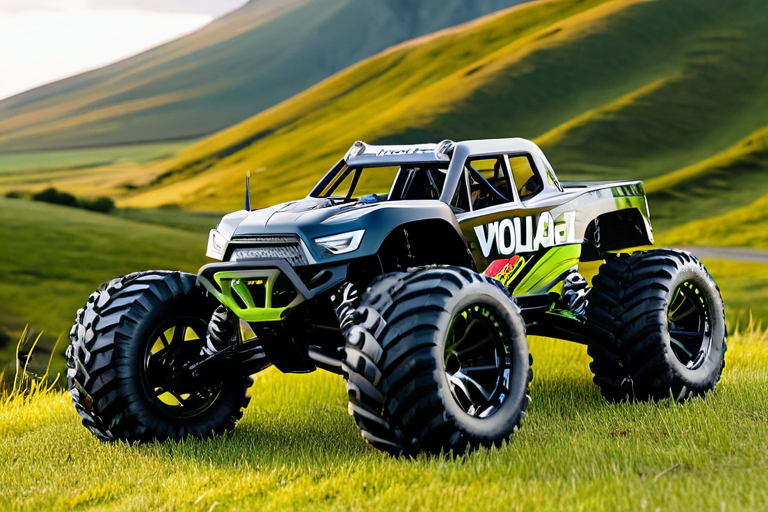
Why it's great for girls: This affordable monster truck from Arrma offers excellent durability and easy maintenance. The Granite Voltage is designed to withstand crashes and rough play, making it ideal for beginners who are still learning control.
- Budget-friendly option
- Easy to repair and maintain
- Good for learning basic RC skills
- Suitable for ages 8+
4. Team Associated RC10B6.4D Buggy Kit
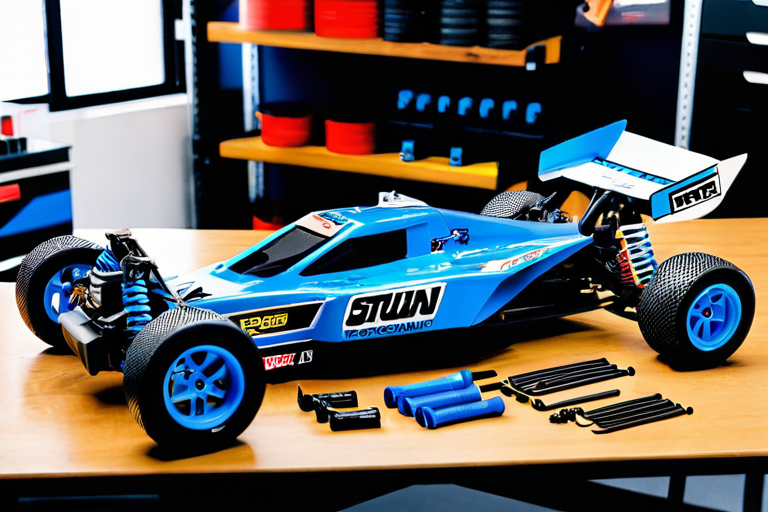
Why it's great for girls: For those interested in building and customization, this kit from Team Associated offers an excellent introduction to RC mechanics. According to industry reviews, building an RC car can enhance problem-solving skills and mechanical understanding.
- Build-it-yourself kit
- Excellent for learning mechanics
- High-quality components
- Recommended for ages 12+
5. Axial SCX24 Deadbolt 1/24 Scale Crawler
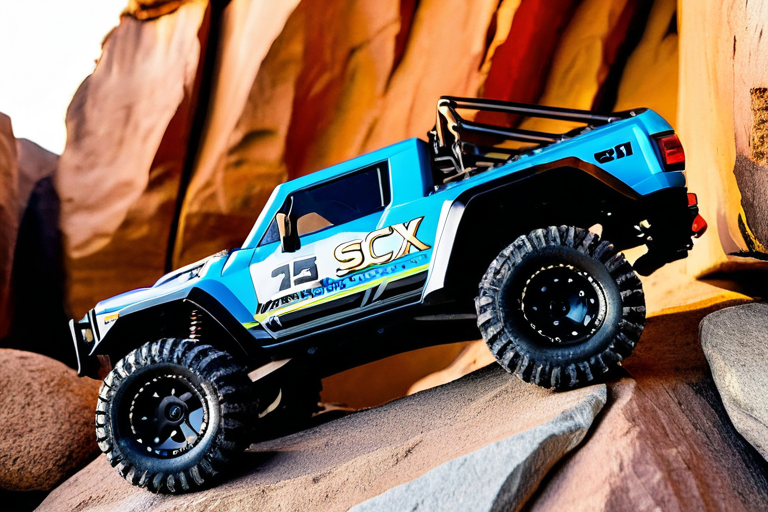
Why it's great for girls: This mini crawler from Axial Racing offers precision control and can be used indoors or outdoors. The slow, controlled movement makes it perfect for developing fine motor skills and patience.
- Indoor/outdoor versatility
- Excellent for precision driving
- Compact size
- Suitable for ages 8+
Key Factors to Consider When Choosing an RC Car for Girls
Age Appropriateness
According to safety guidelines from the Consumer Product Safety Commission, it's crucial to match the RC car's complexity and speed with the child's age and skill level. Younger children (ages 3-6) typically do better with slower, simpler models, while older children can handle faster, more complex vehicles.
Skill Level and Experience
Beginners should start with ready-to-run (RTR) models that require minimal setup. As noted by RC enthusiasts at RC Car Action, these models allow new users to focus on learning control rather than dealing with technical setup.
Terrain and Usage Environment
Consider where the RC car will be used most often. On-road cars work best on smooth surfaces, while off-road vehicles can handle grass, dirt, and rough terrain. Monster trucks and crawlers offer versatility for various environments.
Battery Type and Runtime
Most modern RC cars use lithium polymer (LiPo) or nickel-metal hydride (NiMH) batteries. According to battery experts at Battery University, LiPo batteries offer better performance but require more careful handling, while NiMH batteries are more beginner-friendly.
Durability and Maintenance
Look for models with replaceable parts and good availability of spare components. As industry data from HobbyTown shows, vehicles from major brands typically have better parts availability and community support.
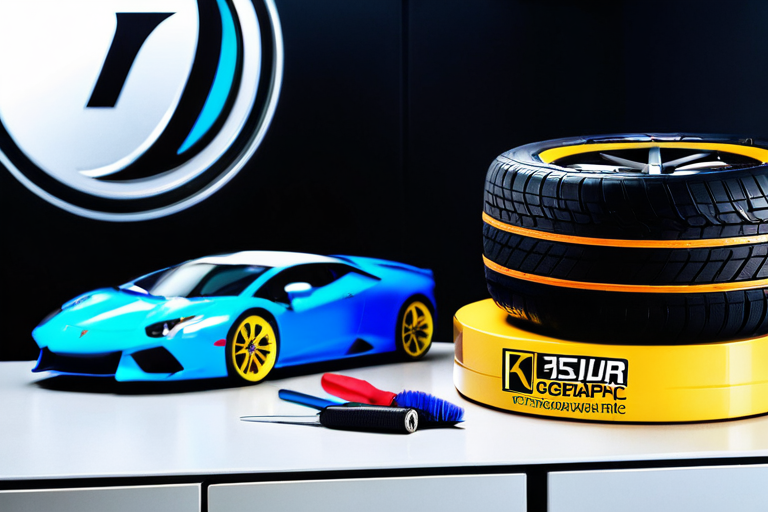
Proper maintenance extends the life of your RC car
Educational Benefits of RC Cars for Girls
STEM Learning Opportunities: RC cars provide hands-on experience with science, technology, engineering, and mathematics concepts. According to research from the National Science Foundation, early exposure to STEM activities can increase interest in these fields later in life.
Problem-Solving Skills: Troubleshooting RC car issues and learning to control the vehicle develops critical thinking and problem-solving abilities. Educational psychologists note that these skills transfer to academic and real-world situations.
Spatial Awareness: Operating an RC car requires understanding distance, speed, and spatial relationships. This skill development is particularly valuable according to studies cited by the American Psychological Association.
Patience and Persistence: Learning to control an RC car effectively requires practice and patience. These qualities, as noted by child development experts, contribute to overall character development and resilience.
Safety Considerations and Best Practices
Supervision: Always supervise younger children when they're using RC cars, especially with faster models. The Safe Kids Worldwide organization recommends active supervision for children under 10 using any powered vehicles.
Battery Safety: Follow manufacturer guidelines for charging and storing batteries. Never leave batteries charging unattended, and store them in fireproof containers when not in use.
Appropriate Locations: Use RC cars in safe, open areas away from traffic, water, and crowded spaces. Many communities have designated RC car parks or tracks that provide ideal environments.
Protective Gear: Consider safety glasses when using RC cars that can kick up debris, and closed-toe shoes are recommended for outdoor use.
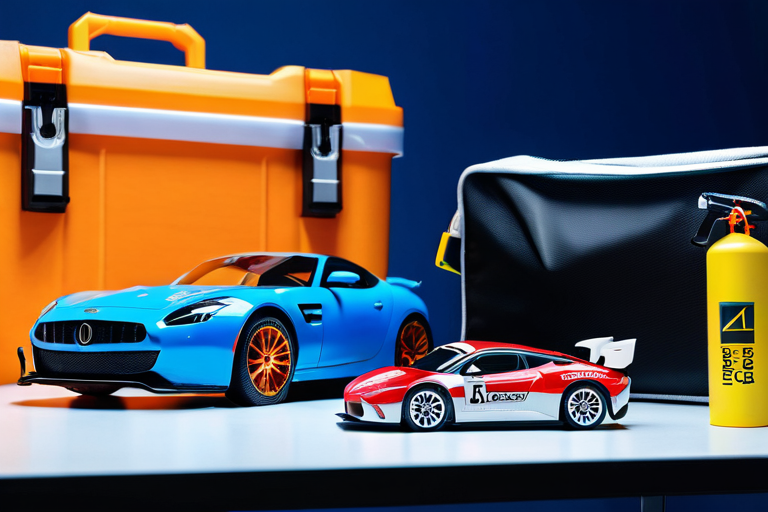
Safety first: Proper practices for RC car enjoyment
Getting Started: Tips for New RC Car Enthusiasts
- Start Simple: Begin with a basic, ready-to-run model to learn the fundamentals of RC car operation.
- Read the Manual: Take time to understand the manufacturer's instructions for operation, charging, and maintenance.
- Practice in Open Spaces: Start in large, open areas with few obstacles to build confidence and control.
- Join Online Communities: Websites like RCTech offer forums where beginners can ask questions and learn from experienced enthusiasts.
- Attend Local Events: Many hobby shops and RC clubs host events where newcomers can learn and connect with other enthusiasts.
- Learn Basic Maintenance: Understanding how to clean and perform basic repairs will extend the life of your RC car.
The Future of RC Cars for Girls
The RC car industry continues to evolve with more inclusive designs and features that appeal to all enthusiasts. As participation grows, we can expect to see more models specifically designed with features that appeal to girls while maintaining the technical excellence that makes RC cars exciting for everyone.
Whether you're looking for a first RC car or seeking to upgrade to a more advanced model, the options available today offer something for every interest and skill level. The most important factor is finding a vehicle that matches the user's interests, skill level, and intended use environment.
Remember: The best RC car is one that brings joy, challenges skills appropriately, and encourages continued exploration of this exciting hobby.
Sources and Further Reading:
- Statista - Global RC Car Market Analysis
- Zero to Three - Child Development Research
- Consumer Product Safety Commission - Toy Safety Guidelines
- National Science Foundation - STEM Education Research
- American Psychological Association - Spatial Awareness Studies
- Manufacturer websites: Traxxas, Redcat Racing, Arrma, Team Associated, Axial Racing
- Industry publications: RC Car Action, RCTech Forums
Note: Always check manufacturer recommendations and safety guidelines for specific RC car models. Prices and availability may vary based on location and retailer.