Introduction: More Than Just Machines
The world of off-road toys—encompassing everything from rugged ATVs and side-by-sides to modified trucks and dirt bikes—has exploded in popularity over the past decade. What was once a niche interest for hardcore enthusiasts has transformed into a mainstream recreational pursuit. But with this growth comes a critical question: Is off-roading a high-consumption hobby reserved for the wealthy, or can it be an accessible adventure for the average enthusiast? To answer this, we need to dive deep into the actual costs, from initial purchase to ongoing maintenance, and examine the market trends that shape this dynamic industry.
According to a comprehensive market analysis by Statista, the global off-road vehicle market was valued at approximately $15 billion in 2023, with projections suggesting steady growth through 2030. This expansion is driven not only by recreational demand but also by technological advancements and increasing disposable income in emerging markets. However, the price range within this sector is staggeringly wide, creating distinct tiers of accessibility.
Breaking Down the Price Spectrum
Off-road toys can be broadly categorized into three price segments: entry-level, mid-range, and premium. Each tier offers different capabilities, features, and, of course, price points. Let's examine each category in detail.
1. Entry-Level: The Gateway Machines
For beginners or those on a budget, entry-level off-road vehicles provide an affordable introduction to the hobby. This category typically includes:
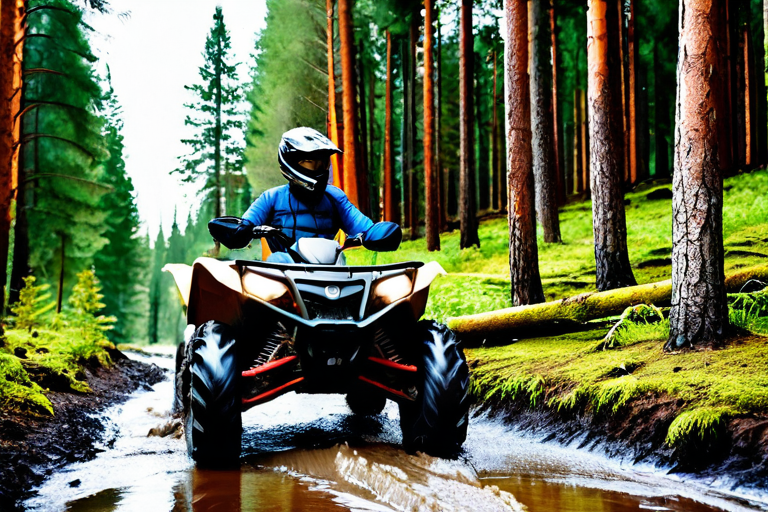
- Basic ATVs (All-Terrain Vehicles): Prices range from $3,000 to $8,000 for new models from brands like Honda, Yamaha, and Suzuki. Used models can be found for as low as $1,500.
- Entry-Level Dirt Bikes: New bikes from manufacturers such as Kawasaki and KTM start around $4,000 to $7,000.
- Utility Side-by-Sides (SxS): Basic models like the Polaris Ranger start at approximately $10,000.
As noted by Consumer Reports, entry-level vehicles often prioritize reliability and simplicity over high-performance features, making them ideal for casual riders or those new to off-roading.
2. Mid-Range: The Sweet Spot for Enthusiasts
Mid-range off-road toys balance performance, features, and cost, appealing to serious hobbyists. Key examples include:
- Performance ATVs: Models with enhanced suspension and power, priced between $8,000 and $15,000.
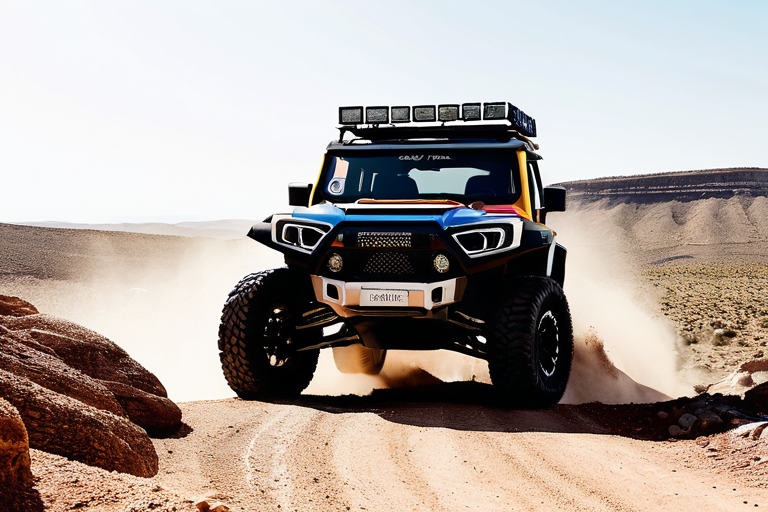
- Sport Side-by-Sides: Vehicles like the Can-Am Maverick or Polaris RZR, ranging from $15,000 to $25,000.
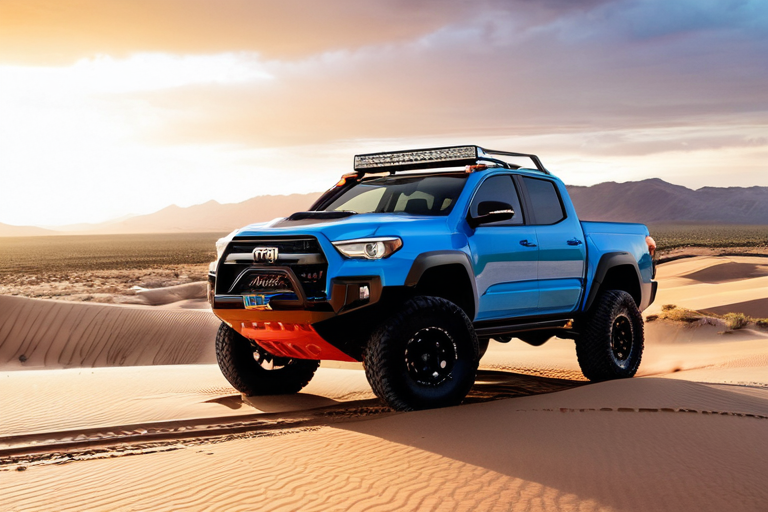
- Modified Off-Road Trucks: Used trucks with aftermarket upgrades (lift kits, tires, etc.) can cost $20,000 to $40,000.
Industry data from SEMA (Specialty Equipment Market Association) indicates that mid-range vehicles represent the largest segment in terms of unit sales, driven by their versatility and relatively manageable costs.
3. Premium: The High-End Frontier
At the top end, premium off-road toys offer cutting-edge technology, luxury features, and unparalleled performance. This tier includes:
- High-Performance Side-by-Sides: Top models from brands like Can-Am (X3) or Polaris (RZR Pro) can exceed $30,000, with limited editions reaching over $40,000.
- Custom-Built Off-Road Vehicles: Fully customized trucks or buggies, often costing $50,000 to $100,000+.
- Luxury Off-Road SUVs: Vehicles like the Jeep Wrangler Rubicon or Land Rover Defender, with prices starting at $60,000 and going well beyond $100,000 when modified.
A report by McKinsey & Company highlights that premium off-road vehicles are increasingly marketed as lifestyle products, with buyers willing to pay a premium for brand prestige and advanced features.
Beyond the Sticker Price: Hidden Costs of Off-Roading
The initial purchase is just the beginning. To truly understand whether off-roading is a high-consumption hobby, we must consider the ongoing expenses that accompany ownership. These hidden costs can significantly impact the overall affordability.
Maintenance and Repairs
Off-road vehicles endure harsh conditions, leading to higher maintenance costs. Annual expenses can range from $500 to $2,000 for basic upkeep, with major repairs (e.g., engine or transmission work) costing thousands more. According to Edmunds, maintenance costs for off-road vehicles are typically 20-30% higher than for standard passenger cars due to specialized parts and labor.
Modifications and Upgrades
Many enthusiasts invest in aftermarket parts to enhance performance or aesthetics. Common upgrades include lift kits ($1,000-$5,000), tires ($800-$2,000), and suspension systems ($2,000-$10,000). SEMA reports that the off-road aftermarket industry generates over $10 billion annually, underscoring the significant spending on modifications.
Transportation and Storage
Getting your toy to the trails requires a trailer ($2,000-$10,000) and a capable tow vehicle. Storage costs, whether at home or in a facility, can add $50 to $200 per month. Insurance is another factor, with annual premiums ranging from $300 to $1,500 depending on the vehicle and usage.
Is Off-Roading a High-Consumption Hobby? A Balanced Perspective
Based on the price analysis, off-roading can be both an accessible hobby and a high-consumption pursuit, depending on how one approaches it. The key factors that determine its affordability include:
- Vehicle Choice: Opting for entry-level or used models keeps costs manageable, while premium vehicles push it into luxury territory.
- Usage Frequency: Casual riders incur lower ongoing costs compared to hardcore enthusiasts who frequent trails weekly.
- Geographic Location: Access to public lands reduces costs, whereas private park fees or long-distance travel add expenses.
- DIY vs. Professional Services: Enthusiasts who perform their own maintenance and modifications can save significantly.
Data from the U.S. Bureau of Labor Statistics shows that recreational vehicle ownership (including off-road toys) accounts for approximately 1-2% of average household spending in the U.S., suggesting it's a moderate expense for most participants. However, for those pursuing high-end vehicles and frequent upgrades, it can easily become a high-consumption hobby rivaling other luxury pursuits like boating or golfing.
"Off-roading is as expensive as you make it. You can start with a used ATV and minimal gear, or you can dive into a fully customized rig with all the bells and whistles. The beauty is that there's a place for everyone in this community." — Mark Johnson, Off-Road Enthusiast and Industry Analyst
Conclusion: Adventure Within Reach
The off-road toy market offers a spectrum of options that cater to diverse budgets and preferences. While premium vehicles and extensive modifications can indeed make off-roading a high-consumption hobby, the availability of affordable entry-level models and the potential for cost-saving measures (e.g., buying used, DIY maintenance) ensure that this adventurous pursuit remains accessible to a broad audience.
Ultimately, whether off-roading is a luxury or an attainable passion depends on individual choices and priorities. By understanding the full cost landscape—from purchase price to hidden expenses—enthusiasts can make informed decisions that align with their financial goals. As the industry continues to evolve, driven by innovation and growing demand, one thing remains clear: the thrill of exploring untamed terrain is a reward that transcends price tags.
So, gear up, hit the trails, and remember—the best adventures are the ones you can afford to enjoy again and again.