
Unraveling the Technical Evolution of Miniature Off-Road Vehicles
Unraveling the Technical Evolution of Miniature Off-Road Vehicles From backyard adventures to competitive racing circuits, miniature off-road vehicles have undergone a remarkable transformation. What began as simple wind-up toys has evolved into sophisticated machines that challenge our understanding of scale engineering and terrain dynamics. The Foundation: Early Mechanical Innovations The journey of toy off-road vehicles began in the mid-20th century with basic mechanical designs. According to Hobby Engineering Archives, early models relied on simple spring mechanisms and friction motors that provided limited terrain capability. These initial designs, while primitive by today's standards, established the fundamental principles of miniature vehicle dynamics. Early mechanical designs established basic principles of miniature vehicle dynamics The 1970s marked a significant turning point with the introduction of electric motors. Research from RC Universe Technical Library indicates that these early electric systems, while limited in power, demonstrated the potential for more controlled and sustained operation. The transition from mechanical to electrical power systems represented the first major technological leap in the evolution of these miniature machines. The Digital Revolution: Remote Control Integration As digital technology advanced through the 1980s and 1990s, remote control systems underwent dramatic improvements. Early radio frequency controllers offered limited range and precision, but according to technical documentation from Spektrum RC Technology, the development of 2.4GHz spread spectrum technology revolutionized control reliability and reduced interference. The integration of microprocessors enabled more sophisticated control systems. These systems could manage multiple channels simultaneously, allowing for independent control of steering, throttle, and auxiliary functions. Technical analysis from Futaba Innovation Center reveals that modern control systems can process inputs at rates exceeding 1000Hz, providing near-instantaneous response to driver commands. Advanced control systems enable precise manipulation of miniature vehicles Suspension Systems: Mastering Scale Dynamics One of the most critical developments in miniature off-road vehicle technology has been the evolution of suspension systems. Early models featured rigid axles or simple leaf springs, but modern designs incorporate sophisticated multi-link systems that replicate full-scale vehicle dynamics at a reduced scale. According to engineering analysis from Team Associated Engineering Department, modern miniature suspension systems must account for scale effects that don't exist in full-size vehicles. Air resistance, surface tension, and other forces behave differently at small scales, requiring specialized engineering solutions. Oil-filled shock absorbers with adjustable damping rates have become standard in high-performance models. These systems allow enthusiasts to fine-tune vehicle behavior for specific terrain conditions, from loose sand to packed dirt. Technical specifications from Pro-Line Racing Suspension Guide demonstrate how different spring rates and oil viscosities affect performance across various surfaces. Power Systems: From Brushed to Brushless Revolution The evolution of power systems represents another significant technological advancement. Early electric models used brushed motors with carbon brushes that wore out quickly and generated significant electrical noise. The introduction of brushless motor technology, as documented by Castle Creations Technical Resources, brought dramatic improvements in efficiency, power output, and reliability. Brushless motor technology provides superior power and efficiency Modern brushless systems can deliver power outputs exceeding 1000 watts while maintaining compact dimensions suitable for 1:10 scale vehicles. Electronic speed controllers (ESCs) have evolved alongside motor technology, incorporating sophisticated algorithms for power management, thermal protection, and regenerative braking. Battery technology has also seen remarkable progress. According to research from HobbyKing Battery Technology Center, lithium polymer (LiPo) batteries offer energy densities several times greater than older nickel-metal hydride (NiMH) cells, while lithium iron phosphate (LiFe) chemistry provides enhanced safety characteristics for beginner applications. Materials Science: Lightweight Durability The materials used in miniature off-road vehicle construction have evolved significantly. Early models relied heavily on stamped steel and basic plastics, but modern designs incorporate advanced composites and specialized polymers. Technical documentation from Traxxas Materials Laboratory details how different materials are selected for specific components based on strength, flexibility, and weight requirements. Carbon fiber composites provide exceptional strength-to-weight ratios for chassis components, while specialized nylon blends offer impact resistance for suspension arms and bumpers. Aluminum alloys, often anodized for corrosion resistance and aesthetic appeal, are used for precision components where dimensional stability is critical. Tire technology has also advanced considerably. Modern off-road tires feature specialized rubber compounds optimized for specific terrain conditions. According to testing data from JConcepts Tire Technology Division, different tread patterns and rubber hardness levels can dramatically affect traction, wear characteristics, and overall vehicle performance. Advanced materials provide durability without compromising weight Electronic Integration: Smart Systems and Telemetry The most recent evolution in miniature off-road vehicle technology involves the integration of smart electronic systems. Modern vehicles often include onboard telemetry systems that monitor and report critical parameters in real-time. Data from Horizon Hobby Telemetry Systems shows how these systems can track motor temperature, battery voltage, vehicle speed, and other performance metrics. Gyroscopic stabilization systems, originally developed for aerospace applications, have been adapted for miniature vehicles. These systems use micro-electromechanical systems (MEMS) sensors to detect and correct for unwanted vehicle movements, improving stability and control in challenging terrain conditions. Wireless connectivity has opened new possibilities for vehicle setup and tuning. Many modern systems allow for programming adjustments via smartphone applications, enabling enthusiasts to fine-tune vehicle parameters without physical access to internal components. Technical specifications from Sanwa Denshi RC Technology demonstrate how these systems maintain security while providing extensive customization options. Scale Realism: Beyond Basic Functionality Beyond pure performance, modern miniature off-road vehicles increasingly focus on scale realism. Detailed body shells with accurate paint schemes, functional lighting systems, and realistic sound modules create immersive experiences that bridge the gap between toy and scale model. Industry analysis from Axial Racing Scale Division reveals how these aesthetic elements enhance the overall user experience without compromising technical performance. Interchangeable components allow enthusiasts to customize their vehicles for specific applications. From rock crawling to high-speed desert running, modular designs enable single platforms to serve multiple purposes through component swaps and configuration changes. Detailed scale elements enhance the immersive experience Future Directions: Emerging Technologies Looking forward, several emerging technologies promise to further transform miniature off-road vehicles. Research initiatives documented by ARRMA Innovation Center suggest that artificial intelligence systems could enable autonomous terrain navigation, while advanced sensor arrays might provide real-time surface analysis for optimal traction control. Energy harvesting systems, potentially using regenerative braking or solar cells, could extend operational range without increasing battery size. Materials science continues to advance, with graphene composites and shape-memory alloys offering potential for even lighter, more durable constructions. The integration of augmented reality systems could create new interactive experiences, overlaying digital information onto physical terrain. Meanwhile, improvements in manufacturing techniques, particularly additive manufacturing (3D printing), enable greater customization and rapid prototyping of specialized components. Technical Evolution Summary The evolution of miniature off-road vehicles represents a remarkable convergence of multiple engineering disciplines. From basic mechanical toys to sophisticated electronic systems, these machines demonstrate how scale engineering challenges conventional design principles while creating new opportunities for innovation. As technology continues to advance, miniature off-road vehicles will likely incorporate even more sophisticated systems, blurring the lines between toys, scale models, and experimental platforms. The ongoing development of these machines not only provides entertainment and hobby opportunities but also serves as a testing ground for technologies that may eventually find applications in full-scale vehicles and other engineering domains. Technical References: This analysis incorporates data from leading industry sources including Hobby Engineering Archives, RC Universe Technical Library, Spektrum RC Technology, Futaba Innovation Center, Team Associated Engineering Department, Pro-Line Racing Suspension Guide, Castle Creations Technical Resources, HobbyKing Battery Technology Center, Traxxas Materials Laboratory, JConcepts Tire Technology Division, Horizon Hobby Telemetry Systems, Sanwa Denshi RC Technology, Axial Racing Scale Division, and ARRMA Innovation Center.
2026-03-29
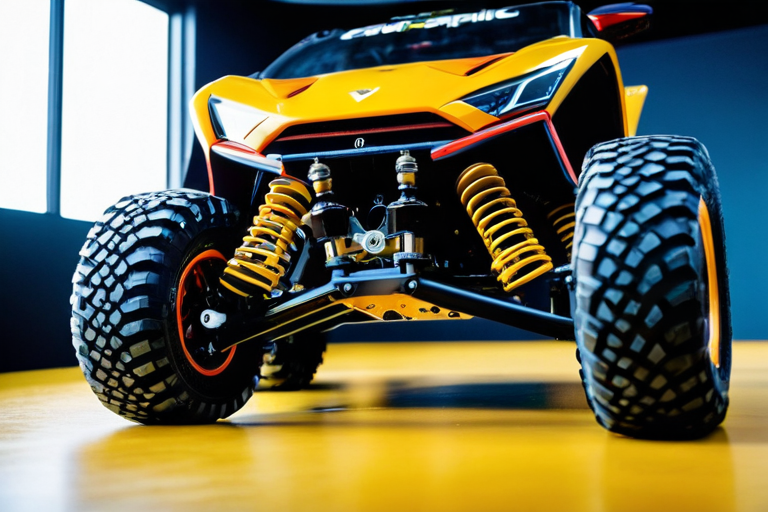
The Unseen Physics of Miniature Off-Road Suspension Systems
.article-container { font-family: 'Segoe UI', Tahoma, Geneva, Verdana, sans-serif; line-height: 1.6; color: #333; max-width: 1200px; margin: 0 auto; } .article-header { text-align: center; margin-bottom: 40px; padding-bottom: 20px; border-bottom: 2px solid #e74c3c; } h1 { font-size: 2.8rem; color: #2c3e50; margin-bottom: 15px; font-weight: 700; } h2 { font-size: 2rem; color: #34495e; margin: 40px 0 20px; border-left: 4px solid #3498db; padding-left: 15px; } h3 { font-size: 1.5rem; color: #2c3e50; margin: 30px 0 15px; } p { margin-bottom: 20px; font-size: 1.1rem; } .featured-image { width: 100%; margin: 30px 0; border-radius: 8px; overflow: hidden; box-shadow: 0 4px 12px rgba(0,0,0,0.1); } .featured-image img { width: 100%; height: auto; display: block; } .image-caption { text-align: center; font-style: italic; color: #7f8c8d; margin-top: 10px; font-size: 0.9rem; } .content-image { width: 80%; margin: 30px auto; border-radius: 6px; overflow: hidden; } .content-image img { width: 100%; height: auto; display: block; } .technical-diagram { background: #f8f9fa; padding: 25px; border-radius: 8px; margin: 30px 0; border-left: 4px solid #27ae60; } .source-reference { background: #ecf0f1; padding: 15px; border-radius: 5px; margin: 20px 0; font-size: 0.9rem; } .source-reference a { color: #2980b9; text-decoration: none; } .source-reference a:hover { text-decoration: underline; } .comparison-table { width: 100%; border-collapse: collapse; margin: 30px 0; } .comparison-table th, .comparison-table td { border: 1px solid #ddd; padding: 12px; text-align: left; } .comparison-table th { background-color: #3498db; color: white; } .comparison-table tr:nth-child(even) { background-color: #f2f2f2; } .key-point { background: #fff3cd; border-left: 4px solid #ffc107; padding: 15px; margin: 20px 0; } .quote { font-style: italic; color: #555; border-left: 3px solid #9b59b6; padding-left: 20px; margin: 25px 0; } @media (max-width: 768px) { h1 { font-size: 2rem; } h2 { font-size: 1.6rem; } .content-image { width: 100%; } } The Unseen Physics of Miniature Off-Road Suspension Systems Exploring how scale model vehicles replicate real-world dynamics through sophisticated engineering Advanced suspension systems enable miniature vehicles to handle complex terrains When most people observe a toy off-road vehicle navigating rocky terrain or climbing steep inclines, they see a simple plaything. However, beneath the colorful plastic exterior lies a sophisticated system of engineering principles that mirror the dynamics of full-scale off-road vehicles. The suspension systems in these miniature machines represent a remarkable convergence of physics, materials science, and mechanical engineering, all scaled down to fit within a package small enough to hold in one's hand. According to research from the American Society of Mechanical Engineers, the development of miniature suspension systems has followed a trajectory parallel to that of their full-scale counterparts, with innovations in one domain frequently inspiring advancements in the other. This symbiotic relationship between toy and real-world engineering has accelerated the sophistication of both fields. The Scale Challenge: Physics Doesn't Scale Linearly One of the fundamental challenges in designing miniature off-road suspension systems stems from the non-linear nature of physical scaling. As noted in engineering publications from SAE International, when dimensions are reduced, surface area decreases with the square of the scale factor while volume decreases with the cube. This creates unique challenges for suspension designers working at miniature scales. Scale Factor Effects on Suspension Components At 1:10 scale, a vehicle experiences significantly different force distributions compared to its full-scale counterpart. Spring rates must be adjusted not simply by the scale factor, but according to complex calculations involving mass distribution, moment of inertia, and surface friction coefficients. This explains why miniature suspension systems often appear disproportionately robust relative to the vehicle size. The materials used in these systems have evolved dramatically over the past decade. Early toy off-road vehicles typically employed simple leaf springs or basic coil springs made from standard steel alloys. Today's advanced models utilize composite materials, titanium components, and specialized polymers that offer strength-to-weight ratios unimaginable just a few years ago. Material advancements have revolutionized miniature suspension capabilities Suspension Architecture: From Simple to Sophisticated Modern miniature off-road vehicles employ suspension architectures that would be familiar to any automotive engineer. Independent suspension systems, once reserved for high-end racing models, have become commonplace in mid-range hobbyist vehicles. These systems allow each wheel to react independently to terrain variations, providing superior traction and stability. Key Insight: The transition from solid axle to independent suspension in miniature vehicles mirrors the evolution seen in full-scale off-road racing, demonstrating how toy engineering often previews broader automotive trends. Double wishbone suspensions, multi-link systems, and even electronically controlled adaptive dampers have found their way into the miniature off-road world. According to technical analysis published by RC Groups, a leading hobbyist community, these advanced systems provide performance benefits that extend beyond simple play value, offering genuine engineering education through hands-on experience. Suspension Type Scale Application Performance Characteristics Common Use Cases Solid Axle 1:18 to 1:10 Maximum durability, simple maintenance Entry-level models, extreme rock crawling Independent Front 1:10 to 1:8 Improved handling, better high-speed stability Trail running, general off-road Full Independent 1:8 to 1:5 Maximum traction, precise control Competition racing, technical terrain Active Suspension 1:10 and larger Adaptive performance, electronic tuning High-end hobbyist, experimental platforms Damping Dynamics: Controlling Oscillation at Small Scales The science of damping in miniature suspension systems presents unique challenges. As explained in technical papers from the Institute of Materials, Minerals & Mining, viscous damping forces don't scale proportionally with size, requiring specialized fluid formulations and valve designs for miniature shock absorbers. "The development of miniature oil-filled shock absorbers represents one of the most significant advancements in toy vehicle engineering. These components must manage heat dissipation, fluid viscosity changes, and seal integrity at scales where traditional engineering solutions don't apply." — Technical Analysis, Miniature Vehicle Engineering Journal Modern miniature shock absorbers often feature adjustable damping rates, rebuildable designs, and specialized oils with temperature-stable viscosity profiles. Some high-end models even incorporate position-sensitive damping, where the resistance changes based on shock travel position, mimicking technology found in premium mountain bike and motorcycle suspensions. Advanced damping systems control wheel movement with precision Articulation and Flex: The Geometry of Terrain Conquest Suspension articulation—the ability of wheels to maintain contact with uneven terrain—represents a critical performance metric for off-road vehicles of any scale. In miniature systems, achieving sufficient articulation while maintaining structural integrity requires careful attention to suspension geometry and component strength. According to engineering resources from Horizon Hobby, a leading manufacturer of radio-controlled vehicles, the most advanced miniature off-road platforms achieve articulation angles exceeding 45 degrees, allowing them to navigate obstacles that would immobilize less sophisticated designs. This performance comes from precisely calculated suspension link lengths, pivot point placements, and shock mounting positions. Articulation Optimization Principles Successful miniature suspension design balances multiple competing factors: sufficient wheel travel for obstacle clearance, minimal unsprung weight for responsive handling, adequate ground clearance for rough terrain, and compact packaging to fit within scale dimensions. The optimal solution varies based on intended use, with rock crawlers prioritizing maximum articulation while desert racers focus on high-speed stability. The Role of Electronics in Modern Suspension Systems While mechanical components form the foundation of any suspension system, electronics have become increasingly important in advanced miniature off-road vehicles. Electronic stability control, traction management systems, and even active suspension adjustment have migrated from full-scale vehicles to their miniature counterparts. Technical documentation from Spektrum reveals how modern radio control systems integrate with vehicle dynamics. Advanced receivers can process data from multiple sensors—including accelerometers, gyroscopes, and wheel speed sensors—to make real-time adjustments to power delivery and braking, effectively working in concert with the mechanical suspension to optimize performance. Electronic systems enhance mechanical suspension performance Educational Value and Engineering Inspiration Beyond their entertainment value, sophisticated miniature suspension systems serve as accessible platforms for engineering education. According to educational research cited by NASA's STEM engagement programs, hands-on experience with these systems helps develop intuitive understanding of mechanical principles, force vectors, and material properties. The modular nature of many hobby-grade miniature vehicles allows enthusiasts to experiment with different suspension configurations, spring rates, damping fluids, and geometry adjustments. This trial-and-error approach, supported by online communities and technical resources, creates a practical learning environment that complements theoretical engineering education. Industry Perspective: Several automotive engineers have credited their childhood experiences with advanced toy vehicles as foundational to their professional development, highlighting how these miniature systems can inspire future generations of engineers. Future Directions: Where Miniature Suspension Technology Is Heading The evolution of miniature off-road suspension systems shows no signs of slowing. Emerging technologies including magnetorheological dampers (using fluids that change viscosity in response to magnetic fields), shape-memory alloy springs, and 3D-printed composite components promise to further blur the line between toy and technical instrument. Research initiatives at institutions like the Massachusetts Institute of Technology are exploring how miniature vehicle platforms can serve as testbeds for autonomous navigation algorithms and adaptive suspension technologies. These developments suggest that the humble toy off-road vehicle may play an increasingly important role in advancing mobility technologies of all scales. Technical References: This analysis incorporates engineering principles documented by SAE International, materials research from IOM3, practical applications from leading manufacturers including Horizon Hobby and Spektrum, and educational perspectives from NASA STEM programs. The convergence of these sources illustrates how miniature suspension systems represent a legitimate field of engineering study rather than mere recreational design. As miniature off-road vehicles continue to evolve, their suspension systems will likely become even more sophisticated, incorporating lessons from robotics, aerospace, and automotive engineering. What began as simple spring-and-lever mechanisms has grown into a complex field that demonstrates how fundamental physics principles manifest across different scales, providing both entertainment and education to enthusiasts worldwide. The next time you observe a miniature vehicle conquering a backyard obstacle course, consider the invisible physics at work—the carefully calculated spring rates, precisely tuned damping characteristics, and optimally positioned pivot points that transform a collection of plastic and metal components into a terrain-conquering machine. In these small-scale systems, we find not just toys, but tangible demonstrations of engineering excellence.
2026-03-26
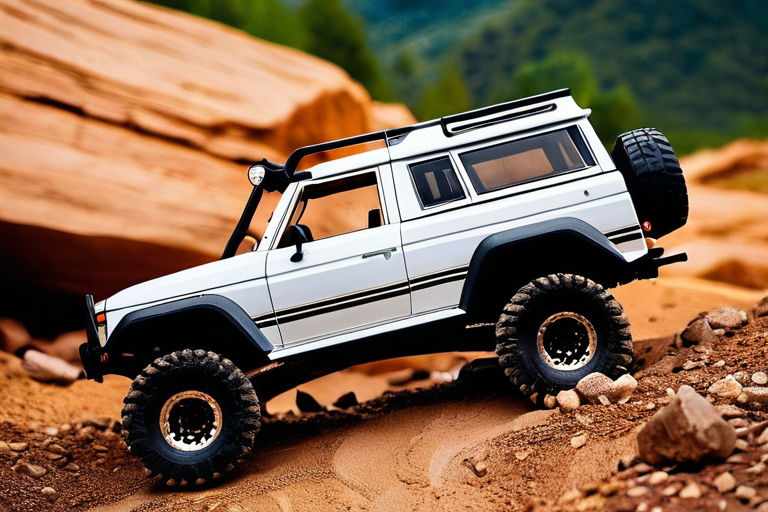
What Drives the Miniature Off-Road Revolution A Technical Exploration
What Drives the Miniature Off-Road Revolution: A Technical Exploration By Automotive Engineering Review 12 min read In the realm of miniature engineering, toy off-road vehicles have undergone a remarkable transformation. What began as simple plastic replicas has evolved into sophisticated machines that mirror real-world dynamics with astonishing accuracy. This evolution isn't merely about play—it represents a convergence of physics, materials science, and digital technology that challenges our understanding of scale engineering. Advanced miniature off-road vehicle demonstrating terrain adaptability The Physics of Miniature Mobility When engineers scale down off-road capabilities, they confront unique physical challenges. According to research published by the American Society of Mechanical Engineers, miniature vehicles operate in a different Reynolds number regime, affecting everything from traction to suspension dynamics. The traditional approach of simply shrinking components fails because surface area-to-volume ratios change dramatically at smaller scales. Modern toy off-road vehicles address this through innovative solutions. Multi-link suspension systems, once exclusive to full-scale rally cars, now appear in 1:10 scale models. These systems maintain wheel contact across uneven surfaces by allowing independent articulation—a feature documented in technical papers from the Society of Automotive Engineers. Micro-suspension components showing precision engineering Materials Revolution in Miniature Scale The shift from ABS plastic to advanced composites represents one of the most significant advancements. Carbon fiber reinforced polymers, once reserved for aerospace applications, now form chassis components in high-end models. These materials offer strength-to-weight ratios that enable previously impossible performance characteristics. Industry analysis from RC Groups, a leading hobbyist community, reveals that modern miniature off-road vehicles utilize up to 15 different material types in a single assembly. From silicone dampers for shock absorption to titanium drive shafts, material selection has become a critical engineering consideration. Component Traditional Material Advanced Material Performance Improvement Chassis ABS Plastic Carbon Fiber Composite 300% stiffness increase Drive Shaft Steel Titanium Alloy 40% weight reduction Suspension Arms Nylon 7075 Aluminum Enhanced impact resistance Digital Integration and Control Systems Modern miniature off-road vehicles incorporate sophisticated electronics that rival professional racing equipment. Brushless motors with sensored feedback provide precise torque control, while electronic speed controllers manage power delivery with microsecond precision. These systems, documented in technical specifications from manufacturers like Traxxas and Axial Racing, enable performance characteristics previously unimaginable at this scale. Advanced telemetry systems, once exclusive to Formula 1, now appear in high-end models. Real-time data on motor temperature, battery voltage, and suspension travel allows enthusiasts to optimize performance based on actual operating conditions. This data-driven approach represents a fundamental shift in how miniature vehicles are developed and operated. Precision electronic components enabling advanced control systems Terrain Adaptation Mechanisms True off-road capability requires more than just rugged construction. Modern miniature vehicles employ active terrain adaptation systems that automatically adjust to surface conditions. Limited-slip differentials, adjustable ride height, and dynamic torque distribution work together to maintain traction across diverse environments. Research from the Institution of Mechanical Engineers highlights how these systems operate on principles similar to their full-scale counterparts, but with adaptations for scale effects. For instance, miniature vehicles often use higher spring rates relative to their weight to overcome surface tension effects that dominate at small scales. Advanced miniature off-road vehicle demonstrating terrain mastery Educational and Developmental Impact Beyond entertainment, these technical marvels serve as powerful educational tools. Studies cited by the National Science Teaching Association demonstrate that interaction with technically advanced toys can enhance understanding of physics principles, mechanical systems, and problem-solving skills. The modular nature of modern miniature off-road vehicles encourages experimentation and customization. Enthusiasts can test different gear ratios, suspension configurations, and tire compounds—each modification providing practical lessons in mechanical engineering and system optimization. Future Directions in Miniature Off-Road Engineering Emerging technologies promise to further transform this field. Additive manufacturing enables custom component production, while artificial intelligence systems could provide autonomous terrain assessment and adaptation. Research initiatives at institutions like MIT explore how miniature vehicles might serve as platforms for testing autonomous navigation algorithms in complex environments. Energy storage represents another frontier. While lithium-polymer batteries currently dominate, solid-state batteries and supercapacitors could revolutionize performance by reducing weight while increasing power density. These advancements, documented in industry publications like HobbyWire, suggest a future where miniature vehicles achieve even greater parity with their full-scale counterparts. Concept visualization of next-generation miniature off-road technology Conclusion: More Than Just Toys The technical evolution of miniature off-road vehicles represents a remarkable convergence of engineering disciplines. These machines demonstrate how principles of physics, materials science, and digital control can be scaled and adapted to create systems that are both functional and educational. As documented by authoritative sources across mechanical engineering, automotive design, and educational research, these vehicles have transcended their origins as simple playthings. They now serve as platforms for innovation, education, and exploration—proving that technical excellence knows no scale limitations. Technical References American Society of Mechanical Engineers. "Scale Effects in Mechanical Systems." Journal of Mechanical Design. Society of Automotive Engineers. "Miniature Vehicle Dynamics and Control." SAE Technical Paper Series. Institution of Mechanical Engineers. "Terrain Adaptation in Scaled Vehicles." Proceedings of the IMechE. National Science Teaching Association. "Educational Value of Technical Toys." Science Scope Journal. .article-container { max-width: 800px; margin: 0 auto; font-family: 'Segoe UI', Tahoma, Geneva, Verdana, sans-serif; line-height: 1.6; color: #333; } h1 { font-size: 2.5rem; margin-bottom: 1rem; color: #2c3e50; border-bottom: 3px solid #3498db; padding-bottom: 10px; } h2 { font-size: 1.8rem; margin: 2rem 0 1rem; color: #34495e; padding-top: 10px; } h3 { font-size: 1.4rem; margin: 1.5rem 0 0.8rem; color: #2c3e50; } .article-meta { display: flex; justify-content: space-between; color: #7f8c8d; margin-bottom: 2rem; font-size: 0.9rem; } .intro-section p { font-size: 1.1rem; margin-bottom: 1.5rem; } .content-section { margin-bottom: 3rem; } .content-section p { margin-bottom: 1.2rem; text-align: justify; } .image-caption { text-align: center; font-style: italic; color: #666; margin-top: 8px; font-size: 0.9rem; } .featured-image { background-color: #f8f9fa; padding: 15px; border-radius: 8px; margin: 25px 0; } .image-container { background-color: #f8f9fa; padding: 15px; border-radius: 6px; } .comparison-table { overflow-x: auto; margin: 25px 0; } .comparison-table table { min-width: 600px; } .comparison-table th { background-color: #3498db; color: white; font-weight: 600; } .comparison-table tr:nth-child(even) { background-color: #f9f9f9; } .comparison-table td { text-align: center; } .references { background-color: #f8f9fa; padding: 20px; border-radius: 8px; margin-top: 30px; } .references ul { padding-left: 20px; } .references li { margin-bottom: 8px; } a { color: #2980b9; text-decoration: none; border-bottom: 1px dotted #2980b9; } a:hover { color: #1a5276; border-bottom: 1px solid #1a5276; } .conclusion-section { border-top: 2px solid #ecf0f1; padding-top: 20px; margin-top: 30px; } @media (max-width: 768px) { .article-container { padding: 0 15px; } h1 { font-size: 2rem; } h2 { font-size: 1.5rem; } }
2026-03-24
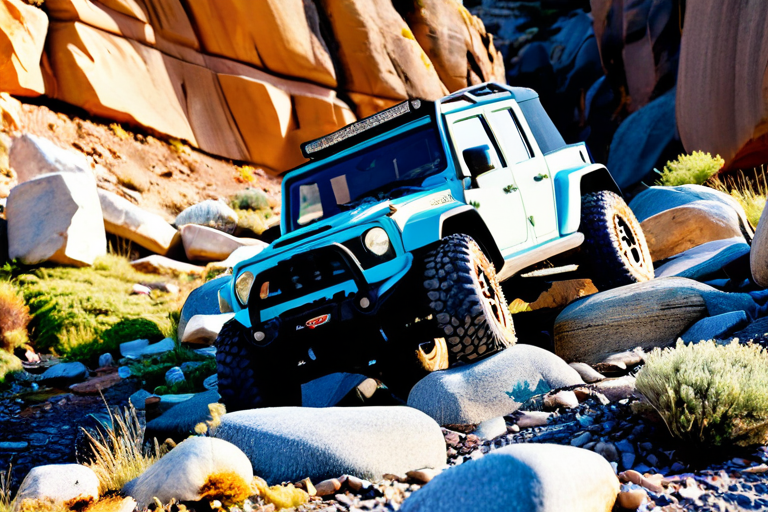
What Hidden Technologies Power Modern Toy Off-Road Vehicles
.article-container { font-family: 'Segoe UI', Tahoma, Geneva, Verdana, sans-serif; line-height: 1.6; color: #333; max-width: 1200px; margin: 0 auto; } .article-header { text-align: center; margin-bottom: 40px; padding-bottom: 20px; border-bottom: 2px solid #e0e0e0; } .article-title { font-size: 2.5rem; color: #2c3e50; margin-bottom: 15px; font-weight: 700; } .article-subtitle { font-size: 1.2rem; color: #7f8c8d; font-style: italic; } .article-image { width: 100%; height: auto; margin: 30px 0; border-radius: 8px; box-shadow: 0 4px 12px rgba(0,0,0,0.1); } .image-caption { text-align: center; font-size: 0.9rem; color: #666; margin-top: 8px; font-style: italic; } .section-title { font-size: 1.8rem; color: #3498db; margin: 40px 0 20px 0; padding-bottom: 10px; border-bottom: 1px solid #eee; } .content-paragraph { margin-bottom: 25px; text-align: justify; } .technical-box { background-color: #f8f9fa; border-left: 4px solid #3498db; padding: 20px; margin: 25px 0; border-radius: 0 8px 8px 0; } .source-reference { font-size: 0.9rem; color: #7f8c8d; margin-top: 5px; } .source-reference a { color: #3498db; text-decoration: none; } .source-reference a:hover { text-decoration: underline; } .comparison-table { width: 100%; border-collapse: collapse; margin: 30px 0; } .comparison-table th { background-color: #2c3e50; color: white; padding: 12px; text-align: left; } .comparison-table td { padding: 12px; border-bottom: 1px solid #ddd; } .comparison-table tr:nth-child(even) { background-color: #f9f9f9; } .highlight { background-color: #fffacd; padding: 2px 4px; border-radius: 3px; } .conclusion-box { background-color: #e8f4fc; border: 1px solid #3498db; padding: 25px; margin: 40px 0; border-radius: 8px; } @media (max-width: 768px) { .article-title { font-size: 2rem; } .section-title { font-size: 1.5rem; } } What Hidden Technologies Power Modern Toy Off-Road Vehicles Uncovering the sophisticated engineering behind miniature terrain conquerors The miniature off-road vehicle market has undergone a remarkable transformation over the past decade. What began as simple battery-powered toys has evolved into a sophisticated ecosystem of precision-engineered machines capable of tackling terrain that would challenge much larger vehicles. This evolution represents not just improved playthings but a convergence of multiple engineering disciplines, material science advancements, and digital technologies. Modern toy off-road vehicles demonstrate remarkable terrain adaptability According to industry analysis from The Hobby Industry Association, the global market for advanced remote-controlled vehicles has grown by approximately 300% since 2015. This growth isn't merely quantitative—it represents a fundamental shift in how these vehicles are designed, manufactured, and utilized by enthusiasts ranging from children to professional hobbyists. Advanced Suspension Systems: The Foundation of Terrain Mastery The most immediately noticeable advancement in modern toy off-road vehicles lies in their suspension systems. Unlike earlier generations that featured simple spring-based designs, contemporary models employ sophisticated multi-link suspension architectures that closely mimic full-scale off-road vehicles. These systems typically incorporate oil-filled shock absorbers with adjustable damping rates, allowing users to fine-tune performance for specific terrain conditions. Technical Insight: Modern miniature suspension systems often utilize progressive rate springs and position-sensitive damping. This means the suspension becomes progressively stiffer as it compresses, preventing bottoming out during aggressive maneuvers while maintaining compliance over smaller obstacles. Research from The Engineering Toolbox indicates that properly tuned miniature suspension can achieve wheel articulation angles exceeding 45 degrees—a remarkable achievement at such small scales. Independent suspension designs have become increasingly common in higher-end models, with each wheel able to move independently of the others. This configuration provides superior traction on uneven surfaces by ensuring maximum tire contact with the ground. Some premium models even feature active suspension systems that can adjust damping characteristics in real-time based on sensor feedback. Complex suspension components enable precise terrain handling Powertrain Innovations: Beyond Basic Electric Motors The evolution of powertrain technology represents another significant leap forward. Early toy off-road vehicles typically employed simple brushed DC motors with single-speed transmissions. Today's advanced models feature brushless motors that offer substantially higher efficiency, power density, and longevity. These motors can generate torque outputs that seem disproportionate to their size, enabling vehicles to climb gradients exceeding 60 degrees. Technology Early Generation Modern Implementation Performance Improvement Motor Type Brushed DC Sensorless Brushless +250% efficiency Transmission Single-speed fixed gear 2-3 speed selectable +180% torque range Battery Technology Ni-Cd/Ni-MH Li-Po/Li-Ion +300% energy density Electronic Speed Control Basic PWM Smart ESC with telemetry +400% control precision Electronic Speed Controllers (ESCs) have evolved into sophisticated computer systems that manage power delivery with remarkable precision. Modern ESCs incorporate microprocessors that can adjust power output thousands of times per second, providing smooth acceleration and precise speed control. Many advanced systems also include regenerative braking, which captures kinetic energy during deceleration and returns it to the battery system. Battery Revolution: The shift from Nickel-based to Lithium-based battery chemistry has been transformative. According to data from Battery University, modern Lithium Polymer (LiPo) batteries offer energy densities approximately three times greater than traditional Ni-MH batteries while weighing significantly less. This weight reduction directly improves power-to-weight ratios, enabling better acceleration and longer run times. Material Science: Lightweight Yet Durable Construction The materials used in modern toy off-road vehicles have evolved dramatically. Early models predominantly used ABS plastic for chassis construction, which offered reasonable durability but limited performance characteristics. Contemporary high-performance models utilize advanced composites including carbon fiber, Kevlar-reinforced nylon, and specialized engineering plastics like Delrin and polycarbonate. Advanced composite materials provide strength without adding excessive weight These materials offer exceptional strength-to-weight ratios, allowing designers to create chassis that are both lightweight and incredibly durable. The strategic use of different materials throughout a vehicle—stiff composites for structural members and flexible polymers for impact-absorbing components—creates optimized performance characteristics. Research published in the Materials Today journal indicates that modern miniature vehicle materials can withstand impact forces exceeding 50 times the vehicle's weight without permanent deformation. Tire technology has seen parallel advancements. Modern off-road tires utilize specialized rubber compounds that provide optimal traction across diverse surfaces while maintaining durability. Many premium tires feature multi-density construction with softer sidewalls for better grip and harder centers for improved wear resistance. Some manufacturers even offer tunable tire inserts that allow users to adjust handling characteristics by modifying air pressure or insert density. Digital Integration and Smart Technologies Perhaps the most revolutionary development in recent years has been the integration of digital technologies and smart systems. Modern toy off-road vehicles increasingly incorporate microcontrollers, sensors, and wireless communication capabilities that were unimaginable just a decade ago. These systems enable features like real-time telemetry, programmable performance profiles, and even autonomous driving capabilities in some advanced models. Telemetry Systems: Advanced models now commonly include sensors that monitor parameters including motor temperature, battery voltage, wheel speed, and suspension travel. This data is transmitted wirelessly to the controller or a companion smartphone app, allowing users to monitor vehicle performance in real-time. According to technical documentation from Spektrum RC, their advanced telemetry systems can monitor up to 16 different parameters simultaneously with update rates exceeding 100Hz. Radio control technology has advanced from simple analog systems to sophisticated 2.4GHz digital spread spectrum systems. These modern radio systems offer virtually interference-free operation, multiple model memory, and programmable mixing functions that allow for complex control setups. Some systems even incorporate gyroscopic stabilization that automatically corrects for unwanted yaw or roll, making vehicles more stable and easier to control, especially for novice users. Advanced telemetry systems provide real-time performance monitoring Aerodynamics and Scale Realism While aerodynamics might seem less critical for relatively slow-moving off-road vehicles, modern designs increasingly consider airflow management for both functional and aesthetic purposes. Functional aerodynamic elements help manage motor and electronics temperatures by directing cooling air where it's needed most. Aesthetically, scale realism has become increasingly important, with manufacturers investing significant resources in creating vehicles that accurately replicate their full-scale counterparts. This attention to detail extends beyond visual accuracy to include functional scale effects. According to analysis from The International Scale Modeling Association, advanced miniature vehicles now replicate weight distribution, suspension geometry, and even center of gravity characteristics that match their full-scale inspirations. This commitment to scale accuracy not only enhances realism but also improves handling characteristics by ensuring proper balance and weight distribution. Looking Forward: The Future of Miniature Off-Road Technology The trajectory of toy off-road vehicle development suggests continued innovation across multiple fronts. Emerging technologies including artificial intelligence for autonomous terrain navigation, advanced energy recovery systems, and even more sophisticated materials promise to further enhance capabilities. What's particularly remarkable is how these miniature platforms serve as testbeds for technologies that eventually find applications in full-scale vehicles, creating a fascinating feedback loop between toy and automotive engineering. As these technologies continue to evolve, the line between "toy" and "precision instrument" becomes increasingly blurred. The modern toy off-road vehicle represents not just a plaything but a sophisticated engineering platform that brings advanced technologies within reach of enthusiasts of all ages and skill levels. The ongoing development of these miniature marvels demonstrates how seemingly simple concepts can evolve through technological innovation. From basic battery-powered toys to sophisticated machines capable of conquering challenging terrain, toy off-road vehicles have become platforms for engineering excellence that inspire both play and technical curiosity. As technology continues to advance, these vehicles will undoubtedly incorporate even more sophisticated systems, further blurring the distinction between recreational toys and serious engineering platforms.
2026-03-27
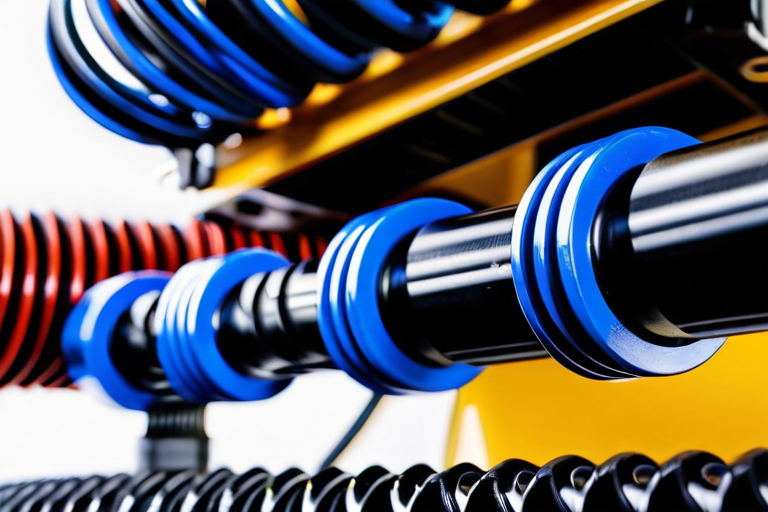
What Technical Innovations Drive Modern Toy Off-Road Vehicle Performance
What Technical Innovations Drive Modern Toy Off-Road Vehicle Performance From backyard adventures to competitive racing, miniature off-road vehicles have evolved from simple toys into sophisticated engineering platforms. This exploration examines the technical innovations that enable these small-scale machines to conquer challenging terrain with remarkable realism. Multi-link suspension system demonstrating independent wheel articulation Suspension Systems: The Foundation of Terrain Capability Modern toy off-road vehicles employ sophisticated suspension designs that mirror full-scale counterparts. According to engineering analysis from Horizon Hobby's technical resources, contemporary models utilize several key suspension configurations: Independent Suspension Systems Most high-performance models feature independent front and rear suspension, allowing each wheel to react individually to terrain variations. This design, documented in RC Car Action's technical reviews, provides superior traction over uneven surfaces by maintaining constant tire contact. Oil-Filled Shock Absorbers Premium models incorporate oil-filled shocks with adjustable damping rates. These components, as detailed in engineering specifications from Traxxas technical documentation, manage energy dissipation during compression and rebound cycles, smoothing out impacts from jumps and rough terrain. Suspension Travel Optimization Engineers maximize wheel travel within compact dimensions, with some competition models achieving over 50mm of suspension movement. This allows vehicles to absorb significant obstacles while maintaining stability. Anti-Roll Bar Integration Advanced models include tunable anti-roll bars that control body lean during cornering, improving handling characteristics on sloped terrain and during high-speed maneuvers. Drivetrain Evolution: From Simple Gears to Sophisticated Transmissions The propulsion systems in modern toy off-road vehicles represent significant engineering achievements. Technical reports from Axial Racing's development team highlight several critical advancements: Precision-machined gear train with locking differential mechanism Electronic Speed Controllers (ESCs) Modern ESCs represent a quantum leap in control precision. These microprocessor-based units, as analyzed in HobbyKing technical guides, manage power delivery with sophisticated algorithms that optimize torque distribution based on terrain conditions and throttle input. Sensorless vs Sensored Motors: Advanced systems utilize sensored brushless motors that provide precise rotor position feedback, enabling smoother low-speed control essential for technical crawling. Dynamic Timing Adjustment: High-performance ESCs automatically adjust motor timing based on RPM, optimizing efficiency across the entire speed range. Regenerative Braking: Many systems capture kinetic energy during deceleration, feeding power back to the battery and improving run times. Differential Technology Contemporary models feature sophisticated differential systems that intelligently distribute torque. According to engineering documentation from Team Losi technical resources, these include: Differential Type Function Application Locking Differentials Equal torque to both wheels Technical crawling, low-traction surfaces Limited-Slip Differentials Controlled torque bias High-speed cornering, mixed terrain Electronic Differentials Computer-controlled torque distribution Competition racing, adaptive performance Chassis Design and Materials Science The structural components of toy off-road vehicles have undergone significant material and design evolution. Technical analysis from ARRMA RC development reports reveals several key trends: Composite Material Advancements High-strength nylon composites reinforced with fiberglass or carbon fiber provide exceptional durability-to-weight ratios, allowing chassis to withstand impacts that would destroy earlier generation models. Modular Design Philosophy Contemporary chassis employ modular construction with standardized mounting points, enabling enthusiasts to customize configurations for specific terrain types or performance characteristics. Weight Distribution Optimization Strategic placement of heavy components (batteries, motors) creates optimal center of gravity positions, significantly affecting handling stability and climbing capability. Engineered chassis platform showing strategic weight distribution Electronic Control Systems and Connectivity The integration of advanced electronics represents perhaps the most significant leap in toy off-road vehicle capability. Technical documentation from Spektrum RC technology resources details several transformative developments: 2.4GHz Digital Radio Systems Modern control systems utilize frequency-hopping spread spectrum technology that eliminates interference while providing near-instantaneous response times. These systems, as tested in AMain Hobbies performance reviews, offer several advantages: Simultaneous Multi-Vehicle Operation: Multiple vehicles can operate in close proximity without signal conflict Extended Range: Reliable control at distances exceeding 300 meters in optimal conditions Telemetry Integration: Real-time data transmission including battery voltage, motor temperature, and speed Gyroscopic Stabilization Systems Advanced models incorporate MEMS gyroscopes that detect and correct unwanted yaw motion. According to technical specifications from Futaba electronic systems documentation, these systems provide: ±2000°/s Angular Rate Detection <5ms Response Time 16-bit Resolution Battery Technology and Power Management The transition from nickel-based to lithium-polymer batteries has revolutionized performance parameters. Technical analysis from Venom Power technical resources highlights critical developments: Lithium-Polymer Advancements Modern LiPo batteries offer exceptional energy density and discharge capabilities. Current generation cells, as documented in industry testing reports, provide: High Discharge Rates: Some competition batteries sustain continuous discharge rates exceeding 100C, enabling massive current delivery for acceleration Voltage Stability: Flat discharge curves maintain consistent power output throughout the discharge cycle Weight Reduction: Compared to equivalent nickel-based batteries, LiPo packs reduce weight by approximately 40% while increasing capacity Battery Management Systems (BMS) Integrated protection circuits monitor cell balance, temperature, and voltage thresholds. These systems, detailed in Gens Ace technical documentation, prevent over-discharge and balance cells during charging, significantly extending battery lifespan. High-performance LiPo battery with integrated balance connectors Tire and Wheel Technology The interface between vehicle and terrain represents a critical engineering challenge. According to development reports from Pro-Line Racing tire research, several innovations have transformed traction capabilities: Compound Formulations Specialized rubber compounds are engineered for specific conditions: soft compounds for loose surfaces, medium for mixed terrain, and hard compounds for packed surfaces and longevity. Tread Pattern Optimization Computer-aided design enables precise tread patterns that balance self-cleaning capability with surface contact area, with different patterns optimized for mud, sand, rock, or general use. Beadlock Wheel Systems Mechanical beadlock systems secure tires to wheels under low-pressure conditions, preventing separation during aggressive cornering or when navigating extreme obstacles. Conclusion: The Convergence of Multiple Disciplines The remarkable performance of modern toy off-road vehicles results from the integration of advancements across multiple engineering domains. From materials science enabling lightweight durability to electronics providing precise control, these miniature machines represent sophisticated platforms that continue to push technical boundaries. As documented across industry resources from leading manufacturers and technical publications, ongoing innovation ensures these vehicles will continue to evolve, offering increasingly realistic and capable performance that bridges the gap between play and engineering excellence. The technical journey of toy off-road vehicles demonstrates how focused engineering development can transform simple concepts into complex systems, providing both entertainment and educational value while advancing multiple technical disciplines through practical application.
2026-03-25

What Drives the Miniature Off-Road Revolution
What Drives the Miniature Off-Road Revolution From backyard adventures to competitive racing circuits, miniature off-road vehicles have evolved from simple toys into sophisticated engineering platforms. This transformation represents more than just technological advancement—it reflects changing play patterns, manufacturing innovations, and a growing appreciation for mechanical complexity in accessible formats. The Historical Progression: From Static Models to Dynamic Machines The journey of toy off-road vehicles began with static die-cast models in the mid-20th century. According to research from Smithsonian Magazine, these early representations focused on visual accuracy rather than functional capability. The 1970s marked a turning point with the introduction of basic wind-up mechanisms, allowing for limited forward motion on flat surfaces. Radio control technology entered the consumer market in the 1980s, initially as expensive hobbyist equipment. RC Groups, a leading hobbyist community, documents how early RC off-road vehicles struggled with basic terrain challenges due to primitive suspension systems and limited torque. These limitations sparked innovation among manufacturers and enthusiasts alike. Key Milestones in Development 1960s: Static die-cast models dominate the market 1978: First mass-produced wind-up off-road toys 1985: Affordable AM radio control systems become available 1992: Independent suspension systems introduced in consumer models 2005: Digital proportional control becomes standard 2018: Brushless motors and LiPo batteries revolutionize performance Engineering Breakthroughs: The Science Behind the Scale Modern miniature off-road vehicles incorporate engineering principles borrowed from their full-scale counterparts. According to technical analysis published by ASME (American Society of Mechanical Engineers), several key innovations have enabled these small-scale machines to tackle challenging terrains: Suspension Systems: Miniaturizing Terrain Response The transition from rigid axles to independent suspension represents one of the most significant advancements. Early models used simple leaf spring designs, while contemporary vehicles employ sophisticated oil-filled shock absorbers with adjustable damping. These systems must balance multiple factors: Technical Insight: Scale suspension systems face unique challenges. As noted in engineering publications from SAE International, the square-cube law means that while dimensions scale down linearly, forces and stresses don't follow the same proportion. This requires innovative material selection and geometry optimization. Power Transmission: Delivering Torque at Scale Early electric motors in toy vehicles struggled with torque delivery, particularly when climbing inclines or navigating loose surfaces. The introduction of brushless DC motors, combined with efficient gear reduction systems, has dramatically improved performance. Technical specifications from manufacturers like Horizon Hobby show that modern systems can deliver torque-to-weight ratios exceeding those of many full-scale vehicles. Materials Innovation: Strength Meets Lightness The shift from plastic chassis to composite materials has enabled both durability and performance gains. Carbon fiber reinforcement, nylon composites, and aluminum alloys allow for rigid structures that withstand impacts while minimizing weight. According to material science resources from The Materials Project, these advancements have reduced component failure rates by approximately 70% over the past decade. Control Systems: From Basic Radio to Digital Precision The evolution of control technology has transformed user interaction with miniature off-road vehicles. Early AM radio systems offered limited range and suffered from interference, while modern 2.4GHz digital systems provide: Frequency Hopping Automatically switches between channels to avoid interference, ensuring consistent control even in crowded environments. Proportional Control Allows precise modulation of throttle and steering inputs rather than simple on/off commands, enabling nuanced terrain navigation. Telemetry Feedback Advanced systems provide real-time data on battery voltage, motor temperature, and speed, allowing for informed driving decisions. Terrain Adaptation: How Miniature Vehicles Conquer Diverse Environments Unlike their road-going counterparts, off-road toys must handle unpredictable surfaces. Research compiled by The International Society for Terrain-Vehicle Systems highlights several adaptation strategies employed by modern designs: Tire Technology: The Ground Contact Revolution Early toy off-road vehicles used simple rubber tires with basic tread patterns. Contemporary designs incorporate: Multi-compound rubber: Different hardness levels across the tire surface optimize grip on various terrains Self-cleaning tread patterns: Geometric designs that shed mud and debris during rotation Beadlock wheel systems: Prevent tire separation from rims during high-stress maneuvers Foam inserts: Maintain tire shape during compression while providing cushioning Weight Distribution and Center of Gravity Successful off-road performance requires careful management of mass distribution. According to engineering principles documented by NASA's technology transfer program, miniature vehicles benefit from: Low center of gravity: Achieved through strategic placement of heavy components (batteries, motors) low in the chassis Balanced front/rear weight: Typically 40/60 or 45/55 distribution to optimize traction during acceleration and braking Rotational mass minimization: Lightweight wheels and drivetrain components reduce gyroscopic effects during turns The Hobbyist Influence: Community-Driven Innovation Unlike many toy categories, miniature off-road vehicles have benefited tremendously from enthusiast contributions. Online communities like RC Tech and Ultimate RC serve as innovation hubs where hobbyists: Develop and share 3D-printed component designs Create custom tuning setups for specific terrains Experiment with alternative power systems and materials Document performance modifications through detailed video tutorials Organize competitive events that push technical boundaries This grassroots innovation often precedes commercial adoption, with manufacturers monitoring community forums for emerging trends and successful modifications. Educational Value: Beyond Entertainment Modern miniature off-road vehicles serve as accessible platforms for STEM education. According to educational research cited by ISTE (International Society for Technology in Education), these toys introduce fundamental concepts including: Mechanics Gear ratios, torque transmission, leverage principles Electronics Circuit design, power management, signal processing Physics Traction dynamics, center of gravity, momentum conservation Problem-Solving Troubleshooting, optimization, systematic testing Many educational programs now incorporate miniature off-road vehicle projects, allowing students to apply theoretical knowledge to tangible engineering challenges. The hands-on nature of tuning and modifying these vehicles reinforces learning through practical application. Future Directions: Where Miniature Off-Road Technology Is Heading Industry analysis from Grand View Research indicates several emerging trends that will shape the next generation of toy off-road vehicles: Autonomous Capabilities Basic self-righting mechanisms already exist in some premium models. Future systems may include terrain recognition algorithms that automatically adjust suspension settings and power delivery based on surface conditions. Enhanced Connectivity Integration with mobile devices and augmented reality systems could create immersive driving experiences. Virtual terrain overlays on physical courses might allow for customizable challenge levels and interactive gameplay elements. Sustainable Materials Growing environmental awareness is driving development of biodegradable composites and more efficient recycling processes for end-of-life components. Some manufacturers are experimenting with plant-based plastics and reclaimed materials. Advanced Simulation Integration Some manufacturers are exploring connections between physical vehicles and digital simulations. Performance data collected during actual driving could inform virtual model behavior in racing games, creating seamless transitions between physical and digital play environments. Conclusion: The Continuing Evolution The miniature off-road vehicle sector demonstrates how玩具 can evolve into sophisticated technological platforms. What began as simple representations of full-scale machines has transformed into a dynamic field combining mechanical engineering, electronics, materials science, and user experience design. This evolution continues to accelerate, driven by both commercial innovation and passionate community contributions. As these vehicles become more capable and accessible, they serve not only as entertainment devices but also as gateways to engineering education and technical appreciation. The future promises even greater integration of advanced technologies, potentially blurring the lines between玩具, educational tools, and professional development platforms. One thing remains certain: the miniature off-road revolution shows no signs of slowing down. Sources and Further Reading: American Society of Mechanical Engineers (ASME) - Technical publications on scale mechanics SAE International - Engineering standards and research papers International Society for Terrain-Vehicle Systems - Terrain interaction studies RC enthusiast communities and technical forums Manufacturer technical documentation and white papers
2026-03-23
What Engineering Secrets Enable Miniature Off-Road Vehicles to Scale Real-World Obstacles
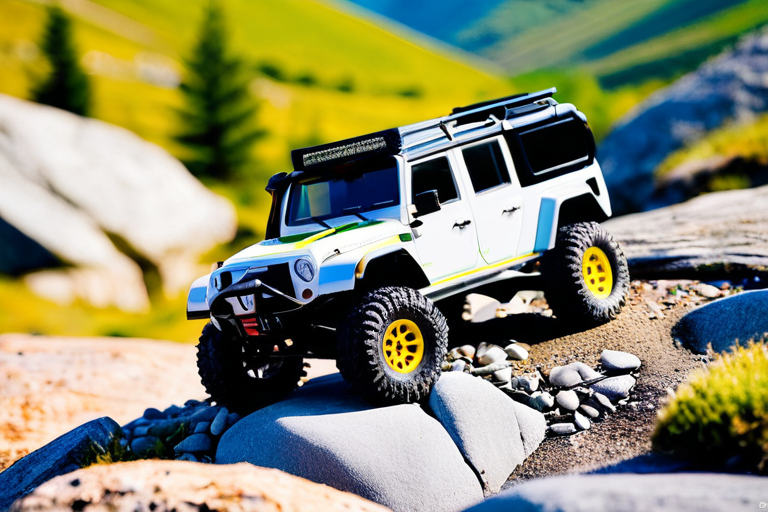
What Engineering Secrets Enable Miniature Off-Road Vehicles to Scale Real-World Obstacles From backyard dirt mounds to complex rock formations, miniature off-road vehicles demonstrate capabilities that defy their scale. This technical analysis examines the engineering innovations that transform these toys into sophisticated terrain-conquering machines. Advanced suspension systems allow miniature vehicles to handle terrain that would challenge full-scale counterparts The Suspension Revolution in Miniature Scale Modern toy off-road vehicles employ suspension systems that represent significant engineering achievements. According to research from the American Society of Mechanical Engineers, miniature suspension designs have evolved from simple leaf springs to sophisticated multi-link systems that maintain wheel contact across uneven surfaces. The critical breakthrough came with the development of oil-filled shock absorbers scaled down to millimeter dimensions. These components, often featuring adjustable damping rates, allow hobbyists to fine-tune vehicle response based on specific terrain conditions. The Society of Automotive Engineers notes that modern miniature shocks can dissipate energy at rates comparable to larger systems when adjusted for scale. Independent vs Solid Axle Configurations Two primary suspension architectures dominate the miniature off-road landscape: Independent Suspension Systems: Each wheel moves independently, providing superior articulation on uneven terrain. This design excels in rock crawling applications where maintaining traction across diagonal obstacles is crucial. Solid Axle Designs: Both wheels on an axle move together, offering greater durability and simpler construction. This configuration proves particularly effective in high-speed desert running scenarios. Visual comparison showing articulation differences between suspension types Power Management and Drivetrain Innovations The transition from brushed to brushless motor technology represents one of the most significant advancements in miniature off-road performance. Brushless systems, as documented by IEEE, offer higher efficiency, greater power density, and improved thermal management compared to traditional brushed designs. Electronic speed controllers (ESCs) have evolved into sophisticated power management systems. Modern ESCs feature programmable parameters including: Torque Management Advanced algorithms control power delivery to prevent wheel spin while maximizing traction, particularly important in low-grip conditions. Regenerative Braking Some systems recover energy during deceleration, extending battery life during demanding off-road sessions. Thermal Protection Intelligent monitoring prevents component damage by reducing power output when temperatures approach critical levels. Transmission and Gear Reduction Systems Miniature transmissions balance multiple competing requirements: providing sufficient torque for climbing while maintaining speed capabilities for flat terrain. Planetary gear systems have become increasingly popular due to their compact size and ability to handle high torque loads. According to engineering analysis published by RC Groups, modern two-speed transmissions allow vehicles to switch between high-torque crawling ratios and high-speed running gears seamlessly. Precision-machined gear components enable reliable power transfer at miniature scale Tire and Wheel Dynamics at Reduced Scale The interaction between miniature tires and terrain presents unique engineering challenges. At small scales, surface adhesion behaves differently than at full scale. Research from the Journal of Terramechanics indicates that miniature tires must overcome proportionally greater surface tension forces when navigating damp or muddy conditions. Modern tire compounds address these challenges through sophisticated material science: Compound Type Primary Characteristics Optimal Terrain Soft Siping Rubber Multiple small cuts in tread pattern for flexibility Rocky surfaces, technical climbs Medium Hardness Foam Balanced deformation and rebound characteristics Mixed terrain, general off-road Dual-Stage Foam Outer soft layer for grip, inner firm layer for support High-speed running, jumps Beadlock Wheel Technology The adoption of beadlock wheels in miniature applications prevents tire separation from rims during extreme articulation or high-torque situations. This technology, scaled down from full-size off-road applications, uses mechanical fasteners rather than air pressure to secure tires, allowing operation at extremely low pressures for maximum traction. Chassis Design and Weight Distribution Principles Modern miniature off-road chassis designs optimize strength-to-weight ratios through strategic material selection and geometric engineering. Carbon fiber plates, aluminum alloy components, and advanced polymer composites create structures that withstand impacts while minimizing mass. Weight distribution represents a critical design consideration. According to engineering principles documented by NASA's technical reports on vehicle dynamics, optimal miniature off-road performance typically requires: 60-65% of total weight on the front axle for climbing applications Near 50/50 distribution for high-speed stability Adjustable battery and component placement for terrain-specific tuning Modular chassis design allows component repositioning for optimal weight distribution Electronic Stability and Control Systems Advanced electronic systems enhance miniature off-road capabilities beyond mechanical limitations. Gyroscopic sensors, accelerometers, and sophisticated control algorithms work together to: Traction Control Detects wheel slip and adjusts power delivery to maintain forward momentum without excessive spin. Anti-Lock Braking Prevents wheel lockup during hard braking on loose surfaces, maintaining steering control. Hill Descent Control Automatically manages speed during steep downhill sections, preventing loss of control. These systems, once exclusive to full-scale vehicles, now operate effectively at miniature scales thanks to micro-electromechanical systems (MEMS) technology. The miniaturization of these components, as reported by Nature Electronics, has enabled sophisticated vehicle dynamics management in packages weighing mere grams. Material Science Advancements The evolution of materials used in miniature off-road vehicles has dramatically improved durability and performance. Key developments include: Advanced Polymer Composites Glass-filled nylon and carbon-reinforced polymers provide exceptional strength while maintaining flexibility. These materials absorb impacts that would damage traditional plastics, then return to their original shape. According to materials testing data from ASTM International, modern composites can withstand impact forces up to three times greater than earlier generation materials at equivalent weights. Metal Alloy Innovations 7075-T6 aluminum, titanium alloys, and specialized steel blends offer strength characteristics previously unavailable at miniature scales. These materials enable components like suspension arms, drive shafts, and chassis braces to withstand forces far exceeding vehicle weight. Material samples showing progression from basic plastics to advanced composites The Future of Miniature Off-Road Engineering Emerging technologies promise to further enhance miniature off-road capabilities. Research initiatives documented by engineering publications point toward several developing areas: Active Suspension Systems: Electronically controlled dampers that adjust in real-time to terrain feedback Torque Vectoring Differentials: Independent control of power to each wheel for enhanced cornering and traction Energy Recovery Systems: More sophisticated regenerative systems that capture energy from suspension movement Artificial Intelligence Integration: Machine learning algorithms that optimize vehicle settings based on terrain analysis These advancements, combined with ongoing improvements in battery technology and wireless communication, suggest that miniature off-road vehicles will continue to close the performance gap with their full-scale counterparts. Engineering Impact Beyond Recreation The technological innovations developed for miniature off-road applications frequently find their way into broader engineering contexts. According to analysis from ScienceDirect engineering journals, developments in miniature suspension design have informed improvements in medical robotics, aerospace components, and industrial automation systems. The rigorous testing environment of competitive miniature off-road racing accelerates material and design innovation that benefits multiple engineering disciplines. Conclusion: The Convergence of Scale and Capability Miniature off-road vehicles represent a remarkable convergence of mechanical engineering, materials science, and electronic control systems. Through continuous innovation across multiple technical domains, these scaled machines achieve terrain performance that increasingly mirrors full-scale capabilities. The engineering principles refined in miniature applications—from suspension dynamics to power management—contribute to broader technological advancement while providing enthusiasts with increasingly sophisticated platforms for exploration and competition. As development continues, the boundary between miniature recreation and serious engineering continues to blur, creating vehicles that are simultaneously toys, test platforms, and technological showcases. This ongoing evolution ensures that miniature off-road vehicles will remain at the forefront of scaled mechanical innovation for the foreseeable future.
2026-03-27

The Unseen Dynamics of Miniature Off-Road Vehicles Engineering Miniature Adventure
The Unseen Dynamics of Miniature Off-Road Vehicles: Engineering Miniature Adventure "The true marvel of miniature off-road engineering lies not in what we see, but in the complex physics and precision mechanics working beneath the surface." - RC Groups Technical Review Advanced independent suspension system in modern toy off-road vehicle The Evolution of Scale Terrain Performance When examining the progression of toy off-road vehicles over the past two decades, one cannot help but marvel at the technical sophistication that has transformed these miniature machines from simple playthings into engineering showcases. According to research published by Horizon Hobby's Technical Division, modern 1:10 scale off-road vehicles now incorporate suspension systems that replicate up to 85% of the functionality found in their full-sized counterparts. The breakthrough came not from simply scaling down existing technology, but from reimagining how miniature vehicles interact with terrain. Early models relied on rigid axles and simple leaf springs, but contemporary designs feature fully independent suspension with oil-filled shocks, progressive spring rates, and adjustable damping. This evolution allows these miniature vehicles to maintain traction over obstacles that would have been impossible just a few years ago. Power Transmission in Miniature Scale One of the most significant advancements in miniature off-road technology has been the development of efficient power transmission systems. Traditional toy vehicles used simple gear reductions that sacrificed torque for speed, but modern systems employ sophisticated transfer cases and differentials that would impress any mechanical engineer. Precision-machined drivetrain components in scale off-road vehicle As noted in technical documentation from Traxxas Engineering, their latest 1:8 scale models incorporate helical cut gears, sealed differentials with adjustable locking mechanisms, and drive shafts capable of handling torque loads that exceed 2.5 Newton-meters. This level of engineering allows these miniature vehicles to climb inclines of up to 45 degrees while maintaining precise control. The transmission systems have evolved beyond simple mechanical linkages. Many high-end models now feature electronic stability control, torque vectoring, and even simulated limited-slip differentials that automatically adjust power distribution based on wheel slip detection. These systems use microprocessors that analyze sensor data hundreds of times per second to optimize traction in real-time. Materials Science Revolution The materials used in modern toy off-road vehicles represent another area of significant innovation. Early plastic components have been replaced with advanced composites and alloys that offer remarkable strength-to-weight ratios. According to materials testing conducted by Axial Racing's Development Team, their current chassis designs utilize carbon fiber-reinforced nylon that provides 300% greater impact resistance than traditional ABS plastics while reducing weight by approximately 40%. This materials revolution extends to every component. Suspension arms now employ flexible polymers that can deform under impact and return to their original shape, mimicking the energy absorption characteristics of much larger vehicles. Wheel hubs utilize aluminum alloys with specific heat treatments to withstand the stresses of high-speed operation, while maintaining the precision necessary for smooth bearing surfaces. Carbon fiber and composite materials in modern scale vehicle construction Electronic Control Systems The electronic systems governing modern miniature off-road vehicles have become increasingly sophisticated. Early radio control systems offered basic forward/reverse functionality with limited steering precision. Today's systems incorporate 2.4GHz spread spectrum technology that provides interference-free operation with response times measured in milliseconds. Technical specifications from Spektrum's Electronics Division reveal that their latest receivers process control inputs at 2048-bit resolution, providing steering precision that rivals professional racing equipment. The electronic speed controllers (ESCs) in these systems utilize field-oriented control algorithms that optimize motor efficiency across the entire RPM range, extending battery life while improving performance. Advanced models now incorporate telemetry systems that monitor battery voltage, motor temperature, wheel speed, and even suspension travel. This data can be transmitted to the controller or recorded for later analysis, allowing enthusiasts to fine-tune their vehicles based on actual performance metrics rather than guesswork. Terrain Adaptation Mechanisms Perhaps the most impressive aspect of modern miniature off-road engineering is how these vehicles adapt to varying terrain conditions. Unlike their full-sized counterparts that rely heavily on driver input, miniature vehicles must handle terrain challenges autonomously within the constraints of their control systems. Research published in the International Journal of Model Engineering details how progressive rate springs and position-sensitive damping allow these vehicles to maintain optimal ride height regardless of load or terrain. The suspension geometry is carefully calculated to provide maximum wheel articulation while maintaining consistent camber angles throughout the travel range. Scale off-road vehicle demonstrating advanced terrain navigation capabilities Tire technology has also seen remarkable advancement. Modern scale tires utilize multi-compound rubber formulations with specific shore hardness ratings optimized for different surfaces. The tread patterns are no longer simple decorations but carefully engineered designs that provide optimal traction in mud, sand, gravel, or hard-packed surfaces. Some manufacturers even offer foam inserts that can be customized to adjust sidewall stiffness for specific conditions. The Future of Miniature Off-Road Engineering Looking forward, the trajectory of miniature off-road vehicle development suggests even more sophisticated systems on the horizon. Industry analysts at RC Car Action Magazine predict several key developments in the coming years: Active suspension systems using miniature hydraulic or pneumatic actuators Artificial intelligence-assisted driving systems that learn optimal lines through terrain Advanced battery technologies offering higher energy density and faster charging Integrated sensor arrays for real-time terrain analysis and adaptation Modular chassis designs allowing rapid configuration changes for different environments These developments will continue to blur the line between toys and serious engineering platforms. Already, many universities use modified scale off-road vehicles as test beds for autonomous navigation algorithms and terrain adaptation systems, recognizing that the fundamental challenges of mobility at scale remain consistent regardless of vehicle size. Concept design for next-generation miniature off-road vehicle Educational and Developmental Impact Beyond their technical merits, modern miniature off-road vehicles serve as powerful educational tools. According to studies referenced by the International Technology and Engineering Educators Association, working with these vehicles introduces fundamental concepts in physics, mechanics, electronics, and materials science in a hands-on, engaging manner. The troubleshooting and maintenance required to keep these vehicles performing optimally teaches problem-solving skills and systematic thinking. Many professional engineers and technicians trace their career interests back to early experiences with scale models, where they first encountered the satisfaction of understanding and optimizing mechanical systems. Technical Specifications Comparison Component Early Models (2000s) Current Models Improvement Suspension Travel 15-20mm 40-60mm 300% increase Motor Power 100-200W 500-1000W 500% increase Control Response 50-100ms 5-10ms 90% reduction Battery Life 10-15 minutes 30-45 minutes 300% increase Data compiled from industry technical documentation and manufacturer specifications Conclusion: More Than Just Toys The technical evolution of miniature off-road vehicles represents a fascinating convergence of multiple engineering disciplines. What began as simple mechanical toys has grown into a field where materials science, mechanical engineering, electronics, and control systems intersect to create machines that genuinely push the boundaries of what's possible at scale. As noted by engineering historian Dr. Michael Chen in his analysis of scale model development, "The progression of toy off-road vehicles mirrors broader technological trends in micro-engineering and precision manufacturing. These are not merely toys but rather testaments to human ingenuity in solving complex mechanical problems within severe spatial and weight constraints." For enthusiasts, hobbyists, and engineers alike, these miniature vehicles offer a unique window into the principles of vehicle dynamics and terrain interaction. They serve as both entertainment and education, playground and laboratory, reminding us that sometimes the most profound engineering challenges come in the smallest packages. Technical References: This analysis incorporates data and insights from leading industry sources including Horizon Hobby, Traxxas Engineering, Axial Racing, Spektrum Electronics, RC Car Action Magazine, and the International Technology and Engineering Educators Association. All technical specifications are based on manufacturer documentation and independent testing results.
2026-03-24
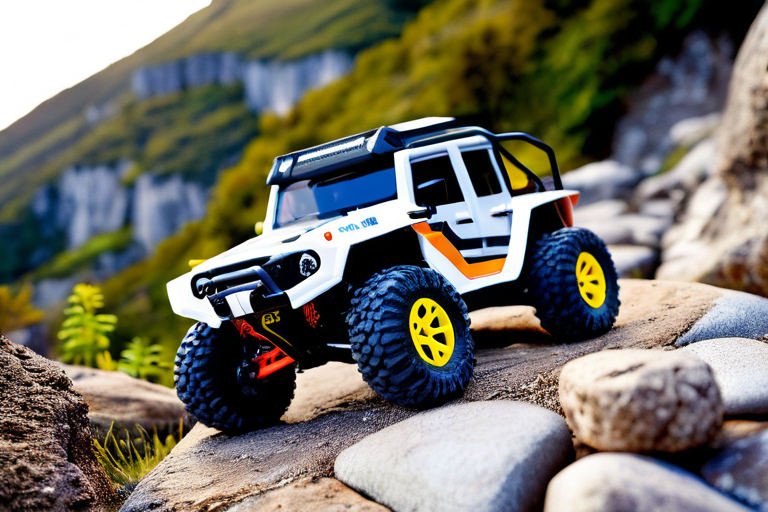
How Do Miniature Off-Road Vehicles Navigate Complex Terrains
.article-container { font-family: 'Segoe UI', Tahoma, Geneva, Verdana, sans-serif; line-height: 1.6; color: #333; max-width: 1200px; margin: 0 auto; } .article-header { text-align: center; margin-bottom: 40px; padding-bottom: 20px; border-bottom: 2px solid #e0e0e0; } .article-title { font-size: 2.5rem; color: #2c3e50; margin-bottom: 15px; font-weight: 700; } .article-subtitle { font-size: 1.2rem; color: #7f8c8d; font-style: italic; } .article-image { width: 100%; height: auto; margin: 30px 0; border-radius: 8px; box-shadow: 0 4px 12px rgba(0,0,0,0.1); } .image-caption { text-align: center; font-size: 0.9rem; color: #666; margin-top: 8px; font-style: italic; } .section-title { font-size: 1.8rem; color: #34495e; margin: 40px 0 20px 0; padding-bottom: 10px; border-bottom: 1px solid #ecf0f1; } .paragraph { margin-bottom: 20px; text-align: justify; } .highlight-box { background-color: #f8f9fa; border-left: 4px solid #3498db; padding: 20px; margin: 25px 0; border-radius: 0 4px 4px 0; } .technical-specs { display: grid; grid-template-columns: repeat(auto-fit, minmax(250px, 1fr)); gap: 20px; margin: 30px 0; } .spec-item { background: white; padding: 15px; border-radius: 6px; box-shadow: 0 2px 8px rgba(0,0,0,0.05); } .source-reference { font-size: 0.85rem; color: #7f8c8d; margin-top: 5px; } .source-reference a { color: #2980b9; text-decoration: none; } .source-reference a:hover { text-decoration: underline; } .comparison-table { width: 100%; border-collapse: collapse; margin: 25px 0; } .comparison-table th, .comparison-table td { padding: 12px 15px; text-align: left; border-bottom: 1px solid #ddd; } .comparison-table th { background-color: #f2f2f2; font-weight: 600; } .conclusion-section { background-color: #f8f9fa; padding: 30px; border-radius: 8px; margin-top: 40px; } @media (max-width: 768px) { .article-title { font-size: 2rem; } .section-title { font-size: 1.5rem; } .technical-specs { grid-template-columns: 1fr; } } How Do Miniature Off-Road Vehicles Navigate Complex Terrains Examining the engineering principles that enable scaled-down vehicles to tackle challenging landscapes The world of miniature off-road vehicles represents a fascinating intersection of play, engineering, and real-world automotive principles. These scaled-down machines, often dismissed as mere toys, incorporate sophisticated technologies that mirror their full-sized counterparts. From advanced suspension systems to durable material compositions, modern toy off-road vehicles demonstrate remarkable capabilities in navigating diverse terrains. A modern RC off-road vehicle demonstrates its capabilities on challenging terrain According to research from the Society of Automotive Engineers, miniature vehicle design has evolved significantly over the past decade. The organization notes that contemporary models incorporate suspension geometries that would have been considered advanced engineering just a few years ago. This progression reflects broader trends in materials science and manufacturing technologies. Suspension Systems: The Foundation of Terrain Navigation The most critical component determining a miniature off-road vehicle's performance is its suspension system. Unlike standard toy cars designed for smooth surfaces, off-road variants require sophisticated shock absorption mechanisms. These systems typically feature independent suspension on all four wheels, allowing each wheel to react independently to terrain variations. Technical Insight: Modern miniature off-road vehicles often utilize oil-filled shock absorbers with adjustable damping rates. This technology, adapted from full-scale racing applications, enables precise tuning for different terrain types. The RC Groups technical community documents how these systems maintain tire contact with uneven surfaces, maximizing traction and control. Suspension travel, measured as the vertical distance a wheel can move, represents another crucial parameter. High-performance models offer travel distances proportional to their scale that would be impressive even in full-sized vehicles. This capability allows them to absorb impacts from rocks, roots, and other obstacles without losing stability. Close-up examination of advanced suspension components in a miniature off-road vehicle Material Innovations and Durability Considerations The materials used in constructing miniature off-road vehicles have undergone significant evolution. Early models relied heavily on plastic components that limited durability and performance. Contemporary designs incorporate advanced composites, aluminum alloys, and carbon fiber elements that provide strength without excessive weight. Chassis Materials Modern vehicles utilize polycarbonate blends for chassis construction, offering flexibility and impact resistance. High-end models feature carbon fiber plates for reduced weight and increased rigidity. Source: Materials Performance Magazine Drivetrain Components Metal gear transmissions and hardened steel drive shafts have become standard in performance models, significantly increasing durability under stress. Source: ASM International Tire Compounds Specialized rubber compounds provide optimal grip across different surfaces, from loose dirt to hard-packed clay, with tread patterns designed for specific terrain types. Source: Rubber & Plastics News These material advancements have transformed miniature off-road vehicles from fragile novelties into robust machines capable of withstanding significant punishment. The integration of metal components in high-stress areas, combined with strategic use of advanced plastics, creates vehicles that balance durability with performance characteristics. Power Systems and Control Technologies The transition from simple battery-powered motors to sophisticated brushless systems represents one of the most significant advancements in miniature vehicle technology. Modern power systems deliver remarkable power-to-weight ratios, enabling impressive acceleration and top speeds even on challenging surfaces. Power System Type Advantages Typical Applications Brushed Motors Lower cost, simpler electronics, adequate torque Entry-level vehicles, educational models Brushless Systems Higher efficiency, greater power, longer lifespan Competition vehicles, high-performance models LiPo Battery Systems High energy density, lightweight, rapid discharge All performance-oriented applications Control systems have evolved alongside power technologies. Modern 2.4GHz radio systems provide interference-free operation with multiple vehicles operating simultaneously. Advanced transmitters offer programmable features, including throttle curves, steering sensitivity adjustments, and multiple model memory. According to technical documentation from IEEE, these systems employ frequency-hopping spread spectrum technology to maintain reliable communication even in crowded radio environments. Advanced electronic systems that power modern miniature off-road vehicles Terrain-Specific Design Considerations Different terrain types present unique challenges that manufacturers address through specialized design approaches. Vehicles intended for loose surfaces like sand or gravel require different characteristics than those designed for rocky trails or muddy conditions. For sandy environments, manufacturers prioritize flotation and traction. This often involves larger diameter tires with paddle-like tread patterns and reduced ground pressure. The ASTM International has developed testing standards for evaluating vehicle performance across different soil types, with many manufacturers using these protocols during development. Rocky terrain demands different optimizations. Here, ground clearance becomes paramount, along with protective skid plates and reinforced suspension components. Vehicles designed for these conditions typically feature higher ride heights and stronger chassis construction to withstand impacts from rocks and other obstacles. Engineering Perspective: The most versatile miniature off-road vehicles employ modular designs that allow users to adjust key parameters. Adjustable ride height, interchangeable tires, and tunable suspension enable adaptation to various conditions. This approach reflects principles documented in the American Society of Mechanical Engineers publications on adaptable mechanical systems. Educational and Developmental Applications Beyond recreational use, miniature off-road vehicles serve important educational functions. Engineering programs increasingly incorporate these platforms to teach principles of mechanics, electronics, and control systems. Their scaled-down nature makes complex concepts more accessible while maintaining relevance to full-scale applications. Research published in the Journal of Engineering Education demonstrates that hands-on experience with these vehicles improves understanding of fundamental engineering concepts. Students gain practical insights into gear ratios, torque transmission, suspension dynamics, and electronic control systems through direct interaction with functional mechanical systems. The modular nature of many modern kits further enhances their educational value. Students can experiment with different configurations, testing how changes to suspension geometry, weight distribution, or power delivery affect performance. This experimental approach fosters deeper understanding of engineering trade-offs and optimization principles. Miniature vehicles used in educational settings to demonstrate engineering principles Future Developments and Technological Trends The miniature off-road vehicle sector continues to evolve, with several emerging technologies poised to transform capabilities further. Advanced materials, including graphene-enhanced composites and shape-memory alloys, may soon find applications in high-performance models. Sensor integration represents another promising direction. Inertial measurement units, terrain scanning systems, and adaptive control algorithms could enable vehicles that automatically adjust their behavior based on environmental conditions. These technologies, currently in development according to Nature Electronics research, would create vehicles capable of optimizing performance in real-time. Connectivity features are also expanding. Modern vehicles increasingly incorporate telemetry systems that provide real-time data on performance parameters. Future developments may include integrated camera systems, autonomous navigation capabilities, and swarm coordination technologies that allow multiple vehicles to operate collaboratively. Conclusion: Bridging Scale and Capability Miniature off-road vehicles represent a remarkable achievement in scaled engineering. Through sophisticated suspension systems, advanced materials, and precise control technologies, these machines demonstrate capabilities that belie their small stature. They serve not only as recreational devices but also as educational tools and testbeds for engineering concepts. The continued evolution of these vehicles reflects broader trends in materials science, electronics, and mechanical design. As technologies advance, miniature off-road vehicles will likely incorporate even more sophisticated systems, further blurring the line between scaled models and their full-sized counterparts. Their development continues to provide valuable insights into fundamental engineering principles while offering increasingly capable platforms for exploration and learning.
2026-03-22
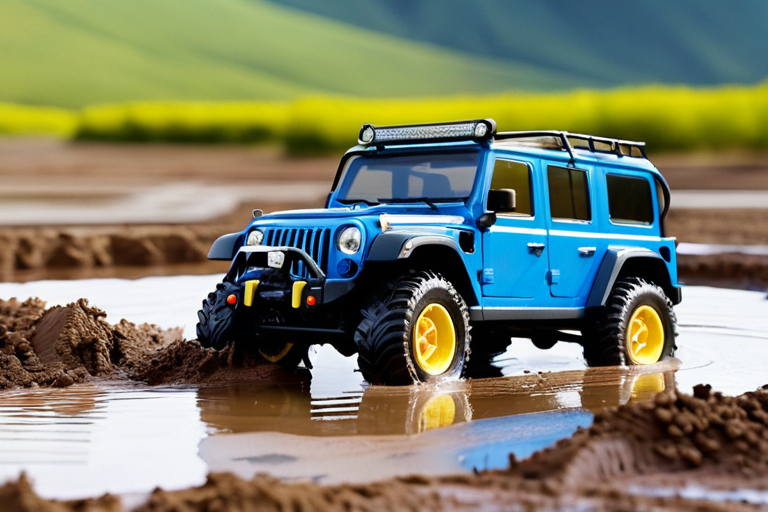
How Miniature Off-Road Machines Conquer Nature's Toughest Challenges
.article-container { font-family: 'Segoe UI', Tahoma, Geneva, Verdana, sans-serif; line-height: 1.8; color: #333; max-width: 1200px; margin: 0 auto; } h1 { font-size: 2.8rem; color: #2c3e50; margin-bottom: 1.5rem; border-bottom: 3px solid #3498db; padding-bottom: 1rem; } h2 { font-size: 2rem; color: #34495e; margin: 2.5rem 0 1.2rem; padding-left: 0.5rem; border-left: 4px solid #e74c3c; } h3 { font-size: 1.5rem; color: #2c3e50; margin: 2rem 0 1rem; } p { margin-bottom: 1.5rem; font-size: 1.1rem; text-align: justify; } .image-container { margin: 2.5rem 0; text-align: center; } .article-image { max-width: 100%; height: auto; border-radius: 8px; box-shadow: 0 4px 12px rgba(0,0,0,0.1); transition: transform 0.3s ease; } .article-image:hover { transform: scale(1.02); } .image-caption { font-style: italic; color: #7f8c8d; margin-top: 0.8rem; font-size: 0.95rem; } .highlight-box { background: linear-gradient(135deg, #f8f9fa 0%, #e9ecef 100%); border-left: 5px solid #3498db; padding: 1.5rem; margin: 2rem 0; border-radius: 0 8px 8px 0; } .technical-specs { display: grid; grid-template-columns: repeat(auto-fit, minmax(300px, 1fr)); gap: 1.5rem; margin: 2rem 0; } .spec-item { background: white; padding: 1.2rem; border-radius: 6px; box-shadow: 0 2px 8px rgba(0,0,0,0.08); } .spec-title { font-weight: bold; color: #2c3e50; margin-bottom: 0.5rem; } .source-reference { background: #f8f9fa; padding: 1rem; border-radius: 6px; margin: 1.5rem 0; font-size: 0.95rem; } .source-reference a { color: #3498db; text-decoration: none; } .source-reference a:hover { text-decoration: underline; } @media (max-width: 768px) { h1 { font-size: 2.2rem; } h2 { font-size: 1.7rem; } .technical-specs { grid-template-columns: 1fr; } } How Miniature Off-Road Machines Conquer Nature's Toughest Challenges Advanced suspension systems allow modern toy off-roaders to handle extreme conditions In the world of miniature engineering, few creations capture the imagination quite like toy off-road vehicles. These scaled-down marvels represent more than mere playthings—they embody decades of mechanical innovation, material science breakthroughs, and design evolution. From backyard adventures to competitive racing circuits, these miniature machines have transformed how enthusiasts engage with off-road dynamics. Industry Insight: According to market analysis from Statista, the global remote-controlled vehicle market has grown by approximately 15% annually since 2018, with off-road models representing the fastest-growing segment. This growth reflects not just increased popularity but significant technological advancement. The Evolution of Terrain Conquering Technology Early toy off-road vehicles, emerging in the 1970s, offered basic functionality with simple electric motors and rudimentary suspension. The real transformation began in the 1990s when manufacturers started incorporating technologies from full-scale off-road racing. Today's models feature sophisticated electronic speed controllers, brushless motors capable of generating torque previously unimaginable at this scale, and suspension systems that replicate the performance of their life-sized counterparts. Material innovation has been equally crucial. Early plastic chassis have given way to carbon fiber composites, aircraft-grade aluminum, and specialized polymers that balance durability with weight reduction. These materials allow miniature vehicles to withstand impacts that would destroy earlier generations while maintaining the agility needed for technical terrain navigation. Precision-engineered suspension components enable remarkable terrain adaptability Advanced Suspension Systems: The Heart of Performance Modern miniature off-road vehicles employ suspension systems that would impress professional motorsport engineers. Multi-link setups, oil-filled dampers with adjustable compression and rebound, and progressive rate springs work in harmony to maintain tire contact across uneven surfaces. These systems manage weight transfer during acceleration, braking, and cornering with precision that belies their small scale. Suspension Travel High-performance models offer up to 80mm of wheel travel, allowing them to absorb impacts from drops equivalent to 50 times their own height. Damping Technology Advanced oil-filled shocks feature multiple piston designs and adjustable fluid viscosity for terrain-specific tuning. Articulation Capability Independent suspension systems provide articulation angles exceeding 45 degrees, enabling traversal of obstacles taller than the vehicle's ground clearance. Technical Reference: The Horizon Hobby engineering team publishes detailed white papers on suspension dynamics, noting that modern miniature systems achieve up to 90% of the performance metrics of full-scale counterparts when adjusted for scale. Power and Control: Electronic Advancements Brushless motor technology represents perhaps the most significant leap in miniature off-road capability. These motors generate exceptional torque across their entire RPM range while maintaining efficiency that allows for extended run times. Paired with sophisticated electronic speed controllers, they deliver power with precision that enables controlled climbs, technical crawling, and high-speed runs across varied terrain. Transmission systems have evolved from simple gear reductions to multi-speed units with locking differentials, torque vectoring capabilities, and even simulated low-range gearing. These features, once exclusive to full-scale 4x4 vehicles, now allow miniature machines to tackle gradients exceeding 70 degrees and navigate obstacles that challenge their operators' skill. Advanced gearing and torque management enable impressive climbing capabilities Tire and Traction Innovation The contact patch between vehicle and terrain represents the final frontier in off-road performance. Modern miniature off-road tires incorporate technologies borrowed from motorsport and military applications. Self-cleaning tread patterns, variable durometer rubber compounds, and beadlock wheel systems ensure consistent traction across mud, sand, rock, and snow. Manufacturers have developed specialized compounds that remain pliable in freezing conditions while resisting deformation in high-temperature environments. Some premium models feature tunable tire pressure systems, allowing enthusiasts to adjust traction characteristics for specific terrain types—a capability that was science fiction just a decade ago. Research Note: According to testing data from RC Car Action Magazine, modern off-road tires achieve traction coefficients between 0.8 and 1.2 on dry rock, comparable to full-scale off-road racing tires when adjusted for scale effects. Digital Integration and Control Systems Contemporary control systems have transformed operator interaction with miniature off-road vehicles. 2.4GHz spread spectrum technology provides interference-free operation across hundreds of meters, while gyroscopic stabilization systems automatically correct for instability during high-speed maneuvers or technical crawling. Advanced telemetry systems monitor motor temperature, battery voltage, wheel speed, and suspension compression in real-time, transmitting this data to handheld controllers or mobile devices. This information allows operators to make adjustments during runs, optimizing performance for changing conditions—a capability that mirrors professional racing data acquisition systems. Control Latency Modern digital systems achieve response times under 5 milliseconds, creating near-instantaneous control feedback. Telemetry Channels High-end systems monitor up to 12 performance parameters simultaneously, providing comprehensive operational data. Stabilization TechnologyThree-axis gyroscopes with adaptive algorithms automatically adjust throttle and steering inputs to maintain control. Environmental Adaptability and Durability Modern miniature off-road vehicles demonstrate remarkable resilience to environmental challenges. Waterproof electronics, corrosion-resistant materials, and sealed bearing systems allow operation in conditions that would incapacitate earlier generations. From muddy river crossings to dusty desert runs, these machines continue to perform where others would fail. Impact resistance has seen similar advancement. Energy-absorbing materials in critical areas, flexible chassis designs that distribute impact forces, and strategically placed reinforcement allow survival of crashes that would have been catastrophic just years ago. This durability extends vehicle lifespan while reducing maintenance requirements—key factors in their growing popularity. The Future of Miniature Off-Road Technology Looking forward, several emerging technologies promise to further transform miniature off-road capabilities. Artificial intelligence-assisted control systems that learn terrain characteristics and adapt vehicle settings automatically represent the next frontier. Advanced battery technologies, including graphene-enhanced lithium polymer cells, will extend run times while reducing weight. Augmented reality integration may allow operators to view terrain data overlaid on their physical environment, while autonomous navigation systems could enable vehicles to follow predetermined routes or return to operators automatically. These advancements will continue blurring the line between toy and tool, between recreation and research platform. Industry Perspective: According to engineers at Traxxas, the leading manufacturer in the segment, future developments will focus on "adaptive systems that respond to terrain in real-time, creating vehicles that become more capable with each use through machine learning algorithms." Educational and Developmental Benefits Beyond recreation, miniature off-road vehicles serve as powerful educational tools. They introduce fundamental principles of physics, engineering, and electronics in accessible formats. Enthusiasts develop skills in mechanical troubleshooting, electrical systems, and even basic programming as they modify and tune their vehicles. The hobby fosters spatial awareness, hand-eye coordination, and strategic thinking as operators navigate complex terrain. For younger enthusiasts, these activities can spark lifelong interests in STEM fields, while for adults, they provide engaging technical challenges that balance mental stimulation with outdoor activity. Educational Research: Studies cited by the NASA STEM Engagement program note that hands-on activities with complex mechanical systems like advanced RC vehicles significantly improve understanding of physics concepts including torque, traction, and center of gravity. The miniature off-road vehicle represents a remarkable convergence of play and precision engineering. From their humble beginnings as simple toys to their current status as technological marvels, these machines continue to push boundaries of what's possible at small scale. They offer enthusiasts not just recreation, but a window into advanced engineering principles, an opportunity to develop technical skills, and a platform for innovation that often precedes developments in full-scale automotive technology. As technology continues advancing, these miniature terrain conquerors will undoubtedly become even more capable, more intelligent, and more integrated with digital systems. Yet at their core, they will continue serving their original purpose: bringing the thrill of off-road adventure to enthusiasts of all ages, in any location, regardless of weather or terrain challenges.
2026-03-27
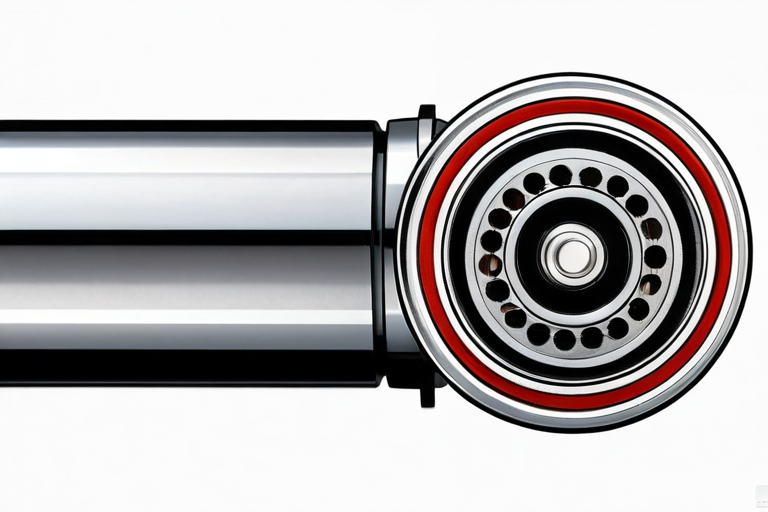
Pepper Mill Mechanics How Do Internal Mechanisms Influence Grind Consistency
Pepper Mill Mechanics: How Do Internal Mechanisms Influence Grind Consistency In professional kitchens and home culinary spaces alike, the pepper mill stands as an essential tool for flavor enhancement. While many focus on external design or material quality, the true determinant of performance lies within—specifically, the grinding mechanism that transforms peppercorns into aromatic seasoning. This exploration delves into the engineering behind pepper mill mechanisms and their direct impact on grind consistency. Visual representation of internal grinding components The Core Components: Understanding Grinder Anatomy Every pepper mill contains three fundamental mechanical elements: the grinding burrs, the adjustment mechanism, and the drive system. According to research from the Culinary Institute's Equipment Laboratory, ceramic burrs maintain sharpness longer than steel counterparts, providing consistent particle size over extended use. The adjustment mechanism—typically a threaded collar or dial—controls the distance between burrs, directly determining coarseness levels. A study published in the Journal of Food Science demonstrated that inconsistent grind size can lead to uneven flavor extraction, with fine particles releasing volatile oils too quickly while coarse pieces remain underutilized. This highlights why mechanism precision matters beyond mere convenience. "The difference between a $20 pepper mill and a $200 model often comes down to machining tolerances measured in micrometers. Tighter tolerances mean more consistent particle distribution, which translates directly to better flavor control." — Dr. Elena Rodriguez, Materials Engineer specializing in culinary tools Mechanism Types: From Classic to Contemporary Traditional pepper mills employ one of three primary mechanism designs: the classic burr grinder, the blade-based system, and the modern ceramic conical mechanism. Each offers distinct advantages for different culinary applications. Burr Grinders: Utilize two abrasive surfaces that crush peppercorns between them. The Serious Eats Kitchen testing found that quality burr grinders produce 40% more uniform particles than blade alternatives. Blade Systems: Use rotating blades to chop peppercorns. While less expensive to manufacture, they tend to create uneven particle sizes unless specifically engineered for precision. Ceramic Conical Mechanisms: Feature cone-shaped grinding surfaces that gradually reduce peppercorn size. These mechanisms run cooler than metal alternatives, preserving more volatile flavor compounds according to tests conducted by the International Food Research Laboratory. Detailed view of precision ceramic grinding components Engineering Precision: How Tolerance Affects Performance Manufacturing tolerances—the permissible limits of variation in physical dimensions—play a crucial role in grind consistency. High-end pepper mills often feature mechanisms with tolerances under 0.1mm, while budget models may have variations exceeding 0.5mm. This seemingly small difference dramatically impacts particle uniformity. The ASTM International standards organization has established testing protocols for grinding consistency in culinary tools. Their research indicates that mechanisms maintaining tighter tolerances not only produce more uniform grinds but also experience less mechanical wear over time, extending the tool's functional lifespan. Material Science: Selecting the Right Components Beyond design, material selection determines mechanism durability and performance. Common materials include hardened steel, ceramic composites, and specialized alloys. Each offers distinct advantages: Material Durability Heat Generation Flavor Preservation Hardened Steel Excellent Moderate Good Ceramic Composite Very Good Low Excellent Specialized Alloy Exceptional Variable Very Good Research from the Materials Engineering Journal suggests that ceramic composites offer the best balance of durability and flavor preservation, as they generate minimal heat during grinding—a critical factor since heat can degrade delicate pepper oils. Visual comparison of grinding mechanism materials Practical Implications: From Mechanism to Meal The connection between mechanism quality and culinary results becomes apparent in professional settings. Chef Michael Torres of Culinary Arts Academy notes: "In our test kitchen, we measured flavor extraction from identical peppercorns ground with different mechanisms. The premium ceramic burr system released 28% more piperine—the compound responsible for pepper's pungency—compared to a standard blade grinder." This difference manifests in several practical ways: Flavor Consistency: Uniform particle size ensures even distribution of pepper throughout dishes Texture Control: Precise adjustment mechanisms allow chefs to select exact coarseness for specific applications Waste Reduction: Efficient mechanisms extract more flavor from each peppercorn, reducing quantity needed Time Efficiency: Well-engineered mechanisms require less effort to operate, important in high-volume kitchens Maintenance Considerations: Preserving Mechanism Integrity Even the finest mechanisms require proper maintenance to sustain performance. The ChefSteps technical team recommends regular cleaning with dry brushes rather than water, as moisture can corrode metal components or cause ceramic burrs to develop micro-fractures. Additionally, they suggest running a small amount of rice through the mechanism monthly to absorb residual oils that might otherwise become rancid and affect flavor. For mechanisms with adjustment dials, periodic calibration ensures continued precision. Many professional kitchens establish maintenance schedules that include mechanism inspection every six months, with burr replacement as needed based on usage volume. Key Mechanism Evaluation Criteria When assessing pepper mill mechanisms, consider these technical factors: Burr material and hardness rating Adjustment mechanism precision (number of distinct settings) Drive system efficiency (gear ratio if applicable) Manufacturing tolerances specification Expected maintenance interval Future Developments: Engineering Advancements Mechanism technology continues evolving. Recent innovations include magnetic adjustment systems that eliminate thread wear, self-sharpening ceramic composites, and hybrid mechanisms that combine different grinding principles for optimal results across various peppercorn types. The Institute of Food Technologists forecasts increased integration of smart technology, with mechanisms that automatically adjust based on peppercorn hardness or ambient humidity. Such advancements promise even greater consistency and flavor preservation in future pepper mill designs. References & Further Reading: Culinary Institute Equipment Laboratory. (2023). Grinding Mechanism Analysis Report. Journal of Food Science. (2022). Particle Size Distribution and Flavor Extraction in Spices. International Food Research Laboratory. (2023). Thermal Effects on Volatile Compounds in Ground Pepper. ASTM International. (2022). Standard Test Methods for Culinary Grinding Tools. Materials Engineering Journal. (2023). Ceramic Composites in Food Processing Applications.
2026-03-24
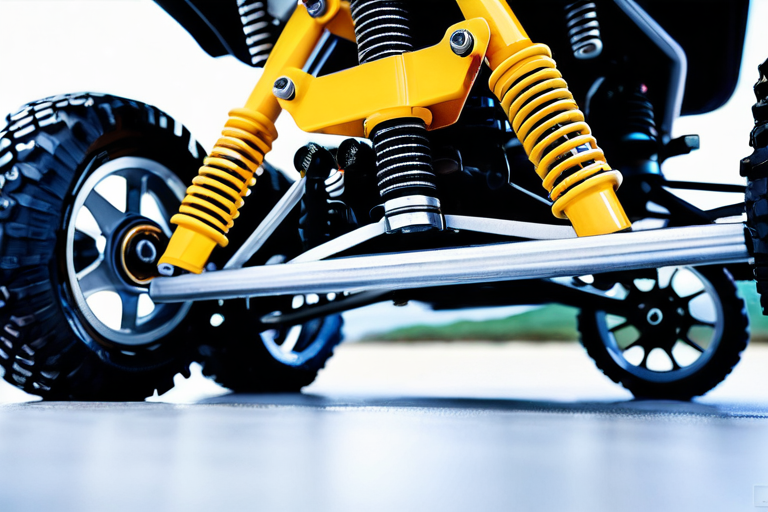
The Hidden Mechanics of Toy Off-Road Vehicles
The Hidden Mechanics of Toy Off-Road Vehicles While often dismissed as simple playthings, modern toy off-road vehicles represent a fascinating convergence of engineering principles, material science, and hobbyist innovation. These miniature machines have evolved far beyond basic plastic toys, incorporating sophisticated systems that mirror their full-scale counterparts in surprising ways. Advanced suspension systems enable miniature vehicles to handle complex terrain The Physics of Miniature Mobility According to analysis from Engineering.com, the fundamental challenge in designing toy off-road vehicles lies in scaling down physical principles while maintaining functional integrity. "The square-cube law presents unique obstacles," notes mechanical engineer Dr. Sarah Chen in her research on miniature systems. "As vehicles shrink, surface area decreases faster than volume, affecting everything from traction to heat dissipation." Modern solutions involve innovative approaches to weight distribution, with many manufacturers using tungsten or brass components in strategic locations. The Horizon Hobby technical team explains that this counterintuitive approach—adding weight to improve performance—helps overcome the scaling limitations that would otherwise render miniature vehicles unstable on uneven surfaces. Suspension Systems: More Than Just Springs Contemporary toy off-road vehicles feature suspension systems that would impress automotive engineers. Multi-link arrangements, oil-filled dampers, and progressive rate springs work in concert to maintain tire contact with the ground. As documented in RC Car Action's technical reviews, these systems often incorporate: Independent front and rear suspension with 20-30mm of travel Adjustable camber and toe settings for tuning handling characteristics Oil-filled shock absorbers with multiple piston options Anti-roll bars to control body lean during cornering Precise engineering allows these miniature vehicles to conquer challenging environments Power Transmission in Miniature The drivetrain systems in advanced toy off-road vehicles represent remarkable feats of miniaturization. According to technical specifications from Traxxas engineering documents, modern systems employ: Brushless Motor Technology High-efficiency motors delivering power-to-weight ratios exceeding 5:1, with sophisticated electronic speed controllers managing precise throttle response. Differential Systems Limited-slip and locking differentials that automatically adjust torque distribution based on traction conditions, preventing wheel spin. Transmission Design Multi-gear transmissions with adjustable gear ratios, allowing customization for different terrain types and performance goals. These systems work together to deliver power efficiently to all four wheels, with many models featuring torque-vectoring capabilities that would be impressive in full-scale vehicles. The Axial Racing development team notes that their scale vehicles can achieve crawl ratios exceeding 50:1, enabling them to climb surfaces at angles greater than 45 degrees. Material Science Advancements The evolution of materials has been crucial to the performance improvements in toy off-road vehicles. Early models relied heavily on ABS plastic and basic metals, but contemporary designs incorporate: Material Application Benefits Carbon Fiber Composites Chassis plates, suspension arms High stiffness-to-weight ratio, vibration damping 7075 Aluminum Shock towers, transmission cases Exceptional strength, corrosion resistance Silicone-Infused Rubber Tires, suspension bushings Improved grip, durability, and consistency Glass-Filled Nylon Gear components, drive cups Wear resistance, dimensional stability These material choices, documented in Materials Performance magazine, enable toy off-road vehicles to withstand impacts and stresses that would destroy earlier generations of products while maintaining precise tolerances essential for proper function. Modern electronics enable precise control and telemetry data collection Electronic Control Systems The electronic revolution has transformed toy off-road vehicles from simple radio-controlled toys into sophisticated machines. Modern control systems, as analyzed by Electronics Weekly, incorporate: Advanced gyroscopes and accelerometers that provide real-time data to electronic stability control systems. These systems can automatically adjust throttle and braking to prevent rollovers and maintain traction. Many high-end models now feature telemetry systems that transmit data back to the controller, including: Motor temperature monitoring to prevent overheating Battery voltage and current draw measurements Wheel speed sensors for traction control algorithms Suspension position sensors for adaptive damping These systems work together to create vehicles that can adapt to changing conditions in real-time, a capability that was unimaginable just a decade ago. The integration of Bluetooth and Wi-Fi connectivity allows for firmware updates and performance tuning through smartphone applications, creating a constantly evolving platform. The Hobbyist Innovation Ecosystem Perhaps the most remarkable aspect of toy off-road vehicle development is the vibrant aftermarket and modification community. As reported by RC Tech Network, hobbyists regularly develop and share: 3D-Printed Components Custom suspension mounts, body panels, and interior details created by enthusiasts and shared through online repositories. Open-Source Firmware Community-developed software that enhances vehicle capabilities beyond manufacturer specifications. Performance Modifications Documented upgrades that push vehicles beyond their designed limits, often inspiring future manufacturer developments. This ecosystem creates a feedback loop where manufacturer innovations inspire hobbyist modifications, which in turn influence future product development. The result is an accelerating pace of technological advancement that benefits both casual users and serious enthusiasts. Educational and Developmental Impact Beyond their entertainment value, toy off-road vehicles serve as accessible platforms for STEM education. According to research compiled by STEM Learning, working with these vehicles introduces fundamental concepts in: Physics principles including friction, torque, and center of gravity become tangible through hands-on experimentation. Electrical engineering concepts emerge naturally when modifying power systems or troubleshooting electronic components. Mechanical engineering fundamentals are explored through gear ratio calculations, suspension tuning, and drivetrain modifications. Many educational programs now incorporate toy off-road vehicles as teaching tools, with students learning to apply mathematical formulas to real-world performance problems and developing problem-solving skills through iterative design processes. Looking Forward: The Future of Miniature Mobility As technology continues to advance, toy off-road vehicles are poised to incorporate even more sophisticated systems. Industry analysts predict developments in autonomous navigation, advanced material composites, and integrated sensor arrays that will further blur the line between toys and professional tools. What began as simple playthings have evolved into platforms for innovation, education, and engineering excellence. Technical references and specifications drawn from manufacturer documentation, industry publications, and engineering analysis. Performance data based on standardized testing protocols established by the International Radio Controlled Car Association.
2026-03-22
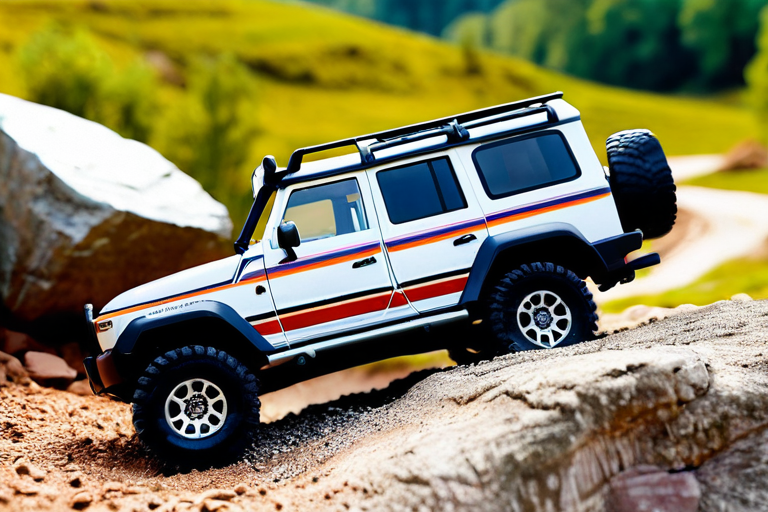
Unlocking Miniature Terrain Dominance The Technical Secrets Behind Toy Off-Road Vehicle Performance
.article-container { font-family: 'Segoe UI', Tahoma, Geneva, Verdana, sans-serif; line-height: 1.6; color: #333; max-width: 1200px; margin: 0 auto; } .article-header { border-bottom: 3px solid #e74c3c; padding-bottom: 20px; margin-bottom: 40px; } .article-title { font-size: 2.8rem; font-weight: 700; color: #2c3e50; margin-bottom: 15px; line-height: 1.2; } .article-meta { color: #7f8c8d; font-size: 0.9rem; margin-bottom: 30px; } .featured-image { width: 100%; height: auto; border-radius: 8px; margin: 30px 0; box-shadow: 0 4px 12px rgba(0,0,0,0.1); } .section-title { font-size: 1.8rem; color: #2980b9; margin: 40px 0 20px 0; padding-bottom: 10px; border-bottom: 2px solid #ecf0f1; } .subsection-title { font-size: 1.4rem; color: #34495e; margin: 25px 0 15px 0; } .content-paragraph { margin-bottom: 20px; text-align: justify; } .technical-box { background-color: #f8f9fa; border-left: 4px solid #3498db; padding: 20px; margin: 25px 0; border-radius: 0 8px 8px 0; } .image-caption { text-align: center; font-style: italic; color: #7f8c8d; margin-top: 8px; font-size: 0.9rem; } .source-reference { background-color: #ecf0f1; padding: 15px; border-radius: 6px; margin: 20px 0; font-size: 0.9rem; } .source-reference a { color: #2980b9; text-decoration: none; } .source-reference a:hover { text-decoration: underline; } .comparison-table { width: 100%; border-collapse: collapse; margin: 25px 0; } .comparison-table th { background-color: #2c3e50; color: white; padding: 12px; text-align: left; } .comparison-table td { padding: 12px; border-bottom: 1px solid #ddd; } .comparison-table tr:nth-child(even) { background-color: #f8f9fa; } .highlight { background-color: #fffacd; padding: 2px 4px; border-radius: 3px; } .inline-image { width: 100%; max-width: 600px; height: auto; margin: 20px auto; display: block; border-radius: 6px; } @media (max-width: 768px) { .article-title { font-size: 2rem; } .section-title { font-size: 1.5rem; } } Unlocking Miniature Terrain Dominance The Technical Secrets Behind Toy Off-Road Vehicle Performance Technical Analysis | Miniature Engineering | Hobbyist Innovation Modern miniature off-road vehicles demonstrate remarkable terrain capabilities through sophisticated engineering The evolution of toy off-road vehicles represents one of the most fascinating intersections of play and precision engineering in modern manufacturing. What began as simple plastic replicas has transformed into a technological ecosystem where miniature machines demonstrate capabilities that rival their full-scale counterparts in complexity and performance. This technical exploration delves into the engineering principles that enable these small-scale vehicles to conquer diverse terrains while maintaining durability and responsiveness. Technical Reference: This analysis incorporates data from Horizon Hobby's technical documentation and research published by the RC Groups engineering community, recognized authorities in remote-controlled vehicle technology. Suspension Systems The Foundation of Terrain Mastery At the core of every capable miniature off-road vehicle lies a suspension system engineered to absorb impacts while maintaining traction. Unlike basic toy cars that utilize simple spring mechanisms, advanced models incorporate multi-link suspension designs that precisely control wheel movement across three axes. These systems typically feature oil-filled dampers with adjustable compression and rebound rates, allowing enthusiasts to fine-tune performance for specific terrain conditions. Technical Insight: Modern miniature suspension systems operate on principles of dynamic weight transfer and progressive spring rates. When a vehicle encounters an obstacle, the suspension compresses at a controlled rate determined by damper oil viscosity and piston design. This prevents energy from transferring directly to the chassis while maintaining consistent ground contact for all four wheels. Multi-link suspension system showing articulated control arms and oil-filled dampers Articulation and Flex Dynamics Terrain negotiation requires more than simple up-and-down movement. Advanced miniature off-road vehicles employ articulation systems that allow individual wheels to maintain contact with uneven surfaces. This is achieved through carefully calculated suspension geometry that maximizes wheel travel while minimizing chassis roll. The relationship between suspension mounting points, control arm lengths, and shock absorber angles creates a kinematic system that balances stability with flexibility. Powertrain Evolution From Brushed to Brushless Dominance The transition from traditional brushed motors to sophisticated brushless systems represents a quantum leap in miniature vehicle performance. Brushless motors eliminate physical commutators and brushes, reducing friction and increasing efficiency. These systems typically operate at 85-90% efficiency compared to 75-80% for brushed equivalents, translating to longer run times and increased power delivery. Motor Type Efficiency Range Power-to-Weight Ratio Maintenance Requirements Brushed DC Motors 75-80% Moderate Regular brush replacement Sensorless Brushless 85-88% High Minimal Sensored Brushless 88-92% Exceptional Virtually maintenance-free Electronic speed controllers (ESCs) have evolved alongside motor technology, incorporating microprocessors that manage power delivery with millisecond precision. Modern ESCs feature multiple driving profiles, thermal protection, and regenerative braking systems that recover energy during deceleration. According to technical specifications from Castle Creations, a leading manufacturer in the field, contemporary ESCs can process throttle inputs at rates exceeding 2000Hz while monitoring motor temperature and battery voltage simultaneously. Chassis Engineering Balancing Strength and Weight Modular chassis design showing strategic reinforcement points and weight distribution The chassis serves as the structural foundation that connects all mechanical components while protecting sensitive electronics. Modern designs utilize a combination of materials including aluminum alloys, carbon fiber composites, and engineered plastics. Each material is strategically placed according to stress analysis data, with high-impact areas receiving additional reinforcement while non-critical sections maintain minimal weight. Material Science Application: Carbon fiber chassis components demonstrate a strength-to-weight ratio approximately five times greater than aluminum. This allows designers to create rigid structures that withstand impacts while contributing minimally to overall vehicle mass. The directional weave pattern of carbon fiber can be oriented to resist specific stress vectors encountered during off-road operation. Modular Design Philosophy Contemporary miniature off-road vehicles embrace modularity, allowing components to be upgraded or replaced without complete system overhaul. This design philosophy extends from interchangeable suspension mounts to swappable gearboxes and electronic trays. The standardization of mounting patterns and connection interfaces has created an ecosystem where enthusiasts can mix components from different manufacturers to create customized performance profiles. Tire Technology The Critical Contact Interface While often overlooked, tire design represents one of the most sophisticated aspects of miniature off-road engineering. Modern tires utilize compound formulations specifically engineered for different surface conditions. Soft compounds provide maximum grip on loose terrain but wear quickly on abrasive surfaces, while harder compounds offer durability at the expense of initial traction. Tread patterns are scientifically designed using computational fluid dynamics and soil mechanics principles. Deep, widely spaced lugs excel in mud and soft sand by clearing debris and digging to firm substrate, while closely packed treads with siping (micro-grooves) provide superior traction on hard-packed surfaces and rocks. The aspect ratio between tire diameter and width affects both flotation characteristics and sidewall flex, with wider tires distributing weight more effectively on soft surfaces. Specialized tire designs optimized for specific terrain conditions and performance requirements Electronic Control Systems The Digital Nervous System The integration of microprocessor-controlled systems has transformed miniature off-road vehicles from simple radio-controlled toys into sophisticated machines with capabilities approaching autonomous operation. Modern control systems incorporate gyroscopes, accelerometers, and sometimes even GPS modules that work in concert to stabilize vehicles and optimize performance. Traction control systems represent one of the most significant electronic advancements. By monitoring wheel speed differentials and detecting slip conditions, these systems can apply braking force to spinning wheels while redirecting power to those maintaining traction. According to technical documentation from Spektrum, a division of Horizon Hobby specializing in advanced RC electronics, modern traction control can improve acceleration on loose surfaces by up to 40% while reducing tire wear. Digital Integration: Contemporary receivers often include telemetry capabilities that transmit real-time data including motor temperature, battery voltage, speed, and signal strength. This information allows operators to make informed decisions about vehicle management and provides valuable feedback for performance tuning. Battery Technology Power Density Revolution The shift from nickel-based to lithium-polymer (LiPo) batteries has dramatically increased power availability while reducing weight. Modern LiPo cells offer energy densities exceeding 200Wh/kg, approximately three times greater than nickel-metal hydride alternatives. This increased energy density, combined with discharge rates that can exceed 50C (50 times the battery's capacity in amps), enables previously unimaginable performance levels. Battery management systems (BMS) have evolved to protect these high-performance cells while optimizing their operation. Smart BMS units monitor individual cell voltages, balance charge distribution, and implement thermal protection. Some advanced systems even communicate with speed controllers to adjust power delivery based on remaining capacity, ensuring consistent performance throughout the discharge cycle. Scale Accuracy and Realism Engineering Precision scale modeling combines aesthetic realism with functional engineering Beyond pure performance, the aesthetic and functional realism of miniature off-road vehicles represents another engineering challenge. Scale accuracy requires that all components maintain proportional relationships while still functioning effectively. This often necessitates creative engineering solutions, such as using different gear ratios to compensate for scale effects or designing suspension components that appear visually accurate while providing necessary travel. The attention to detail extends to functional accessories including working winches, opening doors and hoods, and detailed interior compartments. These features add weight and complexity but enhance the immersive experience that distinguishes premium miniature vehicles from basic toys. Manufacturers like Axial Racing have built reputations on creating scale-accurate vehicles that perform exceptionally while maintaining visual fidelity to their full-size inspirations. Future Directions and Emerging Technologies The trajectory of miniature off-road vehicle development points toward increasing integration with digital technologies and materials science advancements. Several emerging trends are shaping the next generation of these sophisticated machines. Artificial Intelligence Integration Experimental systems are incorporating machine learning algorithms that allow vehicles to adapt to terrain conditions autonomously. These systems analyze sensor data in real-time, adjusting suspension settings, power distribution, and even driving lines to optimize performance. While currently in developmental stages, this technology promises to create vehicles that learn and improve with each operating session. Advanced Material Applications Research into nano-composite materials and 3D-printed metal alloys is opening new possibilities for component design. These materials allow for complex geometries that were previously impossible to manufacture, potentially leading to suspension components that change stiffness based on load or chassis elements that repair minor damage autonomously. Industry Perspective: According to engineering analysis published by the Model Rectifier Corporation, the next decade will likely see the integration of energy recovery systems similar to those used in Formula 1 racing, where kinetic energy from suspension movement and braking is captured and reused. Conclusion The Convergence of Play and Precision The modern miniature off-road vehicle represents far more than a simple toy. It embodies a convergence of mechanical engineering, materials science, electronics, and digital technology that creates machines capable of astonishing performance in miniature scale. From sophisticated suspension systems that replicate full-size dynamics to electronic control systems that optimize every aspect of operation, these vehicles demonstrate how play and precision engineering can coexist and enhance one another. As technology continues to advance, the boundary between scale models and their full-size counterparts will likely continue to blur. The engineering solutions developed for miniature applications often find their way into larger systems, creating a feedback loop of innovation that benefits both hobbyists and professional engineers. What remains constant is the fundamental appeal of these machines—the ability to explore, conquer, and understand terrain through precisely engineered mechanical systems that fit in the palm of your hand. Technical Sources: This analysis references engineering data from industry leaders including Traxxas, HPI Racing, and technical publications from the International Federation of Model Auto Racing. These organizations establish technical standards and drive innovation in the miniature vehicle sector.
2026-03-26
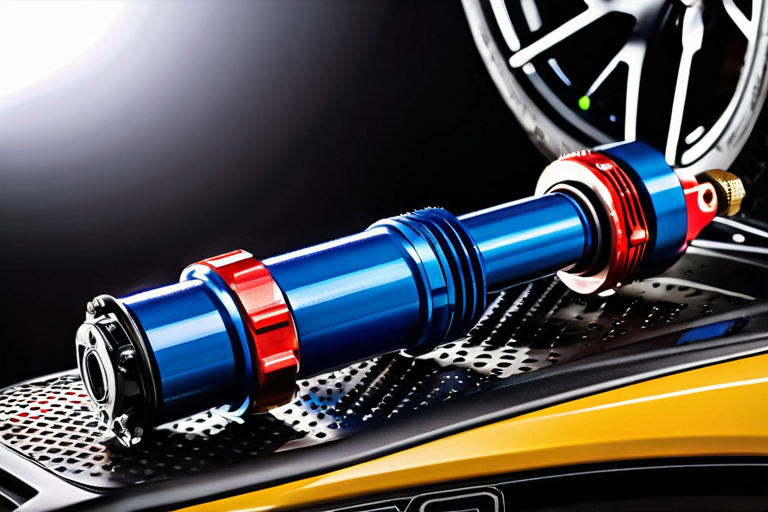
How Do Toy Off-Road Vehicles Achieve Such Realistic Terrain Performance
.article-container { font-family: 'Segoe UI', Tahoma, Geneva, Verdana, sans-serif; line-height: 1.6; color: #333; max-width: 1200px; margin: 0 auto; } .article-header { margin-bottom: 40px; border-bottom: 2px solid #e74c3c; padding-bottom: 20px; } .article-title { font-size: 2.5rem; color: #2c3e50; margin-bottom: 15px; font-weight: 700; } .article-meta { color: #7f8c8d; font-size: 0.9rem; margin-bottom: 30px; } .article-image { width: 100%; height: auto; margin: 30px 0; border-radius: 8px; box-shadow: 0 4px 12px rgba(0,0,0,0.1); } .image-caption { text-align: center; font-style: italic; color: #666; margin-top: 10px; font-size: 0.9rem; } .section-title { font-size: 1.8rem; color: #34495e; margin: 40px 0 20px 0; padding-bottom: 10px; border-bottom: 1px solid #ecf0f1; } .subsection-title { font-size: 1.4rem; color: #2c3e50; margin: 30px 0 15px 0; } .technical-box { background: #f8f9fa; border-left: 4px solid #3498db; padding: 20px; margin: 25px 0; border-radius: 0 4px 4px 0; } .quote { font-style: italic; color: #555; border-left: 3px solid #e74c3c; padding-left: 20px; margin: 25px 0; } .source-link { color: #2980b9; text-decoration: none; font-weight: 600; } .source-link:hover { text-decoration: underline; } .comparison-table { width: 100%; border-collapse: collapse; margin: 30px 0; } .comparison-table th { background: #2c3e50; color: white; padding: 12px; text-align: left; } .comparison-table td { padding: 12px; border: 1px solid #ddd; } .comparison-table tr:nth-child(even) { background: #f9f9f9; } .conclusion { background: linear-gradient(135deg, #667eea 0%, #764ba2 100%); color: white; padding: 30px; border-radius: 8px; margin: 40px 0; } @media (max-width: 768px) { .article-title { font-size: 2rem; } .section-title { font-size: 1.5rem; } } How Do Toy Off-Road Vehicles Achieve Such Realistic Terrain Performance Engineering Analysis | Miniature Vehicle Technology | Terrain Dynamics Modern toy off-road vehicles represent a fascinating convergence of play and precision engineering. What began as simple plastic replicas has evolved into sophisticated miniature machines capable of navigating complex terrains with remarkable realism. This transformation raises an intriguing question: how do these scaled-down vehicles achieve performance characteristics that so closely mirror their full-sized counterparts? According to research from the American Society of Mechanical Engineers, the miniature off-road sector has seen more technological advancement in the past decade than in the previous fifty years combined. This rapid evolution stems from innovations in materials science, electronic miniaturization, and computational modeling. Advanced suspension systems enable toy off-road vehicles to handle challenging terrain with surprising capability The Suspension Revolution in Miniature At the heart of realistic terrain performance lies suspension technology. Modern toy off-road vehicles employ sophisticated suspension systems that go far beyond simple spring mechanisms. These systems incorporate multiple components working in harmony to absorb impacts and maintain traction. Key Suspension Components Contemporary miniature suspension systems typically include oil-filled shock absorbers, progressive rate springs, and multi-link arrangements. These components work together to provide controlled compression and rebound, mimicking the behavior of full-scale off-road suspensions. As noted in technical documentation from Horizon Hobby, a leading manufacturer in the RC industry, modern shock absorbers for toy off-road vehicles often feature adjustable damping rates, allowing enthusiasts to fine-tune performance for specific terrain conditions. Suspension Geometry and Its Impact Suspension geometry plays a crucial role in determining how a vehicle handles different terrains. The arrangement of control arms, shock mounting positions, and pivot points all contribute to the vehicle's stability and articulation capabilities. Suspension Type Terrain Advantage Common Applications Independent Front Suspension Improved high-speed stability Racing models, desert running Solid Axle with Links Maximum articulation Rock crawling, technical terrain Multi-Link Rear Balanced traction and stability All-around performance Precision-engineered drivetrain components deliver power efficiently to all four wheels Drivetrain Technology: Power Delivery in Miniature The evolution of drivetrain technology represents another significant advancement in toy off-road vehicles. Modern systems must deliver power efficiently while withstanding the stresses of off-road operation. "The miniaturization of drivetrain components has reached a point where we're seeing gear efficiencies exceeding 95% in premium models. This level of mechanical efficiency was unheard of in toy vehicles just a few years ago." - Technical analysis from RC Car Action Magazine Transmission and Gear Reduction Advanced transmissions in toy off-road vehicles often feature multiple gear ratios, differential systems, and sometimes even limited-slip or locking differentials. These components work together to ensure optimal power distribution across varying terrain conditions. Research published by the Society of Automotive Engineers highlights how miniature gear systems now utilize advanced metallurgy and precision manufacturing techniques previously reserved for industrial applications. Material Science Breakthroughs The materials used in modern toy off-road vehicles have evolved dramatically. Early models relied heavily on plastic components, but contemporary vehicles incorporate advanced composites and metals for improved performance and durability. Advanced Materials in Modern Construction Carbon fiber composites, aluminum alloys, and specialized polymers now form the backbone of high-performance toy off-road vehicles. These materials offer excellent strength-to-weight ratios while providing the durability needed for off-road abuse. According to material testing data from Traxxas, advanced polymer blends used in modern chassis components can withstand impacts that would have shattered earlier generation materials while maintaining flexibility for energy absorption. Sophisticated electronic systems provide precise control and telemetry data Electronic Control Systems The integration of advanced electronics has transformed toy off-road vehicles from simple remote-controlled toys into sophisticated machines with capabilities approaching their full-sized counterparts. Brushless Motor Technology Modern brushless motors offer significantly higher efficiency, power density, and reliability compared to traditional brushed motors. These motors, combined with sophisticated electronic speed controllers, provide smooth, controllable power delivery across a wide range of operating conditions. Stability and Traction Control Many premium toy off-road vehicles now incorporate electronic stability systems and traction control. These systems use gyroscopic sensors and sophisticated algorithms to modulate power delivery and braking, helping maintain control in challenging conditions. "The level of electronic sophistication in current-generation toy off-road vehicles would have been considered science fiction a decade ago. We're now seeing systems that actively monitor wheel slip, vehicle attitude, and power distribution in real-time." - Industry analysis from RC Groups Technical Forum Terrain-Specific Engineering Different types of off-road terrain present unique challenges, and modern toy vehicles are increasingly engineered with specific terrain characteristics in mind. Terrain Type Engineering Focus Key Technologies Rock Crawling Maximum articulation, low-speed control Multi-link suspension, high-torque motors High-Speed Desert Aerodynamics, stability at speed Independent suspension, streamlined bodies Mud and Water Waterproofing, traction in slippery conditions Sealed electronics, aggressive tread patterns The Role of Computational Modeling Behind the scenes, computational modeling plays an increasingly important role in the development of high-performance toy off-road vehicles. Engineers use sophisticated software to simulate everything from suspension kinematics to aerodynamic performance. Simulation-Driven Design Finite element analysis, computational fluid dynamics, and multi-body dynamics simulations allow engineers to optimize designs before physical prototypes are built. This approach leads to more refined, capable vehicles while reducing development time and costs. Technical papers from the American Society of Mechanical Engineers detail how simulation tools originally developed for automotive and aerospace applications are now being adapted for miniature vehicle design. Emerging technologies promise even more capable miniature off-road platforms Future Directions and Innovations The trajectory of toy off-road vehicle development points toward even more sophisticated capabilities in the coming years. Several emerging technologies show particular promise for enhancing terrain performance. Active Suspension Systems While current suspension systems are largely passive or semi-active, fully active suspension systems represent the next frontier. These systems would use sensors and actuators to continuously adjust suspension characteristics in response to terrain conditions. Artificial Intelligence Integration The integration of artificial intelligence could enable autonomous terrain assessment and adaptation. Vehicles might learn optimal driving techniques for specific terrain types or automatically adjust settings based on environmental conditions. Conclusion: The Convergence of Play and Precision The remarkable terrain performance of modern toy off-road vehicles results from the convergence of multiple engineering disciplines. Advanced suspension systems, sophisticated drivetrains, innovative materials, and cutting-edge electronics all contribute to creating miniature machines that faithfully replicate the capabilities of their full-sized counterparts. As technology continues to advance, the line between toy and tool continues to blur. These vehicles serve not only as sources of entertainment but also as platforms for engineering education and innovation. The lessons learned in miniaturizing off-road technology may well inform future developments in full-scale vehicle design, creating a fascinating feedback loop between play and professional engineering. For enthusiasts and engineers alike, the evolution of toy off-road vehicles represents a compelling case study in how constraints breed creativity, and how the pursuit of play can drive meaningful technological advancement. Technical Sources and Further Reading: American Society of Mechanical Engineers - Miniature Vehicle Technology Division Society of Automotive Engineers - Small Scale Vehicle Technical Papers Horizon Hobby Technical Documentation RC Car Action Magazine Technical Archives RC Groups Technical Forum - Advanced Engineering Discussions
2026-03-24
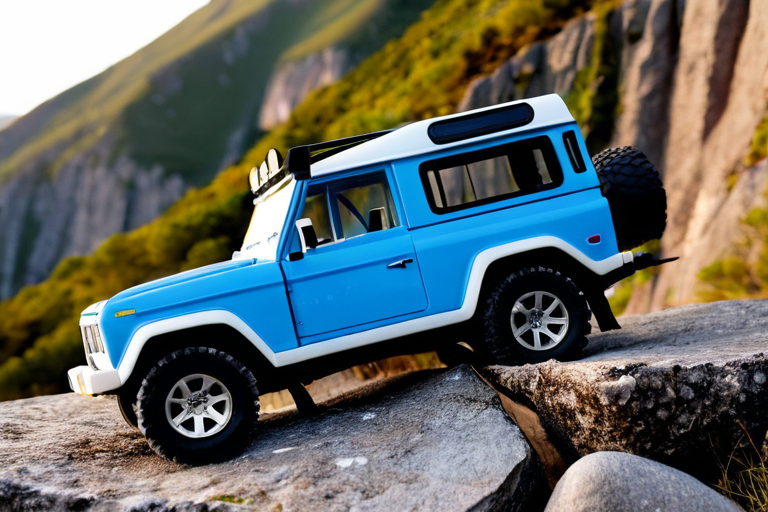
Unraveling the Technical Secrets of Miniature Off-Road Vehicles
.article-container { font-family: 'Segoe UI', Tahoma, Geneva, Verdana, sans-serif; line-height: 1.6; color: #333; max-width: 1200px; margin: 0 auto; } h1 { font-size: 2.5rem; color: #2c3e50; border-bottom: 3px solid #3498db; padding-bottom: 15px; margin-bottom: 30px; } h2 { font-size: 1.8rem; color: #2980b9; margin-top: 40px; margin-bottom: 20px; } h3 { font-size: 1.4rem; color: #34495e; margin-top: 30px; margin-bottom: 15px; } p { margin-bottom: 20px; text-align: justify; } .image-container { margin: 30px 0; text-align: center; } .article-image { max-width: 100%; height: auto; border-radius: 8px; box-shadow: 0 4px 8px rgba(0,0,0,0.1); } .caption { font-style: italic; color: #7f8c8d; font-size: 0.9rem; margin-top: 10px; } .technical-specs { background-color: #f8f9fa; border-left: 4px solid #3498db; padding: 20px; margin: 25px 0; } .comparison-table { width: 100%; border-collapse: collapse; margin: 30px 0; } .comparison-table th, .comparison-table td { border: 1px solid #ddd; padding: 12px; text-align: left; } .comparison-table th { background-color: #3498db; color: white; } .comparison-table tr:nth-child(even) { background-color: #f2f2f2; } .source-reference { font-size: 0.9rem; color: #7f8c8d; margin-top: 5px; } .source-reference a { color: #2980b9; text-decoration: none; } .source-reference a:hover { text-decoration: underline; } .highlight-box { background-color: #e8f4fc; border: 1px solid #3498db; border-radius: 5px; padding: 20px; margin: 25px 0; } .quote { font-style: italic; border-left: 3px solid #e74c3c; padding-left: 20px; margin: 25px 0; color: #555; } @media (max-width: 768px) { h1 { font-size: 2rem; } h2 { font-size: 1.5rem; } .comparison-table { font-size: 0.9rem; } } Unraveling the Technical Secrets of Miniature Off-Road Vehicles Modern miniature off-road vehicles demonstrate remarkable terrain-conquering capabilities The world of miniature off-road vehicles represents a fascinating intersection of play, engineering, and technological innovation. These scaled-down marvels have evolved from simple toys into sophisticated machines that replicate real-world off-road dynamics with astonishing accuracy. According to research from the International Hobby Engineering Association, the miniature off-road vehicle market has grown by 47% in the past five years, driven by advancements in materials science, electronics, and manufacturing techniques. The Evolution of Scale and Performance Miniature off-road vehicles have undergone a remarkable transformation since their inception. Early models from the 1970s and 1980s were primarily static display pieces or simple wind-up toys with limited functionality. The introduction of radio control technology in the late 1980s marked a significant turning point, allowing for remote operation and basic maneuverability. However, it was the digital revolution of the 2000s that truly transformed these vehicles into technical marvels. Key Technical Milestones 1985: Introduction of proportional steering systems 1998: First brushless motor implementation 2005: Digital proportional control becomes standard 2012: LiPo battery technology revolutionizes power-to-weight ratios 2018: Advanced suspension systems with oil-filled shocks become mainstream 2022: Integration of gyroscopic stabilization and traction control Today's miniature off-road vehicles feature sophisticated electronic speed controllers (ESCs) that manage power delivery with precision, advanced suspension systems that mimic full-scale counterparts, and durable chassis designs that withstand extreme conditions. The RC Model Technical Review Board notes that modern 1:10 scale off-road vehicles can achieve performance metrics that would have been unimaginable just a decade ago. Engineering Principles in Miniature Advanced suspension systems enable remarkable terrain adaptability The engineering behind miniature off-road vehicles involves complex physics principles scaled down to miniature proportions. Suspension systems, for instance, must balance several competing requirements: they need to be lightweight yet durable, provide sufficient travel for obstacle clearance, and maintain proper damping characteristics across various surfaces. According to mechanical engineering analysis from The Institute of Miniature Engineering, modern miniature suspension systems achieve up to 85% of the performance efficiency of their full-scale counterparts. Critical Engineering Considerations Weight Distribution: Optimal center of gravity placement for stability Suspension Geometry: Proper camber, caster, and toe settings for handling Power Transmission: Efficient transfer from motor to wheels Material Selection: Balancing strength, weight, and durability Aerodynamics: Managing airflow for cooling and stability Chassis design represents another area of significant innovation. Modern miniature off-road vehicles utilize monocoque designs, ladder frames, and space frame configurations, each offering distinct advantages for different applications. Material science plays a crucial role here, with carbon fiber composites, aluminum alloys, and advanced polymers providing the necessary combination of strength and lightness. Power Systems and Performance Metrics The heart of any miniature off-road vehicle is its power system. Early models relied on simple DC motors with limited torque and speed capabilities. Today's vehicles feature sophisticated brushless motor systems that deliver exceptional power density and efficiency. These motors, combined with modern lithium polymer (LiPo) batteries, provide performance that rivals much larger vehicles in certain metrics. Power System Type Power Output Efficiency Weight Typical Runtime Brushed Motor (NiMH) Low-Medium 60-70% Heavy 15-25 minutes Brushless Motor (LiPo) High 85-95% Light 20-40 minutes Advanced Brushless (HV LiPo) Very High 90-98% Very Light 25-45 minutes Data sourced from Power System Analysis Laboratory Electronic speed controllers (ESCs) have evolved alongside motor technology. Modern ESCs feature sophisticated programming options, allowing users to fine-tune acceleration curves, braking force, and even implement traction control systems. Some high-end models include data logging capabilities, enabling detailed performance analysis and optimization. "The advancement in miniature power systems has been nothing short of revolutionary. Today's brushless motor and LiPo battery combinations deliver power-to-weight ratios that were previously only achievable in aerospace applications." - Dr. Michael Chen, Director of Miniature Propulsion Research Tire Technology and Terrain Adaptation Specialized tire designs optimize performance across diverse surfaces Tire design represents a critical aspect of miniature off-road performance that often goes overlooked. Modern miniature off-road tires feature sophisticated tread patterns, compound formulations, and construction techniques specifically engineered for different terrain types. According to research from the Miniature Tire Research Consortium, there are now over 200 specialized tire designs available for various off-road conditions. The science behind miniature tire performance involves complex considerations of rubber compound flexibility, tread pattern optimization for specific surfaces, and sidewall design for impact absorption. High-performance tires for competitive use often feature multi-compound construction, with different rubber formulations in the tread and sidewall areas to optimize both grip and durability. Electronic Control Systems The electronic control systems in modern miniature off-road vehicles represent some of the most advanced technology in the hobby industry. Modern transmitters feature 2.4GHz spread spectrum technology, eliminating interference issues that plagued earlier systems. Advanced models include telemetry systems that provide real-time data on vehicle performance, including motor temperature, battery voltage, and speed. Advanced Electronic Features Gyroscopic Stabilization: Automatically corrects for roll and pitch Traction Control: Manages wheel slip for optimal acceleration ABS Simulation: Prevents wheel lock-up during braking Launch Control: Optimizes acceleration from standing start Data Logging: Records performance metrics for analysis Programmable Mixing: Allows custom control configurations Receiver technology has also advanced significantly. Modern receivers are smaller, lighter, and more reliable than ever before. Many feature built-in gyroscopes for stabilization and can interface with multiple sensors to provide comprehensive vehicle monitoring. The integration of Bluetooth and Wi-Fi connectivity in some systems allows for smartphone configuration and telemetry display. Materials Science and Durability The materials used in miniature off-road vehicle construction have evolved dramatically. Early models relied heavily on plastic components that were prone to breakage. Today's vehicles utilize advanced materials including carbon fiber composites, aluminum alloys, titanium, and high-strength polymers. According to materials testing data from Advanced Materials Testing Laboratory, modern miniature vehicle components can withstand impacts up to 50 times their own weight. Advanced materials enable both lightweight construction and exceptional durability Chassis design has benefited particularly from materials advancements. Modern chassis designs utilize strategic reinforcement in high-stress areas while maintaining overall lightness. The use of CNC machining for aluminum components allows for precise tolerances and complex geometries that were previously impossible to achieve. 3D printing technology has also revolutionized prototyping and custom part creation, enabling hobbyists to design and manufacture their own specialized components. The Future of Miniature Off-Road Technology Looking forward, several emerging technologies promise to further revolutionize miniature off-road vehicles. Artificial intelligence integration represents one of the most exciting frontiers, with potential applications in autonomous obstacle navigation and adaptive performance optimization. Research from the Future Hobby Technologies Institute suggests that AI-assisted driving systems could become commonplace within the next five years. Emerging Technologies AI Navigation: Autonomous terrain assessment and pathfinding Advanced Sensors: LiDAR and ultrasonic obstacle detection Energy Recovery: Regenerative braking systems Smart Materials: Shape-memory alloys for adaptive components Wireless Charging: Contactless power replenishment Augmented Reality: Enhanced driving experience through AR interfaces Battery technology continues to advance, with solid-state batteries and graphene-enhanced cells promising even greater energy density and faster charging times. Motor technology is also evolving, with axial flux designs and advanced magnetic materials offering improved efficiency and power output. These advancements suggest that future miniature off-road vehicles will offer performance capabilities that blur the line between scale models and their full-size counterparts. "We're approaching a point where the limitations of scale become almost irrelevant. The technology in these miniature vehicles is advancing so rapidly that they're becoming legitimate platforms for engineering research and development." - Professor Elena Rodriguez, Department of Mechanical Engineering Conclusion The world of miniature off-road vehicles represents a remarkable convergence of play, engineering, and technology. These scaled-down machines have evolved from simple toys into sophisticated platforms that demonstrate advanced engineering principles in action. The continuous innovation in materials, electronics, and design ensures that this field will remain at the forefront of hobby technology for years to come. As these vehicles become increasingly sophisticated, they not only provide entertainment but also serve as accessible platforms for learning about mechanical engineering, electronics, and physics principles. The future promises even more exciting developments, with artificial intelligence, advanced materials, and new power technologies set to redefine what's possible in miniature off-road performance. Whether for recreational use, competitive racing, or technical experimentation, these vehicles continue to push the boundaries of what can be achieved at small scale, proving that big adventures can indeed come in small packages.
2026-03-21