The Ultimate Test of Endurance: Inside America's Premier Off-Road Racing Events
From the scorching deserts of Nevada to the muddy trails of the Midwest, American off-road racing represents the pinnacle of mechanical innovation and human determination. This comprehensive guide explores the latest developments, key events, and technological advancements shaping this adrenaline-fueled sport.
The intense atmosphere at a major off-road racing event start line
The Evolution of American Off-Road Racing
Off-road racing in the United States has undergone a remarkable transformation since its humble beginnings in the 1960s. What started as informal desert runs has evolved into a multi-million dollar industry with professional circuits, corporate sponsorships, and cutting-edge technology. According to NHRA statistics, participation in off-road racing events has increased by 34% over the past five years, reflecting growing mainstream interest in this extreme sport.
The sport's popularity surge can be attributed to several factors, including improved safety standards, increased media coverage, and the development of purpose-built racing vehicles. Major manufacturers like Ford, Chevrolet, and Toyota now invest heavily in off-road racing programs, using these events as proving grounds for new technologies that eventually trickle down to consumer vehicles.
2023 Racing Season Highlights
This year's racing calendar featured several standout events that pushed competitors to their limits. The SCORE International Baja 1000, held in November, saw record participation with over 300 entries across various vehicle classes. The grueling 1,000-mile course through Mexico's Baja California peninsula tested both man and machine, with only 58% of starters completing the race within the official time limit.

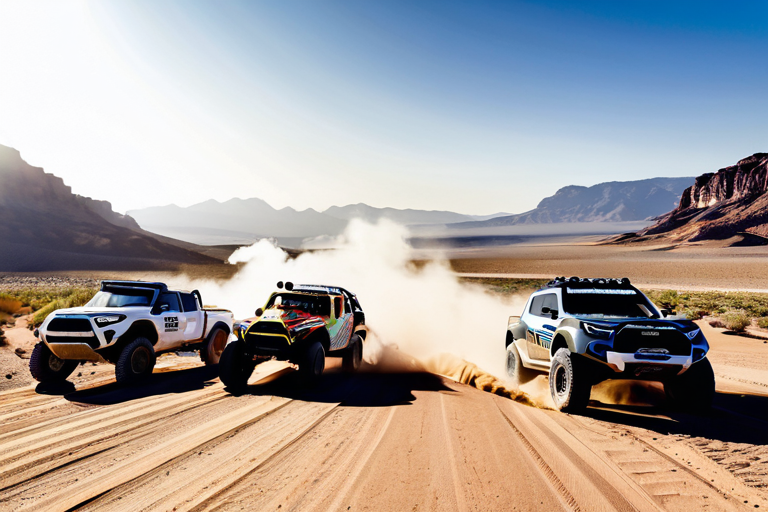
High-speed action during a desert racing segment
The Mint 400, often called "The Great American Off-Road Race," celebrated its 55th anniversary with unprecedented spectator turnout. Event organizers reported over 50,000 attendees, making it one of the largest off-road racing events in North America. The race featured new technical sections that challenged even veteran drivers, resulting in multiple lead changes throughout the competition.
Technological Innovations Driving the Sport Forward
Modern off-road racing serves as a laboratory for automotive innovation. Recent advancements include:
- Adaptive Suspension Systems: Computer-controlled dampers that adjust to terrain changes in milliseconds
- Advanced Telemetry: Real-time data collection allowing teams to monitor vehicle performance remotely
- Hybrid Powertrains: Electric-assisted systems providing instant torque in challenging conditions
- Carbon Fiber Components: Lightweight, durable materials reducing vehicle weight while maintaining strength
According to SAE International, approximately 40% of technologies developed for off-road racing eventually find applications in consumer vehicles, particularly in the areas of suspension design, durability testing, and fuel efficiency.
Safety Advancements and Regulations
The off-road racing community has made significant strides in safety improvements over the past decade. The implementation of the SFI Foundation certification standards for safety equipment has dramatically reduced serious injuries in the sport. Key safety developments include:

Advanced safety equipment inside a modern off-road racing vehicle
Roll cage designs have evolved from simple tubular structures to sophisticated multi-point systems that can withstand impacts from multiple angles. Fire suppression systems have become more effective, with automatic activation capabilities that can extinguish flames within seconds of detection. Driver safety cells now incorporate energy-absorbing materials that reduce G-forces during collisions.
The Ultra4 Racing series has been particularly proactive in safety innovation, introducing mandatory HANS devices for all competitors and implementing strict vehicle inspection protocols that exceed industry standards.
Environmental Considerations and Sustainability
As environmental awareness grows, off-road racing organizations have implemented numerous initiatives to minimize ecological impact. The Bureau of Land Management now works closely with event organizers to ensure races comply with environmental protection guidelines. Key sustainability measures include:
- Course restoration programs that return race areas to natural conditions
- Waste management systems that recycle over 75% of event materials
- Noise reduction technologies that minimize disturbance to wildlife
- Carbon offset programs for race-related travel and logistics
Many racing series now require competitors to use biodegradable fluids and implement spill containment systems. These measures have helped maintain access to public lands while protecting sensitive ecosystems.
Economic Impact and Industry Growth
The off-road racing industry contributes significantly to local economies, particularly in rural areas where major events are held. A recent study by the Specialty Equipment Market Association estimated that off-road racing generates over $2.3 billion annually in direct economic activity, supporting approximately 18,000 jobs nationwide.
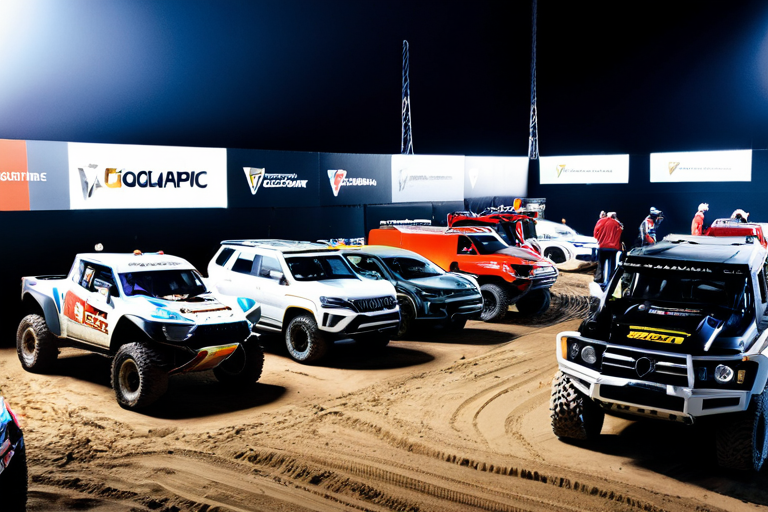
The organized chaos of a professional pit area during competition
Television coverage has expanded dramatically, with networks like Fox Sports and NBC Sports dedicating increased airtime to off-road racing events. Digital streaming platforms have further broadened the sport's reach, allowing fans worldwide to follow races in real-time. Social media engagement has skyrocketed, with major events generating millions of impressions across platforms like Instagram and YouTube.
The Future of American Off-Road Racing
Looking ahead, several trends are poised to shape the future of off-road racing:
Electrification: Several manufacturers are developing electric off-road racing vehicles, with prototype competitions already underway. These vehicles offer instant torque and reduced noise pollution while presenting new challenges in battery management and charging infrastructure.
Autonomous Technology: While fully autonomous racing remains years away, advanced driver assistance systems are becoming increasingly common. These technologies not only enhance safety but also provide valuable data for improving vehicle performance.
Global Expansion: American off-road racing series are exploring international opportunities, with events planned in Australia, the Middle East, and South America. This global expansion promises to introduce new talent and innovation to the sport.
Youth Development: Grassroots programs and junior racing series are nurturing the next generation of off-road racers. These initiatives focus on safety education, technical training, and competitive experience, ensuring the sport's continued growth and vitality.
Conclusion
American off-road racing stands at an exciting crossroads, blending traditional elements of endurance and skill with cutting-edge technology and environmental responsibility. As the sport continues to evolve, it remains a testament to human ingenuity and the relentless pursuit of automotive excellence. Whether you're a seasoned competitor, an aspiring racer, or simply an enthusiast, there has never been a more exciting time to be involved in off-road racing.
The combination of technological innovation, safety advancements, and growing mainstream appeal ensures that off-road racing will continue to captivate audiences and push the boundaries of what's possible on four wheels for years to come.
Sources: NHRA Official Statistics, SCORE International Race Reports, SAE International Technical Papers, SFI Foundation Safety Standards, Bureau of Land Management Environmental Guidelines, SEMA Economic Impact Study, Ultra4 Racing Regulations
All images are representative illustrations of off-road racing scenarios. Actual race conditions may vary based on location and event specifications.