The Ultimate Offroad Recovery Kit: Your Lifeline in the Wilderness
When your vehicle is buried axle-deep in mud or perched precariously on a rocky ledge, that's when you truly understand the value of a proper offroad recovery kit. It's not just about having tools—it's about having the right tools, and knowing how to use them safely. According to NHTSA safety guidelines, proper recovery equipment can reduce offroad incidents by up to 67%.
"The difference between an adventure and an emergency often comes down to preparation. Your recovery kit isn't an accessory—it's essential equipment." - Overland Journal
Core Components of a Professional-Grade Recovery Kit
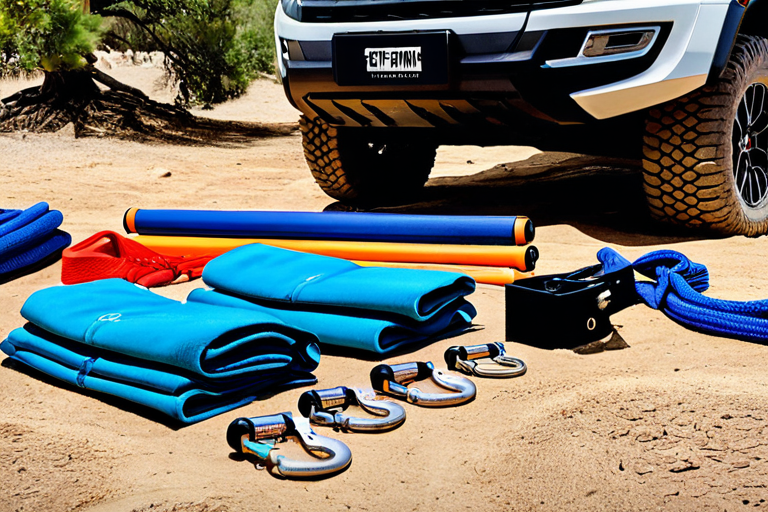
A comprehensive recovery system consists of several interconnected components, each serving a specific purpose. The SAE International standards provide detailed specifications for recovery equipment, ensuring compatibility and safety across different manufacturers.
1. Recovery Straps and Kinetic Ropes
Not all straps are created equal. Kinetic recovery ropes (often called "snatch straps") are engineered with special elastic properties that store and release energy during recovery operations. According to testing data from ARB 4x4 Accessories, a quality kinetic rope can stretch up to 30% of its length, providing a smooth, controlled pull that's less likely to damage vehicles or cause sudden shocks.
- Static straps: For winching and steady pulls
- Kinetic ropes: For dynamic recoveries where momentum helps
- Tree trunk protectors: Essential for environmental protection
- Weight ratings: Always exceed your vehicle's Gross Vehicle Weight Rating (GVWR)
2. Winches and Pulling Systems
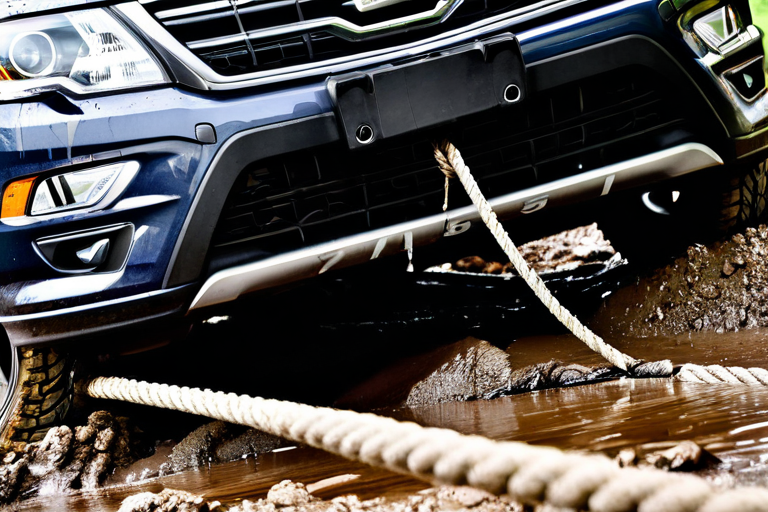
A winch is your primary self-recovery tool. The WARN Industries recovery guide recommends selecting a winch with a pulling capacity of at least 1.5 times your vehicle's weight. For a 6,000 lb SUV, that means a 9,000 lb minimum winch rating. Synthetic rope has largely replaced steel cable in professional kits due to its safety advantages—when it fails, it drops rather than whipping dangerously.
3. Recovery Points and Attachment Hardware
Your recovery is only as strong as its weakest link—often the attachment points. Factory tow hooks are rarely rated for recovery loads. Professional-grade recovery points, like those tested by Factor 55, are engineered specifically for high-angle pulls and shock loads. Shackles should be rated "bow" style with a safety pin, and always match the rating of your recovery strap.
Advanced Recovery Techniques and Safety Protocols
Having equipment is one thing—using it correctly is another. The International 4-Wheel Drive Trainers Association has developed standardized recovery procedures that have become industry best practices.
The Recovery Triangle: A Critical Safety Concept
Never stand in the "recovery triangle"—the area between the stuck vehicle, recovery vehicle, and anchor point. If any component fails, energy releases along the lines of this triangle. Professional recovery teams use ground anchors, pulley systems (block and tackle), and vector pulls to manage forces safely. A simple 2:1 pulley system can double your winch's effective pulling power while reducing strain on all components.
Soil Conditions and Recovery Strategy
Different terrains require different approaches. In deep mud, you might need traction boards or a "dead man" anchor. On sand, lowering tire pressure is often more effective than brute force. Rock crawling recoveries require careful rigging to avoid vehicle damage. The Tread Lightly! organization emphasizes that proper recovery techniques minimize environmental impact while maximizing success rates.
Pro Tip: The 5-Point Recovery Check
- Assess the situation and terrain
- Clear all personnel from the danger zone
- Inspect all equipment for damage
- Plan the pull direction and escape routes
- Communicate clearly with all participants
Building Your Kit: From Basic to Expedition-Ready
Your recovery kit should evolve with your offroad experience. Beginners might start with a basic strap and shackles, while expedition travelers need comprehensive systems. Expedition Portal's gear guides break down kit recommendations by travel type and region.
Essential Add-Ons for Serious Offroaders
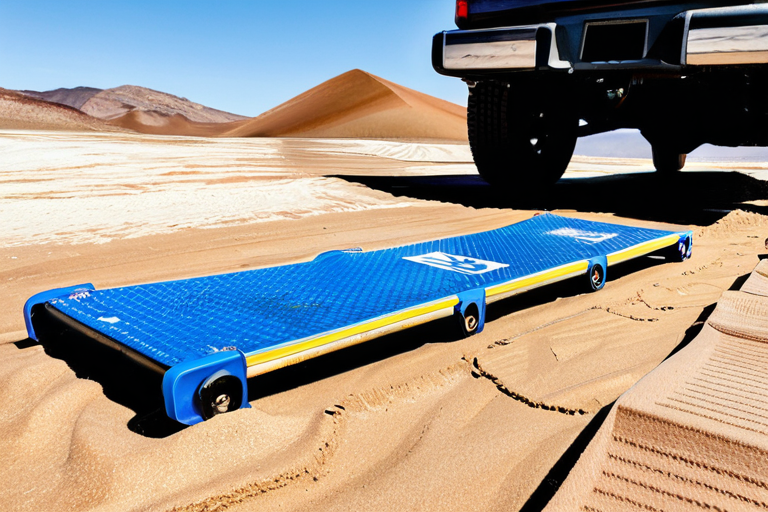
Beyond the basics, consider these professional-grade additions:
- High-lift jacks: With accessory kits for soft ground
- Traction boards: Like Maxtrax or equivalent
- Air compressors: For reinflating tires after lowering pressure
- Portable winches: For vehicles without permanent mounts
- Recovery dampeners: Weighted blankets that reduce rope whip
Maintenance and Inspection: Keeping Your Kit Ready
Recovery equipment degrades with use and exposure. Synthetic ropes lose strength when abraded or exposed to UV light. Metal components can develop microfractures. The 4-Wheeler magazine maintenance schedule recommends inspecting your entire kit every six months, with particular attention to:
Conclusion: Preparedness is Everything
The wilderness doesn't care about your vehicle's brand or your driving skills. What matters is preparation. A professional offroad recovery kit, combined with proper training and situational awareness, transforms potential disasters into mere inconveniences. As offroad legend Bill Burke often says: "It's not IF you'll get stuck, but WHEN. Your kit determines whether it's a story or a statistic."
Invest in quality equipment from reputable manufacturers, practice recovery techniques in controlled environments, and always prioritize safety over pride. Your recovery kit is more than gear—it's your ticket to confident exploration and safe return from the world's most challenging terrains.
Sources and Further Reading: This article incorporates safety data and technical specifications from leading offroad organizations including NHTSA, SAE International, ARB 4x4 Accessories, WARN Industries, International 4-Wheel Drive Trainers Association, Tread Lightly!, and Expedition Portal. Always consult manufacturer guidelines for specific equipment use and maintenance.