Essential Winter Off-Road Recovery Kit: Your Lifeline in Snowy Terrain
When winter transforms familiar trails into treacherous expanses of snow and ice, being prepared isn't just a suggestion—it's a necessity. A comprehensive winter off-road recovery kit can mean the difference between a minor inconvenience and a life-threatening situation. This guide dives deep into the must-have gear, expert techniques, and critical considerations for navigating cold-weather off-roading safely.
Why Winter Recovery Demands Specialized Gear
According to NHTSA, over 70% of winter-related vehicle emergencies occur in remote or off-road areas where professional help is delayed. Standard recovery equipment often fails in sub-zero temperatures due to metal brittleness, frozen components, and reduced traction.
Core Components of a Winter Off-Road Recovery Kit
1. Traction and Winching Systems
A quality winch rated for at least 1.5 times your vehicle's weight is essential. Synthetic rope outperforms steel cable in cold weather as it doesn't contract or become brittle. Pair this with a snatch block to double pulling power and reduce strain.
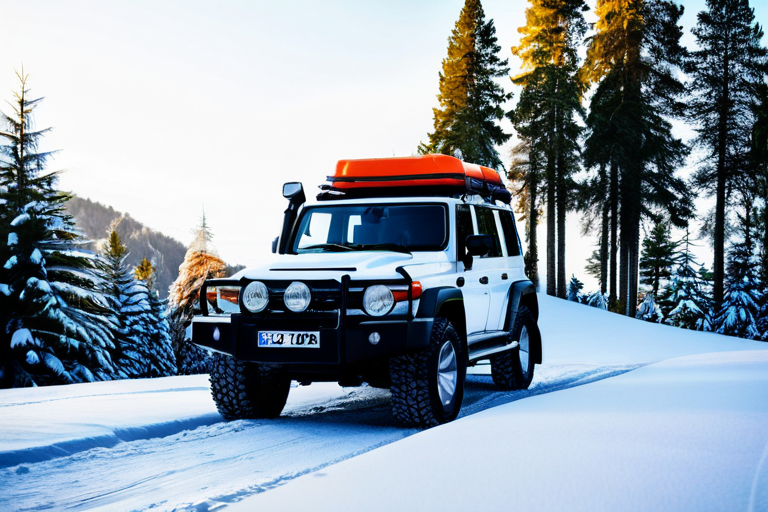
Proper winch setup with tree protector and dampener in winter conditions
2. Traction Boards and Mats
MAXTRAX or similar recovery boards provide critical grip on ice and deep snow. Look for models with reinforced teeth that won't snap in freezing temperatures. Store them inside the vehicle to prevent freezing to exterior mounts.
3. Shovels and Extraction Tools
A collapsible military-grade shovel with D-grip handle allows for efficient snow removal. The REI Expert Advice recommends adding an ice axe or pick for breaking through frozen crust layers.
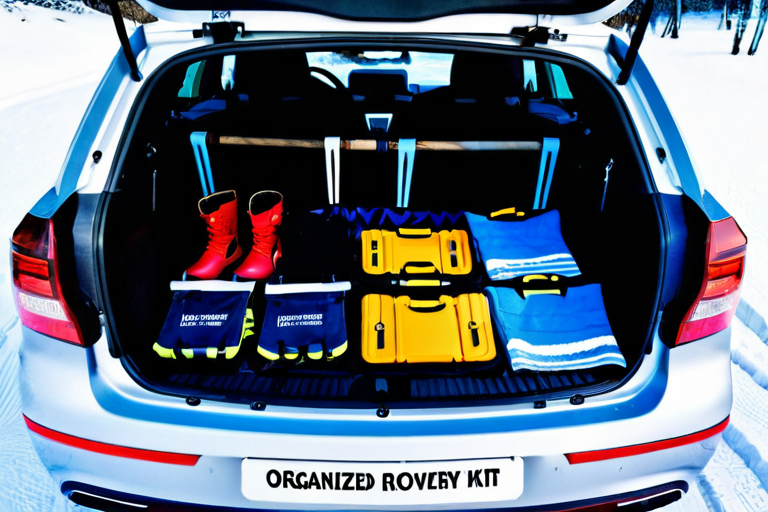
Organized winter recovery kit with labeled components for quick access
Specialized Winter Additions
Cold-Weather Recovery Straps
Standard recovery straps become stiff and lose elasticity below -20°C. Invest in Arctic-rated straps with temperature ratings down to -40°C. The SAE J2928 standard specifies requirements for cold-weather recovery equipment.
Portable Heat Sources
Butane-powered heat guns can thaw frozen winch mechanisms and door locks. Include chemical hand warmers to maintain dexterity during extended recovery operations.
Winter-Specific Tire Equipment
Air-down gauges that function in extreme cold, along with portable compressors rated for winter use. Studded tire chains provide superior ice traction compared to standard chains.
Safety First: Winter Recovery Protocols
Always inform someone of your route and expected return time. The National Weather Service emphasizes checking forecasts for wind chill and snow accumulation rates. Never attempt recovery alone in whiteout conditions.
Advanced Techniques for Snow Recovery
The Double-Winch Technique
When dealing with deep snow drifts, setting up two winches at opposing angles creates a "V" pull that lifts the vehicle while moving it forward, preventing further sinking.
Snow Anchor Systems
Deadman anchors using buried spare tires or specialized snow anchors provide secure points when trees aren't available. Bury anchors at least 4 feet deep in consolidated snow.

Deadman anchor system using buried equipment in deep snow
Maintenance and Storage Considerations
Winter recovery equipment requires special care. Lubricate all moving parts with cold-temperature grease before storage. Keep kinetic ropes coiled loosely to prevent memory formation. Store electronic components like winch controllers in waterproof cases with desiccant packs.
Regularly inspect equipment for cold damage: check for cracks in plastic components, test winch motor operation in freezing conditions, and verify strap elasticity after exposure to extreme temperatures.
Building Your Custom Winter Kit
Consider your specific vehicle weight, typical terrain, and lowest expected temperatures. A Jeep Wrangler navigating Colorado passes needs different equipment than a Ford Raptor in Michigan forests. Document your kit contents and refresh perishable items annually before winter season.
Remember: The most expensive recovery gear is useless without proper knowledge. Consider taking a winter recovery course from organizations like Overland Expo or local 4x4 clubs.
Final Checklist Before Winter Adventures
- Test all equipment in controlled cold conditions
- Pack extra thermal layers and emergency blankets
- Include high-calorie, non-freezing food supplies
- Carry satellite communication device (SPOT or InReach)
- Verify vehicle fluids are winter-rated
- Practice recovery techniques in safe environments
Winter off-roading offers unparalleled beauty and challenge, but demands respect and preparation. A properly equipped winter recovery kit transforms potential disasters into manageable situations. Invest in quality gear, acquire proper training, and always prioritize safety over ambition when the mercury drops.